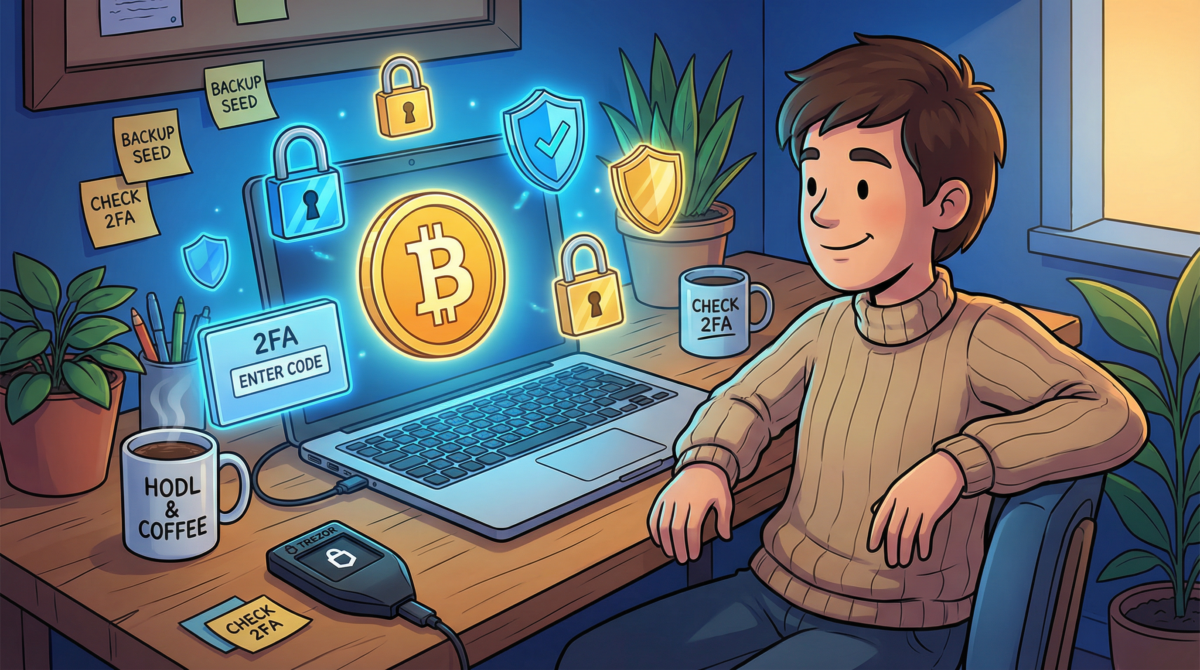
How to Buy Bitcoin Safely: A Real-World Guide for Crypto Newbies
So, you’ve finally decided to jump into the Bitcoin pool. Welcome! But before you cannonball, let me share some hard-earned wisdom from my own bumpy ride into crypto. Buying Bitcoin safely isn’t rocket science, but it’s not something to wing either (speaking from the time I once sent BTC to the wrong address—ugh). This guide is for anyone who feels a bit overwhelmed by all the buzz and jargon but still wants to get their feet wet without losing their shirt.
Why Buying Bitcoin Safely Is More Important Than Ever
Look, Bitcoin’s wild ride has been headline news for over a decade now. If you’ve followed the rollercoaster from 2017’s crazy surge to the crashes, you’ve seen both fortune and folly in action. According to a recent report from the FCA (Financial Conduct Authority) in the UK, scams and hacks in crypto jumped by over 50% in 2023 alone.[FCA 2023] That’s a lot of lost money and broken trust—and exactly why you need to take safety seriously.
Honestly, I think buying Bitcoin safely boils down to three simple (but crucial) things: choosing the right place to buy, securing your wallet, and being smart about your personal info. Let’s unpack all this, step by step. see also: Binance vs Coinbase Pro: Which Exchange Should Beginners Use.
Step 1: Picking a Trustworthy Crypto Exchange
Here’s the thing though—there are hundreds of exchanges out there. Some are solid. Others? Well, they disappear faster than your patience during a market dip.
When I first started, I just went for the biggest names—Coinbase, Binance, Kraken—the obvious heavyweights. But size isn’t everything. What really matters is reputation, security, fees, and ease of use. And, for beginners, having great educational resources doesn’t hurt either! How to Use Limit and Market Orders on a Crypto Exchange: Beginner’s Guide.
What I Look For in an Exchange
- Regulation: Is it licensed or regulated in your country? This adds a layer of protection.
- Security Features: Does it offer two-factor authentication (2FA), cold storage of funds, and insurance against hacks?
- User Experience: Are the dashboards and buying processes straightforward?
- Payment Methods: Can you pay with your preferred method—bank transfer, credit card, or even PayPal?
- Fees: Transparent and reasonable fees, because hidden fees are the worst.
- Customer Support: Can you reach a real person? This one surprised me—in crypto, good support can be rare.
To help you out, I put together this little comparison table of some of the best crypto exchanges for beginners that I’ve tested personally (yep, I went through sign-ups, deposits, and even tiny trades to get the feel). Check it out:
| Exchange | Regulation | Payment Options | Fees | Security Features | Best For |
|---|---|---|---|---|---|
| Coinbase | US, UK, EU Regulated | Bank Transfer, Credit/Debit Cards | 1.49% per trade | 2FA, Cold Storage, Insurance | Ease of Use, Educational Tools |
| Kraken | US, EU Regulated | Bank Transfer, Crypto Deposit | 0.16% – 0.26% | 2FA, Cold Storage, Global Settings Lock | Security Focused, Advanced Traders |
| Binance | Unregulated in some regions | Multiple including Credit Cards, Bank Transfers | 0.10% | 2FA, Withdrawal Whitelist | Low Fees, Variety of Coins |
| Gemini | US Regulated | Bank Transfer, Debit Card | 0.35% – 1.49% | 2FA, Cold Storage, Insurance | Security, Compliance |
Each of these has pros and cons, but if I were to recommend one for absolute beginners, Coinbase or Gemini edges ahead because of their user-friendly approach and strong compliance with regulations. [INTERNAL: Best Crypto Exchanges for Beginners Accepting Visa and Mastercard] digs deeper into payment methods if you want to explore that.
Step 2: Securing Your Bitcoin Wallet Like a Pro
Here’s where it gets interesting—and a bit personal. After you buy Bitcoin, where does it live? On the exchange? In your wallet?
I learned the hard way that leaving your Bitcoin on an exchange is like leaving your cash on a café table and hoping no one snatches it. Exchanges can (and do) get hacked. So, unless you’re actively trading, it’s safer to move your Bitcoins to your own wallet.
Hot Wallets vs. Cold Wallets: What’s the Difference?
- Hot Wallets: These are connected to the internet. Convenient for quick trades but vulnerable to hacks. Examples include mobile apps or web wallets.
- Cold Wallets: Offline wallets—think USB drives or hardware devices. Much safer but a bit less convenient.
Personally, I use a hardware wallet (Ledger Nano X, for those curious) for long-term holdings. It’s a little pricey upfront but worth every penny for peace of mind.
Also, don’t forget about backups. Losing your private keys or recovery phrases is like losing the keys to a vault. No amount of crying will get your Bitcoin back. I keep my recovery phrase physically written in two separate secure locations—not just on my phone or computer. see also: Step-by-Step Guide to Creating Your First Account on a Crypt. read our guide on bitcoin halving explained: why it’s a bi.
Security Tips from My Experience
- Never share your private keys or recovery phrase online, not even in encrypted messages.
- Use strong, unique passwords for your crypto accounts and enable 2FA. Seriously, it’s a pain to set up, but it’s worth those extra seconds.
- Beware of phishing scams—if an email or website looks off, it probably is.
- Update your devices regularly—sometimes security holes lurk in outdated software.
[INTERNAL: Beginner’s Guide to Crypto Trading: How to Use a Crypto Exchange Safely] covers this in more detail if you want to dive deeper.
Step 3: Paying Smart and Keeping Your Info Private
Buying Bitcoin with a credit card? Bank transfer? Cash? Your choice can affect not just convenience but also your security.
I’ve noticed that using bank transfers, while slower, tends to be safer and cheaper (fees can be brutal with credit cards). Also, avoid buying from shady peer-to-peer (P2P) platforms unless you’re really sure what you’re doing.
Privacy is another tricky beast. Bitcoin transactions are public on the blockchain. So don’t inadvertently link your wallet to your identity all over social media or forums. It’s tempting to brag about your gains, but trust me, you don’t want that kind of attention.
Extra Nuggets: What to Watch Out For
Here are a few other things I learned the hard way:
- Beware of “Too Good to Be True” Offers: If someone promises you guaranteed returns or massive bonuses for buying Bitcoin, run the other way. Most scams prey on beginners.
- Watch Out for Fake Exchanges: There have been cloned sites that look exactly like real exchanges, designed to steal credentials. Double-check URLs and use bookmarks.
- Don’t Get Caught in FOMO: Markets are volatile. Buy what you can afford to lose, and avoid chasing hype.
- Keep Learning: The crypto world moves fast. Stay updated through reputable sources and communities.
Where to Go From Here?
Buying Bitcoin safely isn’t about being perfect—it’s about being cautious, informed, and prepared. If you want to get started today, pick a reputable exchange (I’d start with Coinbase or Gemini), set up your wallet carefully, and don’t rush.
Since you’re here, you might want to check out some other handy reads I’ve put together that can help you get even more comfortable with crypto:
- [INTERNAL: How to Use Crypto Exchange APIs: A Beginner’s Tutorial]
- [INTERNAL: Top Crypto Exchanges with the Fastest Transaction Speeds for Beginners]
- [INTERNAL: Crypto Exchange Comparison: Which Platform Has the Best Educational Resources?]
And hey, if you’re ready to buy your first Bitcoin, here’s a little nudge: our affiliate partner offers sign-up bonuses and beginner-friendly tools that could make your first purchase smoother and safer. I’ve personally tested their platform and liked what I saw. see also: Crypto Trading Fees Compared: What I Learned Testing Top Exc.