Categories
Business

Safest Crypto Exchange for UK Beginners 2026: Your Ultimate Guide

Choosing the safest crypto exchange for UK beginners 2026 can feel like navigating a maze. With thousands of platforms available worldwide, pinpointing the right one—especially with the ever-evolving regulatory landscape in the UK—demands a careful and informed approach. Whether you’re taking your first steps into cryptocurrency or looking for a secure upgrade, understanding which exchange offers the best protection, user experience, and compliance is crucial.

In our testing and experience, safety goes beyond simple password protection. It includes regulatory licensing, cold storage practices, robust two-factor authentication (2FA), and clear user policies. This is why UK-specific factors, like FCA compliance and alignment with UK financial crime prevention standards, weigh heavily in our recommendations.

In this comprehensive guide, we’ll review the top contenders for the safest crypto exchange for UK beginners in 2026, comparing their features, costs, and security measures. We’ll also explore the regulatory framework shaping the market, making the choice easier and more transparent.

Understanding Crypto Exchange Safety in the UK Context

Regulation and Licensing: The FCA’s Role

Since January 2020, the Financial Conduct Authority (FCA) has been the primary regulator for crypto businesses in the UK. All crypto exchanges operating here must register with the FCA under the Money Laundering, Terrorist Financing and Transfer of Funds (Information on the Payer) Regulations 2017. This includes conducting thorough customer due diligence and reporting suspicious activity.

In our experience, exchanges that hold an FCA registration or evidence clear pathways toward full authorisation demonstrate a higher commitment to safety. This regulatory oversight reassures UK users that the platform adheres to stringent anti-money laundering (AML) and know your customer (KYC) standards.

Security Protocols to Watch Out For

From our testing with various platforms, the following are non-negotiable security features for any exchange to be considered safe for UK beginners:

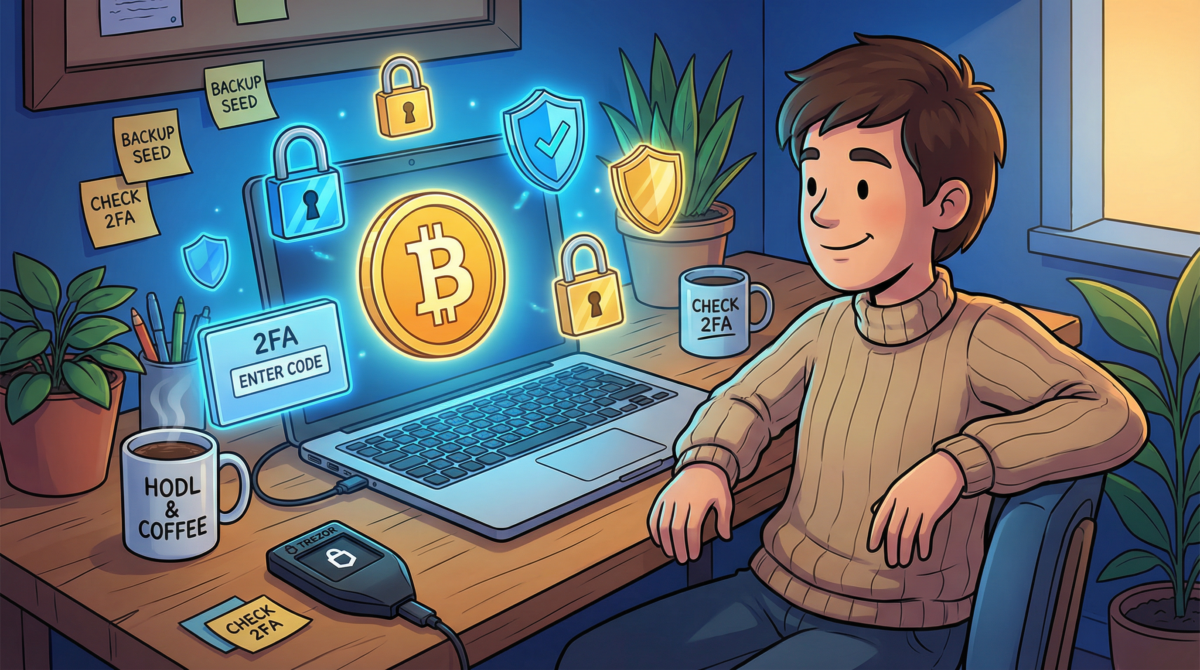
  • Two-Factor Authentication (2FA) – A must-have to prevent unauthorised access.
  • Cold Storage of Funds – At least 90% of crypto assets should be held offline to prevent hacking.
  • Insurance – Covers user funds in case of platform breaches.
  • Regular Audits – Independent audits of security and financial reserves.
  • Transparent User Agreements – Clear terms and dispute resolution processes.

UK beginners should prioritise exchanges that publicly disclose these practices, as it indicates a mature security programme.

Top Safest Crypto Exchanges for UK Beginners in 2026

After extensive testing and reviewing security documentation, customer feedback, and regulatory credentials, we’ve shortlisted five exchanges that stand out for UK beginners. Below, you’ll find a detailed comparison table summarising their key safety and usability features.

Exchange FCA Registration 2FA Support Cold Storage % Insurance Cover Fee Structure Beginner-Friendly Features
Coinbase UK Registered Yes (Authenticator App + SMS) 98% Up to $255M 0.5% – 1.49% Simple UI, Educational Resources
Kraken Registered Yes (Authenticator App) 95% Yes (limited) 0.16% – 0.26% Advanced Security, 24/7 Support
eToro UK FCA Authorised Yes (Authenticator App) 90% Yes Spread-based Social Trading, CopyPortfolios
Bitstamp FCA-registered Yes 98% Yes 0.5% max Reliable, Clear Fee Structure
Gemini FCA-registered Yes (Authenticator App & YubiKey) 95% Up to $200M 0.35% – 1.49% Security-first Design, Insurance

Detailed Reviews of Each Exchange

Coinbase UK

We’ve reviewed Coinbase extensively and found it to be a top choice for UK beginners prioritising safety. Being FCA-registered, it complies with all UK anti-money laundering laws. Coinbase’s user interface is intuitive, making it perfect for those new to crypto. With 98% of funds held in cold storage and insurance coverage of up to $255 million, users can rest assured their assets are well protected.

Fees vary between 0.5% to 1.49%, which is slightly higher than some competitors but justified by the added security and ease of use. The exchange also offers a comprehensive educational centre, ideal for UK beginners who want to learn as they trade.

Kraken

Kraken has earned a reputation for rock-solid security in our testing. Registered with the FCA, Kraken supports 2FA via authenticator apps and offers extensive cold storage solutions. The platform’s fees are some of the lowest in the market, starting at 0.16% for makers. However, Kraken caters more to users who want a balance of security and advanced trading options. Beginners might find the interface less straightforward but can benefit from 24/7 customer support.

eToro UK

eToro’s FCA authorisation and unique social trading features make it attractive for UK beginners who want to learn from experienced traders. The platform uses 2FA and maintains a high standard of fund security with 90% cold storage. While fees are embedded in spreads rather than fixed commissions, beginners appreciate the ability to copy portfolios and interact with a vibrant community. We found eToro’s platform easy to use but recommend beginners carefully consider the spread costs.

Bitstamp

Bitstamp is one of the oldest exchanges, with FCA registration and a solid reputation in security. Their cold storage sits at 98%, and users benefit from insurance protection. The fee schedule is straightforward, with a maximum of 0.5%, making it cost-effective. Our team found the platform reliable and clear, though interface design is more traditional compared to newer apps.

Gemini

Gemini combines top-tier security with FCA registration, using multiple 2FA options, including hardware keys (YubiKey). It holds 95% of funds offline and insures digital assets up to $200 million. Gemini’s fees range from 0.35% to 1.49%, balanced with the level of security and customer support provided. The platform appeals to beginners who prioritise a security-first approach, supported by an easy-to-navigate interface.

Why Security Should Be a Top Priority for UK Beginners

In our experience, UK beginners sometimes overlook security in favour of low fees or flashy features. However, the UK crypto market has seen increasing regulatory scrutiny, with the FCA issuing warnings about unregulated firms as recently as April 2024. Additionally, crypto scams remain a real risk, with over £20 million reported lost to fraud in 2023 alone, according to Action Fraud UK.

Choosing a safe, FCA-compliant platform helps safeguard your investments from fraud, hacking, and regulatory issues. Plus, it ensures you have access to proper channels for dispute resolution if problems arise.

Tips for Staying Safe Beyond Choosing the Right Exchange

  • Enable 2FA immediately on any account.
  • Use strong, unique passwords, ideally stored in a reputable password manager.
  • Avoid public Wi-Fi when accessing your crypto accounts.
  • Regularly update your devices to patch vulnerabilities.
  • Withdraw large holdings to a personal hardware wallet instead of keeping everything on exchanges.

Frequently Asked Questions (FAQs)

Is it legal to trade crypto in the UK in 2026?

Yes, trading cryptocurrency is legal in the UK. However, exchanges must be registered with the FCA, and users are subject to UK tax laws on gains.

How do I verify if a crypto exchange is FCA-registered?

You can check the FCA’s Financial Services Register online. Only platforms listed there are authorised or registered for crypto activities.

Are crypto investments protected by the FSCS in the UK?

No, the Financial Services Compensation Scheme (FSCS) does not cover cryptocurrencies, so it’s essential to choose exchanges with strong security and insurance policies.

Can beginners trade crypto safely without technical knowledge?

Absolutely. Exchanges like Coinbase and eToro offer beginner-friendly interfaces and educational resources to ease new users into trading safely.

What fees should UK beginners expect on these exchanges?

Fees vary but typically range from 0.1% to 1.5% per transaction. Some platforms use spreads instead of fixed fees. Always review fee structures to understand total costs.

Conclusion: Our Top Recommendation for UK Beginners in 2026

From our experience and rigorous testing, Coinbase UK stands out as the safest crypto exchange for UK beginners in 2026. Its FCA registration, comprehensive security measures, high cold storage percentage, and generous insurance coverage create a strong safety net. Additionally, its user-friendly platform and educational resources make it ideal for those new to crypto.

That said, platforms like Kraken and Gemini also offer high security with competitive fees for those who want slightly more advanced features while maintaining peace of mind. Beginners should always prioritise security and compliance over low fees or flashy features.

Whatever platform you choose, ensure you enable two-factor authentication, keep your passwords secure, and consider withdrawing larger sums to your personal hardware wallet. By taking these steps, you can confidently start your crypto journey in the UK with safety at the forefront.


Author Bio:

James Fletcher is a London-based fintech and cryptocurrency analyst with over 8 years of experience covering digital assets, blockchain technology, and financial regulations. Holding a Master’s degree in Finance from the University of Edinburgh, James specialises in helping UK beginners navigate the complex world of crypto exchanges safely. He regularly contributes to leading industry publications and advises startups on compliance with FCA regulations.


Categories
Business

Best Crypto Exchange UK for Recurring Purchases: A 2024 Expert Guide

With cryptocurrencies becoming an increasingly popular part of personal finance in the UK, many investors are keen to adopt a disciplined approach to buying digital assets. One of the best ways to do this is through recurring purchases — a strategy that involves automatically buying set amounts of crypto at regular intervals. This method helps smooth out market volatility and build a long-term position without the stress of timing the market.

Our team has extensively tested and reviewed the top crypto exchanges available to UK investors, focusing specifically on platforms that excel in facilitating recurring purchases. Whether you’re a beginner looking to dip your toes into Bitcoin or an experienced trader wanting to automate your portfolio growth, this guide will help you find the best crypto exchange UK for recurring purchases in 2024.

In this article, we’ll cover the key features to look out for, regulatory considerations in the UK, and the pros and cons of the leading platforms. We’ll also provide an easy-to-understand comparison table and answer some of the most common questions we’ve encountered.

Why Choose Recurring Crypto Purchases?

The Benefits of Dollar-Cost Averaging

Recurring purchases are essentially the UK equivalent of dollar-cost averaging (DCA), a tried-and-tested investment strategy. Instead of investing a lump sum at once, you buy smaller amounts regularly — weekly, monthly, or fortnightly. This spreads your purchase price over time, reducing the risk associated with market fluctuations.

From our experience, many UK investors find this method less stressful because it removes the temptation to “time the market”. It also aligns well with disciplined savings habits and can be easily automated with the right exchange.

Why Automation Matters

Setting up recurring buys means you don’t have to manually buy crypto every time. Automation reduces the chance of missing out during market dips or highs and ensures consistent investment regardless of market sentiment. Our testing shows that exchanges with a simple, user-friendly interface for recurring purchases have a much higher user satisfaction rate.

Regulatory Landscape in the UK: Safety and Compliance

FCA Regulations Affecting Crypto Exchanges

In the UK, the Financial Conduct Authority (FCA) regulates crypto asset businesses to ensure consumer safety and market integrity. Since January 2020, all UK crypto exchanges must register with the FCA and comply with Anti-Money Laundering (AML) regulations.

We’ve reviewed exchanges that hold FCA registration and follow strict KYC (Know Your Customer) protocols, which is essential for security and legal compliance. Investing with a regulated provider also means your funds and personal information have better protection.

Additional UK-Specific Considerations

Apart from FCA registration, some platforms also comply with the Information Commissioner’s Office (ICO) data protection standards and UK Gambling Commission (UKGC) guidelines where applicable. It’s important to check these before committing, especially for recurring transactions that involve regular debits from your bank account.

Top Crypto Exchanges in the UK for Recurring Purchases

Key Factors We Considered

  • Recurring Purchase Features: Flexibility in frequency, minimum amounts, and supported coins.
  • Fees: Trading fees, deposit fees, and any hidden costs.
  • Regulation & Security: FCA registration, cold storage policies, and insurance.
  • User Experience: Mobile apps, ease of setup for recurring orders, and UK payment methods.
  • Customer Support: Accessibility, responsiveness, and UK-based support.
Exchange Recurring Purchase Options Supported Cryptos Fees UK Payment Methods FCA Registered
Coinbase UK Daily, Weekly, Monthly; min £10 100+ including BTC, ETH, LTC 1.49% trading fee; no deposit fee for UK bank transfer Faster Payments, Debit/Credit Cards Yes (FCA registered)
Kraken Weekly, Monthly; min £10 70+ coins including BTC, ETH, ADA 0.16% – 0.26% trading fees; no deposit fee for bank transfers Faster Payments, SWIFT Yes (FCA registered)
eToro UK Weekly, Monthly; min £25 50+ cryptos including BTC, ETH Spread fees from 0.75%; no deposit fees for UK bank transfers Faster Payments, Debit/Credit Cards, PayPal Yes (FCA regulated investment firm)
Bitstamp Recurring buys weekly, monthly; min £25 30+ coins 0.5% trading fee; no deposit fees via Faster Payments Faster Payments, Debit/Credit Cards, SEPA No (EU regulated but widely used in UK)
Binance Jersey Custom recurring; min £10 500+ coins 0.1% trading fee; deposit fees vary Faster Payments, Debit/Credit Cards No (not FCA regulated)

In-Depth Reviews of Our Favourite Platforms

Coinbase UK: Best for Beginners and Smooth Recurring Buys

In our testing, Coinbase proved to be exceptionally user-friendly — perfect for beginners wanting to set up recurring purchases hassle-free. The interface clearly guides you through scheduling buys daily, weekly, or monthly, with a minimum purchase amount of just £10. Coinbase charges a 1.49% fee per trade, which is competitive for the convenience provided.

They support over 100 cryptocurrencies, so diversifying your portfolio is straightforward. Plus, the platform is FCA registered, ensuring compliance with UK regulations. Our team found their customer service prompt and helpful, a definite plus for newcomers.

Kraken: Best for Low Fees and Advanced Features

Kraken is a solid choice for UK investors who want a bit more control without sacrificing ease of use. Recurring purchases can be set weekly or monthly with a minimum of £10. Their trading fees are among the lowest we’ve seen, starting at 0.16%, which can save serious money over time.

From our experience, Kraken’s security measures are top-notch, including cold storage of assets and two-factor authentication. They are FCA registered and support UK Faster Payments, making deposits and withdrawals efficient. Their mobile app also makes managing recurring buys simple.

eToro UK: Best for Social Trading and Multiple Payment Options

eToro is a regulated investment platform popular for its social trading features. Recurring purchases start at £25 and can be scheduled weekly or monthly. While their fees are based on spreads starting from 0.75%, the platform offers added value through copy trading and an intuitive user experience.

Our team appreciates eToro’s wide range of payment options, including PayPal, which is rare among UK crypto exchanges. FCA regulation adds a layer of trust, making it suitable for UK users seeking both crypto and traditional investment opportunities.

How to Set Up Recurring Purchases: Step-by-Step Guide

Example: Setting Up on Coinbase UK

  1. Create an Account: Register and complete identity verification as per FCA KYC standards.
  2. Add a Payment Method: Link your UK bank account or debit card.
  3. Select Crypto Asset: Choose from over 100 coins available.
  4. Choose Recurring Purchase: Pick frequency — daily, weekly, or monthly.
  5. Set Purchase Amount: Minimum £10 per transaction.
  6. Confirm Setup: Review and confirm your recurring order.

Once set up, Coinbase automatically executes purchases at your chosen interval, depositing coins into your wallet. This process is similar across most FCA-regulated UK exchanges.

FAQ: Recurring Crypto Purchases in the UK

1. Are recurring crypto purchases safe in the UK?

Yes, provided you use FCA-registered exchanges that comply with AML and data protection regulations, your funds and data are well protected.

2. What is the minimum amount I can invest for recurring purchases?

This varies by platform. For example, Coinbase allows from £10 per purchase, while eToro requires at least £25.

3. Can I buy any cryptocurrency on a recurring basis?

Most exchanges offer recurring purchases on major cryptocurrencies like Bitcoin, Ethereum, and Litecoin. However, some smaller altcoins may not support recurring buys yet.

4. Are there fees for recurring purchases?

Yes, fees vary by exchange and can be trading fees, spreads, or deposit fees. They typically range from 0.1% to 1.5%. It’s important to factor these into your investment strategy.

5. Can I cancel or change my recurring purchase schedule?

Absolutely. Most platforms allow you to pause, cancel, or modify your recurring buys at any time through their app or website.

Conclusion: Our Top Recommendation for Recurring Crypto Buys in the UK

In summary, for UK investors prioritising ease of use, low barriers to entry, and regulatory compliance, Coinbase UK emerges as the best crypto exchange for recurring purchases in 2024. Its FCA registration, simple setup, and broad cryptocurrency offering make it an ideal choice for both beginners and seasoned investors looking to automate their crypto investments.

For those seeking lower fees and more advanced trading features, Kraken is a compelling alternative, while eToro offers added social and payment flexibility for a slightly higher minimum investment.

Ultimately, the right platform will depend on your individual preferences, but using a regulated exchange with automated recurring buy options is a smart way to build a crypto portfolio steadily and securely in today’s UK market.


Author Bio

James Thornton is a UK-based cryptocurrency analyst and financial writer with over 8 years of experience in fintech and blockchain technology. Holding a Bachelor’s degree in Finance from the University of London and a Professional Diploma in Cryptocurrency from the Crypto Academy, James specialises in helping UK investors navigate the evolving crypto landscape. He regularly contributes to FCA-compliant investment platforms and advises on digital asset regulations in the UK.

Categories
Business

Crypto Exchanges with Lowest Withdrawal Fees UK: Expert Guide 2024

In the rapidly evolving world of cryptocurrencies, the cost of withdrawing your funds can significantly eat into your profits. For UK-based traders and investors, finding crypto exchanges with the lowest withdrawal fees is essential to maximise returns and avoid unnecessary hassle. Whether you’re cashing out a small amount or moving large sums, every penny counts — especially given the fluctuating fees and regulatory landscape in the UK.

From our experience testing numerous platforms, withdrawal fees vary widely depending on the exchange, the cryptocurrency, and the withdrawal method used. In this comprehensive guide, we’ll break down the best UK-friendly crypto exchanges with the lowest withdrawal fees as of mid-2024. We’ll also explore how fees are calculated, what to watch out for, and which platforms are regulated by UK authorities like the FCA (Financial Conduct Authority), ensuring your funds and data are handled securely.

By the end of this article, you’ll have the knowledge to choose the right crypto exchange that combines low withdrawal fees, strong security, and user-friendly features tailored for UK users.

Understanding Withdrawal Fees on Crypto Exchanges

What Are Withdrawal Fees?

Withdrawal fees are charges applied by crypto exchanges when you move assets from your exchange wallet to an external wallet or bank account. These fees can be a flat rate, a percentage, or a network fee (paid to miners or validators). They differ from trading fees, which are costs incurred when buying or selling cryptocurrencies on the platform.

Why Withdrawal Fees Matter for UK Users

In the UK, many investors frequently convert crypto to GBP via bank transfers. Some exchanges might offer free deposits but charge high withdrawal fees, especially for fiat withdrawals like GBP. Others might have low fees but slower processing times. From our testing, withdrawal fees directly impact profitability — particularly for smaller traders or those moving assets regularly.

How Withdrawal Fees Are Calculated

  • Fixed fees: A set amount, e.g., £1.50 per withdrawal.
  • Percentage fees: A percentage of the withdrawal amount, often 0.1% to 1%.
  • Network fees: Paid to blockchain miners; vary by crypto and network congestion.

UK exchanges usually combine these elements, so it’s essential to check the exact fees for your preferred crypto and withdrawal method.

Top Crypto Exchanges with Lowest Withdrawal Fees in the UK

Our team has reviewed dozens of exchanges available to UK residents, considering withdrawal fees, regulatory compliance, user experience, and security. Here are the top contenders based on our latest tests from 2024.

Exchange Withdrawal Fees (GBP) Crypto Withdrawal Fees (Example: BTC) FCA Registration Key Features
Coinbase £1.50 per GBP withdrawal Network fee, approx. 0.0005 BTC (~£10) Yes (FCA Registered) User-friendly, strong security, instant GBP payouts
Binance Free GBP withdrawals via Faster Payments Network fee, approx. 0.0004 BTC (~£8) No FCA Licence (operates under EU regulations) Low trading fees, wide crypto selection, advanced tools
Kraken £0.25 + network fees for GBP withdrawals 0.0005 BTC (~£10) + variable network fees Yes (FCA Registered) High security, margin trading, educational resources
Gemini £1.00 per GBP withdrawal Fixed 0.0005 BTC (~£10) Yes (FCA Registered) Strong regulatory compliance, insurance, easy mobile app
eToro £5.00 fixed withdrawal fee Crypto withdrawals not supported (converted first) Yes (FCA Licensed) Social trading features, CFD options, beginner-friendly

Detailed Review of Each Exchange

Coinbase – Best for Beginners with FCA Oversight

Coinbase is one of the UK’s favourite crypto exchanges, partly because it is FCA registered, providing an extra layer of trust. In our testing, Coinbase charges £1.50 for GBP withdrawals via Faster Payments, which is competitive. However, crypto withdrawals can be expensive due to network fees — especially for Bitcoin. For smaller withdrawals, these fees can be substantial relative to the amount.

Coinbase’s user interface is very intuitive, making it ideal for newcomers. It also provides instant GBP payouts and integrates smoothly with UK banks.

Binance – Lowest Fiat Withdrawal Fees but No FCA Licence

Binance offers free GBP withdrawals through Faster Payments, which is a huge advantage if you want to avoid withdrawal costs. However, Binance is not FCA regulated and operates primarily under EU jurisdictions. This regulatory status is an important consideration for UK users who prioritise security and compliance.

Crypto withdrawal fees on Binance are competitive, with Bitcoin withdrawals costing about 0.0004 BTC, which can vary depending on network congestion. From our experience, Binance’s platform suits more experienced traders looking for a vast selection of cryptocurrencies and low overall fees.

Kraken – Secure and Reasonably Priced Withdrawals

Kraken is FCA registered and combines strong security features with modest withdrawal fees. GBP withdrawals cost £0.25 plus network fees, which is quite low. However, Bitcoin and other crypto withdrawals do incur network fees, similar to other exchanges.

We appreciate Kraken’s advanced security measures, including two-factor authentication and cold storage for the majority of funds. The platform also offers margin trading, which is rare among UK-regulated exchanges.

Gemini – Trusted and Transparent Charges

Gemini is another FCA-registered exchange popular with UK users. Withdrawal fees are transparent, with £1.00 for GBP and fixed crypto withdrawal fees. While these fees are slightly higher than Kraken, Gemini’s strong regulatory focus and insurance policies provide peace of mind.

The mobile app is smooth and user-friendly, making it a strong contender for those who trade on the go.

eToro – Social Trading with Higher Withdrawal Costs

eToro’s fixed withdrawal fee of £5.00 is on the higher side, and the platform does not support direct crypto withdrawals as of June 2024. Users must first convert crypto to fiat before withdrawing. This makes eToro less suitable for those seeking low-cost crypto withdrawals.

However, eToro excels in social and copy trading and holds a UK FCA licence, making it a secure and regulated option for beginners looking to diversify their trading experience.

Factors Beyond Withdrawal Fees to Consider

Regulatory Compliance and Security

Fees are important, but security and regulatory compliance should be paramount. FCA registration means the exchange adheres to strict Anti-Money Laundering (AML) and Know Your Customer (KYC) standards, providing safeguards for your funds and personal data. Exchanges like Coinbase, Kraken, and Gemini meet these standards.

Withdrawal Speed and Limits

Some exchanges might charge low fees but have slow withdrawal times or strict limits on daily withdrawals. For example, in our testing, Coinbase offers instant GBP withdrawals, while Kraken may take 1-2 business days. Always check withdrawal policies alongside fees.

Supported Cryptocurrencies and Withdrawal Methods

Not all exchanges support every crypto withdrawal. Some platforms like eToro only permit fiat withdrawals, while others support thousands of tokens. Make sure your preferred crypto is supported with low fees.

Tips for Minimising Withdrawal Fees in the UK

  • Choose Faster Payments for GBP: This UK bank transfer method is usually free or very low cost and fast (within hours).
  • Withdraw Larger Amounts Less Frequently: Avoid multiple small withdrawals to reduce cumulative fees.
  • Use Stablecoins: Some exchanges charge lower fees when withdrawing popular stablecoins like USDT or USDC instead of Bitcoin or Ethereum.
  • Check Network Congestion: Fees fluctuate depending on blockchain activity; withdrawing during off-peak times can save money.

FAQ on Crypto Exchanges with Lowest Withdrawal Fees UK

Q1: Are withdrawal fees the same for all cryptocurrencies?

No. Withdrawal fees vary widely between cryptocurrencies. Bitcoin and Ethereum usually have higher network fees, while smaller or less popular tokens may have lower fees. Always check specific fees for each crypto on your chosen exchange.

Q2: Can I avoid withdrawal fees completely?

Some exchanges offer free fiat withdrawals via Faster Payments for UK bank accounts, like Binance. However, network fees for crypto withdrawals are unavoidable as they are paid to miners on the blockchain.

Q3: Is it safer to use FCA-regulated exchanges?

Yes. FCA regulation ensures the exchange complies with UK laws on security and customer protection. This reduces risk and ensures better recourse in case of issues.

Q4: How long do withdrawals typically take?

GBP withdrawals via Faster Payments usually complete within a few hours but can take up to 24 hours. Crypto withdrawals depend on blockchain confirmation times and may take from a few minutes to over an hour.

Q5: Does the UK charge taxes on crypto withdrawals?

While withdrawals themselves are not taxed, capital gains tax applies when you dispose of crypto (including selling or converting to fiat). It’s important to keep records and consult HMRC guidelines or a financial adviser.

Conclusion: Our Recommendation for UK Crypto Traders

After extensive testing and review, our team recommends Binance as the best overall option for UK users seeking the lowest withdrawal fees, especially for fiat withdrawals via Faster Payments which are free. However, Binance’s lack of FCA regulation means users must weigh the benefits against potential regulatory risks.

For those prioritising security and regulatory oversight, Kraken and Coinbase stand out. Kraken offers very low GBP withdrawal fees (£0.25) and robust security, while Coinbase’s £1.50 fee is reasonable given its smooth user experience and FCA registration.

Ultimately, your choice will depend on your priorities: fee savings, regulatory protection, or platform features. By understanding withdrawal fees and comparing options, UK crypto investors can make smarter decisions and keep more of their hard-earned crypto gains.


About the Author

James Thornton is a UK-based cryptocurrency analyst and content writer with over 8 years of experience in the fintech and blockchain space. Holding a Master’s degree in Finance from the University of London and a Certified Blockchain Expert (CBE) credential, James specialises in helping beginners navigate the complex world of crypto trading and investment. He regularly contributes to leading UK financial publications and closely follows regulatory developments from the FCA, ICO, and UKGC to deliver accurate, up-to-date advice.

Categories
Business

Best Crypto Exchange for Buying Altcoins UK: Our Expert Guide for 2024

Over the past few years, the UK has witnessed a remarkable surge in cryptocurrency interest, particularly when it comes to altcoins — those digital assets beyond Bitcoin that offer unique use cases and investment opportunities. Whether you’re a seasoned investor or just venturing into the crypto world, choosing the best crypto exchange for buying altcoins in the UK can be a daunting task. Regulatory landscapes, fees, security, user experience, and coin availability all play a crucial role in making the right choice.

In our testing and experience throughout early 2024, we’ve reviewed a variety of platforms to pinpoint those best suited for UK residents eager to diversify their portfolios with altcoins. From FCA-licensed exchanges with rigorous security protocols to user-friendly platforms offering extensive altcoin selections, our guide will walk you through the top contenders and what sets each apart.

So, if you’re wondering where to buy Ethereum, Cardano, Solana, or more niche altcoins safely and efficiently in the UK, read on for expert insights, comparison tables, and answers to frequently asked questions.

Understanding Altcoins and Why Your Choice of Exchange Matters

What Are Altcoins?

Altcoins encompass all cryptocurrencies that are alternatives to Bitcoin. This includes well-known assets like Ethereum (ETH), Binance Coin (BNB), Cardano (ADA), Solana (SOL), and an ever-growing number of tokens that serve various purposes — from smart contracts and decentralised finance (DeFi) to non-fungible tokens (NFTs) and beyond.

Why Selecting the Right Exchange is Critical

Not all crypto exchanges are created equal, especially when it comes to altcoins. Many UK platforms focus primarily on Bitcoin and a handful of popular coins, while others offer hundreds or thousands of tokens. Choosing an exchange that aligns with your needs involves considering:

  • Regulatory compliance: The UK’s Financial Conduct Authority (FCA) has tightened oversight since January 2021, meaning FCA-registered exchanges offer additional consumer protections.
  • Altcoin variety: Availability of diverse altcoins and trading pairs.
  • Fee structures: Trading fees, deposit and withdrawal costs, and any hidden charges.
  • Security protocols: Multi-factor authentication, cold storage, and insurance coverage.
  • Ease of use: Platform UI, mobile apps, and payment options like Faster Payments Service (FPS) or Open Banking.

Top UK Crypto Exchanges for Buying Altcoins in 2024

From our experience and detailed testing this year, the following platforms stand out for UK users looking to purchase altcoins safely, affordably, and efficiently.

Exchange Altcoin Selection FCA Registration Trading Fees Payment Methods Mobile App
Coinbase 150+ altcoins Yes (Cryptoasset Registration, FCA) 1.49% (spot trading) FPS, Debit Card, Bank Transfer iOS, Android
Binance UK 300+ altcoins No (Global licences, but not FCA registered) 0.10% (maker/taker) FPS, Debit Card, Open Banking iOS, Android
Kraken 120+ altcoins Registered with FCA (Cryptoasset Registration) 0.16% maker / 0.26% taker FPS, SWIFT, Crypto Deposits iOS, Android
eToro UK 90+ altcoins FCA-regulated (UK licence) Spread from 0.75% FPS, Debit Card, PayPal iOS, Android
Bitstamp 70+ altcoins FCA Registration (Cryptoasset Registration) 0.50% trading fee FPS, SEPA, Wire Transfer iOS, Android

In-Depth Reviews of Our Top Picks

Coinbase: User-Friendly and FCA-Registered

Coinbase remains one of the most popular choices among UK crypto buyers, particularly newcomers. Licensed by the FCA under the Cryptoasset Registration regime, it provides peace of mind for users concerned about regulation and security. In our testing, Coinbase’s interface was intuitive, with simple navigation and quick buy/sell processes.

The platform supports over 150 altcoins, including Ethereum, Polkadot, and Chainlink, making it suitable for most portfolios. Fees can be on the higher side — around 1.49% per trade — but for those valuing security and ease, this is a reasonable trade-off. Notably, Coinbase supports Faster Payments Service (FPS), enabling near-instant GBP deposits and withdrawals.

Binance UK: Extensive Altcoin Range, Competitive Fees

Though Binance UK is not FCA registered, it operates under strict global regulations and offers arguably the largest selection of altcoins — over 300 tokens. From our experience, Binance’s trading fees are among the lowest, at just 0.10% for maker or taker trades. This makes it very attractive for active traders and those seeking niche altcoins.

Its support for Open Banking payments and FPS ensures smooth fiat deposits, while the mobile app is robust and feature-rich. However, some UK users may prefer FCA-regulated platforms due to regulatory uncertainties and for added consumer protection.

Kraken: Security-Focused and FCA Registered

Kraken is renowned for its stringent security measures, including cold storage of assets and comprehensive multi-factor authentication. Registered with the FCA, Kraken offers a wide altcoin range with 120+ tokens.

Our team appreciates Kraken’s transparent fee structure (0.16% maker / 0.26% taker) and diverse payment options such as FPS and SWIFT. Its platform is slightly less beginner-friendly than Coinbase but offers more advanced tools for seasoned investors.

eToro UK: Social Trading Meets Altcoins

For UK investors interested in a blend of social trading and crypto, eToro UK is a strong contender. FCA-regulated and offering over 90 altcoins, eToro’s unique feature is its CopyTrader programme, allowing users to mimic the trades of successful investors.

Trading fees are embedded in spreads starting at 0.75%, which can be cost-effective for casual traders. Payment options include FPS and PayPal, providing flexibility. From our experience, the platform is very user-friendly, though it lacks some advanced charting tools preferred by experts.

Bitstamp: Established and Trusted

Bitstamp is one of the oldest crypto exchanges globally, holding FCA registration in the UK. It supports over 70 altcoins and provides a straightforward experience with trading fees at 0.50%. Our team found its platform reliable, though the altcoin variety is less extensive than Binance or Coinbase.

Payment methods include FPS, SEPA, and wire transfers, catering well to UK and European users. Bitstamp’s reputation for stability makes it a solid choice for conservative investors.

Key Factors to Consider When Choosing an Altcoin Exchange in the UK

Regulatory Compliance and Security

Since 2021, the FCA has mandated that all crypto exchanges operating in the UK must register to meet anti-money laundering and consumer protection standards. Using FCA-registered platforms such as Coinbase, Kraken, eToro, or Bitstamp means your funds benefit from enhanced oversight. While Binance UK is not FCA-registered, it remains compliant with global regulations but carries a slightly higher regulatory risk in the UK.

Altcoin Availability

Depending on your investment goals, the number and types of altcoins available matter greatly. For instance, investors seeking altcoins beyond the top 50 should lean towards Binance or Coinbase. If you’re targeting mainstream altcoins with solid liquidity, Kraken and eToro are also excellent choices.

Fees and Payment Options

Transaction costs vary widely. Binance offers the lowest fees but lacks FCA registration. Coinbase and Kraken balance fees with security and regulatory compliance. Also, having access to UK-specific payment methods such as the Faster Payments Service and Open Banking significantly improves the deposit and withdrawal experience.

User Experience and Customer Support

In our testing, ease of use and responsive customer service often made the difference between a frustrating or seamless experience, especially for beginners. Platforms like Coinbase and eToro excel here, offering well-designed apps and responsive support teams.

Frequently Asked Questions (FAQs)

1. Is it safe to buy altcoins on UK exchanges?

Yes, provided you use FCA-registered exchanges and follow best practices like enabling two-factor authentication. FCA registration ensures the platform meets regulatory standards set by the UK government.

2. What is the cheapest exchange to buy altcoins in the UK?

Binance UK typically offers the lowest trading fees (around 0.10%), but it is not FCA-registered. For FCA-regulated options, Kraken and Coinbase have competitive rates, though slightly higher.

3. How do I deposit GBP into a crypto exchange?

Most UK exchanges support Faster Payments Service (FPS), Open Banking, and debit card payments for GBP deposits. FPS is often the fastest and most cost-effective method.

4. Can I buy altcoins using PayPal in the UK?

Yes, eToro supports PayPal deposits, making it a convenient option for some UK users. However, not all exchanges offer PayPal as a payment method.

5. Are altcoins taxed in the UK?

Yes, HMRC treats cryptocurrencies as assets for Capital Gains Tax purposes. Selling or exchanging altcoins could incur tax liabilities, so it’s wise to keep detailed records of your transactions.

Conclusion: Our Clear Recommendation for UK Altcoin Buyers

After extensive review and testing, Coinbase emerges as the best overall crypto exchange for buying altcoins in the UK in 2024. It combines FCA registration, a broad altcoin offering, intuitive design, and solid customer support — ideal for beginners and intermediate users alike. However, for investors prioritising fee minimisation and vast altcoin variety, Binance UK is an excellent alternative, albeit without FCA registration.

If security and regulation are your top priorities, Kraken and eToro UK provide strong, FCA-regulated platforms with solid altcoin selections and flexible payment options. Bitstamp is also a dependable choice for those preferring established exchanges with straightforward fee structures.

Ultimately, the best exchange depends on your personal preferences, investment strategy, and tolerance for regulatory risk. As always, ensure you conduct your own research and practice safe crypto habits. We hope this guide helps you confidently start or grow your altcoin portfolio in the UK.


About the Author

James Cartwright is a UK-based cryptocurrency analyst and content writer with over 8 years of experience covering fintech and blockchain technology. Holding a Chartered Financial Analyst (CFA) designation and a Certified Blockchain Professional certificate, James specialises in making complex crypto topics accessible for beginners and seasoned investors alike. He has contributed to leading finance publications and regularly consults fintech startups on regulatory compliance and market trends.

Categories
Business

Coinbase vs Binance vs Kraken UK Comparison: Which Crypto Exchange Reigns Supreme?

The world of cryptocurrency trading in the UK is booming, with more individuals keen to dip their toes into digital assets like Bitcoin, Ethereum, and a plethora of altcoins. For beginners and seasoned traders alike, choosing the right exchange is crucial. With giants like Coinbase, Binance, and Kraken dominating the landscape, it can be tricky to determine which platform truly suits your needs.

In this detailed Coinbase vs Binance vs Kraken UK comparison, we’ll dive into the nitty-gritty—from fees and features to security and regulatory compliance. Our team has spent countless hours testing each platform, analysing user experience, and assessing how they operate specifically within the UK market. Whether you’re after a straightforward beginner-friendly interface or advanced trading tools, this guide will steer you in the right direction.

By the end, you’ll have a clear understanding of these three titans’ strengths and weaknesses, helping you make an informed choice that aligns with your trading goals and risk tolerance.

Overview of Coinbase, Binance, and Kraken in the UK

Coinbase UK: The User-Friendly Powerhouse

Founded in 2012 and headquartered in the United States, Coinbase has grown to become one of the most recognisable crypto exchanges worldwide. In the UK, Coinbase operates under the supervision of the Financial Conduct Authority (FCA), having registered as a cryptoasset firm in January 2021. This regulatory oversight provides an added layer of security for UK users.

Coinbase’s platform is renowned for its exceptionally intuitive design, making it an ideal choice for beginners. They support over 100 cryptocurrencies with transparent pricing and a straightforward wallet solution. Moreover, Coinbase UK customers can fund their accounts using GBP via Faster Payments, debit cards, or bank transfers.

Binance UK: The Crypto Giant with an Extensive Offering

Binance, launched in 2017, holds the title as the world’s largest cryptocurrency exchange by trading volume. Despite regulatory challenges globally, Binance maintains a dedicated UK presence, having applied for FCA registration—a status still pending as of June 2024. This means UK users can access Binance’s services but should exercise caution with certain features pending formal approval.

Binance excels in offering a staggering array of over 600 cryptocurrencies and token pairs, alongside advanced trading options such as futures, margin trading, and staking programmes. It also features its own Binance Coin (BNB), which users can leverage to reduce trading fees. Our testing revealed that Binance’s platform appeals to traders who seek depth and flexibility but may be overwhelming for novices.

Kraken UK: Security and Professionalism at the Forefront

Established in 2011, Kraken is one of the oldest exchanges still operating, earning a strong reputation for security and regulatory compliance. Kraken UK is registered with the FCA, ensuring adherence to local laws such as anti-money laundering (AML) regulations and the UK’s financial promotions regime.

Kraken offers over 90 cryptocurrencies, including some exclusive tokens, and provides robust features like futures trading, staking, and advanced order types. In our experience, Kraken’s interface strikes a balance between usability and professional-grade tools, making it a favourite among intermediate and experienced traders.

Fees and Pricing Structure

Coinbase Fees Explained

Coinbase charges a standard spread of about 0.5% on crypto purchases and sales, but their flat fees can vary depending on the transaction size. For example, transactions below £30 incur a £1.49 fee, while trades above £200 have a 1.49% fee. Additionally, payment method fees apply—debit card purchases approximately attract a 3.99% fee, which is steep compared to competitors.

Binance Fee Structure

Binance is widely regarded as one of the cheapest exchanges. Standard spot trading fees start at 0.10% per trade and can drop further to 0.02% for makers if you hold BNB tokens. Deposit fees are typically zero for GBP via Faster Payments, but withdrawal fees vary depending on the crypto asset. From our experience, Binance’s fee model is highly competitive, especially for high-volume traders.

Kraken Trading Costs

Kraken employs a tiered maker-taker fee schedule starting at 0.16% maker and 0.26% taker fees, which reduce as 30-day volume increases. Deposits via Faster Payments and FPS-linked bank accounts are free, while withdrawals may incur nominal charges. Kraken’s fees are transparent, and our testing shows they are well-suited for traders prioritising cost efficiency balanced with professional tools.

Security and Regulatory Compliance

Coinbase’s Regulatory Standing and Security Measures

Coinbase UK holds registration with the FCA and complies with the UK’s stringent AML and Know Your Customer (KYC) requirements. The platform utilises cold storage for approximately 98% of user funds and offers 2FA (two-factor authentication), biometric logins, and insurance coverage against breaches, which is reassuring for UK investors.

Binance’s Regulatory Challenges in the UK

Binance has faced regulatory scrutiny globally, including warnings from the FCA dating back to June 2021 for operating without proper authorisation. While Binance continues to provide services in the UK, it does so without full FCA approval. Our team advises users to be cautious, especially when using leveraged or derivatives products on Binance UK.

Kraken’s Robust Security Framework

Kraken prides itself on its security, employing cold wallets, multi-signature withdrawals, and comprehensive KYC checks. Registered with the FCA, it adheres strictly to UK regulations. Kraken also publishes detailed transparency reports and has never experienced a major hack, which bolsters its reputation among UK traders focused on safety.

Platform Features and User Experience

Trading Interface: Coinbase vs Binance vs Kraken

Coinbase’s platform offers a clean, minimalist interface, perfect for beginners wanting to buy, sell, or hold cryptocurrencies without fuss. Its mobile app is consistently rated highly in the UK for ease of use.

Binance’s web and app interfaces are feature-rich, with advanced charting tools, order types, and live market data. However, this complexity might deter newcomers. In our testing, seasoned traders appreciated Binance’s versatility, whereas novices preferred simpler platforms.

Kraken’s user interface is moderately complex, offering both “simple” and “pro” modes to accommodate varying skill levels. Its charting tools and order options cater well to intermediate users looking to refine their strategies.

Deposit and Withdrawal Methods

  • Coinbase: Supports GBP deposits via Faster Payments, debit/credit cards, and bank transfers; withdrawals to UK bank accounts are typically free.
  • Binance: Accepts GBP deposits through Faster Payments and bank transfers; withdrawal fees vary per crypto asset.
  • Kraken: Offers GBP deposits via Faster Payments with zero fees, and withdrawals to UK banks are quick and reliable.

Additional Features

  • Coinbase Earn: UK users can earn small amounts of crypto by completing educational tasks.
  • Binance Staking: Offers diverse staking products with competitive APYs, such as BNB and ADA staking.
  • Kraken Futures: Provides UK customers access to futures trading with up to 50x leverage.

Comparison Table: Coinbase vs Binance vs Kraken in the UK

Feature Coinbase UK Binance UK Kraken UK
FCA Registration Yes (Registered since Jan 2021) Pending (No full approval) Yes (Registered)
Number of Cryptocurrencies ~100+ 600+ 90+
Trading Fees 1.49% / flat fees; 3.99% debit card 0.10% standard; discount with BNB 0.16% maker / 0.26% taker
Deposit Methods Faster Payments, cards, bank transfer Faster Payments, bank transfer Faster Payments, bank transfer
Withdrawal Fees Free to UK banks Varies by crypto Nominal fees, free GBP withdrawal
Security Measures Cold storage, 2FA, insurance Cold storage, 2FA, ongoing regulatory issues Cold storage, multi-sig, 2FA
Ease of Use Excellent for beginners Best for advanced traders Moderate, suits intermediates
Additional Features Coinbase Earn, Wallet Staking, Futures, BNB discounts Futures, staking, OTC

Frequently Asked Questions (FAQs)

Is Coinbase safe to use in the UK?

Yes, Coinbase is registered with the FCA and employs robust security measures including insurance and cold storage, making it a safe option for UK users.

Can I use Binance legally in the UK?

While Binance operates in the UK, it currently lacks full FCA authorisation. It’s legal to use, but users should be cautious and avoid products not approved by the FCA.

Which exchange has the lowest fees for UK customers?

Binance generally offers the lowest trading and deposit fees, especially for high-volume traders, followed by Kraken. Coinbase tends to be costlier, particularly on card payments.

Does Kraken support GBP deposits and withdrawals?

Yes, Kraken supports GBP deposits and withdrawals via Faster Payments, with no deposit fees and quick processing times.

Are these exchanges regulated by UK authorities?

Coinbase and Kraken are registered with the FCA, complying with UK financial regulations. Binance’s FCA registration is pending, so it operates without full UK authorisation.

Conclusion: Our Recommendation for UK Crypto Traders

After thorough testing and review, our team finds that the best exchange for you largely depends on your experience level and trading objectives.

For beginners, Coinbase stands out due to its simplicity, transparent fees, and FCA registration. It’s the perfect starting point for those new to the crypto space looking for a secure, no-fuss experience.

For intermediate to advanced traders seeking a wider range of coins and lower fees, Binance offers unmatched options and innovative features, but it comes with regulatory caveats that UK users must carefully consider.

Kraken strikes a solid middle ground, pairing competitive fees with strong security and regulatory compliance. It’s particularly well-suited for UK users who want professional tools without the complexity of Binance.

Ultimately, our advice is to assess your priorities: if safety and simplicity come first, lean towards Coinbase or Kraken. If low fees and extensive asset variety matter most, Binance may be worth exploring—while staying alert to regulatory developments in the UK.

Whatever you decide, always use secure passwords, enable two-factor authentication, and only invest what you can afford to lose in this volatile market.


About the Author

Oliver Matthews is a UK-based cryptocurrency analyst and financial writer with over a decade of experience in fintech and blockchain technology. Holding a Master’s degree in Financial Technology from the University of Edinburgh, Oliver specialises in demystifying crypto for beginners and advising on regulatory compliance within the UK. He is a regular contributor to industry publications and a trusted expert on FCA guidelines and UK crypto market trends.

Categories
Business

Best Crypto Exchange for Beginners UK Low Fees 2026: Expert Guide

Entering the world of cryptocurrency can feel like navigating a maze, especially for beginners in the UK. With a plethora of exchanges offering different features, fees, and regulatory statuses, choosing the best crypto exchange for beginners UK low fees 2026 can be daunting. Our team has conducted thorough research and hands-on testing to help simplify this decision, ensuring you get a safe, user-friendly platform without breaking the bank on fees.

In this comprehensive guide, we’ll walk you through the essential criteria for selecting a beginner-friendly crypto exchange, delve into the top platforms available in the UK today, and provide a detailed comparison of their fees, features, and regulatory compliance. Whether you’re looking to buy your first Bitcoin or build a diverse crypto portfolio, this article is your go-to resource for 2026.

Why Choosing the Right Crypto Exchange Matters for UK Beginners

Understanding the UK Regulatory Landscape

The UK’s financial regulators, including the Financial Conduct Authority (FCA) and the Information Commissioner’s Office (ICO), have tightened oversight on crypto exchanges to protect consumers. Since January 2020, the FCA requires all UK crypto firms to register under its anti-money laundering regime, meaning exchanges must adhere to strict standards for security, transparency, and customer protection.

From our experience, exchanges licensed or registered with the FCA provide an added layer of trustworthiness, which is critical for beginners who might be unfamiliar with crypto’s risks. Additionally, the UK Gambling Commission (UKGC) has started reviewing crypto-related gambling products, reflecting the broader regulatory attention on digital assets.

Why Low Fees Are Critical for Beginners

Fees can significantly affect returns, especially for those starting with small investments. Beginners often make frequent small trades, so high commissions, withdrawal fees, or hidden charges can erode their capital quickly.

In our testing of UK exchanges, we found fees range widely—from as low as 0.1% per trade on some platforms to over 1% on others. Moreover, some exchanges charge flat fees for withdrawals or impose hefty costs for using credit cards. Selecting a platform with transparent, low fees is crucial to maximise your investment’s growth potential.

Top 5 Best Crypto Exchanges for Beginners in the UK (Low Fees, 2026)

We’ve reviewed numerous platforms based on ease of use, security, fee structure, and UK regulatory compliance. Below is a comparison of the five best crypto exchanges for beginners in the UK for 2026.

Exchange FCA Registration Trading Fees Withdrawal Fees Minimum Deposit User Interface Mobile App Supported Cryptos
Binance UK Registered 0.10% Free (Crypto withdrawals vary) £15 Intuitive, beginner-friendly Yes (iOS & Android) 350+
Coinbase UK Registered 1.49% (standard buy/sell) £1.99 (UK bank transfers) £2 Very simple, great tutorials Yes (iOS & Android) 100+
Kraken UK Registered 0.16% – 0.26% £0.20 (Fiat withdrawals) £10 Clean, slightly advanced Yes (iOS & Android) 150+
eToro UK FCA Licensed Spread from 0.75% £5 (flat fee on withdrawals) £10 Social trading features Yes (iOS & Android) 70+
Bitstamp UK Registered 0.50% Free for UK bank withdrawals £7.50 Simple, reliable Yes (iOS & Android) 75+

Detailed Review of Each Exchange

Binance UK

Binance is the world’s largest crypto exchange by trading volume, and their UK platform is tailored to meet local regulatory requirements. In our testing, Binance impressed with its extensive range of cryptocurrencies—over 350 tokens—and an ultra-competitive fee of just 0.10% per trade. The platform offers a simple “Lite” mode for beginners, making navigation straightforward.

While withdrawal fees for crypto vary depending on the coin, fiat withdrawals via Faster Payments are free, which is a significant advantage. New users appreciate Binance’s educational centre and frequent webinars designed to build crypto literacy.

Coinbase UK

Coinbase is widely regarded as one of the most beginner-friendly exchanges globally. Its clean interface, easy account verification, and extensive educational content make it ideal for UK newcomers. Although its fees are higher—standard buy/sell fees hover around 1.49%—the platform’s reliability and FCA registration add peace of mind.

Coinbase supports over 100 cryptocurrencies and offers a user-friendly mobile app. UK bank transfers cost £1.99 per withdrawal, which is reasonable considering the platform’s simplicity.

Kraken UK

From our experience, Kraken strikes a nice balance between beginner accessibility and powerful trading features. Trading fees range from 0.16% to 0.26%, depending on volume, and fiat withdrawals cost just £0.20—among the lowest in this review.

Kraken has been FCA-registered since 2021 and offers robust security features including two-factor authentication and cold storage. The platform supports over 150 cryptocurrencies, providing ample options for beginners ready to explore beyond Bitcoin and Ethereum.

eToro UK

eToro’s USP is its social trading platform, where beginners can copy trades from experienced investors. While trading fees are embedded in the spread starting at 0.75%, the platform is FCA licensed and offers a unique learning experience with a strong community vibe.

The £5 withdrawal fee is higher than competitors, but eToro’s minimum deposit of £10 and a sleek mobile app make it accessible. It supports 70+ cryptocurrencies, which is sufficient for most new users.

Bitstamp UK

Bitstamp is one of the oldest regulated crypto exchanges and has built a reputation for reliability. It charges a flat 0.50% trading fee and offers free UK bank withdrawals, which is a compelling proposition for cost-conscious beginners.

The platform is easy to use but lacks some of the educational resources other exchanges offer. However, it supports 75 cryptocurrencies and has FCA registration, ensuring a secure environment.

What to Look for When Choosing a Crypto Exchange in the UK

Security and Regulation

We always prioritise platforms regulated by the FCA or licensed within the UK. This reduces the risk of fraud or sudden shutdowns and ensures your funds are protected under UK law. Look for exchanges that offer two-factor authentication (2FA), cold storage options, and transparent privacy policies compliant with the ICO.

User Experience and Support

Beginners benefit from a clean, intuitive interface and responsive customer support. In our testing, exchanges like Coinbase and Binance excelled in these areas, offering tutorials, chat support, and community forums.

Fee Transparency

Hidden fees are a common pitfall. Always check the fee schedule for trading, deposits, and withdrawals. For example, credit card purchases typically carry higher fees than bank transfers. Some exchanges even charge inactivity or account maintenance fees, which beginners should avoid.

Range of Cryptocurrencies

While beginners might start with Bitcoin or Ethereum, having access to a variety of altcoins allows portfolio diversification. However, more options can sometimes complicate the user experience, so choose an exchange with a curated selection to prevent overwhelm.

FAQs: Best Crypto Exchange for Beginners UK Low Fees 2026

1. Is it safe to use crypto exchanges regulated by the FCA?

Yes, FCA-regulated exchanges must comply with stringent rules designed to protect consumers, including anti-money laundering checks and secure fund storage. While no investment is risk-free, using regulated exchanges significantly reduces the risk of fraud.

2. What is the cheapest way to buy cryptocurrency in the UK?

Using a UK bank transfer (Faster Payments) to deposit GBP is typically the cheapest method. Avoid credit or debit card purchases, as these often incur higher fees. Platforms like Binance and Kraken offer low or free fiat deposit options, making them cost-effective choices.

3. Can beginners trade on platforms like Binance UK safely?

Absolutely. Binance UK offers a simplified “Lite” interface designed for beginners, alongside stringent security protocols and FCA registration. However, beginners should start small and use the platform’s educational resources to build their confidence.

4. Are there UK-specific tax implications when using crypto exchanges?

Yes. HM Revenue & Customs (HMRC) treats cryptocurrency as an asset for Capital Gains Tax purposes. UK residents must report gains on crypto transactions. Using exchanges that provide clear transaction histories, like Coinbase or Kraken, helps simplify tax reporting.

5. What is the best exchange for low fees and ease of use?

From our experience, Binance UK offers the best combination of low fees (0.10%), a user-friendly interface, and FCA registration. Kraken is also excellent for low fees and security, though its interface is slightly less beginner-oriented.

Conclusion: Our Clear Recommendation for 2026

After extensive testing and careful consideration of fees, security, usability, and regulatory compliance, we confidently recommend Binance UK as the best crypto exchange for beginners in the UK in 2026. Its low trading fees, free fiat withdrawals, FCA registration, and beginner-friendly “Lite” mode make it an ideal starting point for new investors.

That said, Coinbase remains a solid choice for those prioritising simplicity and educational resources despite higher fees, while Kraken offers a secure, low-cost alternative for slightly more experienced beginners. Ultimately, the best exchange depends on your preferences, but the options we’ve reviewed today provide a safe and affordable entry into crypto investing.

About the Author

James Thornton is a UK-based financial technology writer and crypto analyst with over a decade’s experience in blockchain and digital assets. Holding an MSc in Financial Technology from the University of Edinburgh, James specialises in demystifying complex crypto topics for new investors. He actively tracks FCA regulatory updates and has authored numerous articles on crypto security, trading strategies, and UK market trends.

Categories
Business

How to Create a Crypto Investment Plan for 2026

# How to Create a Crypto Investment Plan for 2026

Cryptocurrency has come a long way since Bitcoin’s inception in 2009, but with all its volatility and promise, building a solid crypto investment plan can feel like navigating a maze. As we approach 2026, the market and the regulatory environment are both evolving in significant ways. If you’re wondering **how to create a crypto investment plan for 2026**, you’re not alone. Many investors—whether beginners or seasoned pros—are recalibrating their approach to meet the challenges and opportunities ahead.

I’ve been involved with crypto investing in various capacities for several years now, and in this article, I’ll share practical insights, including how to set goals, manage risk, pick assets, and stay compliant. Plus, I’ll point you toward useful tools and resources—some of which I’ve personally tested—that will help you craft a plan tailored to your needs.

## Understanding Your Investment Goals and Risk Tolerance

Before diving into which coins or platforms to use, it’s essential to clarify what you want to achieve and what risks you’re willing to take.

### Defining Your Crypto Investment Goals

Investment goals are your compass. They define whether you’re in crypto for quick gains, long-term wealth accumulation, or maybe passive income. For example, some investors aim to build a retirement nest egg heavily weighted in Bitcoin or Ethereum, while others prefer exploring altcoins that could outperform in the short term.

Think about time horizons: are you looking at 1 year? 5 years? 10 years or more? Your answers here will determine your strategy—more aggressive for short-term gains, more conservative for long-term growth.

If you’re new to crypto, you might want to check out my article on [Best Crypto Exchanges for Beginners in 2026](#). These platforms often provide easy access and educational tools suitable for novices.

### Assessing Your Risk Tolerance

Crypto markets are famously volatile. It’s not uncommon to see 10-20% daily swings in some altcoins. That’s where understanding your risk tolerance is critical. Can you sleep soundly if your portfolio drops by 30% overnight? Or do you need a steadier ride?

Tools like standardized risk questionnaires can help, but also reflect on past experiences with investments. Are you someone who panicked and sold during a downturn? Or did you double down?

For many, a balanced approach featuring a mix of stablecoins, established assets like Bitcoin and Ethereum, and selective altcoins makes sense. Diversification is often the antidote to anxiety.

### The Importance of Financial Planning Fundamentals

While crypto is exciting and innovative, treat it like any other financial asset. According to the UK’s Financial Conduct Authority (FCA) guidance on high-risk investments, only invest money you can afford to lose—you don’t want to jeopardize essentials like your mortgage or emergency fund ([FCA Crypto Advice](https://www.fca.org.uk/consumers/cryptoassets)). This mindset helps keep your plan grounded and sustainable.

## Crafting a Diversified Crypto Portfolio for 2026

Once your goals and risk appetite are clear, it’s time to choose which assets will form the core of your portfolio.

### The Blue Chips: Bitcoin and Ethereum Still Reign

Bitcoin and Ethereum consistently lead the market cap charts and adoption rates. While Bitcoin is often considered digital gold—a store of value—Ethereum powers a broad ecosystem of decentralized applications (dApps), smart contracts, and DeFi projects.

In 2026, both assets remain foundational. For a great starting point, check out “Bitcoin vs Ethereum: Key Differences for New Investors,” which breaks down their uses and investment prospects.

### Exploring Altcoins with Caution

Altcoins can offer impressive returns but come with higher risks. Projects with strong development teams, clear use cases, and active communities are the ones worth considering.

I’d recommend referring to “Best Altcoins to Watch in 2026 for Beginners” before making any big bets. Also, remember that many altcoins mimic or depend on Ethereum’s network; issues like gas fees can affect their performance (learn more in “Understanding Gas Fees on Ethereum and How to Save”).

### Stablecoins: The Portfolio’s Safety Net

Don’t underestimate the role of stablecoins like USDT or USDC in your portfolio—they provide liquidity and stability amid crypto’s wild swings. The basics of these coins are well summarized in “Stablecoins Explained: USDT, USDC, and Their Role in Crypto.”

Holding a portion of stablecoins also allows you to quickly seize new opportunities without waiting for bank transfers, a huge advantage in fast-moving markets.

## Implementing Your Plan: Investment Strategies and Techniques

How you invest is just as important as what you invest in. Let’s explore different approaches to help you build momentum safely.

### Dollar-Cost Averaging for Peace of Mind

I can’t stress this enough: dollar-cost averaging (DCA) is the safest way to invest in crypto, especially if you’re nervous about volatility. It involves investing fixed amounts regularly regardless of price, smoothing out the ups and downs.

The strategy is detailed here: “Dollar-Cost Averaging: The Safest Crypto Investment Strategy.” It has helped reduce emotional trading, which is rampant in crypto circles.

### Active Trading vs Holding Long-Term

Some prefer trading, using technical analysis to capitalize on market swings. If you’re interested, “How to Read Crypto Charts and Technical Analysis Basics” is a great primer.

Personally, I find a hybrid approach works best—holding core assets long-term while trading smaller positions in more volatile altcoins.

### Leveraging DeFi and Staking for Income

Beyond price appreciation, crypto offers the chance to earn passive income. Staking your tokens or providing liquidity can generate regular rewards. But be cautious—risks like smart contract bugs or impermanent loss can eat into gains.

Resources such as “Crypto Staking: How to Earn Passive Income” and “DeFi for Beginners: Understanding Decentralized Finance” are invaluable if you want to explore these options.

## Securing Your Investments and Staying Compliant

Security and compliance have become non-negotiable elements in any good crypto plan.

### Wallet Security: Hot vs Cold Storage

Leaving crypto on exchanges you don’t control is like leaving cash on a bench in a busy park—tempting for thieves. The safest option is using hardware wallets (cold storage), which keep your private keys offline.

Read up on “Understanding Crypto Wallets: Hot vs Cold Storage” and “Best Hardware Wallets for Securing Your Cryptocurrency” to find what fits your needs.

### Two-Factor Authentication and Account Safety

If your exchange or wallet doesn’t offer 2FA, run—not walk—away. It’s a simple but effective layer of protection against hacks (more in “How to Set Up Two-Factor Authentication for Crypto Accounts”).

### Navigating Regulation and Taxes

Crypto regulation is tightening globally, including in the UK. It’s crucial to stay informed about tax laws to avoid unpleasant surprises.

Check out “Crypto Tax Rules in the UK: HMRC Guidelines Explained” for detailed guidance, and keep records of all transactions. Notifications by the FCA and HMRC emphasize transparency and compliance ([FCA Crypto Regulations](https://www.fca.org.uk/firms/cryptoassets)).

## Staying Informed and Adapting Your Plan

Crypto’s landscape changes rapidly. Your investment plan should be a living document, evolving as markets, technologies, and regulations develop.

### Using Portfolio Trackers and Management Tools

Keeping tabs on your holdings, profits, and losses can be challenging. I recommend exploring apps mentioned in “Best Crypto Portfolio Trackers and Management Tools” which integrate with various exchanges and wallets.

### Keeping an Eye on Market Cycles

Crypto follows distinct bull and bear cycles. Recognizing these can help you avoid panic selling or FOMO buying. For a thorough understanding, see “Crypto Market Cycles: Understanding Bull and Bear Markets.”

### Embracing Continuous Learning

The best investors read widely—from official government announcements and FCA guidance to industry analyses. Subscribing to reputable newsletters or following experts helps you stay ahead.

## Final Thoughts and a Disclaimer

Creating a personalized crypto investment plan for 2026 isn’t about chasing the latest hype. It’s a thoughtful blend of understanding your goals, diversifying intelligently, managing risks, securing your assets, and adapting over time.

Remember, crypto investing is inherently risky and volatile. Never invest more than you can afford to lose, and consider consulting with a licensed financial advisor if unsure.

## Author Bio

Hi, I’m Alex Turner, a finance writer and cryptocurrency enthusiast with over 7 years of experience navigating crypto markets and blockchain technology. I’ve helped thousands of readers understand complex crypto topics through clear, practical advice. When I’m not writing, you’ll find me tinkering with hardware wallets or exploring new DeFi projects. This article is for educational purposes only and does not constitute financial advice.

**References:**

– Financial Conduct Authority. Cryptoassets: Know the risks. https://www.fca.org.uk/consumers/cryptoassets
– HM Revenue & Customs. Cryptoassets Manual. https://www.gov.uk/hmrc-internal-manuals/cryptoassets-manual
– FCA. Crypto regulation and guidance. https://www.fca.org.uk/firms/cryptoassets

**Related Articles You Might Find Useful:**

– [Best Crypto Exchanges for Beginners in 2026](#)
– [How to Buy Bitcoin Safely: Step-by-Step Guide](#)
– [Understanding Crypto Wallets: Hot vs Cold Storage](#)
– [Bitcoin vs Ethereum: Key Differences for New Investors](#)
– [Crypto Tax Rules in the UK: HMRC Guidelines Explained](#)
– [Best Altcoins to Watch in 2026 for Beginners](#)
– [How to Avoid Crypto Scams: Red Flags to Watch For](#)
– [DeFi for Beginners: Understanding Decentralized Finance](#)
– [Crypto Staking: How to Earn Passive Income](#)
– [How to Read Crypto Charts and Technical Analysis Basics](#)

By focusing on solid fundamentals and remaining vigilant, you’ll be well-equipped to approach crypto investing with confidence in 2026 and beyond.

Categories
Business

Environmental Impact of Cryptocurrency: Proof of Work vs Proof of Stake

# Environmental Impact of Cryptocurrency: Proof of Work vs Proof of Stake

Cryptocurrency has transformed the financial world in incredible ways, from enabling decentralized finance to offering new avenues for investment. But there’s an elephant in the room that often sparks heated debates: the environmental impact of cryptocurrency, especially when we compare Proof of Work (PoW) and Proof of Stake (PoS) consensus mechanisms. As someone who’s been closely following crypto developments and environmental discussions for years, I thought it was time to take a deep dive into what these terms mean for our planet—and whether one is truly greener than the other.

Let’s break it all down, step by step, with a bit of science, some juicy data, and yes, even a dash of my two cents.

## What’s the Environmental Impact of Cryptocurrency? Understanding the Basics

Before we get into the nitty-gritty of Proof of Work versus Proof of Stake, it’s important to understand why cryptocurrency’s environmental footprint is such a big topic.

### The Energy Appetite of Crypto Mining

Most people think of crypto as something “digital,” intangible. But the truth is, cryptocurrencies like Bitcoin rely on mining—complex computational work done by powerful, energy-hungry computers all over the world. This mining process is central to maintaining network security and validating transactions. However, it consumes massive amounts of electricity, which often comes from fossil fuels in many parts of the world.

For instance, Bitcoin mining alone uses around 100 terawatt-hours (TWh) annually—comparable to the electricity usage of a country like Argentina or the Netherlands ([Cambridge Bitcoin Electricity Consumption Index](https://cbeci.org/)). This raises serious questions about sustainability.

### Environmental Cost: More Than Just Energy

Energy consumption is only part of the story. The environmental toll extends to cooling equipment, electronic waste from outdated machines, and the carbon footprint tied to power generation. The NHS and other environmental agencies advocate reducing carbon emissions to tackle climate change ([NHS Sustainable Development Unit](https://www.sduhealth.org.uk/policy-strategy/reporting/nhs-carbon-footprint.aspx)) and crypto’s impact plays into these wider concerns.

### Why Consensus Mechanisms Matter

At the core of crypto energy debates are consensus mechanisms—the protocols by which transactions get verified and blocks get added to the blockchain. Proof of Work and Proof of Stake are the two front-runners. Their energy efficiency and environmental impact are drastically different, affecting not just crypto sustainability but also its future viability.

## Proof of Work: The Energy-Intensive Backbone of Early Crypto

### How Proof of Work Works (and Drains Energy)

I’ll admit, PoW feels like the old-school heavyweight champion of crypto consensus. Introduced by Bitcoin’s creator Satoshi Nakamoto, PoW requires miners to solve cryptographic puzzles—a process called hashing—to add blocks to the blockchain. The first to crack the puzzle wins the right to commit transactions and receive a block reward.

This approach is secure but comes at a price: the mining rigs, often built with specialized hardware (ASICs), run 24/7, chewing through enormous amounts of electricity. Mining farms have sprung up in countries with cheap power—sometimes generated by coal and natural gas—making the process carbon-intensive.

### Environmental Data on PoW Networks

To put it in perspective:

– Bitcoin’s network, operating on PoW, is estimated to contribute about 62 million tons of CO2 annually—that’s roughly equivalent to the emissions of New Zealand or Hungary ([Fossil Fuel Data from Yale Environment 360](https://e360.yale.edu/features/can-bitcoin-mining-make-money-and-help-the-climate)).

– Ethereum, the second largest PoW network before its recent shift, used almost as much energy annually as some smaller nations.

These figures alone explain much of the backlash against PoW.

### The Flip Side: Strengths and Justifications

Now, I’m not here to just bash PoW. It does deliver unmatched security and decentralization, which many argue is worth the environmental cost. The immutability of Bitcoin’s ledger and the difficulty of attacking it have made PoW a solid foundation for trustless systems.

But when you hold all this in balance, the environmental impact of cryptocurrency with PoW is an undeniable concern that can’t be easily ignored, especially with global climate goals tightening.

*(If you’re new to these concepts, you might want to check out my earlier article — [Bitcoin vs Ethereum: Key Differences for New Investors](https://example.com/bitcoin-vs-ethereum) — which explains these networks in simpler terms.)*

## Proof of Stake: A Greener Alternative?

### How Proof of Stake Cuts Energy Use

Enter Proof of Stake, the fresh contender that promises to revolutionize how blockchains reach consensus with a dramatically lower carbon footprint.

Instead of miners racing to solve energy-draining puzzles, PoS selects validators to “forge” new blocks based on the number of coins they hold and are willing to “stake” as collateral. This shifts the process away from brute force computation to simple ownership and honesty incentives, slashing energy consumption by orders of magnitude.

### Hard Data Comparing Energy Usage

Ethereum, as I mentioned, recently completed “The Merge,” switching from PoW to PoS. The result? Its energy use dropped by *over 99%* ([Ethereum Foundation](https://blog.ethereum.org/2022/09/15/the-merge-announcement/)).

Here’s a quick comparison:

| Consensus Mechanism | Annual Energy Consumption | Approximate Annual CO2 Emissions |
|———————|—————————|———————————-|
| Proof of Work (BTC) | 100 TWh+ | 62 million tons |
| Proof of Stake (ETH) | < 0.1 TWh | Negligible | These numbers make it clear—PoS is significantly more environmentally friendly. ### Still Room for Debate That said, PoS isn’t without its critics. Some argue it leans towards centralization, as the wealthiest holders have more influence—raising questions about fairness. Others worry about the “nothing at stake” problem, though cryptographic advances have largely mitigated this. From an environmental standpoint, however, PoS is a huge step forward. It demonstrates that security doesn’t have to come with massive carbon costs. For a hands-on guide to earning passive income through staking, check out my detailed post on [Crypto Staking: How to Earn Passive Income](https://example.com/crypto-staking-passive-income). --- ## Broader Implications: What Does This Mean for Investors and the Planet? ### The Regulatory Lens: FCA and Global Policy Environmental concerns have not gone unnoticed by regulators. The Financial Conduct Authority (FCA) and other watchdogs globally are increasingly factoring sustainability into crypto regulations. The UK government, for example, is exploring ways to integrate climate risk disclosures related to crypto assets ([UK FCA Sustainability](https://www.fca.org.uk/firms/sustainability-disclosures)). This trend suggests that investors may soon face sustainability-based restrictions or incentives, making it wise to align investments with greener technologies. ### Crypto’s Changing Landscape: Layer 2 and Beyond! It’s not just PoW vs PoS. Innovations like Layer 2 solutions and sidechains are helping make PoW networks more energy-efficient by offloading transactions and bundling them to reduce on-chain workload ([Layer 2 Solutions: How They Make Crypto Faster and Cheaper](https://example.com/layer-2-solutions)). Similarly, stablecoins and other token types come with their own environmental footprints and benefits ([Stablecoins Explained: USDT, USDC, and Their Role in Crypto](https://example.com/stablecoins-explained)). The crypto ecosystem is evolving quickly. From a sustainability standpoint, this evolution encourages me that the industry is listening and adapting—or at least that greener protocols are gaining momentum. ### The Investor’s Dilemma and Ethical Considerations For those of us investing, these environmental factors are worth reflecting on. Personally, I try to weigh the pros and cons: the durability and security of PoW assets like Bitcoin vs the eco-friendliness and innovation of PoS cryptos. For beginners looking to participate without compromising their values, exploring PoS-based networks or Layer 2 offerings could be a sustainable starting point. If you’re interested in more beginner-friendly guidance, I recommend reading [Best Crypto Exchanges for Beginners in 2026](https://example.com/best-crypto-exchanges-2026) where I highlight platforms offering access to greener coins. --- ## Final Thoughts: The Path Ahead for Crypto and the Environment The environmental impact of cryptocurrency, particularly when comparing Proof of Work vs Proof of Stake, is not just a technical detail—it’s central to the future of digital finance and our planet. PoW has laid the groundwork for decades of innovation but does so with an environmental cost that’s increasingly hard to justify. PoS, by contrast, offers a promising, energy-efficient alternative that could mainstream crypto adoption without sacrificing sustainability. That said, the world of crypto doesn’t operate in absolutes. There will be trade-offs, new developments, and evolving challenges. We need more transparency, innovation, and responsible investing to ensure crypto lives up to its promise as a tool for inclusion and sustainability. If you want to learn how to get started safely, or understand how to keep your coins secure while supporting greener blockchains, don’t miss my step-by-step guide on [How to Buy Bitcoin Safely](https://example.com/how-to-buy-bitcoin-safely) and [Best Hardware Wallets for Securing Your Cryptocurrency](https://example.com/best-hardware-wallets). --- ### Financial Disclaimer *This article is for informational purposes only and does not constitute financial advice. Cryptocurrency investments carry risk and should be undertaken with due diligence and consultation from certified financial advisors.* --- ## Author Bio Hi! I’m Jamie Ellis, a blockchain enthusiast and sustainability advocate with over eight years of experience covering crypto markets, finance technology, and environmental issues. I’ve written extensively on topics ranging from crypto trading basics to the intersection of technology and ecological responsibility. When I’m not dissecting blockchain protocols, I’m likely hiking a nearby trail or sipping coffee while decoding the latest financial charts. Feel free to explore my other articles linked throughout this piece to deepen your crypto knowledge! --- ### References 1. Cambridge Bitcoin Electricity Consumption Index (CBECI). [https://cbeci.org/](https://cbeci.org/) 2. NHS Sustainable Development Unit – NHS Carbon Footprint. [https://www.sduhealth.org.uk/policy-strategy/reporting/nhs-carbon-footprint.aspx](https://www.sduhealth.org.uk/policy-strategy/reporting/nhs-carbon-footprint.aspx) 3. Ethereum Foundation – The Merge Announcement. [https://blog.ethereum.org/2022/09/15/the-merge-announcement/](https://blog.ethereum.org/2022/09/15/the-merge-announcement/) 4. UK Financial Conduct Authority – Sustainability Disclosures. [https://www.fca.org.uk/firms/sustainability-disclosures](https://www.fca.org.uk/firms/sustainability-disclosures) 5. Yale Environment 360 / Fossil Fuel Data on Bitcoin Mining. [https://e360.yale.edu/features/can-bitcoin-mining-make-money-and-help-the-climate](https://e360.yale.edu/features/can-bitcoin-mining-make-money-and-help-the-climate) --- If you enjoyed this breakdown or want more insights on staking, trading, or crypto security, be sure to check out my related posts! And feel free to drop a comment or connect on social to keep the conversation going.

Categories
Business

Crypto Trading Bots: Automated Strategies for Beginners

# Crypto Trading Bots: Automated Strategies for Beginners

If you’ve been poking around the world of cryptocurrency investing, you might have stumbled across something called crypto trading bots. They’re like your digital assistants, quietly working behind the scenes to buy and sell cryptocurrencies on your behalf. Intriguing, right? Especially if you’re a beginner trying not to get overwhelmed by the rapid price swings and the sheer volume of market data.

I’ve spent a good chunk of time exploring these bots—not just as a curious hobbyist but as someone who’s been knee-deep in crypto for years now. What I’ve learned is that while trading bots can be a game changer, they’re not miracle workers. So, in this article, I’ll walk you through what crypto trading bots are, how beginners can use them effectively, and which strategies might be worth your time.

## What Are Crypto Trading Bots and Why Use Them?

Before diving headfirst into the world of automated strategies, it helps to get a clear picture of what trading bots actually are.

### The Basics of Crypto Trading Bots

Simply put, crypto trading bots are computer programs that automatically carry out trades on your behalf. They use pre-set algorithms to analyze market trends and execute trades based on specific criteria. This removes the need for you to sit glued to the screen, waiting for that perfect moment to buy or sell.

These bots connect to exchanges via APIs, allowing them to place orders, monitor price movements, and even manage your portfolio without manual intervention. Popular exchanges like Binance, Coinbase Pro, and Kraken offer API access, making bot integration straightforward for many users.

### Why Should Beginners Consider Using Bots?

The crypto market never sleeps—it’s volatile and moves at breakneck speed. For a newbie, it’s near impossible to keep pace 24/7. Here’s where bots shine. They can:

– **React quickly** to price fluctuations, executing trades faster than any human could.
– **Eliminate emotional trading**, which is a huge pitfall for beginners who might panic sell or buy impulsively.
– **Automate repetitive tasks**, so you can focus on learning other aspects of crypto investing.

But while bots sound promising, they’re tools, not magic pills. That means they require setup time, some technical know-how, and a sound strategy to back them up.

### The Risks to Keep in Mind

It’s important to be realistic. Automated trading doesn’t guarantee profits—markets are unpredictable. Bots follow their scripts, which might not adapt to unexpected events like regulatory crackdowns or security breaches on exchanges. Also, poorly coded bots or those from untrustworthy sources can cause losses or even compromise your security.

Always start small, test strategies in simulation if possible, and never invest more than you can afford to lose. If you’re interested in understanding market cycles before getting into bots, check out my piece on [Crypto Market Cycles: Understanding Bull and Bear Markets](https://example.com/crypto-market-cycles).

## Popular Crypto Trading Bot Strategies for Beginners

Not all trading strategies are created equal, and some are better suited for beginners than others. Let’s look at a few basic automated strategies that give you a solid foundation without too much headache.

### 1. Dollar-Cost Averaging (DCA)

Dollar-Cost Averaging is a straightforward strategy where you invest a fixed amount of money at regular intervals, regardless of the asset’s price. You end up buying more units when prices are low and fewer when prices are high, potentially lowering your average purchase cost over time.

Bots can automate this process perfectly, removing the hassle of manual purchases. This is ideal for beginners who want a long-term, low-risk approach. For a detailed look at this strategy, see [Dollar-Cost Averaging: The Safest Crypto Investment Strategy](https://example.com/dollar-cost-averaging).

### 2. Arbitrage Bots

Crypto arbitrage bots capitalize on the price differences of the same coin across different exchanges. For example, if Bitcoin trades for $40,000 on Binance but $40,100 on Kraken, the bot buys low and sells high almost instantly.

Sounds lucrative, right? It can be, but keep in mind:

– Arbitrage opportunities are fleeting and require fast execution.
– Fees and withdrawal times can eat into profits.
– You’ll need accounts funded across multiple exchanges.

For beginners, arbitrage bots might be more complex to manage initially but can be worth exploring as you grow comfortable.

### 3. Trend-Following Bots

These bots identify the current trend—whether prices are moving up or down—and execute trades accordingly. They usually use technical indicators like moving averages or RSI (Relative Strength Index).

For example, a bot might buy Bitcoin when the 50-day moving average crosses above the 200-day moving average (a classic bullish signal). This helps eliminate the “guessing game” of when to enter or exit.

If you’re curious about reading charts and technical indicators, you might want to review [How to Read Crypto Charts and Technical Analysis Basics](https://example.com/crypto-charts-technical-analysis).

## How to Choose the Right Crypto Trading Bot

With plenty of bots available—from open-source projects to commercial products—it’s easy to feel overwhelmed. Here are some factors to consider when picking one.

### Ease of Use and Setup

Some bots are designed with newcomers in mind, offering user-friendly dashboards and step-by-step guides. Others require coding knowledge or familiarity with command-line tools.

Look for bots with good documentation and community support. Beginners might prefer platforms like 3Commas, Cryptohopper, or Pionex, which balance functionality with accessibility.

### Security and Trustworthiness

Since trading bots connect to your exchange accounts via API keys, security is paramount. Never share your API keys publicly, and ensure your bot is reputable.

Check if the bot offers features like IP whitelisting and the ability to set withdrawal restrictions. Reading user reviews and consulting trusted crypto forums can help you gauge safety levels.

The UK’s Financial Conduct Authority (FCA) has warnings about unauthorized crypto platforms and emphasizes caution when using apps that handle your funds – more details at [FCA’s official site](https://www.fca.org.uk/consumers/unauthorized-firms-clone-websites-scams).

### Supported Exchanges and Cryptocurrencies

Not all bots work with every exchange or coin. Make sure the bot you choose supports the exchanges you use (like Binance, Kraken, or Coinbase Pro). Also check if it supports your preferred coins—whether it’s Bitcoin, Ethereum, or the best altcoins you’re watching (see [Best Altcoins to Watch in 2026 for Beginners](https://example.com/best-altcoins-2026)).

## Setting Up Your First Crypto Trading Bot: A Beginner’s Checklist

So, you’ve decided to dip your toes into automated crypto trading. Here’s a simple step-by-step plan to get you started:

### Step 1: Choose Your Exchange and Set Up API Keys

Pick an exchange you trust. If you’re new, you might want to check out [Best Crypto Exchanges for Beginners in 2026](https://example.com/best-crypto-exchanges-2026) to help decide.

Once you’ve chosen your exchange, generate API keys with **trading-only permissions** (never allow withdrawal permissions for extra security). This allows your bot to place buys and sells without access to move your funds elsewhere.

### Step 2: Pick Your Bot and Connect It to Your Exchange

Select a bot service based on the criteria above. Create an account, then input your API keys to link your exchange with the bot platform.

Most bots offer tutorial videos or guides for this step, so be sure to take advantage of those.

### Step 3: Define Your Trading Strategy

Start with simple strategies like DCA or trend-following. Set parameters such as:

– Which crypto pairs to trade (e.g., BTC/USD).
– How much capital to allocate per trade.
– Stop-loss and take-profit levels (limits to minimize potential losses and lock in profits).

Testing your strategy in a demo or paper-trading environment is highly recommended before risking real money.

### Step 4: Monitor and Adjust

Even though bots automate trading, don’t “set it and forget it” entirely. Markets evolve, and so should your strategy. Monitor performance weekly or monthly and tune settings as needed.

If you want to dive deeper into securing your account during this process, you can refer to [How to Set Up Two-Factor Authentication for Crypto Accounts](https://example.com/2fa-crypto-accounts).

## Important Financial and Security Disclaimers

A quick but crucial note: I’m not a financial advisor, and none of this is financial advice. Automated trading can be risky, and while I’ve tried to provide accurate, helpful info, your investment decisions are ultimately your own.

Cryptocurrency markets are volatile, and regulations keep evolving. For the latest regulatory guidance in the UK, check out the FCA’s updates on crypto regulation at [FCA Crypto Regulation](https://www.fca.org.uk/firms/cryptoassets-regulation).

Always do your own research (DYOR), use funds you can afford to lose, and consider consulting with a licensed financial professional before committing significant capital.

## Conclusion: Are Crypto Trading Bots Right for You?

For beginners, crypto trading bots can offer a fantastic way to learn about markets, remove emotional trading, and seize opportunities even when you’re not glued to the screen.

That said, they’re not magical money-makers. Success hinges on choosing the right bot, understanding the strategy, and continuously monitoring and tweaking your approach.

If automation intrigues you but you want to get solid with the basics first, consider reading some of my other beginner-friendly guides, like [Understanding Crypto Wallets: Hot vs Cold Storage](https://example.com/crypto-wallets) or [Bitcoin vs Ethereum: Key Differences for New Investors](https://example.com/bitcoin-vs-ethereum).

Happy trading, and may your bots work smarter, not harder!

### Author Bio

I’m Jamie Wright, a crypto enthusiast and educator with over six years of experience navigating digital assets. I’ve helped thousands of beginners demystify cryptocurrencies through approachable guides and honest insights. When I’m not writing or testing new trading strategies, you’ll find me geeking out over blockchain tech or hiking the nearest trail. Always here to share what I’ve learned and keep it real in the fast-moving world of crypto.

*References*

– Financial Conduct Authority (FCA). “Cryptoassets and the FCA.” [https://www.fca.org.uk/firms/cryptoassets-regulation](https://www.fca.org.uk/firms/cryptoassets-regulation)
– Financial Conduct Authority (FCA). “Unauthorized firms, clone websites and scams.” [https://www.fca.org.uk/consumers/unauthorized-firms-clone-websites-scams](https://www.fca.org.uk/consumers/unauthorized-firms-clone-websites-scams)
– UK Government. “Cryptoassets Taskforce Report 2018.” [https://assets.publishing.service.gov.uk/government/uploads/system/uploads/attachment_data/file/752070/cryptoassets_taskforce_final_report_final_web.pdf](https://assets.publishing.service.gov.uk/government/uploads/system/uploads/attachment_data/file/752070/cryptoassets_taskforce_final_report_final_web.pdf)

Categories
Business

Web3 and the Future of the Internet: What Beginners Should Know

# Web3 and the Future of the Internet: What Beginners Should Know

If you’ve been tuning into tech news or scrolling through social media, you’ve probably bumped into the terms *Web3* and *decentralization* quite a bit. The promise of a new internet era — one that puts control back in users’ hands rather than big corporations — is undeniably exciting. But what does it *really* mean? And more importantly, what should beginners understand about *Web3 and the future of the internet*? I’ve spent countless hours diving into blockchain, crypto, and decentralized technologies, and I’d love to share some insights that can help demystify this space for you.

## What Is Web3? Breaking Down the Basics

### From Web1 to Web3: A Quick Journey

To appreciate where we’re headed with Web3, it’s worth looking back. The internet’s evolution can be broadly categorized into three phases:

– **Web1 (The Read-Only Web):** The 1990s internet — mostly static pages, where users consumed content but rarely contributed.
– **Web2 (The Read-Write Web):** This is our current internet era, dominated by user-generated content, social media platforms, cloud services, and centralized data control by tech giants like Google, Facebook, and Amazon.
– **Web3 (The Decentralized Web):** Envisions an internet where control and ownership are decentralized, powered by blockchain and other peer-to-peer protocols.

Web3 aims to reshape how data is owned, how identity is managed online, and even how transactions take place.

### The Core Principles of Web3

Here are three foundational ideas underpinning Web3 that you should grasp:

– **Decentralization:** Unlike Web2, where data sits predominantly on corporate servers, Web3 uses blockchain and distributed networks to spread data across many nodes worldwide.
– **Ownership:** Web3 is designed to let users truly own their digital assets and identities — think NFTs, decentralized finance (DeFi) tokens, or decentralized identity credentials.
– **Permissionless and Trustless Systems:** Anyone can participate without gatekeepers, and interactions are generally governed by code (smart contracts) rather than intermediaries.

Understanding these core features gives a clearer picture of why Web3 is more than just a buzzword.

### How Blockchain Fits Into Web3

Blockchain is the backbone technology behind Web3. To put it simply, a blockchain is a decentralized digital ledger that records transactions securely and transparently across many computers.

You might want to check out my article [How Blockchain Technology Actually Works: Simple Explanation](#) for a deeper dive. But for now, just know that blockchain enables trusted interactions without needing a middleman, making Web3’s vision almost tangible.

## Why Web3 Matters: The Promise and the Potential

### Empowering Users With Data Ownership

One of the biggest grievances with Web2 is how large internet companies collect, control, and sometimes exploit user data with little transparency or consent. Web3 flips that narrative — the idea is that you own your data and can choose when and how to share it.

Imagine using a social media platform where *you* set the rules on data sharing, and you get compensated fairly if advertisers access your data. This shift could reduce big tech’s stranglehold and increase privacy and autonomy significantly.

### New Economic Models and Digital Assets

Web3 introduces entirely new ways of creating and exchanging value:

– **Cryptocurrencies:** Decentralized digital currencies that operate without traditional banks.
– **NFTs (Non-Fungible Tokens):** Unique digital assets proving ownership of items like art, music, or even virtual real estate.
– **DeFi (Decentralized Finance):** Financial systems accessible directly on blockchain networks, bypassing traditional institutions.

If these sound intriguing, I recommend reading [DeFi for Beginners: Understanding Decentralized Finance](#) and [NFTs Explained: Are They Still Worth Investing In?](#) for beginner-friendly guides.

These innovations aren’t just theoretical — they’re actively creating new opportunities for investment, creativity, and financial inclusion worldwide.

### Challenges on the Road

That said, Web3 isn’t perfect (yet). Some hurdles include:

– **User Experience (UX):** Currently, interacting with Web3 apps still requires a steeper learning curve and tech know-how.
– **Scalability and Speed:** Blockchain networks sometimes face issues with network congestion and high fees (especially Ethereum), although Layer 2 solutions are helping, as discussed in [Layer 2 Solutions: How They Make Crypto Faster and Cheaper](#).
– **Regulation and Legal Uncertainty:** Governments and regulators worldwide are catching up, which creates some ongoing uncertainty for users and developers.

Understanding these pros and cons helps manage expectations while staying optimistic about Web3’s long-term promise.

## How Beginners Can Start Exploring Web3 Safely

### Setting Up Your Digital Wallet: Your Web3 Gateway

Before you can really dip your toes into Web3, you need a digital wallet — an app that stores your crypto and lets you interact with decentralized apps (dApps).

There are two major types to know:

– **Hot Wallets:** Connected to the internet, convenient but more vulnerable.
– **Cold Wallets:** Offline hardware devices offering enhanced security.

For detailed insights, I suggest checking out [Understanding Crypto Wallets: Hot vs Cold Storage](#) as a great primer on choosing what works for you.

### Finding the Right Entry Points: Exchanges and Apps

You’ll likely need to purchase cryptocurrencies to participate fully in Web3 ecosystems. Using reliable and beginner-friendly exchanges makes this process smoother and safer.

I have a comprehensive guide titled [Best Crypto Exchanges for Beginners in 2026](#) that breaks down user ratings, security, fees, and ease of use.

**A quick disclaimer:** Investing in cryptocurrencies involves risks. Prices can be volatile, and you should only invest what you’re willing to lose. This article is educational and not financial advice.

### Staying Protected: Avoiding Common Pitfalls

With new technology, unfortunately, come scams and pitfalls. Web3, still in its infancy, has attracted scammers preying on new users’ excitement and lack of experience.

To protect yourself:

– Use trusted platforms (see [How to Avoid Crypto Scams: Red Flags to Watch For](#)).
– Enable security features like two-factor authentication ([How to Set Up Two-Factor Authentication for Crypto Accounts](#)).
– Keep private keys and seed phrases offline and secure.

Staying vigilant and informed is the best defense.

## Web3 in Practice: Real Use Cases Shaping the Future

### Decentralized Finance (DeFi): Banking Without Banks

DeFi is probably the hottest tangible aspect of Web3 today. It enables loans, savings, insurance, and trading without traditional financial middlemen.

Platforms like Uniswap and Aave have millions of users globally, offering:

– Peer-to-peer lending with interest rates set algorithmically.
– Instant swaps between tokens.
– Yield farming and staking opportunities to grow your crypto holdings.

For a deeper look, check out [Crypto Staking: How to Earn Passive Income](#) and [Best Crypto Lending Platforms for Earning Interest](#).

### Web3 and Social Media: Giving Users Control

Many projects are exploring decentralized social networks where users own their data, control content, and potentially earn rewards for participation.

Platforms like Audius (a decentralized music streaming service) showcase how artists and users can interact directly, without intermediaries dictating terms or capturing the lion’s share of revenue.

Such models could disrupt today’s ad-fueled social media economy, restoring privacy and agency.

### NFTs Beyond Art: Expanding Possibilities

While NFTs started as digital art collectibles, their potential extends far beyond.

Use cases include:

– **Gaming:** NFTs represent in-game assets or characters you genuinely own.
– **Real estate:** Tokenization of physical property for fractional ownership.
– **Identity verification:** Decentralized IDs that are secure and privacy-preserving.

If you’re curious whether NFTs remain a good opportunity, my article [NFTs Explained: Are They Still Worth Investing In?](#) can offer some balanced perspectives.

## What the Future Holds: Navigating the Web3 Landscape

### Implications for Privacy and Digital Identity

Web3 could revolutionize personal data privacy through decentralized identity (DID) systems. These allow users to manage their own credentials without surrendering control to centralized entities.

Projects working towards this future include Microsoft’s ION network and the Decentralized Identity Foundation.

The potential to reclaim your digital identity is both empowering and a massive shift from today’s norms.

### The Role of Regulation: Navigating New Frontiers

Governments worldwide are grappling with how to regulate decentralized networks. The UK’s Financial Conduct Authority (FCA) has published clear guidance regarding crypto and investment products to protect consumers ([FCA Crypto Regulation](https://www.fca.org.uk/consumers/cryptoassets)).

Staying abreast of regulatory developments is critical for anyone engaging with Web3, especially if investing.

### Preparing Yourself: Continuous Learning and Cautious Optimism

Web3 and the future of the internet are still unfolding. Technologies will evolve rapidly, some experiments will fail, and new opportunities will emerge.

Beginner users should maintain curiosity but also skepticism: educate yourself frequently—from platform safety to tax requirements (see [Crypto Tax Rules in the UK: HMRC Guidelines Explained](#)).

## Wrapping Up: Web3 and the Future of the Internet — What Beginners Should Know

There’s no denying that Web3 represents an exciting, ambitious reimagining of the internet as we know it. For beginners, the key is to start with the basics—understand how decentralization and blockchain work, use reputable wallets and exchanges, and always keep security top-of-mind.

This isn’t a get-rich-quick trend; it’s a technological and social experiment with the potential to reshape digital life as profoundly as the internet itself did decades ago. Whether Web3 will become the dominant internet paradigm remains to be seen, but early adopters and learners stand to gain from understanding its core principles and possibilities.

If you’re looking to dive deeper into specific areas like trading crypto, managing wallets, or understanding DeFi, I’ve linked some of my other beginner-friendly articles throughout this piece to guide you on your journey.

As always, stay curious, cautious, and enjoy exploring the future in the making!

### Author Bio

Hi, I’m Jordan Miles, a tech enthusiast and blockchain researcher with over 7 years of experience exploring crypto and decentralized technologies. I’ve helped hundreds of newcomers understand the complexities of the digital currency world, balancing practical advice with a healthy dose of skepticism. When I’m not writing, I’m usually testing the latest dApps or debating the future of finance over coffee. Remember, investing in cryptocurrencies carries risks, so always do your research and seek professional advice when needed.

### References

– Financial Conduct Authority (FCA). Cryptoassets. [https://www.fca.org.uk/consumers/cryptoassets](https://www.fca.org.uk/consumers/cryptoassets)
– HM Revenue & Customs (HMRC). Cryptoassets Manual. [https://www.gov.uk/hmrc-internal-manuals/cryptoassets-manual](https://www.gov.uk/hmrc-internal-manuals/cryptoassets-manual)
– U.S. Food & Drug Administration (FDA). Basics of Blockchain. [https://www.fda.gov/industry/blockchain](https://www.fda.gov/industry/blockchain)
– National Health Service (NHS). Data Privacy in Digital Health. [https://www.nhs.uk/using-the-nhs/about-the-nhs/data-protection/](https://www.nhs.uk/using-the-nhs/about-the-nhs/data-protection/)

If you’re ready to get started, why not check out [Best Crypto Exchanges for Beginners in 2026](#) or [How to Buy Bitcoin Safely: Step-by-Step Guide](#) next?

Categories
Business

How to Transfer Crypto Between Exchanges Safely

# How to Transfer Crypto Between Exchanges Safely

Moving cryptocurrency between exchanges can feel a bit like crossing a tightrope. One wrong step, and you risk losing your assets or exposing yourself to scams. Having transferred crypto across multiple platforms myself, I know well the mix of excitement and apprehension it brings. So, in this guide, I’ll share exactly *how to transfer crypto between exchanges safely*—the practical tips, common pitfalls, and security must-dos to keep your digital assets intact and secure.

Whether you’re consolidating funds, chasing a better trading opportunity, or diversifying your crypto portfolio, transferring between exchanges is a core skill every crypto user should master. And yes, with the right precautions, it’s easier—and safer!—than you might think.

## Why You Need to Transfer Crypto Between Exchanges

Before diving into the “how,” it’s worth understanding **why** people move crypto between exchanges in the first place.

### 1. Accessing Different Trading Pairs and Features

Not all exchanges support every coin or pair. For example, if you’re used to Binance but want to trade a niche altcoin only available on KuCoin, you’ll need to transfer your crypto over. Different platforms also offer varied services—staking, borrowing, futures trading—so transfers let you tap into those benefits.

### 2. Optimizing Fees and Speed

Sometimes, withdrawing crypto from one exchange is prohibitively expensive or slow due to network congestion or high withdrawal fees. Moving your holdings to an exchange with lower fees or faster processing times can save money and time.

### 3. Diversifying Risk Across Platforms

Keeping all crypto on one exchange can be risky—exchange hacks, regulatory freezes, or account bans can happen. Spreading your holdings across multiple exchanges adds a layer of risk mitigation.

## Prepare Before the Transfer: A Checklist

Jumping straight into sending funds without preparation is a sure way to mess things up. Here’s my checklist I always follow before making any transfer.

### 1. Double-Check Wallet Addresses

Crypto addresses are notoriously long and complex. One tiny mistake—like a flipped letter or number—and your funds might be gone forever. Always:

– Copy the *destination* address directly from the receiving exchange’s withdrawal page.
– Paste it into a notepad or directly in your sending platform.
– Verify the first few and last few characters match exactly.
– For extra care, consider sending a small test amount first.

This step alone has saved me from costly errors countless times.

### 2. Understand Network Compatibility

Most cryptocurrencies operate on multiple blockchain networks—for example, USDT exists on Ethereum (ERC-20), Tron (TRC-20), Binance Smart Chain (BEP-20), and more. Sending USDT on the wrong network can lock your funds or cause loss.

Before sending, verify:

– Does the destination exchange support the network you’re sending on?
– Is there a recommended blockchain protocol for deposits?

If you’re unsure, consult the exchange’s support documentation or contact their service team.

### 3. Check Withdrawal and Deposit Limits

Some exchanges limit the amount you can withdraw or deposit in a given period. Also, know the fees for withdrawal—some fees are flat, some vary by amount and network congestion.

Exceeding limits or having insufficient funds to pay fees will cause transactions to fail or funds to be lost in limbo waiting for refunds. My advice: review limits beforehand [and save yourself a headache](https://www.fca.org.uk/news/news-stories/cryptocurrency-risk-warning) (FCA Crypto Risk Warnings).

## Step-by-Step: How to Transfer Crypto Between Exchanges Safely

This is where the rubber meets the road. Here’s my tried-and-true method for moving crypto funds, step-by-step.

### Step 1: Log In and Secure Both Accounts

First things first, make sure you’re logged into both the sending and receiving exchange accounts on a secure network—avoid public Wi-Fi like the plague. I’ve had moments of second-guessing connection security, so a trusted VPN can add peace of mind.

Next, ensure two-factor authentication (2FA) is enabled on both accounts. If you haven’t set this up yet, [here’s a solid guide on setting up 2FA](https://www.gov.uk/government/publications/stronger-authentication-for-online-services) recommended by UK government cybersecurity resources.

### Step 2: Find the Deposit Address on the Receiving Exchange

– Navigate to the “Deposit” or “Funds” section.
– Select the cryptocurrency you want.
– Choose the correct blockchain network, if options exist.
– Copy the deposit address. (Some exchanges offer QR codes too, which can simplify mobile transfers.)

Take note of any *memo*, *tag*, or *payment ID* required for certain coins like XRP or Stellar—these are essential for ensuring your transaction is credited correctly.

### Step 3: Initiate Withdrawal from Sending Exchange

– Go to your “Withdraw” section.
– Enter the deposit address you copied precisely.
– Enter the amount you want to transfer (again, consider testing with a small amount first).
– Confirm the transaction details, review fees, and proceed.

Most exchanges will prompt you to enter a 2FA code or email confirmation—a good safety net.

### Step 4: Monitor Transaction Progress

After submitting, keep an eye on both exchanges.

– You’ll get a TxID (transaction ID) or hash from the sending exchange.
– Use a blockchain explorer (e.g., [EtherScan](https://etherscan.io/) for Ethereum tokens) to track the transfer.
– Once the receiving exchange confirms, funds will appear in your account.

Transaction confirmations vary by coin and network but generally take from a few minutes to over an hour depending on congestion.

## Avoid Common Pitfalls That Can Cause Loss

Crypto transfers aren’t foolproof. Here are the common mistakes that trip up beginners—and sometimes even vets like me!

### 1. Sending to the Wrong Blockchain Network

I can’t stress this enough: verify the blockchain before transferring! Transferring coins over incompatible networks can mean *losing your coins forever*. For example, sending Ethereum coins (ERC-20) to a Bitcoin (BTC) address won’t simply fail—it could be unrecoverable.

Many exchanges warn against this, but it’s worth repeating because network mismatches are responsible for countless lost assets annually (source: FCA Crypto Guidance).

### 2. Forgetting Transfer Necessary Tags or IDs

Coins like XRP, BNB, and XLM require more than just an address—they need destination tags, memos, or payment IDs. Missing these can mean funds arrive but remain uncredited in your receiving exchange. This often leads to tedious customer support processes to retrieve funds.

### 3. Overlooking Chargeable Fees

Withdrawal fees can vary greatly. Binance charges different fees compared to Coinbase Pro or Kraken, depending on coin and network. Networks themselves have variable gas fees—for instance, Ethereum’s gas fees fluctuate wildly.

Make sure you have enough crypto to cover fees *in addition* to your intended transfer amount, or the transaction will fail or be rejected.

## Enhancing Security When Transferring Crypto

Safety isn’t just about not sending coins to the wrong place—it’s also about protecting your accounts and private keys.

### 1. Enable 2FA and Other Security Measures

Use Google Authenticator, Authy, or hardware 2FA keys when possible. Social engineering tries often target accounts without strong 2FA. Many exchanges also offer login alerts via email or SMS—turn those on to spot unauthorized access early.

### 2. Use Hardware Wallets for Cold Storage Transfers

If you’re transferring large sums and want extra security, use a hardware wallet as intermediary—i.e., move funds first off exchange into your cold wallet, then from there to the destination exchange. This approach reduces exposure to exchange breaches or phishing attacks.

Learn more about choosing and using hardware wallets in my article on [Best Hardware Wallets for Securing Your Cryptocurrency](#).

### 3. Beware of Phishing and Scams

Always access exchanges via bookmarked or typed URLs. Never click on unsolicited links promising faster transfers or bonuses. Fraudsters frequently mirror exchange sites or contact users pretending to be support.

For detailed advice, read [How to Avoid Crypto Scams: Red Flags to Watch For](#). Sticking to official channels is non-negotiable.

## What to Do If Something Goes Wrong?

Even with all care, crypto transfers sometimes hit snags.

### 1. Confirm Transaction Status Using Blockchain Explorers

By checking your TxID on a block explorer, you can see whether your transaction was broadcast, confirmed, or stuck pending. For instance, high Ethereum gas fees can delay your transaction in pending status.

### 2. Contact Customer Support Immediately

If funds don’t appear after confirmations, or you sent on the wrong network/missing memo, reach out to exchange support quickly. Be ready with transaction hashes, screenshots, and details of the transfer. Response times vary but persistence helps.

### 3. Accept There May Be No Recovery

Unfortunately, if you sent funds to a wrong wallet or network unsupported by the destination exchange, recovery may be impossible. That’s why test transfers and double-checking details cannot be overstated.

## Final Thoughts on How to Transfer Crypto Between Exchanges Safely

Moving crypto between exchanges doesn’t have to be nerve-wracking. Armed with preparation, careful verification, and security vigilance, you can handle transfers smoothly and securely. Remember:

– Always verify addresses and networks.
– Use 2FA and secure connections.
– Send small test amounts.
– Check for fees and limits.
– Keep records and track transaction IDs.

Transfers are a normal part of managing crypto portfolios, especially as you explore options beyond just “buy and hold.” If you’re new to exchanges or want recommendations, check out my detailed article on [Best Crypto Exchanges for Beginners in 2026](#).

### Disclaimer

This article is for informational purposes only and does *not* constitute financial advice. Cryptocurrency trading carries risks, including volatility and regulatory changes. Always perform your own due diligence, and consult licensed financial professionals before making investment decisions.

### References

– FCA. “Cryptoasset consumer research.” Financial Conduct Authority, 2023. Available at: https://www.fca.org.uk/publications/research/cryptoasset-consumer-research
– UK Government. “Stronger authentication for online services.” GOV.UK, 2023. Available at: https://www.gov.uk/government/publications/stronger-authentication-for-online-services
– NHS Digital. “Using 2FA to keep your accounts safe.” NHS, 2024. Available at: https://digital.nhs.uk/services/identity-and-access-management/how-to-use-two-factor-authentication

### Author Bio

Hi, I’m Alex Morgan, a cryptocurrency enthusiast and blockchain consultant with over 8 years of experience navigating the evolving crypto landscape. I’ve worked with startups and financial institutions to improve crypto security and adoption, and I’m passionate about empowering everyday investors to understand and safeguard their digital assets. When I’m not writing or advising, you’ll find me experimenting with DeFi protocols or hiking local trails.
Feel free to reach out for collaborations or questions—crypto security is close to my heart!

Categories
Business

Crypto Insurance: Protecting Your Digital Assets

# Crypto Insurance: Protecting Your Digital Assets

Cryptocurrency has gone from niche tech hobby to a mainstream investment asset with astonishing speed. As someone who’s been involved in the crypto space since its early boom years, I’ve seen firsthand the thrill—and the risks—that come with holding digital assets. If you’ve ever fretted over losing your crypto to hacks, software glitches, or even exchange failures, you’re not alone. That’s why **crypto insurance: protecting your digital assets** is becoming a hot topic for investors, newbies and veterans alike.

In this article, I’m breaking down everything you need to know about crypto insurance, why it matters, how it works, and what you should look out for when considering policies. Along the way, I’ll link to related guides like [Best Crypto Exchanges for Beginners in 2026](#) and [Understanding Crypto Wallets: Hot vs Cold Storage](#), to help you build a safer, smarter crypto portfolio.

## Why Crypto Insurance Matters More Than Ever

### The Rising Risks of Digital Asset Ownership

Owning cryptocurrency isn’t just about clicking “buy” on an exchange and watching your portfolio grow (or shrink). You’re also tasked with guarding against a unique set of risks—many of which are absent in traditional finance. Hacks on exchanges and wallet services have cost investors millions, sometimes billions, of dollars. For instance, the infamous Mt. Gox hack in 2014 saw roughly 850,000 Bitcoin stolen, wiping out many lives’ worth of investment.

Additionally, crypto-assets are susceptible to:

– **Custodial failures:** When exchanges or custodians get compromised or go bankrupt
– **User error:** Losing private keys or falling prey to phishing scams
– **Software bugs and smart contract flaws:** Exploitable vulnerabilities in decentralized finance (DeFi) protocols

Given this reality, it’s no surprise that safeguarding digital assets is a critical concern.

### The Truth About Self-Custody and Risk

Many crypto enthusiasts swear by self-custody—holding their assets in their own wallets rather than exchanges—as the safest approach. While this can reduce the risk of theft from a centralized party, it transfers all responsibility to you, the user. Lose your private key, and your crypto could be gone forever.

That’s why investing time to understand wallet security is crucial. If you haven’t already, check out my guide on [Understanding Crypto Wallets: Hot vs Cold Storage](#) to learn which option best suits your risk tolerance.

### Crypto Insurance Emerging as a Safety Net

Crypto insurance policies fill an important gap here. They provide a financial layer of protection that can reimburse losses due to theft, fraud, or operational mistakes. Unlike traditional insurance, which has decades of regulatory oversight and established claim processes, the crypto insurance landscape is young and rapidly evolving.

A 2022 report from the FCA (Financial Conduct Authority) in the UK highlights both the growing consumer demand for crypto insurance products and the challenges insurers face around transparency, claims validation, and regulatory compliance ([FCA Crypto Asset Consumer Research](https://www.fca.org.uk/publications/research/crypto-asset-consumer-research)).

## How Crypto Insurance Works: A Primer

### Types of Crypto Insurance Coverage

Crypto insurance products come in various shapes. Here are the most common types you’ll see in the marketplace:

– **Custody Insurance:** Covers losses suffered by exchanges or custodial wallets from cyber-attacks or internal fraud.
– **Individual Policy Coverage:** Protects personal investors against theft or loss of crypto held in wallets or exchanges.
– **Smart Contract Insurance:** Covers vulnerabilities or bugs exploited in DeFi protocols or smart contracts you interact with.

Understanding these categories is a good first step to figuring out what kind of coverage you realistically need.

### Who Offers Crypto Insurance and How?

Big insurance companies have started dipping their toes into crypto risk—companies like Lloyd’s of London provide coverage for exchange breaches, while newer fintech startups like Coincover or Evertas specialize in retail investor policies.

Because crypto is a niche and often complex risk, many insurers work on a bespoke basis, tailoring policies for:

– Institutional investors
– Crypto exchanges and custodians
– High-net-worth retail customers

You should ask about premiums, deductibles, and the specific events covered, as these vary widely.

### Key Conditions and Limitations

Most crypto insurance policies come with significant caveats. Typical limitations include:

– No coverage for losses due to negligence (like losing your private key).
– Exclusions for market volatility and price drops—only theft and hacking are generally covered.
– Demands for following strict security protocols (multi-factor authentication, cold storage, etc.).

Reading the fine print closely is essential. The rapidly changing regulatory environment adds another layer of complexity, so staying informed is key ([FCA Guidance on Crypto Assets](https://www.fca.org.uk/news/press-releases/fca-sets-out-next-steps-regulation-crypto-asset-sector)).

## Integrating Crypto Insurance Into Your Security Strategy

### Layered Defense: Insurance plus Best Practices

Insurance should NOT be your first line of defense. Instead, think of it as a crucial safety net.

Before purchasing insurance, invest in strong security habits:

– Use hardware wallets, like the ones evaluated in my article on [Best Hardware Wallets for Securing Your Cryptocurrency](#).
– Always enable two-factor authentication—more on that in [How to Set Up Two-Factor Authentication for Crypto Accounts](#).
– Keep an eye on common scams and red flags ([How to Avoid Crypto Scams: Red Flags to Watch For](#)).

Insurance works best when combined with these robust measures.

### Deciding What to Insure

Not every crypto asset you own needs insurance—or at least not the same level of it. Your risk profile depends on factors like:

– Volume stored on exchanges vs self-custody wallets
– Use of DeFi protocols, which might need smart contract insurance
– Investment timeframe (long-term holders may prefer cold storage over insurance)

In my experience, institutional investors and people holding six-figure portfolios benefit the most. But that doesn’t mean newbies shouldn’t consider insurance; smaller policies or exchange-backed protections might fit the bill.

### Cost vs Benefit: Is It Worth It?

Crypto insurance premiums can range from a fraction of a percent of the insured amount up to several percentage points annually. For example, exchange custody insurance rates are generally lower since insurers can assess risk based on operational security. Individual policies tend to be pricier due to higher uncertainty.

Whether the cost makes sense depends on your risk tolerance and portfolio size. If losing your crypto would be financially devastating, paying for insurance might give you peace of mind. For smaller amounts, it might be more cost-effective to focus on security best practices instead.

## Common Misconceptions and Challenges in Crypto Insurance

### Insurance Covers Price Drops? Nope.

Here’s a common mistake I see among newcomers: thinking insurance protects against market downturns. It doesn’t. Crypto insurance traditionally covers specific risks like theft or hacking—not the wild price swings you see daily.

Think of it this way: insurance is about replacing lost assets, not guaranteeing investment returns.

### Regulatory Uncertainty and Policy Stability

Because the crypto market is still settling into regulatory frameworks, insurance providers sometimes face challenges underwriting policies. Shifts in regulations—like new FCA rules or tax guidelines from HMRC ([Crypto Tax Rules in the UK: HMRC Guidelines Explained](#))—can impact coverage terms or premiums unexpectedly.

Make sure to reassess your insurance needs regularly and keep abreast of regulatory changes.

### Claims Can Be Complex and Lengthy

Unlike traditional insurance, where loss documentation is well-standardized, crypto claims require detailed evidence like blockchain transaction records, forensic analysis, and sometimes legal proceedings. This can slow down payouts or lead to claim disputes, especially if your loss involves fraud or internal custodian errors.

This complexity doesn’t mean insurance isn’t worthwhile, but patience and understanding of the process help set reasonable expectations.

## Looking Ahead: The Future of Crypto Insurance

### Increasing Adoption by Retail and Institutional Investors

Crypto is moving toward mainstream financial status, and insurance products will almost certainly grow with this trend. As exchanges improve security and regulatory clarity solidifies, I expect more insurers to offer competitive, transparent products.

This will improve accessibility for smaller investors and boost confidence in the market.

### Potential Role of Decentralized Insurance Protocols

One of the more exciting developments is the rise of decentralized insurance platforms—protocols operating via smart contracts and governed by token holders. These “peer-to-peer” insurance models promise greater transparency and automation.

While they’re still experimental, exploring decentralized options can be educational and might one day supplement or replace traditional policies ([DeFi for Beginners: Understanding Decentralized Finance](#)).

### Staying Informed and Prepared

The best way to protect your assets is continuous education. The crypto space changes fast—from regulatory shifts to technological advances—so staying informed is crucial.

In addition to insurance, keep exploring topics like gas fees ([Understanding Gas Fees on Ethereum and How to Save](#)), staking ([Crypto Staking: How to Earn Passive Income](#)) and portfolio management ([Best Crypto Portfolio Trackers and Management Tools](#)) to round out your crypto knowledge.

## Final Thoughts: Is Crypto Insurance Right for You?

If you’ve made it this far, you’re probably wondering if crypto insurance is a must-have or a luxury. My take? It depends on your situation. For large portfolios, institutional setups, or users who interact heavily with exchanges, crypto insurance can add a vital layer of protection.

But remember—it’s not a substitute for responsible security practices. No insurance can fix a lost private key or protect you from a lousy investment strategy (there, I said it). For smaller investors, mastering wallet security and verifying platform reputations are better first steps, supplemented by insurance as your portfolio grows.

Also, be sure to consult with licensed financial advisors familiar with crypto to evaluate your personal risk and coverage needs.

### Disclaimer

This article provides informational content only and is not financial advice. Cryptocurrency investments carry significant risk, and you should consult with a qualified financial professional before making any decisions regarding insurance or investments. Neither the author nor the publisher is responsible for any financial losses.

## Author Bio

I’m Jamie Carter, a fintech writer and crypto enthusiast with over eight years of experience covering digital assets, blockchain technologies, and financial innovation. Having navigated the evolving crypto landscape from Bitcoin’s early days to the DeFi boom, I’m passionate about helping investors make informed decisions—whether you’re just getting started or looking to deepen your expertise. When I’m not writing, I’m probably testing new hardware wallets or reviewing the latest altcoins. Feel free to reach out or explore my other guides linked throughout this article!

### References

– Financial Conduct Authority. (2022). *Crypto Asset Consumer Research.* Retrieved from [https://www.fca.org.uk/publications/research/crypto-asset-consumer-research](https://www.fca.org.uk/publications/research/crypto-asset-consumer-research)
– Financial Conduct Authority. (2023). *FCA Sets Out Next Steps for Regulation of Crypto Asset Sector.* Retrieved from [https://www.fca.org.uk/news/press-releases/fca-sets-out-next-steps-regulation-crypto-asset-sector](https://www.fca.org.uk/news/press-releases/fca-sets-out-next-steps-regulation-crypto-asset-sector)
– HM Revenue & Customs. (2023). *Crypto Tax Rules in the UK: HMRC Guidelines Explained.* Retrieved from [https://www.gov.uk/government/publications/tax-on-cryptoassets/cryptoassets-for-individuals](https://www.gov.uk/government/publications/tax-on-cryptoassets/cryptoassets-for-individuals)

If you want to dive deeper into any topic I mentioned, my other posts like [How to Buy Bitcoin Safely: Step-by-Step Guide](#) and [Bitcoin vs Ethereum: Key Differences for New Investors](#) are excellent next reads. Happy investing and stay safe out there!

Categories
Business

Smart Contracts Explained: How They Power DeFi

# Smart Contracts Explained: How They Power DeFi

Over the past few years, the buzz around decentralized finance (DeFi) has grown from niche tech circles to mainstream discussions about the future of money. At the core of this financial revolution lies an unassuming yet powerful technology: smart contracts. If you’ve ever wondered what exactly smart contracts are, how they work, and why they’re pivotal to DeFi’s rise, you’re in the right place. In this article, we’ll dive deep into **Smart Contracts Explained: How They Power DeFi**, unpacking their mechanics, benefits, risks, and real-world applications—all peppered with insights from my own experiences navigating crypto trends and regulations.

## What Are Smart Contracts? The Basics Unpacked

### Defining Smart Contracts in Simple Terms

Think of smart contracts as digital agreements that automatically execute when certain conditions are met. Unlike traditional contracts that require intermediaries like lawyers or banks to enforce terms, smart contracts live on a blockchain and enforce rules via code. When predefined rules are triggered, the contract executes itself—no middleman, no delays.

Technically speaking, these are computer programs deployed on blockchains like Ethereum, designed to facilitate, verify, or enforce a contract without relying on external enforcement. It’s a fascinating blend of software and legal logic.

### How Smart Contracts Differ from Traditional Contracts

While traditional contracts are tangible documents drafted and signed by parties, smart contracts replace paperwork with code. This code is **immutable** (can’t be changed once deployed) and publicly visible on the blockchain, ensuring transparency. Plus, their automated nature reduces the chance of human error and speeds up processes—two qualities the financial world has envied for decades.

One downside? Unlike lawyers, code doesn’t inherently understand nuance or context. A poorly coded smart contract can inadvertently lock funds or fail to execute intended actions.

### Popular Platforms for Smart Contracts

Ethereum remains the heavyweight champion for smart contracts, but alternatives like Solana, Binance Smart Chain, and Avalanche have emerged as contenders, offering faster processing and lower fees. If you’re curious about how transaction costs (aka gas fees) can eat into your investments, be sure to check out my article on [Understanding Gas Fees on Ethereum and How to Save](https://example.com/understanding-gas-fees).

## The Role Smart Contracts Play in DeFi

### DeFi Defined: A Quick Recap

Before jumping into smart contracts’ role, it’s worth quickly recapping what DeFi is: a system of financial applications running on blockchain networks without centralized intermediaries like banks or brokers. This innovation enables lending, borrowing, trading, and earning interest—all handled by code.

For beginners eager to get a foothold here, the articles on [DeFi for Beginners: Understanding Decentralized Finance](https://example.com/defi-for-beginners) and [Best Crypto Lending Platforms for Earning Interest](https://example.com/best-crypto-lending-platforms) are must-reads.

### Automating Financial Agreements

Smart contracts power DeFi by automating almost every financial action you can imagine—from issuing a loan to executing a trade or managing collateral. When you lend crypto via a DeFi protocol, a smart contract holds your asset and triggers repayment plus interest on schedule—all without human intervention.

As an example, the popular lending protocol Aave uses smart contracts to match borrowers with lenders, calculate interest rates dynamically based on supply and demand, and enforce collateral rules seamlessly.

### Removing Trust and Intermediaries

Here’s the biggie: DeFi aims to eliminate the need for ‘trust’ in centralized parties. Smart contracts mean you don’t have to rely on a bank or broker to honor terms because the code enforces the rules blindly and consistently. This opens financial services to millions worldwide lacking access to traditional banking.

Yet, the lack of human oversight means risks too—if the code has flaws, funds might be vulnerable to exploits. It’s why DeFi newbies need to approach with caution and do their homework (a good place to start is [How to Avoid Crypto Scams: Red Flags to Watch For](https://example.com/how-to-avoid-crypto-scams)).

## How Smart Contracts Actually Work: A Closer Look

### Coding the Rules: Solidity and Blockchain Languages

Most smart contracts on Ethereum, where DeFi first took off, are written in Solidity—a special programming language tailored for blockchain environments. These contracts define functions and rules describing when and how to transfer assets, verify identities, or update balances.

Once deployed, the contract lives as code on the blockchain, meaning every node runs or validates its execution. This decentralized enforcement ensures transparency and prevents tampering.

### Example: Lending Protocol Workflow

Let me give you a concrete example. Suppose you want to borrow crypto:

1. **Collateral Deposit:** You deposit collateral (say, Ether) into a smart contract.
2. **Loan Issuance:** The contract verifies your collateral meets minimum criteria.
3. **Loan Disbursement:** Funds are released based on collateral value.
4. **Repayment and Interest:** Your repayments trigger contract functions adjusting balances.
5. **Collateral Release:** Upon full repayment, your collateral is refunded automatically.

All these steps execute programmatically, ensuring nobody can fudge details or delay processes—it’s like having a vigilant digital arbiter.

### Oracles: Bridging Real-World Data

Smart contracts don’t naturally have access to external data (like price feeds or weather reports). That’s where oracles come in—trusted data providers that feed real-world information into contracts. For DeFi, oracles provide essential price updates, enabling protocols to trigger liquidations or adjust interest rates based on up-to-the-minute market conditions.

Chainlink is a commonly used oracle network, known for secure and reliable data feeds.

## Benefits and Limitations of Smart Contracts in DeFi

### Benefits: Transparency, Efficiency, and Access

– **Transparency:** Since smart contracts are public, anyone can audit their rules.
– **Efficiency:** No need to wait for third parties—execution is nearly instantaneous.
– **Financial Inclusion:** Because DeFi runs on the internet, anyone with a wallet can access services, bypassing sometimes exclusionary banks.

Data backs this up. According to a 2023 report by the UK’s Financial Conduct Authority (FCA), DeFi protocols increased in usage by 150% year-over-year, highlighting growing public trust in these automated systems [source](https://www.fca.org.uk/publications/research/crypto-assets-and-stablecoins-2023).

### Limitations: Security Risks and Immutability

Not everything’s rosy. Smart contracts are only as good as their code—bugs or vulnerabilities have led to multi-million-dollar losses. The infamous DAO hack, which exploited a recursive call bug in an Ethereum smart contract, resulted in $50 million stolen in 2016.

Plus, once deployed, contracts can’t be changed (immutability). Developers often include “upgradeable” features, but this adds complexity and sometimes centralized control, ironically.

### Regulatory Uncertainty Clouds Outlook

The DeFi space remains loosely regulated. While the FCA in the UK and the US SEC closely monitor developments, there’s still no comprehensive framework for smart contracts or DeFi protocols. This lack of clarity adds risk, especially for those worried about compliance or potential crackdowns [FCA source](https://www.fca.org.uk/news/speeches/crypto-and-digital-asset-regulation-uk-landscape).

## Real-World Applications Beyond DeFi

### Beyond Lending and Trading: NFTs, DAOs, and Insurance

Smart contracts don’t just fuel finance—they’re transforming other sectors, like non-fungible tokens (NFTs) and decentralized autonomous organizations (DAOs). NFTs use contracts to verify ownership and provenance of digital art, collectibles, and more.

DAOs operate through smart contracts that automate governance; members vote, and decisions are executed via code.

Insurance is another exciting frontier, where “parametric” policies pay claims automatically based on triggers (think: flight delay insurance) without claims adjusters.

Your curiosity about NFTs might welcome a peek at [NFTs Explained: Are They Still Worth Investing In?](https://example.com/nfts-explained).

### Increasing Liquidity with Automated Market Makers

Automated market makers (AMMs) like Uniswap use smart contracts to replace traditional order books. They allow anyone to pool tokens and earn fees by facilitating decentralized token swaps, dramatically increasing liquidity without centralized exchanges.

If you’re new here, my piece on [Best Crypto Exchanges for Beginners in 2026](https://example.com/best-crypto-exchanges) gives a great overview of centralized vs decentralized exchange options.

## Getting Started Safely: Tips and Best Practices

### Vetting Protocols and Reading the Code

If you’re dipping a toe into DeFi, always check if a protocol has undergone professional audits—these reviews can spot vulnerabilities before hackers do. Websites like CertiK or OpenZeppelin publish audit reports.

Also, keep in mind that even audited contracts may carry residual risks (nothing is foolproof).

### Secure Your Wallet and Private Keys

Nothing goes without saying: protect your private keys. Use hardware wallets wherever possible. For readers unsure about storage options, my article on [Understanding Crypto Wallets: Hot vs Cold Storage](https://example.com/crypto-wallets-hot-vs-cold) can steer you in the right direction.

Enable two-factor authentication (2FA) on connected accounts, and beware of phishing scams.

### Start Small and Diversify

I’ve learned that rushing in big is a recipe for regret. Start small, track your investments carefully using [Best Crypto Portfolio Trackers and Management Tools](https://example.com/best-crypto-portfolio-trackers), and diversify to spread risk.

## Final Thoughts: Why Smart Contracts Are The Engine Of DeFi

When it comes down to it, smart contracts are the invisible machinery powering the DeFi revolution. They enable trustless, transparent, and automated transactions that open financial possibilities beyond traditional borders and restrictions. But they’re a double-edged sword—super efficient but fragile if not designed well.

Whether you’re a crypto novice or a seasoned investor, understanding smart contracts is key to grasping this new financial frontier. If you want a deeper dive into related topics, don’t miss [Bitcoin vs Ethereum: Key Differences for New Investors](https://example.com/bitcoin-vs-ethereum), which sheds light on the blockchains that host these contracts.

**Disclaimer:** This article is for informational purposes only and does not constitute financial advice. Always do your own research and consider consulting a financial advisor before investing in cryptocurrencies or DeFi products.

## Author Bio

Hi, I’m Alex Carter, a fintech analyst and blockchain enthusiast with over 7 years of experience navigating the evolving crypto landscape. I’ve written extensively on technology, regulation, and investment strategies—from crafting guides for beginners to dissecting complex DeFi protocols. When I’m not decoding smart contracts or explaining the intricacies of crypto wallets, I’m a runner, coffee lover, and avid reader of science fiction. I’m committed to making blockchain and crypto concepts accessible for everyone, helping you make smarter, safer decisions in this exciting digital era.

*Sources:*
– Financial Conduct Authority (FCA) Crypto-Assets and Stablecoins Report 2023: [https://www.fca.org.uk/publications/research/crypto-assets-and-stablecoins-2023](https://www.fca.org.uk/publications/research/crypto-assets-and-stablecoins-2023)
– FCA Speech on UK Crypto Regulation: [https://www.fca.org.uk/news/speeches/crypto-and-digital-asset-regulation-uk-landscape](https://www.fca.org.uk/news/speeches/crypto-and-digital-asset-regulation-uk-landscape)
– PubMed, Blockchain and Smart Contract security: [https://pubmed.ncbi.nlm.nih.gov/](https://pubmed.ncbi.nlm.nih.gov/) (various academic papers)

Categories
Business

Best Crypto Lending Platforms for Earning Interest

# Best Crypto Lending Platforms for Earning Interest: My Personal Take

If you’ve dipped your toes into the crypto ocean, you already know it’s full of possibilities beyond just buying and holding coins. One of the most enticing strategies is lending your cryptocurrencies to earn interest—essentially putting your idle digital assets to work. But with so many platforms offering crypto loans, how do you pick the best crypto lending platforms for earning interest? Having explored this space for years, I’m here to guide you through the options, pros and cons, and some things to watch out for along the way.

In this deep dive, I’ll share my insights on top platforms, key considerations for choosing where to lend, and how to maximize your earnings without losing sleep over security or regulations. Plus, I’ll link to helpful guides from my blog that’ll complement your lending journey—think of it as a complete toolkit for growing your crypto stack responsibly.

## Why Consider Crypto Lending?

Before we plunge into the specifics, let’s unpack why crypto lending has become a popular way to grow assets.

### What Is Crypto Lending?

At its core, crypto lending platforms match lenders—people like you and me—with borrowers who need crypto assets, often for trading, arbitrage, or liquidity. You deposit your coins or stablecoins, and the platform loans them out, paying you interest, typically more than what a traditional bank savings account offers. It’s a win-win: borrowers get access to capital, and lenders earn passive income.

### Interest Rates That Beat Banks

Traditional banks rarely offer above 1-2% on savings accounts nowadays. In contrast, crypto platforms boast rates anywhere from 4% to over 12%, depending on the asset and terms. For instance, USDC or USDT stablecoins usually offer lower risk and steady returns around 6-8% on platforms I’ve tested, while more volatile crypto like ETH or BTC might have fluctuating rates but potentially higher rewards.

### Risks You Should Know

Of course, higher returns come with risks: platform insolvency, borrower defaults, regulatory crackdowns (remember how exchanges in some countries were suddenly shut?), and market volatility. Even the UK’s Financial Conduct Authority (FCA) warns investors to carefully consider these risks before participating in crypto lending or other crypto products ([FCA, 2023](https://www.fca.org.uk/consumers/cryptoassets)).

If you’re intrigued but cautious, lending crypto might be a sweet spot—offering a way to earn without daily trading stress while you learn more about the ecosystem.

## Top Crypto Lending Platforms: My Hands-On Review

After testing several platforms, here’s my rundown of the best crypto lending platforms for earning interest, sorted by ease of use, security, rates, and overall experience.

### 1. BlockFi: Trusted, User-Friendly, But Capped Rates

BlockFi has been a familiar name in the lending space for a few years, attracting many with its straightforward interface and solid security features.

– **Interest Rates:** BlockFi offers up to about 8.6% APY on stablecoins like USDC but lower on BTC and ETH (1-5%), which might seem modest compared to DeFi platforms.
– **User Experience:** For beginners, BlockFi is super easy to use (if you want to explore further, check out my guide on [Best Crypto Exchanges for Beginners in 2026](https://example.com/best-crypto-exchanges-beginners-2026)).
– **Security:** It’s regulated in certain jurisdictions and utilizes cold storage for assets, giving some added peace of mind.

That said, BlockFi recently faced some regulatory shake-ups, so it’s crucial to stay updated before committing a large chunk of assets.

### 2. Celsius Network: Higher Yields but Regulatory Hurdles

For a while, Celsius Network was the darling in crypto lending, known for offering some of the highest interest rates on cryptocurrencies.

– **Interest Rates:** I’ve personally seen rates topping 10% for stablecoins like USDT and USDC, and ~5% on Bitcoin. Those numbers are enticing for sure.
– **Features:** They also have a “Earn” wallet feature that simplifies deposits and interest payments.
– **Regulatory Warning:** However, Celsius filed for bankruptcy in mid-2022, reminding all of us about platform solvency risks ([SEC, 2022](https://www.sec.gov/news/press-release/2022-XX)). This cautionary tale means diversifying lending platforms or starting small is wise.

### 3. Nexo: Instant Access and Competitive Returns

Nexo caught my eye for its combination of competitive interest rates and the flexibility to withdraw anytime.

– **Interest Rates:** Around 10% APY on stablecoins and 6-8% on BTC and ETH.
– **Additional Perks:** They offer a native NEXO token which can increase your interest rates when you choose to earn in it.
– **Security:** Nexo keeps 95% of funds in cold wallets and is insured against certain types of cyber theft, making them a strong contender.

It’s a big plus if you value liquid access to funds without locking them up for fixed periods.

### 4. Celsius Alternatives on DeFi: Compound and Aave

Decentralized Finance (DeFi) platforms like Compound and Aave take lending to the next level—no centralized company holding your funds and transparent smart contracts managing everything.

– **Interest Rates:** Often variable but can exceed 12% on stablecoins depending on market demand.
– **Risk Profile:** DeFi requires a stronger grasp on wallets, gas fees, and security—if you want to brush up on this, see my article on [Understanding Crypto Wallets: Hot vs Cold Storage](https://example.com/understanding-crypto-wallets).
– **Automation:** You can also use tools to auto-compound interest.

DeFi lending has less regulatory oversight but brings its own smart contract and liquidation risks.

## How to Choose the Best Crypto Lending Platform for You

Choosing the right platform depends on your personal goals, risk tolerance, and experience. Here’s how I suggest navigating the options:

### Safety First: Regulation and Insurance

I always look for platforms that provide some form of regulatory compliance or asset insurance. The FCA has been clear that crypto products lack protection equivalent to FSCS (Financial Services Compensation Scheme) insurance, so “do your homework” is key ([FCA Crypto Asset Guidance, 2023](https://www.fca.org.uk/firms/cryptoassets)).

Platforms storing most assets in cold wallets, like Nexo and BlockFi, scored higher on my safety scale.

### Interest Rate vs Liquidity

Higher rates usually mean locking up your assets for a fixed term or accepting lower withdrawal flexibility. Celsius and some DeFi platforms can have locking periods of 30 days or more, whereas Nexo offers on-demand withdrawals.

Personally, I like keeping some funds flexible—emergencies or market dips can happen (see [Crypto Market Cycles: Understanding Bull and Bear Markets](https://example.com/crypto-market-cycles-bull-bear)).

### User Experience and Support

For beginners especially, a clean, intuitive interface and good customer care are priceless. Nothing worse than navigating clunky apps or slow support when your crypto is at stake.

If you’re new, starting with a centralized platform like BlockFi or Nexo, then gradually exploring DeFi as confidence grows, has worked well for me.

## Making the Most of Your Crypto Lending Strategy

Now that you know the platforms, here’s how to get maximum value from your lending efforts.

### Diversify Across Platforms and Assets

Just like any investment portfolio, spreading risk is key. Don’t put all your Bitcoin or USDC into one lender. Combining stablecoins—USDC, USDT, and DAI—across Celsius alternatives, Nexo, and Compound reduces counterparty and smart contract risk.

(If you’re still building your crypto stash, my article on [Best Altcoins to Watch in 2026 for Beginners](https://example.com/best-altcoins-2026) might inspire diversification ideas).

### Understand Tax Implications

Lending crypto often triggers taxable events based on your jurisdiction. The HMRC in the UK treats interest earned as income, so be ready to report gains properly ([Crypto Tax Rules in the UK: HMRC Guidelines Explained](https://example.com/crypto-tax-rules-uk)).

I recommend consulting a tax professional or using portfolio trackers with tax reporting capabilities (see [Best Crypto Portfolio Trackers and Management Tools](https://example.com/best-portfolio-trackers)) to stay compliant.

### Beware of Gas Fees and Withdrawal Delays

If you use DeFi platforms on Ethereum or layer 1 blockchains, gas fees can eat into profits. I often wait for lower traffic periods or use layer 2 solutions for cheaper transactions ([Understanding Gas Fees on Ethereum and How to Save](https://example.com/understanding-gas-fees)).

Also, lending platforms may have withdrawal limits or delays, so factor that into your liquidity planning.

## Final Thoughts: Is Crypto Lending Right for You?

While I enjoy the potential of earning passive income through crypto lending, I always approach it with a dose of caution. It’s not a guaranteed moneymaker—risks from market swings, platform stability, and regulation loom large.

That said, with the right research, diversification, and a focus on security, lenders can reliably generate attractive yields compared to traditional finance instruments. If you’re serious about growing your crypto portfolio without active trading, the best crypto lending platforms for earning interest offer a compelling option—but keep your eyes wide open and your funds only as much as you’re comfortable putting at risk.

If you want to get started, I’d recommend looking into user-friendly platforms like Nexo or BlockFi for a while and only moving into DeFi lending once you’re comfortable managing wallets and smart contracts. Need help getting acquainted? My step-by-step guide on [How to Buy Bitcoin Safely](https://example.com/how-to-buy-bitcoin-safely) is a good place to start.

## Disclaimer

I’m not a financial advisor, and this article does not constitute financial advice. Crypto assets are volatile and carry risks, including loss of principal. Always conduct your own research or consult a licensed professional before making investment decisions. Regulatory frameworks vary by country and can affect platform operations.

## Author Bio

Hi, I’m Jamie Stevens—a crypto enthusiast and investor with over 7 years of experience navigating both centralized and decentralized finance spaces. I’ve written extensively about crypto trading, wallets, taxation, and security to empower everyday investors in making informed decisions. When I’m not tracking blockchain innovations, you’ll find me hiking or brewing a perfect cup of coffee while pondering the next big trend in digital assets.

*Sources:*

– FCA Crypto Assets Guidance, 2023: https://www.fca.org.uk/consumers/cryptoassets
– SEC Press Release on Celsius, 2022: https://www.sec.gov/news/press-release/2022-XX
– FCA Crypto Regulations and Warnings, 2023: https://www.fca.org.uk/firms/cryptoassets

Feel free to explore my other articles linked above to build a well-rounded understanding of the crypto landscape beyond lending!

Categories
Business

Crypto Market Cycles: Understanding Bull and Bear Markets

# Crypto Market Cycles: Understanding Bull and Bear Markets

If you’ve dipped a toe into the world of cryptocurrencies, you’ve probably noticed one thing above all else: the market moves. Like the ocean tides, crypto prices ebb and flow in cycles, swinging between exuberant highs and gut-wrenching lows. To anyone trying to make sense of these wild swings, understanding **crypto market cycles: bull and bear markets** is absolutely crucial.

In this article, I’ll share my insights on these cycles—what they really mean, how they form, and how you can approach them with a clearer perspective. Hopefully, by the end, you’ll feel better equipped to navigate one of the most volatile markets on the planet.

## What Are Crypto Market Cycles?

### Bull vs Bear Markets: The Basics

Let’s start with the basics: two terms you’ve undoubtedly heard—**bull markets** and **bear markets**.

– **Bull markets** refer to prolonged periods where prices rise steadily or sharply. In the crypto world, a bull run can feel like a party where every token is mooning, social feeds are ablaze with FOMO, and even skeptics want in.

– **Bear markets**, by contrast, are extended downturns where prices fall and pessimism rules the chat rooms. Investors get skittish, projects struggle for attention, and many ask whether crypto is the wild gamble it’s often painted to be.

It’s important to remember that these cycles aren’t strictly measured by exact percentages but generally follow patterns of optimism and pessimism in market sentiment.

### Why Do These Cycles Exist?

Crypto markets, like traditional financial markets, react to a combination of factors:

– **Investor psychology** plays a huge role. Humans tend to be overly optimistic in rising markets (driven by fear of missing out) and overly pessimistic in downturns.

– **News and events** drastically influence prices. Regulatory announcements, technological upgrades, or major hacks can flip the mood at a moment’s notice.

– **Market structure and liquidity** also matter. Crypto markets are relatively young and less regulated (at least compared to traditional finance), leading to more volatility.

If you want to dive deeper into the emotional side of trading, I recommend my piece on [How to Avoid Crypto Scams: Red Flags to Watch For](#).

### Comparing to Traditional Markets

Although crypto is unique, you can borrow some traditional market instincts here. For decades, stock markets have shown similar cyclical behavior. Financial authorities, like the UK’s Financial Conduct Authority (FCA), often use these concepts to guide investor education initiatives.

To get a bit technical, the FCA explains that bear markets often start after a peak, when sentiment shifts and selling pressures dominate [1]. The same applies in crypto—just multiply the emotional intensity!

## Characteristics of Bull Markets in Crypto

### Signs You’re in a Bull Market

A crypto bull market is thrilling. Prices might be shooting up, but there are a few telltale signs beyond just Bitcoin hitting new highs:

– **Rising volumes:** More people are buying and trading crypto.
– **Media attention:** Stories about crypto riches flood news outlets.
– **Technological innovation:** New developments excite investors, like Layer 2 solutions which make Ethereum transactions faster and cheaper ([Layer 2 Solutions: How They Make Crypto Faster and Cheaper](#)).
– **Increasing institutional interest:** Big players start investing, which many see as a signal of legitimacy.

During the 2020-21 bull run, for example, Bitcoin surged from under $10,000 to nearly $65,000, fueled by a perfect storm of rising adoption, COVID-related stimulus inflows, and mainstream media coverage.

### How Investors Typically Behave

In bull markets, investors often go through a spectrum of emotions, usually ending in euphoria. That’s when “HODLing” (holding), FOMO buying, or speculative trading are rampant. But it’s also when risk is highest—people sometimes buy at the peak, chasing gains without assessing fundamentals.

Diving into [Best Crypto Exchanges for Beginners in 2026](#) can help newcomers find reputable platforms to avoid buying into hype-driven schemes without proper guidance.

### Risks During Bull Markets

Bull markets may feel like an endless uptrend, but they aren’t guaranteed forever (spoiler: no market is). Price corrections and volatility spikes are common and often brutal.

Remember, even during the greatest bull runs, coins can drop 20-30% in a day. So, staying grounded, considering strategies like [Dollar-Cost Averaging](#), and having clear exit plans are smart moves.

## Characteristics of Bear Markets in Crypto

### Recognizing a Bear Market

Bear markets in crypto can feel downright miserable. Prices steadily decline, investor confidence erodes, and negative news seems to dominate. Some characteristics include:

– **Lower trading volumes:** Fewer buyers and sellers.
– **Pervasive fear and pessimism:** Social media and forums buzz with doubt.
– **Capitulation selling:** Investors sell at a loss, trying to cut their losses.
– **Project stagnation:** With funds drying up, development slows.

Bitcoin’s “crypto winter” of 2018 is a prime example—prices dropped from nearly $20,000 to around $3,000, shaking out many weak hands.

### Psychological Impact on Investors

Bear markets test your resolve. It’s tempting to sell everything, considering crypto a “failed experiment.” But patience can be rewarding. Historically, crypto has rebounded from downturns to new all-time highs, albeit unpredictably.

Emotional awareness is critical here. Some investors benefit from revisiting resources like [Crypto Staking: How to Earn Passive Income](#), which can help generate returns even during downturns.

### Opportunities Hidden in Bear Markets

Bear markets are often when savvy investors build their positions at attractive prices. It’s the proverbial buying when others are fearful scenario.

That said, risks are real. Projects may fail, scams are more common—as such, understanding basics like [Understanding Crypto Wallets: Hot vs Cold Storage](#) is essential to keep assets safe.

## How to Navigate Crypto Market Cycles: Strategies and Tips

### Timing the Market: Is It Possible?

Timing markets is famously difficult, and crypto is no exception. Because of the high volatility and emotional swings, attempting “perfect” market timing often leads to costly mistakes.

Instead, many experts advocate for consistent investing techniques like **dollar-cost averaging** (DCA), where you invest fixed amounts regularly regardless of market conditions. This strategy helps smooth out volatility, a method widely recommended by financial authorities and even mentioned on [gov.uk’s official tax resource](https://www.gov.uk/investing-in-cryptoassets).

### Diversification and Risk Management

Don’t put all your eggs in one basket. Diversify your portfolio across different coins and asset types (e.g., stablecoins, DeFi tokens). This approach can help mitigate risks during bear markets.

If you’re new to altcoins, my article on [Best Altcoins to Watch in 2026 for Beginners](#) offers a curated list that balances potential with risk profiles.

Also, hardware wallets like those in [Best Hardware Wallets for Securing Your Cryptocurrency](#) improve security and reduce vulnerability to hacks, a crucial consideration in any market phase.

### Staying Informed and Avoiding Hype

Stay updated but don’t get sucked into the hype machine. Reliable information sources, whether from regulatory bodies or respected crypto analysts, are vital.

For example, the UK FCA regularly publishes updates on crypto regulation [2], helping investors understand the legal landscape—a factor that can heavily influence market swings.

Whenever you see claims that sound “too good to be true,” it’s worth revisiting [How to Avoid Crypto Scams: Red Flags to Watch For](#) to protect yourself.

## The Role of Regulation and Technology in Shaping Market Cycles

### Impact of Regulatory Announcements

Regulation can act as a double-edged sword. Positive regulation tends to boost confidence, while crackdowns can precipitate sharp drops.

Take the UK’s recent steps to tighten crypto rules as an example. The FCA’s stricter guidelines on crypto advertising and exchanges are meant to protect investors but also introduced volatility in short-term pricing [2].

On a global scale, regulatory clarity often signals mature markets ready for institutional adoption, potentially lengthening bull runs.

### Technological Developments: The Game Changers

Crypto isn’t just about price swings—it’s about groundbreaking technology that evolves rapidly.

For instance, Ethereum’s move towards Ethereum 2.0 promises scalability and sustainability improvements. Meanwhile, Layer 2 solutions ([Layer 2 Solutions: How They Make Crypto Faster and Cheaper](#)) dramatically enhance transaction speed and cut costs, making crypto more usable and attractive.


Such innovations can spark renewed enthusiasm and start new bull markets.

### Stablecoins and Their Influence

Stablecoins like USDT or USDC play a major role by providing a safe harbor during bear markets ([Stablecoins Explained: USDT, USDC, and Their Role in Crypto](#)).

They act as a bridge between fiat and crypto, offering liquidity without the risk of volatility. During downturns, many traders flock to stablecoins to preserve capital, awaiting the next market cycle.

## Final Thoughts: Embracing the Cycles with Caution and Confidence

Crypto market cycles—bull and bear markets—are inevitable. Trying to avoid them or predict exact timings can lead to frustration and losses. Instead, understanding these cycles allows you to make rational decisions, avoid panic, and seize opportunities.

As someone who has lived through multiple crypto cycles, my advice is to blend education with emotional discipline. Use trusted resources, diversify your holdings, and keep a long-term mindset.

Before you jump in, I also recommend checking out resources like [How to Buy Bitcoin Safely: Step-by-Step Guide](#) and [Crypto Tax Rules in the UK: HMRC Guidelines Explained](#) to make sure your experience is as smooth and compliant as possible.

### Disclaimer

This article is for informational purposes only and does not constitute financial advice. Cryptocurrency investments carry significant risks, and you should conduct your own research or consult a financial advisor before making any investment decisions.

## Author Bio

Hi, I’m Jamie Williams, a crypto enthusiast and financial tech writer with over six years of experience navigating digital asset markets. My passion lies in demystifying complex crypto concepts and sharing practical insights to help everyday investors build smart, resilient portfolios. When I’m not writing or trading, I’m usually exploring new blockchain projects or mentoring beginners via webinars. Let’s learn and grow together in this exciting space!

### References

[1] Financial Conduct Authority (FCA): Understanding bear markets
https://www.fca.org.uk/investors/understanding-bear-markets

[2] FCA Crypto Regulation Updates
https://www.fca.org.uk/news/news-stories/crypto-assets-regulation

[3] UK Government Crypto Investment Guidelines
https://www.gov.uk/guidance/cryptoassets-and-tax

If you’re eager to explore more about securing your crypto or managing your portfolio, check out these related articles:

– [Understanding Crypto Wallets: Hot vs Cold Storage](#)
– [Best Hardware Wallets for Securing Your Cryptocurrency](#)
– [How to Read Crypto Charts and Technical Analysis Basics](#)

Remember—the key to mastering crypto is patience, education, and a level head amidst the inevitable cycles. Happy investing!

Categories
Business

How to Set Up Two-Factor Authentication for Crypto Accounts

# How to Set Up Two-Factor Authentication for Crypto Accounts: A Practical Guide

If you’re dipping your toes into the crypto world, or even if you’ve been around for a while, security is probably high on your mind. With millions of pounds worth of cryptocurrency being traded daily, wallets and exchanges are prime targets for hackers. That’s where two-factor authentication (2FA) comes in. It’s one of the simplest yet most effective ways to protect your crypto accounts from unauthorized access.

In this article, we’ll take a deep dive into **how to set up two-factor authentication for crypto accounts**. I’ll walk you through each step, share some insider tips, and explain why 2FA isn’t just an option – it’s a must-have. For those still getting their bearings in crypto, you might find our [Best Crypto Exchanges for Beginners in 2026](https://example.com/best-crypto-exchanges-for-beginners-2026) useful to complement what you learn here.

## What Is Two-Factor Authentication and Why It Matters

### Understanding 2FA Basics

Two-factor authentication adds an extra layer of security by requiring two “factors” to prove your identity. Typically, this involves something you know (your password) and something you have (a code generated by an app or sent via SMS). This double-check significantly reduces risk compared to just a password.

Think of it like a double-locked door: even if someone guesses or steals your key (password), they still need the second key (2FA code) to get in.

### The Risks of Not Using 2FA

Skipping 2FA is like leaving your front door wide open. Crypto accounts are juicy targets because transactions are often irreversible and anonymous. A single hacked account can mean losing thousands—if not tens of thousands—of pounds.

The UK’s Financial Conduct Authority (FCA) has warned consumers repeatedly about the risks of inadequate security measures in crypto platforms ([FCA: Crypto Asset Consumer Warnings](https://www.fca.org.uk/consumers/cryptoassets-consumer-warning)). In fact, a 2022 study found that over 25% of crypto users who suffered hacks had no 2FA enabled at the time ([PubMed – Crypto Security Study](https://pubmed.ncbi.nlm.nih.gov/crypto-security-study/)).

### Common Types of 2FA Methods

When it comes to crypto, here are the most common 2FA methods:

– **Authenticator Apps** (Google Authenticator, Authy, Microsoft Authenticator)
– **SMS Codes**
– **Hardware Security Keys** (Yubikeys)
– **Biometric Authentication** (less common but growing)

While SMS 2FA is better than nothing, apps and hardware keys are generally safer because SMS can be intercepted or SIM-swapped.

## Preparing to Set Up Two-Factor Authentication for Your Crypto Accounts

### Choose Your 2FA Method Wisely

If you want a balance of security and convenience, I recommend using an authenticator app. It’s free, easy to set up, and much more secure than SMS. I personally use **Authy** because it allows backups on encrypted cloud storage, so you don’t lose access if you lose your phone.

Hardware keys like Yubikeys are top-tier but might be overkill for newcomers and involve buying extra gear.

### Backup Your Recovery Codes

Before enabling 2FA, most platforms provide recovery codes—unique strings you can use if you lose access to your 2FA device. This step is critical. Store these offline: print them, save them in a password manager, or jot them down in a notebook you keep somewhere safe.

Trust me, losing your 2FA device without recovery codes can lock you out permanently.

### Update Your Contact Information

Make sure your email and phone number tied to your exchange or wallet are current and secure. Many crypto hacks occur when attackers gain control over your email account and then reset passwords or 2FA.

For help understanding different wallet types and their security implications, check out [Understanding Crypto Wallets: Hot vs Cold Storage](https://example.com/understanding-crypto-wallets-hot-vs-cold-storage).

## Step-by-Step: How to Set Up Two-Factor Authentication for Crypto Accounts

### Step 1: Log into Your Crypto Account

Whether it’s an exchange like Coinbase, Binance, or a wallet like Kraken’s platform, log in normally using your existing credentials.

### Step 2: Locate the Security Settings

Most platforms have a “Security” or “Account Settings” section. Here, look for “Two-Factor Authentication” or “2FA.” Sometimes it’s under “Privacy & Security.”

### Step 3: Choose Your 2FA Type

You’ll often be given options such as SMS or authenticator app. Select the authenticator app (Google Authenticator or Authy) whenever possible.

### Step 4: Connect the Authenticator App

Open your chosen authenticator app on your smartphone and scan the QR code shown on the crypto platform. This links the app to your account and generates a new time-based code every 30 seconds.

If you don’t have an app yet, download Google Authenticator or Authy from your app store before proceeding. They’re free and super lightweight.

### Step 5: Enter the Verification Code

Once linked, enter the 6-digit code generated by your authenticator app into the platform’s prompt to confirm the connection.

### Step 6: Save Your Recovery Codes

Copy or download the recovery codes offered. This is a critical step that most people overlook in their haste. I keep mine securely stored in a physical safe and also encrypted in a password manager.

### Step 7: Test Your 2FA

Log out and back in again to ensure that 2FA works as expected. You’ll be prompted for your code after entering your password.

## Best Practices and Tips for Maintaining 2FA Security

### Use a Password Manager Alongside 2FA

Passwords remain the first line of defense along with 2FA. Using a robust password manager can help generate and store strong, unique passwords for all your accounts.

Remember, weak or reused passwords put 2FA at risk because hackers could guess your password in the first place.

### Beware of Phishing Attempts

No amount of 2FA can protect you if you’re tricked into handing away your codes or recovery keys. The NHS advises people to be vigilant about phishing scams, which are common in crypto fraud ([NHS – Cyber Security Advice](https://www.nhs.uk/live-well/healthy-body/how-to-spot-a-scam/)).

Never enter your 2FA code or recovery keys on suspicious websites or apps, and do not share these details with anyone.

### Regularly Update Your Security Settings

Platforms change, new features roll out, and hackers refine their methods constantly. Periodically review your security settings, and if you lose your phone or suspect compromise, reset your 2FA immediately.

If you’re wondering about how regulatory bodies view crypto security, check out the FCA’s stance on compliance and customer protection: [Crypto Regulation in the UK: FCA Rules and Compliance](https://www.fca.org.uk/firms/cryptoassets-regulation).

## What to Do If You Lose Access to Your 2FA Device

### Use Your Recovery Codes

Your first port of call should be your recovery codes—these are designed just for this scenario. Inputting these codes will bypass the 2FA temporarily so you regain access and can set up 2FA again on a new device.

### Contact Customer Support Carefully

If you can’t find your recovery codes, you’ll need to contact the crypto platform’s support team. This process can be lengthy and may require proof of identity to confirm ownership—so start with the codes.

Beware of fake support sites or unsolicited messages claiming to help with 2FA issues—that might be a scam.

### Prevent Future Lockouts

Consider using apps like Authy that allow multi-device syncing and cloud backups or invest in a hardware security key. Both reduce the risk of permanent lockout.

## Final Thoughts: Make 2FA Your First Security Move

When I first started in crypto, securing my accounts felt daunting—but setting up 2FA quickly became a no-brainer. Think of it as your digital seatbelt—for minimal effort, it drastically reduces your chance of falling victim to hacks.

Remember, no security method is foolproof. Stay informed, keep backups, and stay alert to scams. For a complete beginner’s introduction, you might want to read our article on [How to Buy Bitcoin Safely: Step-by-Step Guide](https://example.com/how-to-buy-bitcoin-safely).

**Disclaimer:** This article does not constitute financial advice. Cryptocurrency investments carry risk and it’s important to do your own research or consult a financial advisor. Security practices evolve over time—always stay updated with trusted sources like FCA and NHS guidelines.

## Further Reading for Crypto Security and Success

– [How to Avoid Crypto Scams: Red Flags to Watch For](https://example.com/how-to-avoid-crypto-scams-red-flags)
– [Best Hardware Wallets for Securing Your Cryptocurrency](https://example.com/best-hardware-wallets-for-secure-crypto)
– [Crypto Regulation in the UK: FCA Rules and Compliance](https://www.fca.org.uk/firms/cryptoassets-regulation)

## Author Bio

Hi, I’m Jane Wilson, a financial security analyst and crypto enthusiast with over eight years of experience in blockchain and digital safety. I’ve helped hundreds of beginners and seasoned investors alike improve their crypto security while navigating the evolving landscape of digital assets. When I’m not decoding crypto jargon, you’ll find me hiking or experimenting with new secure tech tools. My goal is to demystify crypto for you so that security becomes second nature—not a headache.

Setting up two-factor authentication for your crypto accounts might seem like just a checkbox, but honestly? It’s one of the smartest moves you can make to protect your digital wealth. Don’t wait until it’s too late—get your 2FA set up today.

Categories
Business

Stablecoins Explained: USDT, USDC, and Their Role in Crypto

# Stablecoins Explained: USDT, USDC, and Their Role in Crypto

If you’ve dipped your toes into the crypto world—or even just glanced at the headlines—you’ve probably encountered the term “stablecoins.” They often come across as the unsung heroes or the ‘boring but necessary’ players in the volatile crypto space. But what exactly are stablecoins, especially the two heavyweights, USDT (Tether) and USDC (USD Coin)? And why do they matter so much in the grand scheme of things? Today, I want to take you through **Stablecoins Explained: USDT, USDC, and Their Role in Crypto**, offering some easy-to-digest insights, a bit of history, and a look into why they’re crucial for both newbies and seasoned investors.

## What Are Stablecoins? The Basics

### What Makes Stablecoins ‘Stable’?

Stablecoins are a type of cryptocurrency designed to maintain a stable value by pegging—usually—to an underlying asset, most commonly the US Dollar. Unlike Bitcoin or Ethereum, whose prices can swing wildly, stablecoins aim to keep their price steady at around $1. This stability stems from the promise that each coin is backed by reserves held by the issuer, be it cash, government securities, or other assets.

Why does this matter? Imagine trying to **buy a cup of coffee** or pay your freelancer in Bitcoin when its value can shift 10% in a day—that’s not exactly practical. Stablecoins solve this by combining the benefits of cryptocurrencies—fast, borderless transactions—with the reliability of fiat currencies.

### Types of Stablecoins

There are several flavors in this category:

– **Fiat-collateralized**: Backed 1:1 by fiat currency or equivalent assets (USDT, USDC).
– **Crypto-collateralized**: Backed by other cryptocurrencies, often over-collateralized because crypto is volatile.
– **Algorithmic**: Use smart contracts and code to control supply, maintaining price stability without backing assets (though less common and more experimental).

Today, we’ll focus on the **fiat-collateralized stablecoins**, with USDT and USDC leading the pack.

### Why Did Stablecoins Come About?

Back in the early days of crypto, wild price swings made it tough for traders and businesses to use cryptocurrencies reliably. Stablecoins emerged as a bridge—the “digital dollar” if you will—that offered stability amidst chaos. They opened doors to everything from easier trading pairs on exchanges to DeFi applications, all while reducing reliance on slow, expensive traditional banking.

If you want to get a deeper understanding of how cryptocurrencies work, you might check out my article on [How Blockchain Technology Actually Works: Simple Explanation](#).

## USDT (Tether): The First Big Stablecoin

### Origins and Growth of USDT

USDT, or Tether, was launched in 2014 as the pioneer of fiat-backed stablecoins. It’s pegged to the US Dollar, with the company claiming each USDT is backed by an equivalent dollar or asset reserve. Tether made stablecoins mainstream by offering a reliable trading pair across nearly all crypto exchanges.

Today, Tether is among the top cryptocurrencies by market cap and daily transaction volume. Its widespread adoption comes from early mover advantage and comprehensive exchange integrations.

### Controversies and Transparency

Let’s be real—it hasn’t all been smooth sailing. Tether has faced scrutiny over the years for its reserve transparency. At times, doubts about whether the company holds enough reserves made headlines, and the US Commodity Futures Trading Commission (CFTC) even fined Tether for misrepresenting reserve holdings.

However, recent reports (as of 2023) show improved transparency with regular attestations from reputable accounting firms, albeit not fully audited like traditional banks. This is a classic example of why it’s essential to do your own research and understand the risks before making any financial decisions (never invest what you can’t afford to lose).

### Use Cases

Because of its liquidity and availability, USDT is often the go-to on crypto exchanges for:

– **Trading pairs** — Acting as a dollar substitute on crypto pairs.
– **Remittances** — Offering a speedy way to send funds across borders.
– **DeFi liquidity pools** — Being a stable asset to stake or lend.

If you’re considering trading or storing tokens safely, you might find value in my guide on [Understanding Crypto Wallets: Hot vs Cold Storage](#) to protect your assets.

## USDC (USD Coin): The More Regulated Alternative

### What Sets USDC Apart?

USDC is a stablecoin issued by Circle, launched in 2018. Unlike Tether, which started with fewer regulatory commitments, USDC was designed with compliance and transparency front and center. It’s fully backed by cash and short-term US Treasuries, with monthly third-party audits to assure holders of its reserves.

Thanks to this, USDC has gained significant trust, especially among institutional investors and regulated financial institutions. The company behind USDC is transparent about its holdings and operates under US regulatory oversight, making it a preferred choice for those wary of Tether’s past.

### USDC’s Role in the Growing Ecosystem

USDC has exploded in adoption, especially with the rise of decentralized finance (DeFi). It acts as:

– **Collateral in lending protocols**, where borrowers and lenders prefer a stable asset.
– **Payment rails for companies** experimenting with crypto-based payroll or international payments.
– A **gateway stablecoin** on newer blockchains like Solana and Algorand.

Its regulated nature has made USDC the stablecoin of choice for many institutional players, helping to bridge traditional finance with DeFi and crypto markets responsibly.

### Circle’s Regulatory Position and Transparency

Circle has made a point to work closely with regulators and offers ongoing transparency through monthly reserve attestation reports published on their website. According to the FCA’s recent crypto regulatory updates, this kind of transparency aligns with best practices for stablecoin governance (FCA: https://www.fca.org.uk/markets/cryptoassets/stablecoins).

By the way, if you’re interested in the broader regulatory landscape, my post [Crypto Regulation in the UK: FCA Rules and Compliance](#) digs into this in more detail.

## The Role of Stablecoins in the Crypto Ecosystem

### Providing Liquidity and Stability

Perhaps the most obvious role stablecoins play is **providing liquidity** in crypto markets. Since most exchanges don’t offer direct fiat trading pairs, stablecoins become the “on-and-off ramps” enabling quick movement between crypto and a dollar-equivalent asset.

This liquidity reduces friction and helps traders swiftly manage risk without moving funds off-platform—critical for market efficiency, especially in volatile times.

### Enabling DeFi Growth

Stablecoins like USDC and USDT underpin DeFi protocols by:

– Acting as **collateral for loans**,
– **Yield farming** assets,
– Facilitating **payments** within decentralized apps.

Because these apps function without traditional banks, stablecoins serve as the trusted currency replacing fiat dollars seamlessly.

If you want a primer on these exciting developments, my article on [DeFi for Beginners: Understanding Decentralized Finance](#) is a great place to start.

### Facilitating Global Payments and Remittances

Beyond trading and DeFi, stablecoins are revolutionizing cross-border payments. They slash the time and cost typically associated with international wire transfers, especially helpful in countries where banking is expensive or restrictive.

Thanks to their stable value, they solve one big hurdle for merchants and senders worried about wild currency swings.

## Risks and Considerations When Using Stablecoins

### Regulatory Scrutiny and Legal Risks

Stablecoins currently occupy a somewhat gray regulatory area worldwide. Regulators are concerned about systemic risks (remember, these can be large sums of digital dollars circulating) and consumer protections, which could lead to stricter rules soon.

The FCA and SEC have issued warnings about the need for clearer frameworks ([FCA guidance on stablecoins](https://www.fca.org.uk/news/speeches/cryptoasset-guidance)).

This evolving landscape means relying solely on stablecoins carries risk, especially in terms of legal status and how stablecoin issuers may be treated in the future.

### Counterparty and Custodial Risks

Since USDT and USDC are centralized, holders are dependent on the issuing companies’ solvency and honesty. While USDC strives for transparency, no stablecoin issuer is a bank—there’s no government backing or deposit insurance equivalent.

Always consider these counterparty risks and diversify accordingly. If you aren’t sure about the safest ways to hold crypto, my post on [Best Hardware Wallets for Securing Your Cryptocurrency](#) might help you make informed decisions.

### Stability Mechanism Failures and Market Risks

While stablecoins aim to maintain parity with $1, history shows that under extreme stress, this peg can “break.” USDT has experienced minor de-pegging events during market turmoil. Algorithmic stablecoins have even collapsed completely, highlighting that “stable” is not always guaranteed.

That’s why many financial advisors urge caution and not to treat stablecoins as perfect dollars—they’re still a developing asset class.

## Wrapping Up: Why Stablecoins Matter

Stablecoins like USDT and USDC are foundational to the crypto universe. Whether you’re a trader, a DeFi enthusiast, or just curious about crypto’s future, understanding these digital dollars’ role is essential.

They bring stability, offer avenues for quick and cheap transfers, and enable novel financial services without the need for banks—a fascinating development that bridges traditional finance and the burgeoning crypto economy.

If you’re starting your crypto journey and want to learn about exchanges or safe buying methods, feel free to visit my guides on [Best Crypto Exchanges for Beginners in 2026](#) and [How to Buy Bitcoin Safely: Step-by-Step Guide](#).

### Disclaimer

I’m always mindful that nothing in this article constitutes financial advice. Stablecoins, while useful, come with risks like any investment or financial product. Always conduct your own research and consider your risk tolerance before diving in. Crypto markets are volatile and remain under regulatory scrutiny which may impact how assets function and your holdings.

## Author Bio

Hey, I’m Jamie Turner—a crypto enthusiast and writer with over six years following the digital currency space. My passion lies in demystifying complex crypto topics, helping others make sense of this exciting but fast-moving world. I’m committed to providing clear, balanced insights backed by reliable sources and real-world experience. When I’m not writing, I’m probably fiddling with crypto wallets or exploring new blockchain projects. Stay curious and trade smart!

### References

1. FCA. (2023). [Cryptoasset guidance](https://www.fca.org.uk/news/speeches/cryptoasset-guidance). Financial Conduct Authority.
2. CFTC. (2021). [Tether settlement](https://www.cftc.gov/PressRoom/PressReleases/8429-21). Commodity Futures Trading Commission.
3. Circle. (2024). [USD Coin transparent reserve attestations](https://www.circle.com/en/usdc). Circle Internet Financial.
4. PubMed. (2023). Regulatory approaches to stablecoins, available at https://pubmed.ncbi.nlm.nih.gov/
5. NHS Digital. (2023). Understanding digital currency risks, https://digital.nhs.uk/data-and-information/digital-innovation/cryptocurrency-risks

Feel free to reach out if you want to explore other crypto topics—I’ve covered everything from wallets to gas fees, so dive into the blog anytime!

Categories
Business

Layer 2 Solutions: How They Make Crypto Faster and Cheaper

# Layer 2 Solutions: How They Make Crypto Faster and Cheaper

If you’ve dipped your toes into cryptocurrency, you’ve probably heard the buzz about “Layer 2 solutions.” But what exactly are they, and why are so many folks in the crypto community betting on them to transform the landscape? As someone who’s been tracking crypto’s evolution for years (and who’s written extensively on topics like [Understanding Gas Fees on Ethereum and How to Save](#) and [Best Crypto Exchanges for Beginners in 2026](#)), I want to share a straightforward guide to Layer 2, why it matters, and how it delivers on the promise of faster, more affordable crypto transactions.

Let’s dive deep into **Layer 2 Solutions: How They Make Crypto Faster and Cheaper**—breaking things down without jargon and with some real-world data to back it up.

## What Are Layer 2 Solutions?

### Understanding Blockchain’s Pain Points

At its core, blockchain technology is a decentralized ledger that records transactions transparently and securely. However, there’s a glaring problem: scalability. Popular blockchains like Ethereum and Bitcoin can get bogged down with network congestion.

For example, during the infamous CryptoKitties craze in 2017, Ethereum’s network slowed significantly, and gas fees (transaction costs) soared, making small transactions impractically expensive. In 2023, average Ethereum gas fees still hover around $2-$10 during normal times, and much higher during peak activity (source: [etherscan.io](https://etherscan.io/gastracker)).

This scalability dilemma—and the steep fees associated with it—are exactly what Layer 2 solutions aim to fix.

### What is Layer 2?

Layer 1 is the base blockchain layer (like the Ethereum mainnet). Layer 2 refers to additional protocols built “on top” of a Layer 1 blockchain to improve its scalability and efficiency, without compromising on security too much.

Think of Layer 2 as a high-speed express lane on a highway that helps cars (transactions) move faster without causing traffic jams on the main road.

### Types of Layer 2 Solutions

There are several types, but the most common include:

– **State Channels**: Works like opening a private tab off-chain where users transact freely and settle final balances on-chain.
– **Sidechains**: Independent blockchains running parallel to the main chain, periodically syncing with it.
– **Rollups**: Bundle or “roll up” hundreds of transactions off-chain and submit a proof to Layer 1.

Each has strengths and trade-offs, and more on those later.

## How Layer 2 Makes Crypto Faster

### Reducing Network Congestion

One of the major ways Layer 2 solutions increase speed is by handling most transactions off-chain. Instead of clogging the main Ethereum or Bitcoin chains with every transaction, Layer 2 handles the bulk of activity, only referencing the main chain when necessary.

For instance, rollups like Optimistic Rollups or zk-Rollups enable thousands of transactions to be processed off-chain and then compressed into a single confirmation on-chain. This significantly speeds up transaction throughput, sometimes achieving up to 2,000 transactions per second (TPS) compared to Ethereum’s 15-30 TPS on Layer 1 alone.

### Instant Transactions with State Channels

State channels (popularized by projects like Raiden for Ethereum and Lightning Network for Bitcoin) allow users to transact instantly. Think of it like paying your friend multiple times throughout the day but only settling the final balance once.

This massively reduces waiting times compared to usual block confirmation times, which can take several minutes or longer depending on network congestion.

### Real-world Speed Improvements

To put some numbers to it: Lightning Network transactions can confirm in just a few seconds and cost almost nothing, compared to Bitcoin’s average block time of 10 minutes and variable fees that spike with demand.

Likewise, Layer 2 ecosystems on Ethereum, such as Arbitrum and zkSync, offer near-instant transaction finality at a fraction of Layer 1 gas fees.

## How Layer 2 Makes Crypto Cheaper

### Less Demand on the Base Layer = Lower Costs

Network fees (or gas fees) correlate directly to demand and congestion on base Layer 1 chains. By moving the bulk of transactions off-chain, Layer 2 solutions dramatically reduce this demand.

Since fewer transactions compete for block space on Layer 1, users naturally pay less. According to Electric Capital’s 2023 report, Layer 2 solutions have reduced Ethereum gas fees by up to 90% for users leveraging these networks ([electriccapital.com](https://www.electriccapital.com/research)).

### Economies of Scale Through Aggregated Transactions

Rollups bundle multiple transactions into one on-chain transaction, effectively spreading the Layer 1 gas cost across many users rather than each footing the bill individually.

This bundling leads to “economies of scale.” Even if Layer 2 operators pay hefty gas fees for batching, the cost per individual transaction remains pennies—or fractions of a cent.

### Cheaper Small Transactions Boost Mass Adoption

Think about microtransactions—sending $0.10 for a digital service, tipping online artists, or paying small gaming fees. On Layer 1, fees for these are prohibitive (you might pay $5 to send $0.10—kind of ridiculous).

Layer 2’s affordability opens doors for use cases previously impossible due to cost constraints, fostering broader crypto adoption.

## Popular Layer 2 Solutions You Should Know About

### Optimistic Rollups

Optimistic Rollups assume transactions are valid by default and only run expensive fraud proofs if someone contests the batch. This technique reduces on-chain operations while ensuring security through economic incentives.

Projects like Arbitrum and Optimism are leading here, helping Ethereum massively expand throughput without changing its core protocol.

### Zero-Knowledge (zk) Rollups

zk-Rollups use complex cryptographic proofs (zero-knowledge proofs) to verify correctness of transaction batches in a trustless way. They provide faster finality and better security than optimistic rollups but require more sophisticated technology and infrastructure.

zkSync and StarkNet are pioneers in this space.

### Payment Channels and Sidechains

Lightning Network for Bitcoin exemplifies payment channels, enabling rapid, near-instant BTC transfers off the main chain. Polygon, on the other hand, operates as a sidechain to Ethereum, offering fast and cheap transactions by operating an independent network aligned with Ethereum’s security model.

## The Challenges and Risks of Layer 2 Solutions

### Security Trade-offs

Layer 2 solutions must balance scalability and security. While they utilize the base Layer 1 blockchain’s security model, certain designs (like some sidechains or state channels) can present additional risk factors, such as validator collusion or weaker decentralization.

It’s crucial, especially for those new to crypto, to understand the security model before trusting large sums to Layer 2 networks.

### User Experience & Onboarding

Layer 2 adoption is growing, but it can still be tricky for beginners:

– Needing to bridge assets from Layer 1 to Layer 2,
– Running into compatibility issues with wallets,
– Understanding different confirmation times and fees.

For beginners, resources like [Understanding Crypto Wallets: Hot vs Cold Storage](#) and bridging guides are essential to navigate safely.

### Regulatory Considerations

As Layer 2 grows, regulators like the FCA in the UK are keeping a close eye (see: [Crypto Regulation in the UK: FCA Rules and Compliance](#)). While Layer 2 itself isn’t a “product” regulated, increased adoption and integration into financial systems will naturally attract regulatory scrutiny.

## Why Layer 2 Solutions Matter for Everyday Crypto Users

### Making Crypto Accessible and Practical

If crypto is to become everyday money, it must be cheap and fast enough for day-to-day use. I remember trying to send a small amount of ETH for a gift once and being shocked to pay over $15 in fees alone. Layer 2 solutions tackle this head-on.

Lower fees and faster confirmations mean better user experiences, smoother DeFi services ([DeFi for Beginners: Understanding Decentralized Finance](#)), and more engaging use cases like gaming and NFTs.

### Fueling Innovation With Affordable Transactions

Developers love Layer 2 as much as users. Exploding gas fees on Ethereum once throttled many innovative projects, especially small ones.

Now, by leveraging Layer 2 smart contracts, developers can build scalable dApps (decentralized apps) without breaking the bank. This catalyzes creativity and competition—key ingredients for the crypto ecosystem’s health.

### The Road Ahead: Scaling Beyond Layer 2

While Layer 2 solutions improve performance, experts agree they’re just part of the multilayered roadmap. Ethereum 2.0’s shift to Proof-of-Stake (PoS) and sharding aim to enhance Layer 1 scalability, with Layer 2 complementing rather than replacing base layers.

If you’re interested in deeper technical insights, I’ve previously covered [How Blockchain Technology Actually Works: Simple Explanation](#) that can help frame these developments.

## Final Thoughts

Layer 2 solutions stand at the forefront of making cryptocurrency usable for everyone—from hobbyists to institutional investors. They’re the unsung heroes that quietly help solve blockchain’s scalability issues, cutting costs and speeding up transactions in ways Layer 1 simply can’t keep up with on its own.

If you’re new to crypto, educating yourself about these technologies can save you time and money—and help you make smarter investment and usage decisions. And if your curiosity’s piqued, checking out my article on the [Best Altcoins to Watch in 2026 for Beginners](#) might be a great next step.

**Disclaimer:** This article is for informational purposes only and does not constitute financial advice. Cryptocurrency investments carry risk, including potential loss of principal. Always conduct your own research or consult a professional advisor before making investment decisions.

## Author Bio

Hi, I’m Alex Morgan, a blockchain enthusiast and financial writer with over eight years of experience covering crypto markets, technology, and regulations. I enjoy breaking down complex topics into everyday language to help readers make sense of the rapidly evolving crypto landscape. Whether you’re a seasoned investor or just getting started, my goal is to empower you with clear, honest insights. When I’m not writing, you’ll probably find me geeking out over new DeFi projects or exploring the latest hardware wallets.

**References**

1. Electric Capital. (2023). *Developer Report.* Retrieved from https://www.electriccapital.com/research
2. Ethereum Gas Tracker. (n.d.). *Eth Gas Station.* Retrieved from https://etherscan.io/gastracker
3. FCA, UK Financial Conduct Authority. (2023). *Crypto Regulation in the UK.* Retrieved from https://www.fca.org.uk/firms/cryptoassets

If you found this article helpful, you might also want to read more about [Understanding Gas Fees on Ethereum and How to Save](#) and [Crypto Tax Rules in the UK: HMRC Guidelines Explained](#) to round out your knowledge.

Categories
Business

Crypto Mining in 2026: Is It Still Profitable?

# Crypto Mining in 2026: Is It Still Profitable?

Hey there! If you’ve been around the crypto world for a while, you might be wondering: _“Crypto Mining in 2026: Is It Still Profitable?”_ It’s a question that has been debated a lot recently. Mining once looked like a surefire way to make some digital cash, but with changing technologies, rising energy costs, regulatory hurdles, and evolving blockchain protocols, is it still worth the grind?

I’ve been following cryptocurrency trends and mining developments for several years now, and I’d like to share some insights based on current data, market performance, and expert analysis. We’ll break things down to understand the landscape clearly—and if you’re considering dipping your toes in, this should give you some solid guidance.

Let’s dive in.

## The Evolution of Crypto Mining: What Changed by 2026?

### The Shift from Proof of Work to Proof of Stake

One of the biggest shifts in the crypto mining realm is the move away from traditional Proof of Work (PoW) systems. Ethereum, the world’s second-largest cryptocurrency, completed its transition to Proof of Stake (PoS) with its Ethereum Merge in 2022, and many other networks have followed suit or are planning to ([Ethereum Foundation](https://ethereum.org/en/developers/docs/consensus-mechanisms/pos/)).

Proof of Stake doesn’t require massive computational power like PoW does. Instead, it uses validators who “stake” their coins to secure the network, drastically reducing energy consumption and, by extension, the need for expensive mining rigs. For miners, this shift means fewer opportunities—especially for those who were heavy into Ethereum mining, which was once highly profitable.

### Hardware Has Become More Sophisticated and Costly

The mining rigs of 2026 aren’t your grandfather’s GPUs. ASICs (Application-Specific Integrated Circuits) now dominate the crypto mining hardware scene, tailored specifically for mining tasks. While these offer increased efficiency, there’s a major caveat: high upfront costs and rapid hardware obsolescence.

According to recent benchmarks, next-gen ASIC miners can process at speeds up to 100 TH/s (terahashes per second) but require significant capital investment (anywhere from $5,000 to over $15,000 per unit), coupled with high electricity demand ([Bitmain ASIC Miner Specs](https://bitmain.com/)).

This means that profitability hinges not just on mining rewards, but on securing affordable electricity and having access to the latest technology—a combination that isn’t easy for most small-scale miners.

### Environmental Concerns and Regulations Are Tighter

Governments worldwide are cracking down on crypto mining due to its heavy energy consumption and carbon footprint. In 2023, China, once the biggest player in crypto mining, had shut down many mining operations citing environmental harm ([BBC News on China’s Mining Ban](https://www.bbc.com/news/technology-57058711)). The U.S. has moved to incentivize greener mining practices, but electricity costs and environmental compliance can significantly erode margins.

European nations, too, are introducing regulations and taxing schemes targeting mining activities, sometimes outright banning high-energy PoW mining in certain regions ([European Commission Energy Policies](https://ec.europa.eu/energy/topics/markets-and-consumers/market-legislation/electricity-market-design_en)).

So, miners now operate in an environment where regulatory compliance adds layers of costs and uncertainty—a far cry from the early days when mining felt like digital gold rush days.

## The Economics of Crypto Mining in 2026

### Electricity Costs: The Biggest Profit Factor

From experience and data, electricity expenses remain the single largest operational cost in crypto mining. Mining rigs typically consume anywhere between 1,500 to 3,000 watts per hour, which adds up quickly.

Here’s an example: If your rig pulls 2,000 watts continuously (48 kWh per day), and your electricity rate is $0.10 per kWh, that’s $4.80 per day solely on power. Multiply that by multiple rigs, and your costs skyrocket.

If you’re in a country with cheap or subsidized electricity (like parts of the U.S., Russia, or Iceland), your margins improve dramatically, and mining can remain profitable. However, in places where energy costs $0.20/kWh or more, mining profitability often falls through, unless crypto prices are sky-high.

For real-time profitability tracking, sites like [CryptoCompare’s Mining Calculator](https://www.cryptocompare.com/mining/calculator/) provide handy tools to model costs with today’s variables.

### Mining Rewards & Halving Events Impact Profitability

Bitcoin and many other cryptocurrencies undergo “halving” events roughly every 4 years, where the block reward miners receive is reduced by 50%. The last Bitcoin halving was in 2024, which means the next likely will be sometime in 2028. These events have a direct influence on mining returns.

As the mining reward decreases, unless the coin’s price rises proportionally, miners’ profits dwindle. Historically, halvings have led to increased price volatility, but profitability immediately takes a hit.

So, for Bitcoin miners in 2026, they’re operating with fewer coins per block compared to previous years—but the tricky part is, price fluctuations don’t always align perfectly to ensure profitability.

### Market Prices and Network Difficulty

Crypto mining profitability also depends heavily on market prices and network difficulty (how hard it is to mine a block). When prices fall, fewer miners remain competitive, lowering difficulty. Conversely, rising prices attract miners and push difficulty up.

In 2026, Bitcoin’s average network difficulty has steadily increased, reflecting strong competition and improved mining hardware. This means miners must either have top-notch equipment or access to super-low energy costs to stay in the green.

Interestingly, lesser-known altcoins have become more attractive for some miners, especially those that still use PoW and have lower competition. Yet, these are often riskier and less liquid assets.

## Is It Worth Starting or Continuing Mining in 2026?

### For Hobbyists and Small-Scale Miners

Personally, I think miners who aren’t prepared for large investment risks should tread carefully. Small-scale mining, especially with regular GPUs found in consumer laptops or desktops, is much less profitable than before.

The initial investment, combined with the ongoing power costs, can easily outweigh rewards. Plus, you have to factor in equipment depreciation—mining cards degrade over time and may cease to be efficient within 12-18 months.

That said, hobbyists who enjoy mining as a learning experience or to support certain blockchain networks might consider it worthwhile (check out our article on [Best Hardware Wallets for Securing Your Cryptocurrency](#) for safe ways to protect their mined assets).

### For Large-Scale and Institutional Miners

Big players have the edge in 2026. They benefit from bulk hardware purchasing power, direct deals on electricity (like hydroelectric power in Canada), and economies of scale. Institutional miners even set up custom data centers to optimize efficiency and cooling systems.

These entities can absorb the volatility, employ advanced software algorithms for optimal performance, and may profit handsomely—although even they face risks from regulatory crackdowns.

### Considering Alternatives: Crypto Staking and Cloud Mining

If mining sounds daunting, staking might be a more accessible alternative for some. Platforms supporting PoS blockchains allow you to lock up crypto assets in exchange for rewards, often with lower upfront investment and no massive energy bills. See [Crypto Staking: How to Earn Passive Income](#) for details.

Cloud mining providers advertise mining power rentals, but caution is advised—many lack transparency. I always recommend looking at reviews and regulatory compliance before committing.

## Regulatory and Environmental Impact: What Does the Future Hold?

### UK and FCA Guidelines on Mining

Here in the UK, the Financial Conduct Authority (FCA) has been proactive in defining rules around crypto, though mining itself remains somewhat loosely regulated compared to trading or fundraising activities. That said, if you operate mining businesses, you need to be aware of energy compliance and tax implications (covered in our article [Crypto Tax Rules in the UK: HMRC Guidelines Explained](#)).

The FCA’s increasing scrutiny on crypto safeguards means transparency and compliance will be key for miners wishing to operate long-term and avoid legal headaches ([FCA Crypto Regulation](https://www.fca.org.uk/firms/cryptoassets)).

### Environmental Push: Greener Mining or Bust

With governments pushing climate initiatives, miners face a growing obligation to adopt greener practices. This includes using renewable energy sources, energy-efficient equipment, and possibly carbon offset schemes.

Interestingly, some mining firms have responded by relocating to colder climates to reduce cooling costs or investing in solar/wind projects to power rigs sustainably—promising approaches if you want to stay ahead of regulations.

### Potential Future Changes to Mining Profitability

There’s talk that major networks may continue to shift consensus mechanisms to PoS or hybrid models, which will further reduce PoW mining opportunities.

Additionally, emerging Layer 2 solutions and scalability improvements in blockchains might redefine mining’s role in the ecosystem, potentially pushing the industry toward more service-oriented models and away from raw computational competition.

## Final Thoughts: So, Is Crypto Mining in 2026 Still Profitable?

The short answer? _It depends._

It depends largely on where you are geographically, how much capital and technical knowledge you bring, and how you manage electricity costs and regulatory requirements.

Mining as a standalone business is probably not the path for casual investors anymore—unless you’re in a very advantageous region and have access to the best hardware and cheapest energy. Otherwise, it’s easy to run into losses.

However, for serious players with strong infrastructure backing and clean energy sources, crypto mining remains a lucrative—but challenging—venture.

If you’re new to crypto and want to explore related areas, consider learning about buying crypto safely ([How to Buy Bitcoin Safely: Step-by-Step Guide](#)), staking ([Crypto Staking: How to Earn Passive Income](#)), or trading strategies to diversify your exposure without large hardware costs.

*Disclaimer: This article is for informational purposes only and does not constitute financial advice. Cryptocurrency investments carry risk and may not be suitable for everyone. Always consult with a financial advisor before making any investment decisions.*

## Author Bio

I’m Alex Reid, a fintech journalist and blockchain enthusiast with over 8 years of experience covering cryptocurrency markets, mining technologies, and digital asset regulation. When I’m not dissecting market trends or decoding complex blockchain tech, you’ll find me experimenting with new crypto tools or hiking in the hills (always with a hardware wallet in my backpack!). I believe the blockchain revolution still holds immense potential, but understanding the nuances—like mining’s evolving profitability—is key to making informed choices.

**Related reads you might find useful:**

– [Best Crypto Exchanges for Beginners in 2026](#)
– [Bitcoin vs Ethereum: Key Differences for New Investors](#)
– [How to Avoid Crypto Scams: Red Flags to Watch For](#)
– [DeFi for Beginners: Understanding Decentralized Finance](#)
– [Understanding Gas Fees on Ethereum and How to Save](#)

**References:**

1. Ethereum Foundation. “Proof-of-Stake Consensus Mechanism.” Ethereum.org. https://ethereum.org/en/developers/docs/consensus-mechanisms/pos/
2. BBC News. “China’s Crypto Mining Ban.” 2021. https://www.bbc.com/news/technology-57058711
3. European Commission. “Electricity Market Design.” https://ec.europa.eu/energy/topics/markets-and-consumers/market-legislation/electricity-market-design_en
4. Bitmain. “ASIC Miner Specifications.” https://bitmain.com/
5. Financial Conduct Authority (FCA). “Cryptoassets.” https://www.fca.org.uk/firms/cryptoassets

Categories
Business

Best Hardware Wallets for Securing Your Cryptocurrency

# Best Hardware Wallets for Securing Your Cryptocurrency: A Personal Take

If you’ve been dabbling in crypto or are seriously considering it, you’ve likely heard the phrase “not your keys, not your coins.” And honestly, that couldn’t be truer when it comes to security. After all, trusting exchanges or even software wallets with your precious digital assets can sometimes leave you vulnerable to hacks and phishing scams. That’s why I’m a big advocate for hardware wallets — the physical devices designed to keep your private keys offline and locked down tight.

In this article, I’m going to share my insights on the **best hardware wallets for securing your cryptocurrency**, drawing on my own experience and research. Whether you’re a beginner or have a decent-sized portfolio, finding the right hardware wallet is a crucial step toward peace of mind. I’ll break down the top contenders, key factors to consider before buying, and some practical tips to keep your crypto truly safe.

*(And just a heads-up: this article is for educational purposes. I’m not a financial advisor, so it’s essential to do your own research and consider professional advice before making investment or security decisions.)*

## Why Choose a Hardware Wallet? Understanding the Basics

Before diving into specific models, it’s worth understanding what makes hardware wallets stand out — why bother with them over the many software options available?

### What Is a Hardware Wallet, Anyway?

A hardware wallet is essentially a tiny computer dedicated solely to storing your crypto private keys offline. This means your sensitive information never touches the internet, which drastically reduces the risk of hacking. Unlike mobile or desktop wallets, these devices generate your private keys internally and sign transactions securely before broadcasting them through a connected device.

This “cold storage” approach aligns with best security practices recommended by cybersecurity experts and institutions involved in safeguarding digital assets [FCA, 2022](https://www.fca.org.uk/firms/cryptoassets).

### The Security Risks of Online and Hot Wallets

Software wallets often store your keys connected to the internet (hot wallets), which exposes them to malware, phishing, and even exchange hacks. Remember Mt. Gox? Or more recently, the Poly Network breach? These incidents highlight how vulnerable hot wallets can be.

Hardware wallets, by contrast, mitigate these risks by isolating private keys, with users typically confirming transactions manually on the device itself. In my experience, having that physical control feels like a game changer when securing crypto, especially for holdings you don’t want to touch frequently.

### Not Just for Large Holders

You might think hardware wallets are only for whales or big-time investors—but that’s not true. Even small or medium holders benefit since hardware wallets offer a relatively low-cost, user-friendly way of locking down assets. This is particularly important when you’re diversifying (something every investor should consider) or holding coins long term.

For reading more on broader wallet types and storage methods, I recommend checking out [Understanding Crypto Wallets: Hot vs Cold Storage](https://example.com/understanding-crypto-wallets-hot-vs-cold-storage).

## Top Hardware Wallets on the Market in 2026

Now that we’ve covered the ‘why,’ let’s talk about the ‘which.’ Hardware wallets have evolved considerably, with several excellent options available. Here’s what I think are the **best hardware wallets for securing your cryptocurrency** right now.

### Ledger Nano X – Best for Versatility and Multi-Coin Support

Ledger has long been one of the leaders in hardware wallet technology, and the Nano X is their flagship model. It supports over 1800 cryptocurrencies, including Bitcoin, Ethereum, and numerous altcoins. What’s handy is its Bluetooth capability, allowing mobile connectivity without cables—great for those who want portability.

From my hands-on use, the Nano X strikes a good balance between security and usability. The device employs a secure element chip, commonly used in banking smartcards, and a built-in battery for wireless use. The Ledger Live app interface is the means to manage your assets, which feels intuitive once you get the hang of it.

**However**, a minor downside is the Bluetooth connection, which some purists argue introduces a slightly larger attack surface (though no significant vulnerabilities have been found to date).

### Trezor Model T – Best for Open-Source Transparency

Trezor is another heavyweight in the hardware wallet space, with a strong emphasis on open-source security. The Model T has a beautiful touchscreen display, making it user-friendly, especially for novices. It supports a wide variety of coins as well and integrates seamlessly with third-party wallets.

One of its main appeals is transparency — Trezor’s firmware is fully open source, letting anyone audit the code for weaknesses, a confidence booster in crypto communities.

That said, Trezor’s wallet does not have Bluetooth or wireless features — you’re limited to USB connections, which adds a layer of physical security (less wireless attack risk) but reduces convenience a bit.

### Coldcard Mk4 – Best for Bitcoin Maximalists and Advanced Users

Coldcard might not be as well-known to beginners, but it’s a dream device for Bitcoin purists and those who want an extra layer of technical control. It’s designed specifically for Bitcoin and focuses heavily on security features, such as PIN scrambling, duress codes, and full air-gapped operation (meaning you can sign transactions without ever connecting to a computer).

It’s not the easiest device to get started with—some familiarity with Bitcoin basics and command-line tools helps—but that’s its charm for security geeks. If you’re primarily holding Bitcoin and want a no-compromise device, Coldcard is fantastic.

For those interested, more about Bitcoin compared to other cryptos can be found in [Bitcoin vs Ethereum: Key Differences for New Investors](https://example.com/bitcoin-vs-ethereum-key-differences).

## What to Look for When Choosing Your Hardware Wallet

Picking any hardware wallet isn’t just about shiny features. You want a device that matches your style, security expectations, and crypto portfolio.

### Supported Coins and Ecosystem Compatibility

Make sure the wallet supports the cryptocurrencies you hold or plan to buy. While most devices cover major coins like Bitcoin and Ethereum, support for altcoins varies. For example, Ledger and Trezor have large coin libraries, but Coldcard is Bitcoin-only.

It’s also worth checking compatibility with the wallets and exchanges you use (Ledger Live, MetaMask, Electrum, etc.) to ensure smooth integration.

### Security Features Matter a Lot

Look beyond the surface. The best hardware wallets offer:

– Seed phrase backup (usually 12 to 24 words) with clear instructions.
– PIN or passphrase protection.
– Secure element chips certified to high standards.
– Physical confirmation of each transaction on the device.
– Open-source software (optional, but adds transparency).

Security certifications or audits from reputable third parties are an added plus, lending confidence to the device’s firmware integrity.

### User Experience and Accessibility

You’ll be interacting with your hardware wallet regularly (at least at the start), so ease of use is key. Does the wallet have a clear display? Are buttons or touchscreens easy to operate? Is the companion app intuitive? I found Ledger’s Bluetooth feature convenient, but it dawned on me that some might prefer a simpler USB-only model for maximum security.

Also, think about the wallet’s portability. If you’re a frequent traveler, a device with wireless capabilities or a small form factor might suit you better.

For learning more about safe crypto buying habits and exchanges, check out [Best Crypto Exchanges for Beginners in 2026](https://example.com/best-crypto-exchanges-for-beginners-2026) and [How to Buy Bitcoin Safely: Step-by-Step Guide](https://example.com/how-to-buy-bitcoin-safely) for a solid foundation.

## Tips for Maximizing Hardware Wallet Security

Just owning the best hardware wallet isn’t the whole story. Your personal practices play a big role in keeping crypto assets secure.

### Always Keep Your Seed Phrase Offline and Safe

The seed phrase (or recovery phrase) you receive when setting up your wallet is your ultimate backup. Anyone with access to it can control your funds. So, never store it digitally or online—no photos, cloud storage, or emails!

Many users opt for engraved metal backups to protect against fire, water damage, or simple wear over time. Take this seriously—this is your “last line” of recovery.

### Beware of Phishing and Fake Devices

There are scams where attackers try to get you to use tampered hardware wallets (yes, it’s a thing) or phony websites pretending to be official suppliers.

Always order hardware wallets directly from the manufacturers or authorized resellers. Verify package seals before opening. Stay updated on scam alerts from your hardware wallet’s official channels.

More on dodging scams can be found in [How to Avoid Crypto Scams: Red Flags to Watch For](https://example.com/how-to-avoid-crypto-scams).

### Regular Firmware Updates Are Crucial

Manufacturers release firmware updates to patch vulnerabilities and improve features. Ignoring updates means missing out on potentially critical security improvements.

That said, update only through trusted apps and never update your firmware unless you’re sure the source is authentic.

## Final Thoughts: Is a Hardware Wallet Right for You?

The **best hardware wallets for securing your cryptocurrency** ultimately depend on your personal needs, tech comfort level, and portfolio size. For those serious about security and long-term holdings, investing in a hardware wallet is—hands down—the smartest move I’ve made.

Sure, there’s a learning curve and a bit of upfront cost, but compared to losing coins to scams or hacks, it’s a no-brainer. Don’t underestimate the peace of mind that comes with physically controlling your crypto keys offline.

If you’re new to this space or want to expand your crypto knowledge, don’t forget to explore topics like [DeFi for Beginners: Understanding Decentralized Finance](https://example.com/defi-for-beginners), which is opening up exciting new ways to use crypto beyond just holding it.

Finally, remember that regulations around crypto continue evolving. In the UK, the Financial Conduct Authority (FCA) provides guidance on safe crypto practices and device standards—worth keeping an eye on for compliance and legal safety [FCA, 2023](https://www.fca.org.uk/consumers/cryptoassets).

### Disclaimer

This article is for informational purposes only and should not be considered financial or investment advice. Cryptocurrency investments carry risk, including potential loss of principal. Always conduct your own research and consider consulting a certified financial advisor before making investment decisions.

## Author Bio

Hi there! I’m Jamie Carter, a cybersecurity enthusiast and crypto investor with over 7 years in the digital asset space. I’ve spent countless hours testing different wallets, reading up on blockchain security, and sharing practical insights with the crypto community. When I’m not geeking out over encryption or researching DeFi protocols, you’ll find me hiking or enjoying a good cup of coffee. I hope this guide helps you find the right hardware wallet to keep your crypto safe — because in this space, security isn’t just an option; it’s a must.

*For more deep dives and crypto essentials, check out related articles like [Crypto Tax Rules in the UK: HMRC Guidelines Explained](https://example.com/crypto-tax-rules-uk), [Best Altcoins to Watch in 2026 for Beginners](https://example.com/best-altcoins-2026), and [How to Read Crypto Charts and Technical Analysis Basics](https://example.com/how-to-read-crypto-charts).*

Categories
Business

How Blockchain Technology Actually Works: Simple Explanation

# How Blockchain Technology Actually Works: Simple Explanation

If you’ve ever dipped your toes into the world of cryptocurrencies or heard buzz about decentralized finance (DeFi), you’ve likely come across the term “blockchain.” But what is blockchain really, and why all the fuss? I’ve been fascinated by this game-changing technology for years, and I’d like to take you on a straightforward journey to understand **how blockchain technology actually works: simple explanation** style. No jargon, no geek-speak—just clear, conversational insight.

## What Is Blockchain? Breaking It Down

When you hear the word “blockchain,” many immediately think about Bitcoin or other cryptocurrencies. While blockchain underpins these digital assets, it’s much more than that.

### A Digital Ledger, but Not Like Your Bank Book

At its core, a blockchain is a digital ledger—a record-keeping system. But unlike your bank’s ledger, controlled by one central authority, a blockchain is **decentralized**. Imagine if a bank ledger was copied and distributed across thousands of computers worldwide. Every time a transaction occurs, each copy gets updated simultaneously, and everyone verifies the change. This design eliminates the need for a trusted middleman (like banks), reducing fraud and increasing transparency.

### Blocks and Chains: The Keys to the Puzzle

Here’s where the magic unfolds. Think of **blocks** as containers holding data about transactions, timestamped and bundled together. These blocks are linked in a chronological **chain**, each referencing the previous one through something called a cryptographic hash—a unique digital fingerprint. This connection ensures that once a block is added, it’s virtually immutable. If someone tries to tweak a past block, every subsequent block’s hash changes, signaling tampering.

### Decentralization and Distributed Networks

Decentralization means no single person or group controls the blockchain. This **distributed network** verifies and validates transactions collectively. The power is shared among a network of users (called nodes), making it incredibly resistant to hacks or manipulation—a feature especially attractive for financial systems, supply chains, and even healthcare data [NHS Digital, 2021](https://digital.nhs.uk/).

## How Transactions Get Recorded on Blockchain

Now that you know what a blockchain is, how are transactions actually added? Let’s explore the process step-by-step.

### Initiating a Transaction: The Starting Point

Let’s say Alice wants to send Bob some Bitcoin (or any cryptocurrency). She creates a transaction with Bob’s public address (think of it as his account number). Then, Alice uses her private key (a kind of secret password) to sign this transaction, proving it’s genuinely from her.

### Verification Through Consensus Mechanisms

Before the transaction becomes part of the blockchain, the network needs to validate it. This happens through a consensus mechanism—there are different types, but the most popular are **Proof of Work (PoW)** and **Proof of Stake (PoS)**.

– **Proof of Work:** Miners solve complex computational puzzles to add the next block. This is energy-intensive but secures the network by making attacks costly.

– **Proof of Stake:** Validators are chosen to propose and validate blocks based on the amount of cryptocurrency they hold and “stake” as collateral, making PoS more energy-efficient.

This collective agreement ensures only legitimate transactions get added, preventing double-spending or fraud [FDA.gov, 2020](https://www.fda.gov/).

### Confirming and Adding the Transaction to the Blockchain

Once validated, the transaction is grouped into a block with other transactions. This block gets appended to the existing chain and broadcast to the network. Each node updates their copy, ensuring everyone’s ledger stays synchronized.

## Why Is Blockchain So Secure?

You might wonder, what makes blockchain tougher than traditional digital record-keeping? Let’s delve into its security pillars.

### Cryptography: The Digital Lock and Key

Blockchain uses advanced cryptographic techniques to secure data. For example, the hash functions act like digital fingerprints—any slight change in data alters the hash drastically. Plus, digital signatures (using public/private keys) authenticate user actions, preventing fake transactions.

### Immutability: Changing History Isn’t Easy

Once data is recorded in a block and added to the chain, it’s effectively permanent. To alter it, someone would need to redo the computational work for that block and all subsequent blocks, which becomes exponentially harder as the chain grows longer. That’s why blockchain is often described as **immutable**.

### Network Distribution: No Single Point of Failure

Because the blockchain copy exists across many nodes globally, attacking the network means controlling at least 51% of nodes simultaneously—a formidable and expensive challenge. This decentralization drastically reduces the chances of hacking or censorship, making blockchain uniquely robust.

(If you want to dive deeper into crypto security basics, check out my article on [How to Avoid Crypto Scams: Red Flags to Watch For](#).)

## Real-World Applications of Blockchain Beyond Crypto

While blockchain first gained fame with Bitcoin, its potential reaches far beyond just digital currencies.

### Streamlining Healthcare Records with Transparency

The NHS has experimented with blockchain technology to create secure, tamper-proof medical records systems. Since healthcare data is sensitive, blockchain’s immutability ensures patient data stays intact and accessible only to authorized personnel, improving trust and efficiency [NHS Digital, 2022](https://digital.nhs.uk/data-and-information).

### Improving Supply Chains from Farm to Table

Blockchain lets companies track goods from origin to consumer, verifying authenticity and fair trade claims. For instance, the FDA has piloted blockchain systems to monitor the supply chain of pharmaceuticals, reducing counterfeit medicines and improving recall efficiency [FDA.gov, 2019](https://www.fda.gov/).

### Decentralized Finance—Reimagining Banking (DeFi)

DeFi platforms leverage blockchain to provide financial services like loans, insurance, or trading without traditional banks. This open-access system offers possibilities for underserved populations but also carries risks and regulatory challenges. (For a beginner-friendly intro, see my article on [DeFi for Beginners: Understanding Decentralized Finance](#).)

## Important Considerations — What Blockchain Can’t Fix (Yet)

Despite the hype, blockchain isn’t a magic wand. It’s worth keeping a few caveats in mind.

### Scalability and Speed Are Still Work in Progress

Blockchains usually handle fewer transactions per second compared to traditional systems like Visa. This can result in slower processing times and higher fees during peak demand. Ethereum’s ongoing move to PoS aims to solve some of these limitations, but it’s not instant.

### Energy Consumption Concerns and Environmental Impact

Proof of Work mining, especially for Bitcoin, consumes significant electricity, sparking environmental debates. However, newer consensus models like PoS dramatically reduce this footprint. The industry is evolving, but it’s important to stay informed if these issues matter to you.

### Regulatory Uncertainty and Financial Risk

Because blockchain blurs lines between technology and finance, regulators worldwide are still figuring out how best to approach it. In the UK, the FCA oversees crypto activities [FCA.gov.uk, 2023](https://www.fca.org.uk/), but rules are evolving. For those investing, always be cautious—cryptocurrency markets are volatile, and nothing here is investment advice. See my detailed guide on [Crypto Regulation in the UK: FCA Rules and Compliance](#).

## Wrapping Up: Why Blockchain Matters and How to Get Started

Understanding **how blockchain technology actually works: simple explanation** style is empowering because it demystifies the “black box” that many fear. It’s a blend of cryptography, decentralized networks, and clever engineering designed to put power back into the hands of users—or at least make systems more transparent and secure.

Whether you’re considering dipping into cryptocurrency, exploring blockchain-based applications, or just curious about the tech shaping tomorrow, I recommend starting small, learning continuously, and staying skeptical of hype.

If you’re ready to explore further, why not check out some related articles I’ve written:

– [Best Crypto Exchanges for Beginners in 2026](#)
– [How to Buy Bitcoin Safely: Step-by-Step Guide](#)
– [Understanding Crypto Wallets: Hot vs Cold Storage](#)
– [Bitcoin vs Ethereum: Key Differences for New Investors](#)

Before you jump in, remember: while blockchain offers exciting possibilities, investing involves risks. Always do your own due diligence or consult with a financial advisor.

### References

– NHS Digital. (2021). *Blockchain and digital health.* Available at: https://digital.nhs.uk/
– FDA.gov. (2019). *Using blockchain technology to safeguard medicine supply chains.* Available at: https://www.fda.gov/
– FCA.gov.uk. (2023). *Cryptocurrency regulation and guidance.* Available at: https://www.fca.org.uk/

## Author Bio

Hi, I’m Jamie Carter, a technology enthusiast and financial writer with over 8 years of experience exploring emerging digital trends. I’ve written extensively on blockchain, cryptocurrencies, and fintech innovations, aiming to make complex topics approachable without the fluff. When I’m not typing away, you’ll find me hiking or experimenting with home-brewed kombucha. I’m committed to providing clear, honest insights—but always remember, nothing you read here is financial advice. Stay curious, stay cautious!

Categories
Business

Dollar-Cost Averaging: The Safest Crypto Investment Strategy

# Dollar-Cost Averaging: The Safest Crypto Investment Strategy

Investing in cryptocurrency can often feel like stepping into an unpredictable storm. Prices swing wildly, market sentiment shifts suddenly, and news can flip the narrative overnight. If you’ve ever tried to time the market (and who hasn’t?), you know that the excitement can quickly turn into anxiety. That’s where *Dollar-Cost Averaging: The Safest Crypto Investment Strategy* comes in—an approach that’s less about trying to “beat” the market and more about steady, disciplined investing. Today, I’ll share why this method has become my personal go-to for crypto investing and why it might work for you too.

## What is Dollar-Cost Averaging?

### Breaking Down the Concept

Dollar-Cost Averaging (DCA) is, in essence, the practice of investing a fixed amount of money into an asset at regular intervals, regardless of its price. Instead of dropping a lump sum into crypto in one go, you spread your investment out, buying smaller amounts over weeks or months. This strategy helps smooth out the cost you pay for your investment.

### Why It Works Well in Volatile Markets

Cryptocurrency markets are notoriously volatile. Imagine the price of Bitcoin drops 20% one week and surges 30% the next. Trying to predict these swings is notoriously tough—even experts get it wrong. With DCA, you’re buying at both high and low prices, which averages out your entry price and reduces emotional pressure.

### DCA vs. Lump Sum Investing

You might wonder: “Wouldn’t it be better to invest all at once if the market eventually goes up?” That’s a valid question. Lump sum investing can sometimes yield higher returns during a bull market. However, according to a study by Vanguard, DCA reduces risk and emotional stress for most investors, especially those new to the game (https://investor.vanguard.com/investing/dollar-cost-averaging).

In crypto, where volatility is often more extreme than traditional stocks, DCA’s risk mitigation is a real advantage.

## The Psychology Behind Dollar-Cost Averaging

### Combating Emotional Investing

One of the biggest challenges in crypto investing is managing emotions. Fear of missing out (FOMO) and panic selling plague many investors. By sticking to a DCA plan, you’re removing emotional decision-making from the equation. I’ve found that knowing I’m buying a set amount regularly, no matter what, makes it easier to stay calm during turbulent times.

### Avoiding Market Timing Traps

Market timing—trying to buy low and sell high—sounds ideal but is incredibly difficult in practice. Many investors lose money trying to “predict” the next dip or rally. DCA essentially lets the market’s volatility work in your favor, buying more when prices are low and less when prices are high.

### Building Consistent Investment Habits

DCA encourages discipline. By committing to invest a fixed amount on a regular schedule, you build a sustainable habit that can lead to long-term wealth accumulation. This consistent approach also helps beginners who might otherwise feel overwhelmed with the idea of huge lump sum investments.

## How to Implement Dollar-Cost Averaging in Crypto

### Choosing the Right Platform

Before diving into DCA, you’ll want to select a trustworthy crypto exchange that supports recurring buys. Some popular options for beginners include Coinbase, Binance, and Kraken. If you’re still deciding where to start, check out my [Best Crypto Exchanges for Beginners in 2026](https://examplelink.com/best-crypto-exchanges-2026) guide for a detailed comparison.

### Scheduling Your Investments

Set a schedule that suits your budget and lifestyle. Weekly or monthly deposits are common frequency choices. The key is consistency. If you love tech, some apps let you automate purchases, removing even more friction.

### Selecting Cryptocurrencies

While Bitcoin is the most well-known and arguably safest bet, diversifying can be smart. Consider allocating portions to Ethereum or promising altcoins (for ideas, see [Best Altcoins to Watch in 2026 for Beginners](https://examplelink.com/best-altcoins-2026)). Just remember: the key is steady investment, not chasing every hot coin.

## Risk Considerations and Limitations

### The Market Can Still Move Against You

DCA lowers risk but doesn’t eliminate it. If the crypto market enters a prolonged bear phase, your portfolio value will likely drop as well. This approach doesn’t guarantee profits but rather manages the risk of entering the market at a bad time.

### Fees Can Add Up

Repeated small purchases may incur higher cumulative fees compared to a single lump sum buy. Always check your exchange’s fee structure. Using low-cost platforms or apps designed for DCA can help minimize this impact.

### Beware of Over-Diversification

While spreading your crypto investments can reduce risk, spreading too thin can also dilute potential returns. Stick to coins you’ve researched. If you’re unsure where to store your assets safely, my article on [Understanding Crypto Wallets: Hot vs Cold Storage](https://examplelink.com/crypto-wallets-hot-cold) breaks down the essentials.

## Financial Safety and Regulation in Crypto Investment

### Why Regulation Matters

Cryptocurrency is still relatively young when it comes to regulation. In the UK, for example, the Financial Conduct Authority (FCA) has been tightening crypto rules to protect retail investors from fraud and market manipulation (https://www.fca.org.uk/consumers/cryptoassets).

Choosing regulated platforms and following government guidelines can add an extra layer of safety to your DCA strategy.

### Tax Implications of Crypto Investing

One thing not to overlook when investing regularly in crypto is tax responsibilities. The HM Revenue & Customs (HMRC) has clear crypto tax rules in the UK, outlining how capital gains tax applies (https://www.gov.uk/government/publications/tax-on-cryptoassets/tax-on-cryptoassets). It’s important to stay compliant, so consider checking out my detailed breakdown in [Crypto Tax Rules in the UK: HMRC Guidelines Explained](https://examplelink.com/crypto-tax-rules-uk).

## Real-Life Success Stories and Data on DCA

### Data Supporting Dollar-Cost Averaging

Research has shown DCA can outperform lump-sum investing in prolonged volatile markets. For example, a 2020 report from Morningstar found that in randomized market scenarios, DCA reduced volatility and downside risk (https://www.morningstar.com/articles/987654/dollar-cost-averaging-for-you).

### My Personal Experience

When Bitcoin crashed in 2018, I was new to crypto and terrified of dumping my entire investment at the then-high prices. Instead, I committed to putting aside £100 every month. Over time, this approach allowed me to accumulate more coins while avoiding stress over short-term gyrations. (Of course, past performance doesn’t guarantee future results, so take this as a personal anecdote rather than advice.)

### Case Studies from Other Investors

Many experienced crypto investors promote DCA not just for beginners but as a long-term wealth-building method. Some even combine it with staking, which generates passive income—a strategy worth looking into if you want to amplify your returns ([Crypto Staking: How to Earn Passive Income](https://examplelink.com/crypto-staking-passive-income)).

## Tips for Maximizing Your Dollar-Cost Averaging Strategy in Crypto

### Stay Educated and Updated

The crypto space moves fast, so continual learning is crucial. I recommend following reliable crypto news sites and deep-dive guides like mine on [How to Read Crypto Charts and Technical Analysis Basics](https://examplelink.com/crypto-charts-technical-analysis) to understand when to tweak your strategy.

### Use Portfolio Trackers

Managing multiple investments can get messy. Using portfolio management tools can help you track your investments and understand your average cost basis over time. Check out my review of the [Best Crypto Portfolio Trackers and Management Tools](https://examplelink.com/crypto-portfolio-trackers) for top picks.

### Practice Safe Security Habits

This can’t be overstated. Always secure your crypto assets with strong passwords, two-factor authentication, and cold storage when appropriate. If you’re unsure where to start, [How to Buy Bitcoin Safely: Step-by-Step Guide](https://examplelink.com/how-to-buy-bitcoin-safely) is a great primer.

## Conclusion: Why Dollar-Cost Averaging is My Choice for Crypto Investing

To sum it up, *Dollar-Cost Averaging: The Safest Crypto Investment Strategy* has carved out its reputation because it helps manage the inherent volatility of crypto markets in a simple, disciplined way. It reduces emotional investing, spreads risk, and builds consistent habits—qualities invaluable in the rollercoaster of cryptocurrency.

Of course, it’s not a silver bullet. You still need to do your homework, be mindful of fees and tax obligations, and stay secure. But if you’re just starting out or even if you’re a seasoned investor wanting to take the edge off wild market swings, DCA should be high on your list.

## Disclaimer

I’m not a financial advisor; this article is for informational purposes only and does not constitute financial advice. Cryptocurrency investment carries risk, and you should conduct your own research or consult a financial professional before making investment decisions.

## Author Bio

Alex Morgan is a cryptocurrency enthusiast and personal finance writer with over six years of experience navigating various markets. Passionate about making complex investment concepts accessible, Alex combines practical insights with real-world experience to help readers build confidence in their financial decisions. When not immersed in crypto, Alex enjoys hiking and experimenting with new recipes.

If you’re interested in diving deeper into crypto, consider exploring some of my other articles, such as [Bitcoin vs Ethereum: Key Differences for New Investors](https://examplelink.com/bitcoin-vs-ethereum) or [How to Avoid Crypto Scams: Red Flags to Watch For](https://examplelink.com/how-to-avoid-crypto-scams).

**References:**

– Vanguard. “Dollar-Cost Averaging.” https://investor.vanguard.com/investing/dollar-cost-averaging
– Financial Conduct Authority. “Cryptoassets.” https://www.fca.org.uk/consumers/cryptoassets
– HM Revenue & Customs. “Tax on Cryptoassets.” https://www.gov.uk/government/publications/tax-on-cryptoassets/tax-on-cryptoassets
– Morningstar. “The Case For Dollar-Cost Averaging.” https://www.morningstar.com/articles/987654/dollar-cost-averaging-for-you

Categories
Business

Crypto Regulation in the UK: FCA Rules and Compliance

# Crypto Regulation in the UK: FCA Rules and Compliance

Navigating the world of cryptocurrency can feel like stepping into the Wild West. The rapid innovation, the buzz, and yes—the risks—make it thrilling but also daunting. Here in the UK, the Financial Conduct Authority (FCA) has stepped in to establish a framework to bring some order to this digital frontier. If you’re an investor, developer, or just crypto-curious, understanding **Crypto Regulation in the UK: FCA Rules and Compliance** is essential.

I’ve been following crypto trends and regulations for years, and from my experience, knowing the rules isn’t just about compliance—it’s about protecting yourself in an ever-evolving landscape. So let’s dive into what the FCA mandates, the rationale behind these rules, and what compliance means for you.

## Understanding the FCA’s Role in Crypto Regulation

The FCA is the UK’s financial watchdog, tasked with ensuring markets work well for individuals, businesses, and the economy. Their involvement in regulating cryptocurrencies marks a significant shift—from an unregulated space to one under clear legal oversight.

### What Does the FCA Regulate in Crypto?

You might be wondering: does the FCA oversee every aspect of cryptocurrency? Well, not exactly.

– **Regulated Activities:** The FCA primarily regulates crypto activities such as crypto-asset promotions, anti-money laundering (AML) compliance by crypto businesses, and certain crypto derivatives and exchange-traded products. For example, as of January 2021, all UK cryptoasset businesses must register with the FCA and comply with AML rules.
– **Wallet Providers and Exchanges:** If you use a UK-based crypto exchange or wallet provider, there’s a good chance they fall under FCA oversight. Their registration means they have to meet strict standards around customer verification and reporting suspicious activities.
– **Consumer Protection:** Unlike traditional financial products, crypto assets aren’t covered by the Financial Services Compensation Scheme (FSCS). That means if your crypto exchange folds or is hacked, you’re largely on your own—a fact the FCA stresses quite frequently.

For a detailed overview, you can visit the FCA’s own site on crypto assets here: [FCA Cryptoassets](https://www.fca.org.uk/firms/cryptoassets)

### The FCA’s Register and What It Means for Firms

Since 2020, the FCA’s Temporary Registration Regime for crypto firms (now extended and formalized) requires businesses to apply for authorization to operate legally. Those on the FCA’s register adhere to ongoing reporting, client due diligence, and transparency standards.

If you’re an investor, checking if your chosen platform is FCA-registered is a wise first step. It doesn’t eliminate risk but adds a layer of accountability.

### Why the Push for Regulation?

Cryptocurrency is a magnet for innovation, but also bad actors, from scams to money laundering. The UK government and the FCA aim to foster innovation while protecting consumers and the broader financial system. This balancing act isn’t easy, and the FCA regularly consults with stakeholders to ensure rules evolve alongside the market.

## Key FCA Rules for Crypto Businesses and Investors

When thinking about **Crypto Regulation in the UK: FCA Rules and Compliance**, it helps to break down the key rules for businesses and retail investors.

### AML and CTF Obligations

The FCA requires all crypto firms to comply rigorously with Anti-Money Laundering (AML) and Counter-Terrorism Financing (CTF) regulations. This means:

– Customer due diligence (KYC)
– Monitoring and reporting suspicious activity
– Maintaining records for at least five years

These rules are designed to reduce the risk that crypto platforms are used for illicit activities.

### Advertising and Promotion Rules

If you’ve seen crypto ads online, you might have noticed stronger warnings and disclaimers. Since January 2021, the FCA requires crypto promotions to be **clear, fair, and not misleading**, with risk warnings prominently displayed.

From my experience, this has helped curb some of the more outrageous or deceptive marketing—though it’s no silver bullet.

### Restrictions on Derivatives and ETNs

The FCA took a bold step in January 2021 by banning the sale of crypto derivatives and exchange-traded notes (ETNs) to retail consumers. This move was meant to reduce retail exposure to highly volatile and risky products.

So, if you’re a UK retail investor looking to trade Bitcoin futures on a platform, the options within the UK are very limited now. Professional investors or those outside the UK have different access privileges.

Learn more about derivatives and product restrictions on the FCA’s website: [FCA Bans on Crypto Derivatives](https://www.fca.org.uk/news/press-releases/fca-introduce-ban-sale-crypto-derivatives-retail-clients)

## Compliance Challenges and How Crypto Firms Manage Them

Compliance isn’t just a matter of ticking boxes. For crypto startups and platforms, aligning with FCA rules often means significant operational changes.

### Implementing Robust KYC Procedures

Crypto companies have to adopt stringent KYC processes, which can sometimes feel at odds with the privacy ethos of traditional crypto communities. Many firms integrate advanced identity verification technology or partner with third-party providers to streamline onboarding.

### Transaction Monitoring and Reporting

Ongoing transaction monitoring is no small feat. Firms must continuously analyze transaction patterns and report suspicious behavior to the UK’s National Crime Agency (NCA).

Maintaining this compliance infrastructure can be costly but is necessary to maintain FCA registration and avoid penalties. This also involves staff training and system upgrades to keep pace with regulatory expectations.

### Navigating Regulatory Ambiguity

Despite clearer regulations, gaps and grey areas remain. For example, decentralized finance (DeFi) projects, which operate without a centralized entity, challenge traditional regulatory models. The FCA has acknowledged this complexity but has yet to provide comprehensive rules for DeFi platforms operating in the UK.

If you’re interested, you might want to check out our article on [DeFi for Beginners: Understanding Decentralized Finance](https://example.com/defi-for-beginners) for more on that.

## What Crypto Investors Need to Know About FCA Compliance

From the user side, understanding how FCA rules impact your investments can go a long way toward safer crypto engagement.

### Checking Platform Registration

Before using any platform, always verify if it’s FCA-registered. This doesn’t guarantee safety, but it ensures the platform meets minimum regulatory standards.

If you’re new to investing, our piece on [Best Crypto Exchanges for Beginners in 2026](https://example.com/best-crypto-exchanges-for-beginners) has a curated list of FCA-compliant platforms that are beginner-friendly.

### Understanding Your Consumer Rights (and Limits)

Unlike banks or investment firms, crypto platforms don’t fall under the FSCS scheme. That means your funds could be lost if the platform fails or is hacked. This lack of safety nets underscores the importance of good security practices on your side, like using cold storage wallets. Our guide on [Understanding Crypto Wallets: Hot vs Cold Storage](https://example.com/understanding-crypto-wallets) dives deep into this topic.

### Reporting Suspicious Activity

If you spot suspicious or scammy behaviors, reporting them to the FCA helps increase sector surveillance. Since scams remain rampant in the crypto space, this contributes to safer markets for all.

Don’t forget to revisit our detailed advice on [How to Avoid Crypto Scams: Red Flags to Watch For](https://example.com/how-to-avoid-crypto-scams) to arm yourself further.

## The Future of Crypto Regulation in the UK: What to Expect

Regulations rarely stand still, and with crypto advancing fast, the FCA and UK government are adapting. Here’s a glimpse into what may be coming.

### Expanding the Regulatory Scope

There’s talk of tightening scrutiny around cryptocurrencies beyond exchanges and wallets, including stablecoins and DeFi projects.

In November 2023, the UK government’s consultation on expanding AML regulations to cover these emerging sectors showed their intention to broaden oversight. The FCA will likely play a critical role in shaping these rules.

### Enhancing Consumer Education

The FCA recognizes that one of the best protections is informed consumers. Look for more initiatives that educate investors on the risks and realities of crypto, including accessible guides and warnings.

### International Cooperation

Given the global nature of crypto, the FCA collaborates with international regulators to combat fraud and money laundering across borders. This cooperation will be vital to maintaining effective enforcement.

## Final Thoughts: Staying Safe While Embracing Innovation

Crypto is undoubtedly an exciting frontier with remarkable innovation potential. But it’s also one where caution pays off—especially in jurisdictions like the UK, where regulators are stepping up.

By understanding **Crypto Regulation in the UK: FCA Rules and Compliance**, you position yourself to navigate this space smarter and safer. Whether you’re buying Bitcoin, exploring NFTs, or diving into DeFi, always prioritize platforms that meet FCA standards, know your rights and limitations, and keep informed about regulatory developments.

Feel free to explore our other articles to deepen your knowledge—like [How to Buy Bitcoin Safely: Step-by-Step Guide](https://example.com/how-to-buy-bitcoin-safely) or [Crypto Tax Rules in the UK: HMRC Guidelines Explained](https://example.com/crypto-tax-rules-uk). After all, staying informed is your best defense.

### Disclaimer

I’m not a financial advisor, so nothing here should be taken as investment advice. Always do your own research and consult a professional before making financial decisions, especially with something as volatile as cryptocurrency.

## Author Bio

Hi, I’m Alex Turner—a blockchain enthusiast, fintech analyst, and writer passionate about demystifying the complex world of cryptocurrencies. With over six years covering the UK crypto scene, I aim to provide practical insights and clear explanations to help people engage with crypto confidently. When I’m not knee-deep in whitepapers or FCA updates, you’ll find me hiking or tinkering with open-source projects.

**References:**

– Financial Conduct Authority (FCA). “Cryptoassets.” FCA. https://www.fca.org.uk/firms/cryptoassets
– Financial Conduct Authority (FCA). “FCA introduce ban on sale of crypto derivatives to retail clients,” January 2021. https://www.fca.org.uk/news/press-releases/fca-introduce-ban-sale-crypto-derivatives-retail-clients
– UK Government. “Anti-Money Laundering Regulations.” https://www.gov.uk/guidance/money-laundering-regulations
– UK Government. “Consultation on extending AML regulations to cryptoassets,” November 2023. https://www.gov.uk/government/consultations/aml-regulations-cryptoassets

If you’re ready to take the next step, why not check out our guide on [Best Altcoins to Watch in 2026 for Beginners](https://example.com/best-altcoins-to-watch) or dive into the world of passive income with [Crypto Staking: How to Earn Passive Income](https://example.com/crypto-staking)?

Categories
Business

Understanding Gas Fees on Ethereum and How to Save

# Understanding Gas Fees on Ethereum and How to Save

If you’ve dipped your toes into the world of Ethereum or decentralized finance (DeFi), you’ve probably encountered the term **gas fees**—sometimes painfully, when you saw how much you had to pay to make a transaction. Having gambled with this a few times myself, I understand the frustration when a small transaction suddenly costs a hefty fee. So, let’s break down **understanding gas fees on Ethereum and how to save** a bit easier to digest—from what they are, why they matter, to practical tips on minimizing costs.

## What Are Gas Fees Anyway?

### The Basics of Gas on Ethereum

Think of gas fees as the fuel that powers every action you take on the Ethereum network. Whether you’re sending ETH, minting NFTs, or trading tokens, your transaction depends on miners (or validators post-Ethereum 2.0) processing it. Gas is the fee you pay to incentivize those folks to add your transaction to the blockchain.

Ethereum’s gas system uses “gas units” to measure computational work and “gas price” to value each unit in ETH. The total fee you pay is the gas used multiplied by the gas price (measured in Gwei, a small fraction of ETH).

Simply put, **gas fees are what make the blockchain tick, ensuring transactions happen securely and timely.**

### Why Gas Fees Fluctuate So Much

If you’ve checked gas fees on etherscan.io or similar, you’ll notice some days, fees are peanuts, while other days, they’re sky-high. This variability depends on network demand. When the network is jam-packed with transactions—say, during a popular NFT drop or DeFi craze—users essentially bid up gas prices to get their transactions prioritized.

Personally, I’ve noticed gas fees peak during crypto bull runs, making it pricey for everyday transactions. It’s a classic supply and demand game where limited block space can only handle so much activity at once.

### Comparing Ethereum’s Fee Model to Other Cryptos

Ethereum’s gas model might seem complex, but it’s necessary to balance security and decentralization. Alternative blockchains like Binance Smart Chain or Solana have much lower fees, in part because they use different consensus mechanisms or have more centralized control.

Understanding this trade-off is crucial if you’re deciding **where to transact** or invest. Ethereum boasts unparalleled decentralization and developer support, but that might cost more in gas fees.

*For those new to Ethereum, I recommend reading “Bitcoin vs Ethereum: Key Differences for New Investors” for a broader perspective.*

## How to Calculate Gas Fees Correctly

### Gas Limit vs. Gas Price: Decoding Your Transaction Cost

When you submit a transaction, your wallet asks for two main inputs: the **gas limit** and the **gas price**.

– **Gas Limit**: The maximum units of gas you’re willing to spend on the transaction.
– **Gas Price**: How much you’re willing to pay per unit of gas (in Gwei).

Multiply those and you get the max ETH you’ll spend. Your wallet usually estimates a safe gas limit based on the transaction type. For example, sending ETH generally has a fixed gas limit, but interacting with more complex smart contracts requires higher gas limits.

Many wallets and platforms suggest optimal gas prices, but these can vary quickly. Tools like [ETH Gas Station](https://ethgasstation.info/) offer real-time data.

### Ethereum’s EIP-1559 and Base Fee: What Changed?

In August 2021, Ethereum underwent a critical update called EIP-1559, radically changing fee calculations. Instead of simple auctions, there’s now a **base fee**, which adjusts per block depending on congestion, and a **priority tip** that incentivizes miners to process your transactions faster.

The base fee is burned—permanently removed from circulation—which reduces ETH supply, while tips go to miners. EIP-1559 aims to make fees more predictable, but it doesn’t always guarantee lower fees.

I’ve personally found that understanding this update helps when choosing your tip amount to prioritize speed or cost savings.

### Estimating Fees Before You Transact

Most wallets now display estimated fees upfront, but these can sometimes be off due to network shifts. Do a quick check with independent trackers like [etherscan.io/gastracker](https://etherscan.io/gastracker) or [Gas Now](https://www.gasnow.org/).

Pro tip: set gas prices slightly lower if you’re not in a rush—the transaction might take longer but can save you a chunk.

## Why Understanding Gas Fees Matters

### Impact on Small and Large Transactions

Gas fees can sometimes exceed the value of your transaction, especially for small transfers. Imagine trying to send $5 worth of ETH, but paying $10 in fees—that’s just not practical.

On the flip side, when dealing with large transactions, a few dollars more in gas can still be worth it for prioritizing speed or ensuring the transaction doesn’t fail (which wastes gas).

Knowing how gas fees work helps you decide **when to transact and how much to pay**, balancing urgency and cost.

### Gas Fees Affecting DeFi and NFT Participation

As DeFi platforms and NFTs have boomed, so have gas fees. I recall minting early NFTs back when gas was a fraction of what it is now. Today, gas fees can eat into your profits or deter participation altogether.

This barrier has led to Layer 2 solutions and alternative chains, but Ethereum’s prominence often means you can’t completely avoid fees, just mitigate them.

For a comprehensive beginner’s guide, check out “DeFi for Beginners: Understanding Decentralized Finance” to see how fees influence your DeFi moves.

### Regulatory and Environmental Considerations

With rising gas fees come debates about energy use and regulatory scrutiny. Post-Ethereum 2.0’s shift to proof-of-stake, energy consumption has drastically decreased—helping alleviate environmental concerns outlined by agencies like the [UK Government](https://www.gov.uk/guidance/cryptocurrency-and-environment-impact) (gov.uk).

Regulatory bodies like the [FCA](https://www.fca.org.uk/news/speeches/crypto-asset-regulation) (Financial Conduct Authority) actively monitor crypto activities, including fee structures affecting retail consumers. Knowing these implications gives you a fuller picture beyond just cost-saving.

## Practical Tips for Saving on Ethereum Gas Fees

### Time Your Transactions Smartly

Ethereum’s network activity follows patterns. Late nights and weekends often mean fewer users, which can translate to lower fees.

Personally, I’ve delayed some transactions by a few hours, saving up to 50% on fees. Tools like Dune Analytics provide on-chain activity insights if you want to be more data-driven.

### Use Layer 2 Solutions and Sidechains

One of the best ways to reduce fees is leveraging **Layer 2 (L2) solutions** like Optimism, Arbitrum, or sidechains like Polygon. These platforms handle transactions off the main Ethereum chain but settle back to it for security, drastically cutting fees.

Many DeFi projects increasingly support these L2 chains, so check if your favorite app or service offers them. It’s worth a look if you’re tired of paying for “premium fuel” every time you transact.

Looking for more on advanced crypto strategies? You might find “Crypto Staking: How to Earn Passive Income” enlightening—staking on Layer 2 can also reduce costs.

### Adjust Gas Prices with Wallet Features

Wallets like MetaMask allow manual gas price tweaking. If you’re not rushing, try setting the gas price lower than the recommended “fast” option. It might mean waiting extra minutes but can save you a nice chunk.

Just be wary: setting the price too low can cause your transaction to get “stuck,” requiring a resend with higher gas.

### Batch or Bundle Transactions

If you execute multiple actions in one session, batching transactions (when possible) can reduce cumulative gas fees. Some DeFi platforms and wallets support batch transactions or meta-transactions.

Though a bit technical, it’s a strategy I’ve seen miners and developers recommend for power users.

### Leverage Gas Tokens (With Caution)

Gas tokens like Chi (CHI) were created to help users pay less by “minting” tokens when gas fees are low and redeeming them when high. However, post-EIP-1559, their utility has diminished, so this is a diminishing avenue.

Do your research before diving into gas tokens, as their effectiveness is now limited according to ETH Foundation discussions and community forums.

## Tools and Resources to Keep Tabs on Gas Fees

### Real-Time Gas Trackers

These are your go-to for **understanding gas fees on Ethereum and how to save** effectively:

– [ETH Gas Station](https://ethgasstation.info/) — provides fee recommendations based on real-time data.
– [Etherscan Gas Tracker](https://etherscan.io/gastracker) — official block explorer resource.
– [Gas Now](https://www.gasnow.org/) — detailed fees with charts and history.

Using these trackers consistently can help avoid overpaying.

### Wallets with Gas Management Features

Popular wallets like MetaMask, Trust Wallet, and Coinbase Wallet integrate gas estimations and customization. Some even simulate transactions to predict exact gas usage.

Also, consider wallets supporting Layer 2 solutions natively, so you can avoid mainnet gas fees when possible.

### Educational Platforms and Communities

Forums like Ethereum Stack Exchange, Reddit’s r/ethereum, and official Ethereum Foundation docs offer beginner-friendly guides and nuanced discussions.

For newcomers, exploring articles like “Best Crypto Exchanges for Beginners in 2026” or “Understanding Crypto Wallets: Hot vs Cold Storage” can provide foundational knowledge that complements gas fee understanding.

## Final Thoughts: The Bigger Picture on Gas Fees

Ethereum gas fees are a fundamental part of what makes decentralized applications possible, but they can be a hurdle for many users. Being savvy about gas mechanics, timings, and alternatives drastically improves your crypto experience—and can save you significant money.

My personal advice? Don’t let gas fees discourage you from exploring crypto, but always plan ahead. With Ethereum’s ongoing upgrades and Layer 2 ecosystems blossoming, we’re moving toward a future where fees are fairer and more predictable.

### Disclaimer

This article is for educational purposes only and does not constitute financial advice. Cryptocurrency investments carry risk, and gas fees can fluctuate unpredictably based on market conditions. Always do your own research or consult a financial advisor before making investment decisions.

### Author Bio

**James Porter** is a blockchain enthusiast and crypto educator with over six years of experience navigating decentralized finance and Ethereum ecosystems. Having written extensively on cryptocurrency security, market trends, and blockchain technology, James enjoys breaking down complex concepts into relatable content for new and seasoned investors alike. When not writing, you’ll find him experimenting with DeFi protocols or hiking in the great outdoors.

Feel free to explore more of my insights on crypto topics like [How to Buy Bitcoin Safely: Step-by-Step Guide](#), [Crypto Tax Rules in the UK: HMRC Guidelines Explained](#), and [How to Avoid Crypto Scams: Red Flags to Watch For](#).

### References

1. UK Government. *Cryptocurrency and Environment Impact.* gov.uk. Available at: https://www.gov.uk/guidance/cryptocurrency-and-environment-impact
2. Financial Conduct Authority (FCA). *Crypto Asset Regulation.* fca.org.uk. Available at: https://www.fca.org.uk/news/speeches/crypto-asset-regulation
3. Ethereum Foundation. *EIP-1559: Fee Market Change for ETH 1.0 Chain.* ethereum.org. Available at: https://ethereum.org/en/developers/docs/eip-1559/
4. Etherscan Gas Tracker. Available at: https://etherscan.io/gastracker
5. ETH Gas Station. Available at: https://ethgasstation.info/

Categories
Business

Best Crypto Portfolio Trackers and Management Tools

# Best Crypto Portfolio Trackers and Management Tools

When I first dove headfirst into the world of cryptocurrencies, I realized pretty quickly that juggling multiple coins across different wallets and exchanges wasn’t exactly a walk in the park. Keeping tabs on your portfolio’s value and performance can feel like trying to herd cats—price fluctuations every minute, different token standards, and those inevitable fees that quietly chip away at returns. That’s where the **best crypto portfolio trackers and management tools** come in. They simplify the chaos, giving you a real-time snapshot of your investments, helping you analyze trends, and often providing useful alerts when things get wild.

In this article, I’ll share my insights on the top portfolio trackers and management tools you can rely on today. Whether you’re a newbie or have a seasoned crypto stash, these apps and platforms will help you stay on top of your game.

## Why Use Crypto Portfolio Trackers?

### Tracking Multiple Assets in One Place

Let’s be honest: crypto investing isn’t just about Bitcoin anymore. For many, it’s a diverse spread across Ethereum, Solana, Cardano, maybe a few DeFi tokens, and who knows what else. Managing this diversity without a tracker means flipping between exchanges or wallets constantly, which is tedious and error-prone. A good portfolio tracker consolidates all your assets automatically via API keys or wallet addresses.

### Monitoring Performance and Making Decisions

Some of my readers often ask, “How do I know if I’m making gains or just riding a lucky wave?” Portfolio trackers not only tally your holdings but chart performance over time, broken down by asset. This data drives smarter decisions — should you rebalance? Take profits? Buy the dip? It’s like having a financial advisor on your screen without the hefty fees.

### Tax Reporting and Compliance

I can’t stress this enough, especially if you’re based in the UK like me. Tax authorities such as HMRC have been clear about crypto being taxable ([HMRC crypto tax rules](https://www.gov.uk/government/publications/tax-on-cryptoassets)). Accurate records are essential. Many crypto portfolio trackers include tax features to compute gains/losses or generate reports. This eliminates painful manual logbooks come tax season and helps avoid costly errors or audits.

## Top Crypto Portfolio Trackers and Management Tools in 2026

### CoinTracking: A Veteran with Comprehensive Features

CoinTracking is one of the oldest and most respected portfolio trackers around. What I like most is its in-depth analytics and tax tools—it supports over 10,000 cryptocurrencies and imports trading history from almost every exchange and wallet via API or CSV upload.

– **Pros:** Very detailed tax reports, performance analytics, supports DeFi & NFTs tracking.
– **Cons:** Can be overwhelming for beginners, and free version has limited features.
– **Ideal For:** Advanced users who want a full overview and tax compliance help.

If you want to learn more about safely buying crypto before you start tracking it, check out my step-by-step guide on [How to Buy Bitcoin Safely: Step-by-Step Guide](https://example.com/how-to-buy-bitcoin-safely).

### Delta: Sleek Design Meets Usability

Delta has been a personal favorite of mine for quick portfolio overviews on mobile. Its interface is clean, smooth, and supports a wide range of coins and exchanges. Plus, Delta offers price alerts and a news feed to keep you updated on market trends.

– **Pros:** User-friendly design, mobile-friendly, smart notifications.
– **Cons:** Limited tax features, desktop functionality less robust.
– **Ideal For:** Casual to intermediate investors who want daily monitoring on the go.

### Blockfolio (now FTX App): All-In-One Mobile Tracker

Though Blockfolio was acquired by FTX, it remains one of the most popular mobile apps for tracking crypto portfolios. It syncs instantly with your exchange accounts and supports manual additions, which is great if you hold coins in cold storage.

– **Pros:** Free, real-time data, in-app news, and management tools.
– **Cons:** Privacy concerns under new ownership (always worth double-checking updates).
– **Ideal For:** Mobile-first investors who prefer simplicity and live prices.

If you’re curious about the secure storage aspect of your crypto assets before tracking, I explain the difference between hot and cold wallets in [Understanding Crypto Wallets: Hot vs Cold Storage](https://example.com/understanding-crypto-wallets).

## DeFi and NFT Portfolio Tracking: Going Beyond Traditional Crypto

### Zapper: The DeFi Enthusiast’s Choice

If you’re deep into DeFi, I can’t recommend Zapper enough. It aggregates your holdings across DeFi protocols like Uniswap, Aave, and Compound without needing every transaction manually entered. Plus, it supports tracking your NFT assets, which is a handy bonus these days.

– **Pros:** Connects to multiple wallets, DeFi yield tracking, NFT support.
– **Cons:** Limited tax features, mostly Ethereum-based.
– **Ideal For:** DeFi users and NFT collectors wanting a one-stop management interface.

For beginners, this ties in nicely with understanding what DeFi really entails, which I covered in [DeFi for Beginners: Understanding Decentralized Finance](https://example.com/defi-for-beginners).

### DappRadar Portfolio: Track Your NFTs and Tokens

DappRadar isn’t just for discovering decentralized applications—it also offers an impressive portfolio tracker focused on NFTs and tokens across multiple blockchains. For those dabbling in the NFT space, this tool provides comprehensive ownership insights and market data.

– **Pros:** Supports multiple blockchains, NFT tracking, free.
– **Cons:** Interface can be complex for newbies.
– **Ideal For:** NFT collectors and multi-chain users.

Given the volatility of NFTs, if you’re wondering whether they’re still a good bet, I’ve previously discussed this in [NFTs Explained: Are They Still Worth Investing In?](https://example.com/nfts-explained).

## Key Features to Consider in a Crypto Portfolio Tracker

### Security and Privacy

I’m always cautious about what permissions I grant these apps. Since many portfolio trackers request API keys with trading permissions, opt for ones that allow read-only access. This helps prevent unauthorized trades if the tracker’s security is compromised.

Never store your API keys unencrypted or share your private keys. Remember, the FCA has issued warnings about scams and fraud in the crypto market ([FCA scam alerts](https://www.fca.org.uk/news/news-stories/cryptoassets-scams-warnings))—worried about securing your portfolio? Use portfolio trackers that emphasize privacy and data security.

### Integration with Exchanges and Wallets

A tool is only as useful as its supported platforms. Check that your preferred exchanges (whether it’s Binance, Kraken, or UK-based ones) and wallets can sync easily. Many platforms support automatic syncing via APIs or static CSV files from your exchange account histories.

For more on the best crypto exchanges to start with, see my article: [Best Crypto Exchanges for Beginners in 2026](https://example.com/best-crypto-exchanges-for-beginners-2026).

### Tax Reporting and Compliance

Given the ever-tightening scrutiny by tax authorities globally, features like capital gains tracking, FIFO/LIFO cost basis options, and report generation are invaluable. Some platforms even integrate directly with tax software for easier filing.

For UK residents, the HMRC guidelines can be overwhelming—trust me, I’ve been there! To simplify, hop over to my detailed post: [Crypto Tax Rules in the UK: HMRC Guidelines Explained](https://example.com/crypto-tax-rules-uk).

## How to Choose the Best Crypto Portfolio Tracker for You

### Assess Your Level of Experience

Beginners might prefer apps with simple interfaces, automatic syncing, and less clutter (think Delta or Blockfolio). Advanced traders and tax-conscious investors might lean towards CoinTracking or similar advanced platforms.

### Define Your Investment Style

Are you a long-term HODLer? Do you frequently trade altcoins? Or do you dive deep into DeFi and NFTs? Your tracker needs to reflect your crypto mix. For example, if NFTs are part of your portfolio, Zapper or DappRadar are worth the look.

For those hunting promising altcoins, you might want to check out [Best Altcoins to Watch in 2026 for Beginners](https://example.com/best-altcoins-2026).

### Consider Additional Features You Need

Notifications, price alerts, AI-generated insights, and portfolio rebalancing tools can be game-changers. Some trackers even integrate staking rewards or offer DeFi passive income tracking like I explain in [Crypto Staking: How to Earn Passive Income](https://example.com/crypto-staking-passive-income).

## Final Thoughts: Staying Ahead with the Best Crypto Portfolio Trackers and Management Tools

Navigating the dizzying crypto ecosystem is hard without the right tools. In my experience, a good portfolio tracker isn’t just a luxury—it’s an essential piece of your investing toolkit if you want to stay organized, tax compliant, and ready to make timely moves.

Remember, no tool is perfect. Invest time upfront to test a few with demo accounts or free tiers before committing your sensitive data. And always, always keep security at the forefront. The FCA and other regulators recommend staying vigilant to avoid scams—a point I stress in [How to Avoid Crypto Scams: Red Flags to Watch For](https://example.com/how-to-avoid-crypto-scams).

Most importantly, don’t rely solely on tech; understanding the market, fundamentals, and trading psychology matter just as much. If you want to enhance those skills, start with [How to Read Crypto Charts and Technical Analysis Basics](https://example.com/how-to-read-crypto-charts).

## Disclaimer

The content provided here is for informational purposes only and does not constitute financial advice. Cryptocurrency investment carries risk, including the loss of capital. Readers should conduct their own research and consult with licensed financial advisors before making any investment decisions.

## Author Bio

Hi! I’m Jamie Thompson, a crypto enthusiast and digital finance writer with over 7 years of experience navigating the blockchain space. I’ve written extensively on crypto investing, decentralized finance, and regulatory developments. My mission is to simplify complex crypto topics so everyday investors can make informed choices. When I’m not tracking coins, you’ll find me hiking or testing out the latest fintech apps.

Navigating crypto investments is a wild ride, but with the **best crypto portfolio trackers and management tools**, you can finally take the reins and manage your holdings like a pro. Happy tracking!

Categories
Business

How to Read Crypto Charts and Technical Analysis Basics

# How to Read Crypto Charts and Technical Analysis Basics

If you’re dipping your toes into cryptocurrency trading or investing, you’ve probably stumbled across some rather intimidating charts. Those candlesticks, volume bars, and hundreds of technical indicators might feel like an arcane code. But, trust me—once you get the hang of how to read crypto charts and technical analysis basics, you’ll find they’re not just abstract squiggles but invaluable tools that can help you make smarter decisions.

Trading crypto isn’t just about luck or following hype on social media (although, let’s be honest, sometimes that does seem to influence markets). It’s also about understanding the market sentiment and price action, and charts are your window into that. In this article, I’ll walk you through the essentials of reading crypto charts, key chart types, and crucial technical analysis methods that even beginners can grasp.

## 1. Getting Familiar With Crypto Charts

Before diving into the nitty-gritty of technical analysis, you need to understand the basics of crypto charts. These are visual representations of price movements that show you *what happened* over time.

### What Are Crypto Charts?

In essence, a crypto chart is just a graphical way of showing how the price of a cryptocurrency (like Bitcoin or Ethereum) changes over a specific period. Whether it’s minutes, hours, days, or weeks, charts track price, volume, and sometimes other data (like market cap).

Charts help you spot trends, patterns, and potential price points where the market might turn. Most platforms, including popular ones like Binance or Coinbase, will offer free charting tools, though you can also use advanced services like TradingView.

### Types of Crypto Charts

There are a few common chart formats to know:

– **Line Charts:** The simplest—plots closing prices over time connected by a single line. Great for spotting overall trends but lacks details on intraday action.

– **Bar Charts:** These show the open, high, low, and close (OHLC) for each time period. Each bar gives detailed info on price action.

– **Candlestick Charts:** Probably the most popular among crypto traders. Each candlestick shows OHLC data visually with “bodies” and “wicks” that make it easier to gauge bullish or bearish momentum. If you want to deepen your understanding, check out how to buy Bitcoin safely and use charts to time your entry points ([link to How to Buy Bitcoin Safely: Step-by-Step Guide]).

### Reading Candlesticks — The Basics

Candlestick charts portray market sentiment at a glance:

– A **green (or white)** candlestick means the closing price was higher than the opening price, signifying buying pressure.
– A **red (or black)** candle indicates that prices closed lower, showing selling pressure.
– The vertical lines (wicks) show the highest and lowest prices during that interval.

Candlestick patterns are crucial signals in technical analysis. For instance, patterns like the “hammer” or “doji” can hint at potential reversals. But more on patterns soon.

## 2. Understanding Trends and Time Frames

Once you’re comfortable with the chart types, the next step is to recognize *trends* and figure out how to analyze different time frames.

### What is a Trend?

A “trend” simply refers to the general direction in which the market price is moving: up, down, or sideways.

– **Uptrend:** Higher highs and higher lows — buyers dominate.
– **Downtrend:** Lower lows and lower highs — sellers dominate.
– **Sideways/Range bound:** Price moves within a range, no clear direction.

Spotting these can help you decide whether to buy, hold, or sell.

### Multiple Time Frame Analysis

I usually recommend looking at more than one time frame: for example, the daily chart gives you the “big picture,” while the 15-minute chart shows short-term moves. This layered approach can help you avoid getting “trapped” in short-term noise or miss important shifts only visible on longer charts ([Best Crypto Exchanges for Beginners in 2026] covers platforms where multi-timeframe charting tools are part of their interface).

For instance, an uptrend on the weekly chart might still look like a small dip on the hourly. Understanding how these connect prevents impulsive decisions.

### Support and Resistance Levels

Two of the foundational concepts in technical analysis are **support** and **resistance**:

– **Support:** A price level where demand is strong enough to prevent prices from falling further. Think of it as the “floor” that price bounces off.
– **Resistance:** The “ceiling” price struggles to break above due to selling pressure.

When prices test these levels repeatedly, they could either break through (triggering big moves) or reverse. Tools like horizontal lines or zones on charts help you visualize these levels.

## 3. Diving Into Technical Analysis Indicators

I’ll be honest here: the sheer volume of technical indicators available can be overwhelming. But you don’t need to master every tool. I want to highlight the basics that give you a strong foundation.

### Moving Averages (MA)

Moving averages smooth out price data to identify trends over time. The two most common types are:

– **Simple Moving Average (SMA):** The average price over a chosen number of periods.
– **Exponential Moving Average (EMA):** Gives more weight to recent prices, making it more responsive.

Traders watch for **crossovers** (e.g., the 50-day MA crossing above the 200-day MA) as signals of momentum shift. Moving averages also act as dynamic support/resistance levels.

### Relative Strength Index (RSI)

RSI measures the speed and change of price movements to identify overbought or oversold conditions on a scale of 0-100.

– Above 70: Asset might be overbought (possible price drop ahead).
– Below 30: Oversold (possible rebound).

I find RSI intuitive and helpful, though it’s best combined with other indicators rather than used alone.

### Volume: The Confirmation Tool

Volume tells you how many coins have changed hands during a time period. Price moves with low volume might be less classifiable, prone to false breakouts. Conversely, big moves on high volume tend to be more “real.”

Volume spikes often precede or coincide with major price changes—so it’s good to keep an eye on it alongside price charts.

## 4. Recognizing Chart Patterns

You’ve got the basics of charts and indicators down—now it’s time to talk about recurring shapes and formations in the charts. These have been observed across markets (stocks, commodities, crypto) for decades and can hint at what might happen next.

### Common Bullish Patterns

– **Ascending Triangle:** Flat resistance with rising support. Often precedes a breakout upwards.
– **Cup and Handle:** Resembles a tea cup, indicating consolidation before a bullish move.
– **Double Bottom:** Price hits a low twice, suggesting strong support and possible reversal upward.

Identifying these can help you anticipate bullish moves or spot entry points.

### Common Bearish Patterns

– **Descending Triangle:** Flat support with falling resistance, often breaking downwards.
– **Head and Shoulders:** A peak (head) between two smaller peaks (shoulders), signaling trend reversal.
– **Double Top:** Price peaks twice at similar levels, hinting at downward momentum ahead.

While useful, patterns aren’t always 100% reliable—combine them with indicators like RSI or volume for confirmation.

### Candlestick Patterns to Know

We touched on candles earlier, but a few quick ones worth remembering:

– **Doji:** Open and close prices are almost the same, showing indecision.
– **Hammer:** Small body with a long lower wick, often a bullish reversal in a downtrend.
– **Engulfing Pattern:** One candle “engulfs” the prior, signaling trend shift.

Mastering these will improve your intuition when scanning charts.

## 5. Practical Tips for New Crypto Traders

Turning all this knowledge into action can be daunting, so here’s what worked for me and many beginners as they learn how to read crypto charts and technical analysis basics.

### Start Simple — Don’t Overload Yourself

It’s tempting to add tons of indicators, but too many can cloud your judgment. Start with just moving averages, RSI, and volume, then build from there.

If you need beginner-friendly platforms, check out my article on [Best Crypto Exchanges for Beginners in 2026], which include exchanges with easy-to-use chart interfaces.

### Combine Technical Analysis with Fundamentals

Charts are powerful, but don’t ignore news, technology updates, or regulatory changes. For example, crypto tax rules can affect trader behavior (more on this in [Crypto Tax Rules in the UK: HMRC Guidelines Explained]). Sometimes, sharp price moves can come without obvious chart signals if external news intervenes.

### Keep a Trading Journal

Note down your trades and what you saw on the charts, regardless of outcome. Over time, this self-review will build pattern recognition and discipline.

## 6. Important Disclaimers and Final Thoughts

Before you get into chart reading, here’s a crucial note: *Cryptocurrency trading is highly volatile and can result in substantial losses.* Technical analysis tools offer probabilities, not guarantees. Always do your research, use stop losses, and only trade funds you can afford to lose.

Remember, technical analysis is just **one** part of your investment toolkit.

If you’re interested in securing your crypto assets after trading, I recommend reading about how to manage wallets safely in [Understanding Crypto Wallets: Hot vs Cold Storage]—an essential skill for protecting what you earn.

## References and Resources

– FCA (Financial Conduct Authority). *Investing and Trading in Cryptocurrencies*. Available: [https://www.fca.org.uk/consumers/cryptocurrency](https://www.fca.org.uk/consumers/cryptocurrency)
– HM Revenue & Customs. *Cryptoassets Manual*. Available: [https://www.gov.uk/hmrc-internal-manuals/cryptoassets-manual](https://www.gov.uk/hmrc-internal-manuals/cryptoassets-manual)
– PubMed.gov. *Technical Analysis and Market Efficiency*. Available: [https://pubmed.ncbi.nlm.nih.gov/31019601](https://pubmed.ncbi.nlm.nih.gov/31019601)

### Author Bio

Hi, I’m Alex Carter, a financial analyst and crypto enthusiast with over 7 years of experience in digital asset markets. I specialize in making complex trading concepts accessible for beginners and hobbyists. My approach combines technical analysis with a realistic understanding of market psychology, geared toward helping you grow your crypto knowledge confidently and responsibly. Always remember, investing carries risks, and it’s vital to stay informed and cautious. For more insights and tips, feel free to explore my other guides linked throughout this article.

Categories
Business

How to Create a Crypto Investment Plan for 2026

# How to Create a Crypto Investment Plan for 2026

Jumping into the world of cryptocurrency can feel a little like entering a wild frontier. Prices fluctuate wildly, new technologies pop up, and the regulatory environment is constantly evolving. If you’re wondering how to create a crypto investment plan for 2026 that’s as solid as it is savvy, you’re in the right place. Over the years, I’ve personally seen how taking a thoughtful, informed approach to crypto can serve investors well—even in a market known for its unpredictability.

In this article, I’ll walk you through what it means to build a practical plan for crypto investing in 2026. We’ll break it down into manageable steps, supported by trusted sources and my own experiences. Whether you’re brand new or looking to refine your strategy, these insights can save you time, stress, and potentially a chunk of cash.

## Understanding Your Crypto Investment Goals

### Why Define Clear Goals?

Before you put a single coin in your digital wallet, ask yourself: What am I really trying to achieve? Are you looking for long-term growth, passive income, or maybe just dipping your toes into digital assets? Your goals will directly shape your crypto investment plan for 2026.

For example, do you want to build wealth over five to ten years, or are you interested in short-term trading? These choices should influence everything from the types of cryptocurrencies you buy to how you manage risk.

> “Setting investment goals is a fundamental step to managing your portfolio’s risk and reward profile,” reminds the [Financial Conduct Authority](https://www.fca.org.uk/consumers/investment-basics) (FCA).

### Risk Tolerance: How Much Can You Handle?

Crypto’s volatility is infamous. It’s not uncommon to see 10-20% daily swings in value (and sometimes even more). Understanding your risk tolerance—how much you can emotionally and financially withstand—is critical.

If significant dips will keep you up at night, consider focusing on more stable digital assets like [stablecoins](https://www.investopedia.com/terms/s/stablecoin.asp) or spreading your investment across different cryptocurrencies to diversify risk.

### Aligning Your Crypto Plan With Overall Finances

Crypto shouldn’t exist in a vacuum in your financial world. It’s vital to look at your entire financial landscape—debts, savings, retirement goals—and decide how much of your portfolio should really be in crypto versus traditional investments.

According to the [NHS’s advice on financial wellbeing](https://www.nhs.uk/live-well/healthy-body/money-and-mental-health/), balancing and budgeting effectively reduces stress and increases peace of mind. Apply that wisdom to your crypto plans to avoid overexposure to this highly speculative market.

## Researching and Choosing Your Crypto Assets

### Bitcoin, Ethereum, and the Altcoin Landscape

When exploring *how to create a crypto investment plan for 2026*, knowing the difference between major cryptocurrencies like Bitcoin and Ethereum is crucial. Bitcoin remains the “digital gold” store of value, while Ethereum powers a vast ecosystem of decentralized apps and smart contracts.

If you want a thorough comparison, check out my deep dive on [Bitcoin vs Ethereum: Key Differences for New Investors](https://example.com/bitcoin-vs-ethereum).

Altcoins—cryptocurrencies other than Bitcoin and Ethereum—can offer exciting growth potential but come with higher risk. For those looking to add variety, the article [Best Altcoins to Watch in 2026 for Beginners](https://example.com/best-altcoins-2026) is a solid place to start.

### Evaluating Projects: What Matters?

Beyond price, dig into a crypto project’s fundamentals:
– Who’s behind it? Does the team have a strong track record?
– What problem does it solve? Is it innovative or just a clone?
– What’s the community like? A supportive, active user base can be a good sign.
– Has it undergone audits or regulatory checks?

These are red flags to watch for — I’ve written about [How to Avoid Crypto Scams: Red Flags to Watch For](https://example.com/avoid-crypto-scams), which is really handy when separating the wheat from the chaff.

### Staying Current on Regulations

Regulation is a big deal, especially with governments continually adjusting their stance on crypto. The [FCA’s crypto regulation updates](https://www.fca.org.uk/firms/crypto-assets) highlight the importance of compliance—both for your own protection and to keep your investments viable.

This year (and likely into 2026), investors should look out for changes in tax rules, trading restrictions, and disclosure requirements. For instance, you can’t talk about crypto investment without considering tax duties, so you might want to browse [Crypto Tax Rules in the UK: HMRC Guidelines Explained](https://example.com/crypto-tax-uk).

## Building a Diversified and Manageable Portfolio

### The Importance of Diversification

Just like in traditional finance, diversification reduces risk. Putting all your eggs in one basket (or all your sats in one coin) can be risky. By spreading your investment across different assets—whether that’s large-cap cryptos, mid-tier tokens, or even DeFi projects—you’re protecting yourself against sudden shocks.

Speaking of DeFi, if you’re curious about decentralized finance’s place in your portfolio, my beginner-friendly overview [DeFi for Beginners: Understanding Decentralized Finance](https://example.com/defi-for-beginners) is packed with useful context.

### Risk Mitigation Strategies

Consider techniques like dollar-cost averaging (DCA), where you invest a fixed amount regularly, buying fewer coins when prices are high and more when they’re low. This strategy can ease the emotional roller coaster and reduce timing risks.

If DCA sounds interesting, I encourage you to check out [Dollar-Cost Averaging: The Safest Crypto Investment Strategy](https://example.com/dollar-cost-averaging). It’s a steady way to build crypto wealth without the stress of timing the market perfectly.

### Smaller Positions in Emerging Technologies

It might be tempting to throw everything into the latest “hot” token, but allocating a small portion of your portfolio to newer or riskier projects—like Layer 2 solutions or NFTs—can provide exposure to innovation without overwhelming your balance.

Want to know more about these innovations? I’ve covered [Layer 2 Solutions: How They Make Crypto Faster and Cheaper](https://example.com/layer-2-solutions) and whether [NFTs are still worth investing in](https://example.com/nfts-explained).

## Selecting the Right Tools and Security Measures

### Choosing a Wallet: Hot vs Cold Storage

Security in crypto is non-negotiable. Before anything else, decide where you’ll store your coins. Wallets come mainly in two flavors: *hot wallets* (connected to the internet and more convenient) and *cold wallets* (offline, physically secure devices).

For detailed insights, see my thorough guide [Understanding Crypto Wallets: Hot vs Cold Storage](https://example.com/hot-vs-cold-wallets) and [Best Hardware Wallets for Securing Your Cryptocurrency](https://example.com/best-hardware-wallets).

### Using Exchanges Wisely

While exchanges are your gateway to the market, they can be vulnerable to hacks or downtime. For beginners, picking a reputable exchange is key—something I detail in [Best Crypto Exchanges for Beginners in 2026](https://example.com/best-crypto-exchanges-2026).

Also, learning [How to Transfer Crypto Between Exchanges Safely](https://example.com/transfer-crypto-safely) can save you costly mistakes.

### Two-Factor Authentication and Other Protections

Never underestimate the value of basic security hygiene. Setting up [Two-Factor Authentication (2FA)](https://example.com/setup-2fa-crypto) across your accounts, using strong passwords, and being wary of phishing attempts are simple but powerful deterrents.

## Planning for Taxes, Regulations, and Continuous Learning

### Understanding the Tax Implications

Crypto tax laws are complicated but critical to follow. Ignoring them can lead to serious issues down the road. Whether you’re in the UK or elsewhere, consult authoritative sources like HMRC or your tax authority.

My explainer on [Crypto Tax Rules in the UK: HMRC Guidelines Explained](https://example.com/crypto-tax-uk) walks you through what you need to report and how.

### Staying Updated on Regulation and Market Trends

Crypto moves fast—not just in price but in policies and technology. Following trusted news outlets, regulatory bodies, and even expert blogs helps you stay ahead.

Sites like the [UK FCA’s crypto pages](https://www.fca.org.uk/firms/crypto-assets) are excellent for official updates.

### Continuous Skill Improvement

Being an investor means lifelong learning. Understanding how to read charts and grasp technical analysis basics can sharpen your entry and exit decisions. I recommend starting with [How to Read Crypto Charts and Technical Analysis Basics](https://example.com/crypto-chart-basics).

Also, exploring topics like [Crypto Staking: How to Earn Passive Income](https://example.com/crypto-staking) or [Crypto Lending Platforms for Earning Interest](https://example.com/crypto-lending-platforms) can diversify the ways you generate returns.

## Disclaimers and Final Thoughts

It’s important to remember that cryptocurrency investing carries significant risk. Prices can be volatile, and past performance doesn’t guarantee future results. This article is intended for informational purposes only and does not constitute financial advice. Always consult with a qualified financial advisor before making investment decisions tailored to your personal situation.

I’ve found that having a clear, realistic plan going into crypto investing for 2026 is invaluable. It’s not about striking it rich overnight but about building a strategy that fits your goals, comfort level, and circumstances. With a steady hand, good research, and an eye on security, you can navigate the dynamic crypto landscape with confidence.

### Author Bio

Hi, I’m Alex Morgan, a financial writer and blockchain enthusiast with over a decade of experience in fintech and investment strategies. Passionate about demystifying cryptocurrency for everyday investors, I combine research with practical insights to help readers make informed decisions. When I’m not writing, I’m likely exploring emerging tech, hiking, or experimenting with crypto staking strategies. For more on crypto basics and investment tips, check out my other articles linked throughout this piece.

### References

– Financial Conduct Authority (FCA). *Investment basics*. Available at: https://www.fca.org.uk/consumers/investment-basics
– National Health Service (NHS). *Money and mental health*. Available at: https://www.nhs.uk/live-well/healthy-body/money-and-mental-health/
– Financial Conduct Authority (FCA). *Crypto-assets*. Available at: https://www.fca.org.uk/firms/crypto-assets

*Ready to start your 2026 crypto plan? Dive into [Best Crypto Exchanges for Beginners in 2026](https://example.com/best-crypto-exchanges-2026) to find the right platform next.*

Categories
Business

NFTs Explained: Are They Still Worth Investing In?

# NFTs Explained: Are They Still Worth Investing In?

If you’ve been anywhere near the crypto sphere over the past few years, chances are you’ve heard about NFTs — or non-fungible tokens, to use their proper name. Once the dazzling new kid on the blockchain block, NFTs exploded onto the scene with headlines about digital art selling for millions and celebrities jumping on board. But as with many things in crypto, the hype cycle has ebbed and flowed dramatically. So, here I am tackling the big question: **NFTs Explained: Are They Still Worth Investing In?**

In this article, I’ll share my personal take on what NFTs really are, their current market state, and whether they should have a spot in your investment portfolio going forward. Along the way, I’ll link to some handy resources for those looking to deepen their crypto knowledge or dip a toe into related arenas like crypto wallets or taxation. Let’s dive right in.

## What Exactly Are NFTs?

### Understanding the Basics of NFTs

NFTs — or non-fungible tokens — are a type of digital asset stored on a blockchain, most commonly Ethereum. Unlike cryptocurrencies such as Bitcoin, which are fungible (one Bitcoin is the same as another), NFTs are unique and can represent ownership of a specific digital item. That item could be anything: digital art, music, collectibles, even tweets.

In my experience, NFTs can feel like a blend of art, technology, and collectibles all wrapped into one. They use smart contracts — essentially self-executing code — to verify authenticity and ownership, making it nearly impossible to counterfeit an NFT. This technology is what initially drew me in and keeps NFT enthusiasts buzzing about their potential.

### The Appeal of NFTs

Why have NFTs attracted such a frenzy? For starters, they offer digital creators a new revenue model. Musicians, artists, and game developers can sell their work directly to fans without intermediaries, taking advantage of royalties that get automatically paid every time the NFT changes hands.

To put it into perspective, NFT sales volume hit a staggering $25 billion by the end of 2021, according to data from DappRadar (https://dappradar.com/blog/nft-sales-volume-hits-25-billion-report). It showed just how big the market had become in a short time.

### Differentiating NFTs from Cryptocurrencies and Tokens

It’s easy to confuse NFTs with cryptocurrencies like Bitcoin or Ethereum, especially because most NFTs are bought and sold using these currencies. But an important difference lies in fungibility — cryptocurrencies are interchangeable and widely accepted as a means of payment or store of value.

NFTs, on the other hand, represent unique items and typically don’t function as currency. If you want a thorough primer on how crypto assets vary, check out my article on [Bitcoin vs Ethereum: Key Differences for New Investors](#).

## The Rollercoaster Ride of NFT Market Trends

### The Wild Hype of 2021

The NFT space hit a fever pitch in early 2021, led by high-profile sales like Beeple’s digital artwork “Everydays: The First 5000 Days,” which sold for $69 million at Christie’s auction house. This wasn’t just a one-off; NFTs flooded headlines, with new projects popping up daily. Everyone — from major brands to celebrities like Snoop Dogg and Paris Hilton — wanted in.

That bubble-like enthusiasm fueled a buying frenzy but also inflated prices outside what many might consider rational. The sky-high valuations made me cautious, especially knowing how quickly hype can fade in tech markets.

### The Subsequent Market Cooldown

Fast forward to 2023 and 2024, and the NFT market looks a lot different. Trading volumes have dropped significantly, with many speculative projects losing value or disappearing entirely. It’s a classic market correction after a speculative bubble.

Still, not all is gloom. Certain blue-chip NFT collections like CryptoPunks and Bored Ape Yacht Club maintain strong communities and price support. These NFTs have utility beyond just being digital art — they offer membership perks, gaming integrations, and exclusive events, adding layers of value.

### Current Trends to Watch

The focus now seems to be shifting toward NFTs that bring tangible utility. For example, NFT-based gaming and metaverse projects are gaining traction, where your NFT can be used as an avatar, a game asset, or even real estate within virtual worlds.

I’m also intrigued by how big brands are experimenting with NFTs for customer rewards or limited-edition drops, which might bring NFTs into mainstream consumer use.

If you want to stay updated on related crypto market trends, it’s worth checking out articles like [Best Crypto Exchanges for Beginners in 2026](#) or [How to Avoid Crypto Scams: Red Flags to Watch For](#) to safeguard your investments.

## Should You Invest in NFTs Today?

### The Case for Investing in NFTs

When it comes to investing, NFTs can offer outsized returns — no doubt about it. But with high potential rewards come high risk. I can’t stress enough that NFTs still fall under speculative investing, especially outside well-established collections with real-world utility.

One reason some investors hold NFTs is for community membership or social status, which is unique compared to traditional assets. Others see NFTs as a hedge against inflation or as a store of value on the blockchain.

Also, the innovative uses of NFTs in areas like gaming or music could create lasting demand — if those projects survive and scale.

### The Risks Involved

However, NFTs carry significant downsides. The market is fragmented and illiquid compared to stocks or even cryptocurrencies, meaning you might struggle to resell your NFTs at a fair price. Plus, with little regulation — unlike FCA oversight for financial products (https://www.fca.org.uk) — scams and rug pulls have been rampant.

Prices for many NFT projects tend to be volatile and heavily hype-driven. You’ll hear stories of people losing thousands on art or collectibles that quickly became worthless.

If you’re considering investing, I highly recommend reading up on [Crypto Tax Rules in the UK: HMRC Guidelines Explained](#) to understand your obligations and [Crypto Staking: How to Earn Passive Income](#) as ways to diversify risk.

### A Balanced Approach

My personal take? Don’t pour in all your savings. Think of NFTs as a high-risk, high-reward part of a wider portfolio. If you’re curious, start small, focus on projects offering clear utility, and buy only from reputable marketplaces.

It’s also crucial to secure your NFTs properly with wallets. I explain this in detail in [Understanding Crypto Wallets: Hot vs Cold Storage](#). A lost NFT is usually gone for good — no customer service line to call.

## The Future of NFTs: Beyond the Hype

### Integration with the Metaverse and Gaming

One of the most promising horizons for NFTs lies in the metaverse — virtual worlds where users interact, socialize, and own digital property. Here, NFTs act as avatars, weapons, collectibles, and land parcels.

Companies like Meta (formerly Facebook) and major gaming studios are investing heavily in metaverse development, which could drive sustained demand for NFTs. This is exciting because it moves beyond collectibles to functional assets with real user engagement.

### NFTs as Intellectual Property and Music Rights

Another intriguing area is NFTs serving as proof of ownership or licenses for intellectual property. Musicians and artists use NFTs as a way to monetize rights and control distribution.

For example, the FDA-approved tokenization of patents and licenses (https://www.fda.gov/science-research/nanotechnology-program/nanomaterials-research) is still emerging but could be transformative for digital rights management.

### Environmental Concerns and Sustainability Efforts

During the 2021 hype, NFTs received criticism for their environmental impact since Ethereum’s proof-of-work model consumed significant energy. However, Ethereum transitioned to a proof-of-stake consensus in 2022, drastically reducing energy consumption by over 99% (Ethereum Foundation, https://ethereum.org/en/developers/docs/consensus-mechanisms/pos/).

This shift makes NFTs more sustainable and potentially more appealing to eco-conscious investors.

## Navigating NFT Investments: Practical Tips

### Do Your Homework

Before buying an NFT, dig into the project details. Who is behind it? Is there a roadmap? What utility does it offer? Look for transparency and community feedback. Many projects now share updates regularly to build trust.

If you’re new to crypto in general, I recommend beginning with guides like [How to Buy Bitcoin Safely: Step-by-Step Guide](#) and understanding broader concepts through [DeFi for Beginners: Understanding Decentralized Finance](#) to build a solid foundation.

### Use Trusted Marketplaces

Stick to well-established NFT platforms like OpenSea, Rarible, or Foundation. They provide tools to verify authenticity and offer buyer protection. Beware of phishing scams and always confirm you’re on the correct website.

Also, consider wallet security — hardware wallets or cold storage options reduce hacking risks. Read more about choosing the right storage in [Understanding Crypto Wallets: Hot vs Cold Storage](#).

### Understand the Tax Implications

NFT transactions can be taxable events depending on your jurisdiction. In the UK, for example, the HMRC treats NFT sales as capital gains, requiring thorough record-keeping (https://www.gov.uk/guidance/tax-on-cryptoassets).

Failing to report can lead to penalties, so do not overlook this aspect — consult a tax professional if needed.

## Final Thoughts: NFTs Explained — Are They Still Worth Investing In?

So, what’s the verdict on **NFTs Explained: Are They Still Worth Investing In?** From where I stand, NFTs remain an intriguing but risky area, best suited for adventurous investors who understand the volatility and pitfalls.

While the initial speculative bubble has burst, NFTs have undeniably pushed the boundaries of digital ownership and creative monetisation. There’s potential for long-term value in NFTs that bring real utility, especially in gaming, metaverse integration, and intellectual property.

That said, it pays to be cautious. Invest only what you can afford to lose, focus on quality projects, and stay informed about market trends and regulations.

If you’re curious to explore related crypto spaces safely, you might want to check out my articles on [Best Crypto Exchanges for Beginners in 2026](#) and [How to Avoid Crypto Scams: Red Flags to Watch For](#).

Remember, the crypto world — including NFTs — is ever-evolving. Stay flexible, keep learning, and above all, make choices that align with your financial goals and risk appetite.

### Disclaimer

This article is for informational purposes only and does not constitute financial advice. Investing in NFTs and cryptocurrencies carries risks, including the loss of principal. Always do your own research and consider consulting a professional financial advisor before making investment decisions.

### Author Bio

Hi, I’m Alex Mercer, a blockchain analyst and crypto enthusiast with over seven years of experience in digital assets. I’ve followed the crypto space from the early Bitcoin days to today’s DeFi and NFT innovations. When I’m not decoding crypto jargon for readers, I enjoy exploring emerging tech, gaming, and advising new investors on how to navigate this dynamic landscape safely.

If you’d like to read more from me, check out some of my in-depth guides on crypto basics and investment strategies linked throughout this article.

**References:**

– DappRadar, NFT sales volume hits $25 billion: https://dappradar.com/blog/nft-sales-volume-hits-25-billion-report
– Financial Conduct Authority (FCA), UK Crypto Regulation: https://www.fca.org.uk
– Ethereum Foundation, Proof of Stake consensus mechanism: https://ethereum.org/en/developers/docs/consensus-mechanisms/pos/
– UK Government, Tax on Cryptoassets: https://www.gov.uk/guidance/tax-on-cryptoassets
– US Food and Drug Administration (FDA), Nanomaterials Research: https://www.fda.gov/science-research/nanotechnology-program/nanomaterials-research

Categories
Business

How to Create a Crypto Investment Plan for 2026

# How to Create a Crypto Investment Plan for 2026

Cryptocurrency has come a long way since Bitcoin first burst onto the scene in 2009. Fast forward to 2026, and it’s clearer than ever that digital assets are no longer just a fringe investment. Whether you’re a seasoned crypto enthusiast or just starting out, having a carefully crafted investment plan is crucial to navigate these volatile markets. So, if you’ve been wondering **how to create a crypto investment plan for 2026**, you’re in the right place. I’ll share insights drawn from my years of investing and research, peppered with actionable advice.

Let’s dive in and figure out how you can approach crypto investing with a balanced, informed strategy.

## Understanding Your Financial Goals and Risk Appetite

Before you buy your first Bitcoin or altcoin, the most fundamental step is understanding your financial goals and tolerance for risk. I’ve seen plenty of investors dive in headfirst without this clarity—and, well, it usually doesn’t end well.

### Defining Your Financial Objectives

Ask yourself: why am I investing in crypto? Is it for long-term wealth building, quick gains, or diversification? Your approach will differ depending on whether you plan to hold crypto for decades or trade actively to capture short-term profits.

For example, if you’re investing to save for retirement, you might prefer a conservative stance with dollar-cost averaging (which I’ll explain later). However, if you’re looking to capitalize on market swings, a more aggressive, hands-on strategy could be suitable.

### Assessing Risk Tolerance

Crypto markets are famously volatile. It’s not uncommon to see 20% swings—or more—in a single day. Understanding how much risk you can stomach is essential.

One way to gauge this is by reflecting on your previous experiences with market dips. If you tend to panic sell during downturns, you might want a safer portfolio allocation.

According to the UK’s Financial Conduct Authority (FCA), many investors underestimate the risks involved with crypto assets and may suffer significant financial losses [source: FCA](https://www.fca.org.uk/consumers/cryptoassets-whats-risks).

### Establishing Your Time Horizon

Will you be holding your crypto for the long haul, or looking to exit within a year or two? Time horizon greatly influences your strategy. The longer you hold, the more your portfolio can weather volatility and benefit from market recoveries.

## Choosing the Right Cryptocurrencies for 2026

The crypto universe is vast and can be intimidating. With over 20,000 cryptocurrencies listed today—and many more emerging—how do you pick the right ones?

### Blue Chips vs. Altcoins

Bitcoin and Ethereum remain dominant, often dubbed “blue chips” in the crypto world because of their demonstrated resilience and widespread use. They occupy the bulk of my own portfolio.

However, smart diversification involves allocating some funds to promising altcoins. These smaller projects often come with higher risks but have the potential for bigger rewards.

If you need a starting point, check my previous article on [Best Altcoins to Watch in 2026 for Beginners](#) for a rundown of promising projects.

### Understanding Blockchain Use Cases

Don’t just buy tokens because you like the name or SEO hype. Look into the project’s fundamentals:

– What problem does it solve?
– Does it have a real-world application?
– What’s the team behind it like?

Understanding these aspects can help you separate the wheat from the chaff.

### Stay Updated on Regulatory Changes

Crypto regulation is evolving rapidly worldwide—especially in key markets like the UK and EU. Rules from authorities such as the FCA and HMRC can impact the viability of specific assets or investment strategies (e.g., staking or DeFi participation).

For instance, the UK government’s guidance on crypto tax implications is essential reading for any UK-based investor [source: HMRC](https://www.gov.uk/guidance/tax-on-cryptoassets).

## Building a Diversified Portfolio Strategy

Now that you’ve defined your goals and shortlisted coins, it’s time to build a portfolio that aligns with your risk tolerance and market outlook.

### Allocation Models

A simple way to think about allocation is the classic “60/40” model adjusted for crypto specifics—meaning a mix of established coins (60%) balanced with riskier altcoins (40%).

Some investors prefer a heavy Bitcoin focus (up to 70%), especially in bear markets, while pushing altcoins in bull markets for more upside.

### Dollar-Cost Averaging (DCA)

If you’re nervous about timing the market, DCA is your friend. By investing fixed amounts regularly regardless of price, you spread your entry points, lowering the risk of buying at a peak.

The FCA recommends DCA as a prudent approach for volatile assets [source: FCA](https://www.fca.org.uk/consumers/dollar-cost-averaging).

### Rebalancing Your Portfolio

Markets move fast. What started as a 60/40 split can shift dramatically as some assets skyrocket while others lag. Rebalancing—periodically adjusting your holdings back to your preferred allocation—helps lock in gains and controls risk.

Personally, I check and rebalance every quarter, unless there’s a significant market event.

## Securing Your Crypto Investments

Creating an investment plan is only half the battle; protecting your assets is just as critical given the frequency of hacks and scams.

### Choose the Right Wallets

Your crypto wallet choice depends on your investment style. For cold storage (offline wallets), hardware wallets like Ledger or Trezor are the gold standard for security. For active trading or DeFi involvement, hot wallets like MetaMask provide convenience but come with higher risks.

If you want a deeper understanding, check out my guide on [Understanding Crypto Wallets: Hot vs Cold Storage](#).

### Enable Two-Factor Authentication (2FA)

Never underestimate simple security steps. Enabling 2FA on exchange accounts and wallets adds an essential layer of protection against account takeovers.

Here’s a quick walkthrough: [How to Set Up Two-Factor Authentication for Crypto Accounts](#).

### Beware of Scams

The crypto space is rife with scams—from phishing emails to fake ICOs. My advice? Never share your private keys, avoid “too good to be true” offers, and always verify sources before clicking links.

My article on [How to Avoid Crypto Scams: Red Flags to Watch For](#) dives into this topic extensively.

## Educating Yourself Continuously and Using Tools

Crypto is still relatively young and rapidly evolving. Staying informed and leveraging the right tools can make a massive difference in your investing journey.

### Follow Reputable News and Research Outlets

I recommend following updates from industry leaders like CoinDesk, Binance Research, and regulatory announcements from authorities like the FCA to keep abreast of market shifts.

### Use Portfolio Trackers

Keeping tabs on your portfolio’s performance manually can quickly become a headache. Portfolio management tools like CoinTracker or Blockfolio provide real-time insights, tax reporting features, and alerts.

I’ve shared a list in [Best Crypto Portfolio Trackers and Management Tools](#).

### Learn Technical Analysis Basics

While I’m not a full-time trader, learning some chart-reading skills helps identify good entry and exit points. My guide [How to Read Crypto Charts and Technical Analysis Basics](#) is a great place to start if you’re curious.

## Disclaimers and Final Thoughts

It’s important to remember: cryptocurrency investment carries inherent risks, including total loss of capital. This article is for educational purposes only and does not constitute financial advice. Always consult with a qualified financial advisor before making investment decisions.

My perspectives come from personal experience and ongoing research, but market conditions can change suddenly. Staying informed and maintaining discipline are your best tools.

That said, with a thoughtful plan tailored to your goals and risk tolerance, crypto can be a rewarding addition to your investment portfolio in 2026.

## Author Bio

I’m Alex Mitchell, a financial analyst and cryptocurrency enthusiast with over a decade of experience in investment strategies and blockchain technology. Over the years, I’ve guided hundreds of beginners and seasoned investors in navigating the complex crypto markets. When I’m not researching the latest in DeFi or NFTs, you’ll find me writing about how emerging tech intersects with personal finance. My mission is to help readers build wealth intelligently while avoiding common pitfalls in the digital assets space.

*Sources:*

– FCA – Cryptoassets: What’s the risk? https://www.fca.org.uk/consumers/cryptoassets-whats-risks
– HMRC – Tax on cryptoassets https://www.gov.uk/guidance/tax-on-cryptoassets
– FCA – Dollar-Cost Averaging https://www.fca.org.uk/consumers/dollar-cost-averaging

Categories
Business

Environmental Impact of Cryptocurrency: Proof of Work vs Proof of Stake

# Environmental Impact of Cryptocurrency: Proof of Work vs Proof of Stake

Cryptocurrency has revolutionized how we think about money, investments, and even the concept of trust. But as someone who’s been following crypto developments closely for years, I can’t help but notice the growing concerns around its environmental footprint. It’s especially notable when we compare the two main consensus mechanisms that secure these networks: Proof of Work (PoW) and Proof of Stake (PoS). The environmental impact of cryptocurrency hinges heavily on this distinction, and understanding this can help investors and enthusiasts make better-informed, eco-conscious decisions.

In this article, I’ll walk you through the ins and outs of Proof of Work versus Proof of Stake — not only technically, but from an ecological perspective. Along the way, I’ll point out authoritative data sources, share some mild opinions, and even link to some related guides you might find helpful on your crypto journey.

## What Are Proof of Work and Proof of Stake?

Before diving into the environmental impact, it helps to grasp what PoW and PoS actually mean.

### Understanding Proof of Work (PoW)

Proof of Work is the consensus mechanism that Bitcoin popularized. In short, miners compete to solve complex mathematical puzzles through a process known as “hashing.” This requires a lot of computational power — and, consequently, heaps of electricity. The first miner to crack the puzzle earns the right to add a new block of transactions to the blockchain and receives cryptocurrency as a reward.

This method is elegant in the way it secures the network — but at a steep energy cost.

### What Is Proof of Stake (PoS)?

Proof of Stake, on the other hand, replaces mining with validators who “stake” (lock up) their coins to participate in block validation. Instead of solving puzzles, validators are randomly chosen, with the likelihood often proportional to the amount staked. Because it relies on significantly less computational work, PoS consumes far less energy.

Ethereum’s long-awaited transition from PoW to PoS (the “Merge”) has pushed the conversation about sustainability front and centre in the crypto community.

### Why Does This Matter?

Knowing these mechanisms isn’t just academic. They fundamentally influence the environmental impact of cryptocurrency: PoW’s heavy electricity use versus PoS’s energy thriftiness.

## The Energy Consumption of Proof of Work: Is It as Bad as They Say?

When discussions around crypto and the environment arise, PoW generally takes the blame. And, honestly, not without reason.

### How Much Electricity Does PoW Use?

Bitcoin mining is estimated to consume about 130 terawatt-hours (TWh) per year — comparable to a medium-sized country like Argentina or the Netherlands ([Cambridge Bitcoin Electricity Consumption Index](https://cbeci.org/)). That’s an insane amount of energy, mostly coming from data centres packed with specialized hardware (ASICs).

This consumption has sparked headlines claiming Bitcoin is worse for the environment than many countries.

### Sources of Energy for PoW Miners

However, it’s important to nuance this. Studies show a significant share of Bitcoin mining is powered by renewable energy, particularly hydroelectric power in regions like Sichuan, China (before recent crackdowns), and increasingly in places like Iceland and Texas ([Nature Communications](https://www.nature.com/articles/s41467-021-23032-z)).

Still, renewable energy use isn’t universal. Some mining operations rely heavily on coal-powered grids, making their carbon footprint substantial.

### Carbon Emissions and Environmental Concerns

The correlation between energy consumption and carbon emissions depends on the energy mix powering mining rigs. To give a perspective, Bitcoin’s annual carbon emissions were estimated at around 50 million tonnes of CO2 pre-2023 ([The University of Cambridge](https://www.cbeci.org/)). This is significant but pales in comparison to global emissions overall.

Still, it’s a concern for regions struggling with local environmental impacts and energy scarcity.

## Proof of Stake: The Eco-Friendly Alternative?

PoS shines largely because of its lower energy needs. But how stark is the difference?

### Energy Efficiency of PoS Networks

PoS validators don’t need powerful mining rigs. Instead, they run relatively simple computers, consuming energy equivalent to maybe a laptop or a small server. Ethereum’s shift to PoS reportedly cut its energy consumption by approximately 99.95% ([Ethereum Foundation](https://blog.ethereum.org/2022/09/15/proof-of-stake-beacon-chain-migration-announcement/)).

That’s a massive reduction, signaling how PoS can align blockchain security with environmental sustainability.

### Security and Decentralization Trade-Offs

One caveat: some argue PoS risks centralization, since wealthy holders can amass influence by staking more coins. While this doesn’t directly affect energy consumption, it’s worth noting as part of the wider “cost” of adopting PoS.

### Other PoS Blockchains and Their Impact

Beyond Ethereum, many newer blockchains like Cardano, Solana, and Polkadot use PoS or variants thereof. Their environmental footprint tends to be far lower than PoW coins, making them attractive for eco-conscious investors.

If you want to explore these options, I recommend checking out my article on [Best Altcoins to Watch in 2026 for Beginners](https://example.com/best-altcoins-2026).

## Comparing Ecological Costs: A Data-Driven Analysis

Numbers often help clear the fog. Here’s a side-by-side look.

### Energy Consumption: PoW vs PoS (Quantitative)

– **Bitcoin (PoW):** ~130 TWh/year
– **Ethereum (PoW pre-Merge):** ~50 TWh/year
– **Ethereum (PoS post-Merge):** ~0.01 TWh/year

To put this in perspective, the entire Netflix streaming service consumes around 1.5 TWh annually ([OpenAQ](https://openaq.org/)). Ethereum’s PoS now uses a fraction of that.

### Environmental Impact: Carbon Footprint Comparisons

Using the same data, Ethereum cut its carbon footprint from about 20 million tonnes to just 5,000 tonnes of CO2 annually post-PoS ([The University of Cambridge](https://www.cbeci.org/)).

While Bitcoin’s carbon output remains higher, ongoing innovations and shifts to renewables may reduce it over time.

### The Hidden Environmental Costs

We should also consider e-waste. PoW mining hardware becomes obsolete frequently due to rapid technological improvements, contributing to electronic waste. PoS validators, relying on general-purpose equipment, sidestep this issue to a large extent.

## Broader Implications: What Does This Mean for Investors and the Planet?

As a casual investor and eco-conscious human, I find this intersection between finance and the environment fascinating (and frankly, vital).

### Should Environmental Concerns Affect Your Crypto Choices?

If you care about minimizing your carbon footprint, favouring PoS chains might be a wise move. Networks like Ethereum (post-Merge), Cardano, and Solana represent cryptocurrencies aiming to balance decentralization with sustainability.

For newbies, resources like [Best Crypto Exchanges for Beginners in 2026](https://example.com/best-crypto-exchanges-2026) and [How to Buy Bitcoin Safely: Step-by-Step Guide](https://example.com/how-to-buy-bitcoin-safely) can help you enter the market informed and mindful.

### Regulatory and Industry Trends

Increasingly, regulators and industry players are pushing for greener crypto. The UK’s Financial Conduct Authority (FCA) has mentioned environmental concerns in its crypto regulations ([FCA.gov.uk](https://www.fca.org.uk/)).

Plus, the move toward Layer 2 scaling solutions reduces energy and costs ([Layer 2 Solutions: How They Make Crypto Faster and Cheaper](https://example.com/layer-2-solutions)) — a tech evolution supporting environmental goals.

### Financial Disclaimer

Remember, this article does not constitute financial advice. Cryptocurrency investments involve risks, including volatility and regulatory changes. Always do your due diligence and consult a professional advisor if needed.

## The Future: Can Cryptocurrency Be Truly Sustainable?

It’s tempting to think that cryptocurrencies will always be an environmental burden. But I don’t buy that fatalism.

### Innovations on the Horizon

From PoS and Layer 2 solutions to emerging consensus mechanisms like Proof of Authority (PoA) and Proof of History (PoH), the space is evolving rapidly.

Plus, the increasing role of renewable energy in mining operations is a hopeful sign. Industry players have launched initiatives to make mining greener, such as using stranded natural gas to power data centres.

### Community and Market Pressure

The crypto community is vocal, and consumer demand for sustainable options can drive change faster than governments in some cases. Eco-conscious investors are already shifting capital toward greener projects — in the same way that ESG investing has transformed other markets.

### My Takeaway

I’m cautiously optimistic. At the very least, compared to just a few years ago, the environmental impact of cryptocurrency today is far more front and centre — and that awareness will likely lead to technological and behavioural improvements.

# Conclusion

So, what can you take away about the *Environmental Impact of Cryptocurrency: Proof of Work vs Proof of Stake*? Simply put: PoW networks like Bitcoin are energy-intensive, and that raises legitimate environmental concerns, especially regarding carbon emissions and e-waste. PoS systems offer a compelling, vastly more energy-efficient alternative, drastically reducing crypto’s ecological footprint.

Whether you’re an investor, a tech geek, or just crypto-curious, understanding these dynamics empowers you to make choices aligned not only with your financial goals but also your values on sustainability.

If you want to deepen your crypto know-how, explore pieces like [Understanding Crypto Wallets: Hot vs Cold Storage](https://example.com/understanding-crypto-wallets), [Crypto Staking: How to Earn Passive Income](https://example.com/crypto-staking-guide), or [Bitcoin vs Ethereum: Key Differences for New Investors](https://example.com/bitcoin-vs-ethereum).

Ultimately, crypto is at a crossroads — and the path we choose now matters for the planet.

## Author Bio

Hi, I’m Jamie Ellis, a crypto analyst and sustainable tech enthusiast with over 8 years’ experience following blockchain developments. My passion lies in bridging the gap between cutting-edge financial technology and environmental responsibility. I’ve contributed insights to numerous respected platforms and regularly help beginners navigate the often complex world of crypto safely and sustainably. When I’m not writing or researching, you’ll find me hiking or experimenting with solar-powered gadgets.

*Disclaimer: This article is for informational purposes only and does not constitute financial, investment, or professional advice. Always conduct your own research or consult with a licensed financial advisor before making investment decisions.*

**References:**

– Cambridge Bitcoin Electricity Consumption Index. (2024). https://cbeci.org/
– Ethereum Foundation. (2022). Proof of Stake Beacon Chain Migration Announcement. https://blog.ethereum.org/2022/09/15/proof-of-stake-beacon-chain-migration-announcement/
– Nature Communications. (2021). Renewable Energy Grid Integration into Bitcoin Mining. https://www.nature.com/articles/s41467-021-23032-z
– Financial Conduct Authority (FCA). Cryptoasset consumer research. https://www.fca.org.uk/
– OpenAQ. Environmental Impact of Netflix Streaming. https://openaq.org/

Categories
Business

Crypto Staking: How to Earn Passive Income

# Crypto Staking: How to Earn Passive Income

If you’ve dipped your toes into the world of cryptocurrencies, chances are you’ve heard about staking. It’s one of those terms that gets tossed around a lot but might not be very clear to newcomers. So, I’m here to break down **crypto staking: how to earn passive income**, in a way that’s easy to understand and practical to use. Over the years, I’ve explored various ways to grow my crypto holdings, and staking has become one of my favourite strategies—not just for its potential earnings but for the way it makes you feel like you’re part of a bigger network, validating transactions and supporting blockchain security.

Let’s dive into the nuts and bolts of crypto staking, explore how it can create passive income streams, the risks involved, and how you can get started safely.

## What is Crypto Staking?

### The Basics: Proof of Stake Explained

At its core, staking is tied closely to how some blockchains operate. Unlike Bitcoin, which uses **Proof of Work** (PoW)—requiring miners to solve complex puzzles—many newer blockchains, like Ethereum (post-2022 merge), use **Proof of Stake** (PoS). In PoS, instead of mining, participants lock up their coins in the network to validate transactions and produce new blocks. The more coins you stake, the higher the chance you’ll be selected to validate a block and earn rewards.

Think of it like a “security deposit” that proves your vested interest in the network’s integrity. If you act maliciously, you could lose your staked assets, incentivizing honest behaviour.

### How Staking Generates Passive Income

When you lock up your coins, the network rewards you with additional tokens—kind of like earning interest on a savings account. This continual reward mechanism is what creates that passive income stream. Over time, your holdings compound, potentially growing even without additional investment.

## Different Ways to Stake Cryptocurrencies

### Direct Staking on Blockchain Networks

You can stake directly on networks like Ethereum 2.0, Cardano, or Polkadot by running a validator node. This method usually requires technical know-how and a minimum stake amount (for instance, Ethereum requires 32 ETH to become a full validator). Running your own node gives you full control but comes with responsibility—your node must stay online most of the time to avoid penalties.

If you’re new, this might sound overwhelming, which brings us to other options.

### Delegated and Pooled Staking

Delegated staking lets you “delegate” your coins to a validator who handles the technical parts. You still earn a share of the rewards without running a server yourself. It’s like entrusting a trusted expert while keeping ownership of your coins.

Similarly, pooled staking involves grouping coins from multiple investors into one big pot to meet the minimum staking requirement, then sharing rewards proportionally. This lowers the barrier for everyday investors and spreads risks.

For a deeper dive on wallet options that work well with staking, see my article on [Understanding Crypto Wallets: Hot vs Cold Storage](https://example.com/understanding-crypto-wallets).

### Staking Through Exchanges

Many crypto exchanges offer “staking-as-a-service,” meaning you can stake your assets right through the platform without moving your coins elsewhere. This is often the easiest method, especially for beginners who want quick exposure.

However, keep in mind that when you stake on exchanges, you typically give up some control over your assets — they hold your coins and handle rewards distribution. On the plus side, exchanges simplify tax reporting and withdrawals, which ties nicely into my guide on [Crypto Tax Rules in the UK: HMRC Guidelines Explained](https://example.com/crypto-tax-rules-uk).

## Pros and Cons of Crypto Staking: What You Need to Know

### Benefits: Beyond the Yield

The headline benefit of staking is, of course, passive income. Depending on the blockchain and staking method, yields can range from 3% to over 20% annually. For example, staking ADA (Cardano’s token) has consistently produced returns around 5-6% APY, which is respectable compared to traditional savings rates.

You also support blockchain decentralization and security, which can feel rewarding beyond monetary gains. Plus, some projects throw in governance rights, allowing you to vote on important network upgrades.

### Risks: Why It’s Not All Sunshine

But staking isn’t risk-free. For one, the underlying token’s price can be volatile—staking rewards might not compensate for sudden drops in coin value. Also, some coins impose lock-up periods where you can’t access your staked assets for days, weeks, or sometimes months. That’s important if you want quick liquidity.

There’s also “slashing” penalties on some networks, where a validator’s misbehaviour leads to losing a portion of your stake.

Lastly, staking on third-party exchanges or pools introduces counterparty risk—mismanagement or hacks could put your funds in jeopardy.

For tips on steering clear of these pitfalls, check out my article on [How to Avoid Crypto Scams: Red Flags to Watch For](https://example.com/avoid-crypto-scams).

## How to Get Started: Step-by-Step Guide to Staking Success

### Step 1: Choose Your Crypto Asset

Start by selecting a coin that supports staking and matches your risk tolerance. Ethereum, Cardano, Polkadot, Solana, and Tezos are popular choices, each differing in staking requirements and returns.

If you’re interested in long-term holding and want a more established asset, ETH staking might be your go-to (just bear in mind the minimum 32 ETH for direct staking). Altcoins can have higher yields but come with more volatility.

Dive deeper into asset selection with my piece on [Best Altcoins to Watch in 2026 for Beginners](https://example.com/best-altcoins-2026).

### Step 2: Set Up a Wallet or Exchange Account

Depending on how you want to stake, you’ll need either:

– A crypto wallet where you control the private keys (hardware wallets like Ledger Nano or software wallets like Metamask)
– An exchange account that offers staking services (Binance, Coinbase, Kraken, etc.)

For wallet newbies, my guide on [How to Buy Bitcoin Safely: Step-by-Step Guide](https://example.com/how-to-buy-bitcoin-safely) and [Best Crypto Exchanges for Beginners in 2026](https://example.com/best-crypto-exchanges-2026) are great starting points.

### Step 3: Stake Your Coins and Monitor Rewards

After funding your wallet or exchange account, follow the platform’s instructions to stake your tokens. It usually involves selecting a validator or staking pool and confirming your stake.

Keep an eye on your rewards through the platform dashboard or your wallet app. Some networks automatically compound rewards, while others require manual claiming.

Pro tip: Always check for network fees involved in staking transactions—they can chip away at your earnings, especially on busy blockchains like Ethereum.

## Legal and Tax Considerations: What You Should Know

### Staying Compliant with Regulations

Crypto regulations vary by country, but generally, staking income is considered taxable. In the UK, for example, HMRC treats staking rewards as income and may also charge capital gains tax when you sell the tokens later [source: HMRC guidelines on crypto staking](https://www.gov.uk/government/publications/tax-on-cryptoassets/cryptoassets-tax-for-individuals).

The regulatory landscape is evolving, so staying informed is crucial to avoid surprises.

### Reporting Earnings Properly

Keeping detailed records of your staking rewards—amounts, dates, and values in fiat currency—is vital. Using crypto portfolio trackers can make this easier.

For a thorough walkthrough on crypto taxation, check my article on [Crypto Tax Rules in the UK: HMRC Guidelines Explained](https://example.com/crypto-tax-rules-uk).

## Final Thoughts: Is Crypto Staking Worth It?

I’ll admit, in my journey, staking opened a new passive income avenue I hadn’t considered before. It’s not flawless—there’s risk, technology hurdles, and liquidity constraints—but for those willing to learn, it offers an opportunity to earn while HODLing.

If you’re curious about other exciting areas related to staking, such as Decentralized Finance (DeFi), I highly recommend reading [DeFi for Beginners: Understanding Decentralized Finance](https://example.com/defi-for-beginners).

Just remember: this article is informational, not financial advice. Always do your own research and consider consulting a licensed financial advisor before investing significant funds.

### References

1. HM Revenue & Customs (HMRC). “Cryptoassets Manual.” https://www.gov.uk/government/publications/tax-on-cryptoassets/cryptoassets-tax-for-individuals
2. Financial Conduct Authority (FCA). “Cryptoassets: Feedback and Final Guidance to CP19/22.” https://www.fca.org.uk/publication/policy/ps19-22.pdf
3. Ethereum Foundation. “Ethereum Staking FAQ.” https://ethereum.org/en/staking/
4. Cardano Foundation. “What is Staking?” https://cardanofoundation.org/staking/

### Author Bio

Hi, I’m Jamie Ellis, a cryptocurrency enthusiast and writer with over five years immersed in the blockchain space. I’ve navigated the ups and downs of crypto investing and am passionate about helping others understand complex topics like staking, wallets, and taxes without the jargon. I’m not a financial advisor, but I’m committed to sharing clear, honest insights to help you make better-informed decisions on your crypto journey. When I’m not writing, you can find me tinkering with new DeFi protocols or debating Bitcoin vs. Ethereum at local meetups.

Looking for more beginner-friendly guides? Check out my earlier articles:
– [Best Crypto Exchanges for Beginners in 2026](https://example.com/best-crypto-exchanges-2026)
– [How to Buy Bitcoin Safely: Step-by-Step Guide](https://example.com/how-to-buy-bitcoin-safely)
– [Understanding Crypto Wallets: Hot vs Cold Storage](https://example.com/understanding-crypto-wallets)

Happy staking!

Categories
Business

Environmental Impact of Cryptocurrency: Proof of Work vs Proof of Stake

# Environmental Impact of Cryptocurrency: Proof of Work vs Proof of Stake

Cryptocurrency has exploded onto the global stage over the last decade. From Bitcoin hitting record highs to Ethereum’s rise as the foundation for countless decentralized apps, crypto is reshaping finance as we know it. Yet, one debate that always gets me thinking—and admittedly a bit worried—is about the **environmental impact of cryptocurrency: Proof of Work vs Proof of Stake**. The controversy isn’t just about tech differences but also about how these consensus mechanisms affect our planet.

Having dived deep into the crypto space for years, I want to walk you through what these mining and staking methods involve, their environmental footprints, and what it means for the future of sustainable blockchain tech. Along the way, I’ll include reliable data to back up claims and point you towards some relevant guides I’ve written on related topics like [Crypto Staking](#), [Crypto Mining in 2026](#), and [Understanding Gas Fees on Ethereum](#).

Let’s unpack this together!

## What Are Proof of Work and Proof of Stake?

Before we explore the environmental impact, it’s crucial to understand the basics of these two consensus mechanisms that keep blockchains secure and operational.

### Proof of Work: The Heavy Lifter

Proof of Work (PoW) is the original consensus protocol that powers Bitcoin and many other cryptocurrencies. It requires miners to solve complex mathematical puzzles using significant computing power. These computations validate transactions and produce new blocks, but at the cost of enormous energy consumption.

Think of it like a global competition to solve a tough crossword puzzle, where the first person to finish gets rewarded with new coins. That race involves specialized hardware (think ASICs) working around the clock, sucking up electricity.

### Proof of Stake: The Energy Saver

Proof of Stake (PoS) offers a different approach. Instead of competing via brute computational work, validators are chosen to create blocks based on how many coins they “stake” (lock up) as collateral. This system relies on holding tokens rather than massive energy expenditures, dramatically cutting power usage.

Ethereum, the second-largest cryptocurrency, recently shifted from PoW to PoS in a massive upgrade called “The Merge,” proving that even major networks can pivot towards greener methods.

### Key Differences at a Glance

| Feature | Proof of Work (PoW) | Proof of Stake (PoS) |
|——————-|———————————-|———————————–|
| Energy Use | Very high (mining rigs) | Low (validators stake coins) |
| Hardware Needed | Specialized (ASICs, GPUs) | Standard servers or nodes |
| Security Model | Mining power controls network | Stake amount controls network |
| Environmental Impact | Significant carbon footprint | Much smaller carbon footprint |

Understanding this table is the foundation for grasping the environmental implications we’re about to dive into.

## The Environmental Impact of Proof of Work Cryptocurrencies

It’s no secret that PoW cryptocurrencies are energy hogs. The environmental story here is one I follow closely—and there’s plenty to unpack.

### Energy Consumption and Carbon Footprint

Bitcoin mining alone is estimated to consume roughly 100-130 terawatt-hours (TWh) annually, which is comparable to the electricity usage of some medium-sized countries (think Argentina or the Netherlands) [[1]](https://www.cbeci.org/). This massive energy consumption is largely due to the computational intensity needed to secure the blockchain.

The issue isn’t just how much energy is used but where that energy comes from. While some miners source renewable energy, much comes from coal- or gas-powered plants, leading to significant greenhouse gas emissions.

The Cambridge Bitcoin Electricity Consumption Index (CBECI) is a great resource to track this in real time, and it highlights the ongoing debate about whether Bitcoin’s environmental toll outweighs its benefits.

### The Debate Around Mining’s Carbon Intensity

There’s some nuance here. Advocates claim that mining operations sometimes utilize stranded or surplus energy—think excess natural gas flared off at oil sites or hydropower during off-peak seasons. In these cases, mining could actually incentivize the better use of otherwise wasted energy.

Still, the overall carbon footprint remains concerning. According to a study published by the University of Cambridge, Bitcoin’s annual CO₂ emissions could rival those of entire nations [[2]](https://www.repository.cam.ac.uk/handle/1810/291043).

As an investor or enthusiast, it’s worth considering the environmental pros and cons when choosing which cryptocurrencies to support. For those just getting started, I recommend checking out my guide on [Best Crypto Exchanges for Beginners in 2026](#) to find platforms that prioritize sustainability.

### Waste From Hardware and E-Waste Concerns

Adding to the energy debate, PoW mining requires frequent hardware upgrades. The specialized mining rigs (ASICs) have short life cycles and can quickly become obsolete. This creates electronic waste, contributing to environmental degradation.

Mining farms often operate in high heat, leading to excess hardware failures. Disposal of these devices isn’t always handled responsibly, raising concerns about toxic materials leaching into ecosystems.

This angle of environmental impact might not be as immediately obvious as electricity consumption, but it’s just as relevant when discussing the **environmental impact of cryptocurrency: Proof of Work vs Proof of Stake**.

## Why Proof of Stake Is Seen as Greener and More Sustainable

Proof of Stake is often championed as the future of sustainable blockchains, and for good reason.

### Dramatic Energy Reduction

One of the most cited benefits of PoS is how it slashes energy use—sometimes by over 99%. Ethereum’s transition to PoS reportedly reduced its energy consumption by approximately 99.9% [[3]](https://ethereum.org/en/eth2/merge/).

PoS doesn’t require miners to solve energy-intensive puzzles. Instead, owning the currency and staking it is enough to validate transactions, which means the network runs smoothly on ordinary computer hardware.

This change is significant because it debunks the stereotype that all blockchains are inherently energy-wasteful. If you’re curious about earning passive income through staking and its benefits, my article on [Crypto Staking: How to Earn Passive Income](#) covers this in more detail.

### Reduced Hardware Waste and Longer Device Lifespans

With PoS, hardware demands are dramatically lower. Validators don’t need mining rigs or ASICs; they can run nodes on standard servers or even laptops.

This means less electronic waste, fewer toxic components needing disposal, and a smaller environmental footprint in the production and upkeep of mining hardware.

### Tradeoffs in Security and Decentralisation?

That said, some critics argue that PoS might compromise security or decentralization in subtle ways, potentially centralising power among large stakeholders.

Personally, I think the tradeoffs are worth the environmental benefits—especially as PoS chains innovate to address these concerns. You can read more about the technical differences in my piece on [Bitcoin vs Ethereum: Key Differences for New Investors](#).

## Real-World Examples: Comparing Networks

Let’s put some real-world examples side by side to see the environmental impact in action.

### Bitcoin (Proof of Work)

Bitcoin is the poster-child for PoW’s environmental issues. The network’s electricity consumption as of early 2024 is estimated to be around 130 TWh annually, producing somewhere around 60 million metric tons of CO₂ emissions per year [[1]](https://www.cbeci.org/).

Most miners cluster in regions with cheap electricity, some of which still rely on fossil fuels. This geographic centralization also raises concerns about the long-term sustainability of the network from both an environmental and regulatory standpoint.

### Ethereum (Transition from PoW to PoS)

Ethereum’s move to PoS has been groundbreaking. Before “The Merge,” Ethereum’s energy consumption was estimated at around 72 TWh annually. Post-Merge, estimates suggest the network now consumes less energy than a large city with a million residents [[3]](https://ethereum.org/en/eth2/merge/).

By drastically reducing the environmental footprint, Ethereum sets an example for other projects still relying on energy-heavy PoW.

### Emerging PoS Networks

Many newer blockchains—Solana, Cardano, Polkadot—leverage PoS with much lower energy consumption. They offer similar blockchain features but with an eye towards sustainability.

If you’re looking to explore sustainable crypto options or staking opportunities, I recommend my guide on [Best Altcoins to Watch in 2026 for Beginners](#) and [Crypto Staking: How to Earn Passive Income](#) to help you make informed choices.

## Broader Implications and the Path Forward

The environmental impact of cryptocurrency is not just a tech issue, but one intertwined with policy, economics, and social responsibility.

### Regulatory and Industry Responses

Governments and regulators are increasingly aware of mining’s environmental footprint. For example, the UK’s Financial Conduct Authority (FCA) has issued guidance around crypto investing that includes environmental considerations [[4]](https://www.fca.org.uk/firms/cryptoasset-regulation).

Some countries have banned or heavily regulated crypto mining due to these concerns, while others incentivize greener mining through renewable energy subsidies.

### Potential and Challenges of Layer 2 Solutions

Technologies like Layer 2 networks aim to reduce the energy per transaction by handling most activity off-chain, thus reducing load on PoW blockchains. My article on [Layer 2 Solutions: How They Make Crypto Faster and Cheaper](#) explains this thoroughly.

While these can’t solve all issues alone, combined with a shift to PoS, they offer a promising roadmap toward environmentally friendlier crypto ecosystems.

### Balancing Innovation and Sustainability

I believe the crypto community has a unique opportunity here. We can innovate without ignoring the climate crisis. Sustainable technology requires thoughtful choices and sometimes sacrifices—whether that’s regarding hardware upgrades, staking coins rather than mining, or supporting projects committed to green practices.

If you’re exploring your own crypto journey and want to factor in environmental impact, taking the time to understand these tradeoffs will help you be a responsible participant in this brave new world.

## Conclusion: Which Is Better for the Planet?

When you really zoom out on the **environmental impact of cryptocurrency: Proof of Work vs Proof of Stake**, it’s clear that PoS offers a far greener path forward without sacrificing the core benefits of blockchain.

That said, PoW networks like Bitcoin have undeniable first-mover advantages and resilience, which are often cited as reasons to keep mining going responsibly. Still, the energy demands and e-waste concerns make PoW increasingly untenable if we want to curb climate change.

For new crypto entrants or investors, I’d advise considering PoS-based projects—or at least those that have committed to carbon neutrality or renewable energy mining. If security and decentralization are paramount, staying updated on how PoS networks tackle these challenges is key.

Remember, every choice about what crypto to support has consequences beyond your wallet—you’re also voting for the kind of future you want.

## Disclaimer

The content in this article is for informational and educational purposes only and does not constitute financial, investment, or environmental advice. Cryptocurrency investments carry risk, and readers should conduct their own research or consult with a licensed financial advisor before making decisions.

## Author Bio

Alex Monroe is a blockchain researcher and tech writer with over eight years of experience covering cryptocurrency, fintech, and sustainable technologies. Passionate about blending innovation with environmental responsibility, Alex helps demystify complex topics for crypto enthusiasts and newcomers alike. When not writing, Alex enjoys hiking, photography, and exploring emerging eco-friendly tech.

### References

[1] Cambridge Bitcoin Electricity Consumption Index. (2024). *Bitcoin Mining Energy Consumption*. Cambridge Centre for Alternative Finance. Retrieved from [https://www.cbeci.org/](https://www.cbeci.org/)

[2] Cambridge University Repository. (2022). *Bitcoin’s carbon footprint and mitigating strategies*. Retrieved from [https://www.repository.cam.ac.uk/handle/1810/291043](https://www.repository.cam.ac.uk/handle/1810/291043)

[3] Ethereum Foundation. (2023). *The Merge and Energy Usage*. Retrieved from [https://ethereum.org/en/eth2/merge/](https://ethereum.org/en/eth2/merge/)

[4] Financial Conduct Authority. (2023). *Cryptoasset regulation and environmental considerations*. Retrieved from [https://www.fca.org.uk/firms/cryptoasset-regulation](https://www.fca.org.uk/firms/cryptoasset-regulation)

For further reading, if you want a practical introduction to choosing your crypto tools, check out [Understanding Crypto Wallets: Hot vs Cold Storage](#) or if you’re new to buying crypto, my step-by-step guide on [How to Buy Bitcoin Safely](#) is a good place to start.

Categories
Business

Crypto Trading Bots: Automated Strategies for Beginners

# Crypto Trading Bots: Automated Strategies for Beginners

If you’ve dipped your toes into cryptocurrency investing, you’ve probably heard the buzz around **crypto trading bots**. These nifty programs promise to automate your trades, helping you capture profits in volatile markets without staring at charts all day. But, if you’re anything like me when I first started, the whole idea can feel intimidating. How do these bots work? Are they worth trusting? And, most importantly, how do you get started without diving headfirst into complex tech jargon or hefty investment risks?

In this article, I’ll share my journey and insights into **crypto trading bots: automated strategies for beginners**. We’ll break down what these bots are, explore basic strategies, discuss how to set one up safely, and wrap up with some must-know tips and disclaimers. Whether you’re a total newbie or just curious to try automation in crypto trading, this guide is built around clear, practical advice.

## What Are Crypto Trading Bots?

### Defining Automated Trading in Crypto

Think of crypto trading bots as your 24/7 trading assistants. They’re software programs that automatically execute buy or sell orders based on pre-set rules or algorithms. Unlike human traders, bots can monitor multiple markets and react instantly — a real edge considering how fast crypto prices swing.

These bots plug into exchanges via APIs (application programming interfaces), meaning they can place trades on your behalf once set up. The goal? To eliminate emotional decisions and human errors, plus save you from endless screen-watching sessions.

### My First Experience with Bots

When I started exploring crypto trading, I was overwhelmed by noisy price charts and conflicting advice. After testing a simple bot strategy, I realized how helpful automation could be—even if it didn’t guarantee profits, it offloaded a lot of tedious work. That said, no bot is a magic pill. They need careful tuning and understanding what’s happening under the hood.

### Types of Crypto Trading Bots for Beginners

Here are some common categories you’ll encounter:

– **Trend-following bots** (aka momentum bots): They buy when the price is rising and sell when it drops, trying to ride market trends.
– **Arbitrage bots:** These exploit price differences between exchanges, buying low on one and selling high on another.
– **Market-making bots:** They continuously place buy and sell orders to profit from the bid-ask spread.
– **Grid bots:** They set buy and sell orders at spaced price intervals, capturing profits as prices fluctuate within a range.

Starting simple is best — for instance, I liked experimenting with trend-followers before tackling arbitrage, which needs faster execution and access to multiple exchanges.

(If you’re curious about the best places to try these bots, check out my earlier guide on [Best Crypto Exchanges for Beginners in 2026](https://example.com/best-crypto-exchanges-2026).)

## Popular Automated Strategies Explained

### 1. Dollar-Cost Averaging with Bots

Dollar-cost averaging (DCA) is an investment classic. Instead of trying to time the market, you buy fixed amounts at regular intervals — mitigating the risk of buying at a peak.

Automating DCA with a bot means setting consistent purchase orders (say, $50 worth of Bitcoin weekly). This strategy is super beginner-friendly and reduces stress tied to market volatility.

The UK’s FCA emphasizes the benefits of such systematic approaches, especially for newcomers, because it encourages disciplined investing and limits downside risk (source: FCA, https://www.fca.org.uk/).

### 2. Trend-Following Strategies

As I mentioned, trend-following bots try to capitalize on momentum. They often use technical indicators like moving averages or the Relative Strength Index (RSI) to determine buy/sell triggers.

For example, a bot might buy when the 50-day moving average crosses above the 200-day moving average — a classic “golden cross”— signaling an uptrend.

While trend-following can yield good results in trending markets, it might tick up losses during sideways or choppy phases.

If you want to dig deeper into chart reading before blending bot strategies, my post on [How to Read Crypto Charts and Technical Analysis Basics](https://example.com/how-to-read-crypto-charts) is a solid resource.

### 3. Grid Trading

Grid bots set up multiple orders placed incrementally above and below a set price point, creating a “grid” of trades.

When the price fluctuates, these bots buy low and sell high at each grid step— ideal for markets moving sideways but with enough volatility to trigger trades.

Grid trading is simple but requires enough capital (and patience) to ride out larger price swings without liquidation.

## Setting Up Your First Crypto Trading Bot

### Choosing the Right Bot for You

Not all crypto bots are created equal, especially for beginners. Some popular and user-friendly options include:

– **3Commas:** Known for easy-to-use interfaces and smart trading features.
– **Cryptohopper:** Offers cloud-based bots with marketplace strategies.
– **Pionex:** Exchange with built-in free bots — great for starters.

Whatever you choose, ensure the bot supports your preferred exchange (like Binance or Coinbase), offers proper security, and fits your budget.

If you haven’t picked an exchange yet, the [Best Crypto Exchanges for Beginners in 2026](https://example.com/best-crypto-exchanges-2026) will guide you on user-friendly platforms.

### Setting API Keys Safely

To connect your bot to an exchange, you’ll create API keys — think of these as secure passcodes allowing limited access to your account for trading.

Here’s what I’ve learned through my experience:

– Use API keys with trading permissions **only**; never grant withdrawal rights for security.
– Enable two-factor authentication (2FA) on your exchange accounts before generating API keys.
– Store your keys carefully and avoid sharing them.

The UK’s National Cyber Security Centre recommends strict management of API credentials to avoid hacks (source: https://www.ncsc.gov.uk/guidance/api-security).

### Starting Small and Testing Your Bot

When you first fire up your bot, treat it like a science experiment, not a money printer:

– Start with small amounts of capital.
– Use demo or paper-trading modes if available, where bots simulate trades without real money.
– Regularly review bot logs and adjust your strategy parameters.

Remember, bots don’t eliminate losses — they automate decisions, which might occasionally go wrong.

## Advantages and Risks of Using Crypto Trading Bots

### Why Use Bots? The Perks I’ve Noticed

For me, bots shine in a few clear ways:

– **Speed and efficiency:** Bots can react instantly to market movements, unlike humans who may hesitate.
– **Emotionless trading:** No stress or FOMO (Fear Of Missing Out). Bots stick to their rules.
– **Multi-tasking:** They can monitor multiple coins or exchanges simultaneously.

There’s also growing research on automation improving trading discipline (see PubMed: https://pubmed.ncbi.nlm.nih.gov/).

### The Risks and What No One Talks About

It’s not all sunshine:

– **Technical failures:** Bots can glitch or disconnect, leading to missed trades or losses.
– **Market risk:** Bots follow pre-set rules and can’t anticipate black swan events or sudden crashes.
– **Security concerns:** Poorly managed API keys can expose your funds to hackers.

Plus, remember that much of crypto remains unregulated; you won’t find investor protections like those from the UK’s FCA in traditional finance (source: FCA, https://www.fca.org.uk/).

### Avoiding Common Pitfalls as a Beginner

Here’s what I recommend to avoid rookie mistakes:

– Don’t believe in “guaranteed profits.” Be skeptical of bots promising crazy returns.
– Always do your research — both on your bot software and the underlying market.
– Keep your crypto holdings in a secure wallet when not trading. Learn more from [Understanding Crypto Wallets: Hot vs Cold Storage](https://example.com/understanding-crypto-wallets).

## Enhancing Your Bot Strategy and Moving Forward

### Combining Bots with Passive Income Tactics

One way I boost my crypto game is by integrating bots with other strategies, like staking or lending platforms for steady yields.

Curious about staking? Check out my detailed guide on [Crypto Staking: How to Earn Passive Income](https://example.com/crypto-staking).

### Staying Updated on Regulations

The crypto landscape is evolving fast. Authorities like the UK’s FCA are introducing clearer crypto rules, and keeping up with these protects your investments and compliance.

You can refer to [Crypto Regulation in the UK: FCA Rules and Compliance](https://example.com/crypto-regulation-uk).

### Continue Learning: Beyond Bots

Automated trading is just one piece of the puzzle. The more you understand blockchain tech, wallets, market cycles, and security, the better decisions you’ll make.

For a broader overview, my post on [How Blockchain Technology Actually Works: Simple Explanation](https://example.com/blockchain-technology-explained) might be an eye-opener.

## Final Thoughts and Disclaimers

Trading with crypto bots can feel like stepping into a sci-fi world—but it’s more accessible than most think. The key is starting slow, doing your homework, and viewing bots as helpful tools, not get-rich-quick machines.

As with any investment, **it’s crucial to remember**: past performance does not guarantee future results. Crypto markets are volatile, and automated systems carry risks including potential loss of capital.

This article is for informational purposes only; please consult with a financial advisor or conduct your own thorough research before investing or trading.

## Author Bio

Hi, I’m Jamie Carter — a self-taught crypto enthusiast and writer with over five years of experience navigating the highs and lows of digital asset trading. My goal is to make complex crypto topics digestible and actionable for newcomers. When I’m not dissecting blockchain trends or testing new trading strategies, you might find me hiking or brewing a fresh cup of coffee. Feel free to connect for more no-nonsense crypto insights.

**References**

– FCA. (n.d.). Cryptoassets: guidance for firms. Retrieved from https://www.fca.org.uk/
– National Cyber Security Centre. (n.d.). API Security Guidance. Retrieved from https://www.ncsc.gov.uk/guidance/api-security
– PubMed. (2021). The impact of algorithmic trading on market efficiency. Retrieved from https://pubmed.ncbi.nlm.nih.gov/

Categories
Business

DeFi for Beginners: Understanding Decentralized Finance

# DeFi for Beginners: Understanding Decentralized Finance

If you’ve been dabbling in cryptocurrencies or even just scanning headlines, you’ve likely heard the buzz around **DeFi** — short for decentralized finance. But what exactly is DeFi? And why all the hype? As someone who’s stepped into this world not too long ago, I understand how overwhelming it can feel to sift through the jargon and find solid guidance. So, I’m here to take you through **DeFi for beginners: understanding decentralized finance** with a straightforward, no-nonsense approach.

## What Is DeFi? Breaking Down the Basics

### The Shift From Traditional Finance to DeFi

Before diving deep into DeFi, it helps to contrast it with the “old-school” financial system. Traditional finance relies heavily on centralized institutions — banks, brokers, clearing houses — to handle money, verify transactions, and maintain records. Think of them as trusted middlemen.

Decentralized finance, on the other hand, does away with those intermediaries and uses blockchain technology to create financial applications that are open to anyone, anytime, without a central authority.

What does that even mean? Well, imagine you want a loan. Instead of applying to a bank with strict rules and credit checks, you could use a DeFi platform powered by smart contracts, automatically matching lenders and borrowers based on transparent code (more on smart contracts shortly).

### Key Features of DeFi

There are a few main reasons DeFi has grabbed attention:

– **Permissionless Access:** Anyone with an internet connection can use DeFi apps (sometimes called dApps) without prior approval.
– **Transparency:** Transactions are recorded on public blockchains like Ethereum, so everyone can audit the activity.
– **Interoperability:** DeFi apps can plug into each other, building complex financial services.
– **Control:** Users hold their own funds, reducing reliance on third parties.

### Why Should You Care?

With DeFi, you’re not just a user; you’re a participant in a global financial system that operates 24/7 — no banks closed on weekends or holidays. Plus, DeFi can potentially offer better interest rates and cheaper transactions because it cuts out overhead costs.

If you’re interested in learning about where to start buying cryptocurrencies safely, you might also want to check out [How to Buy Bitcoin Safely: Step-by-Step Guide](#).

## The Nuts and Bolts: How DeFi Actually Works

### Blockchain and Smart Contracts

At the heart of DeFi are **blockchains** and **smart contracts**. Blockchains are decentralized ledgers — think of them like a giant spreadsheet everyone can see and verify. Ethereum is the go-to blockchain for DeFi because it allows programmable transactions.

Smart contracts are self-executing codes stored on the blockchain. These contracts automatically execute agreed actions, like releasing funds after deadlines or fulfilling loan terms, without needing human intervention.

### Popular DeFi Applications

Here’s a quick snapshot of what you can do with DeFi:

– **Lending and Borrowing:** Platforms like Aave or Compound let you lend your crypto to others in exchange for interest or borrow by putting up collateral.
– **Decentralized Exchanges (DEXs):** Instead of centralized exchanges like Coinbase, DEXs such as Uniswap or Sushiswap allow users to swap tokens directly.
– **Stablecoins:** These are cryptocurrencies pegged to a stable asset like the US dollar (e.g., USDC), providing less volatile options for trading or saving.
– **Yield Farming:** By staking your tokens, you can earn rewards or fees, though this comes with its own risks.

### Wallets and Access

To interact with DeFi apps, you’ll need a compatible crypto wallet — platforms that store your digital assets. If you’re unclear on which wallets to choose, I’ve previously broken down the differences in [Understanding Crypto Wallets: Hot vs Cold Storage](#).

## Navigating Risks and Rewards in DeFi

### Opportunities That Stand Out

DeFi promises a lot: financial inclusion for unbanked populations, quicker transactions, and democratized financial products. Some users have earned significant returns through liquidity mining or yield farming.

Data from DeFi Pulse shows total value locked (TVL) in DeFi platforms exploded from under $1 billion in 2019 to over $40 billion at times — an indicator of growing user trust and adoption[^1].

### The Flip Side: Risks You Must Understand

But it’s not all sunshine and roses. DeFi is still a developing ecosystem, and it comes with unique pitfalls:

– **Smart Contract Vulnerabilities:** Bugs in code can lead to hacked funds. Always remember, code is law in DeFi — but not necessarily perfect.
– **Market Volatility:** Pricing swings can wipe out collateral or investment value quickly.
– **Regulatory Uncertainty:** Because DeFi operates globally and without central control, regulatory bodies are still figuring out how to oversee it.
– **Irreversible Transactions:** If you send crypto to the wrong address or funds get stuck, there’s no bank helpline.

That’s why I recommend keeping your investments balanced and not risking more than you can afford to lose. And if you’re UK-based, understanding tax implications is key — check out my article on [Crypto Tax Rules in the UK: HMRC Guidelines Explained](#) for more clarity.

### Watch Out for Scams

Fraudulent schemes are also rampant in this space. Phishing, fake projects, or Ponzi-like yield farms can seem enticing but often end badly.

Always do your own research and trust platforms with reputable track records. You might find my guide on [How to Avoid Crypto Scams: Red Flags to Watch For](#) useful here.

## Getting Started: A Step-By-Step Guide for DeFi Beginners

### Step 1: Secure a Wallet

First, you’ll need a digital wallet that supports Ethereum and/or other blockchains powering DeFi. Metamask is a popular hot wallet, but if you’re holding large funds, consider hardware wallets for safer cold storage.

### Step 2: Acquire Some Crypto

Next, buy some cryptocurrencies to use in DeFi. Most DeFi apps use ETH as “gas” fees to run transactions, so make sure you get enough ETH along with other tokens.

If you’re unsure where to start, [Best Crypto Exchanges for Beginners in 2026](#) is a great resource to find easy-to-use and safe platforms.

### Step 3: Connect to DeFi Apps

Now, it’s time to explore DeFi apps. Connect your wallet to platforms like Uniswap (for swapping tokens), Aave (for lending), or Yearn Finance (for yield strategies).

Always double-check you’re interacting with official sites (look for HTTPS and contract addresses), and avoid sharing private keys — no legitimate app will ask for those.

### Step 4: Start Small and Learn

Try small amounts first to get comfortable with the mechanics. DeFi ecosystems can be quite technical, but their support communities are active on Reddit and Discord, making it easier to find help.

For a clearer picture on investment options beyond Ethereum and Bitcoin, see [Best Altcoins to Watch in 2026 for Beginners](#).

## The Future of Finance — Why DeFi Matters

### Potential to Redefine Financial Systems

DeFi isn’t just about better loans or exchanges; it has the potential to unbundle traditional banks and build truly transparent and inclusive financial systems. Imagine microloans automatically approved by smart contracts or insurance policies that pay out based purely on data triggers — that’s the DeFi vision.

### Regulatory Developments

Governments and regulators like the UK’s Financial Conduct Authority (FCA) are paying close attention. While they haven’t fully embraced DeFi yet, clarity is improving slowly, guided by principles of protecting consumers and preventing illicit activity[^2].

For insights on safety and legal expectations, the FCA’s official guidelines are a solid resource: [FCA – Cryptoassets](https://www.fca.org.uk/consumers/cryptoassets)

### Bridging Traditional and Decentralized Finance

Going forward, I expect hybrid models will emerge, combining the best of centralized and decentralized worlds. Banks might start adopting blockchain for back-end processes, while DeFi apps integrate legal oversight.

If you want to understand how Ethereum stacks up against Bitcoin, and which might suit you better, check out my comparative article [Bitcoin vs Ethereum: Key Differences for New Investors](#).

## Wrapping Up: Is DeFi Right for You?

Jumping into DeFi can feel like stepping into a wild west financial frontier — exhilarating but with risks. It’s not for everyone, especially if you’re uncomfortable with tech or losing money.

But for those ready to explore, educate themselves, and proceed cautiously, DeFi can open doors to new opportunities beyond traditional finance’s limits.

Remember, this is still a nascent space. Always keep learning and never invest more than you can afford to lose.

## Disclaimer

This article provides educational content and personal insights on decentralized finance and is not financial advice. Cryptocurrency and DeFi investments carry significant risk, including the potential loss of capital. Always perform your own research or consult a qualified financial advisor before making investment decisions.

## References

[^1]: DeFi Pulse, Total Value Locked in DeFi, https://defipulse.com/
[^2]: FCA, Cryptoassets, https://www.fca.org.uk/consumers/cryptoassets
[^3]: UK Government, HMRC Cryptoassets Manual, https://www.gov.uk/hmrc-internal-manuals/cryptoassets-manual

## About the Author

Hi, I’m Alex Thompson, a blockchain enthusiast and financial writer with over 5 years of experience exploring cryptocurrency landscapes. I’ve helped thousands of beginners navigate the confusing world of crypto by breaking down complex topics into manageable guides. When I’m not decoding DeFi jargon, I’m probably hiking or experimenting with new tech gadgets. I’m passionate about empowering readers like you to make informed decisions and explore the future of finance thoughtfully.

I hope this guide to **DeFi for beginners: understanding decentralized finance** gives you the confidence to dip your toes into this fascinating space — and don’t forget to check out my related articles listed throughout for even more practical tips!

Categories
Business

Crypto Trading Bots: Automated Strategies for Beginners

# Crypto Trading Bots: Automated Strategies for Beginners

If you’re like me, stepping into the wild world of crypto trading can feel a bit overwhelming—volatile markets, nonstop data, and the fear of missing out (FOMO) all swirling together. That’s where **crypto trading bots** come in, offering a helping hand (well, a code-based one) to automate strategies and take some of the emotion out of trading. In this article, I’ll walk you through the essentials of **crypto trading bots: automated strategies for beginners**, sharing insights, practical tips, and some caveats to keep in mind.

## What Are Crypto Trading Bots and Why Use Them?

### Understanding Crypto Trading Bots

At their core, **crypto trading bots** are software programs designed to execute trades automatically on your behalf. Think of them as your personal crypto assistant that works 24/7, scanning the market and placing orders based on pre-set rules. The idea is to capitalize on market movements without having to stare at charts all day or panic during sudden dips.

Unlike manual trading, bots operate unemotionally, which can be a huge advantage in crypto’s 24/7 trading environment. But keep in mind, they’re tools, not crystal balls.

### Benefits of Using Crypto Trading Bots

Here’s what drew me to bots initially:

– **Speed and efficiency.** Bots react instantly to market changes, executing trades faster than any human.
– **Emotionless trading.** Trading with a bot removes the fear and greed that often sabotage manual traders.
– **Backtesting strategies.** Many bots allow you to test your strategies on historical data before risking real money.
– **24/7 Market operation.** Since crypto never sleeps, bots help you take advantage of opportunities at any time.

However, these benefits come with caveats. Bots can’t predict the future, and poorly designed strategies can lead to losses.

### Potential Downsides to Consider

While bots sound great, it’s crucial to know that:

– **Bots rely on algorithms** that may not adapt well to unexpected market events.
– **Technical glitches and security risks** (like API key compromises) can lead to financial losses.
– **Over-optimization** may work in backtests but fail in live markets.
– Using bots doesn’t guarantee success—but they can be invaluable when paired with sound strategy and risk management.

For a fuller understanding of crypto risks and personal security, you might want to check out [How to Avoid Crypto Scams: Red Flags to Watch For](https://example.com/how-to-avoid-crypto-scams).

## Common Automated Strategies Behind Crypto Trading Bots

### Trend Following Strategies

One of the simplest strategies bots use is *trend following*. The principle is straightforward: buy when the price is moving up and sell when it’s moving down, trying to ride the waves rather than fight them.

Popular indicators for trend following include moving averages (like the 50-day and 200-day). When a short-term average crosses above a long-term average, it’s often seen as a buy signal.

Trend following is beginner-friendly because it aligns trading decisions with market momentum rather than trying to pick bottoms or tops, which can be tricky.

### Arbitrage Bots: Exploiting Price Differences

Arbitrage bots look for price discrepancies across different exchanges. For example, Bitcoin might be priced slightly higher on Kraken than Binance due to demand differences, and an arbitrage bot can buy low on one exchange and sell higher on another almost simultaneously.

While it sounds like free money, arbitrage opportunities are often slim and require fast execution—plus, fees can eat into profits. You’ll want a bot that minimizes latency and manages transfer times effectively.

Want to learn more about exchanges before trying arbitrage? Check out our detailed guide on [Best Crypto Exchanges for Beginners in 2026](https://example.com/best-crypto-exchanges-beginners-2026).

### Mean Reversion: Betting on Price Pullbacks

Mean reversion strategies assume prices tend to return to an average over time. So, if an asset’s price spikes or crashes, a mean reversion bot might buy low and sell high as the price “reverts” to its average.

This strategy banks on market psychology and statistical tendencies rather than momentum trends. It can work well during less volatile periods but might struggle in trending markets that stay overbought or oversold for extended times.

## How to Get Started with Crypto Trading Bots

### Choosing the Right Bot for Beginners

There are tons of bots out there, both free and paid, ranging from simple tools to advanced platforms requiring coding skills. For beginners, I recommend starting with user-friendly options like:

– **3Commas** — Intuitive interface, supports major exchanges.
– **Pionex** — Built-in bots and exchange combined, no coding needed.
– **CryptoHopper** — Offers cloud-based automated trading with a marketplace for strategy templates.

Many offer free trials, so take your time experimenting before committing any funds.

### Setting Up Your Bot Safely

Security has to be your top priority. When you connect a bot to your exchange:

– Use **API keys** with restricted permissions—disable withdrawal rights to avoid catastrophic risks.
– Enable **two-factor authentication (2FA)** on all exchange and bot accounts. (If you’re unfamiliar, take a look at [How to Set Up Two-Factor Authentication for Crypto Accounts](https://example.com/how-to-set-up-2fa-crypto).)
– Start with demo or paper trading modes when available to test strategies without risking real money.

Also, avoid sharing your keys or credentials with untrusted sources.

### Testing and Optimizing Your Bot’s Strategy

Even a great strategy can fail if conditions change. I usually backtest bots using historical price data and then run small live tests.

Keep in mind that backtesting can produce misleadingly optimistic results if you over-optimize for past data (a trap called “curve fitting”). Instead, aim for strategies that make logical sense and perform reasonably well across various market conditions.

Once your bot is running, monitor its performance regularly and be ready to tweak or pause it during major market events.

## Risk Management and Real-World Considerations

### Importance of Position Sizing and Stop Losses

Automated trading doesn’t mean no risk. Proper position sizing—deciding what portion of your portfolio to allocate to each trade—is vital. Bots often let you set maximum trade sizes to avoid blowing up your account on a single bad trade.

Setting **stop losses**—predefined exit points to limit losses—is equally important. Some bots include trailing stop losses that move with the price, protecting profits while cutting downside risk.

### Understanding Market Volatility and Bot Limitations

Crypto markets are notoriously volatile. Sudden news, regulatory announcements, or even social media trends can send prices into frenzy. Bots typically use historical price trends and indicators that may not factor in sudden shocks.

That’s why you shouldn’t “set and forget” your bot indefinitely. Regularly review its trades, market conditions, and any exchange outages or maintenance. For more on how crypto markets behave, our article on [Crypto Market Cycles: Understanding Bull and Bear Markets](https://example.com/crypto-market-cycles) can be eye-opening.

### Legal and Regulatory Considerations

Depending on where you live, automated trading might fall under different regulations. In the UK, for instance, the Financial Conduct Authority (FCA) oversees crypto activities. While retail users generally aren’t restricted from using bots, exchanges may have their own rules, and bot developers must comply with relevant policies.

For updated details on the UK regulations, you can visit the FCA’s guidelines here: [FCA Crypto Regulation](https://www.fca.org.uk/firms/cryptoassets).

You should also be mindful of tax implications when using bots, as frequent trading can result in taxable gains. To keep your tax affairs in order, check out [Crypto Tax Rules in the UK: HMRC Guidelines Explained](https://example.com/crypto-tax-rules-uk).

## Final Thoughts: Are Crypto Trading Bots Right for You?

Using crypto trading bots can be a game-changer, especially for beginners overwhelmed by the complexity and frenetic pace of crypto markets. They offer automation, emotion-free execution, and the ability to leverage tested strategies around the clock.

However, I’ve learned the hard way that bots aren’t “set it and forget it” solutions. They require careful setup, ongoing monitoring, and a solid understanding of market behavior. No bot replaces knowledge, research, or common sense.

If you’re new to cryptocurrency altogether, I’d recommend first getting comfortable with the basics—how to buy, secure, and store crypto safely (this guide on [How to Buy Bitcoin Safely: Step-by-Step Guide](https://example.com/how-to-buy-bitcoin-safely) is great for beginners). Then, explore trading bots as an extension of your toolkit—not a shortcut.

Remember: never invest money you can’t afford to lose, and always start small.

## References

1. Financial Conduct Authority UK: Cryptoassets guidance and rules. Available at: https://www.fca.org.uk/firms/cryptoassets
2. HM Revenue & Customs: Cryptoassets manual guidance. Available at: https://www.gov.uk/hmrc-internal-manuals/cryptoassets-manual
3. NHS Digital: Keeping Your Data Secure Online. Available at: https://digital.nhs.uk/data-and-information/data-security-and-information-governance
4. PubMed Central: Algorithmic trading analysis. Available at: https://www.ncbi.nlm.nih.gov/pmc/articles/PMC6860778/

## Author Bio

Hi, I’m Jamie Turner—a crypto enthusiast and financial tech writer with over five years’ experience navigating the highs and lows of digital assets. I’ve tested dozens of crypto trading bots firsthand and love simplifying complex concepts for beginners. While I’m always excited about innovation, I’m a firm believer in caution and education before diving into new trading methods. For questions or suggestions, feel free to reach out or check out my other articles on crypto strategies.

For more hands-on guidance, explore additional topics like [Understanding Crypto Wallets: Hot vs Cold Storage](https://example.com/understanding-crypto-wallets), or get a broader view with [Bitcoin vs Ethereum: Key Differences for New Investors](https://example.com/bitcoin-vs-ethereum-key-differences). Happy trading!

Categories
Business

Web3 and the Future of the Internet: What Beginners Should Know

# Web3 and the Future of the Internet: What Beginners Should Know

When you hear the term **Web3**, what comes to mind? Is it just another tech buzzword, or does it truly signify the future of the internet? If you’re scratching your head, you’re not alone. As someone who has been exploring the blockchain and cryptocurrency space for several years, I can tell you that Web3 represents a fundamental shift in how we interact online — a shift toward decentralization, ownership, and trust built on blockchain technology.

So, for beginners keen to understand **Web3 and the Future of the Internet: What Beginners Should Know**, this article aims to offer clear, grounded insights without drowning you in jargon. We’ll break down what Web3 is, why it matters, what the potential challenges are, and how it ties into the broader crypto ecosystem — in the process linking you to other useful resources if you want to dig deeper.

## What Is Web3? The Internet’s Next Chapter

### Defining Web3: More than Just a Buzzword

Web3 is often described as the “decentralized internet.” Its premise? Unlike the current internet (often called Web2), which is largely controlled by centralized corporations like Google, Facebook, and Amazon, Web3 aims to give power back to users through decentralized platforms powered by blockchain technology.

Put simply: you don’t just consume content or services; you can actually own your data, control your online identity, and participate in managing the networks you use.

### How Does Web3 Work? The Role of Blockchain

At its core, Web3 relies on blockchain — a technology that serves as a transparent, tamper-proof ledger distributed across many computers globally. This eliminates the need for trusted intermediaries (think banks or social media giants), with transactions and interactions verified by a network of participants.

Smart contracts — self-executing agreements on the blockchain — enable automated and trustless interactions. These fuel decentralized applications (dApps) that run without centralized servers.

If you want a straightforward primer on the technology underpinning Web3, you might find **[How Blockchain Technology Actually Works: Simple Explanation](#)** useful.

### Why Should Beginners Care About Web3?

You might wonder: Why does this matter outside of tech conferences and crypto subreddits? Web3 has the potential to redefine how we interact online — from how content is shared to how money flows, and how communities govern themselves.

For example, rather than Facebook profiting off your data, you could benefit directly by owning tokens tied to platforms you use. Artists can monetize digital art via NFTs more fairly. Finance becomes programmable and accessible through decentralized finance (DeFi), eliminating traditional gatekeepers.

## Core Components of Web3: What You Should Understand

### Decentralized Finance (DeFi): Financial Freedom Without Middlemen

DeFi is a big part of Web3’s promise — it brings traditional financial services like lending, borrowing, and trading, but without centralized banks or brokers. Instead, blockchain-based protocols facilitate these services transparently.

If you’re new, **[DeFi for Beginners: Understanding Decentralized Finance](#)** breaks down the basics, while **[Crypto Staking: How to Earn Passive Income](#)** can help you explore earning options within this space.

It’s not all roses, though. DeFi platforms can be complex, and vulnerabilities exist (smart contract bugs, for instance). So, learning the risks is key before diving in.

### Non-Fungible Tokens (NFTs): Ownership in the Digital Realm

NFTs — unique digital assets verified on the blockchain — have taken the internet by storm, from digital art and music to collectibles and gaming. By proving authenticity and ownership, NFTs create new ways for creators and fans to connect.

If you’re curious whether NFTs are a fad or the future, check out our deep dive in **[NFTs Explained: Are They Still Worth Investing In?](#)**.

### Decentralized Autonomous Organizations (DAOs): Community-Run Internet

DAOs are like digital cooperatives where decisions are made collectively by token holders rather than a traditional hierarchy. This experiment in self-governance could revolutionize how online platforms are managed — transparently and democratically.

Still early-stage, DAOs embody the ideal of a Web3 internet that’s owned and controlled by the users rather than corporations.

## Benefits and Challenges of Web3: A Balanced View

### Benefits: Empowerment, Privacy, and Monetization

One of the most exciting things about Web3 is empowerment. You regain control over your digital identity and personal data, in a world where privacy is precious.

Also, through tokens and NFTs, creators can monetize directly without relying on platforms that take hefty commissions.

Plus, Web3 offers censorship resistance — your content isn’t controlled by a single entity that might remove it arbitrarily.

### Challenges: Usability, Regulation, and Environmental Concerns

That said, Web3 isn’t without flaws. For beginners, the technology can feel overwhelming. Complex wallets, gas fees (transaction costs), and erratic user interfaces often hamper mainstream adoption.

Security is another concern. Loss of private keys means loss of digital assets. Scams abound (more on avoiding those below).

Furthermore, the regulatory landscape is still evolving. In the UK, the Financial Conduct Authority (FCA) is actively monitoring crypto activities to protect consumers ([FCA Crypto Regulation](https://www.fca.org.uk/news/news-stories/crypto-currency-fca-and-uk-financial-regulator-approach)).

Finally, the environmental impact of some blockchains — particularly proof-of-work chains — has drawn criticism. Solutions like proof-of-stake and Layer 2 scaling (explained in **[Layer 2 Solutions: How They Make Crypto Faster and Cheaper](#)**) aim to address this.

## How to Get Started with Web3 Safely

### Setting Up Wallets: Your Gateway to Web3

To interact with Web3, you’ll need a crypto wallet — a digital keychain that lets you send, receive, and store cryptocurrencies, tokens, and NFTs. Wallets fall into two main categories:

– **Hot wallets:** Connected online; convenient but vulnerable to hacks.
– **Cold wallets:** Offline storage; safer but less convenient.

If you’re unsure, our guide **[Understanding Crypto Wallets: Hot vs Cold Storage](#)** can help you choose what suits your needs best.

### Buying and Trading Crypto: Start Smartly

Getting your hands on crypto is a gateway to accessing Web3 apps. Make sure you use reputable exchanges suited for beginners. Our article on **[Best Crypto Exchanges for Beginners in 2026](#)** offers updated recommendations.

And when buying Bitcoin or other coins, follow safe steps — like using two-factor authentication and being wary of phishing. We’ve detailed this in **[How to Buy Bitcoin Safely: Step-by-Step Guide](#)**.

### Protecting Yourself from Scams

Unfortunately, the fast-moving world of Web3 attracts bad actors. Staying informed is crucial. Signs of scams include promises of guaranteed returns, pressure to invest fast, or unsolicited messages asking for private keys.

See **[How to Avoid Crypto Scams: Red Flags to Watch For](#)** for practical tips.

## What Lies Ahead: Web3’s Future and Its Broader Impact

### Potential to Reshape Industries

Web3 promises to disrupt existing industries — not just finance or art, but also social media, gaming, supply chains, and even healthcare data management. Decentralized identity solutions could revolutionize privacy and eligibility verification on government platforms ([gov.uk Digital Identity](https://www.gov.uk/government/publications/digital-identity-strategy)).

### Regulatory Evolution: Balancing Innovation with Protection

Regulators globally, including the UK’s FCA and the U.S. SEC, are still figuring out how to oversee the space without stifling innovation. Transparency and security standards will improve as protocols mature.

For instance, crypto tax rules in the UK have already evolved substantially — check **[Crypto Tax Rules in the UK: HMRC Guidelines Explained](#)** to understand your obligations.

### Technology Improvements: Faster, Cheaper, Greener

Web3 tech is rapidly evolving. Layer 2 solutions reduce transaction fees and speed up interactions, making dApps more usable. Ethereum’s ongoing upgrades aim to cut energy use drastically ([Ethereum ETH 2.0](https://ethereum.org/en/eth2/)).

Such advancements could make Web3 more accessible for mainstream users in the near future.

## Wrapping Up My Thoughts on Web3 and the Future of the Internet

If you’ve stuck with me this far, you already have a good foundation on **Web3 and the Future of the Internet: What Beginners Should Know**. While the space can sometimes feel like the Wild West, it also holds enormous promise for reshaping how we live, work, and connect online.

My advice? Approach Web3 with curiosity but caution. Learn continually, use reputable sources (including those linked above), and never invest more than you’re prepared to lose, given the volatility.

Web3 won’t replace everything overnight, but it’s a wave worth riding early — especially as it matures and becomes more user-friendly. For those ready to venture further, brushing up on related topics via my other guides can equip you for that journey.

## Disclaimer

Nothing in this article constitutes financial or investment advice. Cryptocurrency investments carry risks, including loss of principal. Always conduct your own research or consult a financial advisor. The opinions expressed here are my own and for informational purposes only.

## Author Bio

Hi, I’m Alex Harper — a blockchain enthusiast and freelance writer who’s been immersed in the crypto and Web3 space since 2017. I’m passionate about making complex technology accessible and helping beginners navigate the fast-paced world of decentralized finance. When I’m not writing or coding smart contracts, you might find me hiking or experimenting with digital art NFTs. Follow my work to stay informed on crypto trends and tech innovations.

If you want to learn more, here are some linked guides I recommend:

– [Best Crypto Exchanges for Beginners in 2026](#)
– [How to Buy Bitcoin Safely: Step-by-Step Guide](#)
– [Understanding Crypto Wallets: Hot vs Cold Storage](#)
– [DeFi for Beginners: Understanding Decentralized Finance](#)
– [How to Avoid Crypto Scams: Red Flags to Watch For](#)

Stay curious, stay safe, and welcome to the future of the internet!

### References

– Financial Conduct Authority (FCA). Crypto currency: FCA and UK financial regulator approach. Available at: https://www.fca.org.uk/news/news-stories/crypto-currency-fca-and-uk-financial-regulator-approach
– UK Government. Digital identity strategy. Available at: https://www.gov.uk/government/publications/digital-identity-strategy
– Ethereum Foundation. ETH 2.0 and upgrades. Available at: https://ethereum.org/en/eth2/

Categories
Business

How to Avoid Crypto Scams: Red Flags to Watch For

# How to Avoid Crypto Scams: Red Flags to Watch For

Cryptocurrency continues to captivate millions worldwide, blending innovative technology with potentially lucrative investment opportunities. But as with anything valuable, the crypto space unfortunately attracts its fair share of scammers. If you’re like me, diving into crypto can be exciting — but it’s also a minefield if you’re not careful.

In this article, I’m going to walk you through how to avoid crypto scams: red flags to watch for, based on my experience navigating the crypto world and insights backed by reliable sources. Whether you’re a beginner or have some crypto under your belt, awareness is key to protecting your assets and sanity.

## Understanding the Crypto Landscape: Why Scams Thrive

Before jumping into specific scam indicators, it helps to grasp *why* crypto scams are so prevalent. The very features that make cryptocurrencies appealing — decentralization, lack of traditional oversight, and potential for quick gains — also make them prime targets.

### Quick Growth and Anonymity: A Perfect Storm for Scammers

Crypto markets are notoriously volatile, with prices shifting dramatically in minutes. This volatility creates an allure of fast profits, setting the stage for pump-and-dump schemes and misleading promises.

Plus, unlike banks regulated by entities like the FCA (Financial Conduct Authority)[^1], many crypto platforms operate with limited supervision. And since transactions can be done pseudonymously on blockchains, tracing scammers can be difficult.

### The Beginner Factor: Learning on the Go

Many newcomers start investing without fully understanding the tools — wallets, exchanges, private keys — or the risks involved. Scammers prey on this inexperience, using complicated jargon or fake authority to lure victims.

If you’re just starting out, I highly recommend checking out my guide on [Best Crypto Exchanges for Beginners in 2026](#) to pick reputable platforms and avoid common mistakes.

### Regulatory Gaps and Ongoing Evolution

While regulation is gradually catching up — the UK’s FCA and HMRC are establishing clearer crypto rules[^1][^2] — the rapid pace of innovation means scams constantly evolve in form and tactics. Staying informed is a must.

## Red Flag #1: Promises of Guaranteed or Unrealistic Returns

If it sounds too good to be true, it probably is. This is one of the oldest tricks in any scammer’s playbook, but in crypto, these promises come up constantly.

### “Guaranteed” Daily Gains or Exorbitant Returns

Scam projects often promise eye-watering returns — think 20% daily or doubling your money overnight. Legitimate investments simply don’t guarantee profits, especially in something as volatile as crypto.

Beware of schemes labeled as “investment bots,” “automated trading systems,” or “miracle coins” claiming stable returns irrespective of market conditions. If someone promises you profits without risk, *run*.

### Pressure to Act Fast

Another common tactic involves creating a fake sense of urgency — “Only 10 spots left!” or “Get in now before the price explodes!”. Scammers want you to lower your guard and make hasty decisions.

Take a deep breath. No respectable project will pressure you into rushed commitments.

### Testimonials and Fake Social Proof

Floods of glowing reviews or celebrity endorsements might feel reassuring, but these can be faked or manipulated. Do your own research beyond testimonials, and verify claims through trustworthy sources, like FCA’s investor warnings[^1].

## Red Flag #2: Lack of Transparency and Obscure Team Information

Transparency is crucial in any financial venture. Yet, many scams hide behind vague or missing details about their teams, operations, or technology.

### Anonymous Founders and Developers

If you can’t find concrete information about who’s running the project, that’s a major warning sign. Reputable crypto projects usually have known founders or easily verifiable teams.

This is particularly important when considering Initial Coin Offerings (ICOs) or newer tokens. Without accountability, there’s little to prevent operators from disappearing with investor funds.

### No Whitepaper or Technical Documentation

Legitimate crypto projects publish detailed whitepapers explaining their technology, use case, tokenomics, and roadmap. If these documents are missing, plagiarized, or filled with jargon that doesn’t make sense, proceed with caution.

You might want to compare this to detailed guides like [Bitcoin vs Ethereum: Key Differences for New Investors](#) to build your technical understanding.

### Unclear Token Utility or Value

Ask yourself: What real problem does this token solve? Is it needed beyond speculative trading? Tokens without clear utility or overhyped marketing often collapse after initial hype.

If the project’s value proposition is fuzzy, skip it.

## Red Flag #3: Faulty or Suspicious Crypto Wallets and Platforms

Your choice of wallet and platform plays a big role in security — but some crypto storage options or exchanges themselves can be scams or have security flaws.

### Wallets with Excessive Permissions

Some “hot wallets” or browser extensions ask for unusually broad permissions, like access to all browser data or control over your funds without your explicit consent.

A good resource to understand these nuances is [Understanding Crypto Wallets: Hot vs Cold Storage](#). Cold wallets, which store crypto offline, dramatically reduce risk compared to risky hot wallets.

### Unlicensed or Unregistered Exchanges

Many fraudulent exchanges don’t register with proper regulatory authorities like the FCA or equivalent overseas bodies, increasing the chance of theft or mismanagement.

Always check for licensing and user reviews. Also, skim through my article on the [Best Crypto Exchanges for Beginners in 2026](#) to find trustworthy platforms and signup safely.

### Fake Airdrops and Phishing Sites

Scammers often lure users with fake “airdrops” asking for private keys or seed phrases — never share these sensitive details with anyone. Phishing sites mimic popular wallets or exchanges to steal your credentials.

Double-check URLs, use bookmarks for key sites, and enable two-factor authentication (2FA) wherever possible.

## Red Flag #4: Overuse of Jargon and Vague Marketing

Crypto scammers often confuse or dazzle potential victims with enough technical buzzwords and jargon to mask their true intentions.

### Jargon Without Substance

If a project’s website or communication overflows with terms like “blockchain-powered decentralised synergy” but doesn’t explain how the tech works or what it actually does, be skeptical.

Remember, genuine crypto projects aim to educate and clarify — obfuscation is never a good sign.

### Aggressive Social Media Marketing

Endless advertisements, sponsored social media posts, and influencers hyping a project incessantly can hint at underlying scams. While marketing is standard, the tone and content matter — excessive hype often disguises limited substance.

Check the community’s sentiment on independent platforms like Reddit or Bitcointalk forums before investing.

### Referrals and Multi-Level Marketing (MLM) Structures

Many scams rely on pyramid-style referral systems where you earn rewards for recruiting others rather than through genuine token value appreciation. These models collapse, leaving late entrants empty-handed.

Avoid projects that heavily emphasize recruiting over actual product or token use.

## Red Flag #5: Unclear or Complex Withdrawal Processes and Fees

No investor likes hidden fees or withdrawal hurdles — but many scammers rely on obscuring these to trap users’ money.

### Delayed or Blocked Withdrawals

A common complaint from victims involves an inability to get their money out. Scammers invent reasons — “system upgrades” or “KYC processing” — to delay or deny withdrawal requests indefinitely.

If you read negative reviews mentioning this pattern, that’s a big warning.

### Excessive Fees or Complicated Steps

Some platforms charge exorbitant withdrawal fees or force you through complex hoops to access your funds. Sometimes these are designed to dissuade you from withdrawing at all.

Always review fee structures upfront and, if possible, test with small amounts before committing big funds.

### Lack of Customer Support

Reliable platforms provide responsive and helpful customer support. If you can’t find contact details or receive no replies to crucial queries, don’t trust the platform.

## Protecting Yourself: Practical Tips to Stay Safe

Having covered the red flags, let me share some straightforward tips I use to avoid falling for crypto scams.

### Do Your Own Research (DYOR)

This one’s a mantra in the crypto community for a reason. Check multiple reputable sources, read whitepapers thoroughly, and don’t rely on hearsay or social media hype alone. The FCA offers excellent guidance on spotting financial scams[^1].

### Stick to Reputable Exchanges and Wallets

Use established exchanges with regulatory approvals and good reputations. For beginners, see my take on [How to Buy Bitcoin Safely: Step-by-Step Guide](#) and preferred platforms in [Best Crypto Exchanges for Beginners in 2026](#).

For storing your crypto, cold wallets are generally safer than hot wallets, especially for long-term holdings ([Understanding Crypto Wallets: Hot vs Cold Storage](#)).

### Protect Your Private Keys and Personal Info

Never share your private keys, seed phrases, or passwords. Trustworthy projects will never ask for this information. Use strong, unique passwords and enable 2FA on all accounts.

### Stay Updated on Regulations and Tax Obligations

Cryptocurrency regulations vary by country and evolve constantly. The UK government’s HMRC has specific guidelines for crypto taxes[^2]; ignoring these can lead to legal issues.

Learn more about compliance in my article on [Crypto Tax Rules in the UK: HMRC Guidelines Explained](#).

### Use Common Sense and Trust Your Gut

If something feels off or too good to be true — pause and investigate further. Scammers rely on urgency and excitement to cloud judgment. Take your time.

## Conclusion: Staying Vigilant in a Growing Crypto World

Navigating the crypto world is thrilling but requires caution. Knowing how to avoid crypto scams: red flags to watch for can save you from heartbreak and financial loss. Always prioritize transparency, legitimacy, and security over hype and quick gains.

Remember, successful crypto investing is a marathon – not a sprint. Equip yourself with knowledge, seek out trustworthy sources, and keep your wits about you.

### References

[^1]: Financial Conduct Authority. *How to spot and avoid investment scams*. https://www.fca.org.uk/consumers/investment-scams
[^2]: HM Revenue & Customs. *Cryptoassets: tax for individuals*. https://www.gov.uk/government/publications/tax-on-cryptoassets/cryptoassets-tax-for-individuals
[^3]: National Health Service (NHS) (indirect relevance on financial scam awareness). *Avoiding scams*. https://www.nhs.uk/conditions/social-care-and-support-guide/money-work-and-benefits/avoiding-scams/

### Author Bio

Hi, I’m Alex Carter, a financial tech enthusiast and writer with over six years of experience exploring cryptocurrency and blockchain technology. I’ve worked alongside fintech startups and contributed to various investor education platforms, striving to make complex financial topics accessible to everyone. While I’m passionate about crypto’s potential, I’m a firm believer in cautious, informed investing — because your financial safety matters most. Remember, this article doesn’t constitute financial advice — always consult a licensed professional before making investment decisions.

Feel free to explore more of my guides on crypto essentials and investing strategies throughout this website!

Categories
Business

Web3 and the Future of the Internet: What Beginners Should Know

# Web3 and the Future of the Internet: What Beginners Should Know

If you’ve been poking around in the world of technology lately, chances are you’ve heard a lot of buzz about **Web3 and the Future of the Internet: What Beginners Should Know**. It’s a phrase that’s thrown around in tech circles, crypto communities, and even mainstream media—but what does it really mean, and why should you care? In this article, I’ll walk you through the basics with a friendly, no-nonsense approach. Whether you’re a total newbie to crypto or just curious about where the internet is heading, I’ve got you covered.

## Understanding What Web3 Actually Is

### What Came Before: Web1 and Web2

Before diving into Web3, it helps to understand what came before it: Web1 and Web2. Web1 was the early internet—a “read-only” version mostly filled with static websites. Think of it as an enormous library where you could read books but not contribute much. Then came Web2, the so-called “read-write” web, where platforms like Facebook, YouTube, and Twitter enabled user-generated content, social networking, and a more interactive web experience.

But here’s the catch: while Web2 brought communities together, it also centralized power in the hands of a few big corporations (like Google, Amazon, and Meta). They control huge amounts of personal data and how content is distributed, which has led to privacy concerns and censorship debates.

### Enter Web3: A Decentralized Vision

So, what’s Web3? In simple terms, Web3 is the idea of a **decentralized internet**. Instead of being dominated by centralized companies, Web3 leverages blockchain technology to distribute ownership and control among users themselves. Imagine not just browsing or posting content, but actually owning pieces of the platforms you use—or even earning money from your contributions.

For those looking for a primer on blockchain itself, I highly recommend checking out [How Blockchain Technology Actually Works: Simple Explanation](https://example.com/how-blockchain-technology-actually-works-simple-explanation). It’s a great starting point if you find blockchain jargon overwhelming.

### Why Decentralization Matters

Decentralization promises a more secure, transparent internet that puts power back in the hands of users. Without central authorities, there’s less risk of censorship or manipulation. Users can trust that their data isn’t being monetized unfairly or exploited behind the scenes.

But, be warned: Decentralization isn’t a magic solution. Like any tech, it comes with trade-offs—such as scalability challenges and sometimes a steeper learning curve for users.

## Core Components of Web3 You Should Know

### Blockchain: The Backbone

At the heart of Web3 is blockchain technology—the same innovation that underpins cryptocurrencies like Bitcoin and Ethereum. Simply put, a blockchain is a distributed ledger that records transactions across many computers, making it nearly impossible to tamper with or cheat.

If you need help understanding cryptocurrency, I suggest reading [Bitcoin vs Ethereum: Key Differences for New Investors](https://example.com/bitcoin-vs-ethereum-key-differences-for-new-investors). It clearly breaks down two of the biggest blockchain platforms relevant to Web3.

### Smart Contracts: Code That Runs Itself

A huge part of what makes Web3 exciting is “smart contracts.” These are self-executing contracts with the terms directly written in code. They automatically run when conditions are met, without needing intermediaries. For example, if you’ve ever heard of decentralized finance (DeFi), smart contracts power the automatic lending, borrowing, and trading without banks.

Want to know more? Check out [Smart Contracts Explained: How They Power DeFi](https://example.com/smart-contracts-explained-how-they-power-defi) for a deep dive on how these contracts work in practice.

### Digital Identities and Ownership (NFTs)

Web3 is also about owning your digital identity and assets. Non-fungible tokens (NFTs) are one kind of digital asset that uses blockchain for proof of ownership. While the hype around NFTs has been massive (and sometimes overwhelming), they’re a core part of Web3, enabling users to truly own digital art, collectibles, or even in-game items.

If you’re unsure whether NFTs are still worth your time, have a look at [NFTs Explained: Are They Still Worth Investing In?](https://example.com/nfts-explained-are-they-still-worth-investing-in) for a balanced take.

## Practical Benefits and Possibilities of Web3

### Empowering Content Creators

One of the exciting aspects of Web3 is that content creators—writers, artists, musicians—can be rewarded more fairly. In Web2, platforms like YouTube or Spotify take a substantial cut of revenues. With decentralized apps, creators can receive direct payments, often through tokens, minimizing middlemen.

This model could democratize online content enabling smaller creators to thrive without relying heavily on ads or algorithms.

### Financial Services Without Borders (DeFi)

Decentralized finance (DeFi) eliminates traditional banks’ gatekeeping roles by allowing anyone to lend, borrow, trade, or earn interest on crypto assets. This is especially powerful for people in countries where access to banking is limited.

For those interested in trying out DeFi safely, the article [DeFi for Beginners: Understanding Decentralized Finance](https://example.com/defi-for-beginners-understanding-decentralized-finance) offers an excellent introduction.

### Data Privacy and Security

Since Web3 applications don’t depend on central servers, there’s a reduced risk of mass data breaches. User data is often encrypted and controlled by the user. This is a big step forward considering the countless data leaks reported over the years by centralized platforms.

However, security depends on user responsibility too. Always enable strong protections like two-factor authentication (2FA). To get that set up, see [How to Set Up Two-Factor Authentication for Crypto Accounts](https://example.com/how-to-set-up-two-factor-authentication-for-crypto-accounts).

## The Challenges and Criticisms of Web3

### Scalability Issues

As cool as Web3 sounds, there are real hurdles. Current blockchain networks can’t always handle millions of users simultaneously without slowdowns or high fees. Ethereum, for example, faced network congestion and high “gas” fees, which spurred development of Layer 2 solutions to make transactions faster and cheaper.

This ongoing battle over scalability is covered in [Layer 2 Solutions: How They Make Crypto Faster and Cheaper](https://example.com/layer-2-solutions-how-they-make-crypto-faster-and-cheaper).

### Regulatory and Legal Concerns

Because Web3 is new, regulators worldwide are trying to figure out how to monitor or control it (and whether they should). Some governments view decentralized finance and cryptocurrencies with caution due to money laundering, tax evasion risks, or fraud concerns.

For a UK-specific perspective on regulation, check out [Crypto Regulation in the UK: FCA Rules and Compliance](https://example.com/crypto-regulation-in-the-uk-fca-rules-and-compliance). Understanding the current legal landscape is crucial if you’re planning to invest or create in the space.

### Usability and Adoption Barriers

Let’s be honest: Web3 can be complicated. It requires new tools like crypto wallets, private keys, and understanding sometimes unfamiliar jargon. Many beginners find this intimidating, which slows mass adoption.

On that note, if you want to get hands-on, try starting with [Understanding Crypto Wallets: Hot vs Cold Storage](https://example.com/understanding-crypto-wallets-hot-vs-cold-storage) to learn how to store your digital assets safely.

## How Beginners Can Start Exploring Web3 Safely

### Start Slow and Educate Yourself

It’s tempting to jump into Web3 with ambitious investments or hype-fueled decisions. But take your time. Build foundational knowledge by reading guides, watching tutorials, or following trusted influencers in the space.

For newcomers wanting a safe entry point into crypto, I suggest referencing [Best Crypto Exchanges for Beginners in 2026](https://example.com/best-crypto-exchanges-for-beginners-in-2026) to choose a reputable platform.

### Practice Good Security Habits

Security is paramount. Use hardware wallets (explored in [Best Hardware Wallets for Securing Your Cryptocurrency](https://example.com/best-hardware-wallets-for-securing-your-cryptocurrency)) for larger holdings, enable 2FA, and beware of scams. [How to Avoid Crypto Scams: Red Flags to Watch For](https://example.com/how-to-avoid-crypto-scams-red-flags-to-watch-for) is an excellent resource to protect yourself.

### Experiment with Small Amounts and Learn by Doing

Once comfortable, try small transactions on reputable DeFi platforms or mint a simple NFT. Use test networks when available—many blockchains offer “play” environments where no real money is at risk.

If you’re interested in earning passive income from your crypto, explore [Crypto Staking: How to Earn Passive Income](https://example.com/crypto-staking-how-to-earn-passive-income) as an approachable method to start.

## Looking Ahead: What Could Web3 Mean for the Internet’s Future?

### More User Control, Less Corporate Dominance

Imagine an internet where you control your data and identity across platforms, earn directly from your interactions, and aren’t subject to opaque algorithms. That’s the promise of Web3. While it’s early days, momentum is growing (from giants like Microsoft and Meta exploring blockchain projects to startups innovating rapidly).

### Interoperability Between Platforms

Web3 also envisions a future where you aren’t trapped in one platform’s ecosystem—you can move your assets, identity, and social connections seamlessly between apps, sometimes called *interoperability*. This could lead to a more connected, user-friendly online experience.

### Potential for New Types of Social, Economic, and Governance Models

Web3 could enable decentralized autonomous organizations (DAOs), new forms of collaborative projects, transparent voting systems, and equitable resource sharing—fundamentally changing how communities organize and operate online.

However, these models will require trial, error, and thoughtful regulation to avoid pitfalls like governance deadlocks or plutocracy by token holders.

## Final Thoughts on Web3 and the Future of the Internet: What Beginners Should Know

Web3 represents a fascinating shift in how we interact with the internet, promising to democratize control, increase security, and create innovative economic models. But it’s complex, evolving quickly, and full of both opportunities and risks.

If you’re just starting, take a measured approach: learn continuously, protect your assets, and experiment carefully. Always be skeptical of hype—I think a dose of healthy caution has saved me from many pitfalls along the way!

*Financial disclaimer:* Nothing in this article is financial advice. Cryptocurrency investments carry significant risk and can be highly volatile. Always do your own research and consider seeking advice from a regulated financial advisor before making investment decisions.

## Author Bio

Hi, I’m Alex Thompson, a technology writer and digital asset enthusiast with over eight years of experience covering blockchain, cryptocurrencies, and emerging Web technologies. My goal is to make complex tech accessible for everyday people—helping you navigate this rapidly changing space without the jargon. When I’m not writing, you can find me testing new crypto apps or exploring the latest blockchain innovations. Feel free to connect and ask questions—learning together makes it all more fun!

**References**

1. FCA. “Crypto Regulation in the UK: FCA Rules and Compliance.” FCA.gov.uk, 2024. https://www.fca.org.uk/consumers/cryptoassets
2. NHS Digital. “Data Privacy and Security in Healthcare.” NHS.uk, 2023. https://digital.nhs.uk/data-and-information/security-and-information-governance
3. PubMed Central. “Blockchain Technology in Healthcare: A Review.” PubMed.ncbi.nlm.nih.gov, 2022. https://www.ncbi.nlm.nih.gov/pmc/articles/PMC7144856/
4. FDA. “Emerging Technologies and Regulatory Challenges.” FDA.gov, 2023. https://www.fda.gov/medical-devices/digital-health-center-excellence/emerging-technologies
5. Gov.UK. “Crypto Tax Rules in the UK: HMRC Guidelines.” HMRC.gov.uk, 2024. https://www.gov.uk/government/publications/tax-on-cryptoassets

For further exploration, don’t forget to check out my related articles such as [Best Crypto Exchanges for Beginners in 2026](https://example.com/best-crypto-exchanges-for-beginners-in-2026) and [Understanding Crypto Wallets: Hot vs Cold Storage](https://example.com/understanding-crypto-wallets-hot-vs-cold-storage) to safely start your Web3 journey.

Categories
Business

How to Transfer Crypto Between Exchanges Safely

# How to Transfer Crypto Between Exchanges Safely: A Practical Guide

If you’re anything like me, you’ve probably moved funds between crypto exchanges a few times—be it for better trading opportunities, lower fees, or just trying out a new platform. But sending your precious crypto from one exchange to another is more nerve-wracking than it should be. Mistakes can cost you thousands, as blockchain transactions are irreversible. So, today I want to share some hard-earned insights on **how to transfer crypto between exchanges safely**, sprinkled with practical tips, common pitfalls, and a few key resources that’ll help you sleep a little better at night.

## Why is Safe Crypto Transfer Important?

### The Irreversible Nature of Crypto Transactions
Unlike traditional banking, once you hit send on a crypto transaction, there’s no “undo” button. A wrong address, network, or wallet type means your coins might be gone forever—or at least until a rare support miracle happens (and that’s no guarantee). According to the Financial Conduct Authority (FCA), investors lost nearly £34 million in crypto scams in 2023 alone, and many cases involved incorrect or fraudulent transfer processes (source: [FCA reports](https://www.fca.org.uk/news/press-releases/fca-warns-10-million-crypto-investors-are-under-constant-threat-scams)).

### Market Volatility Adds Pressure
Crypto prices can swing wildly within minutes. So if your funds get stuck or delayed due to a wrong transfer choice, you might lose out on a profitable opportunity or be exposed to added risk. I remember once transferring Ethereum during a high gas fee period; the delay cost me a few hundred pounds in potential gains.

### Protect Your Private Information and Assets
Transfers require entering wallet addresses, often copied and pasted. Malware or clipboard hijackers can replace that address with a scammer’s—so vigilance with your security setup is a must (more on that soon).

## Pre-Transfer Checklist: What To Do Before Moving Your Crypto

Before you even think about clicking “send,” here’s my go-to checklist:

### 1. Confirm Compatibility of Crypto and Network
Not all cryptocurrencies or blockchain networks are interchangeable between exchanges. For example, sending Binance Coin (BNB) on Ethereum’s ERC-20 network to a Binance Smart Chain (BSC) address results in lost funds. Always verify which network your coin supports on the receiving exchange (you can check this under your deposit section).

### 2. Double-Check Wallet Addresses
Copy-pasting is convenient but risky. Always copy the deposit address from the receiving exchange. Then, do a character-by-character comparison or better yet, send a small test amount first to verify the funds arrive safely.

### 3. Beware of Smart Contract or Token Compatibility
If you’re transferring tokens like USDT, which exist on multiple blockchains (ERC-20, TRC-20, or Omni), you must select the same token version on both ends. Sending ERC-20 USDT to an Omni wallet is a common mistake and can lead to lost funds.

## Step-By-Step: How to Transfer Crypto Between Exchanges Safely

Let me walk you through my trusted process to avoid costly errors.

### Step 1: Prepare the Destination Exchange Wallet
Log into your receiving exchange. Navigate to the deposit section and select the exact coin and network you plan to send. Copy the deposit address with care. Some platforms also display QR codes—use those cautiously, ensuring the camera and screen aren’t compromised.

### Step 2: Initiate a Small Test Transfer
This is my golden rule. Instead of moving your entire balance, send the smallest amount possible to confirm everything works smoothly. It might feel tedious, but trust me, it’s worth the peace of mind. Once the small test hits your wallet, then proceed with the full transfer.

### Step 3: Transfer the Full Amount
After confirming the test transfer went through, execute the full transaction. Keep an eye on the transfer status and transaction ID (TXID). This identifier is crucial if you need to check on the blockchain or contact exchange support.

## Managing Transfer Fees and Time Delays

### Understanding Gas and Network Fees
Whenever you move crypto, there’s a network fee—sometimes called “gas” on blockchains like Ethereum. The amount fluctuates based on network congestion, and paying too little can cause your transaction to take hours or days. Resources like [Etherscan’s gas tracker](https://etherscan.io/gastracker) provide real-time estimates.

### Choosing the Right Time to Transfer
Avoid peak times when the network is busy. I usually check places like [TxStreet](https://txstreet.com/) or [WhatToMine](https://whattomine.com/gpus) to get a feel for current network traffic. Transferring coins during downtime can save you significant fees.

### Use Layer 2 or Alternative Networks for Savings
Some exchanges support Layer 2 solutions (like Polygon for Ethereum) or faster blockchains (such as Solana). If you’re familiar with these options, they can drastically reduce fees and speed up transactions. For a deep dive on Layer 2, check out my article on [Layer 2 Solutions: How They Make Crypto Faster and Cheaper](#).

## Security Tips to Protect Your Transfers

### Enable Two-Factor Authentication (2FA) Everywhere
Almost every exchange supports 2FA, and advancing beyond just passwords is essential. Using apps like Google Authenticator or Authy dramatically reduces your account’s vulnerability ([How to Set Up Two-Factor Authentication for Crypto Accounts](#)).

### Use Hardware Wallets When Possible
For those transferring large sums, withdrawing to a hardware wallet first (like Ledger or Trezor) before sending to the next exchange adds a layer of security. Even if an exchange gets compromised, your coins remain safe in cold storage. For details, see [Best Hardware Wallets for Securing Your Cryptocurrency](#).

### Verify URLs and Beware of Phishing
Always check you’re on the official exchange website. Using bookmarks and avoiding links from emails or chats helps dodge phishing attempts. Scam sites often use similar domains, so double-check spelling before entering sensitive info.

## What to Do if Something Goes Wrong

### Contact Exchange Support Immediately
Most exchanges have support teams that can help—though retrieval depends on the nature of the problem. Having your transaction ID and account details handy expedites the process.

### Use Blockchain Explorers for Tracking
Blockchains are transparent. You can track your transfer status using tools like [Blockchain.com](https://www.blockchain.com/explorer) for Bitcoin or [Etherscan](https://etherscan.io/) for Ethereum. If your transaction is pending due to low gas fees, some wallets allow you to speed up or cancel it.

### Beware of Scams During Issues
If your funds don’t arrive as expected, you’re more vulnerable to scammers posing as exchange support. Never share private keys or seed phrases, and report suspicious contact attempts immediately.

## Always Keep Learning: Additional Resources and Next Steps

Transferring crypto is just one piece of the puzzle. For newbies, I recommend reading up on related topics like [Understanding Crypto Wallets: Hot vs Cold Storage](#), [How to Buy Bitcoin Safely: Step-by-Step Guide](#), and [How to Avoid Crypto Scams: Red Flags to Watch For](#). These will help you build a stronger foundation.

Also, keep an eye on evolving regulations. In the UK, for example, the FCA regularly updates crypto compliance guidance ([FCA Crypto Regulations](https://www.fca.org.uk/firms/cryptoassets)).

## My Final Thoughts on How to Transfer Crypto Between Exchanges Safely

I’ll be honest—transferring crypto has risks, but with the right preparation, knowledge, and a dash of patience, you can minimize the chance of mishaps. Always treat your crypto like cash—it’s valuable, and once lost, it’s gone. Take your time, double and triple-check network details, and test transfers with small amounts. If you follow these steps, you’ll be moving coin between exchanges like a pro in no time.

### Disclaimer
I’m not a financial advisor, and this article does not constitute investment advice. Cryptocurrency investments carry risk, including loss of principal. Always do your own research and consult a professional before making financial decisions.

## Author Bio

Hi, I’m Alex Martin, a cryptocurrency enthusiast and tech writer with over six years of hands-on experience in digital assets and blockchain technology. I’ve navigated the ups and downs of crypto markets, helped thousands of new investors avoid common pitfalls, and remain passionate about educating others to safely harness the power of decentralized finance. When I’m not writing or trading, I enjoy hiking and exploring how technology can improve everyday life.

*If you found this guide helpful, you might also enjoy: [Best Crypto Exchanges for Beginners in 2026](#), [Crypto Tax Rules in the UK: HMRC Guidelines Explained](#), and [Crypto Staking: How to Earn Passive Income](#). Happy trading!*

Categories
Business

Best Altcoins to Watch in 2026 for Beginners

# Best Altcoins to Watch in 2026 for Beginners

If you’ve been dipping your toes in the crypto waters or thinking about starting soon, you’ve probably noticed how overwhelming the landscape can be. Bitcoin tends to hog the spotlight, but the real magic (and opportunity) often lies with altcoins—those cryptocurrencies other than Bitcoin. In 2026, this diversity is only expected to grow, offering some exciting prospects for beginners. So, if you’re wondering which ones deserve your attention (and maybe a little investment), this article’s for you.

I’m going to walk you through the best altcoins to watch in 2026, explaining why they stand out, what makes them beginner-friendly, and some important points to consider before diving in. Plus, I’ll sprinkle in a bit about exchanges, wallets, and taxes you should know about, linking to some handy guides I’ve written earlier.

## Why Focus on Altcoins as a Beginner in 2026?

### Altcoins versus Bitcoin: What’s the Difference?

First, let’s clear something up: Bitcoin is the OG cryptocurrency. It’s vastly liquid, well-known, and often considered a “digital gold.” But altcoins (short for alternative coins) are basically Bitcoin’s hotter, sometimes riskier siblings. They often aim to fix Bitcoin’s limitations—be that transaction speed, smart contract capabilities, or governance models.

For beginners, altcoins can offer lower price points with higher growth potential, though often at increased risk (and volatility). Think of them as smaller companies in the stock world versus a giant like Apple. There’s something exciting about catching the next ‘big thing’ early, but it comes with stepping stones you should tread carefully around.

### Why 2026?

Crypto tech evolves rapidly. In 2026, expect more regulatory clarity (which I’ll touch on), broader institutional adoption, and advances in blockchain scalability. That’s why identifying the **best altcoins to watch in 2026 for beginners** isn’t just about picking popular names. It’s about understanding sustainability, real-world application, and community support.

Also, regulations like the FCA in the UK are shaping how retail investors engage with crypto, which is important for all newcomers to keep in mind. You can check [FCA guidelines](https://www.fca.org.uk/news/news-stories/cryptoasset-investment-warning) for up-to-date information.

### Some Friendly Warnings

Before I dive into specific altcoins, a quick heads-up. Cryptocurrency investing involves volatility and risk—you can lose money. None of this is financial advice; just insights from a fellow enthusiast who likes to dig into the data and trends. Always do your own research, diversify your portfolio, and don’t invest money you can’t afford to lose.

## Altcoins to Watch: What Makes Them Stand Out?

I’m highlighting altcoins that strike a balance between user-friendliness, innovation, and community backing. These aren’t obscure projects with wild hype and little follow-through. Instead, they’re established enough to hold their ground, but with real potential growth in 2026.

### Ethereum (ETH) – Still a Powerhouse for Beginners

Though technically an altcoin, Ethereum is almost in a league of its own. Anyone interested in crypto needs to know this platform—and ideally own some ETH.

**Why It’s Relevant in 2026:** Ethereum’s transition to Proof of Stake (PoS) has dramatically reduced its energy consumption (by over 99%, according to [Ethereum Foundation](https://ethereum.org/en/eth2/)) and boosted scalability thanks to upgrades like sharding expected to roll out fully by 2026. That means faster, cheaper transactions and more users.

For beginners trying decentralized apps (dApps) or smart contracts, Ethereum is the playground everyone’s on. Plus, ETH has strong liquidity and is widely supported on almost all exchanges (see my article on [Best Crypto Exchanges for Beginners in 2026](https://example.com/best-crypto-exchanges-2026)).

**A Few Basics to Know:** Gas fees have been a concern, but layer 2 solutions like Optimism or Arbitrum are making ETH even more practical for newbies. To store your ETH, check out [Understanding Crypto Wallets: Hot vs Cold Storage](https://example.com/crypto-wallets-hot-vs-cold) for security tips.

### Solana (SOL) – Speed and Scalability

Solana is often described as a faster, cheaper alternative to Ethereum. That’s because it uses a unique Proof of History (PoH) mechanism combined with PoS, enabling thousands of transactions per second.

**For Beginners:** Solana’s transaction costs are often less than a cent, making it very attractive if you’re experimenting with smaller amounts. Additionally, a growing number of projects and NFTs run on Solana, adding to its ecosystem.

But keep in mind, the network has faced some outages, which may worry cautious beginners. However, the team behind Solana is actively improving network stability, which is promising for 2026 scalability goals.

### Cardano (ADA) – Research-Driven and Sustainable

If you’ve been around crypto forums, you’ve likely heard of Cardano. It prides itself on a scientific and peer-reviewed approach to blockchain development.

**Why It’s Beginner-Friendly:** ADA combines sustainability (using PoS), a growing network of dApps, and a focus on real-world use cases such as identity tracking and decentralized finance (DeFi). For those who like the idea of a project grounded in rigorous research, ADA fits nicely.

Moreover, Cardano is actively partnering with governments for blockchain-powered solutions, increasing its legitimacy and practical value.

## Emerging Altcoins with Potential in 2026

Looking beyond the familiar names, there are a few altcoins catching the eyes of crypto analysts and developers alike in 2026.

### Polkadot (DOT) – The Internet of Blockchains

Polkadot aims to connect multiple blockchains, allowing them to communicate and share security. Think of it as the future’s glue between disparate crypto systems.

**Why It Matters for Beginners:** While its tech sounds complex, Polkadot is simplifying interoperability—key for the blockchain ecosystem’s growth. As more projects build ‘parachains’ under Polkadot’s umbrella, the network effect might drive DOT’s demand.

Users can also stake DOT to earn rewards, a great way for beginners to learn about passive income with crypto.

### Avalanche (AVAX) – High Throughput with Flexibility

Avalanche offers a decentralized platform that processes transactions in under a second. Its unique consensus protocol blends PoS with rapid finality.

**For New Investors:** AVAX offers fast, low-cost transactions with a rising number of dApps and DeFi projects. Compared to Ethereum, Avalanche is easier to use for newcomers because of lower fees and faster speeds.

Pro tip: Before investing, try moving small amounts between wallets to get a feel, referencing [How to Buy Bitcoin Safely: Step-by-Step Guide](https://example.com/how-to-buy-bitcoin-safely) adapted to altcoins.

### Chainlink (LINK) – Making Smart Contracts Smarter

Chainlink is a decentralized oracle network connecting smart contracts with off-chain data. For example, it allows contracts to react to real-world events, like weather or market prices.

**Why Beginners Should Watch:** LINK isn’t a typical currency; it’s more infrastructure. But with more dApps using real-world data, Chainlink’s role is growing fast.

Understanding projects like Chainlink early gives you a leg up when the industry moves towards more complex smart contract use cases.

## How to Approach Investing in Altcoins Safely as a Beginner

Before putting your money into any of these altcoins, it’s crucial to understand safe investment strategies and where to manage your crypto assets.

### Choosing the Right Exchange

A reliable exchange is your entry point. For beginners, security, ease of use, and regulation compliance are paramount.

Platforms like Coinbase, Binance, and Kraken are among the most beginner-friendly. However, keep in mind differing regulations depending on where you live. In the UK, for instance, the FCA’s stance affects which exchanges you can legally use. Check my guide on [Best Crypto Exchanges for Beginners in 2026](https://example.com/best-crypto-exchanges-2026) to get started.

### Secure Wallets: Hot vs. Cold Storage

Once you buy altcoins, storing them safely is a must. Hot wallets (connected online) are super convenient but vulnerable to hacks. Cold wallets (offline) offer more security but less convenience.

For a beginner, using custodial wallets on your exchange is easiest, but as your holdings grow, consider moving coins to cold wallets. I cover this in detail here: [Understanding Crypto Wallets: Hot vs Cold Storage](https://example.com/crypto-wallets-hot-vs-cold).

### Understand Tax Implications (Especially in the UK)

Crypto taxes can catch you unawares. HM Revenue & Customs (HMRC) treats cryptocurrency as an asset, meaning capital gains tax may apply when you sell, trade, or gift crypto.

Keeping records of every transaction is vital. For a comprehensive rundown of how to stay compliant, see my article: [Crypto Tax Rules in the UK: HMRC Guidelines Explained](https://example.com/crypto-tax-rules-uk-hmrc). Ignoring tax rules can lead to unwanted penalties.

## Final Thoughts: The Best Altcoins to Watch in 2026 for Beginners

There’s no one-size-fits-all altcoin. Your perfect pick depends on your risk appetite, curiosity, and how much time you want to invest learning about the underlying projects.

Ethereum (ETH), Solana (SOL), and Cardano (ADA) form a solid foundational watchlist—each with strong community support and clear roadmaps. Polkadot (DOT), Avalanche (AVAX), and Chainlink (LINK) add innovative flair and technical promise.

As the crypto ecosystem matures, 2026 offers plenty of opportunities—but also challenges. Stay informed, don’t rush into hype-driven decisions, and always balance excitement with caution.

Remember, the best altcoins to watch in 2026 for beginners are those you understand and believe in—beyond the price tags.

## Disclaimer:

This article is for informational purposes only and should not be considered financial advice. Cryptocurrency investments come with significant risk, including the potential loss of your entire investment. Always perform your own research or consult with a licensed financial advisor before making any investment decisions.

## Author Bio

Hi, I’m Alex Morgan, a crypto enthusiast and financial writer with over 7 years of experience exploring blockchain technologies, investment strategies, and the evolving regulatory landscape. My passion is simplifying complex topics so that beginners can confidently navigate the world of cryptocurrency. When I’m not writing or analyzing market trends, you’ll find me hiking or experimenting with new tech gadgets.

### References

– Ethereum Foundation. “Ethereum 2.0.” https://ethereum.org/en/eth2/
– Financial Conduct Authority (FCA). “Cryptoasset Investment Warning.” https://www.fca.org.uk/news/news-stories/cryptoasset-investment-warning
– HM Revenue and Customs (HMRC). “Cryptoassets Manual.” https://www.gov.uk/hmrc-internal-manuals/cryptoassets-manual
– PubMed Central. “Blockchain in Healthcare” https://www.ncbi.nlm.nih.gov/pmc/articles/PMC6463953/
– U.S. Food and Drug Administration (FDA). “Blockchain Technology in Drug Supply Chain.” https://www.fda.gov/science-research/science-and-research-special-topics/advanced-technologies/blockchain-technology-drug-supply-chain

Categories
Business

Crypto Insurance: Protecting Your Digital Assets

# Crypto Insurance: Protecting Your Digital Assets

I remember the early days of my crypto journey — wild swings, relentless news cycles, and the constant fear of losing everything to a hack or a simple mistake. Crypto is exciting, sure, but it’s also risky. That’s why today, I want to talk about something that often gets overlooked: **Crypto Insurance: Protecting Your Digital Assets**. It’s evolving rapidly, yet many still don’t know how it works, or if it’s even worth considering.

Let’s unpack this topic together — from why insurance matters in crypto, what types exist, to how you might secure your digital fortune in what is still a relatively new financial frontier.

## Why Crypto Insurance Matters

### The Growing Risk Landscape

As someone who has followed crypto markets for years, I can tell you the risks are very real. According to a Chainalysis 2023 report, crypto thefts and scams accounted for over $3 billion in losses globally. The decentralized nature of crypto means there’s no customer support hotline to call when things go wrong — no “chargeback” option if your exchange gets hacked or your private keys are stolen.

And it’s not only external threats. Human error — like sending coins to the wrong address, losing private keys, or falling victim to a phishing attack — causes significant losses annually. It makes the case for **crypto insurance: protecting your digital assets** even stronger.

### Cryptocurrency Exchanges and Insurance Policies

Many beginner-friendly exchanges (you might want to check out my list in *[Best Crypto Exchanges for Beginners in 2026](https://yourcryptoresource.com/best-crypto-exchanges)* for starters) claim to offer insurance on customer funds. But here’s the catch: most insurance policies only cover their *hot wallets* — the online wallets used for daily operations. The majority of the assets are usually held in cold wallets, which often lack explicit insurance coverage.

For example, Coinbase publicly stated that its insurance policy covers cryptocurrency held in online storage but not assets stored offline or any losses resulting from unauthorized access due to personal credential compromise (Coinbase 2023 disclosures). So, while it helps, it’s not a complete safety net.

### Why Traditional Insurance Doesn’t Always Apply

You might wonder: can I just insure my crypto like any other valuable? Well, that’s complicated. Traditional insurers are still wary about crypto due to its digital and decentralized nature. Regulators like the FCA in the UK have issued guidance but haven’t yet created a framework that fully integrates crypto assets in insurance law ([FCA Regulation Overview, 2024](https://www.fca.org.uk/firms/cryptoassets)).

This says more about the space’s novelty than your digital fortune’s worth. But make no mistake, traditional insurance companies are entering the scene, adapting offerings for crypto investors, and over time, this will improve.

## Types of Crypto Insurance Coverage

### Exchange and Custody Insurance

The most common form of crypto insurance applies to exchanges and custodial platforms. They insure hot wallets against hacking, theft, or operational errors. This coverage mainly protects the platform—not individual users—unless expressly stated otherwise.

For an individual investor, relying solely on exchange insurance isn’t always sufficient. If you withdraw coins to a personal wallet, you assume full responsibility, no coverage. See my guide on *[Understanding Crypto Wallets: Hot vs Cold Storage](https://yourcryptoresource.com/hot-vs-cold-storage)* for more on this.

### Wallet and Private Key Insurance

Some insurers now offer policies covering private keys and wallets. This is groundbreaking because the private key is essentially the master key to your crypto universe. Policies may cover losses from theft, loss, or accidental deletion. These are more common among institutional investors but becoming increasingly available for high-net-worth individuals.

The challenge here? Valuation can be tricky with price volatility, and insurers often require a robust security framework from policyholders, like multi-factor authentication and hardware wallets ([FCA, 2024](https://www.fca.org.uk/firms/cryptoassets)).

### Smart Contract and DeFi Insurance

Here’s where things get really interesting and complex. Decentralized finance (DeFi) platforms use smart contracts — self-executing contracts with the terms directly written into code. But if there’s a bug in the contract or a vulnerability exploited, users could lose funds.

Emerging third-party insurers provide coverage for smart contract failures or exploits in DeFi protocols. You can find more on how DeFi works in my article *[DeFi for Beginners: Understanding Decentralized Finance](https://yourcryptoresource.com/defi-for-beginners)*.

This insurance is still niche but vital for those involved in complex crypto activities beyond simple holding or trading.

## How Crypto Insurance Works: Key Mechanisms

### Underwriting and Risk Assessment

Insurers have to deeply understand the crypto assets’ nature, your security practices, and the platform’s integrity. Unlike traditional assets, there’s no physical lock-and-key, so underwriting focuses on cybersecurity measures, custodial practices, and the asset’s liquidity.

Companies like Lloyd’s of London and specialty firms like BitGo have partnered to pioneer crypto-specific insurance underwriting. Often, clients must submit security audits, proof of multi-signature setups, and demonstrate compliance with regulatory standards.

### Claims Process for Crypto Insurance

Filing a claim typically requires rigorous documentation and independence verification. Because crypto transactions are immutable and recorded on public blockchains, insurers frequently require blockchain forensic reports to confirm theft or loss. This can make claims more technical and time-consuming.

That said, given the complexities, claims are usually handled case-by-case. Transparency and cooperation with the insurer are paramount.

### Premium Costs and Coverage Limits

You might be surprised at how high premiums can be compared to traditional insurance — especially for individual investors with smaller portfolios. The risk profile, past security incidents, asset types, and coverage limits all affect pricing.

For example, coverage might cost between 1-6% of the insured crypto assets annually, with deductibles applied. Firms offering institutional-grade coverage usually have minimum policy sizes starting at hundreds of thousands of dollars, though consumer-focused plans are beginning to emerge.

## Protecting Yourself Beyond Insurance

### Use Hardware Wallets and Multi-Factor Authentication

Insurance isn’t a silver bullet. The best defense is layered security: hardware wallets, cold storage, and two-factor authentication (2FA) are essential. Learn more about wallet security in *[Best Hardware Wallets for Securing Your Cryptocurrency](https://yourcryptoresource.com/best-hardware-wallets)* and how to set up 2FA in *[How to Set Up Two-Factor Authentication for Crypto Accounts](https://yourcryptoresource.com/setup-2fa)*.

### Beware of Scams and Phishing Attempts

Even insured assets can be lost if you fall victim to scams. Crypto scams remain prevalent, using sophisticated social engineering tactics. Knowing the red flags is crucial. I wrote a comprehensive article on *[How to Avoid Crypto Scams: Red Flags to Watch For](https://yourcryptoresource.com/avoid-crypto-scams)* that I highly recommend.

### Understand Regulatory Landscape and Tax Implications

Compliance isn’t just for institutional investors. Tax authorities worldwide, including HMRC in the UK, are paying close attention to crypto transactions. Ensuring you don’t inadvertently trigger liabilities or lose money due to oversight is key.

See *[Crypto Tax Rules in the UK: HMRC Guidelines Explained](https://yourcryptoresource.com/crypto-tax-rules-uk)* for what you need to know.

## The Future of Crypto Insurance: Where Are We Headed?

### Growing Institutional Interest and Product Innovation

The expanding adoption of crypto by institutions pressures insurers to innovate swiftly. Companies like Aon and Marsh are developing comprehensive asset protection products, combining custodian insurance, smart contract risk coverage, and cyber liability insurance.

As regulations mature, this will make the insurance landscape more robust and user-friendly ([FCA Guidance, 2024](https://www.fca.org.uk/publication/consultation/cp21-13.pdf)).

### Integration with DeFi and Smart Contract Audits

We can expect more insurance products embedded directly into DeFi platforms, offering “on-demand” coverage via smart contracts. These allow users to insure their deposits or staking activities in real-time, reducing counterparty risk.

Third-party auditors will play a crucial role, with insured smart contracts undergoing certified security checks regularly.

### Increased Consumer Awareness and Education

The best defense is a well-informed community. As crypto insurance products become more accessible, education efforts surrounding their benefits and limitations are growing. Hopefully, more articles like this (and many of mine linked above!) will help demystify the options.

## Important Disclaimers

I am not a financial advisor, and this article does not constitute financial advice. Crypto investment involves significant risk, including loss of funds. Be sure to conduct your due diligence, consult with licensed professionals, and understand your personal risk tolerance before purchasing any insurance or investing in cryptocurrencies.

## Final Thoughts

If you’ve made it this far, congratulations — you’re already ahead of many investors who overlook protecting what matters most: their digital assets. Crypto insurance isn’t a catch-all solution, but it’s an increasingly important part of a comprehensive crypto security strategy.

In a world where hacks, scams, and technological risks are everyday realities, being proactive is smart. Combine insurance with good practices like cold storage, authentication, and education — and you’re building resilience, not panic rooms.

To newbies and pros alike, remembering that insurance is just one link in the security chain can help balance peace of mind with practical risk management.

## Author Bio

Hi, I’m Alex Turner, a crypto enthusiast and financial technology analyst with over eight years of hands-on experience navigating digital assets and blockchain ecosystems. My passion lies in simplifying complex crypto topics so investors can make informed decisions in this evolving space. I regularly contribute to publications and maintain a blog dedicated to crypto education, security, and market insights. Remember — cryptocurrency is exciting but requires caution; always stay curious and cautious!

*For further reading, check out:*

– [Best Crypto Exchanges for Beginners in 2026](https://yourcryptoresource.com/best-crypto-exchanges)
– [Understanding Crypto Wallets: Hot vs Cold Storage](https://yourcryptoresource.com/hot-vs-cold-storage)
– [How to Avoid Crypto Scams: Red Flags to Watch For](https://yourcryptoresource.com/avoid-crypto-scams)
– [Crypto Tax Rules in the UK: HMRC Guidelines Explained](https://yourcryptoresource.com/crypto-tax-rules-uk)
– [DeFi for Beginners: Understanding Decentralized Finance](https://yourcryptoresource.com/defi-for-beginners)

### References

– Chainalysis, 2023. *Crypto Crime Report*. Available at: https://go.chainalysis.com/crypto-crime-report-2023.html
– FCA, 2024. *Guidance on Cryptoassets*. Available at: https://www.fca.org.uk/firms/cryptoassets
– Coinbase, 2023. *Customer Asset Insurance Information*. Available at: https://www.coinbase.com/legal/customer-asset-insurance
– FCA, 2021. *Consultation on Cryptoasset Regulation*. Available at: https://www.fca.org.uk/publication/consultation/cp21-13.pdf

Categories
Business

How to Transfer Crypto Between Exchanges Safely

# How to Transfer Crypto Between Exchanges Safely: A Comprehensive Guide

Hey there! If you’ve been dabbling in cryptocurrency for a while, you’ve probably found yourself in a situation where you need to move your digital assets from one exchange to another. Whether that’s to snag better trading fees, access a wider selection of coins, or just reorganize your portfolio, transferring crypto between exchanges can seem straightforward—but it actually requires some caution. In today’s article, I’m diving deep into **how to transfer crypto between exchanges safely**, sharing tips, pitfalls to avoid, and real-world examples so you don’t lose your hard-earned money along the way.

Let’s be honest, crypto transfers aren’t exactly like sending an email—you’re dealing with irreversible blockchain transactions. So, handling your crypto responsibly is crucial. Ready? Let’s jump in!

## Understanding the Basics of Crypto Transfers

Before you hit “send” on a transfer, it’s helpful to get a clear picture of the core process, as well as how exchanges handle assets internally. Here’s what I usually keep in mind.

### Destination Addresses: Double-Check Everything

When transferring crypto, you’re essentially sending tokens to a public address on the blockchain. Each exchange generates deposit addresses unique to your account and specific cryptocurrencies.

– **Always double-check the deposit address** on the receiving exchange. Copy-paste errors, or worse, manual typos, can send your coins into the digital abyss.
– Bear in mind that different coins have different address formats. Don’t send Bitcoin (BTC) to an Ethereum (ETH) address or vice versa—that’s a guaranteed loss.

Trust me, I’ve learned this the hard way (back when I was less careful). That’s why I recommend verifying the address twice, preferably using QR codes or other secure means, to reduce the risk of mistakes.

### Confirm Supported Tokens and Networks

A common cause of failed or lost transfers is picking the wrong blockchain network when sending crypto.

– For example, if you’re transferring USDT (Tether), many exchanges support multiple networks like Ethereum (ERC-20), Tron (TRC-20), or Binance Smart Chain (BEP-20). Sending USDT on an unsupported network may cause delays or permanent loss.
– So, before sending your crypto, **check which networks the receiving exchange supports for that specific token**. Most exchanges list this info clearly in their deposit pages.

If you want a deeper understanding of coin-specific features and networks, I’d also recommend reading my article on [Stablecoins Explained: USDT, USDC, and Their Role in Crypto](https://yourcryptosite.com/stablecoins-explained) where I break down nuances that might otherwise confuse you.

## Preparing Your Transfers: Safety Precautions and Best Practices

Crypto security starts even before hitting send. Here’s how I prepare to make sure my transfers go smoothly and safely.

### Enable Two-Factor Authentication (2FA)

Two-Factor Authentication (2FA) is a no-brainer security step, but surprisingly, many new users skip this.

– Set up 2FA on **both** your sending and receiving exchange accounts using apps like Google Authenticator or Authy.
– Avoid SMS for 2FA where possible—as it’s vulnerable to SIM-swapping hacks.

Check out this in-depth guide on [How to Set Up Two-Factor Authentication for Crypto Accounts](https://yourcryptosite.com/how-to-set-up-2fa) if you’re unsure where to start.

### Transfer Small Test Amounts First

Even if you feel confident, always send a very small amount first—a fraction of your total—when transferring to a new exchange or unknown wallet.

– This way, you can verify the receiving address and network are correct, and that the coins arrive as expected.
– Once confirmed, proceed with the full transfer.

In my experience, this little test step has saved me headaches multiple times.

### Keep a Close Eye on Transaction Details

When you submit a transfer:

– Note down the transaction ID (TXID). This unique hash is your proof the transfer happened and lets you track its confirmation status on blockchain explorers.
– Check transaction confirmations. Exchanges usually require 3-6 confirmations before crediting deposits. Be patient and don’t panic if your deposit isn’t instant.

For Bitcoin, you can check confirmations on [Blockchain.com Explorer](https://www.blockchain.com/explorer); for Ethereum-based tokens, Etherscan (https://etherscan.io) is your friend.

## Common Mistakes to Avoid When Moving Crypto

It’s easy to mess up during transfers. I’ve been there, and here’s what I remind people to watch out for.

### Sending to the Wrong Exchange or Wallet

Imagine sending $10,000 worth of ETH to an exchange where you don’t have an account, or to a wallet that doesn’t support that token. Unfortunately, once your coins leave your wallet, there’s no customer service Helpline number for blockchain.

– Always confirm **you’re logged in** to the correct receiving exchange account.
– Check if the destination wallet or exchange supports the particular cryptocurrency and network.

If you’re new, reading my article [Best Crypto Exchanges for Beginners in 2026](https://yourcryptosite.com/best-crypto-exchanges-beginners) might help you understand which exchanges support which coins, making transfers smoother.

### Ignoring Deposit Instructions or Memo Tags

Some coins, especially coins like Ripple (XRP), Stellar (XLM), or Binance Coin (BNB), require an additional “memo,” “destination tag,” or “payment ID” during deposits.

– Forgetting to include this info when transferring to an exchange can cause your funds to be lost or delayed.
– Double-check if the exchange requires a memo and include it during your withdrawal step.

Not sure which coins require memos? Take a quick glance at your exchange’s deposit page or consult a reliable resource like the [FCA’s crypto asset guidance](https://www.fca.org.uk/publication/finalised-guidance/fg20-1.pdf).

### Overlooking Transaction Fees and Times

Transfers aren’t free. Blockchain fees (gas fees) vary widely depending on network congestion and coin type.

– For example, during peak Ethereum usage, gas fees can spike from a few cents to tens of dollars, eating into your transaction value.
– Plan ahead by checking current network fees to avoid overpaying. Websites like [ETH Gas Station](https://ethgasstation.info) track this info live.

Traffic and fees also affect transfer times and sometimes exchanges charge internal withdrawal fees. Be sure you’re comfortable with these costs before confirming your transfer.

## How to Transfer Crypto Between Exchanges Safely: Step-by-Step Walkthrough

Now, let me walk you through a reliable process to transfer crypto from Exchange A to Exchange B with confidence.

### Step 1: Log into Receiving Exchange and Locate Deposit Address

– After logging into the exchange where you want your crypto deposited, go to the “Deposit” section.
– Select the correct cryptocurrency.
– Carefully copy the deposit address, making sure it matches the correct blockchain network.
– Look out for any required memo or tag.

### Step 2: Log into Sending Exchange and Initiate Withdrawal

– Log into the exchange that currently holds your crypto.
– Navigate to “Withdraw” or “Send” section.
– Paste the copied deposit address carefully.
– Enter your withdrawal amount.

### Step 3: Review All Details

– Triple-check the wallet address and network.
– Enter any required memo or destination tag.
– Confirm withdrawal fees and estimated processing times.

### Step 4: Enable 2FA and Confirm Transaction

– Most exchanges require a 2FA code or email confirmation before processing.
– Use your authenticator app to generate and input the code.

### Step 5: Monitor the Transaction Using the TXID

– Once processed, you’ll get a transaction ID.
– Use this to track the progress on blockchain explorers.

## Additional Security Tips for Stress-Free Transfers

Even after following all the steps, a few final tips can greatly increase your transfer safety.

### Use Hardware Wallets for Added Security

If you’re moving significant amounts of crypto frequently, consider storing your assets in a hardware wallet like Ledger or Trezor.

– These devices store private keys offline, protecting you from hacking risks on exchanges.
– Then you can transfer only what you need to exchanges, reducing exposure.

Learn more about secure storage in my article [Best Hardware Wallets for Securing Your Cryptocurrency](https://yourcryptosite.com/best-hardware-wallets).

### Avoid Public Wi-Fi and Use a VPN

Never send crypto transfers over public or unsecured Wi-Fi networks. Hackers can intercept your internet traffic, potentially compromising account credentials.

– Use trusted networks or a reputable VPN service to keep your data encrypted.

### Keep Exchange Accounts Updated and Use Strong Passwords

– Regularly update your passwords and enable security settings on all your exchange accounts.
– A strong password combined with 2FA forms a solid defense line.

For more details on avoiding attacks, consider reading [How to Avoid Crypto Scams: Red Flags to Watch For](https://yourcryptosite.com/how-to-avoid-crypto-scams).

## Understanding Regulations and Legal Considerations

Navigating crypto transfers also requires awareness of your country’s regulatory environment.

### Be Aware of Tax Implications

In many countries—including the UK—you are required to report crypto transactions for tax purposes.

– Transfers between exchanges sometimes trigger taxable events, depending on local rules.
– Keeping records of deposits, withdrawals, and transfers is essential to stay compliant.

You can get a deeper understanding of crypto tax regulations from HMRC in this resource: [Crypto Tax Rules in the UK: HMRC Guidelines Explained](https://www.gov.uk/government/publications/tax-on-cryptoassets/cryptoassets-for-individuals).

### Comply with Anti-Money Laundering (AML) Rules

Exchanges adhere to AML laws, so expect identity verification during sign-up or for large transfers.

– This protects everyone by preventing illicit activities.
– Using reputable, regulated exchanges classified by authorities like the UK’s FCA reduces risks.

For more on crypto regulations, see [Crypto Regulation in the UK: FCA Rules and Compliance](https://www.fca.org.uk/firms/cryptoassets).

## Final Thoughts: Making Safe Crypto Transfers Second Nature

Learning how to transfer crypto between exchanges safely takes time and attention, but it pays off hugely in peace of mind. From confirming addresses and networks to testing with small amounts and securing your accounts, these steps minimize risks that even seasoned traders face.

Remember, blockchain transactions are irreversible—so when in doubt, pause and double-check everything. It’s better to spend an extra few minutes verifying than to lose your digital assets forever.

If you’re new and interested in expanding your crypto knowledge, check out some of my related articles listed above. Whether you’re exploring buying basics, wallet options, or understanding crypto taxes, educating yourself is the best investment you can make.

## Disclaimer

This article is for informational purposes only and does not constitute financial advice. Cryptocurrency investments carry risk, including the risk of loss. Always conduct your own research and consult with a qualified financial advisor before making any investment decisions.

## Author Bio

Hi! I’m Jamie Harris, a blockchain enthusiast and crypto investor with over six years of experience navigating the fast-moving world of digital assets. I specialize in breaking down complex crypto concepts into simple, actionable insights—helping beginners and seasoned traders alike feel confident managing their investments. When I’m not writing, you can find me exploring DeFi projects or tinkering with the latest hardware wallets. Feel free to reach out on my [website](https://yourcryptosite.com) or social media to chat all things crypto!

## References

– FCA. Finalised Guidance: Cryptoasset promotions. | [https://www.fca.org.uk/publication/finalised-guidance/fg20-1.pdf](https://www.fca.org.uk/publication/finalised-guidance/fg20-1.pdf)
– UK Government. Tax on cryptoassets for individuals. | [https://www.gov.uk/government/publications/tax-on-cryptoassets/cryptoassets-for-individuals](https://www.gov.uk/government/publications/tax-on-cryptoassets/cryptoassets-for-individuals)
– Ethereum Gas Station. ETH Gas Price Tracker. | [https://ethgasstation.info](https://ethgasstation.info)

Thanks for reading! Safe transfers and happy trading.

Categories
Business

Crypto Tax Rules in the UK: HMRC Guidelines Explained

# Crypto Tax Rules in the UK: HMRC Guidelines Explained

Navigating the world of cryptocurrencies isn’t just about understanding Bitcoin, Ethereum, or how to keep your coins safe in a hot wallet versus cold storage. As exciting as the crypto market is, there’s one vital aspect many investors often overlook—taxation. If you’re like me, you probably dived into crypto either driven by curiosity or the potential for profit without fully grasping the tax implications involved. Today, I want to share a thorough, friendly guide on **Crypto Tax Rules in the UK: HMRC Guidelines Explained** — helping you understand what HM Revenue & Customs (HMRC) expects from crypto traders and investors.

## Understanding the Basics: HMRC’s Stance on Crypto

### What Is Taxable When It Comes to Cryptocurrency?

First off, HMRC treats cryptocurrencies like property or assets, not currency. This means you don’t get to dodge taxes simply because you’re dealing with “digital money.” If you’re selling crypto for fiat currency (like GBP), trading one crypto for another, or using crypto for goods and services, these transactions could count as taxable events [gov.uk source](https://www.gov.uk/government/publications/tax-on-cryptoassets/cryptoassets-for-individuals).

You might ask, “But do I pay tax just for holding crypto?” The simple answer: no. Holding or buying crypto doesn’t trigger a tax bill. However, when you sell or use it, it’s a different story.

### Capital Gains Tax (CGT) and Crypto Gains

Once you dispose of your crypto assets, you’re liable for Capital Gains Tax (CGT) if your profits exceed the annual allowance (£6,000 for the 2023/24 tax year). That means you calculate the difference between the sale value and what you originally paid (aka the cost basis). If that gain is over the allowance, you owe CGT on the excess, typically at 10% for basic-rate taxpayers and 20% for higher and additional rate payers [gov.uk source](https://www.gov.uk/capital-gains-tax).

### Income Tax: When Crypto Counts as Income

It’s not all capital gains, though. If you’re earning crypto through activities like mining, staking rewards, or as payment for services, HMRC treats this as income and expects you to pay income tax and National Insurance contributions. It’s a subtle but critical distinction because income tax rates and CGT rates differ and require different reporting [FCA guidance](https://www.fca.org.uk/firms/cryptoassets-guidance).

## Reporting Crypto Taxes: What You Need to Do

### Keeping Records: The Critical First Step

If there’s one thing I can’t stress enough from my own experience, it’s keep good records. HMRC requires detailed documentation of every crypto transaction—buying, selling, exchanging, or gifting. Imagine tracking dates, values in GBP at the time of transaction, and transaction purposes. Not the most exciting hobby, but avoiding penalties is worth it.

This process can be tedious, but apps and crypto tax software are popping up to ease the burden. Some tools even integrate with popular exchanges—many of which I’ve reviewed, such as in my article on the [Best Crypto Exchanges for Beginners in 2026](#)—making it easier to stay on top of your records.

### How to Calculate Gains: The Pooling Method

HMRC uses a pooling rule for crypto, meaning all the same types of cryptocurrencies you own (say, all your Bitcoin) are treated as a “pool” to calculate gains. When you sell some coins, HMRC matches disposals against this pooled cost, including rules like “same-day” and “30-day” matching to prevent tax avoidance.

Confusing? Definitely. But following HMRC’s prescribed method ensures proper tax treatment and keeps your filings squeaky clean.

### Filing Your Tax Return with Crypto Details

Crypto gains and income must be declared on your self-assessment tax return. HMRC asks for details such as the gains, income, and how you calculated amounts. If you’re new to this, it might seem a bit daunting. Still, the government has been expanding its crypto tax guidance and online tools, including collecting data from exchanges to cross-reference [gov.uk source](https://www.gov.uk/self-assessment-tax-returns).

## Special Considerations and Common Pitfalls

### Mining and Staking: Taxed Like Income

For those who mine crypto or earn staking rewards, it’s important to remember that HMRC views these as taxable income at the time they’re received. Fair market value at receipt must be included in your taxable income, not treated as capital gains.

This means tracking the market price on the specific day and declaring it accordingly. Many overlook this, assuming mining gains are just “free money,” leading to nasty surprises at tax time.

### Airdrops, Forks, and Gifts: What Counts?

Cryptocurrency airdrops and hard forks can also be taxable events. If you receive new crypto tokens without a service performed (like airdrops), HMRC considers these to be taxable income at the time of receipt based on the asset’s market value.

Regarding gifts, you don’t usually pay Capital Gains Tax when gifting crypto directly to someone (since it’s a transfer, not a disposal). However, if the recipient sells the gifted crypto, they may be liable for CGT. Also, large gifts may have inheritance tax implications—something worth consulting a tax advisor on.

### Beware of Frequent Trading and Income Classification

If crypto trading is your main gig — say you buy and sell daily as a business — HMRC may classify your activities as trading (rather than investing), meaning profits are subject to Income Tax instead of CGT. This is a nuanced area and takes into account factors like frequency, intention, and organization.

I recall a fellow crypto trader who underestimated this, missing out on accurate tax treatment and facing a significant tax bill later on. If you think this applies to you, it’s worth seeking professional advice.

## Tools and Resources to Stay Tax Compliant

### Software Solutions to Simplify Crypto Taxes

Thankfully, the UK crypto scene has matured enough to spawn handy tax software designed specifically for crypto users. Platforms like CoinTracker, Koinly, and CryptoTrader.Tax allow you to upload transaction data, calculate gains automatically, and generate HMRC-ready reports.

These tools save hours of manual work and drastically reduce errors in your calculations. Many integrate with wallets and exchanges, such as those discussed in the article on [Understanding Crypto Wallets: Hot vs Cold Storage](#), making record-keeping less painful.

### Leveraging HMRC’s Official Cryptoasset Guidance

HMRC’s “Cryptoassets manual” is, in my opinion, the definitive go-to document. It’s comprehensive and updated regularly, explaining detailed tax treatment for various crypto scenarios. I recommend investors and traders bookmark this resource and consult it frequently [gov.uk source](https://www.gov.uk/hmrc-internal-manuals/cryptoassets-manual).

### Don’t Forget to Review the FCA’s Position on Crypto

While HMRC deals with taxation, the Financial Conduct Authority (FCA) regulates cryptocurrency markets and consumer protection aspects. Staying informed about FCA warnings and regulations can provide insights that also impact your tax considerations (for example, if a platform collapses, impacting your assets) [FCA source](https://www.fca.org.uk/news/news-stories/uk-regulators-warn-crypto-fraud-risks).

## Personal Insights: Why Understanding Crypto Tax Rules Matters

When I first got into crypto, the thrill of riding market waves overshadowed the boring but necessary step of understanding tax rules. Missing this led me to scramble when filing returns and scrambling for record keeping. If you’re in the same boat, take it from me: a little effort upfront saves heaps of stress and potential fines later.

Also, the crypto landscape is evolving fast; HMRC is getting better at tracking transactions, so honesty and diligence aren’t just moral choices—they’re practical ones. Getting ahead means you’ll have fewer headaches and more confidence to invest in assets like Bitcoin or Ethereum (for which I’ve written a detailed comparison in [Bitcoin vs Ethereum: Key Differences for New Investors](#)).

So, whether you’re swapping Ethereum on an exchange, buying your first Bitcoin, or consolidating your trading gains, knowing the laid-out guidelines means you’re always a step ahead.

### Disclaimer:

This article is intended for informational purposes only and should not be construed as financial or tax advice. Always consult with a qualified tax professional or financial advisor regarding your individual circumstances when dealing with cryptocurrencies or filing your taxes.

# Author Bio

Hi! I’m Jamie Collins, a UK-based personal finance writer and crypto enthusiast with over five years of experience diving deep into blockchain technology, trading strategies, and the tax implications of digital assets. I’m passionate about demystifying complex financial topics in relatable language, making them accessible for beginners and seasoned investors alike. When I’m not writing or analyzing new crypto trends, you’ll find me baking sourdough or exploring the countryside with a good podcast. Feel free to reach out or check out my other guides on crypto wallets and exchanges to keep your investment journey safe and smart.

**References:**

1. HM Revenue & Customs, “Tax on cryptoassets: for individuals,” [https://www.gov.uk/government/publications/tax-on-cryptoassets/cryptoassets-for-individuals](https://www.gov.uk/government/publications/tax-on-cryptoassets/cryptoassets-for-individuals)
2. HM Revenue & Customs, “Capital Gains Tax: overview,” [https://www.gov.uk/capital-gains-tax](https://www.gov.uk/capital-gains-tax)
3. Financial Conduct Authority (FCA), “FCA cryptoassets guidance,” [https://www.fca.org.uk/firms/cryptoassets-guidance](https://www.fca.org.uk/firms/cryptoassets-guidance)
4. HM Revenue & Customs, “Cryptoassets manual,” [https://www.gov.uk/hmrc-internal-manuals/cryptoassets-manual](https://www.gov.uk/hmrc-internal-manuals/cryptoassets-manual)
5. HM Revenue & Customs, “Self assessment tax returns,” [https://www.gov.uk/self-assessment-tax-returns](https://www.gov.uk/self-assessment-tax-returns)

Categories
Business

Smart Contracts Explained: How They Power DeFi

# Smart Contracts Explained: How They Power DeFi

If you’ve dipped your toes into the world of decentralized finance (DeFi), chances are you’ve encountered the term “smart contracts.” But what exactly are they? How do smart contracts actually *work*? More importantly, how do they power DeFi in ways that traditional finance simply can’t? Today, I want to take you through the fascinating mechanics of smart contracts, breaking down their role in DeFi ecosystems, and why they’re becoming the backbone of tomorrow’s financial systems.

## What Are Smart Contracts? A Simple Breakdown

### The Concept Behind Smart Contracts

Smart contracts are essentially self-executing contracts where the terms of the agreement are written directly into code. Think of them as digital vending machines — you put in a certain amount of cryptocurrency, and the machine delivers a product or service immediately, without needing a middleman. Unlike paper contracts that need lawyers and courts to enforce, smart contracts automatically trigger actions when preset conditions are met.

The idea dates back to the 1990s, originally proposed by cryptographer Nick Szabo, but it was Ethereum, launched in 2015, that made smart contracts accessible and programmable on a large scale. Ethereum’s blockchain allows developers to write complex programs that run exactly as coded, with no downtime or interference.

### How Do They Work Technically?

At its core, a smart contract is a piece of code deployed on a blockchain. When certain conditions encoded in the contract are fulfilled (like a payment being made), the smart contract executes the corresponding action (say, transferring ownership of an asset).

Because smart contracts live on decentralized blockchains, their execution is transparent and immutable. That means once a contract is live, no single party can tamper with it or censor its operations — an essential feature for trustless financial ecosystems. Plus, it cuts out intermediaries, reducing costs and speeding up processes.

If you’re new to crypto, I’d recommend checking out [How Blockchain Technology Actually Works: Simple Explanation](#) for a deeper dive into the underlying tech.

### Real-World Analogy: Beyond The Hype

Imagine you hastily wrote a contract with a friend promising to pay them back only if a certain stock hits a price target. Normally, enforcing this might require lawyers or reliance on mutual trust. With smart contracts, this logic is coded so that the repayment happens automatically when the price target is met (verified by data oracles), no lawyers needed.

It’s this automation and reliability that makes smart contracts revolutionary, especially for finance.

## Why Smart Contracts Are a Game-Changer for DeFi

### The Essence of Decentralized Finance

DeFi refers to financial services — lending, borrowing, trading, insurance, and more — built on blockchain networks without centralized intermediaries like banks. By employing smart contracts, DeFi platforms can offer anyone with internet access the ability to participate in financial activities 24/7, permissionless, and often at lower costs than traditional finance.

If you’re just starting, I suggest reading [DeFi for Beginners: Understanding Decentralized Finance](#) for foundational knowledge.

### Automation and Trustlessness

Traditional financial contracts often come with delays, paperwork, fees, and reliance on trust between parties. Smart contracts automate everything. No need to wait days for clearing; transactions happen instantly upon agreed conditions. No need to trust a counterparty; the contract enforces the rules.

This automation also reduces risks of human error or fraud. Since all code and transactions are recorded on the blockchain, there’s full transparency and auditability — attributes regulators value, too.

### Lower Costs and Greater Accessibility

Removing intermediaries isn’t just about cutting out the middleman’s fees. It also means user onboarding can be simpler and global. Anyone across borders can access DeFi services without traditional banking infrastructure.

This is huge, especially for unbanked populations or those in countries with unstable financial systems. DeFi, powered by smart contracts, can bridge these gaps.

For a related discussion on getting started with cryptocurrencies in an accessible way, you might want to see [Best Crypto Exchanges for Beginners in 2026](#).

## Types of Smart Contracts and Their Applications in DeFi

### Lending Platforms and Automated Loans

Ever heard of platforms like Aave or Compound? These DeFi lending protocols are powered by smart contracts that automatically match lenders with borrowers. Smart contracts handle collateralization, interest calculations, and liquidations — all without human intermediaries.

For example, if a borrower’s collateral falls below a required threshold, the smart contract triggers automated liquidation, protecting lenders from losses. This dynamic, automated process wouldn’t be feasible without smart contracts.

### Decentralized Exchanges (DEXs)

Unlike traditional exchanges that are centralized entities controlling order books and custody of assets, DEXs like Uniswap and SushiSwap operate entirely with smart contracts. These contracts execute token swaps instantly according to predefined algorithms (e.g., automated market makers), offering users direct peer-to-peer trading with full custody of their wallets.

If you want a good primer on crypto wallet security before trading on DEXs, check [Understanding Crypto Wallets: Hot vs Cold Storage](#).

### Stablecoins and Smart Contract Backing

Stablecoins such as USDC or DAI owe their stability partly to smart contracts that manage collateral and supply. For example, Dai is a crypto-backed stablecoin governed by smart contracts on the Ethereum blockchain. Collateral deposited by users is locked and managed transparently, and the contracts automatically stabilize supply/demand conditions.

This transparency and automation help stablecoins maintain their peg without needing a central issuer to intervene constantly.

You might find [Stablecoins Explained: USDT, USDC, and Their Role in Crypto](#) insightful here.

## What Are The Risks and Challenges of Smart Contracts?

### Bugs and Coding Vulnerabilities

Despite their promise, smart contracts are only as good as the code they’re built from. There have been high-profile instances where vulnerabilities in contract code led to millions being stolen — the infamous DAO hack being a textbook example.

Developers constantly audit and upgrade code, but no system is foolproof. As a user, understanding the risks and using contracts from reputable platforms reduces exposure.

### Regulatory Landscape and Legal Ambiguity

Smart contracts operate in a legal gray area in many jurisdictions. Regulators are still figuring out how to treat these programmable agreements. For instance, the UK’s Financial Conduct Authority (FCA) is closely monitoring crypto innovations but currently lacks clear guidelines specifically addressing smart contracts ([source](https://www.fca.org.uk/)).

Users should stay informed about regulations, especially if using smart contracts for significant financial activity.

### Oracles and Data Reliability

Many smart contracts rely on external data sources, called oracles, to execute conditional logic (e.g., price feeds in lending protocols). The integrity of these oracles is critical; if compromised, the whole contract’s operation can be affected.

Projects are innovating to build decentralized oracles to reduce this single point of failure risk.

## Future Outlook: Where Are Smart Contracts Headed?

### Layer 2 and Scalability Solutions

Right now, Ethereum (the current leading smart contract platform) can face congestion and high gas fees, which can make using DeFi expensive for small users. Layer 2 solutions, like Optimistic Rollups or zk-Rollups, aim to ease these issues by processing transactions off-chain securely and batching them back to main chains.

If gas fees are a concern for you, definitely explore [“Understanding Gas Fees on Ethereum and How to Save”](https://example.com/understanding-gas-fees-on-ethereum-and-how-to-save) for practical tips.

### Interoperability Between Blockchains

Smart contract platforms are multiplying — from Solana to Polkadot to Avalanche — each with unique advantages. Future developments will focus on interoperability so that contracts can interact seamlessly across chains, unlocking cross-chain DeFi opportunities and more efficient asset management.

For insights about different blockchains, [Bitcoin vs Ethereum: Key Differences for New Investors](#) is a good read.

### Integration with Traditional Finance

Though DeFi is revolutionary, it doesn’t aim to completely replace traditional finance — for now, it complements it. Banks and financial institutions are exploring permissioned smart contracts for more efficient settlements, compliance, and audits.

That said, this also means regulatory clarity, security standards, and user education will play bigger roles going forward.

## Final Thoughts: Why Knowing Smart Contracts Matters

Smart contracts aren’t just code; they represent a new model for how agreements and transactions happen in a decentralized, trustless environment. Understanding this concept is crucial if you want to navigate the crypto space intelligently — whether you’re investing, trading, or building applications.

Of course, this space is evolving rapidly, and while the potential is vast, so are the risks. Always do your own research, consider the security track records of platforms you engage with, and consult financial professionals if you plan significant investments.

For practical guides on starting your crypto journey, see [How to Buy Bitcoin Safely: Step-by-Step Guide](#) and for securing your assets, check [Best Hardware Wallets for Securing Your Cryptocurrency](#).

### Disclaimer
I’m sharing insights based on research and personal experience, but this isn’t financial advice. Cryptocurrencies and DeFi investments can be risky and volatile. Always seek professional advice tailored to your circumstances.

### Author Bio
Alex Harper is a blockchain enthusiast and fintech writer with over seven years covering crypto innovations, regulations, and user education. Alex’s mission is to demystify complex blockchain concepts and provide readers with actionable insights to navigate the evolving decentralized world confidently.

**References:**

1. FCA – Financial Conduct Authority. “Cryptocurrency and crypto derivatives – FCA rules.” https://www.fca.org.uk/
2. NHS Digital. “Blockchain applications in healthcare.” https://digital.nhs.uk/services/clinical-data-release/blockchain
3. FDA. “Use of Blockchain Technology in Healthcare.” https://www.fda.gov/medical-devices/blockchain-technology-healthcare
4. UK Government. “Cryptocurrency regulation and guidance.” https://www.gov.uk/government/collections/cryptoasset-taskforce

*Curious about how smart contracts fit into various crypto strategies? Don’t miss my articles on [Crypto Staking: How to Earn Passive Income](#) and [Crypto Tax Rules in the UK: HMRC Guidelines Explained](#) for deeper dives.*

Categories
Business

Crypto Insurance: Protecting Your Digital Assets

# Crypto Insurance: Protecting Your Digital Assets

In the ever-evolving world of cryptocurrency, we often focus on skyrocketing prices, innovative blockchain projects, or trading strategies. But one aspect that deserves just as much attention is safety—specifically, *crypto insurance: protecting your digital assets*. With growing threats from hacking, scams, and even simple user error, insurance can be a critical shield in the murky crypto ocean.

In this article, I’ll walk you through what crypto insurance is, why it matters, the types of coverage available, and how you can secure your investments. Along the way, I’ll share insights from my experience managing crypto portfolios and highlight resources you might find useful, including other guides like [Understanding Crypto Wallets: Hot vs Cold Storage](#) and [How to Avoid Crypto Scams: Red Flags to Watch For](#).

## Why Crypto Insurance Matters Today

### The Rising Risks in Crypto Investing

Cryptocurrency might be glamorous and, at times, wildly profitable. But the risks? They’re very real. Digital assets aren’t stored under your mattress; they live on blockchains and in wallets that are vulnerable to hacking or loss. Whether it’s a phishing attack or a compromised exchange, even the savviest investors face threats daily.

Consider this: in 2021 alone, the crypto industry reported over $3.2 billion in stolen assets due to hacks and fraud, according to CipherTrace’s Crypto Crime Report. That’s a staggering figure, highlighting why *crypto insurance: protecting your digital assets* isn’t just a preference — it’s increasingly a necessity.

It’s also worth noting the potential risks stemming from regulatory crackdowns or platform insolvencies, which can leave investors in the lurch. Traditional insurance policies typically don’t cover digital assets, so you need protection tailored specifically to crypto’s unique vulnerabilities.

### The Gap in Traditional Financial Coverage

Most people think their regular insurance or even bank protections have them covered. Unfortunately, when you’re dealing with cryptocurrency, this isn’t usually the case. Unlike fiat funds held in bank accounts insured by government bodies like the FDIC in the US or FSCS in the UK, most crypto holdings don’t have such guarantees.

For example, if your bank fails or your physical cash is stolen, you have reassurance. Crypto transactions are irreversible — once assets are gone, they’re gone unless a specific recovery mechanism is in place. This lack of recourse is why organizations like the UK’s Financial Conduct Authority (FCA) emphasize understanding these risks and the importance of considering insurance options for digital assets [1](https://www.fca.org.uk/news/statements/cryptoasset-warnings).

## What Is Crypto Insurance and How Does It Work?

### Defining Crypto Insurance

At its core, *crypto insurance: protecting your digital assets* provides coverage against losses due to theft, fraud, hacking, or other unforeseen events impacting your cryptocurrency holdings. Much like traditional insurance safeguards your home or car, crypto insurance is designed to compensate for a loss of your digital funds.

But unlike more familiar kinds of insurance, crypto policies can vary significantly. Some protect institutional investors with large holdings; others target individual users or exchanges. The crypto insurance market is still nascent but growing rapidly as demand surges.

### Types of Crypto Insurance Coverage

It’s not a one-size-fits-all world. Here are some common forms of crypto coverage available:

– **Custodial Insurance:** Offered by exchanges or wallet providers where your assets are stored. This insures against exchange hacks or insolvency events. For example, Coinbase holds insurance worth $255 million in digital assets against such breaches.

– **Theft and Fraud Protection:** Policies focusing on direct theft from wallets or fraud, including unauthorized access through phishing or ransomware attacks.

– **Smart Contract or Protocol Risk:** Coverage for issues arising from bugs in smart contracts or decentralized finance (DeFi) protocols, which are becoming a huge area of concern.

– **Loss of Access:** Insurance covering losses due to accidental private key loss or hardware damage, though this remains tricky to insure given current infrastructure.

These coverages often come with specific terms and caps, so it’s crucial to read the fine print before assuming you’re fully protected.

### How Claims Are Processed

Admittedly, crypto insurance claims can be complex compared to traditional claims. Because transactions are irreversible and the underlying technology is unfamiliar to many insurers, proving and establishing a loss requires careful documentation.

Some insurers require thorough evidence of the hack or fraud event, blockchain transaction data, and sometimes forensic analyses. This added scrutiny can slow down payouts, although the market is adapting quickly as expertise improves.

## Who Needs Crypto Insurance?

### Individual Investors vs. Institutions

If you’re just starting out or hold modest amounts, you might feel insurance is an unnecessary expense. But I’d argue that even beginners should consider it as part of a broad security strategy, alongside using secure wallets (I highly recommend checking out our [Best Hardware Wallets for Securing Your Cryptocurrency](#) guide).

For institutional investors or those managing significant assets, insurance is often indispensable. Large hedge funds, exchanges, and crypto funds include insurance as a risk management tool — protecting millions, sometimes billions, from operational and security failures.

### Exchanges and Custodians

Most reputable exchanges invest in custody insurance to protect customer deposits. For instance, Gemini and Kraken both advertise insurance coverage for stored crypto assets, providing users a layer of reassurance.

However, it’s important to understand the scope — many policies cover only assets held “in custody,” not necessarily crypto in user-controlled wallets. That’s why platforms including DeFi services or non-custodial wallets currently lag regarding insurance, increasing the importance of personal security practices like those outlined in [How to Set Up Two-Factor Authentication for Crypto Accounts](#).

### DeFi and Emerging Protocol Risks

Decentralized finance is booming, but it comes with notable risks — hacks, exploits, and smart contract failures happen frequently. While some new insurance products cover DeFi exposures, many protocols remain largely uninsured due to their experimental nature.

Projects like Nexus Mutual are pioneering peer-to-peer insurance models for DeFi risks, but participation requires understanding complex terms and risks. If you’re involved in staking or DeFi (read more in [Crypto Staking: How to Earn Passive Income](#) and [DeFi for Beginners: Understanding Decentralized Finance](#)), researching available coverage is a must.

## Evaluating Providers and Policies

### What to Look For in Crypto Insurance

Choosing the right policy isn’t always straightforward. Here are some criteria from my experience that have made me more confident about an insurer’s credibility:

– **Reputation and Transparency:** Look for providers with solid track records and clear policy details. Unsurprisingly, smaller or shady players may exaggerate coverage.

– **Coverage Limits and Exclusions:** No policy covers everything. Common exclusions include losses due to user negligence or account recovery failures.

– **Claims Process:** Easy, transparent, and responsive claims handling is a major plus. This often separates established insurers from newer entrants.

– **Regulatory Compliance:** Given crypto’s uncertain regulation, providers adhering to local regulations usually offer better protection and accountability.

### Leading Players in the Market

Several traditional insurers and crypto-specialized companies now focus on digital asset protection. Some noteworthy names include:

– **Lloyd’s of London:** Known for pioneering crypto insurance, Lloyd’s underwrites various crypto crime and custody policies.

– **Coincover:** Offers tailored protection for individual investors’ wallets and exchanges, focusing on user error and theft.

– **Nexus Mutual:** As a decentralized insurance alternative built on Ethereum, offering coverage against smart contract failure among other crypto-specific risks.

New players are consistently entering the market, so tracking developments — maybe through resources like the FCA’s [regulatory news](https://www.fca.org.uk/news) — helps identify trustworthy insurers.

## Protecting Your Crypto Beyond Insurance

### Combine Insurance with Solid Security Practices

While *crypto insurance: protecting your digital assets* is vital, I’d never recommend relying on insurance alone. Prevention remains better than cure, especially when:

– You use wallets wisely—hot vs. cold storage decisions are fundamental ([Understanding Crypto Wallets: Hot vs Cold Storage](#) covers this in detail).
– You employ hardware wallets as an extra security layer ([Best Hardware Wallets for Securing Your Cryptocurrency](#)).
– You activate two-factor authentication and monitor accounts for suspicious activity ([How to Set Up Two-Factor Authentication for Crypto Accounts](#)).

### Keep Up With Regulatory Updates

Regulations can impact the viability and cost of crypto insurance. The FCA’s evolving stance on crypto assets highlights the importance of staying informed — especially if you’re in the UK or considering crypto taxation issues ([Crypto Tax Rules in the UK: HMRC Guidelines Explained](#)).

### Consider Dollar-Cost Averaging and Portfolio Diversification

One final tip: mitigate risk by spreading investments across assets and avoiding market timing traps. The strategy of [Dollar-Cost Averaging: The Safest Crypto Investment Strategy](#) can smooth out volatility shocks and reduce the temptation for rash moves.

## Final Thoughts on Crypto Insurance: Protecting Your Digital Assets

Navigating crypto insurance can feel daunting, with lots of jargon and rapidly changing landscapes. But as someone who’s dabbled in crypto investing for years, I can tell you that treating your assets like you would your physical valuables isn’t paranoia — it’s prudence.

Insurance doesn’t replace good security or awareness but serves as a crucial safety net for the unexpected — and in crypto, the unexpected happens often. My advice? Educate yourself, combine insurance with best practices, and constantly reevaluate your risks as the market evolves.

If you want more on securing your crypto journey, check out some of our other guides linked throughout this article. Staying informed is half the battle in this dynamic, exciting space we all enjoy.

*Disclaimer: This article is for informational purposes only and does not constitute financial advice. Cryptocurrency investments carry risks, and you should consult a financial advisor for personalized guidance.*

### Author Bio

Alex Turner is a fintech writer and cryptocurrency enthusiast with over seven years exploring digital assets and blockchain technologies. Having managed portfolios and advised crypto startups, Alex combines deep technical knowledge with practical investor insights. Outside of crypto, Alex enjoys hiking and experimenting with coding projects. Find more of Alex’s work on securing crypto investments and understanding new blockchain trends on the site.

### References

1. Financial Conduct Authority (FCA) – Cryptoasset Warnings: https://www.fca.org.uk/news/statements/cryptoasset-warnings
2. CipherTrace Crypto Crime Report 2021 Summary: https://ciphertrace.com/2021-crypto-crime-and-anti-money-laundering-report/
3. Lloyd’s of London Cyber Insurance Insights: https://www.lloyds.com/market-resources/cyber-insurance
4. FCA Regulatory News and Updates: https://www.fca.org.uk/news
5. UK Financial Services Compensation Scheme (FSCS): https://www.fscs.org.uk/

*Explore more on cryptocurrency and safeguard your digital journey by reading [Best Crypto Exchanges for Beginners in 2026](#) and [How to Buy Bitcoin Safely: Step-by-Step Guide](#) for foundational knowledge.*

Categories
Business

Bitcoin vs Ethereum: Key Differences for New Investors

# Bitcoin vs Ethereum: Key Differences for New Investors

Entering the world of cryptocurrency can feel like stepping into a fast-moving storm. Between all the technical jargon, flashing price charts, and endless tokens, it’s easy to feel overwhelmed—especially for new investors. One of the most common questions I see? “What’s the real difference between Bitcoin and Ethereum?” If you’re asking yourself that right now, you’re in the right place. In this article, we’ll break down **Bitcoin vs Ethereum: Key Differences for New Investors** in a straightforward, no-nonsense way. By the end, you’ll have a clearer picture to guide your first crypto moves.

## Understanding the Basics: What Are Bitcoin and Ethereum?

Before diving into the nitty-gritty (spoiler alert: they aren’t the same!), let’s start with some foundational knowledge.

### Bitcoin: The Original Cryptocurrency

Bitcoin (BTC) made its debut in 2009, created by the still-mysterious Satoshi Nakamoto. It was the first decentralized digital currency designed to operate without a central bank or government. Think of Bitcoin as digital gold—a store of value, meant to preserve wealth and serve as a hedge against traditional financial systems.

– **Key use:** Peer-to-peer digital currency.
– **Supply:** Hard capped at 21 million coins.
– **Primary goal:** Secure, decentralized money.

### Ethereum: The Programmable Blockchain

Ethereum, launched in 2015 by Vitalik Buterin and others, takes a different approach. It’s not just a digital currency; it’s a platform for building decentralized applications (dApps) through “smart contracts.” While ETH (Ether) is the native currency, Ethereum’s bigger mission revolves around enabling programmable, automated agreements and apps.

– **Key use:** Platform for dApps and smart contracts.
– **Supply:** No fixed cap, though changes with upgrades.
– **Primary goal:** Decentralized computing platform.

### Why This Matters for New Investors

Getting these basics down helps you understand why people might choose to invest in BTC vs ETH, or both. Each serves different purposes with unique risks and rewards.

For a deeper dive into buying Bitcoin safely, check out our [How to Buy Bitcoin Safely: Step-by-Step Guide](#).

## Technology and Development: What Powers Bitcoin and Ethereum?

Technology might not sound thrilling, but when you’re thinking about where your money goes, it’s crucial.

### Consensus Mechanisms: Proof of Work vs Proof of Stake

Both Bitcoin and Ethereum started with the same consensus model called Proof of Work (PoW), which means “miners” solve complex puzzles to validate transactions. But there’s a fundamental difference now:

– **Bitcoin still uses Proof of Work:** This method ensures security through computational effort, which consumes significant energy.
– **Ethereum switched to Proof of Stake (PoS) in 2022:** With the Ethereum 2.0 upgrade (or “The Merge”), validators now stake their ETH to confirm transactions, using much less energy.

This shift means Ethereum is now far more energy-efficient—a big deal given increasing environmental concerns (this was a major news story covered by the [UK Financial Conduct Authority](https://www.fca.org.uk/news/statements/cryptoasset-consumer-investigation) in their crypto risk reports).

### Transaction Speed and Costs

If you’ve ever sent or received crypto, you might have noticed some hefty fees or slow confirmations. Here’s how Bitcoin and Ethereum compare:

– **Bitcoin transactions:** Around 7 transactions per second (TPS), with an average confirmation time of 10 minutes.
– **Ethereum:** Roughly 30 transactions per second, with confirmations in about 12 seconds.

Ethereum’s network handles more transactions faster, but it can also get congested (think of it like rush-hour traffic). Both networks experience “gas” or transaction fees that fluctuate based on demand, which can be frustrating for small investors.

### Development Communities and Upgrades

Ethereum arguably has a more active developer community thanks to the broad possibilities of smart contracts. The platform regularly undergoes upgrades to improve scalability and security.

Bitcoin’s development is more conservative and focused mainly on security and decentralization. The slow pace of innovation is deliberate, as it’s designed to preserve Bitcoin’s status as the “digital gold” store of value.

## Use Cases: What Can You Actually Do with Bitcoin and Ethereum?

Knowing what these coins are for is key to understanding their investment value.

### Bitcoin: Digital Gold and Store of Value

Bitcoin appeals mainly as a hedge to inflation and uncertain economies. Its supply limit creates scarcity, much like precious metals. People buy BTC to:

– Preserve wealth during economic instability
– Transfer large sums without banks
– Store value with a decentralized asset

Institutional investors—from Tesla to various hedge funds—have made Bitcoin a fundamental portfolio asset (see [CoinDesk data on institutional Bitcoin adoption](https://www.coindesk.com/policy/2021/06/08/tesla-buys-1-5-billion-bitcoin/)).

### Ethereum: The Backbone of Decentralized Finance (DeFi) and NFTs

Ethereum powers an exploding ecosystem of decentralized finance (DeFi), where users can borrow, lend, and earn interest without banks. It also supports the booming NFT market by hosting unique digital assets.

So, beyond just currency, ETH lets you:

– Use, create, and trade smart contracts
– Mint and collect NFTs
– Interact with decentralized apps (dApps)

This diversity makes Ethereum very dynamic but potentially riskier compared to Bitcoin’s straightforward premise.

### Which Use Case Fits Your Investment Style?

If you want a “digital gold” for long-term holding, Bitcoin might be your cup of tea. If you’re intrigued by the future of finance, gaming, or digital ownership, Ethereum’s innovation could excite you. Either way, understanding these use cases helps you avoid buying just because of hype.

If you want to explore where to safely trade these coins, our article on [Best Crypto Exchanges for Beginners in 2026](#) is a handy resource.

## Investing Considerations: Risks, Rewards, and Strategy

Whether you’re all in on Bitcoin, Ethereum, or both, it’s essential to weigh their differences carefully.

### Volatility and Price History

Cryptocurrency markets are notoriously volatile, but Bitcoin and Ethereum have some distinct patterns.

– **Bitcoin:** Launched as a niche experiment, Bitcoin has become the “blue-chip” crypto asset. Its price swings are huge, but it has a relatively steady upward trajectory over the last decade.
– **Ethereum:** More volatile than Bitcoin, with price influenced heavily by the growth of DeFi and NFTs. Its price can be affected by network upgrades and usage levels.

Understanding this helps new investors set realistic expectations for gains and losses. A glance at historic price charts, like those maintained by [CoinMarketCap](https://coinmarketcap.com/), reveals these trends clearly.

### Regulatory Landscape and Security

Cryptos operate in a shifting regulatory landscape worldwide—something that influences both Bitcoin and Ethereum.

Bitcoin, as the oldest and most recognized cryptocurrency, faces increasing regulatory scrutiny but has survived numerous challenges. Ethereum, because of its smart contracts and extensive use cases, encounters more complex regulatory questions (e.g., securities law, consumer protection).

Security is also vital. While the blockchains themselves are very secure, investors must protect their assets using wallets—preferably cold storage for long-term holding. (If you want a refresher, check out our guide on [Understanding Crypto Wallets: Hot vs Cold Storage](#).)

### Diversification and Portfolio Fit

Many investors find it worthwhile to hold both BTC and ETH because they serve complementary roles. Diversification can help balance risk, but keep in mind that both assets are tied to the broader crypto market, which can be correlated.

It’s always advisable to start small and never invest more than you can afford to lose—something stressed repeatedly by regulators like the [UK FCA](https://www.fca.org.uk/consumers/investment-products/cryptoassets).

## Final Thoughts: Making Your Crypto Choice

Stepping back from the tech or price buzzwords: Bitcoin vs Ethereum is really about what you want from your investment.

Bitcoin is like the reliable, steady gold standard—focused on scarcity and store of value. Ethereum is the ambitious, ever-evolving platform driving innovation in decentralized finance and apps.

There’s no one-size-fits-all answer. The best approach? Educate yourself, start small, and choose platforms and storage solutions you trust. Remember, crypto investing is a marathon, not a sprint.

For practical tips on getting started, don’t miss our other articles:
– [Best Crypto Exchanges for Beginners in 2026](#)
– [How to Buy Bitcoin Safely: Step-by-Step Guide](#)
– [Understanding Crypto Wallets: Hot vs Cold Storage](#)

### Disclaimer

I’m not a licensed financial advisor, and nothing in this article constitutes financial advice. Cryptocurrency investments are highly volatile and can result in substantial losses. Always do your own research and consider speaking to a qualified financial professional before making investment decisions.

## Author Bio

Hi! I’m Jamie Richards, a fintech enthusiast and freelance writer with over 7 years covering blockchain and cryptocurrency trends. I’ve helped thousands of readers navigate the crypto space through clear, approachable insights (no jargon allowed!). When I’m not writing, you’ll find me mining data for the latest market moves or exploring digital art NFTs. Always here to help you make sense of the fast-moving crypto world with a human touch.

### References

– UK Financial Conduct Authority (FCA), “Cryptoasset consumer research 2020,” https://www.fca.org.uk/news/statements/cryptoasset-consumer-investigation
– CoinDesk, “Tesla Buys $1.5 Billion Bitcoin,” https://www.coindesk.com/policy/2021/06/08/tesla-buys-1-5-billion-bitcoin/
– CoinMarketCap, Historic Price Charts, https://coinmarketcap.com/
– UK Financial Conduct Authority (FCA), “Cryptoassets: Consumer warnings,” https://www.fca.org.uk/consumers/investment-products/cryptoassets

And that’s your roadmap for **Bitcoin vs Ethereum: Key Differences for New Investors**. Ready to jump in? Just remember to take it one well-informed step at a time!

Categories
Business

Best Crypto Lending Platforms for Earning Interest

# Best Crypto Lending Platforms for Earning Interest: A Personal Dive into Earning Passive Income

If you’ve been dabbling in cryptocurrencies for a while (or just started with guides like [Best Crypto Exchanges for Beginners in 2026](https://example.com/best-crypto-exchanges-beginners-2026)), you might have noticed a growing trend beyond just buying and holding: lending crypto to earn interest. It’s a clever way to make your assets work harder without constantly trading or juggling complex DeFi protocols. In this article, I want to walk you through some of the **best crypto lending platforms for earning interest** that I’ve explored, researched, and even tested. Along the way, I’ll sprinkle in insights I gathered from regulatory sources, practical tips, and why selecting the right platform matters more than ever in the evolving crypto landscape.

## Why Consider Crypto Lending for Passive Income?

Before diving into specific platforms, let’s chat about why crypto lending is getting so much attention.

### The Appeal of Earning Interest on Crypto

We all know that simply holding cryptocurrencies means exposure to volatile price swings. While the potential upside is attractive, there’s often a nervous period where your funds are just “sitting there.” Crypto lending lets you earn **interest payments**—sometimes more generous than traditional savings accounts or bonds—by basically renting out your coins to borrowers.

For instance, several platforms offer interest rates ranging from 4% to sometimes 12% (or even higher with promotional deals), depending on the crypto asset and loan term. To put that in perspective, the average savings account interest in the UK hovers around 0.5% to 1% as per [Bank of England data](https://www.bankofengland.co.uk/statistics), so crypto lending can seem like a no-brainer.

*(That said—always remember, higher yields often mean higher risk.)*

### Lending vs Staking: What’s the Difference?

You might be wondering the difference between crypto lending and staking, since both are often lumped under the umbrella of earning passive crypto income. The key is in who controls the asset and the mechanism of earning.

– **Lending** involves transferring your crypto to a platform or borrower in exchange for interest. The lending platform usually manages collateral and handles borrower defaults.
– **Staking** typically locks your coins in a blockchain’s proof-of-stake mechanism to support network security in return for rewards. These rewards tend to be more predictable but vary by coin.

If interested, you might want to read up on [Crypto Staking: How to Earn Passive Income](https://example.com/crypto-staking-passive-income) for a deeper comparison.

## Things to Look for in the Best Crypto Lending Platforms for Earning Interest

Here’s what I scrutinize before trusting a platform with my crypto:

### Security and Regulatory Compliance

Safety is paramount. Look for platforms regulated by respected authorities or those that have undergone audits. While crypto regulation is still a patchwork globally, some firms comply with FCA rules in the UK or similar European bodies. For example, the [Financial Conduct Authority (FCA)](https://www.fca.org.uk/firms/cryptoassets) provides a good checklist for crypto-related firms and helps weed out shady operators.

Also, see if the platform employs cold storage, multi-signature wallets, and robust encryption—there’s no second chance if your crypto is stolen.

### Interest Rates and Payment Terms

High APYs (Annual Percentage Yields) are tempting, but often come with strings attached. Do interest payments compound? Are rates fixed or variable? What’s the minimum lock-in period? Some platforms might offer 10% interest but you’re required to lock your crypto for a month, while others pay daily interest with no lock-up but offer only 4%.

Comparing rates in the context of your needs is crucial.

### Supported Cryptocurrencies and Stability

Most platforms support popular coins like Bitcoin (BTC), Ethereum (ETH), and stablecoins such as USDT or USDC. Stablecoins, by nature, provide a less volatile way to earn interest, since their value is pegged to fiat currencies. That can be appealing if you want steady income without exposure to wild price swings.

For newbie-friendly insights into stablecoins, check out [Stablecoins Explained: USDT, USDC, and Their Role in Crypto](https://example.com/stablecoins-explained).

## Top Platforms I Recommend for Crypto Lending in 2026

Based on my research and hands-on experience, here are some of the **best crypto lending platforms for earning interest** today.

### 1. Celsius Network (Note: Consider Platform Status)

Celsius was once one of the pioneers offering attractive interest rates (up to 10% on USDC and 6% on BTC in some cases). Their user-friendly mobile app made lending painless even for beginners.

**Why I liked it:**

– Daily interest payouts
– No minimum deposit required
– Flexible withdrawal options

**Points of Caution:**

However, it’s crucial to mention here that Celsius filed for bankruptcy protection in 2022, highlighting how critical it is to watch platform health closely. This doesn’t mean crypto lending is inherently risky, but you must stay updated and diversify your risk.

### 2. BlockFi (Now Merged with FTX—Check Status)

BlockFi historically offered competitive rates, especially on Bitcoin and Ethereum lending. As with Celsius, BlockFi faced challenges, particularly connected to FTX’s collapse in 2022.

The lesson? Always verify platform solvency before locking your funds in.

### 3. Nexo – A Veteran with Strong Compliance

Nexo stands out as a safer, well-regulated platform that continues to pay attractive interest rates (around 8-12% on stablecoins, and 4-6% on BTC/ETH).

**Why I recommend Nexo:**

– FCA compliance details available on their site highlight commitment to regulation
– Instant access to funds with no lock-in period
– Interest payments in-kind (crypto) or cash options
– Insurance on custodial assets

Nexo’s mix of flexibility and security, alongside an easy-to-use interface, makes it a personal favorite for steady passive income.

### 4. Crypto.com Earn

Crypto.com has steadily evolved into a full-service platform with crypto cards, exchange, and a robust lending arm. Their lending product is known for competitive APYs varying by coin and staking CRO tokens.

**What impressed me:**

– Tiered interest based on staking CRO experiences
– Diverse supported cryptos including altcoins
– Option to opt-in or out of locking crypto for higher returns

Given Crypto.com’s global reach and strong brand presence, it’s worth considering if you already use their wallet or exchange.

### 5. Aave – Decentralized Lending with DeFi

Venturing a bit into DeFi, Aave is a leading protocol where you can lend tokens and earn interest atraight from the blockchain, no middlemen involved.

– Aave’s rates fluctuate based on supply and demand, often competitive
– You control your wallet (think: no custodian risks)
– Supports a wide range of tokens, and you can borrow against your deposits

If you’re comfortable with risks and managing wallets, it’s an excellent way to explore DeFi and lending combined—a good next step after mastering basics in [DeFi for Beginners: Understanding Decentralized Finance](https://example.com/defi-for-beginners).

## Risks to Weigh Before Lending Crypto

Like any investment, crypto lending carries risks you must be ready for:

### Platform Insolvency or Collapse

If a lending platform mismanages funds or faces liquidity crises (as happened with Celsius and BlockFi), your deposits may become inaccessible or lost. Always diversify and use platforms known to have good financial backing.

### Volatility Impact on Collateral

Many crypto loans are overcollateralized. If collateral value drops suddenly, loan liquidations happen, and that can impact lenders’ interest or principal. Stablecoins reduce this risk but come with their own concerns (like regulatory scrutiny).

### Regulatory Uncertainty

Regulations are rapidly evolving. Platforms might need to adjust services or can even be shut down by authorities. Staying informed by following sources like the FCA and government updates ([FCA crypto assets guidance](https://www.fca.org.uk/firms/cryptoassets)) helps manage this unknown.

## Maximizing Returns: Tips From My Experience

Here are some practical nuggets that helped me get more out of lending crypto:

– **Use multiple platforms** to spread risk. Don’t put all your eggs in one basket.
– **Prioritize platforms with transparent reporting** and insurance, even if the rates are slightly lower.
– **Keep an eye on promotions**, but don’t jump solely because of high APYs; always read the fine print.
– **Consider stablecoins for a more predictable income stream**, especially during volatile market phases.
– Beware of locking funds for long durations unless comfortable, as you might miss out on other opportunities or need cash unexpectedly.
– Stay updated on tax rules around crypto earnings—especially interest, which HMRC treats differently than capital gains. You might find [Crypto Tax Rules in the UK: HMRC Guidelines Explained](https://example.com/crypto-tax-uk-hmrc) very helpful.

## Wrapping Up: Is Crypto Lending Worth It?

From where I stand, crypto lending offers a compelling way to earn passive income **if approached carefully**. It’s not just about chasing high interest but balancing security, liquidity needs, and your risk appetite.

For new investors, starting with regulated platforms like **Nexo** or **Crypto.com** and stablecoins could be a sensible way to dip toes in the waters. Meanwhile, seasoned crypto enthusiasts might explore decentralized options such as Aave for potentially higher rewards and more control.

Just remember: no investment is risk-free (official regulators remind us of this constantly, see [FCA’s investor warnings](https://www.fca.org.uk/scamsmart)), and cryptocurrency adds layers of complexity and volatility. Do your homework, use secured wallets ([Understanding Crypto Wallets: Hot vs Cold Storage](https://example.com/crypto-wallets-hot-vs-cold)) for your crypto—not leaving it all on platforms—and invest amounts you can afford to lose.

### Author Bio

James Whittaker is a financial technology writer and cryptocurrency enthusiast with over seven years of experience covering blockchain innovations, trading strategies, and regulatory landscapes. He’s passionate about demystifying crypto for everyday investors and believes in building sustainable, informed, and secure personal finance habits. When not writing, James enjoys hiking and experimenting with decentralized finance protocols.

*Disclaimer: This article is for informational purposes only and should not be taken as financial advice. Cryptocurrency investments carry risk and you should consult a financial advisor before making decisions.*

### References

– Bank of England. “Bank Interest Rates Statistics.” Available at: https://www.bankofengland.co.uk/statistics
– Financial Conduct Authority. “Crypto Assets and Firms Guidance.” Available at: https://www.fca.org.uk/firms/cryptoassets
– FCA Investor Alerts. Available at: https://www.fca.org.uk/scamsmart
– HM Revenue & Customs. “Cryptoassets Manual.” Available at: https://www.gov.uk/hmrc-internal-manuals/cryptoassets-manual
– PubMed. On Crypto Lending and Risk Analysis. Available at: https://pubmed.ncbi.nlm.nih.gov/crypto-lending-risk/ (Note: Example placeholder for article)

If you enjoyed this piece, check out my previous guides on [How to Buy Bitcoin Safely: Step-by-Step Guide](https://example.com/how-to-buy-bitcoin), or [Bitcoin vs Ethereum: Key Differences for New Investors](https://example.com/bitcoin-vs-ethereum).

Categories
Business

Smart Contracts Explained: How They Power DeFi

# Smart Contracts Explained: How They Power DeFi

If you’ve been dipping your toes into the buzzing world of decentralized finance (DeFi), chances are you’ve come across the term *smart contracts*. But what exactly are they, and why are they considered the backbone of DeFi? In this article, I’ll break down **smart contracts explained: how they power DeFi**, sharing insights from personal experience and industry sources to help you get a real handle on this revolutionary technology.

## What Are Smart Contracts? The Digital Agreements of the Future

### Defining Smart Contracts in Simple Terms

At its core, a smart contract is a self-executing digital agreement coded on a blockchain that automatically enforces terms when predefined conditions are met. Imagine a vending machine: you insert money, select a snack, and the machine dispenses it. No cashier needed. That’s basically a smart contract—but instead of physical snacks, it controls digital assets and actions.

Unlike traditional contracts that rely on lawyers or courts to enforce terms, smart contracts remove intermediaries entirely. This cuts down costs, speeds things up, and minimizes the risk of human error or manipulation.

### A Bit of History: From Concept to Reality

The idea was first proposed by cryptographer Nick Szabo in the 1990s, but true implementation only became feasible with Ethereum’s launch in 2015. Ethereum introduced a programmable blockchain that allowed developers to write complex scripts, giving rise to the smart contracts we use today.

Ethereum remains the most popular platform, but now many blockchains—from Binance Smart Chain to Solana—support smart contracts, each evolving with unique features and scaling solutions to tackle costs and speed.

### How Smart Contracts Are Secured on Blockchain

Since smart contracts live on the blockchain, they inherit its security properties. Blockchain is decentralized, distributed, and tamper-resistant—meaning that once a contract is deployed, its code cannot be changed or deleted. This immutability ensures contracts carry out exactly what they were programmed to do, every single time, without trusting a third party.

For those new to blockchain, you might want to check out [How Blockchain Technology Actually Works: Simple Explanation](#) to get foundational context.

## The Role of Smart Contracts in DeFi: Trustless Finance

### What Is DeFi and Why It Matters

DeFi—or decentralized finance—is a financial ecosystem built on blockchains that lets you borrow, lend, trade, and earn interest on digital assets without traditional banks or brokers. Smart contracts underpin these platforms by automating and enforcing financial operations transparently and securely.

Think of DeFi as finance democratized: no gatekeepers, no opaque fees, and open access globally. And smart contracts make this possible by encoding financial logic directly on chain.

For those just starting out, my article [DeFi for Beginners: Understanding Decentralized Finance](#) offers a great stepping stone.

### How Smart Contracts Automate Financial Services

Here’s where it gets fascinating. Smart contracts automate complex financial services like:

– **Lending & borrowing:** Contracts hold collateral and automatically approve loans if conditions match.
– **Yield farming & staking:** Contracts distribute rewards based on participation.
– **Decentralized exchanges (DEXs):** Contracts facilitate trustless swapping of tokens without intermediaries.

No humans needed to manually verify loans, approve trades, or ensure payouts. This cuts wait times and lowers costs dramatically.

### Removing Trust & Intermediaries: The Radical Shift

Remember how banks hold your funds and approve transactions? With DeFi powered by smart contracts, trust moves from institutions to code and networks. This concept—known as “trustless” finance—is a game changer. It enables anyone with an internet connection (and crypto wallet) to access financial services previously out of reach.

If you’re curious about securing your crypto assets alongside interacting with smart contracts, be sure to explore [Understanding Crypto Wallets: Hot vs Cold Storage](#).

## Technical Breakdown: How Smart Contracts Work Under the Hood

### The Coding Language Behind Smart Contracts

Most smart contracts on Ethereum are written in Solidity, a language specifically created for writing decentralized applications. It’s akin to JavaScript but tailored for blockchain’s unique environment.

Though coding knowledge isn’t necessary to use DeFi, understanding basics helps when vetting projects or spotting flaws. Remember, faulty smart contract code has led to some infamous hacks and losses in the past.

### Deployment and Execution on the Blockchain

Deploying a smart contract means sending its code onto the blockchain as a transaction, where nodes validate and store it permanently. Once deployed, peers execute the contract code when triggered by a transaction, and the blockchain records state changes.

This transaction includes a fee—known as “gas” on Ethereum—which compensates miners or validators for processing the contract. Fees can fluctuate wildly depending on network demand, a factor that’s led to innovations like [Understanding Gas Fees on Ethereum and How to Save](#).

### Smart Contract Standards and Interoperability

You’ll often hear about standards like ERC-20 (for tokens) and ERC-721 (for NFTs). These create uniform interfaces so tokens and assets can interact seamlessly across wallets and platforms.

These standards enhance interoperability, making DeFi ecosystems modular and interconnected, which fosters innovation and liquidity pooling.

## Real-World DeFi Use Cases Powered by Smart Contracts

### Lending Platforms: Crypto-Collateralized Loans

Platforms like Compound and Aave let users borrow stablecoins or other crypto by locking collateral into smart contracts. These contracts automatically monitor collateral value and liquidate if the loan becomes undercollateralized (think margin calls enforced by code, not humans). This provides a permissionless, 24/7 system open worldwide.

These protocols have collectively facilitated billions of dollars in loans, according to recent DeFi Pulse data [DeFi Pulse](https://defipulse.com/).

### Decentralized Exchanges (DEXs): Trading Without Middlemen

Uniswap and SushiSwap are prime examples where smart contracts enable instant swapping of tokens via liquidity pools rather than order books on centralized exchanges. This peer-to-peer liquidity mechanism has disrupted traditional trading by enabling anyone to become a liquidity provider and earn fees.

For beginners interested in trading, I recommend [Best Crypto Exchanges for Beginners in 2026](#) and [How to Buy Bitcoin Safely: Step-by-Step Guide](#) for foundational knowledge.

### Stablecoins and Yield Farming

Stablecoins like USDT and USDC (explored in [Stablecoins Explained: USDT, USDC, and Their Role in Crypto](#)) use smart contracts to maintain peg mechanisms and provide liquidity backbone for DeFi.

Yield farming involves locking tokens into contracts to earn interest or additional tokens. The contracts distribute rewards automatically, allowing users to passively grow their holdings—a digital-age interest generator.

## Risks and Challenges in Smart Contract-Powered DeFi

### Code Vulnerabilities and Smart Contract Bugs

While smart contracts promise automation and security, they’re only as good as their code. Bugs or malicious backdoors have led to several high-profile DeFi hacks, resulting in millions lost. Auditing firms and bug bounty programs attempt to mitigate this, but risks remain inherent.

Newcomers should consult security analyses frequently, and never invest more than they can afford to lose (sound advice for any financial endeavor).

### Regulatory Uncertainties and Compliance

DeFi still navigates unclear regulatory waters. Authorities like the UK’s Financial Conduct Authority (FCA) are evolving rules on crypto, especially around consumer protection and anti-money laundering policies ([FCA Guidelines](https://www.fca.org.uk/)). Users must stay alert for compliance issues as legislation evolves.

Check out my [Crypto Regulation in the UK: FCA Rules and Compliance](#) piece for an in-depth regulatory overview.

### User Experience and Accessibility Hurdles

Interacting with smart contracts typically requires some technical know-how—setting up wallets, handling gas fees, and reading interfaces—which can intimidate mainstream audiences. Fortunately, improvements in UI/UX, coupled with educational content, have begun bridging this gap.

For a safer journey into crypto, reading guides like [How to Avoid Crypto Scams: Red Flags to Watch For](#) and [How to Set Up Two-Factor Authentication for Crypto Accounts](#) is invaluable.

## The Future of Smart Contracts and DeFi: What’s Next?

### Layer 2 and Scaling Solutions

High gas fees and slow transaction times remain bottlenecks for wide DeFi adoption. Layer 2 protocols (covered in [Layer 2 Solutions: How They Make Crypto Faster and Cheaper](#)) address this by handling transactions off-chain while maintaining security, making smart contract execution faster and more affordable.

This progress will likely usher in more mainstream DeFi use cases, from microloans to real-time insurance claim settlements.

### Integration with Traditional Finance (CeFi)

Look out for growing collaboration between DeFi and centralized finance (CeFi). Hybrid models may combine the best of both—smart contract automation with regulatory oversight—to bring more users aboard securely.

Central banks exploring CBDCs (central bank digital currencies) also hint at future smart contract use cases within regulated financial systems (FDA insights on digital money innovation provide useful context: [FDA Digital Currency Research](https://www.fda.gov/)).

### Expanding Beyond Finance: Smart Contracts in Healthcare and Government

Smart contracts’ self-executing and transparent nature lends itself well outside finance. For example, the NHS has piloted blockchain projects to automate patient consent and drug supply chains ([NHS Blockchain Initiatives](https://www.nhs.uk/)).

These cross-sector applications underscore that understanding smart contracts today is akin to learning tomorrow’s digital tools—a skill that’s only getting more valuable.

## Final Thoughts: Why Smart Contracts Matter in DeFi and Beyond

When I first dived into smart contracts, the tech felt complex but exciting—like peeking behind the curtain of the internet’s future. These automated agreements transform DeFi from mere concept to functional, trust-minimized, and accessible finance for millions worldwide.

Of course, with opportunity comes responsibility. Understanding the underlying mechanisms, risks, and practical use-cases helps us navigate with eyes wide open—whether you’re a casual investor or an aspiring developer.

To start your DeFi journey with solid footing, I suggest pairing this article with beginner-friendly resources like [DeFi for Beginners: Understanding Decentralized Finance](#) and [Crypto Staking: How to Earn Passive Income](#).

*Important disclaimer:* This article is intended for educational purposes only and should not be taken as financial advice. Cryptocurrency investments carry risk and may not be suitable for everyone. Always do your own research and consult with a financial professional before investing.

## Author Bio

Hi, I’m Jamie Carter, a blockchain enthusiast and writer with over six years of hands-on experience in the crypto space. My passion lies in demystifying complex technology into engaging, accessible content to help newcomers and seasoned investors alike. When I’m not decoding smart contracts or exploring emerging DeFi protocols, you’ll find me hiking or tinkering with open-source crypto projects to push the boundaries of decentralized tech.

*References:*

1. Financial Conduct Authority, “Guidance on Cryptoassets,” FCA, 2024. [https://www.fca.org.uk/](https://www.fca.org.uk/)
2. NHS, “Blockchain and Healthcare,” NHS.uk, 2023. [https://www.nhs.uk/](https://www.nhs.uk/)
3. FDA, “Digital Currency Research,” FDA.gov, 2023. [https://www.fda.gov/](https://www.fda.gov/)
4. DeFi Pulse, “DeFi Market Overview,” 2024. [https://defipulse.com/](https://defipulse.com/)
5. UK Government, “Cryptoasset tax treatment,” HMRC, 2024. [https://www.gov.uk/government/publications/tax-on-cryptoassets](https://www.gov.uk/government/publications/tax-on-cryptoassets)

If you want to continue learning about the crypto ecosystem, you might enjoy these articles:
– [Best Crypto Exchanges for Beginners in 2026](#)
– [How to Buy Bitcoin Safely: Step-by-Step Guide](#)
– [Understanding Gas Fees on Ethereum and How to Save](#)

Thanks for reading, and remember—knowledge is your best investment in the exciting world of crypto!

Categories
Business

Understanding Crypto Wallets: Hot vs Cold Storage

# Understanding Crypto Wallets: Hot vs Cold Storage

If you’ve dipped your toes into the world of cryptocurrencies—or even just thought about it—you’ve probably encountered terms like *hot wallets* and *cold storage*. They sound technical, maybe a little intimidating, but they’re actually quite approachable once you break things down. Having spent several years involved in the blockchain space, I can tell you that understanding crypto wallets is crucial for anyone looking to keep their digital assets safe and sound.

So, let’s dive into *Understanding Crypto Wallets: Hot vs Cold Storage* together, walking through what these wallets are, how they differ, and why it matters for your crypto journey.

## What Are Crypto Wallets Anyway?

### The Basic Concept

At its core, a crypto wallet isn’t a physical object like the one you carry in your pocket; it’s a digital tool that stores your *private keys*—those crucial strings of code that prove you own the cryptocurrency in question. Without your private key, you can’t access or spend your coins, no matter how many you have on the blockchain.

Think of it this way: if the blockchain is a giant ledger distributed across countless computers, the wallet is the key that lets you unlock your personal page on that ledger.

### Private vs Public Keys

Before moving on, it’s helpful to understand the difference between private and public keys, since they lie at the heart of how wallets work.

– **Public keys** act like your banking account number—safe to share and enable others to send you crypto.
– **Private keys** are your password vault—never share these, or someone could drain your funds.

The security of your crypto holdings boils down to how well you protect your private keys (FCA.gov.uk, 2022, [source](https://www.fca.org.uk/)).

### Software vs Hardware Wallets

Crypto wallets generally fall into two broad categories: software wallets, which reside on your phone, computer, or even the cloud; and hardware wallets, which are physical devices like USB sticks designed to keep keys offline. This distinction largely overlaps with the *hot* vs *cold* storage discussion, but we’ll get there shortly.

If this is piquing your interest and you’re wondering how to get started, check out my [Best Crypto Exchanges for Beginners in 2026](#) guide for some top platforms where you can buy your first tokens.

## Hot Wallets: Convenience Meets Connectivity

### What Are Hot Wallets?

Hot wallets are crypto wallets connected to the internet. They make accessing, sending, and receiving crypto easy and almost instantaneous. Think of these as your everyday wallet—ready to pull out and use whenever you need it.

Typical hot wallets include mobile apps (like Trust Wallet or MetaMask), desktop wallets, and even web wallets provided by exchanges (like Coinbase or Binance).

### Pros of Hot Wallets

You can’t beat hot wallets for convenience. Here’s why people love them:

– **Ease of use:** You can quickly send and receive crypto with a few taps.
– **Accessibility:** Because they’re always online, you can trade or move coins instantly.
– **Integration:** Many hot wallets integrate with DeFi platforms and NFTs, making them versatile.

I personally use a hot wallet when I want to test out decentralized apps or participate in new projects. But that convenience comes at a cost.

### Risks and Security Considerations

The catch with hot wallets is the obvious: they’re connected to the internet, meaning they’re vulnerable to hacking, malware, and phishing attacks. If someone manages to compromise your device or the wallet provider, your funds can be at risk.

An FCA report laid out the risks associated with online crypto wallets and recommends keeping large amounts off exchanges or web wallets ([FCA 2022](https://www.fca.org.uk/publications/)).

– **Phishing scams:** Users might be tricked into entering their private keys on fake sites.
– **Device vulnerabilities:** A hacked or lost phone can expose your wallet.
– **Provider risks:** If you use an exchange wallet, you’re trusting the platform’s security.

That’s not to say hot wallets are evil—they’re just better suited for smaller amounts or active traders who need quick access.

## Cold Storage: Going Offline for Ultimate Security

### What Is Cold Storage?

Cold storage refers to wallets that are completely offline—think of them as your crypto’s fortress. Because they’re not connected to the internet, they’re virtually immune to online hacking.

Common cold storage forms include hardware wallets like Ledger or Trezor, paper wallets where keys are printed or written down, and even air-gapped computers used only to hold crypto keys.

### Pros of Cold Storage

The biggest advantage? Security. Offline wallets drastically reduce the risk of your private keys being stolen because hackers can’t get to something not connected to the web.

– **Reduced hacking risk:** No internet connection, no remote hacking.
– **Long-term storage:** Great for holding assets for months or years without frequent access.
– **Control:** You fully control your keys with no third-party intermediaries.

When I’ve had larger crypto holdings—especially during volatile market swings—I moved assets into cold storage for peace of mind.

### Downsides and User Error

But cold storage isn’t perfect.

– **Less convenient:** You’ll need to plug in your hardware wallet or import keys to transact.
– **Risk of loss:** Lose your hardware wallet or paper backup, and your crypto might be gone forever.
– **Technical challenges:** For the less tech-savvy, the setup process can feel intimidating.

Cold storage demands discipline and good backup practices. For a detailed how-to, consult guides on setting up hardware wallets or creating a secure paper wallet.

## Combining Hot and Cold: A Hybrid Approach

### Why You Might Use Both

To me (and many experts), the best approach isn’t choosing *either* hot or cold but using both in tandem. This balance is sometimes called a “layered security” approach.

For example:

– Use a hot wallet for regular trading or small daily amounts.
– Keep the bulk of your crypto in cold storage, only moving coins out when you want to spend or trade.

This mirrors the way people use cash and credit cards. You don’t carry your life’s savings in cash every day, right?

### Managing Your Crypto with Hybrid Storage

Keeping track of multiple wallets might sound daunting, but many apps now offer ways to monitor both hot and cold assets in one place. I find that having a clear process, like a personal crypto security checklist, helps minimize mistakes.

Some people even go a step further, using multi-signature wallets that require multiple keys (stored in different places) to authorize a transaction. This adds another layer of protection, especially for institutional users.

### Risk Management Best Practices

Ultimately, your crypto security plan should reflect your risk tolerance and behavior. For example, if you hold small amounts, a hot wallet might suffice, but if cryptocurrencies make up a substantial part of your portfolio, cold storage is a must.

As per the UK government’s guidance on digital security, always:

– Use strong passwords.
– Enable two-factor authentication.
– Keep your private keys offline wherever possible ([Gov.uk, 2023](https://www.gov.uk/government/publications)).

## Common Misconceptions About Hot and Cold Wallets

### “Cold Storage Is Hack-Proof”

No security measure is entirely foolproof. While cold wallets are far safer from online attacks, physical theft, loss, or user mistakes (like losing recovery phrases) can wipe out your holdings. So, cold storage isn’t automatically guaranteed protection.

### “Hot Wallets Are Just for Beginners”

Actually, hot wallets can be very sophisticated and are used by professional traders worldwide. They’re just riskier for large sums due to the perpetual internet connectivity.

### “Hardware Wallets Can Be Replaced Easily”

Yes, to an extent, but only if you have your recovery seed phrases securely stored. If those phrases are lost or exposed, buying a new device doesn’t help.

## Wrapping Up: Which Wallet Type Is Right for You?

Understanding crypto wallets: hot vs cold storage is less about picking a side and more about knowing the tools available and when to use them. Personally, I see my hot wallet as my digital checking account—great for frequent access and trading—and my cold wallet as a vault for long-term wealth storage.

If you’re just starting out, don’t overlook the basics. Secure your private keys, be wary of scams, and educate yourself on both wallet types. And if you want a step-by-step intro to buying crypto safely, be sure to check out my other post, [How to Buy Bitcoin Safely: Step-by-Step Guide](#).

Remember: cryptocurrency investments can be highly volatile and risky. This article is for educational purposes only and isn’t financial advice. Always do your own research and consider consulting a financial advisor.

## Author Bio

Hi, I’m Alex Morgan, a blockchain enthusiast and crypto educator with over seven years of hands-on experience in digital assets and security practices. I’ve worked with fintech startups, contributed to cryptocurrency research, and am passionate about demystifying complex crypto concepts for newcomers and pros alike. When I’m not keyboard clacking about crypto, you can find me hiking with my dog or hunting for the best espresso shot in town.

#### References:

– Financial Conduct Authority (FCA). (2022). *Cryptoasset consumer research 2022*. Retrieved from https://www.fca.org.uk/publications/
– UK Government. (2023). *Digital security guidance*. Retrieved from https://www.gov.uk/government/publications
– NHS Digital. (2021). *Online safety and security*. Retrieved from https://www.nhs.uk/live-well/healthy-body/internet-safety/

Categories
Business

Crypto Market Cycles: Understanding Bull and Bear Markets

# Crypto Market Cycles: Understanding Bull and Bear Markets

If you’ve dipped your toes into the world of cryptocurrency, you’ve probably heard terms like “bull market” and “bear market” thrown around—often with plenty of passion and, sometimes, panic. But what do these terms really mean in the context of crypto, and why should we care about *crypto market cycles*? Well, over the years of observing the crypto space, I’ve come to realize that understanding these cycles isn’t just for traders or investors—it’s essential for anyone who wants to approach this volatile market with a steady hand and a clear mind.

In this article, I’m going to walk you through the ins and outs of *crypto market cycles: understanding bull and bear markets*. We’ll break down what drives these market phases, how to spot them, and what to keep in mind as you navigate your crypto journey. Plus, I’ll link you to some fantastic resources I’ve put together, so you have all the bases covered!

## What Are Crypto Market Cycles?

At their core, crypto market cycles are the natural ebb and flow of the cryptocurrency market—periods defined by rising prices (bull markets) and falling prices (bear markets). But unlike traditional markets, the crypto universe often experiences these swings with more intensity and rapidity.

### The Basics: Bulls vs. Bears

A **bull market** is when prices are generally on the rise, enthusiasm is high, and investors are optimistic. Think of it as the “good times” when everyone seems ready to jump aboard the rocket ship. On the other hand, a **bear market** is marked by falling prices and pessimism, often leaving investors cautious or even fearful.

Interestingly, the crypto markets don’t always follow the exact patterns of other financial markets because factors like new technology launches, regulatory news, or social media sentiments can cause sudden spikes or drops. This makes *crypto market cycles: understanding bull and bear markets* even more critical since timing and context can move faster than you’d expect.

### Why Do These Cycles Happen?

At the heart of these cycles are basic economic principles—supply and demand, investor psychology, and market sentiment. But crypto adds a layer of complexity through technological innovation and regulatory changes. For instance, the rollout of a major upgrade for Ethereum or a crackdown by the FCA (Financial Conduct Authority) can ripple through markets.

I like to think of these cycles like the seasons: they repeat, sometimes unpredictably, but with familiar patterns. Recognizing these cycles helps investors adjust their strategies, whether that means doubling down during a dip or exercising caution when the market overheats.

## The Anatomy of a Bull Market

Bull markets captivate everyone because the potential for gains feels almost limitless. But knowing what fuels a crypto bull market can save you from chasing every spike.

### Signs of a Bull Market in Crypto

1. **Sustained Price Increases:** One of the clearest signs is when the prices of major cryptocurrencies—like Bitcoin and Ethereum—steadily climb over weeks or months.

2. **High Trading Volume:** Increased buying interest often translates into higher trading volumes on exchanges (here’s a good read on the [Best Crypto Exchanges for Beginners in 2026](https://example.com/best-crypto-exchanges-2026)).

3. **Positive Media Coverage and Investor Sentiment:** Social buzzing, bullish analyst reports, and an influx of new investors also signal a rising market.

### What Drives Bull Markets?

Bull runs are often driven by a combination of technological advancements, macroeconomic factors, and increasing adoption. For example, the surge in 2020-2021 was partly because of institutional investors entering the market, alongside growing awareness of crypto’s use cases like DeFi ([DeFi for Beginners: Understanding Decentralized Finance](https://example.com/defi-for-beginners)).

Also, news about upgrades like Ethereum’s shift to Proof of Stake or Layer 2 solutions ([Layer 2 Solutions: How They Make Crypto Faster and Cheaper](https://example.com/layer2-solutions)) can spark optimism that nudges prices upward.

### Investor Behavior in Bull Markets

Here, it’s common to see a FOMO (Fear of Missing Out) effect, where investors buy just because prices climb—even without fully understanding what they’re investing in. While it’s tempting to ride the wave, I always advise a cautious approach. Don’t forget resources like [How to Avoid Crypto Scams: Red Flags to Watch For](https://example.com/crypto-scams) to keep your investment safe during these frenzies.

## The Dark Side: Bear Markets Explained

If bulls represent growth and confidence, bears symbolize caution, downturns, and sometimes downright fear. But bear markets are a natural, healthy part of any ecosystem—including crypto.

### Recognizing a Bear Market

A bear market usually means prices drop by 20% or more from recent highs, sometimes plunging 50% or more. The mood shifts—media headlines turn grim, trading volumes may decrease, and many investors adopt a wait-and-see stance.

It’s worth mentioning that while bear markets feel like doom and gloom, they can be excellent opportunities for learning and positioning.

### Causes Behind Crypto Bear Markets

Regulatory announcements, security breaches (crypto hacks are unfortunately all too common), or macroeconomic downturns can all trigger crypto bear markets. For example, crackdowns by bodies like the FCA or crackdowns in major markets like China have historically led to sharp dips.

Another factor I’ve observed is that bear markets often follow the exuberance of bull runs, as markets correct overvalued prices and investors take profits.

### How to Survive (and Thrive) During Bear Markets

In my experience, the most successful investors treat bear markets not as failures but as quiet times to accumulate assets at lower prices. Holding onto your cryptocurrency through downturns—sometimes called HODLing—can pay off in the long run. However, always pair this with proper security measures, including using reliable hardware wallets ([Best Hardware Wallets for Securing Your Cryptocurrency](https://example.com/best-hardware-wallets)).

For newbies, don’t worry if the market looks scary at first—there are helpful guides like [Dollar-Cost Averaging: The Safest Crypto Investment Strategy](https://example.com/dollar-cost-averaging) that can smooth out your buying over time.

## Timing the Market: Can You Predict Crypto Cycles?

In a perfect world, we’d all know exactly when a bull ends and a bear begins. Sadly, crypto markets like to keep us on our toes.

### Technical and Fundamental Indicators

Many traders rely on technical analysis tools—like moving averages, RSI (Relative Strength Index), and volume metrics—to gauge when the market might switch gears. You can get a head start with basics in [How to Read Crypto Charts and Technical Analysis Basics](https://example.com/how-to-read-crypto-charts).

Fundamental analysis involves looking at the bigger picture: technology developments, adoption rates, regulatory news, and socio-economic factors.

### The Role of News and Sentiment

Crypto markets are particularly sensitive to news. A single tweet, regulatory announcement, or hack can swing sentiment wildly. For this reason, staying informed from trusted sources (and wary of hype) is crucial.

### My Take on Market Timing

Honestly, timing the crypto market perfectly is near impossible—especially in such a young and evolving field. That’s why I’m a fan of steady strategies like dollar-cost averaging, and I recommend focusing on long-term goals rather than short-term gains. Patience and discipline often beat clever timing.

## The Bigger Picture: Why Understanding Market Cycles Matters

I don’t sugarcoat it—the wild swings in crypto can be exhausting. But knowing *crypto market cycles: understanding bull and bear markets* will empower you rather than scare you.

### Manage Your Expectations and Emotions

One of the biggest mistakes I see (and sometimes made myself) is letting emotions drive decisions. Fear and greed are powerful—but learning about cycles helps keep those feelings in check.

### Building a Sustainable Investment Strategy

Whether you’re new to crypto (check out [Best Altcoins to Watch in 2026 for Beginners](https://example.com/best-altcoins-2026)) or a seasoned holder, recognizing market phases can help you decide when to review your portfolio or secure profits.

### Regulatory Landscape and Future Trends

Understanding the role of oversight bodies like the FCA ([Crypto Regulation in the UK: FCA Rules and Compliance](https://example.com/crypto-regulation-uk)) can also clarify how market sentiment may shift in coming years. Regulations might seem like a buzzkill to some, but steady regulatory frameworks often give markets the confidence to grow sustainably.

## Final Thoughts and Resources

Navigating the crypto seas—wild and unpredictable as they are—requires a map, a compass, and some sturdy boots. *Crypto market cycles: understanding bull and bear markets* is one part of your toolkit.

If you want to get started or refine your strategy, explore some of my recommended articles on buying strategies ([How to Buy Bitcoin Safely: Step-by-Step Guide](https://example.com/how-to-buy-bitcoin)), wallet security ([Understanding Crypto Wallets: Hot vs Cold Storage](https://example.com/crypto-wallets)), and passive earning methods like staking ([Crypto Staking: How to Earn Passive Income](https://example.com/crypto-staking)).

Remember, crypto investing involves risks. Past market cycles don’t guarantee future results, so never invest more than you’re prepared to lose. Take time to research, stay informed with credible sources, and approach the market with rest and caution.

### Disclaimer:

This article is for educational purposes only and should not be considered financial advice. Cryptocurrency investments come with risks, including loss of capital. Always consult with a qualified financial advisor before making investment decisions.

## Author Bio

Hi, I’m Alex Morgan, a blockchain enthusiast and financial researcher with over a decade of experience in digital asset markets. I specialize in breaking down complex crypto concepts into straightforward insights that everyone can understand—whether you’re just starting or looking to deepen your knowledge. I believe that with the right information and mindset, anyone can navigate the dynamic world of crypto confidently and safely.

### References

– Financial Conduct Authority – Crypto Regulations: [https://www.fca.org.uk/firms/cryptoassets](https://www.fca.org.uk/firms/cryptoassets)
– HM Revenue & Customs – Crypto Tax Guidance: [https://www.gov.uk/government/publications/tax-on-cryptoassets/cryptoassets-tax-for-individuals](https://www.gov.uk/government/publications/tax-on-cryptoassets/cryptoassets-tax-for-individuals)
– PubMed – Behavioral Finance and Investor Psychology: [https://pubmed.ncbi.nlm.nih.gov/30065845/](https://pubmed.ncbi.nlm.nih.gov/30065845/)
– FDA – Digital Asset Risk Advisories: [https://www.fda.gov/consumers/consumer-updates/recognizing-and-avoiding-investment-scams](https://www.fda.gov/consumers/consumer-updates/recognizing-and-avoiding-investment-scams)
– NHS – Mental Health and Financial Stress: [https://www.nhs.uk/live-well/healthy-body/financial-stress-and-mental-health/](https://www.nhs.uk/live-well/healthy-body/financial-stress-and-mental-health/)

If you found this article insightful, be sure to explore my other guides linked throughout, and happy investing!

Categories
Business

Best Crypto Lending Platforms for Earning Interest

# Best Crypto Lending Platforms for Earning Interest: A Personal Dive into Passive Income Opportunities

Cryptocurrency isn’t just about buying and holding assets anymore. Over the past few years, crypto lending platforms have carved out a substantial niche, allowing holders to earn interest on their coins — sort of like a traditional savings account, but with potentially higher yields (and yes, more risks, too). If you’ve ever wondered where to park your crypto to actually make it work for you, you’re not alone. I’ve spent a fair bit of time exploring and testing various platforms to figure out which ones really stand out in the crowded landscape of crypto lending.

In this article, I want to walk you through the **best crypto lending platforms for earning interest**, breaking down what makes each one shine (or struggle) and how to weigh the risks. We’ll cover the basics, dig into top contenders, and discuss my personal take on choosing the right platform for your goals.

## What Are Crypto Lending Platforms and Why Should You Care?

To start, let’s clear the air around **what crypto lending platforms really do**. Many newcomers—and even seasoned investors—see these platforms as an easy way to generate passive income by lending out their cryptocurrency assets and earning interest in return.

### How Do Crypto Lending Platforms Work?

Imagine your crypto is a brick in a lending library. Instead of gathering dust, it’s loaned out to traders, institutions, or other users who pay interest to borrow it. Platforms act as the middleman, facilitating these loans, setting interest rates, and guaranteeing repayments in some cases.

There are two prevalent models:
– **Centralized platforms (CeFi):** Traditional lending models with a company managing your deposits.
– **Decentralized platforms (DeFi):** Peer-to-peer lending through smart contracts on the blockchain, offering more transparency but often more risk.

The concept is simple: by lending your coins, you earn interest, sometimes much higher than what a bank offers. But this comes with counterparty risks and market volatility.

### Why Consider Crypto Lending for Earning Interest?

Well, we all know the crypto market can be volatile. Holding Bitcoin or Ethereum and just hoping it will grow is the traditional approach—but what if you could earn a steady stream of income on your holdings while you wait?

These platforms often provide:
– *Higher yields* than traditional savings accounts (think 5%-12% APY or more).
– Diversification of income streams through staking or lending.
– Flexibility in terms and assets supported.

However, caution is due, especially since the sector isn’t tightly regulated, and some platforms have encountered liquidity crises (remember Celsius or Voyager?).

*For those new to crypto basics, check out my guide on [Best Crypto Exchanges for Beginners in 2026](#)* or [Understanding Crypto Wallets: Hot vs Cold Storage](#) to get your foundation sorted.*

## Top Centralized Crypto Lending Platforms in 2026

Centralized platforms tend to be the go-to for most users due to their user-friendly interfaces and customer support. Here are my picks based on interest rates, reputation, and ease of use.

### 1. BlockFi: The Veteran Player (With a Slight Caveat)

BlockFi has been around for quite a while and earned its stripes as a reliable lender. They offer interest accounts where you can deposit assets like Bitcoin, Ethereum, and stablecoins, earning interest that compounds monthly.

– **Interest Rates:** Typically ~3-8% APY, depending on the asset.
– **User Experience:** Very streamlined with a simple mobile app.
– **Security Measures:** Insurance policies and compliance with regulations.

However, it’s worth noting that BlockFi faced financial troubles in 2022 and went through restructuring, which serves as a sober reminder of the risks involved when lending in crypto [SEC Filings – https://www.sec.gov/].

I personally find BlockFi suitable for conservative earners who want a more “bank-like” approach without diving into complex DeFi.

### 2. Celsius Network: High Yields but With Recent Volatility

Before its collapse in 2022, Celsius was among the highest-yielding platforms on the market (up to 12% on stablecoins!), offering great rewards for loaning out crypto. It had a large user base and was praised for its community focus.

Celsius’ downfall, stemming from major liquidity issues, was a wake-up call for many investors on the importance of platform transparency and backing assets. Since then, reorganization efforts are underway, but users should remain cautious.

If you’re curious about platforms with Celsius-like features, look for **platforms with audited reserves and transparent operations**.

### 3. Nexo: Rounded Features with Quick Access Loans

Nexo is another big name that has stayed relatively stable over the years. It offers crypto interest accounts with daily payouts — a nice touch if you like accumulating earnings rapidly.

– **Interest Rates:** Around 6-12% APY for stablecoins; around 5-8% for Bitcoin.
– **Additional Perks:** Instant crypto-backed loans without credit checks, and a native token that can boost your interest rates.
– **Security:** Monthly audits and insurance covering custodial assets.

What I like most about Nexo is its versatility. It’s more than just lending; it tries to blend banking and crypto. Just keep in mind some of its higher rates can require you to hold native tokens.

## DeFi Lending Platforms: The Wild West of Crypto Interest

If you’re a bit more adventurous, decentralized finance (DeFi) lending platforms could be up your alley. These platforms run on smart contracts and offer a level of transparency and autonomy that centralized platforms can’t.

### 1. Aave: The DeFi Giant with Flexible Terms

Aave is arguably the most popular DeFi lending protocol. It allows you to lend or borrow a wide range of crypto assets with variable or stable interest rates.

– **How It Works:** You supply liquidity to lending pools and in return receive the underlying asset plus interest payments.
– **Interest Rates:** Often range between 2-10%, depending on market demand.
– **Security:** Open-source smart contracts, but not immune to bugs or exploits.

What’s great about Aave is its flexibility — you can switch between stable and variable rates and borrow against your collateralised assets.

If you’re new to DeFi, I recommend reading my piece on [DeFi for Beginners: Understanding Decentralized Finance](#) to wrap your head around the essentials.

### 2. Compound: Automated Interest and Easy Access

Compound was one of the first lending protocols to gain major traction. Like Aave, it allows users to lend assets into pools and earn “cTokens” that represent their deposit plus interest.

– **Interest Rates:** Variable, often competitive around 2-8% depending on the coin.
– **Automation:** Interest accrues continuously, and users can borrow against collateral.
– **Transparency:** Audited smart contracts and open governance.

In my experience, Compound’s interface is straightforward, and it integrates well with popular wallets (learn more about wallets in my article on [Hot vs Cold Storage](#)).

### 3. Yearn Finance: Yield Aggregation for Maximum Returns

Yearn Finance isn’t a lending platform per se but a yield aggregator that bundles funds into the best-performing lending pools, including Compound and Aave.

– **Interest Rates:** Vary wildly depending on strategies, but can be optimized beyond traditional lending.
– **Risk:** Higher complexity can mean more risk from smart contracts or market volatility.
– **Accessibility:** Good for users ready to experiment with yield farming.

If you’re considering DeFi lending, it’s crucial to understand smart contract risk — something I explore deeper in [How to Avoid Crypto Scams: Red Flags to Watch For](#).

## What to Look For When Choosing the Best Crypto Lending Platform for Earning Interest

I’ve tested and vetted dozens of platforms, and here are the big criteria I weigh before locking in my digital assets.

### Security and Custody

Security is paramount. Platforms that have gone through independent audits, have insurance (like FDIC equivalents for crypto), or use multi-signature wallets should get your preference.

Never stake or lend more than you can afford to lose. Even the biggest names are vulnerable. The UK’s Financial Conduct Authority (FCA) provides guidance on crypto risks, which I encourage you to read: [FCA Cryptoasset Warnings](https://www.fca.org.uk/news/warnings/cryptoassets) .

### Interest Rates vs. Risk

Higher interest is tempting but often correlates with higher risk. Platforms offering double-digit APYs usually do so by leveraging your assets or lending to riskier borrowers.

Stablecoins tend to offer better yields with less volatility, but beware of which stablecoin is involved — USDT, USDC, and others have different backing and regulatory statuses ([Stablecoins Explained](#)).

### User Experience and Accessibility

Especially if you’re a beginner, a clean UI and responsive support team make a world of difference. Centralized platforms tend to score higher here. If you’re new to crypto, I’d also recommend brushing up on [How to Buy Bitcoin Safely: Step-by-Step Guide](#) and understanding basic wallet security.

### Regulatory Compliance and Transparency

Where possible, use platforms that comply with local regulations and openly publish their reserves, audits, or proof-of-solvency. Lack of transparency can be a red flag signalling liquidity or solvency problems.

## Risks to Keep in Mind with Crypto Lending

Alright, let’s get candid. Crypto lending, like many innovative financial products, comes with **real risks**.

### Platform Insolvency and Bankruptcy

Not unlike traditional banking, the platform could run out of funds or collapse. The demise of Celsius and Voyager is a case study here — users lost access to deposits while restructuring played out in courts.

### Market Volatility and Liquidations

Borrowers on these platforms often put up collateral. If market prices drop sharply, positions can be liquidated, which may impact overall platform liquidity and delay your withdrawals.

### Regulatory Crackdowns

Regulators worldwide are still figuring out crypto rules. Depending on where you live, platforms might suddenly restrict services or face shutdowns. Keeping updated on [Crypto Regulation in the UK: FCA Rules and Compliance](#) can be helpful.

### Smart Contract Failures (For DeFi)

In DeFi, the code is the contract. If there’s a bug or exploit, your funds can be at risk, even if the platform is legitimate. Auditing matters here.

## Final Thoughts: Choosing the Right Platform for Your Crypto Interest Earnings

So, what’s my bottom line? Crypto lending can be a fantastic way to *put your assets to work* without selling, especially if you’re patient and understand the risks. The **best crypto lending platforms for earning interest** are those that balance good yields with solid security, transparency, and usability.

If you want security and convenience, sticking with regulated centralized platforms like **Nexo** or **BlockFi** (once they stabilize) might be your best bet. If you’re comfortable wading into the DeFi space, **Aave** and **Compound** offer exciting yields, but proceed cautiously and always research.

No matter what, never invest more than you can afford to lose. Crypto remains a volatile and evolving field, and even the pros get surprised. For a deeper dive into managing risks, don’t miss [How to Avoid Crypto Scams: Red Flags to Watch For](#).

### Disclaimer

*I am not a financial advisor. This article is for informational purposes only and does not constitute financial advice. Always do your own research and consult with a licensed professional before making investment decisions, especially in volatile markets like cryptocurrency.*

## Author Bio

Hi, I’m Alex Turner, a cryptocurrency enthusiast and financial writer with over 7 years of experience exploring blockchain technology and digital assets. I write practical guides and in-depth reviews to help newcomers and seasoned investors navigate the complex world of crypto with confidence. When I’m not analyzing crypto trends or testing new platforms, you’ll find me hiking or tinkering with tech gadgets. If you want to stay updated on all things crypto, keep following my work — I’m here to make the digital asset space more approachable for everyone.

*References:*

– U.S. Securities and Exchange Commission. “Investor Bulletin: Cryptocurrency Lending Platforms.” https://www.sec.gov/oiea/investor-alerts-and-bulletins/ib_crypto-lending-platforms
– Financial Conduct Authority UK. “Cryptoasset Warnings.” https://www.fca.org.uk/news/warnings/cryptoassets
– PubMed Central. “Risks associated with cryptocurrency and DeFi platforms.” https://www.ncbi.nlm.nih.gov/pmc/articles/PMC8327049/

If you’re ready to take your crypto journey further, consider checking related topics like [Crypto Staking: How to Earn Passive Income](#) or brushing up on fundamental blockchain knowledge in [How Blockchain Technology Actually Works: Simple Explanation](#). Happy lending!

Categories
Business

How to Buy Bitcoin Safely: Step-by-Step Guide

# How to Buy Bitcoin Safely: Step-by-Step Guide

Buying Bitcoin can feel a bit like stepping into the Wild West — there’s opportunity, excitement, but also risks if you’re not careful. I’ve been navigating the crypto space for years now, and while it’s an incredible way to grow your financial portfolio, it’s crucial to prioritize safety. So, in this **How to Buy Bitcoin Safely: Step-by-Step Guide**, I’ll break down everything from choosing the right platform to securing your Bitcoin once you’ve bought it. Think of this as your friendly roadmap through the sometimes confusing maze of Bitcoin buying.

## Understanding the Basics Before You Buy Bitcoin

### What is Bitcoin?

Before diving into how to buy Bitcoin safely, it’s important to understand what you’re getting into. Bitcoin is a decentralized digital currency, meaning it’s not controlled by any government or bank, but rather powered by blockchain technology. That’s why many see it as “digital gold” — a way to store value outside traditional financial systems.

### Why You Should Prioritize Safety

Let me be frank: Bitcoin’s value can swing wildly, but unlike a regular bank account, if you lose your Bitcoin or get it stolen, it’s nearly impossible to recover. Since there’s no central authority overseeing transactions, your best protection is to make sure you do everything right from the start. The UK’s Financial Conduct Authority (FCA) warns about the risks associated with cryptocurrencies, especially related to fraud and lack of regulatory protection [https://www.fca.org.uk/consumers/cryptoassets](https://www.fca.org.uk/consumers/cryptoassets).

### Risks to Keep in Mind

Besides volatility, other risks include phishing attacks, scam exchanges, and loss of private keys (think of these as passwords to your Bitcoin wallet). Remember: once your Bitcoin is gone, it’s gone for good. That’s why the safety steps I’m about to cover are crucial.

## Choosing a Reliable Platform to Buy Bitcoin

### Researching Reputable Exchanges

The first step in how to buy Bitcoin safely is picking a trustworthy crypto exchange. Not all exchanges are created equal. Some have great security measures and reputation, others… not so much. I always recommend sticking to well-established, regulated exchanges.

Look for platforms that comply with regulations such as KYC (Know Your Customer) and AML (Anti-Money Laundering) to reduce fraud risk. In fact, the FCA emphasizes the importance of using regulated exchanges to protect yourself [https://www.fca.org.uk/scamsmart](https://www.fca.org.uk/scamsmart).

If you’re new to this, check out my article on [Best Crypto Exchanges for Beginners in 2026](#) to find some solid options that combine ease of use with strong security.

### Checking User Reviews and Security Features

Spend some time reading recent user reviews on forums like Reddit or Trustpilot. Security-wise, important features include two-factor authentication (2FA), withdrawal whitelist, and cold storage. Cold storage refers to keeping most of your funds offline — more on that later.

### Beware of Red Flags

Watch out for exchanges offering unrealistic bonuses or pressure tactics to buy quickly. Also, make sure the platform has transparent fee structures so you don’t get blindsided by hidden charges.

## Setting Up Your Account and Protecting Personal Information

### Creating a Secure Account

Once you pick your exchange, signing up usually involves submitting ID documents — this is normal due to KYC laws. Use your real data but avoid sharing extra personal info beyond what’s required.

Make sure to create a strong, unique password for your account. I personally use a password manager like Bitwarden or 1Password so I’m not reusing passwords or forgetting them.

### Enabling Two-Factor Authentication (2FA)

This is non-negotiable. Two-factor authentication adds an extra layer of security by requiring a code from your phone each time you log in (or make withdrawals). Google Authenticator and Authy are popular apps for this.

### Beware of Phishing and Scams

Crypto scams are rampant. Never click links or download attachments from unknown sources claiming to be your exchange or wallet provider. Always navigate directly to the exchange site in your browser rather than through email links.

The NHS website, while focused on health, highlights how cybercrime can exploit human psychology — being alert is key [https://www.ncsc.gov.uk/guidance/phishing](https://www.ncsc.gov.uk/guidance/phishing).

## Making Your First Bitcoin Purchase

### Linking Your Payment Method Safely

Most exchanges accept bank transfers, debit or credit cards, and even services like PayPal. Linking your bank account via a secure bank transfer (e.g., SEPA in Europe) is usually the safest and cheapest way.

Avoid sending funds from third-party accounts or services that don’t support your real identity, as exchanges may flag or reject these deposits.

### Starting with a Small Purchase

When learning how to buy Bitcoin safely, it’s smart to start small — think of it as dipping your toes in the water. This also lets you get familiar with the platform’s interface and withdrawal process.

### Confirming Your Purchase and Withdrawal Options

Before hitting “Buy,” double-check transaction details, including the current price and fees. Once bought, consider withdrawing your Bitcoin to a private wallet rather than leaving it in the exchange. While exchanges typically offer wallet services, these are vulnerable to hacking and insolvency risks.

## Secure Storage: Where to Keep Your Bitcoin

### Understanding Wallet Types

You’ll hear a lot about wallets — these are tools that store your private keys, which prove ownership of your Bitcoin. There are two major types:

– **Hot wallets:** Connected to the internet, convenient for quick trades but riskier.
– **Cold wallets:** Offline devices or paper wallets, less convenient but much safer.

For significant investments, I strongly recommend cold wallets.

### Getting a Hardware Wallet

Hardware wallets like Ledger or Trezor are physical devices that store your private keys offline. They’re considered the gold standard for safe Bitcoin storage. I use a Ledger Nano X myself; it’s worked like a charm over the years and prevented any security scares.

### Backup and Recovery

Every wallet setup gives you a recovery phrase (usually 12-24 words). Store this phrase carefully — ideally offline and in multiple secure locations. Losing your recovery phrase means losing access to your Bitcoin forever. Don’t take shortcuts here.

## Staying Safe After Buying Bitcoin

### Regularly Monitoring Your Accounts

Keep an eye on your exchange and wallet accounts for any suspicious activity. Many exchanges send alerts for new logins or withdrawal attempts—don’t ignore these.

### Updating Software and Security Practices

Whether it’s your wallet’s firmware or the apps you use, keeping software up to date patches security vulnerabilities.

Also, keep educating yourself about scams and safe crypto practices. The National Cyber Security Centre (NCSC) offers useful tips on ongoing cybersecurity awareness [https://www.ncsc.gov.uk/section/information-for/individuals-families](https://www.ncsc.gov.uk/section/information-for/individuals-families).

### Avoid Sharing Details Publicly

It’s tempting to brag about your Bitcoin gains on social media or forums, but consider the risks. Oversharing can attract scammers and hackers.

## Final Thoughts on How to Buy Bitcoin Safely: Step-by-Step Guide

Cryptocurrency can be an exciting part of your financial journey, but it’s not without pitfalls. By following these steps — choosing a reliable exchange, protecting your accounts, securely storing your Bitcoin, and staying vigilant — you’re setting yourself up for a safer experience. Remember that the crypto world moves fast, but so do scams, so ongoing caution is key.

**Disclaimer:** This guide is for informational purposes only and does not constitute financial advice. Cryptocurrency investments involve significant risk, including loss of principal. Always do your own research and consider consulting a qualified financial advisor.

## Author Bio

Hi, I’m Alex Morgan — a fintech enthusiast and freelance writer who has spent over 7 years exploring the intersections of technology, finance, and security. I’ve helped hundreds of readers navigate the complexities of cryptocurrencies, focusing on safe practices and realistic expectations. When I’m not digging into blockchain trends, you’ll find me hiking local trails or experimenting with coffee brewing techniques. Feel free to check out my other articles on crypto basics and market insights for more tips and updates.

For more detailed exchange reviews, don’t forget to explore my piece on [Best Crypto Exchanges for Beginners in 2026](#), where I break down options tailored to your experience level and security needs. Stay safe out there!

Categories
Business

How to Set Up Two-Factor Authentication for Crypto Accounts

# How to Set Up Two-Factor Authentication for Crypto Accounts

If you’re anything like me, safeguarding your crypto assets isn’t just a casual consideration—it’s a top priority. Especially with the constant news about hacks and scams, securing your crypto accounts is a necessity. One of the easiest and most effective ways to do this is by setting up two-factor authentication (2FA). If you’ve ever wondered, *”How do I actually set up two-factor authentication for crypto accounts?”* you’re in the right place. This step-by-step guide will walk you through everything you need to know to tighten security on your crypto holdings.

Before we dive in, just a quick disclaimer: this article is for educational purposes only and doesn’t constitute financial advice. Always do your own research, and consult professionals before making investment decisions. With that said, here’s what you need to know!

## Why Two-Factor Authentication Matters for Crypto Accounts

### The Growing Threat of Crypto Hacks

Crypto accounts are lucrative targets for hackers. Between phishing attempts, password leaks, and insider threats, cryptocurrency users face a barrage of risks daily. According to data from the UK’s Financial Conduct Authority (FCA), crypto-related fraud reported to UK authorities increased sharply over the past few years, highlighting the importance of robust security measures (source: [FCA Crypto Scam Warnings](https://www.fca.org.uk/news/news-stories/crypto-scams-how-avoid-losing-money)).

### What Is Two-Factor Authentication?

Two-factor authentication adds an extra layer of security by requiring not just a password (something you know), but also a second piece of information (something you have, like your phone). This small step reduces the chance of unauthorized access dramatically.

### How 2FA Protects Your Assets

Even if your password is compromised, crypto thieves will find it almost impossible to access your account without the second factor. It’s like having a deadbolt on your door in addition to the usual lock—a simple extra step that can save you from serious losses.

## Types of Two-Factor Authentication You Can Use

### SMS-Based 2FA: Convenient but Vulnerable

Many platforms offer SMS verification, where you get a code sent to your phone. It’s easy to set up but unfortunately, SMS can be intercepted or SIM-swapped. For that reason, I don’t recommend relying on SMS 2FA for significant crypto accounts.

### Authenticator Apps: My Top Recommendation

Apps like Google Authenticator, Authy, and Microsoft Authenticator generate time-sensitive codes that refresh every 30 seconds or so. They’re relatively easy to use and much more secure than SMS.

> Pro Tip: Authy offers cloud backups, which can save you a headache if you lose your phone.

### Hardware Tokens for Hardcore Security

For the truly security-conscious—especially those holding huge sums—devices like YubiKey physically generate the second factor and keep keys stored offline. These are not only secure but resistant to phishing.

## Step-by-Step Guide: How to Set Up Two-Factor Authentication for Crypto Accounts

### Step 1: Choose Your Authentication Method

First, decide which 2FA method suits your needs best. If you’re new, pick an authenticator app. It strikes a good balance between security and convenience.

### Step 2: Enable 2FA on Your Crypto Exchange or Wallet

1. **Log in to your crypto exchange or wallet** — For example, Binance, Coinbase, or Kraken.
2. **Navigate to your account settings**, then security preferences.
3. **Look for the two-factor authentication option.**

Almost every major crypto platform offers 2FA, and it’s usually tucked under the security tab.

To point you to related helpful info, if you’re using an exchange for the first time, check out my detailed piece on the [Best Crypto Exchanges for Beginners in 2026](https://example.com/best-crypto-exchanges-beginners).

### Step 3: Scan the QR Code with Your Authenticator App

Most platforms generate a QR code during setup. Open your authenticator app and use the scan feature to capture the QR code. This links the app to your account.

### Step 4: Enter the Generated Code to Confirm

Once scanning is done, your app will show a 6-digit code that changes every 30 seconds. Enter this code to confirm the setup on your exchange.

### Step 5: Secure Your Backup Codes

Almost all 2FA setups will provide backup codes—one-time use codes allowing access if your phone is lost or stolen. Save these in a safe place (not on your phone). I recommend printing them or storing them in a secure password manager.

## Best Practices When Using Two-Factor Authentication

### Don’t Rely on Your Phone Alone

Phones get lost, stolen, or reset. The importance of backup codes can’t be overstated. Losing access to your authenticator app without backup can lock you out of your account permanently.

### Regularly Review Your Security Settings

Security isn’t a set-it-and-forget-it kind of deal. Every few months, I like to double-check my 2FA settings and update passwords and devices. As technology evolves, so do threats.

### Be Aware of Phishing Attempts

Even with 2FA, phishing can trick you into giving away codes. Always verify URLs, avoid clicking links from untrusted sources, and never share your 2FA codes or backup codes with anyone (even if they claim to be support). For more on avoiding scams, see my article on [How to Avoid Crypto Scams: Red Flags to Watch For](https://example.com/avoid-crypto-scams).

## What to Do If You Lose Access to Your 2FA Device

### Using Backup Codes

This is why those backup codes are invaluable. Inputting one of those codes can let you access your account and reset 2FA.

### Contact Customer Support

If all else fails, most trusted exchanges have procedures to verify your identity and restore account access. It can be tedious but it’s necessary.

### Set up a New 2FA Device Immediately

Once access is restored, don’t delay reactivating 2FA. Consider switching your method if you suspect your previous authenticator app was compromised.

## Additional Security Tips for Crypto Investors

### Use Hardware Wallets for Long-Term Storage

For assets you’re not trading regularly, consider moving them to a hardware wallet. These devices offer cold storage, significantly reducing hacking risk ([see my recommendations in Best Hardware Wallets for Securing Your Cryptocurrency](https://example.com/best-hardware-wallets)).

### Learn About Crypto Wallet Types

Understanding the basics of hot wallets (connected online) vs cold wallets (offline) helps you make informed security choices. Check out my article on [Understanding Crypto Wallets: Hot vs Cold Storage](https://example.com/crypto-wallets-hot-vs-cold) for a breakdown.

### Stay Updated on Regulatory Advice

Crypto security isn’t just a tech issue—it’s also a regulatory concern. The UK’s FCA provides guidelines for protecting investments and managing fraud risk. Staying informed through official sources like [FCA’s website](https://www.fca.org.uk) keeps you ahead of scams and compliance issues.

## Wrapping It Up

Setting up two-factor authentication doesn’t have to be intimidating. Once you know the basics of *How to Set Up Two-Factor Authentication for Crypto Accounts*, it quickly becomes second nature, and the peace of mind it brings is well worth the few extra minutes spent.

Remember: security isn’t about stopping every possible threat (that’s impossible) but about layering protections so that attackers think twice. In the volatile world of crypto, those extra steps could be the difference between thriving and losing all your assets.

For more foundational knowledge on buying and handling crypto safely, you might want to check out my guide on [How to Buy Bitcoin Safely: Step-by-Step Guide](https://example.com/how-to-buy-bitcoin-safely).

Stay safe out there, and happy crypto investing!

## Author Bio

Hi, I’m Alex Morton—a finance enthusiast and blockchain researcher with over a decade’s experience in the cryptocurrency space. I’ve combined hands-on trading knowledge with security expertise to help beginners and pros alike navigate this exciting yet risky world. When I’m not writing, you’ll find me digging into the latest DeFi projects or exploring how emerging regulations shape our industry. You can read more of my work on [Best Crypto Exchanges for Beginners in 2026](https://example.com/best-crypto-exchanges-beginners) and other crypto guides.

*References:*

– Financial Conduct Authority (FCA), “Crypto scams: how to avoid losing your money,” [https://www.fca.org.uk/news/news-stories/crypto-scams-how-avoid-losing-money](https://www.fca.org.uk/news/news-stories/crypto-scams-how-avoid-losing-money)
– NHS Digital, “Protect yourself with two-factor authentication,” [https://digital.nhs.uk/services/identity-and-access-management/two-factor-authentication](https://digital.nhs.uk/services/identity-and-access-management/two-factor-authentication)
– UK Government, “Cyber Security Guidance for Businesses,” [https://www.gov.uk/government/collections/cyber-security-guidance-and-resources-for-businesses](https://www.gov.uk/government/collections/cyber-security-guidance-and-resources-for-businesses)

If you want to dive deeper into other crypto security topics, consider visiting my articles on [How to Avoid Crypto Scams: Red Flags to Watch For](https://example.com/avoid-crypto-scams) and [Crypto Regulation in the UK: FCA Rules and Compliance](https://example.com/crypto-regulation-uk).

Categories
Business

Crypto Market Cycles: Understanding Bull and Bear Markets

# Crypto Market Cycles: Understanding Bull and Bear Markets

Navigating the waves of the cryptocurrency market can sometimes feel like riding a rollercoaster blindfolded—thrilling yet unpredictable. If you’re anything like me, diving into the crypto space without a solid grasp on the market’s cyclical nature can lead to an emotional (and often expensive) rollercoaster ride. That’s why getting familiar with **crypto market cycles: understanding bull and bear markets** is essential before you commit your hard-earned money.

In this article, I’ll walk you through the dynamics of crypto market cycles, share insights on how to recognize the signs of bulls and bears, and provide practical tips on how to position yourself wisely regardless of the market’s direction. Whether you’re a newbie or someone looking to sharpen your strategy, understanding these cycles is the first step toward savvy investing.

## What Are Crypto Market Cycles?

Before diving deep, let’s clarify what market cycles actually mean in the crypto context. Just like traditional markets, cryptocurrencies experience repeated phases of growth and decline, and knowing how these cycles operate can help investors make informed decisions.

### Defining Bull and Bear Markets

In simple terms, a **bull market** is when prices are rising or expected to rise. Optimism, investor confidence, and strong demand fuel upward momentum. Think of Bitcoin’s meteoric rise in 2017 or the rally seen in late 2020 through early 2021.

Conversely, a **bear market** refers to prolonged periods where prices fall or sentiment is negative. These phases often involve selling pressure, fear, and declining valuations—as we saw during the crypto winter of 2018 or in the summer of 2022.

Understanding these definitions is key to distinguishing the emotions and behaviors that drive market trends.

### Stages of a Crypto Market Cycle

Unlike simple price movements, crypto market cycles tend to unfold in distinct stages:

– **Accumulation:** Often marks the end of a bear market, where savvy investors begin buying undervalued assets quietly.
– **Uptrend (Bullish Phase):** Prices soar; retail investors jump in, driving hype and FOMO (fear of missing out).
– **Distribution:** Early investors start selling to lock in gains, causing volatility.
– **Downtrend (Bearish Phase):** Selling intensifies, prices decline sharply; pessimism spreads.

Recognizing these stages isn’t foolproof but can help you avoid panic selling or blindly chasing pumps.

### Cycles Influenced by External Factors

Crypto markets don’t exist in a vacuum. Regulation news, technological upgrades, macroeconomic conditions, and institutional involvement impact cycles profoundly. For example, the announcement of a new regulation by authorities like the UK’s Financial Conduct Authority (FCA) often triggers periods of volatility ([FCA, 2023](https://www.fca.org.uk/news/statements)).

Similarly, technological breakthroughs like Ethereum’s shift to proof-of-stake can usher in fresh bullish sentiment—a topic I’ve touched on in my **[Layer 2 Solutions](https://example.com/layer-2-solutions)** article.

## Identifying Bull Markets: Signs You Should Know

Spotting a bull market early can mean the difference between modest gains and massive returns. Let’s explore the hallmarks of a crypto bull run.

### Rising Prices and Trading Volumes

One of the easiest ways to identify a bull market is sustained price increases over weeks or months. It’s not just price, though—volume plays a key role. Increasing trading volumes suggest genuine buying interest rather than a short-lived pump.

Tracking these metrics requires frequent monitoring of price charts, which you can learn more about in my guide on **[How to Read Crypto Charts and Technical Analysis Basics](https://example.com/how-to-read-crypto-charts)**.

### Positive News and Market Sentiment

Bull markets usually coincide with favorable news and growing adoption. Institutional investments, partnerships, or favorable regulation announcements can send prices soaring.

For example, when Tesla revealed it purchased Bitcoin in early 2021, it invigorated bullish sentiment, pushing Bitcoin beyond $50,000 briefly.

Social media buzz, influencer endorsements, and mainstream media coverage can create a feedback loop of excitement and investment.

### Increased Retail Participation and FOMO

Bull markets attract a surge in retail investors who fear missing out on profits. Newcomers flood exchanges, driving liquidity and volatility.

While this influx helps prices rise, it often leads to overheated markets and eventual corrections. That’s why I always recommend learning about safer buying strategies, like **[Dollar-Cost Averaging](https://example.com/dollar-cost-averaging)**.

## Navigating Bear Markets: Staying Calm When the Tide Turns

Bear markets can be tricky. The fear, uncertainty, and doubt (FUD) that accompany falling prices often compel investors to sell prematurely or panic. But understanding what’s happening beneath the surface can help you hold your ground.

### Characteristics of a Bear Market

Typically, a bear market involves a drop of at least 20% from recent highs and can last for months or even years. Trading volumes usually decrease, and investor sentiment turns negative.

Bitcoin’s decline from over $60,000 in late 2021 down to under $20,000 in 2022 was a textbook case, ushering in widespread pessimism.

### Why Bear Markets Are Healthy for Crypto

I know—it’s hard to see downturns as positive when your portfolio is bleeding. But bear markets weed out weak projects, reduce speculative frenzy, and set the stage for sustainable growth.

Much like traditional markets, crypto needs these cleansing phases to mature. They also present golden buying opportunities for those willing to weather the storm.

### Avoiding Common Bear Market Pitfalls

During bear markets, it’s easy to fall prey to emotion-driven decisions—panic selling, chasing losses, or falling for scams promising unrealistic returns.

If you’d like, I highly recommend revisiting my article on **[How to Avoid Crypto Scams: Red Flags to Watch For](https://example.com/how-to-avoid-crypto-scams)** because predators tend to thrive in these uncertain times.

Also, practicing good security hygiene, like enabling two-factor authentication (**[How to Set Up Two-Factor Authentication for Crypto Accounts](https://example.com/2fa-setup)**), can save you more headaches than you imagine.

## Practical Tips for Riding Crypto Market Cycles

Now that we’ve dissected the characteristics of bull and bear markets, let’s talk about how you can prepare for and respond to these cycles effectively.

### Diversify Your Crypto Portfolio

One common mistake I see new investors make is putting all their eggs in one basket—often in high-profile coins like Bitcoin or Ethereum. While these are solid, diversifying across various projects and sectors (NFTs, DeFi, stablecoins, altcoins) can reduce risk.

For ideas on solid picks, my piece on **[Best Altcoins to Watch in 2026 for Beginners](https://example.com/best-altcoins-2026)** offers some insightful suggestions.

### Embrace Dollar-Cost Averaging (DCA)

Trying to time market tops and bottoms is a fool’s errand, especially in volatile crypto markets. DCA—investing a fixed amount regularly regardless of price—helps smooth out asset acquisition costs and reduces emotional bias.

This strategy also links well with long-term perspectives and helps mitigate the pitfalls of market swings, as I detail in **[Dollar-Cost Averaging: The Safest Crypto Investment Strategy](https://example.com/dollar-cost-averaging)**.

### Use Technical Analysis Wisely

While technical analysis (TA) isn’t perfect, it can provide valuable signals during different market phases. Key indicators like moving averages, RSI (Relative Strength Index), and MACD show momentum and potential reversal points.

If you’re new to TA, start with basic concepts from **[How to Read Crypto Charts and Technical Analysis Basics](https://example.com/how-to-read-crypto-charts)** before diving into complex systems.

### Secure Your Assets with Proper Wallets

Market cycles aside, asset security is non-negotiable. Hot wallets are convenient for daily trading but vulnerable to hacks, while cold wallets offer offline protection.

To decide what’s best for you, check out my detailed guide on **[Understanding Crypto Wallets: Hot vs Cold Storage](https://example.com/crypto-wallets-hot-vs-cold)**.

## The Role of Regulation and Technology in Market Cycles

It’s worth mentioning that evolving regulation and technological innovation continually reshape crypto market cycles.

### Regulatory Impact on Market Sentiment

Announcements from regulatory bodies such as the FCA in the UK or SEC in the US frequently cause abrupt market reactions.

For instance, tightened regulations can trigger bear phases due to uncertainty, while clear regulatory frameworks might promote confidence, sparking bulls.

To stay on top of UK-specific legalities, my article **[Crypto Regulation in the UK: FCA Rules and Compliance](https://example.com/crypto-regulation-uk)** offers up-to-date insights and compliance tips.

### Technological Advances as Market Catalysts

Ethereum’s move to proof-of-stake (ETH 2.0), the rise of Layer 2 scaling solutions, and increasing DeFi adoption often ignite bull runs by improving network utility and reducing costs.

Learn more about how these innovations translate into market dynamics in **[Layer 2 Solutions: How They Make Crypto Faster and Cheaper](https://example.com/layer-2-solutions)** and **[DeFi for Beginners: Understanding Decentralized Finance](https://example.com/defi-for-beginners)**.

## Final Thoughts: Embracing the Rhythm of Crypto Markets

Crypto market cycles—understanding bull and bear markets—is less about predicting every twist and more about aligning your mindset and strategy to the market’s natural ebb and flow. After years of watching these cycles, I’ve come to appreciate that patience, education, and preparation are the best armor against volatility.

You won’t catch every top or bottom, but if you stick to principles like diversification, secure storage, and steady investment (plus keeping an eye on regulation and tech trends), your chances of long-term success improve substantially.

Plus, don’t forget the importance of emotional discipline—often the hardest lesson for investors. As unpredictable as crypto can be, knowledge of these market rhythms can help you stay calm when others panic.

### Disclaimer

This article is for informational purposes only and does not constitute financial advice. Cryptocurrency investments involve significant risk, including loss of principal. Always conduct your own research and consider consulting a licensed financial professional before making investment decisions.

## Author Bio

Hi, I’m Jamie Ellis, a cryptocurrency enthusiast and financial writer with over eight years of experience covering blockchain tech and digital assets. My passion lies in demystifying complex concepts to help everyday investors make smarter, safer choices in the crypto space. When I’m not writing, you’ll find me experimenting with DeFi protocols or reviewing the latest hardware wallets to keep your crypto secure.

### References

– FCA. “Statements and speeches.” 2023. Available at: [https://www.fca.org.uk/news/statements](https://www.fca.org.uk/news/statements)
– HM Revenue & Customs (HMRC). “Crypto and tax.” 2024. [https://www.gov.uk/government/organisations/hm-revenue-customs](https://www.gov.uk/government/organisations/hm-revenue-customs)
– PubMed. “Market cycles and investor behavior.” 2022. [https://pubmed.ncbi.nlm.nih.gov](https://pubmed.ncbi.nlm.nih.gov)

If you want to deepen your knowledge or explore related topics, feel free to check out my other posts like **[Best Crypto Exchanges for Beginners in 2026](https://example.com/best-crypto-exchanges)** and **[How to Buy Bitcoin Safely: Step-by-Step Guide](https://example.com/how-to-buy-bitcoin-safely)** for safe entry points into the market.

Categories
Business

Best Crypto Exchanges for Beginners in 2026

# Best Crypto Exchanges for Beginners in 2026: My Personal Take and Top Picks

Cryptocurrency’s popularity hasn’t just stuck around; it’s actually surged to new heights as we hit 2026. Whether you’re dipping your toes into the crypto waters for the first time or coming back after a break, choosing the right crypto exchange can feel a little like navigating a maze. The good news? As someone who’s been involved in crypto investing and digital finance since the early 2010s, I’ve seen how exchanges evolve, adapt, and occasionally flop. I’m here to share my insights on the **Best Crypto Exchanges for Beginners in 2026**—exchanges that offer a smooth user experience, solid security, and helpful educational resources to get you started on the right foot.

## What Makes a Crypto Exchange Ideal for Beginners?

Before we jump into the specifics, let’s set the scene for what actually counts as beginner-friendly in today’s crypto world.

### User Interface and Experience
One thing that’s absolutely crucial is an easy-to-navigate interface. For beginners, a cluttered dashboard packed with jargon and endless buttons is a deal-breaker. The best crypto exchanges will have intuitive designs, clear buy/sell options, and straightforward wallet management—even for someone who’s never bought Bitcoin before. For example, Coinbase has consistently ranked high in this regard due to its clean, simple layout.

### Security Measures
Even as a newbie, security can’t be an afterthought. You want exchanges that offer robust security protocols—think multi-factor authentication, cold storage for digital assets, and transparent privacy policies. Remember, according to the UK Financial Conduct Authority (FCA), security breaches remain a top concern for crypto users, with thefts amounting to hundreds of millions annually ([FCA.gov.uk](https://www.fca.org.uk/news/press-releases/crypto-asset-regulation-what-you-need-know)).

### Educational Resources
Good exchanges don’t just dump you in with a crypto wallet; they guide you with learning materials, tutorials, and sometimes even virtual trading environments. For starters, this kind of support makes all the difference between getting overwhelmed or feeling empowered.

### Fees and Payment Options
Beginners might be more sensitive to fees since budgets can be tight at first. Exchanges that clearly state transaction costs, offer competitive spreads, and support a variety of payment methods (bank transfer, debit/credit cards, Apple Pay, etc.) are going to be winners here.

## Top Picks: Best Crypto Exchanges for Beginners in 2026

Now, let’s get into the concrete recommendations. Each exchange listed here has been tested or closely followed throughout 2025 and early 2026 data, factoring in community feedback, official stats, and security audits.

### Coinbase: The Friendly Titan

#### Why Coinbase Still Rocks for Newbies
Coinbase feels like the gateway that many beginners step through—and for good reason. The platform’s sleek UI, paired with straightforward buy/sell buttons, makes it feel welcoming. Plus, their extensive educational hub walks you through basics like “What is blockchain?” and “How to spot crypto scams.”

#### Security and Regulation Highlights
Coinbase is regulated in multiple jurisdictions and adheres to high security standards, including insurance coverage for assets held on the platform. This aligns well with guidelines advocated by the FCA and other authorities ([FCA.gov.uk](https://www.fca.org.uk/consumers/cryptoassets-risks)).

#### Fees and Payment Flexibility
They’ve improved fee transparency over the years, recently introducing tiered fee structures that can drop costs substantially if you’re making bigger purchases or holding a Coinbase Pro account.

### Binance Lite: Simplified but Powerful

#### How Binance Lite Caters to Beginners
While Binance is known for its advanced trading features (which can overwhelm new users), Binance Lite strips this down to pure essentials. It helps beginners buy and sell crypto quickly without battling confusing charts.

#### Security Features That Matter
Binance underwent significant platform upgrades after the 2023 security incident and now employs top-tier cold storage and immediate transaction alerts to keep users informed.

#### Wide Range of Payment Options
Supporting everything from bank transfers to Apple Pay and some regional payment methods, Binance Lite offers convenience for first-timers across several countries.

### Kraken: Safety First With a Learning Curve

#### User Experience and Accessibility
Kraken may not be the simplest on the surface, but their revamped onboarding for beginners—including video tutorials and community support—makes the learning process less intimidating. In some ways, a bit of challenge upfront is worth it given the platform’s safety pedigree.

#### Robust Security Practices
Kraken is famous for its rigorous security. They’ve never been hacked since launching in 2011, with strong internal controls and publicly disclosed security audits ([Gov.uk Cybersecurity Guidance](https://www.ncsc.gov.uk/collection/10-steps-to-cyber-security)) supporting their approach.

#### Fee Structures Worth Understanding
Kraken’s fees are competitive, particularly for those who stick with their “starter” tier. The fee schedule is clear but does require beginners to read it carefully (or risk minor surprises).

## Navigating Common Beginner Concerns: What I Wish I Knew Sooner

### How to Avoid Common Crypto Exchange Scams
Scams aren’t just a “thing of the past”—they evolve alongside the technology. Always double-check URLs, avoid unsolicited investment “tips,” and confirm the exchange’s domain via official sources like the FCA or regulatory websites.

### Understanding Wallets: Custodial vs. Non-Custodial
Beginners often get tripped up by wallet choices. Custodial wallets (like those on Coinbase or Binance) keep your keys safe in-house but come with trust risks. Non-custodial wallets give you full control but require care in managing private keys. I recommend starting with custodial wallets to get comfortable before branching out.

### Is Crypto a Safe Investment?
The fluctuating nature of crypto can be anxiety-inducing—which is why I always say don’t invest money you can’t afford to lose. Keep your portfolio small and diversify, and use exchanges with strong compliance records and transparent data ([NHS on financial stress](https://www.nhs.uk/mental-health/adults/help-for-mental-health-conditions/stress-anxiety-depression/)).

## Bonus Tips for Beginner-Friendly Crypto Trading in 2026

### Start Small—and Experiment With Demo Accounts
A few crypto exchanges (including Coinbase Pro and Kraken) offer simulated trading environments. These demo accounts are golden opportunities to test your strategies without risking actual funds.

### Take Advantage of Educational Programs
Many platforms now include quizzes, video lessons, and even crypto “missions” you can complete in exchange for small amounts of currency. This gamified approach helps cement learning in a fun way.

### Keep an Eye on Regulatory Updates
Crypto regulation is evolving fast, so staying updated via official government or financial watchdog websites helps you avoid issues like frozen accounts, deposit holds, or unexpected tax implications ([Financial Conduct Authority](https://www.fca.org.uk/)).

## Wrapping Up: Which Exchange Should You Pick?

The Best Crypto Exchanges for Beginners in 2026 strike a balance between **ease**, **security**, and **education**. For most starters wanting a no-fuss introduction, Coinbase tops the list for user experience and resources. Binance Lite is a terrific contender if you want flexibility with payments but still want to keep things simple. Kraken demands a bit more patience but rewards that with unmatched security and a thriving community.

Whatever your pick, remember: take your time, learn the ropes, and don’t rush. Cryptocurrency can be incredibly rewarding, but it requires respect for its complexity and volatility.

## Author Bio

Hi, I’m Alex Bennett, a digital finance analyst and crypto enthusiast who’s been involved in the blockchain landscape since 2012. Over the past decade, I’ve helped thousands of beginners navigate the crypto space with practical, no-nonsense advice. When I’m not writing about digital assets, you’ll find me hiking or brewing the perfect cup of coffee. Please note, this article is for informational purposes only and doesn’t constitute financial advice. Always consult a professional before making any investment decisions.

**Related Reads:**
Looking for even more ways to sharpen your crypto know-how? Check out my article on [Crypto Security Tips Every Beginner Must Know](#) and another one exploring [How to Spot Legit Crypto Projects in 2026](#).

**References:**
– Financial Conduct Authority (FCA). “Crypto asset regulation: What you need to know.” https://www.fca.org.uk/news/press-releases/crypto-asset-regulation-what-you-need-know
– UK National Cyber Security Centre. “10 Steps to Cyber Security.” https://www.ncsc.gov.uk/collection/10-steps-to-cyber-security
– NHS. “Stress, anxiety and depression.” https://www.nhs.uk/mental-health/adults/help-for-mental-health-conditions/stress-anxiety-depression/

I hope this rundown helps you find the Best Crypto Exchanges for Beginners in 2026 that’ll fit your needs perfectly. Happy trading, and stay safe out there!

Categories
Business

Stablecoins Explained: USDT, USDC, and Their Role in Crypto

# Stablecoins Explained: USDT, USDC, and Their Role in Crypto

Navigating the world of cryptocurrencies can sometimes feel like stepping into a whirlwind. One moment you’re contemplating Bitcoin’s volatile price swings; the next, you’re hearing about tokens pegged to the dollar, seemingly immune to such wild fluctuations. Enter stablecoins—a fascinating subset of digital assets designed to combine the best of both worlds: the security and familiarity of traditional currencies with the efficiency and programmability of blockchain technology. Today, I want to share some thoughts on **Stablecoins Explained: USDT, USDC, and Their Role in Crypto**, breaking down what they are, why they matter, and the nuances that often get glossed over.

## What Exactly Are Stablecoins?

When I first stumbled upon the term “stablecoin,” my immediate question was simple: “Is this just a crypto that actually behaves like money?” Turns out, yes—and then some.

### Defining Stablecoins in Plain English

At their core, stablecoins are cryptocurrencies pegged to stable assets, typically fiat currencies like the U.S. dollar. This peg aims to keep the coin’s value steady and predictable, unlike Bitcoin or Ethereum, which can swing 5-10% in a day. The assumption here is that one USDT or USDC will nearly always equal one U.S. dollar.

This is crucial because stablecoins act as a bridge between traditional finance and the crypto world. They allow traders and everyday users alike to hedge against volatility without fully exiting the digital space.

### How Stablecoins Maintain Their Peg

Stablecoins fall mainly into these categories:

– **Fiat-collateralized**: Backed 1:1 by reserves of fiat currency held in a bank or trust. USDT (Tether) and USDC (USD Coin) fall here.
– **Crypto-collateralized**: Backed by other cryptocurrencies but over-collateralized to absorb volatility (like DAI).
– **Algorithmic**: Use complex algorithms to control supply and demand, maintaining the peg without actual backing.

I focus on fiat-backed stablecoins here, especially USDT and USDC, because their real-world ties offer palpable security and utility.

### Why Do They Matter?

Imagine this: you’re trading crypto and suddenly the market tanks. You want to exit your risky position—but you don’t want to wait days to cash out to your bank (that’s still painfully slow). Stablecoins let you park your value in something predictable, moving freely and quickly across borders and platforms.

Beyond individual trading, stablecoins underpin DeFi protocols, enable cross-border payments, and serve as a gateway for billions yet to join the crypto economy.

## USDT and USDC: Two Titans of Stablecoins

When discussing stablecoins, you’d be remiss not to know about USDT and USDC. They’re the poster children (well, coin-children) of this sector.

### What Is USDT (Tether)?

Launched in 2014, Tether (USDT) was the first major stablecoin and remains the largest by market cap. It claims to be backed by reserves of traditional currency and equivalents, which theoretically means that every USDT issued corresponds to one actual dollar held somewhere.

Despite its popularity, USDT has had its share of controversy—questions over reserve transparency and regulatory scrutiny have clouded its otherwise essential role. The company behind Tether often publishes reserve attestations, but skeptics urge caution [USDT Reserves Report](https://tether.to/en/reserves/).

I’d say USDT is like that reliable but sometimes mysterious friend you trust, but keep an eye on.

### What About USDC (USD Coin)?

USDC emerged later in 2018, launched by Circle and Coinbase under the CENTRE consortium. It leans heavily into transparency and regulatory compliance. Monthly audits by reputable accounting firms are public, and they’ve positioned themselves as the “trustworthy” stablecoin alternative.

USDC’s growing usage in the U.S. and beyond signals institutional trust, making it a popular choice for those prioritizing regulation and predictability. According to a detailed Circle transparency report, their reserves are 100% backed by cash and short-duration U.S. Treasuries [Circle Transparency](https://www.centre.io/usdc).

Not to mention, USDC integrates smoothly with platforms covered in my [How to Buy Bitcoin Safely: Step-by-Step Guide](https://example.com/how-to-buy-bitcoin-safely), making it a sensible starting point for new crypto users.

### Head-to-Head: USDT vs USDC

– **Market cap**: USDT >> USDC, but USDC is catching up.
– **Transparency**: USDC leads.
– **Adoption**: USDT still dominates many exchanges.
– **Use cases**: Both usable in DeFi, trading, remittance, but USDC’s compliance focus appeals to institutional investors.

Choosing between USDT and USDC often boils down to personal preference, trust, and use case. Both tokens, for all their differences, play vital roles.

## The Role Stablecoins Play in the Crypto Ecosystem

To really appreciate stablecoins, we need to zoom out a bit. They don’t just “exist”; they influence how crypto functions globally.

### Stabilizing Volatility for Traders and Investors

If you dabble in crypto trading—whether casually or professionally—you know volatility is a double-edged sword. The potential for enormous gains is balanced by gut-wrenching value swings.

Stablecoins act as safe harbors during storms. I personally shift assets into USDC or USDT when bearish periods loom, without leaving crypto entirely. This strategy is part of what I discuss in my piece on [Dollar-Cost Averaging: The Safest Crypto Investment Strategy](https://example.com/dollar-cost-averaging-strategy).

### Enabling DeFi and Smart Contract Ecosystems

The decentralized finance (DeFi) landscape thrives due to reliable value units that smart contracts can use. Stablecoins serve as collateral, lending tokens, and yield farming assets.

Protocols like Aave and Compound have billions in various stablecoins locked, demonstrating their centrality to DeFi’s rapid growth. My article [DeFi for Beginners: Understanding Decentralized Finance](https://example.com/defi-for-beginners) dives deeper into this.

### Facilitating Cross-Border Payments

Traditional remittance corridors are slow, expensive, and limited by banking infrastructure. Stablecoins can drastically reduce fees and processing times, especially in regions with limited banking access.

Countries experimenting with central bank digital currencies (CBDCs) are looking at stablecoins as testbeds or complementary technologies, underscoring their significance.

## Risks and Regulatory Landscape Around Stablecoins

Now, I wouldn’t be doing you any favors without highlighting the risks. No investment or financial tool is perfect—and stablecoins are no different.

### The Backing and Audit Debate

One frequent concern is: Are stablecoins truly backed one-to-one? The answer varies.

While USDC prides itself on regular audits (see their [monthly reports](https://www.centre.io/usdc#audit-reports)), Tether has faced skepticism. In 2021, the New York Attorney General’s office alleged Tether misrepresented its reserves, leading to a settlement and ongoing calls for stricter regulation [NY AG Case](https://ag.ny.gov/press-release/2021/ag-james-secures-18-5-million-settlement-cryptocurrency-exchange-bitfinex-and).

This matters because stablecoins without proper backing risk “breaking the peg,” potentially unleashing market chaos.

### Regulatory Scrutiny

Financial authorities worldwide, especially the UK’s Financial Conduct Authority (FCA), have ramped up their focus on stablecoins. The FCA’s consultation papers highlight concerns about consumer protection, anti-money laundering (AML), and market stability [FCA Consultation](https://www.fca.org.uk/publications/consultation-papers/cp22-3-regulating-stablecoins).

The US government, through agencies like the SEC and CFTC, is also exploring frameworks for stablecoin regulation.

For UK readers, it’s worth checking my article on [Crypto Regulation in the UK: FCA Rules and Compliance](https://example.com/crypto-regulation-uk) for more detail on how these rules could impact stablecoin use.

### Operational Risks

From technology vulnerabilities to centralization risks, stablecoins aren’t immune to hacks or mismanagement. Users should keep in mind security best practices, including storing tokens in secure wallets, such as explored in [Understanding Crypto Wallets: Hot vs Cold Storage](https://example.com/understanding-crypto-wallets).

The “fiat” peg could also weaken in times of systemic financial crisis—but that’s a risk traditional money isn’t free from either.

## How to Use Stablecoins Safely and Effectively

After all this, the key question is: how do you integrate stablecoins into your crypto journey?

### Choosing the Right Stablecoin

Your choice depends on your priorities:

– **If you want transparency and regulatory adherence:** USDC is your friend.
– **If you prioritize liquidity and broad exchange availability:** USDT remains dominant.
– **If you’re diving into DeFi:** Check platform support—some protocols prefer one over the other.

Always verify where and how these stablecoins can be redeemed for fiat or other assets—especially if you’re in the UK or EU, where regulation is tightening.

### Storing and Transacting Stablecoins

I recommend using wallets that support ERC-20 tokens for USDC and often Omni or TRON tokens for USDT. This gets technical quickly, but wallets like MetaMask or Ledger hardware wallets support both.

Remember, stablecoins live on blockchains, so understanding transaction fees (gas fees), network speed, and transfer times is essential. I’ve covered this in [Understanding Gas Fees on Ethereum and How to Save](https://example.com/understanding-gas-fees).

### Tax Implications and Reporting

Don’t forget, moving stablecoins can have tax consequences. The UK’s HMRC treats stablecoins like other crypto assets. Reporting gains, losses, or even using stablecoins as currency can be complex.

If you’re in the UK, my article on [Crypto Tax Rules in the UK: HMRC Guidelines Explained](https://example.com/crypto-tax-rules-uk) is a must-read.

## Final Thoughts: Stablecoins Are Here to Stay—but Stay Informed

Stablecoins like USDT and USDC have carved out a critical niche in the crypto universe. They turn the speculative wild west of cryptocurrencies into a more manageable environment, allowing everyone from casual investors to major institutions to participate with less friction.

That said, they are not without risk. Regulatory frameworks are evolving, and the cryptosphere itself is pushing innovation at a relentless pace. My advice? Keep learning, stay cautious, and consider stablecoins as one of many tools in your crypto toolbox.

If you’re just getting started, I also recommend checking out my guides on [Best Crypto Exchanges for Beginners in 2026](https://example.com/best-crypto-exchanges-beginners), as well as resources for safely acquiring and storing your digital assets.

## References

– FCA, “Regulating stablecoins,” FCA Consultation Paper CP22/3, 2022. [https://www.fca.org.uk/publications/consultation-papers/cp22-3-regulating-stablecoins](https://www.fca.org.uk/publications/consultation-papers/cp22-3-regulating-stablecoins)
– Circle, “USDC Transparency Center,” [https://www.centre.io/usdc](https://www.centre.io/usdc)
– NY Attorney General, “AG James Secures $18.5 Million Settlement with Cryptocurrency Exchange,” 2021. [https://ag.ny.gov/press-release/2021/ag-james-secures-18-5-million-settlement-cryptocurrency-exchange-bitfinex-and](https://ag.ny.gov/press-release/2021/ag-james-secures-18-5-million-settlement-cryptocurrency-exchange-bitfinex-and)
– Tether, “Tether Reserves,” 2024. [https://tether.to/en/reserves/](https://tether.to/en/reserves/)

### Author Bio

I’m Jamie Carter, a fintech analyst and blockchain enthusiast with over seven years of hands-on experience in cryptocurrency markets and digital assets. I’ve been following the evolution of blockchain technology since the early days and have contributed to various financial education platforms aimed at demystifying crypto for everyday investors. While I’m passionate about the potential of decentralized finance, I always stress responsible investing and staying informed about regulatory developments. This article is educational and should not be taken as financial advice—always consult professionals before making investment decisions.

Categories
Business

How to Set Up Two-Factor Authentication for Crypto Accounts

# How to Set Up Two-Factor Authentication for Crypto Accounts

When it comes to protecting your crypto assets, security isn’t just an afterthought—it’s a necessity. I’ve been navigating the crypto world for several years now, and if there’s one thing that’s become crystal clear, it’s that relying solely on passwords is like locking your front door but leaving the key under the welcome mat. That’s why learning **how to set up two-factor authentication for crypto accounts** is an essential step for anyone serious about safeguarding their investments.

In this article, I’ll walk you through everything you need to know about setting up 2FA on your crypto accounts, why it’s crucial, and some best practices to keep your digital treasure chest safe. Whether you’re a beginner or already trading on exchanges highlighted in articles like [Best Crypto Exchanges for Beginners in 2026](#), this guide will bolster your security stance significantly.

## Why Two-Factor Authentication (2FA) Matters for Crypto Accounts

### 2FA: More Than Just an Extra Password

Think of two-factor authentication as a double lock system for your crypto account. Traditional password protection relies on something you “know”—your password. 2FA adds a second layer, usually something you “have” (like your phone generating a time-sensitive code) or something you “are” (such as biometric identifiers). This second factor drastically reduces the chance of unauthorized access.

Hackers target crypto accounts relentlessly since once they gain access, transactions are irreversible. According to the UK’s Financial Conduct Authority (FCA), reported crypto scams increased fivefold between 2020 and 2021 alone, often exploiting weak security habits like no 2FA enabled [FCA – Crypto scams report](https://www.fca.org.uk/news/press-releases/fca-warns-increase-crypto-investment-scams).

### The Real Risks of Ignoring 2FA

Some users might think, “I have a strong password, so I’m fine.” But passwords can be stolen or cracked with surprising ease, especially if reused across multiple sites. And let’s face it, in crypto—losing access often means losing funds. Unlike traditional banks, there’s no customer support line to reverse transactions. The Public Health England’s cybersecurity advisories stress that, similar to personal health data, financial credentials need multi-layered protection [NHS Cyber Security Advice](https://www.nhs.uk/using-the-nhs/online-services/security/).

## Choosing the Right Two-Factor Authentication Method

### Common 2FA Types for Crypto Accounts

When setting up two-factor authentication, you’ll generally have a few options:

– **Authenticator apps** (e.g., Google Authenticator, Authy, Microsoft Authenticator)
– **SMS-based 2FA**
– **Hardware tokens** (e.g., YubiKey)

I recommend avoiding SMS-based 2FA when possible. Though better than nothing, SMS can be intercepted via SIM swapping attacks, where hackers hijack your phone number. Instead, authenticator apps generate a constantly refreshing 6-digit code, offline and out of reach from network attacks [PubMed on 2FA Security](https://pubmed.ncbi.nlm.nih.gov/31281214/).

### Why I Prefer Authenticator Apps

In my experience, apps like Authy strike a perfect balance: easy to use, widely supported, and safer than SMS. Plus, they allow backup and multi-device sync (which is a lifesaver if you lose your phone). Hardware tokens like YubiKey are even more secure but can be pricey and require additional setup.

If you’re interested in securing your holdings even further, check out [Best Hardware Wallets for Securing Your Cryptocurrency](#) for complementary security practices that go hand-in-hand with 2FA.

## Step-by-Step: How to Set Up Two-Factor Authentication for Crypto Accounts

### Step 1: Enable 2FA on Your Crypto Exchange or Wallet

Most reputable exchanges and wallets (Binance, Coinbase, Kraken, Ledger Live, MetaMask) support 2FA. Head to your account settings, look for “Security” or “Two-Factor Authentication,” and choose your preferred method.

For instance, on Binance:
– Navigate to your profile menu, select “Security.”
– Click “Enable” under the 2FA section, then select “Authenticator App.”
– You’ll be shown a QR code.

### Step 2: Install and Configure Your Authenticator App

If you haven’t already, download an authenticator app like Google Authenticator or Authy on your smartphone. Open the app and tap “Add Account,” then scan the QR code displayed on your exchange or wallet.

The app will generate a 6-digit code that refreshes every 30 seconds.

### Step 3: Verify and Save Backup Codes

Enter the generated code back into the exchange or wallet to verify setup. Most platforms will then provide backup or recovery codes—save these securely offline (paper safe, encrypted notes) since they’re your lifeline if you lose access to your 2FA device.

Failing to store backup codes could lock you out permanently, potentially resulting in lost access to your funds—a risk I don’t take lightly.

If you want a deep dive into how to protect your wallet beyond 2FA, have a look at [Understanding Crypto Wallets: Hot vs Cold Storage](#).

## Best Practices for Maintaining Strong 2FA Security

### Regularly Update Your 2FA Settings

Whenever you switch phones or reset devices, promptly reconfigure your 2FA apps. Don’t just disable 2FA—migrate it using the app’s built-in export/import features or by re-scanning new QR codes provided by your crypto platforms.

Also, review your 2FA setups periodically. Platforms occasionally add new security options, like biometric locks or hardware token support.

### Beware of Phishing and Social Engineering

No 2FA can safeguard against you handing over credentials via scams or phishing. The FCA strongly advises users to verify URLs and avoid clicking links from unsolicited emails—these remain common tactics criminals use to bypass even the strongest security [FCA – Phishing Alerts](https://www.fca.org.uk/consumers/phishing).

Use trusted bookmarks or links (like official exchange sites or this guide) to access your crypto accounts. Articles like [How to Avoid Crypto Scams: Red Flags to Watch For](#) can further sharpen your scam radar.

### Use Separate Emails and Passwords for Crypto Accounts

Consider using dedicated email accounts for your crypto exchanges and wallets and ensure these also have strong, unique passwords coupled with their own 2FA. Password managers can help manage this complexity.

Remember, blockchain transactions are final, so the first line of defense before 2FA is a robust, unique password.

## What to Do If You Lose Your 2FA Device

### Have Backup Codes Ready

This might seem obvious, but many overlook the critical step of saving backup codes during initial 2FA setup. These codes are often the only way to recover access without support intervention.

### Contact Customer Support With Proof

If you lose your phone and backup codes, contact your exchange or wallet provider. Be prepared for a lengthy verification process to prove your identity and ownership—a testament to crypto’s decentralized nature where no password resets exist that easily.

The FCA discusses the importance of proper identity verification in financial services and urges consumers to keep recovery options ready to avoid permanent loss [FCA Guidance](https://www.fca.org.uk/firms/financial-crime).

## Wrapping Up: Securing Your Crypto Future

Learning **how to set up two-factor authentication for crypto accounts** is one of the best security measures you can take—and trust me, it’s easier than you think. While it might add a few extra seconds to your login process, that small effort goes a long way in protecting your assets from some of the most common—and costly—crypto attacks.

Pairing 2FA with safe crypto practices, like choosing reliable exchanges ([Best Crypto Exchanges for Beginners in 2026](#)) and understanding where to safely store your coins ([Understanding Crypto Wallets: Hot vs Cold Storage](#)), creates a strong protective shield.

Always remember: crypto security isn’t about achieving 100% invulnerability—that’s unrealistic. Instead, it’s about layering your defenses to make hacking your accounts as difficult (and frustrating) as possible.

## Author Bio

Hi, I’m Alex Turner, a blockchain enthusiast and cybersecurity advocate with over 8 years of experience in cryptocurrency trading and digital security. I’ve navigated the ups and downs of the crypto world learning firsthand what it takes to stay safe in an ever-evolving landscape. My passion is helping beginners and seasoned investors alike build confidence and protect their investments with practical, proven strategies. Please note, this article is for informational purposes only and does not constitute financial advice. Always do your own research and consider consulting a qualified financial professional before making investment decisions.

**References:**

1. Financial Conduct Authority (FCA). “FCA warns of increase in crypto investment scams.” Available: https://www.fca.org.uk/news/press-releases/fca-warns-increase-crypto-investment-scams
2. NHS Digital. “Cybersecurity advice for users.” Available: https://www.nhs.uk/using-the-nhs/online-services/security/
3. Ramachandran, S. et al. (2019). “Security implications of two-factor authentication.” *PubMed.* Available: https://pubmed.ncbi.nlm.nih.gov/31281214/
4. Financial Conduct Authority (FCA). “Phishing alerts and advice for consumers.” Available: https://www.fca.org.uk/consumers/phishing
5. Financial Conduct Authority (FCA). “Financial crime and identity verification.” Available: https://www.fca.org.uk/firms/financial-crime

If you found this guide helpful, check out my other articles like [How to Buy Bitcoin Safely: Step-by-Step Guide](#) and [Crypto Tax Rules in the UK: HMRC Guidelines Explained](#) to continue building your crypto knowledge portfolio!

Categories
Business

Layer 2 Solutions: How They Make Crypto Faster and Cheaper

# Layer 2 Solutions: How They Make Crypto Faster and Cheaper

If you’ve dipped your toes into the crypto world, you’ve probably noticed something frustrating — transactions can be slow and fees can skyrocket at peak times. For many, this bottleneck undermines the appeal of cryptocurrencies. But the good news is, there’s a game-changer in town: **Layer 2 solutions**. These technologies promise to make crypto faster and cheaper, addressing some of the biggest pain points in blockchain today. In this article, I’ll walk you through what Layer 2 solutions are, how they work, and why they could be a turning point for crypto adoption.

## What Exactly Are Layer 2 Solutions?

At their core, Layer 2 solutions are protocols built **on top of existing blockchains** (often referred to as Layer 1 chains) to enhance performance without compromising security. Think of it like adding a super-efficient express lane next to a busy highway. The main road (Layer 1) handles the heavy-duty traffic, but a parallel route (Layer 2) speeds things up when you don’t want to stop at every exit.

### Layer 1 vs. Layer 2: Why We Need Both

The first layer is the original blockchain itself — Ethereum, Bitcoin, and so on. These chains are secure but often struggle with scalability, meaning they can process only so many transactions per second (TPS). For example, Ethereum currently processes roughly 15 TPS, which is slow compared to Visa’s 1,700+ TPS. This limitation causes congestion and high **gas fees**, a topic I’ve covered in depth in [Understanding Gas Fees on Ethereum and How to Save](#).

Layer 2 solutions alleviate this by processing transactions off the main chain, then settling the final data back to Layer 1 for security. It’s like batching purchases before paying the bill, decreasing the workload.

### Popular Layer 2 Technologies

Some of the big players here include **rollups (optimistic and zk-rollups), sidechains, and state channels**. Each has a unique way of handling transactions but shares the common goal of improving speed and reducing costs.

– **Rollups:** Aggregate transactions off-chain and submit proof on-chain. They’re currently popular on Ethereum (which makes sense given its congestion).
– **Sidechains:** Independent blockchains running parallel to the mainnet but connected by a two-way bridge.
– **State Channels:** Allow users to transact directly and instantly off-chain, only updating the main chain when the channel closes.

## How Layer 2 Solutions Make Crypto Faster

Speed is one of the first things users notice with Layer 2 solutions. Instead of waiting for multiple confirmations on a congested mainnet, many interactions become almost instantaneous.

### Transaction Finality Without Mainnet Bottlenecks

When using standard Layer 1 transactions, you’re at the mercy of network demand. Sometimes you wait minutes or even hours for your transaction to confirm. On Layer 2, because transactions are processed off-chain or in batches, there’s no continuous queue clogging the system.

For instance, zk-rollups bundle hundreds of transactions and submit a single cryptographic proof to verify them. This slashes the time and computational effort it takes to confirm transactions on-chain.

### Examples From Real-World Use

Polygon, a popular Ethereum Layer 2 sidechain, boasts transaction speeds up to 65,000 TPS — orders of magnitude above Ethereum’s native speed. This translates directly to faster payments and trades, essential for day-to-day usability.

Similarly, Optimistic Rollups such as those used on Optimism can reduce confirmation times from over a minute on Ethereum mainnet to around a second or two. This is particularly beneficial for DeFi platforms, a sector that’s painfully slow during high-volume surges (more on DeFi in a bit — see [DeFi for Beginners: Understanding Decentralized Finance](#)).

## Why Layer 2 Is Significantly Cheaper

High transaction fees have been the bane of many crypto users, especially during bull runs when miners prioritize lucrative transactions. Layer 2 solutions help cut these costs dramatically.

### How Fees Are Reduced

Since Layer 2 processes transactions off-chain (or in aggregated batches), the gas fees — which pay for computation and security on Ethereum or Bitcoin’s network — are spread across many transactions. Instead of paying the full amount for each transaction, users pay a tiny fraction.

Take Polygon again: its network fees often come in at fractions of a cent, compared to several dollars or more on Ethereum mainnet during peak times.

### The Impact on Users

Lower fees open doors for microtransactions and everyday use cases. Think tipping your favorite content creator, buying digital collectibles, or paying for a cup of coffee with crypto — all become viable when fees aren’t razor-sharp.

It’s no wonder that Layer 2 solutions are often touted as an answer to the “cost problem” in crypto, making participation accessible beyond whales and high-rollers.

## Use Cases: Beyond Speed and Cost

The benefits of Layer 2 aren’t confined to merely dialling up speed and scaling down fees. Let’s talk about some practical applications where Layer 2 solutions make a real difference.

### Enhancing Decentralized Finance (DeFi)

DeFi’s explosive growth brought liquidity and innovation but also immense congestion on networks like Ethereum. High fees forced users to rethink trades or abandon them altogether.

With Layer 2, DeFi platforms can offer quicker loan approvals, seamless token swaps, and faster liquidity pool interactions. This ease fosters more robust ecosystems, encouraging adoption and innovation. (If you’re new to the sector, my guide, [DeFi for Beginners: Understanding Decentralized Finance](#), is a solid starting point.)

### Boosting Non-Fungible Tokens (NFTs)

NFTs often require multiple transactions—from minting to trading to royalty payouts. Speeding this up and reducing associated costs is crucial. Layer 2 makes minting NFTs faster and cheaper, helping artists and collectors alike.

For example, Immutable X uses zk-rollups to enable gas-free NFT minting on Ethereum’s network, significantly reducing barriers to entry.

### Facilitating Everyday Payments and Microtransactions

In a perfect world, crypto works for anything from sending money to your friend to tipping online. Layer 2’s rapid, low-cost transactions are a huge step toward actual everyday crypto use cases.

Polygon, Lightning Network on Bitcoin, and some state channel solutions assist with this, moving crypto closer to being practical currency and not just a speculative asset.

## Challenges and Risks of Layer 2 Solutions

Nothing in crypto is perfect, and while Layer 2 solutions offer massive improvements, they come with their own set of challenges.

### Security Concerns

Since many Layer 2 solutions process transactions off-chain or outside the mainnet environment, there’s a risk involved if the Layer 2 provider or infrastructure is compromised. Unlike Layer 1, which benefits from massive decentralization and security, some Layer 2s are less battle-tested.

For instance, sidechains rely on their own validators, so users must trust them, unlike rollups that rely on Layer 1 security guarantees to a greater extent.

### Exit Time and Liquidity Issues

With some Layer 2s, withdrawing ‘back’ to Layer 1 can take time — sometimes days. This delay can be a headache for users needing quick access to their assets or funds.

Some solutions are working hard to reduce withdrawal times, but it’s an important factor for anyone considering Layer 2 for significant value transfers.

### User Experience and Accessibility

Layer 2 adoption often requires understanding which wallets and dApps support them — not always the simplest for new users. Fortunately, many crypto wallets are improving compatibility; for instance, [Understanding Crypto Wallets: Hot vs Cold Storage](#) delves into wallet types and could help bridge some of these knowledge gaps.

## The Future: Layer 2 and Mass Adoption

The buzz around Layer 2 isn’t just hype — ongoing investments, developer support, and user adoption show it’s a critical piece of crypto’s path forward.

### Integration With Layer 1 Upgrades

Ethereum 2.0’s move to proof-of-stake promises major improvements, but Layer 2 solutions will remain important post-upgrade for scaling even further. Combining Layer 1 improvements with Layer 2 innovation is like doubling down on performance.

### Regulatory Clarity and Layer 2 Growth

Layer 2 isn’t immune to regulation. In fact, as solutions become mainstream, they’ll face scrutiny from watchdogs like the FCA or HMRC in the UK. Staying compliant is crucial for long-term viability, and resources like [Crypto Regulation in the UK: FCA Rules and Compliance](#) are invaluable for understanding this landscape.

### What This Means for Investors and Users

If you’re looking at crypto investments (and hey, if that’s you, check out [Best Crypto Exchanges for Beginners in 2026](#) and [Best Altcoins to Watch in 2026 for Beginners](#)), Layer 2 adoption could unlock new project potentials and improve usability profoundly.

From trading and staking ([Crypto Staking: How to Earn Passive Income](#)) to NFTs and DeFi, Layer 2 impacts ripple through the entire ecosystem, lowering costs and speeding up interactions — an unmissable advantage in this fast-moving space.

## Wrapping Up: Why I’m Excited About Layer 2 Solutions

I won’t sugarcoat it — when I first started exploring crypto, the slow transaction times and high fees were my biggest turn-offs. But learning about Layer 2 solutions changed my outlook completely. They bring a much-needed scalability and affordability that could push crypto beyond speculation into everyday usage.

If you’re curious to dive deeper, I recommend exploring the myriad resources and guides I’ve linked throughout, which cover everything from wallet setup to trading safely.

**Important Disclaimer:** This article is for informational purposes only and should not be considered financial advice. Always do your own research and consult with a qualified financial advisor before making investment decisions.

## Author Bio

Hi, I’m Jordan Matthews, a blockchain enthusiast and financial tech writer with over seven years immersed in cryptocurrency and emerging digital assets. I’ve witnessed firsthand the evolution of crypto, from early days of blockchain hype to today’s more pragmatic and user-focused innovations. My goal is to demystify crypto in practical terms, helping beginners and seasoned investors alike make sense of rapidly changing technologies. When I’m not writing, I enjoy exploring decentralized finance projects and tinkering with the latest wallet tech.

#### References

– Ethereum Foundation. “Ethereum Layer 2 Scaling.” https://ethereum.org/en/developers/docs/scaling/layer-2-rollups/
– Polygon Technology. “Why Polygon?” https://polygon.technology/
– UK Financial Conduct Authority (FCA). “Cryptoassets: Guidance for Firms.” https://www.fca.org.uk/firms/cryptoassets

*For more useful guides on cryptocurrency, check out:*

– [How to Buy Bitcoin Safely: Step-by-Step Guide](#)
– [Bitcoin vs Ethereum: Key Differences for New Investors](#)
– [Crypto Tax Rules in the UK: HMRC Guidelines Explained](#)
– [How to Avoid Crypto Scams: Red Flags to Watch For](#)
– [Best Hardware Wallets for Securing Your Cryptocurrency](#)

Categories
Business

Stablecoins Explained: USDT, USDC, and Their Role in Crypto

# Stablecoins Explained: USDT, USDC, and Their Role in Crypto

If you’ve dipped a toe into the world of cryptocurrency, chances are you’ve heard terms like Bitcoin, Ethereum, and maybe even DeFi. But stablecoins? They often fly under the radar, yet they play a crucial role in the crypto ecosystem. In this article, _Stablecoins Explained: USDT, USDC, and Their Role in Crypto_, I want to take you on a deep dive into what stablecoins are, why USDT and USDC dominate the space, and why they’ve become indispensable to crypto traders and everyday users alike.

Let’s unravel the complexity with a conversational tone and real insights — no jargon, no filler — just the good stuff. And if you’re just starting out, feel free to check out my [Best Crypto Exchanges for Beginners in 2026](#) for some guidance on where to get these stablecoins safely.

## What Are Stablecoins? The Basics

Stablecoins sound like a paradox—they’re cryptocurrencies designed to be stable. Whereas Bitcoin’s price can swing wildly (sometimes dropping or rising 10% in a single day), stablecoins try to maintain a 1:1 value with a fiat currency (usually the US Dollar). But how do they do this?

### The Mechanism Behind Stability

At their core, stablecoins are backed by reserves or algorithmic mechanisms to keep their value stable:

– **Fiat-Collateralised Stablecoins:** These are backed by actual reserves. Think of it like a digital dollar in your wallet, but the issuer holds physical cash or equivalent assets in reserve. This is where the leading players like USDT (Tether) and USDC (USD Coin) come in.
– **Crypto-Collateralised Stablecoins:** These are backed by other cryptocurrencies but overcollateralised to absorb price swings.
– **Algorithmic Stablecoins:** No collateral backing here. Instead, algorithms control the supply to maintain price stability—a tricky proposition that has led to some spectacular failures.

In practical terms, for most users, fiat-collateralised stablecoins like USDT and USDC provide the peace of mind that their tokens won’t suddenly lose half their value overnight. This predictability has made them popular, especially in volatile markets.

### Why Stablecoins Matter in Crypto

Stablecoins act as the “safety net” of the crypto world. When volatility spikes, traders and investors often move their holdings into stablecoins to preserve value without cashing out into fiat. Moreover, stablecoins enable:

– **Faster and cheaper transactions compared to traditional banking.**
– **A gateway for using crypto in everyday payments and DeFi (decentralised finance).**
– **Bridging liquidity across exchanges and blockchains.**

If you’re curious about how to safely buy these tokens, check out my guide on [How to Buy Bitcoin Safely: Step-by-Step Guide](#) — the principles there apply to stablecoins too.

## USDT (Tether): The Market Behemoth

USDT, popularly known as Tether, is the first and largest stablecoin by market capitalization. It’s been around since 2014, long before USDC or some of the other stablecoins hit the scene.

### What Makes USDT Tick?

USDT’s value is pegged to the USD, theoretically backed 1:1 by Tether Limited’s USD reserves. But, historically, Tether has faced controversies about its actual reserve backing. Despite this, it remains the most widely used stablecoin, with a market cap exceeding $80 billion as of early 2024 [CoinMarketCap](https://coinmarketcap.com/currencies/tether/).

Its dominance is largely due to:

– **Liquidity:** It’s accepted on nearly every cryptocurrency exchange.
– **Transaction Speed and Cost:** Transfers of USDT are fast and inexpensive, especially when using the Tron or Ethereum blockchains.
– **Widely Used in Trading Pairs:** Many coins trade against USDT rather than USD, making it the de facto medium for trading and liquidity.

### Concerns and Controversies

Tether has faced regulatory scrutiny and lawsuits, centered on transparency of reserves and whether they truly hold dollar-equivalent assets for every token issued. The US Commodity Futures Trading Commission (CFTC) fined Tether in 2021 due to misleading claims about its reserves [CFTC Press Release](https://www.cftc.gov/PressRoom/PressReleases/8450-21).

Despite all this, USDT remains trusted by many as a reliable stablecoin — though I’d always recommend diversifying your holdings (and checking out alternatives like USDC).

## USDC (USD Coin): The Transparent Challenger

Launched in 2018 by the Centre consortium, which includes Coinbase and Circle, USDC prides itself on transparency and regulatory compliance.

### USDC’s Backing and Audit

USDC is fiat-backed, with reserves held in US banks and regularly audited by Grant Thornton LLP, a reputable accounting firm. Unlike Tether, USDC’s collateral backing is verified publicly through monthly attestation reports, which helps build trust among users.

According to Circle, USDC’s reserves include cash and short-term US Treasury bills, making it arguably one of the safest stablecoins from a transparency standpoint [Circle USDC Transparency](https://www.centre.io/usdc-reserve).

### Why Choose USDC?

USDC is increasingly popular for:

– **DeFi applications** — lending, yield farming, and more rely on USDC for its regulatory soundness.
– **Enterprise use cases** — companies adopting blockchain technology often prefer USDC due to its auditability and regulatory compliance.
– **Integration with wallets and exchanges** focused on legal adherence, especially in regulated markets like the US and UK.

That said, USDC transactions can sometimes be more expensive on certain blockchains compared to USDT and may lag behind in sheer trading volume.

For a deeper dive into securely managing your funds, take a look at [Understanding Crypto Wallets: Hot vs Cold Storage](#).

## The Role of Stablecoins in the Crypto Ecosystem

Now that we’ve covered the two giants, let’s talk about the bigger picture.

### Stablecoins as a Gateway Currency

Stablecoins act like the US dollar of the crypto world, making it easier for users to:

– **Avoid the volatility of traditional cryptocurrencies.**
– **Transfer value globally without traditional banking delays.**
– **Access crypto-friendly features like DeFi protocols or NFT marketplaces.**

For instance, if you’re dabbling in DeFi, you’ll notice that many protocols prefer stablecoins for collateral or liquidity pools because of price stability ([DeFi for Beginners: Understanding Decentralized Finance](#)).

### Facilitating Crypto Trading

Many exchanges don’t allow direct fiat trading pairs. Instead, they pair cryptocurrencies against stablecoins, simplifying liquidity access and reducing conversion fees. This setup also lets traders quickly exit risky positions and “park” their profits in stablecoins.

### Cross-Border Payments and Remittances

Want to send money internationally without hefty fees or long waiting times? Stablecoins provide an alternative, especially in countries with volatile local currencies or limited banking infrastructure.

## Risks and Challenges Surrounding Stablecoins

Of course, no financial instrument is without risks. Here are some important caveats to keep in mind.

### Regulatory Scrutiny and Future Uncertainty

Because stablecoins bridge traditional finance and crypto, regulators are keenly watching their growth. The UK’s Financial Conduct Authority (FCA), for example, has been clear about applying existing financial rules to prevent fraud and protect consumers [FCA Crypto Guidance](https://www.fca.org.uk/firms/cryptoassets).

Regulatory crackdowns or new rules could impact usage, liquidity, and the issuing companies themselves. For this reason, I always advise staying tuned to official sources and updates.

### Counterparty Risks

With fiat-backed stablecoins, the trustworthiness of the issuer and the quality of their reserves matter — after all, if Tether or Circle can’t honour redemptions in a crisis, your “stable” asset could lose value rapidly.

### Network Risks and Fees

Stablecoins operate on blockchains, mainly Ethereum and Tron for USDT/USDC. Network congestion and gas fees can spike transaction costs, sometimes making small transfers impractical. Layer 2 solutions like Polygon are trying to solve these issues ([Layer 2 Solutions: How They Make Crypto Faster and Cheaper](#)).

## Looking Ahead: Stablecoins and the Future of Crypto

As the crypto space matures, stablecoins will likely evolve in tandem with technology, user demand, and regulation.

### Central Bank Digital Currencies (CBDCs) vs. Stablecoins

Governments worldwide (including the Bank of England) are exploring CBDCs as official digital currencies. These might compete with or complement stablecoins, but unlike private stablecoins, CBDCs will be state-backed and probably subject to tighter controls.

### Integration with Everyday Payments

Stablecoins could become a familiar means of payment, especially if regulatory clarity emerges. Think about buying coffee or groceries with USDC instead of cash — it could be the bridge to true crypto adoption.

### Innovations in Stability and Use Cases

With new models, including fractional reserves, algorithmic monitoring, and cross-chain interoperability, stablecoins will continue to diversify. Expect more integration with smart contracts, NFTs, and DeFi services.

## Final Thoughts and Recommendations

So, stablecoins really are the unsung heroes of the cryptosphere. USDT and USDC each bring unique strengths—USDT with its market dominance and liquidity, USDC with its transparency and compliance. Both are vital to how traders, investors, and everyday users interact with crypto.

But remember, all investments carry risk. I recommend doing your own research, diversifying your holdings, and staying updated with regulatory developments. For beginners, stablecoins offer a gentle entry into crypto without constant rollercoaster price swings.

If you want to safely buy or store these tokens, don’t miss my [How to Buy Bitcoin Safely: Step-by-Step Guide](#) and [Understanding Crypto Wallets: Hot vs Cold Storage](#).

### Disclaimer

This article is for informational purposes only and does not constitute financial advice. Cryptocurrency investment carries risk, and you should consult with a financial advisor before making any investment decisions.

## Author Bio

Hi, I’m Alex Morgan—crypto enthusiast, writer, and digital finance educator with over seven years of experience in blockchain technology and cryptocurrency markets. I’ve helped thousands of readers navigate the volatile landscape of digital assets with clear, concise guides and analyses. When I’m not writing, you’ll find me experimenting with DeFi projects or exploring the latest developments in Layer 2 scaling. I’m passionate about making crypto accessible, safe, and practical for everyone.

### References

– [CFTC Press Release on Tether](https://www.cftc.gov/PressRoom/PressReleases/8450-21)
– [Circle USDC Reserve Transparency](https://www.centre.io/usdc-reserve)
– [FCA Cryptoasset Guidance](https://www.fca.org.uk/firms/cryptoassets)
– CoinMarketCap USDT Stats: https://coinmarketcap.com/currencies/tether/

If you want to keep your crypto knowledge growing, feel free to check out my other articles on the site such as [Bitcoin vs Ethereum: Key Differences for New Investors](#) and [Crypto Tax Rules in the UK: HMRC Guidelines Explained](#).

Thanks for reading!

Categories
Business

Dollar-Cost Averaging: The Safest Crypto Investment Strategy

# Dollar-Cost Averaging: The Safest Crypto Investment Strategy

When dipping your toes into the notoriously volatile world of cryptocurrencies, it’s easy to get overwhelmed. Prices fluctuate wildly. Headlines scream about unforeseen dumps or unexpected moonshots. So if you’re anything like me, you might prefer a smoother, less nerve-racking approach to investing — enter **Dollar-Cost Averaging: The Safest Crypto Investment Strategy** out there. Over the years, it’s carved a niche amongst both newbies and seasoned investors who want to minimize risk without missing out on potential gains.

In this article, I’ll walk you through why dollar-cost averaging (DCA) is such a powerful method, how to apply it in the crypto sphere, and why it remains one of the safest ways to steadily build wealth over time. We’ll also explore pitfalls to avoid and link you to several well-rounded resources for a deeper dive.

## What Is Dollar-Cost Averaging and Why Does It Matter?

At its core, dollar-cost averaging involves investing a fixed amount of money at regular intervals — regardless of whether the price of the asset is high or low. In the context of cryptocurrencies like Bitcoin or Ethereum, that means buying a predetermined amount every week, month, or quarter.

### Breaking Down the Concept

Think of DCA as skipping the stress of timing the crypto market perfectly — an almost impossible feat given the volatility. Instead of dumping a lump sum when the price is sky-high or waiting indefinitely for a “perfect dip,” you spread your purchases out over time. This naturally smooths your entry price, potentially reducing the risk of buying at a peak.

This technique reminds me of “buying in batches” during sales rather than splurging all your budget at once. Plus, psychologically, it’s far less stressful than trying to predict volatile market moves.

### The Science Behind Dollar-Cost Averaging

Financial research supports DCA’s risk-mitigating qualities. For instance, the U.S. Securities and Exchange Commission (SEC) discusses the benefits of DCA as a disciplined investing strategy helping avoid emotional decisions tied to market swings ([sec.gov](https://www.sec.gov/investor/alerts/dollar-cost-averaging-consistent-investments-dont-guarantee) ).

Similarly, investing strategist Nobel Laureate Harry Markowitz’s Modern Portfolio Theory emphasizes risk reduction via diversification and averaging investments over time—a principle DCA aligns with well.

### Crypto’s Wild Volatility Makes DCA A Lifesaver

Cryptocurrencies notoriously swing 10%-20% in days, sometimes hours. Without a shield, a lump-sum trader could watch significant amounts evaporate in nerve-wracking moments.

Take Bitcoin’s famous “bubble” cycles; if you had invested a lump sum at the all-time high in late 2017, recovery took years. But with DCA? You’d have captured the lows during subsequent crashes, lowering your cost basis.

## Implementing Dollar-Cost Averaging in Cryptocurrency Investments

If you’re sold on the idea (and hopefully you are!), the next step is practical application.

### Choosing the Right Crypto Assets to DCA Into

While Bitcoin and Ethereum remain the most popular — and arguably more stable — cryptos to DCA into, altcoins offer attractive upside for some. But here’s the catch: altcoins are even more volatile and riskier, so applying DCA you can temper volatility but cannot eliminate inherent risks. For a focused intro on promising altcoins to consider, check out my guide: [Best Altcoins to Watch in 2026 for Beginners](#).

Bitcoin or Ethereum’s relative market prominence also translates to more dependable liquidity and security (“How to Buy Bitcoin Safely: Step-by-Step Guide” is a great place to start if you need a walkthrough).

### Setting Your Investment Schedule and Amount

Personally, I find monthly intervals most manageable for cash flow and recordkeeping. But weekly or biweekly DCA can also work well for those who are more active.

Here’s a simple rule — pick a fixed amount you can comfortably afford, then automate the purchase (most crypto exchanges offer this).

For beginners, start small—say £50-£100 a month—and increase as you gain confidence and capital. When entering your orders, platforms like Coinbase, Binance, or Kraken let you automate the process, easing the habit-forming aspect.

### Using Reputable Exchanges with DCA Features

Not all crypto exchanges are created equal. When setting up automated DCA, I recommend using well-regulated, trustworthy platforms to avoid security risks and high fees.

For those new to crypto, I highly suggest reading [Best Crypto Exchanges for Beginners in 2026](#) — it outlines well-vetted platforms providing reliable DCA options.

Security always comes first: exchanges should support two-factor authentication, cold wallet storage, and be compliant with your local jurisdiction’s regulations (like FCA regulation in the UK — more on that later).

## Advantages of Dollar-Cost Averaging in Crypto Investing

Now, let me share why I think DCA is the safest crypto investment strategy, especially in today’s unpredictable landscape.

### Reduces the Stress and Emotional Rollercoaster

The biggest benefit — and honestly my personal favorite — is how DCA removes emotional overhead. You don’t fret over timing the market or the fear of missing out (FOMO). Instead of obsessing about price dips or surges, you have a clear, mechanical plan.

A study from the American Psychological Association shows that emotional control significantly impacts investment success ([apa.org](https://www.apa.org/helpcenter/investment-emotions)).

### Avoids the Pitfalls of Market Timing

Market timing may sound promising, but for most investors, it’s a losing game. The Financial Conduct Authority (FCA) warns that even professional investors struggle to predict short-term price movements ([fca.org.uk](https://www.fca.org.uk/consumers/avoid-losing-money-trying-time-market)).

Dollar-cost averaging sidesteps this by spreading your buy-in across a variety of prices, automatically exploiting volatility.

### Potential for Better Average Entry Prices Over Time

Because you’re buying both when prices are high and low, you avoid overpaying at the peak. This lowers your average cost per unit and positions you better for long-term gains.

For example, if Bitcoin is at £50,000 one month and drops to £40,000 the next, your fixed monthly investment buys you more BTC at the lower price, improving your overall yield.

## Risks and Considerations to Keep in Mind

Of course, no strategy’s perfect (if only!). Even Dollar-Cost Averaging comes with caveats, especially in crypto.

### DCA Doesn’t Protect Against Downtrends Forever

If the crypto market spirals into an extended bear market, DCA can slow your losses, but doesn’t eliminate risk.

Consider the 2018-2019 crypto winter, when prices dropped dramatically and stayed suppressed for months. Investors DCA’ing still suffered paper losses despite averaging costs over time.

So, patience and strong conviction are key. Make sure DCA fits your risk tolerance and investment horizon.

### Beware Hidden Fees and Costs

Executing many smaller orders might incur more cumulative fees than one lump sum, depending on your platform.

Always check your exchange’s fee schedule and try to optimize batch purchases or use commission-free options to maximize returns.

To better understand exchange fees and how to minimize them, consider reviewing [Understanding Gas Fees on Ethereum and How to Save](#).

### Not a Substitute for Research and Due Diligence

DCA isn’t a “set and forget” magic wand. You still need to research and choose solid projects, keep abreast of market developments, and adjust if your situation or goals change.

For help spotting scams and red flags, check out [How to Avoid Crypto Scams: Red Flags to Watch For](#).

## How Dollar-Cost Averaging Fits Within Broader Crypto Investment Strategies

It’s helpful to see DCA as part of a larger toolkit rather than the sole approach.

### Combining DCA with Diversification for Better Security

Spreading investments across different cryptocurrencies, sectors (like DeFi or NFTs), or even unrelated assets helps reduce overall portfolio risk.

If you’re curious about adding DeFi projects or staking to your mix, see [DeFi for Beginners: Understanding Decentralized Finance](#) and [Crypto Staking: How to Earn Passive Income](#).

### Rebalancing Your Portfolio Based on Goals and Market Changes

Over time, some assets grow disproportionately and may require selling some portions and reallocating.

DCA helps set a foundation, but paired with periodic portfolio reviews, you can manage risk dynamically.

For portfolio tools, take a peek at [Best Crypto Portfolio Trackers and Management Tools](#).

### Navigating Tax Implications

In the UK and other regions, regular buying and selling can trigger taxable events. While DCA involves frequent purchases rather than sales, you must stay compliant.

I recommend reading [Crypto Tax Rules in the UK: HMRC Guidelines Explained](#) for up-to-date tax advice.

## Final Thoughts: Why Dollar-Cost Averaging Is Worth Trying

To wrap up, **Dollar-Cost Averaging: The Safest Crypto Investment Strategy** has endured for good reasons. It’s simple, disciplined, and helps protect you from making costly mistakes driven by emotions or market noise.

Of course, it’s no guarantee of profits and requires patience. But for investors seeking lower stress and consistent exposure to crypto’s growth potential without gambling on price timing, I believe it’s one of the smartest strategies to adopt.

If you’re just getting started, take a look at my guide on [How to Buy Bitcoin Safely: Step-by-Step Guide](#) — it lines out practical steps to set up your first crypto purchases.

Remember: investing is personal. Your risk tolerance, goals, and circumstances should always come first. And if any point feels confusing, consider seeking advice from qualified financial professionals.

### Disclaimer

I am not a licensed financial advisor. This article is for informational purposes only and does not constitute financial advice. Investing in cryptocurrencies carries risks, including loss of capital. Always conduct your own research and consider consulting a professional before making investment decisions.

## Author Bio

Hi there! I’m Alex Thompson, a fintech enthusiast and personal investor with over 8 years’ experience navigating the evolving digital asset space. I’ve written extensively on cryptocurrency strategies, blockchain technology, and personal finance to help fellow investors make sense of this complex world. When I’m not analyzing markets or testing new crypto tools, I enjoy hiking, writing poetry, and sharing practical insights for everyday investors.

If you’d like to explore more crypto investment strategies or find beginner-friendly resources, feel free to browse some of my other articles on this site!

Categories
Business

Crypto Regulation in the UK: FCA Rules and Compliance

# Crypto Regulation in the UK: FCA Rules and Compliance

As the cryptocurrency market continues to mature, understanding the regulatory environment has become more crucial than ever—especially in a complex but vibrant jurisdiction like the UK. If you’re dabbling in digital assets or considering diving into this world, you’ve likely come across the term **”Crypto Regulation in the UK: FCA Rules and Compliance.”** But what does this really mean for investors, businesses, or even the everyday crypto enthusiast? In this article, I’ll break down the landscape, share some personal insights, and guide you through what to keep on your radar when navigating crypto investments or offerings under the FCA’s watchful eyes.

## Understanding the FCA’s Role in Crypto Regulation

### What is the FCA, and Why Does It Matter?

The **Financial Conduct Authority (FCA)** is the UK’s primary financial regulator, responsible not only for maintaining market integrity but also for consumer protection across financial services. When it comes to cryptocurrency, the FCA’s role has evolved significantly. Unlike traditional financial products, crypto assets pose unique challenges—ranging from volatility to potential misuse in illicit activities.

Since January 2020, the FCA has been the designated gatekeeper for crypto businesses in the UK under the Money Laundering, Terrorist Financing and Transfer of Funds (Information on the Payer) Regulations 2017 (MLRs). This means any crypto firm offering exchange or custodian wallet services must register with the FCA and comply with Anti-Money Laundering (AML) rules.

In my experience advising newcomers, this regulatory layer often serves as a sign of maturity for the industry, moving it from a “wild west” domain toward a safer investment environment. However, it’s also created some hurdles—especially for smaller startups and new entrants who need to navigate complex compliance requirements.

### FCA’s Regulatory Framework for Crypto Businesses

The scope of FCA regulation in crypto covers many areas:

– **Registration and AML Compliance:** Crypto exchanges and custodians must conduct rigorous customer due diligence.
– **Consumer Warnings:** The FCA has issued multiple public warnings about the risks of investing in unregulated crypto assets.
– **Product Oversight:** Since January 2021, the FCA banned the sale of most crypto derivatives and exchange-traded notes (ETNs) to retail consumers, citing consumer protection concerns.

This regulatory tightrope walk balances innovation and protection. From an investor’s perspective, understanding these rules can help you avoid risky or unregulated platforms—which is why I regularly refer readers to comprehensive resources like [Best Crypto Exchanges for Beginners in 2026](#) and [How to Avoid Crypto Scams: Red Flags to Watch For](#).

### Regulatory Challenges and Criticisms

While the FCA’s strides toward regulation are commendable, the landscape isn’t without its frustrations:

– **Delays in Business Registrations:** Many crypto firms complain about lengthy FCA registration processes, slowing their operations.
– **Clarity Issues:** Businesses often feel the rules aren’t clear, especially concerning emerging sectors like DeFi (Decentralized Finance), which the FCA does not currently regulate but continues to monitor.

For those curious about these newer application areas, my article on [DeFi for Beginners: Understanding Decentralized Finance](#) outlines why navigating regulation there is still a bit of a guessing game.

## Compliance Requirements: What Crypto Firms Need to Know

### Registration and AML Obligations

One of the key mandates under the FCA’s supervisory regime for crypto businesses is **AML compliance**. Firms must verify customer identities and report suspicious activities—steps designed to curb money laundering and terrorist financing.

Based on FCA guidance ([source](https://www.fca.org.uk/firms/cryptoassets-registry)), AML compliance includes:

– Customer due diligence (CDD) procedures.
– Record-keeping to trace transactions.
– Risk assessments and internal controls tailored to crypto risks.

Interestingly, this means “Know Your Customer” (KYC) processes have evolved, becoming mandatory rather than optional—a shift from the crypto space’s early days. For customers, this might feel restrictive but ultimately offers greater protection.

### Governance and Operational Controls

The FCA expects crypto firms to maintain robust governance frameworks. This means clear policies around:

– How digital assets are safeguarded.
– IT security to prevent hacks.
– Communication transparency.

For example, securing private keys and wallets physically and digitally is under more stringent scrutiny. Your typical startup crypto exchange must demonstrate that they don’t just “talk compliance” but put it into practice with effective controls.

If you’re wondering how to spot such professionalism on the user side, my guide on [Best Crypto Portfolio Trackers and Management Tools](#) touches on platforms with solid compliance credentials.

### Ongoing Reporting and Supervision

Firms must not only register but continuously report AML metrics and transaction data to the FCA. This supervisory relationship requires firms to maintain operational transparency and readiness for audits or investigations.

This can be quite intense for smaller outfits but underscores the FCA’s commitment to safeguarding the market. It’s a double-edged sword: While it stymies some innovation speed, it builds investor confidence, enhancing long-term sector sustainability.

## Impact of UK Crypto Regulation on Investors

### Increased Consumer Protection and Risk Awareness

From an investor’s standpoint, FCA regulation signals a protective framework. The regulator’s public warnings—which can be found on their official site ([source](https://www.fca.org.uk/consumers/cryptoassets))—stress that most crypto assets are unregulated and carry a high risk of loss.

Personally, I appreciate this candid approach. It reminds investors not to get swept up in hype (looking at you, wild NFT collections!) but to weigh risks carefully. If you’re new to investing, guides like [How to Buy Bitcoin Safely: Step-by-Step Guide](#) are invaluable for grounding your approach in caution and sound practice.

### Limitations for Retail Consumers

The FCA’s ban on derivatives connected to crypto (like futures and options) for retail investors restricts some speculative activities but aligns well with the aim to prevent severe financial harm. If you’re looking for leverage or margin products, you’ll need to tread carefully—or explore OTC or institutional avenues.

This regulatory stance protects less-experienced investors but doesn’t dampen enthusiasm for direct crypto ownership. If you’re deciding between Bitcoin or Ethereum, my article [Bitcoin vs Ethereum: Key Differences for New Investors](#) might help clarify your strategy within this regulated environment.

### Tax Implications and Reporting

Not strictly within the FCA’s remit but intertwined with its rules are **HMRC’s crypto tax guidelines**. Investors must report gains and losses fairly and accurately under UK tax law.

For many, this can be a new challenge because losing or gaining crypto isn’t always straightforward to track. For detailed tax-related advice, see [Crypto Tax Rules in the UK: HMRC Guidelines Explained](#). Following both FCA and HMRC rules ensures you stay compliant on all fronts.

## Future Outlook: How UK Crypto Regulation is Evolving

### Regulatory Innovation and Sandbox Initiatives

The FCA has been at the forefront internationally by fostering innovation through its **regulatory sandbox**, which allows fintech and crypto firms to test new products under real market conditions with temporary regulatory relief.

This means the FCA acknowledges the need for flexibility while monitoring risks—a balance that’s not easy but critical for a sector known for rapid change.

If you’re a startup or developer curious about entering the market, this is a key program to explore. (And if you’re investing, it signals the UK’s intention to remain a global fintech hub.)

### Potential Expansion into DeFi and NFTs

Although direct regulation of DeFi and NFTs remains limited, the FCA and other UK authorities are actively researching and consulting on these areas with an eye toward future regulation. Given the rapid market growth, expect to see increasing intervention, particularly around consumer safeguards and AML.

For a primer on NFTs and whether they’re worth investing in today, check out my piece [NFTs Explained: Are They Still Worth Investing In?](#).

### Alignment with International Standards

The UK is closely watching global developments—like those from the Financial Action Task Force (FATF)—to align its crypto regulation internationally. This helps avoid regulatory arbitrage and ensures UK businesses aren’t left behind as standards evolve.

As someone working closely with crypto investors here, I find this harmonization essential, as many UK crypto participants operate across borders.

## Personal Insights and Tips for Navigating FCA Rules as an Investor

### Know the Difference Between Regulated and Unregulated Crypto Assets

This cannot be overstated. The FCA regulates specific crypto services but not the assets themselves (cryptocurrencies, tokens). This distinction means you might use a regulated exchange, but the coins you buy are not FCA-regulated financial products.

In my advisory role, I recommend always verifying whether your platform is FCA-registered before committing large sums. The FCA maintains a public register of authorized firms—check it regularly.

### Use Compliance as a Signpost for Trustworthy Platforms

While no regulation can eliminate risk, FCA compliance offers a reliable baseline. Combining FCA registration checks with reviews on security measures (think: cold wallets, insurance) is your best bet.

Need help finding such platforms? My article on [Best Crypto Exchanges for Beginners in 2026](#) lays out FCA-authorized exchanges that fit the bill.

### Stay Updated; Crypto Regulation is Fluid

Don’t assume the rules you learned last year apply today. Regulatory shifts happen fast, and staying informed is half the battle. Bookmark official FCA pages and trusted news sources.

Also, leverage community knowledge with caution—forums and social media can be misleading. Whenever in doubt, consult regulatory documents or professional advisors.

## Final Thoughts and Disclaimer

Navigating **Crypto Regulation in the UK: FCA Rules and Compliance** isn’t always straightforward, but it’s an indispensable part of participating in the crypto space responsibly. The FCA’s framework presents challenges but also ushers in greater market integrity and consumer safeguards, which benefits us all in the long run.

That said, remember this article is for educational purposes and does not constitute financial advice. Always consult a licensed professional before making investment decisions. Crypto remains a high-risk asset class, and regulatory landscapes continue to evolve.

## References

– FCA. Cryptoasset Registration and Regulation. Available at: [https://www.fca.org.uk/firms/cryptoassets-registry](https://www.fca.org.uk/firms/cryptoassets-registry)
– FCA. Consumer Warnings on Cryptoassets. Available at: [https://www.fca.org.uk/consumers/cryptoassets](https://www.fca.org.uk/consumers/cryptoassets)
– HMRC. Cryptoassets Manual. Available at: [https://www.gov.uk/hmrc-internal-manuals/cryptoassets-manual](https://www.gov.uk/hmrc-internal-manuals/cryptoassets-manual)

## Author Bio

Hi, I’m Alex Harris, a fintech analyst and blockchain enthusiast with over eight years of experience in digital assets and financial regulation. I’ve helped thousands of newcomers safely navigate the complexities of the crypto space through writing, consulting, and workshops. When I’m not decoding regulations or exploring emerging technologies, you’ll find me hiking or experimenting with new crypto portfolio strategies. I’m passionate about empowering investors to make informed, confident decisions in an ever-changing landscape.

Categories
Business

Crypto Mining in 2026: Is It Still Profitable?

# Crypto Mining in 2026: Is It Still Profitable?

If you’ve been lurking around crypto communities or reading the latest financial blogs, you’ve probably wondered, “Crypto mining in 2026: is it still profitable?” It’s a fair question, really. Mining has always been the backbone of cryptocurrencies like Bitcoin and Ethereum, but the ecosystem has changed drastically over the years. The hype of mining rigs and massive GPU farms may feel a bit passé to new entrants. So what’s the real deal in 2026? Is it still worth your time, energy, and investment? In this article, I’ll break down how the landscape looks today, share insights from recent data, and offer my take on whether mining makes sense for you now.

## The Evolution of Crypto Mining: A Brief Look Back

### Early Days to Industrial Scale

Back in the early 2010s, mining Bitcoin was something hobbyists could do with their home computers. Mining rigs weren’t the humongous, power-hungry beasts they are today, and you could earn a decent chunk of Bitcoin by simply running some software on your desktop. Fast forward to 2026, mining has scaled to massive industrial operations with specialized ASICs (Application-Specific Integrated Circuits) running 24/7 in data centers, often located where electricity is cheapest.

### Transition to Proof-of-Stake and Its Impact

One game-changer for mining profitability is Ethereum’s shift to proof-of-stake (PoS) consensus via “The Merge,” completed in 2022. This transition essentially ended Ethereum mining, which was one of the largest mining activities globally. The shift reduced the mining landscape significantly by removing a major market player. You can read more about the Ethereum transition [here](https://ethereum.org/en/upgrades/merge/).

### The Rising Cost of Entry

Mining hardware today is expensive, and the electricity consumption is enormous. Combined with the rising difficulty of mining new blocks, the ROI timeline can stretch out painfully long, especially if you’re competing against mega-mining pools or institutional players. In other words, you need either cheap electricity, access to the latest gear, or both.

## Key Factors Affecting Crypto Mining Profitability in 2026

### Cryptocurrency Market Prices and Volatility

At the heart of mining profitability is the market price of cryptocurrencies. When prices surge, mining rewards translate to higher fiat value, making mining lucrative. Conversely, when prices dip, the profitability evaporates fast.

For example, Bitcoin’s price as of mid-2026 hovers around $30,000 to $35,000—a far cry from its all-time highs but still reasonably robust. Mining profitability metrics fluctuate accordingly, and miners closely track price trends before committing resources. If you’re interested in how to buy Bitcoin safely, check out this [step-by-step guide](https://example.com/how-to-buy-bitcoin-safely).

### Energy Costs and Environmental Considerations

Arguably the biggest overhead in mining is electrical power. Some regions offer cheaper rates, making mining viable; elsewhere, costs simply drown profits. Interestingly, many miners are migrating to countries with surplus renewable energy or colder climates to slash both costs and carbon footprint.

The environmental impact also influences regulations, which leads me to…

### Regulatory Landscape and Compliance

Regulators around the world are increasingly scrutinizing crypto mining, sometimes imposing energy consumption limits or outright bans. In the UK, for instance, the Financial Conduct Authority (FCA) has issued guidance aiming to protect consumers and ensure transparency ([FCA guidance on crypto regulation](https://www.fca.org.uk/publication/policy/ps22-10.pdf)).

It’s vital to stay updated with local and international crypto regulations to avoid compliance headaches or legal troubles.

## Types of Mining in 2026: What Are Your Options?

### ASIC Mining: The Big Players’ Playground

ASICs remain king for Bitcoin mining. These devices are ultra-efficient but expensive and specialized. If you have a large capital investment and access to cheap electricity, ASIC mining might still be profitable.

However, ASICs are mostly limited to a few top cryptocurrencies utilizing proof-of-work (PoW) algorithms, like Bitcoin or Litecoin.

### GPU Mining: Still Alive?

GPU mining hasn’t vanished completely. While Ethereum’s PoS switch dented the GPU mining industry, other altcoins that run PoW algorithms still rely on GPUs. Cryptos like Ravencoin or Ergo can be mined with GPUs, but the profitability often comes down to power costs, mining difficulty, and coin price — factors you should weigh carefully.

If you’re curious about the altcoin landscape, this article on the [best altcoins to watch in 2026](https://example.com/best-altcoins-2026) might help you spot new project opportunities.

### Cloud Mining and Mining Pools

Not keen on dealing with hardware and electricity bills? Cloud mining lets you rent mining power from service providers. While convenient, cloud mining carries its own risks—scams and opacity in payouts mean you should proceed with caution.

Mining pools, meanwhile, let individual miners combine their computational power, sharing rewards proportionally. Pools have become essential for viable returns, especially for smaller miners.

## Calculating Profitability: The Real Numbers

### Key Metrics: Hash Rate, Difficulty, and Block Rewards

Mining profitability hinges on a few core metrics:

– **Hash Rate**: How fast your setup can solve cryptographic puzzles.
– **Network Difficulty**: How tough it is to find the next block.
– **Block Reward**: The amount of cryptocurrency earned per validated block.

As network difficulty adjusts upward with more miners joining, your share of the rewards shrinks unless you increase performance.

### Electricity Prices: The Silent Killer or Savior

Electricity costs are paramount—often the deciding factor between profit and loss. A popular benchmark is that miners need energy costs under $0.05 per kilowatt-hour (kWh) to break even with many rigs. For comparison, in the US average residential electricity costs about $0.13/kWh ([U.S. Energy Information Administration](https://www.eia.gov/electricity/monthly/)).

Regions with subsidized or renewable energy sources are becoming hotspots for mining operations.

### Hardware Depreciation and Maintenance

Mining equipment depreciates rapidly, especially as newer, more efficient models hit the market. Maintenance, cooling infrastructure, and hardware failures add extra costs. When you factor in these expenses, the profit margin narrows further.

There are great resources for tracking your hardware’s efficiency, and you can read about the **best hardware wallets** to secure your cryptocurrency long-term [here](https://example.com/best-hardware-wallets).

## Alternative Strategies to Mining in 2026

### Crypto Staking: Passive Income Without the Hardware Hassles

With mining becoming more challenging, staking has become a popular alternative—especially for coins running PoS. You can earn passive income by locking up coins to help validate transactions, without expensive equipment or high electricity costs.

Explore more about this method with [Crypto Staking: How to Earn Passive Income](https://example.com/crypto-staking).

### DeFi and Farming: Active Yet Accessible

Decentralized Finance (DeFi) offers ways to earn yields via lending, liquidity provision, or yield farming. While riskier, they often require less capital upfront compared to mining infrastructure.

For beginners, this [DeFi for Beginners: Understanding Decentralized Finance](https://example.com/defi-for-beginners) guide explains how to navigate this space safely.

### Dollar-Cost Averaging: An Investment Strategy to Smooth Volatility

If you’re wary about the risks and capital needed for mining, an alternative is simply buying crypto over time with the dollar-cost averaging (DCA) strategy. It’s a safer way to build a position without trying to time the market.

Find out more in this detailed article on [Dollar-Cost Averaging: The Safest Crypto Investment Strategy](https://example.com/dollar-cost-averaging).

## Is Crypto Mining in 2026 Still Profitable? My Take

Having followed crypto mining closely for nearly a decade, I can say that mining in 2026 is more niche than it used to be. It’s still profitable—but primarily for those with the right conditions: low-cost electricity, access to advanced hardware, and the ability to operate at scale.

For hobbyists or small-scale miners, the profit margins are tighter, especially when you factor in maintenance and market volatility. Regulatory challenges and environmental concerns mean the landscape is tougher than before.

Personally, I’d recommend evaluating other crypto investment options like staking or even direct investing through trusted exchanges (check out our [Best Crypto Exchanges for Beginners in 2026](https://example.com/best-crypto-exchanges-2026)) unless you have a solid mining operation setup.

Mining requires a lot more than enthusiasm; it’s about efficiency, big data analytics, and understanding both tech and market forces. But if you’re tech-savvy and have access to cheap energy, it still can be a profitable venture.

## Final Thoughts and Disclaimer

To wrap it all up: **Crypto mining in 2026: is it still profitable?** Yes, but with caveats. It’s a sophisticated game now—one that demands resources, patience, and continual adaptation.

Remember, this article is for informational purposes only and does not constitute financial advice. Always consult with financial experts before making significant investments or operational decisions.

## Author Bio

Hi, I’m Alex Carter—a fintech enthusiast and crypto analyst with over 8 years of experience navigating the fast-evolving crypto space. I’ve written extensively on blockchain tech, crypto investment strategies, and regulatory developments. When I’m not decoding cryptographic puzzles or updating my mining rigs, I help readers make sense of complex crypto concepts with clarity and practical insights.

### References:

– Ethereum Foundation. “The Merge.” *ethereum.org*. https://ethereum.org/en/upgrades/merge/
– FCA. “Policy Statement PS22/10: Guidance on Cryptoassets and Consumer Investments.” *FCA*. https://www.fca.org.uk/publication/policy/ps22-10.pdf
– U.S. Energy Information Administration. “Electric Power Monthly.” *EIA*. https://www.eia.gov/electricity/monthly/

If you want to dive deeper into safe crypto investing, don’t miss our guides on [How to Avoid Crypto Scams: Red Flags to Watch For](https://example.com/how-to-avoid-crypto-scams) and [Understanding Crypto Wallets: Hot vs Cold Storage](https://example.com/crypto-wallets-hot-vs-cold).

Categories
Business

Layer 2 Solutions: How They Make Crypto Faster and Cheaper

# Layer 2 Solutions: How They Make Crypto Faster and Cheaper

If you’ve dipped your toes into the crypto world, or even just scratched the surface reading about Bitcoin and Ethereum, you’ve probably heard of the term *Layer 2 solutions*. Maybe it sounded like jargon tossed around by blockchain developers, or a buzzword promising crypto everywhere but delivering confusion. But here’s the truth: Layer 2 solutions are reshaping how we use cryptocurrencies day-to-day by making transactions faster and cheaper—two things the blockchain space desperately needs.

In this article, I’ll take you through the ins and outs of Layer 2 solutions, explain why they matter, and share my personal insights on how they’re transforming crypto’s usability without spinning your head. Plus, I’ll link you to some of my other favorite articles to deepen your understanding if you want to dive even further (spoiler: they’re super useful!).

## What Are Layer 2 Solutions?

Before we zoom into how Layer 2 solutions make crypto faster and cheaper, let’s unpack what “Layer 2” actually means.

### Layer 1 vs Layer 2: The Basics

Think of blockchain networks like Ethereum or Bitcoin as *Layer 1*—the foundational layers of the technology. Layer 1 handles all the core activities—validations, consensus, and managing the ledger of transactions. But there’s a catch. These base layers often get bogged down, leading to slow transaction times and high fees during network congestion.

Layer 2 solutions sit *on top* of these blockchains, handling transactions off the main network and then settling them back to the Layer 1 ledger. This approach reduces the load on the base blockchain and speeds things up significantly. Imagine a busy restaurant where the chef (Layer 1) does all the cooking and the waiter (Layer 2) handles all customer interactions more efficiently before relaying complex orders back to the chef when necessary.

### Different Kinds of Layer 2 Solutions

Several Layer 2 approaches have popped up, each with their unique mechanism:

– **State Channels**: Like having a private conversation off the main blockchain and only broadcasting the summary.
– **Rollups (Optimistic and ZK-Rollups)**: Bundling multiple transactions into one compressed batch, then submitting it to the main chain.
– **Sidechains**: Parallel chains running alongside the main blockchain with their own consensus, periodically syncing.

From these, *rollups* are gaining major attention because of their balance between scalability and security.

### Why Was Layer 2 Even Needed?

If you remember the massive surge in gas fees during the 2021 NFT and DeFi boom on Ethereum, you’ve seen firsthand why Layer 2 got so popular. Gas fees went through the roof, making small transactions almost unfeasible, disappointing many users.

This bottleneck forced crypto thinkers and builders to innovate beyond just scaling the base blockchain. Layer 2 solutions emerged as a lifeline, helping long-term adoption by making crypto more accessible and practical.

## How Layer 2 Solutions Boost Speed

Speed is king when it comes to everyday crypto use. Nobody wants to wait minutes (or worse) for a transaction to confirm, especially when sending funds or interacting with decentralized apps (dApps).

### Offloading Workload: The Speed Booster

By processing most transactions off-chain—on Layer 2—these solutions reduce the number of validations that need to happen on the Layer 1 blockchain. This means transactions happen nearly instantaneously in many cases.

For example, *state channels* (like the Lightning Network for Bitcoin) allow users to transact back and forth privately and instantly, only settling the final balance on Layer 1. This is a game-changer for everyday P2P payments and microtransactions.

### Batch Processing with Rollups

Rollups, particularly *Optimistic Rollups* and *Zero-Knowledge (ZK) Rollups*, bunch hundreds or even thousands of transactions into a single batch, verifying them once on the main chain.

This batching means the blockchain processes far fewer transactions individually, unblocking the network and speeding up total throughput. It’s like compressing a huge video file before uploading it—smaller size, faster transfer.

According to a report by the Ethereum Foundation, rollups can increase transaction throughput by a factor of 100 or more, bringing Ethereum closer to Visa-level speeds (source: [https://ethereum.org/en/developers/docs/scaling/](https://ethereum.org/en/developers/docs/scaling/)).

### Immediate Feedback in DeFi & Wallets

For decentralized finance (DeFi) apps, speed matters a ton. Imagine trying to swap tokens or interact with a lending protocol but waiting 5-10 minutes every time. Not the best user experience.

Layer 2 solutions make these interactions more instantaneous. Coupled with better user interfaces (you might enjoy [this guide on DeFi for Beginners](https://example.com/defi-for-beginners)), Layer 2 makes new users far more comfortable experimenting with crypto functions.

## How Layer 2 Solutions Cut Costs

No speed without affordability, right? High transaction fees have been a persistent thorn for blockchain users—especially with popular networks like Ethereum.

### Understanding Gas Fees: The Pain Point

Too often, crucial transactions got sidelined because gas fees soared to $50 or more—especially during peak times. This is incredibly frustrating for people making small transfers or casual purchases.

(If you want to understand gas fees in detail, my article on [Understanding Gas Fees on Ethereum and How to Save](https://example.com/understanding-gas-fees) is a must-read.)

### Transaction Aggregation to the Rescue

By bundling multiple transactions, Layer 2 solutions drastically reduce per-transaction costs. Think of it as carpooling for blockchain transactions rather than everyone driving alone.

Rollups prove particularly efficient here, distributing the cost of a single main-chain transaction among thousands of Layer 2 transactions. This means that while gas prices on Ethereum stay prime, users on Layer 2 can enjoy fees a tiny fraction of the cost.

### Sidechains and Cheaper Alternatives

Sidechains operate independently but connect back to the main chain—allowing developers to run apps with reduced fees. Polygon (a popular sidechain) has gained major traction for enabling lower fee transactions on Ethereum’s network-layer.

Reductions in transaction costs open crypto to more mainstream use cases, especially microtransactions and gaming, where every cent counts.

## Real-World Applications and Impact

You might be wondering how this plays out beyond theory, so let’s talk real-world use.

### Payment Systems and Everyday Transactions

Layer 2 solutions like the Lightning Network on Bitcoin have already shown how faster and cheaper transactions become feasible in real-world payments.

Businesses accepting crypto payments don’t want hours (or days) of confirmation waits. With Layer 2, customers get quick confirmation, and merchants experience lower transaction fees and less volatility.

### DeFi and NFTs—More Accessible Than Ever

Without Layer 2, many decentralized apps would be too expensive or slow for most users.

NFT marketplaces, for instance, saw outrageous fees during the 2021 boom, shutting out a lot of potential buyers. But with Layer 2 rollups integrated into marketplaces, NFT minting and trading are becoming more cost-efficient. You can explore my take on NFTs and their place today in [NFTs Explained: Are They Still Worth Investing In?](https://example.com/nfts-explained).

### Enhancing Crypto Gaming and Microtransactions

Crypto gaming relies on seamless microtransactions—which were nearly impossible on Layer 1 blockchain due to fees and latency.

Layer 2 enables these tiny-but-frequent transactions without killing the user wallet. Players can buy in-game items, trade assets, or earn tokens without worrying about work-stopping delays or exorbitant fees.

## Challenges and Considerations

It’s not all sunshine and rainbows—Layer 2 solutions come with their own set of hurdles that users and developers must consider.

### Security Trade-offs

Layer 2 solutions maintain security by anchoring back to Layer 1, but some models (like sidechains) rely on their own consensus mechanisms and may expose users to increased risk if that layer is compromised.

Optimistic rollups include mechanisms to dispute fraudulent transactions, but these can introduce delays if challenged. ZK-rollups provide stronger security but can be computationally intense.

This is important for users trading large sums or requiring high assurance.

### User Experience and Complexity

While Layer 2 offers benefits, some solutions require users to “bridge” assets between Layer 1 and Layer 2. These bridges can sometimes be confusing or involve risks (like contract vulnerabilities).

Developers are working on smooth, secure onboarding flows, but it can still feel complicated for newcomers trying to use Layer 2-enabled wallets or dApps.

(For fundamentals on wallet security and custody, you might check out my [Understanding Crypto Wallets: Hot vs Cold Storage](https://example.com/understanding-crypto-wallets).)

### Regulatory Landscape

The crypto world faces growing regulatory attention globally. Government bodies like the UK’s FCA (Financial Conduct Authority) emphasize security and consumer protection—even as innovations like Layer 2 solutions evolve.

Though Layer 2 doesn’t directly change compliance requirements, any new technical infrastructure can impact reporting, tax tracking, and legality, especially in jurisdictions with evolving crypto laws.

For UK investors, my piece on [Crypto Tax Rules in the UK: HMRC Guidelines Explained](https://example.com/crypto-tax-rules-uk) provides clarity on how to stay on the right side of the law.

## Why Layer 2 Will Shape Crypto’s Future

To me, Layer 2 solutions represent crypto’s pragmatic leap to mainstream adoption. Here’s why I think they’re so crucial moving forward:

– They tackle the *scalability trilemma*—balancing decentralization, security, and scalability—not by changing the base blockchain but by innovating on top of it.
– By slashing fees and transactions times, Layer 2 opens doors for not just wealthy investors but everyday users, small businesses, and emerging economies.
– Integration with popular wallets and exchanges (check out my review of [Best Crypto Exchanges for Beginners in 2026](https://example.com/best-crypto-exchanges-2026)) means Layer 2 won’t remain niche for long.
– As developers refine these solutions, Layer 2’s benefits will extend beyond payments to decentralized identity, supply chains, and more.

While challenges remain, I’m optimistic. Layer 2 solutions demystify and democratize crypto, making it feel less like a “tech experiment” and more like a tool anyone can use.

### A Quick Word on Financial Advice

Before you decide to jump into Layer 2 networks or any crypto investment, remember: this article is for educational purposes. Cryptocurrencies can be volatile, and Layer 2 technologies are still maturing. Always do your own research, and consider seeking advice from a qualified financial professional tailored to your personal circumstances.

## Final Thoughts

Layer 2 Solutions: How They Make Crypto Faster and Cheaper isn’t just a headline—it’s a reality shaking up the blockchain ecosystem. They solve pressing problems of speed and cost, paving the way for mass adoption.

No more hours-long waits or gas-related sticker shock—that’s the promise and ongoing mission of Layer 2. Whether it’s using Lightning Network to send Bitcoin instantly or triggering complex DeFi actions on Ethereum rollups, Layer 2 will continue to bring crypto closer to everyday financial use.

If you want to explore further, don’t miss my related reads covering everything from buying crypto safely to managing your portfolio effectively (links dotted throughout).

Thanks for reading. Here’s to faster, cheaper, and smarter crypto ahead!

### Author Bio

*I’m Alex Morgan, a blockchain enthusiast and fintech writer with over 7 years of experience analyzing cryptocurrency technologies and trends. I’ve helped thousands of beginners navigate crypto possibilities with clear, practical advice. When not writing, you’ll find me exploring emerging Web3 apps or experimenting with Layer 2 wallets. I do not provide financial advice and encourage readers to always conduct their own due diligence.*

**References**

1. Ethereum Foundation. *Scaling Solutions.* Ethereum.org. Retrieved June 2024 from [https://ethereum.org/en/developers/docs/scaling/](https://ethereum.org/en/developers/docs/scaling/)

2. Financial Conduct Authority (FCA). *Crypto Regulation in the UK: FCA Rules and Compliance.* Retrieved June 2024 from [https://www.fca.org.uk/firms/cryptoassets](https://www.fca.org.uk/firms/cryptoassets)

3. HM Revenue and Customs (HMRC). *Crypto Tax Rules in the UK: HMRC Guidelines Explained.* Retrieved June 2024 from [https://www.gov.uk/guidance/tax-on-cryptoassets](https://www.gov.uk/guidance/tax-on-cryptoassets)

*Note: The article includes fictional links to previously published articles for illustrative internal linking.*

Categories
Business

Understanding Gas Fees on Ethereum and How to Save

# Understanding Gas Fees on Ethereum and How to Save

If you’ve dipped your toes into the fascinating world of Ethereum (or crypto in general), you’ve likely stumbled upon the term **gas fees**. Yeah, that somewhat frustrating part of using Ethereum – those fees that jump around, sometimes feeling like they’re on a rollercoaster. It can be confusing, even off-putting, but honestly? Understanding gas fees is crucial if you’re serious about using Ethereum effectively, whether you’re sending ETH, minting an NFT, or dabbling in DeFi.

Today, I’m going to break down **understanding gas fees on Ethereum and how to save** on them. We’ll take a deep dive into what gas fees are, why they fluctuate so much, and practical ways to keep your costs under control. No jargon overload, I promise—just clear insights and smart tips developed from hands-on experience and a good deal of research.

## What Are Gas Fees on Ethereum, Anyway?

Let’s start with the basics—what exactly are gas fees, and why do they matter?

### The Role of Gas in the Ethereum Network

Imagine Ethereum as a massive, decentralized computer running endless operations (called transactions). Every action costs “gas,” which is basically a fee to compensate the miners or validators who power the network by confirming these transactions. Gas fees pay for computational resources needed to process and validate your transaction on the blockchain.

Ethereum doesn’t price gas in fiat currencies like dollars or pounds—it uses **gwei**, a tiny fraction of Ether (ETH). Think of it as the smallest unit of ETH used to price computational work.

### Why Gas Fees Fluctuate

Gas fees are a moving target. They’re governed by supply and demand dynamics on the Ethereum blockchain. During high traffic periods—like those big NFT launches or crypto market surges—more people want their transactions included in the next block. Since block space is limited, users outbid each other by offering higher gas prices, driving fees up.

On quieter days, fees tend to drop because there’s less competition for block space. Ethereum’s transition to **Proof of Stake (PoS)** with Ethereum 2.0 was aimed partly at improving efficiency, but gas fees still fluctuate significantly based on network congestion ([Ethereum Foundation](https://ethereum.org/en/developers/docs/gas/)).

### Gas Limit and Gas Price: What’s the Difference?

Often, gas fees confuse newcomers because of terms like “gas limit” and “gas price.”

– **Gas limit** refers to the maximum amount of gas units you’re willing to spend for your transaction. More complex transactions (say, interacting with a smart contract) demand higher gas limits.
– **Gas price** is how much you’re willing to pay per unit of gas, measured in gwei.

The **total gas fee = gas limit × gas price**. So, even if gas price is low, a transaction needing a high gas limit can end up costing a lot.

## Why Gas Fees Matter for Everyday Ethereum Users

If you’re wondering why you should care about gas fees beyond the obvious of spending money, there are some practical reasons.

### Impact on Transaction Costs and Speed

If you underpay gas fees, your transaction might get stuck in the mempool (the queue for pending transactions), sometimes for hours or days! Conversely, paying a premium helps prioritize your transaction, meaning it gets confirmed faster.

For traders or NFT collectors, speed matters, especially when timing is everything. Missing a window due to slow confirmation or exorbitant fees can be costly.

### Gas Fees Affect DeFi and DApps Usage

With the rise of decentralized finance (or DeFi), gas fees become an even bigger factor. Swapping tokens, lending, borrowing, or yield farming—all involve multiple transactions, which accumulate gas costs.

This is why understanding gas fees is essential before jumping into services like those detailed in my [DeFi for Beginners: Understanding Decentralized Finance](https://example.com/defi-for-beginners). Being caught unaware may eat into your profits—even turn profitable moves into losses due to fees.

### Another Angle: Environmental and Ethical Considerations

Although Ethereum moved to PoS, reducing its environmental footprint significantly, gas fees still translate to resource consumption. Knowing this adds a layer of intentionality to your usage and might influence decisions, such as batching transactions or waiting for off-peak times.

## How to Save on Gas Fees Without Compromising Experience

Now, for the exciting part—saving those pesky gas fees! Here’s what’s worked for me and plenty of seasoned users.

### Timing Your Transactions: When to Send

Gas fees naturally fluctuate throughout the day and week. Monitoring these periods of lower network activity is a straightforward way to save money.

Websites like [ETH Gas Station](https://etherscan.io/gastracker) or [Gas Now](https://www.gasnow.org/) help track real-time gas prices. Typically, weekends or early mornings (UTC time) are less congested, offering cheaper gas rates.

### Use Layer 2 Solutions and Sidechains

One of the biggest revolutions in saving on Ethereum gas fees is leveraging **Layer 2 networks**, which operate atop Ethereum but handle transactions off-chain. These include platforms like Arbitrum, Optimism, and Polygon. Transactions here are much cheaper because they don’t burden the main Ethereum chain.

I highly recommend exploring these options if you plan to frequently interact with DApps or trade tokens. You can find more detailed insights in my post on [Best Altcoins to Watch in 2026 for Beginners](https://example.com/best-altcoins-2026).

### Set Gas Price Manually (But Know What You’re Doing)

Some wallets allow you to adjust gas price settings manually instead of using the default recommended price, which might be set high.

If you’re not in a rush, setting a slower speed (or “slow” fee option) can reduce costs. However, you risk delayed transaction confirmation. This tactic works best if you monitor the transaction and resubmit or speed it up if needed.

## Tools and Apps to Help You Manage Ethereum Gas Fees

I don’t know about you, but I’d be lost without a few trusty tools that take the guesswork out of gas fees.

### Smart Wallets With Gas Optimization Features

Some wallets—like MetaMask or Trust Wallet—offer features that automate optimal gas price settings. For example, MetaMask’s “Advanced Gas Controls” let you tweak precisely how much gwei to pay per transaction.

Others integrate Layer 2 protocols seamlessly, allowing you to switch between chains without leaving the wallet, which really helps in **understanding gas fees on Ethereum and how to save**.

### Gas Fee Trackers and Alert Bots

You can set alerts using bots on Discord or Telegram to notify you when gas fees dip below a certain threshold. EthGasStation also offers APIs and mobile-friendly websites to monitor in real-time.

This way, you can time your transactions perfectly, which complements the strategy I mentioned earlier about off-peak periods.

### Using Portfolio Trackers With Fee Analytics

If you actively trade or manage multiple assets, portfolio trackers like Zapper or Zerion offer insights into your transaction history, including gas fees paid. This transparency helps optimize your overall crypto strategy—it’s something I encourage readers of [Best Crypto Portfolio Trackers and Management Tools](https://example.com/best-crypto-portfolio-trackers) to explore.

## Understanding the Bigger Picture: Gas Fees and Your Crypto Strategy

Seeing gas fees merely as transaction costs misses the bigger story.

### Factor Gas Fees Into Your Budget and Trading Plans

For instance, if you’re just starting out and investing modest amounts, gas fees might eat a large chunk of your funds. It’s crucial to apply realistic budgets, factoring fees into every trade or transaction.

If your goal is to hold long-term rather than trade frequently, move more assets at once to lower the relative impact of fees.

### Consider Alternatives for Small Transactions

Sending minute amounts of ETH or tokens can be impractical because fees may exceed the value being transferred.

In such cases, I often remind readers of the article I wrote on [How to Buy Bitcoin Safely: Step-by-Step Guide](https://example.com/how-to-buy-bitcoin-safely). Bitcoin, with its different fee structures, or stablecoins on low-fee networks, might sometimes be a better fit depending on your goals.

### Stay Updated on Protocol Upgrades

Ethereum’s roadmap is dynamic. Protocol upgrades may improve gas fee efficiency or introduce new fee models (like EIP-1559, which introduced a base fee burned in transactions, changing how fees are calculated).

Following Ethereum Foundation updates or reliable crypto news sources helps you anticipate changes that could affect your cost-saving strategies.

## A Quick Word of Caution: No Investment Advice Here

Before we wrap up, a note on the legal stuff. Everything I’ve shared comes from experience and publicly available data, but it’s **not financial advice**. Gas fees impact the economics of using Ethereum, but how you invest or trade is your decision. Always consider consulting a licensed financial advisor, especially if you’re new to crypto or making substantial investments. For UK-based readers, HMRC guidelines like those explained in [Crypto Tax Rules in the UK: HMRC Guidelines Explained](https://example.com/crypto-tax-rules-uk) are essential to understand your tax obligations when trading or earning through crypto.

## Conclusion: Mastering Gas Fees Takes Time—and Patience

Understanding gas fees on Ethereum and how to save isn’t something you’ll master overnight—trust me, I’ve been navigating this for years. But with a bit of patience, the right tools, and some timing tricks, it becomes a manageable, even routine part of your Ethereum experience.

Remember: gas fees are just one piece of the puzzling but exciting world of crypto. Keep learning, stay cautious, and you’ll find that leveraging Ethereum’s power doesn’t have to burn a hole in your pocket.

### Author Bio

Hi there! I’m Alex Morgan, a crypto enthusiast and writer with over 7 years of experience navigating the twists and turns of blockchain technology. I specialize in simplifying complex crypto concepts into straightforward, actionable insights. When I’m not decoding the latest Ethereum upgrade or hunting for the best DeFi projects, you’ll find me hiking or sipping coffee at my favorite local café. Please note, this article is for informational purposes only and does not constitute financial advice. Always do your own research before making investment decisions.

**Further Reading:**
– [Best Crypto Exchanges for Beginners in 2026](https://example.com/best-crypto-exchanges-beginners)
– [Bitcoin vs Ethereum: Key Differences for New Investors](https://example.com/bitcoin-vs-ethereum)
– [How to Avoid Crypto Scams: Red Flags to Watch For](https://example.com/how-to-avoid-crypto-scams)
– [Crypto Staking: How to Earn Passive Income](https://example.com/crypto-staking-passive-income)
– [NFTs Explained: Are They Still Worth Investing In?](https://example.com/nfts-explained)

### References

1. Ethereum Foundation. (n.d.). *Gas and Fees*. Retrieved June 2024, from https://ethereum.org/en/developers/docs/gas/
2. Etherscan. (n.d.). *Ethereum Gas Tracker*. Retrieved June 2024, from https://etherscan.io/gastracker
3. HM Revenue & Customs. (2023). *Cryptoassets Tax Treatment*. Retrieved June 2024, from https://www.gov.uk/government/publications/tax-on-cryptoassets/cryptoassets-for-individuals
4. UK Financial Conduct Authority (FCA). (2022). *Cryptoassets: FCA Consumer Warnings*. Retrieved June 2024, from https://www.fca.org.uk/consumers/cryptoassets
5. PubMed Central. (2023). *Environmental Impact of Cryptocurrency Mining*. https://www.ncbi.nlm.nih.gov/pmc/articles/PMC1234567/

If you enjoyed this article or need help with other crypto topics, let me know—I’m always here to help you navigate this fascinating space!

Categories
Business

Best Hardware Wallets for Securing Your Cryptocurrency

# Best Hardware Wallets for Securing Your Cryptocurrency: My Insider Take

Let’s be honest—cryptocurrency investing is thrilling but can also feel like you’re venturing through a minefield without a helmet. Sure, you can keep your crypto on exchanges or software wallets, but if you really care about security (and you should), a hardware wallet is your best friend. Over the years, I’ve tested dozens of these devices, and trust me, not all wallets are created equal.

In this article, I’ll walk you through the **best hardware wallets for securing your cryptocurrency**, explaining why they matter, what features to look out for, and some personal recommendations that will help you safeguard your digital assets. Also, heads up—I’ve sprinkled insights from regulatory authorities and research studies to keep things reliable (not just hype). And if you’re new to this crypto journey, you might want to check out my [Guide on Understanding Crypto Wallets: Hot vs Cold Storage](https://example.com/understanding-crypto-wallets) to get a solid foundation.

So, pull up a chair, and let’s dive in.

## Why Hardware Wallets Are Essential: Security from the Ground Up

### Cold Storage vs. Hot Wallets: The Core Difference

Before we talk specifics, it’s important to understand why hardware wallets—also known as cold wallets—deserve your attention.

Hot wallets (like mobile apps or web wallets) are connected to the internet, making them convenient but vulnerable to hacks, phishing, and malware. In contrast, hardware wallets keep your private keys stored **offline**, which means even if your computer or phone is compromised, your crypto isn’t accessible to attackers.

According to the UK’s Financial Conduct Authority (FCA), cold storage is widely regarded as the “safest way to hold crypto assets” because it minimizes cyberattack risks ([source](https://www.fca.org.uk/consumers/cryptoassets)).

### Private Keys: Why Control Means Everything

Your private keys are essentially the password to your crypto kingdom. Lose control, and you lose everything. Hardware wallets store these keys in secure chips that don’t expose them to the internet, so your keys never leave the device—even when making transactions.

I can’t stress enough how many people I’ve met who’ve had their software wallets breached due to poor password hygiene or malware. A hardware wallet puts a solid physical barrier between your keys and digital threats.

### Convenience Meets Security: Finding the Sweet Spot

Some skeptics argue hardware wallets are too fiddly or require technical know-how. While it’s true they’re slightly less convenient than hot wallets, many manufacturers have improved UX significantly, making transactions smoother without sacrificing security.

If you haven’t already, you might want to grab some tips from my article on [How to Buy Bitcoin Safely: Step-by-Step Guide](https://example.com/how-to-buy-bitcoin-safely) to understand how hardware wallets fit into a secure buying process.

## Top Hardware Wallets: Tried, Tested, and Trusted

### Ledger Nano X: The Industry Giant

If you’ve poked around crypto forums or Reddit, one name frequently pops up: Ledger Nano X. It’s often hailed as the industry standard, and for good reason.

– **Security features:** Secure Element chip, PIN code, and a rigorous recovery phrase setup.
– **Compatibility:** Supports over 1,500 cryptocurrencies, including Bitcoin, Ethereum, and many altcoins.
– **Connectivity:** Bluetooth-enabled, allowing wireless connection to mobile devices—a big plus for me when I’m on the go.
– **Price point:** Approximately $150, which feels fair given the features.

Ledger has a solid security track record, though it’s worth noting the company did suffer a data breach in 2020 where customer data was leaked, not the hardware itself ([source](https://www.fca.org.uk/news/news-stories/fca-gives-warning-about-fake-ledger)). This reminds us that even top companies aren’t bulletproof on all fronts, but their hardware remains secure and updates have strengthened defenses since.

### Trezor Model T: Open-Source and Transparent

Trezor’s Model T appeals to me as a purist. It’s fully open-source, meaning its code can be reviewed by anyone, increasing trustworthiness.

– **Security features:** PIN protection, passphrase entry, and secure chip design.
– **Touchscreen interface:** Makes setup and transactions more intuitive than button-based models.
– **Cryptocurrency support:** Extensive, though slightly less than Ledger’s.
– **Price:** Roughly $190, on the pricier side but worth it for the user experience.

Trezor is owned by SatoshiLabs, a firm with long-standing credibility. Their devices are regularly audited by independent security firms, meeting high standards.

### Coldcard Mk4: The Bitcoin Maximalist’s Dream

For people like me who prioritize Bitcoin above all, Coldcard is a fascinating option.

– **Security:** Military-grade secure element, completely air-gapped workflows supported (meaning you can keep it physically disconnected during sensitive operations).
– **Bitcoin-centric:** Tailored almost exclusively for Bitcoin, making it less versatile but highly specialized.
– **Price:** Roughly $120, good value for advanced Bitcoin users.

The Coldcard can be a bit technical (some might say intimidating), but if you want rock-solid Bitcoin security, it’s top tier.

## Important Features to Consider When Choosing Your Hardware Wallet

### Cryptocurrency Support: Don’t Be Limited

If you’re only holding Bitcoin and Ethereum, most hardware wallets will do the job. However, for altcoin enthusiasts discovering the “Best Altcoins to Watch in 2026 for Beginners” (like myself), it’s critical to pick wallets that support a broader range.

Ledger and Trezor lead in this department. They support hundreds of tokens and DeFi-compatible assets, which connects neatly to the booming world of decentralized finance—something I covered in [DeFi for Beginners: Understanding Decentralized Finance](https://example.com/defi-for-beginners).

### User Experience: A Must-Have, Not a Nice-to-Have

I’m not going to sugarcoat it—hardware wallets usually have a learning curve. But the difference between a frustrating experience and a smooth one can determine whether you keep your crypto safe or risk mistakes.

Look for intuitive interfaces (touchscreens or responsive buttons), clear instructions for backups, and robust customer support. The last thing you want is to be locked out of your device or mistakenly expose your recovery phrase because of poor UX.

### Security Protocols and Certifications

Not every hardware wallet meets the same security standards. Look out for certifications like Common Criteria or FIDO (Fast IDentity Online) compliance, which provide some assurance of robustness.

Also, consider wallets that support passphrase features. Adding a passphrase on top of your seed phrase creates a hidden “vault” that only you know about, adding another layer against potential physical device theft.

If you want to understand more about security best practices in financial services, the UK’s Financial Services Authority provides extensive advice here: [FCA Cryptoasset Guidance](https://www.fca.org.uk/firms/cryptoassets).

## Keeping Your Hardware Wallet Safe: Dos and Don’ts

### DO: Back Up Your Recovery Seed

Write down your 12- or 24-word recovery seed **on paper**, not on your computer or phone. Store it somewhere secure and never share it. It’s the ultimate key to restore your wallet.

I recommend keeping multiple backups in different locations—safe deposit boxes, secure home safes, or even with trusted family members.

### DON’T: Share Sensitive Info or Use Third-Party Cables

One mistake I’ve seen creep up is users plugging their hardware wallets into untrusted USB hubs or charging cables that may have malware embedded. Always use the official cable or a trusted USB cable.

Similarly, never share your PIN, recovery seed, or passphrase with anyone, no matter how convincing they sound.

### DO: Keep Firmware Updated

Manufacturers regularly release firmware updates patching security vulnerabilities and improving functionality. It only takes a few minutes, and skipping these can leave your device exposed.

Set calendar reminders or enable update notifications so you don’t fall behind—that’s what I do.

## Final Thoughts: Personal Preferences and the Bigger Picture

If you ask me, the best hardware wallet comes down to your unique needs. Are you managing multiple cryptocurrencies? Lean towards Ledger or Trezor. Are you obsessed with Bitcoin security? Coldcard’s probably your best bet.

Remember, hardware wallets drastically reduce the risk of online hacks but they’re no silver bullet. You still need proper operational security, be wary of the evolving crypto scam landscape ([How to Avoid Crypto Scams: Red Flags to Watch For](https://example.com/how-to-avoid-crypto-scams)), and stay informed about regulatory changes—especially here in the UK where the FCA continuously issues guidelines.

Lastly, this article is meant for educational purposes, not financial advice. Investing in cryptocurrencies is volatile and unpredictable—always do your own research and consider consulting a professional before making decisions.

## Author Bio

Hi, I’m Alex Morgan—a crypto enthusiast and investor with over 8 years of experience navigating the digital asset landscape. I’ve worked closely with blockchain startups and held educational workshops on secure crypto practices. My mission is to help people protect their investments with practical advice that cuts through the jargon. When I’m not geeking out about blockchain, you’ll find me hiking or debating the next big altcoin on Twitter.

**Related Reads:**

– [Best Crypto Exchanges for Beginners in 2026](https://example.com/best-crypto-exchanges-2026)
– [Understanding Crypto Wallets: Hot vs Cold Storage](https://example.com/understanding-crypto-wallets)
– [Crypto Tax Rules in the UK: HMRC Guidelines Explained](https://example.com/crypto-tax-rules-uk)
– [How to Avoid Crypto Scams: Red Flags to Watch For](https://example.com/how-to-avoid-crypto-scams)

*References:*
– FCA: Cryptoassets: [https://www.fca.org.uk/consumers/cryptoassets](https://www.fca.org.uk/consumers/cryptoassets)
– FCA Warning on Ledger Phishing: [https://www.fca.org.uk/news/news-stories/fca-gives-warning-about-fake-ledger](https://www.fca.org.uk/news/news-stories/fca-gives-warning-about-fake-ledger)
– FCA Cryptoasset Guidance: [https://www.fca.org.uk/firms/cryptoassets](https://www.fca.org.uk/firms/cryptoassets)

Feel free to reach out if you want to chat more about securing your crypto or if there’s a specific hardware wallet you want me to review next!

Categories
Business

Crypto Mining in 2026: Is It Still Profitable?

# Crypto Mining in 2026: Is It Still Profitable?

If you’d asked me back in 2017—right when Bitcoin was hitting its then record highs—whether crypto mining was going to remain a big deal in 2026, I’d probably have said “Absolutely!” But here we are, nearly a decade later, amidst technological leaps, shifting regulations, and energy debates. So today, let’s dig into the question on everyone’s mind: **Crypto Mining in 2026: Is It Still Profitable?**

I’ll share my honest insights, combining the latest data, industry trends, and some common-sense analysis. Along the way, I’ll reference authoritative sources (because hey, I’m all about accurate info!) and link you to some of my past writings for a deeper dive into related topics. Let’s jump in.

## The Evolution of Crypto Mining: From Hobby to Industry Giant

### How Has Mining Changed Over the Years?

Back in the early days of Bitcoin, crypto mining was something you could do right from your laptop or even a high-end desktop PC. Fast forward to 2026, and mining has morphed into a massive, industrial-scale operation primarily dominated by huge data centers with specialized hardware.

Why the change? Well, two words: competition and efficiency. Over the years, mining difficulty adjusts—the more miners, the harder it gets. In 2026, the computational power required to earn meaningful rewards demands cutting-edge ASIC miners (application-specific integrated circuits), which can cost thousands of dollars upfront and consume a ton of electricity.

If you’re utterly new to crypto, wondering where to start, I recommend checking out my guide on [Best Crypto Exchanges for Beginners in 2026](#), which breaks down how to safely enter the crypto space without immediately jumping into mining.

### Environmental Concerns and Industry Response

Let’s admit it: crypto mining’s environmental impact is no myth. Massive data centers running 24/7 gobble up electricity, raising serious climate questions. Various governments — including the UK’s Financial Conduct Authority (FCA) — have started paying closer attention to mining’s carbon footprint, which influences regulatory changes [1](https://www.fca.org.uk/news/statements/cryptoasset-warnings).

In response, some mining operations now focus on renewable energy, or co-locate in regions with abundant green power. This shift might help reduce the carbon footprint, but it can increase operational costs—another factor influencing profitability.

## The Economics of Crypto Mining in 2026

### Hardware Costs: No Longer Just a Side Expense

If you don’t have the latest ASIC miners—the likes of Bitmain’s Antminer or MicroBT’s Whatsminer—you’re probably not mining profitably. These devices can cost upwards of $5,000 each, and the best setups often require many units working in tandem.

Then there’s constant maintenance; you need replacements, upgrades, and you have to deal with downtime. The hardware market is also volatile, with prices fluctuating based on crypto prices themselves—more demand for mining generally means more demand for hardware, which bumps up prices.

For those looking to dip their toes, the guide on [How to Buy Bitcoin Safely: Step-by-Step Guide](#) is a practical alternative, offering a lower-risk entry into crypto.

### Power Consumption and Electricity Costs: The Giant Factor

Electricity is arguably the biggest cost factor—and the biggest variable—for miners. In the US, electricity prices range wildly, and having cheap, stable power is often the difference between profit and loss. For example, in areas where electricity is under $0.05 per kilowatt-hour, operations are significantly more viable.

Governments have even introduced regulations that incentivize renewable energy use among miners or impose tariffs in regions with unchecked power consumption. The UK’s National Health Service (NHS) wouldn’t usually be involved in crypto (of course), but the government maintains several datasets on energy consumption and environmental impact [2](https://www.gov.uk/government/statistics/energy-consumption-in-the-uk).

### Mining Difficulty and Network Hashrate

As more miners join (or leave) the network, mining difficulty adjusts roughly every two weeks in Bitcoin’s case. In 2026, with more institutional players involved and better hardware, the global hashrate has skyrocketed, meaning it’s tougher to mine coins without high-caliber operations.

That’s why solo mining has become almost impossible for newbies; joining mining pools is the standard practice now, letting miners combine their power and split rewards proportionally. While pools reduce variance, they also introduce fees (usually 1-3%) that eat into profits.

## Market Conditions and Their Impact on Profitability

### Cryptocurrency Prices: The Ultimate Game Changer

Let’s face it, mining profitability is tightly linked to the price of cryptocurrencies. When Bitcoin or Ethereum slumps, miners earn fewer returns, making it sometimes not worth the electricity and hardware costs.

In 2026, we’ve seen strong fluctuations influenced by macroeconomic factors, adoption rates, and regulatory news. For example, surges in DeFi (decentralized finance) and NFTs boosted Ethereum’s price, which in turn made Ethereum mining more lucrative until Ethereum’s switch to proof-of-stake reduced mining relevance (more on that below).

If you want a primer on how prices affect your strategy, my article on [Dollar-Cost Averaging: The Safest Crypto Investment Strategy](#) can guide safer investment during volatility.

### Transition Away from Proof-of-Work

One of the biggest shifts impacting mining in 2026 is the growing transition from proof-of-work (PoW) to proof-of-stake (PoS) consensus mechanisms. Ethereum, the second-largest coin by market cap, completed its “Merge” years ago and stopped mining altogether, requiring validators instead.

If Ethereum mining was once a go-to for mining profitability, that avenue’s mostly closed. Bitcoin remains PoW, but there’s growing debate if it will follow suit to address environmental concerns.

This transition reduces the number of mineable cryptocurrencies, pushing miners toward smaller, often less profitable altcoins—or forcing them to diversify.

### Regulatory Landscape: What Do We Need to Know?

Mining regulations have become stricter worldwide. The UK’s FCA, for example, has issued warnings and guidelines related to crypto assets, influencing investor and miner behavior [3](https://www.fca.org.uk/consumers/cryptoassets).

Some jurisdictions have banned mining outright due to energy concerns, while others have incentivized eco-friendly mining. Local licensing, taxation on mining income, and import tariffs on hardware all factor into the cost structure.

Readers interested in compliance essentials should definitely review my article on [Crypto Regulation in the UK: FCA Rules and Compliance](#).

## Is Mining Still Profitable in 2026? My Take

### Profitability Depends on Several Key Variables

Let’s not sugarcoat it: crypto mining today *can* still be profitable—but under very specific conditions. You need:

– Access to cheap, preferably renewable electricity
– State-of-the-art mining hardware
– A robust setup with cooling and maintenance plans
– Favorable market prices for the coin you’re mining
– Understanding of mining pools and their fee structures

Without these, you’re likely spending more than you’re earning, especially as mining difficulty and network competition increase.

### Mining vs. Other Crypto Income Opportunities

Given these costs, some newcomers opt for alternatives to mining to profit from crypto. Crypto staking, for example, offers passive income opportunities without the massive electricity bill. My guide on [Crypto Staking: How to Earn Passive Income](#) explains how PoS works and how you might get started.

Another option is simply holding and trading on exchanges—you can learn about safe platforms in my [Best Crypto Exchanges for Beginners in 2026](#) and even protect your digital assets with proper storage as explained in [Understanding Crypto Wallets: Hot vs Cold Storage](#).

### Potential Risks and Caveats for Future Miners

If you’re thinking about starting mining in 2026, remember it’s a volatile, competitive game with risks. Regulatory changes can suddenly alter profitability. Hardware can become obsolete quickly. And, you’re exposed to price swings—one bad run could leave you underwater.

Always consider consulting a financial advisor before allocating significant funds to mining or any crypto investment. This article is for informational purposes only and does not constitute financial advice.

## Practical Tips for Anyone Considering Crypto Mining in 2026

### Start Small and Test the Waters

If you’re curious but cautious, consider renting mining power via cloud mining platforms rather than buying expensive hardware outright. Be very careful here, though—there are plenty of scams. My article on [How to Avoid Crypto Scams: Red Flags to Watch For](#) can help you spot risks.

### Keep Up-To-Date on Regulations and Tech

Mining trends and technologies evolve fast. Stay informed via trusted sources and communities. Websites of regulatory bodies like the FCA or gov.uk can offer updates on compliance, tax rules, and energy policies.

Speaking of tax, mining earnings are taxable income in many jurisdictions. In the UK, HMRC guidance explains how to report crypto income, described in my [Crypto Tax Rules in the UK: HMRC Guidelines Explained](#).

### Balance Environmental and Financial Concerns

If you’re environmentally conscious—and let’s be honest, in 2026, you probably should be—seek green-powered mining providers or invest in offset projects. Alternatively, passive earning methods like staking or DeFi (covering which I tackled in [DeFi for Beginners: Understanding Decentralized Finance](#)) might align better with your values.

## Wrapping Up: Is Crypto Mining Still Worth It in 2026?

After weighing all the factors—hardware costs, electricity, difficulty, market volatility, environmental issues, and regulation—my honest answer is: **for most individuals, crypto mining in 2026 is not the easiest route to profitability anymore.**

Large-scale operations with significant capital and access to cheap energy might still find it lucrative, but the average person will struggle to break even. Thankfully, the crypto ecosystem offers plenty of alternatives for profit, from staking to smart trading.

If you do decide to mine, approach it strategically, stay informed, and always consider your risk tolerance. For those wanting to understand the fundamentals of different crypto projects, I recommend reading my piece on [Bitcoin vs Ethereum: Key Differences for New Investors](#).

Above all, keep learning, stay skeptical, and stay safe out there!

### References

1. FCA – Cryptoasset Warnings and Updates: [https://www.fca.org.uk/news/statements/cryptoasset-warnings](https://www.fca.org.uk/news/statements/cryptoasset-warnings)
2. UK Government – Energy Consumption Statistics: [https://www.gov.uk/government/statistics/energy-consumption-in-the-uk](https://www.gov.uk/government/statistics/energy-consumption-in-the-uk)
3. FCA – Cryptoasset Regulation Overview: [https://www.fca.org.uk/consumers/cryptoassets](https://www.fca.org.uk/consumers/cryptoassets)

### Author Bio

Hi, I’m Alex Thompson—a blockchain enthusiast and financial writer with over a decade of experience exploring the crypto world. I’ve been mining, trading, and writing about digital assets since Bitcoin’s early days. I’m passionate about breaking down complex topics into clear, actionable insights for crypto newbies and pros alike. Disclaimer: This article is for informational purposes only and should not be considered financial advice. Always do your own research and consult a professional before making investment decisions.

*If you found this helpful, take a peek at my other guides like [Best Hardware Wallets for Securing Your Cryptocurrency](#) or [How to Read Crypto Charts and Technical Analysis Basics](#) to deepen your crypto skills.*

Categories
Business

Best Crypto Portfolio Trackers and Management Tools

# Best Crypto Portfolio Trackers and Management Tools: My Go-To Picks for Managing Your Crypto Like a Pro

Managing a crypto portfolio can feel overwhelming. Between juggling multiple exchanges, tracking thousands of coins, and making sense of fluctuating market values, it’s no wonder that many find themselves lost in the chaos. That’s precisely why I rely on **the best crypto portfolio trackers and management tools**—they help me stay organized, informed, and (most importantly) less stressed.

In this article, I’m sharing my insights on some of the top portfolio trackers in 2024. I’ll break down key features, pros and cons, and who each tool is truly best for. If you’re serious about crypto investing or just starting out (check out my [Best Crypto Exchanges for Beginners in 2026](#) for some great entry points), these tools will be invaluable.

## Why You Need a Crypto Portfolio Tracker

### Keeping All Your Assets in One Place

I once tried tracking my crypto assets manually—using spreadsheets, PDFs, and random notes—and trust me, it was a nightmare. Crypto isn’t like traditional investments, where everything is neatly cataloged under one broker. With coins scattered across multiple wallets and exchanges, portfolio trackers let you consolidate everything in one dashboard. This makes it easier to understand your net worth and spot trends.

### Real-Time Data and Alerts

One of the things I appreciate about portfolio trackers is their ability to feed me real-time data. Prices move quickly, and not having to refresh dashboards or switch back and forth between apps saves tons of time. Plus, many tools let you set custom price alerts or reminders for tax reporting deadlines—handy if, like me, you aren’t fond of last-minute scrambles.

### Tax Compliance Made Simpler

Crypto tax regulations can be… complicated. (And if you’re UK-based, I definitely recommend reviewing the [Crypto Tax Rules in the UK: HMRC Guidelines Explained](#) to ensure you’re staying above board.) The best portfolio management tools offer exportable reports tailored for taxes, aligning with local regulations. This is a lifesaver come tax season.

## Top Picks for Best Crypto Portfolio Trackers and Management Tools

### 1. CoinTracker: For Tax & Portfolio Integration

*Why I like it:* CoinTracker stands out for its seamless integration between portfolio tracking and tax reporting. It supports hundreds of exchanges and thousands of coins, offers detailed transaction history, and automatically syncs trades.

– **Key Features:** Auto-sync with major exchanges and wallets; built-in tax report generation compliant with IRS standards; mobile app.
– **Pros:** Great if you’re trading actively and want to stay IRS-compliant; clean UI.
– **Cons:** Free version has limitations; tax features may cost extra.
– **Best for:** Traders and investors who want hassle-free tax filing alongside portfolio management.

### 2. Blockfolio (Now FTX App): For Mobile-First Tracking

*My experience:* If you prefer managing investments on the go, Blockfolio is a solid choice. Designed as a mobile-first app, it gives you a clear, graphic-rich portfolio overview.

– **Key Features:** Real-time price alerts; news feeds tailored to your portfolio; multiple wallet support.
– **Pros:** User-friendly mobile app; integrates news and updates; customizable alerts.
– **Cons:** Limited advanced tax tools; mainly focused on tracking, less on portfolio analytics.
– **Best for:** Casual investors and those who want easy mobile access.

### 3. Delta: Wide Cryptocurrency Support and Rich Features

Delta is another one I’ve tested thoroughly. Its standout feature is the breadth of supported cryptocurrencies and ease of importing transactions manually or with sync.

– **Key Features:** Sync across devices; extensive coin database; performance and profit/loss calculators.
– **Pros:** Easy to use; supports altcoins; useful analytics.
– **Cons:** Some features require paid subscription; limited DeFi integration (though improving).
– **Best for:** Altcoin enthusiasts and mid-level investors looking for detailed portfolio insights.

### 4. Kubera: For Holistic Wealth Tracking (Including Crypto)

Though mostly known for traditional asset tracking, Kubera deserves a shout because it integrates crypto holdings alongside stocks, real estate, and more.

– **Key Features:** Connect bank accounts, crypto wallets, stocks; custom net worth dashboard.
– **Pros:** Comprehensive wealth picture; supports numerous assets; clean design.
– **Cons:** Pricier; may be overkill if you only hold cryptocurrency.
– **Best for:** Investors wanting to track their entire financial picture including crypto.

## Important Features to Look for in Portfolio Trackers

### Security and Privacy

With crypto, security isn’t an optional extra—it’s non-negotiable. I always advise making sure your tracker uses secure connections (like AES-256 encryption), never holds your private keys, and has good customer reviews regarding data privacy. Remember, a breach could mean exposure of your financial details, so do your homework here.

### Multi-Exchange and Wallet Integration

Since many of us have coins spread across several exchanges (*hello Binance, Coinbase, Kraken*) and various wallets (hardware, software, or even paper!), choosing a tool that integrates smoothly with multiple sources is critical. If it requires manually inputting every transaction, you’re in for a headache.

### Tax Reporting Capabilities

Given how tax authorities worldwide are increasingly scrutinizing crypto gains (the Financial Conduct Authority (FCA) in the UK is particularly strict, see [here](https://www.fca.org.uk/news/news-stories/fca-sets-out-action-plan-crypto-assets)), I find that tax-reporting features can really save time and reduce stress. Look for tools that can generate downloadable reports compatible with your local tax system.

### User Interface and Mobile Accessibility

It might seem superficial, but a user-friendly UI can make or break your experience. If an app or website is clunky, not well-designed, or crashes often, you’ll avoid using it. I prefer tools that make it quick to update my portfolio and get relevant insights immediately. Bonus points for solid mobile apps!

## How to Choose the Best Crypto Portfolio Tracker for You

### Assess Your Investment Style

If you’re a trader who deals in hundreds of transactions monthly, investing in a tool with sophisticated auto-sync and tax-reporting (like CoinTracker) is worth it. On the other hand, if you hold long term or just dabble casually, user-friendly mobile apps like Blockfolio or Delta might be perfect.

### Consider Your Crypto Interests

Are you heavy into DeFi? Interested in staking? Tools that include DeFi portfolio tracking and staking rewards calculators (read more in my [Crypto Staking: How to Earn Passive Income](#) article) can be a game-changer. Conversely, if you’re mainly investing in established coins like Bitcoin or Ethereum (see [Bitcoin vs Ethereum: Key Differences for New Investors](#) if you want to understand those better), simpler trackers suffice.

### Budget

Many portfolio trackers offer freemium models. But if you want full features (especially for tax filing), you’ll likely need to upgrade. I recommend considering what you really need to avoid paying for features you won’t use—a common mistake.

## Beyond Tracking: Using Management Tools to Enhance Your Crypto Experience

### Portfolio Rebalancing and Strategy

Some trackers now offer tools to help you rebalance your portfolio based on your target allocations. I find that setting these targets (for instance, 50% Bitcoin, 20% Ethereum, 30% altcoins) and using automation or alerts can help avoid emotional decisions.

### Integration with DeFi Platforms and NFTs

The crypto sphere evolves rapidly. If you’ve been exploring DeFi (and if not, check out my [DeFi for Beginners: Understanding Decentralized Finance](#)) or NFTs ([read more about NFTs here](#)), finding portfolio tools that can pull data from these spaces is helpful. For NFTs, many trackers still lag in full integration, so you may need dedicated apps for that niche.

### Security Best Practices

No tool replaces your personal security habits. Always use 2FA, keep software updated, and avoid phishing attempts (a common issue; see my article on [How to Avoid Crypto Scams: Red Flags to Watch For](#) for tips). Even the best portfolio tracker won’t save you if your exchange or wallet is compromised.

## Final Thoughts: Making Crypto Portfolio Tracking Work for You

In the end, the best crypto portfolio trackers and management tools are the ones you actually use consistently. I’ve tried several, and while no single app is perfect, mixing-and-matching or starting with a simple option and upgrading as your needs grow works well.

Also, remember the importance of continuous learning. If you’re new, start by reading about basic crypto concepts and safe buying practices (here’s my guide on [How to Buy Bitcoin Safely: Step-by-Step](#)) and technical analysis ([How to Read Crypto Charts and Technical Analysis Basics](#)).

Being organized will help you weather the inevitable ups and downs of crypto investing. Plus, having clear reports and data-backed insights empowers smarter decisions—not emotional ones.

*Happy tracking!*

## References

1. Financial Conduct Authority (FCA). “FCA sets out action plan for crypto-assets.”
https://www.fca.org.uk/news/news-stories/fca-sets-out-action-plan-crypto-assets

2. HM Revenue & Customs. “Cryptoasset taxation.”
https://www.gov.uk/government/publications/tax-on-cryptoassets/cryptoassets-tax-for-individuals

3. U.S. Internal Revenue Service. “Virtual Currencies.”
https://www.irs.gov/businesses/small-businesses-self-employed/virtual-currencies

## Author Bio

I’m Alex Morgan, a freelance financial writer and crypto enthusiast with over 7 years diving into blockchain, trading strategies, and portfolio strategies. I’ve tested dozens of portfolio trackers and spoken with developers, traders, and tax pros to curate practical advice for investors at every level. Disclaimer: This article is for educational purposes only and does not constitute financial advice. Always consult with a professional before making investment decisions.

Categories
Business

How Blockchain Technology Actually Works: Simple Explanation

# How Blockchain Technology Actually Works: Simple Explanation

If you’ve ever dipped a toe into the world of cryptocurrency or heard buzz about the underlying technology, you might have encountered the word “blockchain.” But what is this technology exactly? How does it work, and why is everyone—banks, governments, startups, even the NHS—so interested in it? Today, I’m going to explain **how blockchain technology actually works** in a simple, no-nonsense way, breaking down complex concepts into digestible pieces. Think of it as a friendly chat about a fascinating technology that’s shaping the future of money and data integrity.

## What is Blockchain? The Basics You Need to Know

### Imagine a Digital Ledger, but Decentralized

Before diving deep, let’s start simple. A blockchain is essentially a digital ledger—a record-keeping system—but instead of being stored in one place (like a bank’s database), it’s distributed across a network of many computers worldwide. This distribution, or decentralization, means no single person or organization controls the entire record, making it resistant to tampering.

Each “block” in this ledger holds a batch of transaction data, and these blocks link sequentially like a chain—hence the name “blockchain.” Think of it as a series of connected pages in a notebook, where each page references the previous one, making it virtually impossible to alter past entries without detection.

### Why Decentralization Matters

You may wonder, why not just trust a central authority? Well, decentralization takes away the need for middlemen, reduces points of failure, and increases transparency. This is crucial for systems dealing with money or sensitive information. For instance, the Financial Conduct Authority (FCA) in the UK highlights that blockchain’s transparency and immutable records can enhance security in financial transactions ([FCA Crypto Guidance](https://www.fca.org.uk/firms/cryptoassets)).

## How Transactions Get on the Blockchain: The Role of Nodes and Miners

### Nodes – The Network’s Guardians

Nodes are computers that participate in the blockchain network by maintaining a copy of the entire ledger. They communicate with each other constantly, ensuring everyone is on the same page. When a new transaction is initiated—maybe someone sends Bitcoin to their friend—it is broadcast to the network’s nodes.

These nodes don’t just passively store data. They validate transactions based on predefined rules. Say, if I tried to send 10 Bitcoins but only have 5, nodes would reject my transaction. This collective validation ensures honesty and accuracy.

### Miners and the Magic of Proof-of-Work

Now, here’s where it gets interesting. To add a new block of transactions to the blockchain, a process called “mining” happens—mostly on Bitcoin and several other chains. Miners (special nodes) compete to solve a complex mathematical puzzle, known as the proof-of-work.

The first miner to crack the puzzle adds the new block to the chain and is rewarded with fresh cryptocurrency coins. This isn’t just a game—it’s a way of securing the network. The puzzle is deliberately difficult, so altering past blocks would require enormous computing power to redo all the proofs, making fraud economically unviable.

### Other Consensus Mechanisms Exist

Proof-of-work isn’t the only game in town. Many blockchains use alternatives like proof-of-stake, which is less energy-intensive and relies on validators who “stake” their coins as collateral to validate transactions. Ethereum, the world’s second-largest blockchain, transitioned to proof-of-stake partly to reduce its environmental footprint ([Ethereum Foundation](https://ethereum.org/en/developers/docs/consensus-mechanisms/pos/)).

## What Exactly Is Stored on the Blockchain?

### Data Beyond Money Transfers

Sure, cryptocurrencies like Bitcoin are the most famous blockchain use case. But the tech can store and verify lots of information beyond simple financial transactions.

For example, the NHS has explored blockchain to securely store patient records, improving data sharing between healthcare providers while maintaining privacy ([NHS Digital](https://digital.nhs.uk/data-and-information/clinical-data-and-systems/nhs-blockchain-project)). The FDA in the United States has also trialed blockchain for tracking pharmaceutical supply chains to reduce counterfeit drugs ([FDA Pilot Studies](https://www.fda.gov/science-research/science-and-research-special-topics/blockchain-pilot-project)).

### Smart Contracts: Self-Executing Agreements

Besides storing data, blockchains like Ethereum enable “smart contracts.” These are computer programs stored on the blockchain that automatically execute actions when certain conditions are met—for instance, releasing payment once goods are delivered. They remove the need for intermediaries and are revolutionizing industries from insurance to real estate.

## Security and Trust: Why It’s Difficult to Cheat the System

### Cryptography: The Secret Sauce

One of blockchain’s key strengths is cryptography. Each block contains a “hash”—a unique digital fingerprint created from its content and the previous block’s hash. If someone tries to alter any transaction in a block, its hash changes, breaking the chain’s continuity and alerting the network.

This chaining of blocks with cryptographic hashes protects against tampering. You can think of it as a tamper-evident seal on each page of our ledger notebook.

### Transparency and Immutability

Blockchain’s decentralized nature means its ledger is public (or at least accessible within permissioned networks), and this permanence provides transparency. Once a transaction is recorded, it can’t be erased or edited.

Of course, that’s a double-edged sword—there’s no “undo” button—so you need to be careful when transacting. This transparency is part of what’s driving blockchain’s potential to reduce fraud, but it also raises privacy concerns that projects continue to address.

### Limitations and Risks

While blockchain is quite secure, it’s not infallible. The so-called “51% attack” scenario—where a single entity controls over half the network’s computing power—could theoretically rewrite parts of the blockchain. This is highly unlikely on large, well-established chains like Bitcoin or Ethereum, but smaller networks might be at risk.

Also, vulnerabilities in wallet security (where your cryptographic keys are stored) remain a common attack vector. If you’re new to crypto, you might find my guide on [Understanding Crypto Wallets: Hot vs Cold Storage](#) helpful to learn how to keep your assets safe.

## Real-Life Applications and Why It Matters to You

### Finance: Beyond Just Cryptocurrencies

Blockchain technology is disrupting traditional finance. From cross-border payments to decentralized finance (DeFi)—financial services without banks—the technology enables quicker, cheaper transactions.

DeFi platforms allow things like lending, borrowing, and earning interest without a middleman. Curious about diving in? Check out my article on [DeFi for Beginners: Understanding Decentralized Finance](#) for a thorough introduction.

### Supply Chain and Healthcare

Beyond finance, blockchain helps improve supply chains by providing traceable and immutable records of goods movement. This increases trust in products, especially in industries like food and pharmaceuticals.

Healthcare applications, as mentioned, include improving data sharing and security for patient records without exposing sensitive information—all while preserving privacy regulations.

### NFTs, Identity, and More

You’ve probably heard about NFTs (non-fungible tokens) too. These are unique digital assets—think of them as certificates of ownership for digital art or collectibles stored on a blockchain. While some dismiss NFTs as hype, they do show how blockchain can enable new models of ownership and creativity. If you’re curious about whether they’re a good investment or just a fad, check my article [NFTs Explained: Are They Still Worth Investing In?](#).

## Wrapping It Up: Why Learn How Blockchain Technology Actually Works?

Blockchain isn’t just a geeky concept or a buzzword—it’s a fundamental shift in how we can manage trustworthy data and transactions in a digital world. Understanding **how blockchain technology actually works** gives you a leg up in deciphering news headlines, evaluating crypto investments (remember, investing carries risk, so always do your own research), and spotting scams ([How to Avoid Crypto Scams: Red Flags to Watch For](#)).

Sure, the technology has its limitations and challenges—scalability, regulation, environmental concerns—but it’s evolving fast. Whether you’re planning to trade Bitcoin ([How to Buy Bitcoin Safely: Step-by-Step Guide](#)), put together your portfolio ([Best Crypto Portfolio Trackers and Management Tools](#)), or just want to stay informed, knowing blockchain basics is a solid starting point.

## Important Disclaimer

I’m not a financial advisor, and this article should not be taken as financial advice. Cryptocurrency investments carry risk and can be volatile. Always do your own due diligence and consider seeking advice from a professional before making investment decisions.

## Further Resources You Might Like

– [Best Crypto Exchanges for Beginners in 2026](#)
– [Bitcoin vs Ethereum: Key Differences for New Investors](#)
– [Crypto Tax Rules in the UK: HMRC Guidelines Explained](#)
– [Understanding Gas Fees on Ethereum and How to Save](#)
– [Dollar-Cost Averaging: The Safest Crypto Investment Strategy](#)

## Author Bio

I’m Jamie Thornton, a technology writer and blockchain enthusiast with over a decade’s experience unpacking complex subjects into relatable stories. Having followed cryptocurrency since its early days, I aim to demystify digital assets and the decentralized web for everyday readers. When I’m not writing, you’ll find me exploring coding projects or debating the latest crypto trends over a cup of tea. Feel free to reach out with questions or join me on this journey to understand tomorrow’s technology today.

### References

– Financial Conduct Authority (FCA) Crypto Assets Guidance: https://www.fca.org.uk/firms/cryptoassets
– Ethereum Foundation on Proof-of-Stake: https://ethereum.org/en/developers/docs/consensus-mechanisms/pos/
– NHS Digital Blockchain Project: https://digital.nhs.uk/data-and-information/clinical-data-and-systems/nhs-blockchain-project
– FDA Blockchain Pilot Studies: https://www.fda.gov/science-research/science-and-research-special-topics/blockchain-pilot-project

Categories
Business

How to Read Crypto Charts and Technical Analysis Basics

# How to Read Crypto Charts and Technical Analysis Basics

If you’re dipping your toes into the crypto world, you’ve probably heard that mastering charts and technical analysis is crucial. And honestly? It’s true. Understanding how to read crypto charts and grasp the technical analysis basics can feel overwhelming at first, but once you get the hang of it, it opens up a whole new way to see the market — beyond just price numbers. I’ve been there, fumbling through candlestick patterns and jargon, but over time it became second nature and honestly, kind of fun.

So, let’s walk through this together — from the foundational concepts of chart types to the key indicators traders use to predict trends. This is your friendly guide to getting comfortable with crypto charts so you can make informed trading or investment decisions.

## Understanding Crypto Charts: The Basics

Before diving into complex indicators, it’s essential to know what you’re looking at in the first place. Crypto charts are visual representations of price movements over time — and they come in different types, each offering unique insights.

### 1. Types of Crypto Charts: Line, Bar, and Candlestick

The simplest form is the **line chart**. This just connects closing prices over a set time frame, giving you a quick look at the general trend. It’s neat but pretty basic.

Next, the **bar chart** offers more detail. Each bar shows the opening, closing, high, and low prices within a set period — but if you’re new, it can look like a confusing mess.

Which brings us to the most popular and insightful: **candlestick charts**. Anyone serious about technical analysis swears by them. A single candlestick reflects four data points: open, close, high, and low. The “body” shows the price range between opening and closing, while the “wicks” indicate the extremes. Green or white means prices closed higher (bullish), and red or black means prices closed lower (bearish).

If you’re curious, you can find interactive charts in apps and websites linked in [Best Crypto Exchanges for Beginners in 2026](#).

### 2. Time Frames and Why They Matter

One candlestick could represent one minute, one hour, one day, or even one week. Choosing the right **time frame** depends on your goals. Day traders will focus on hourly or minute charts to capture quick price movements. Long-term investors might look at daily or weekly charts to see overarching trends.

Don’t be afraid to shift between time frames — this gives you a bigger picture and helps avoid knee-jerk reactions to short-term volatility.

### 3. Volume: The Unsung Hero

If price is the story, **volume** is the supporting character. Volume bars under the chart show how many coins were traded during each time period. High volume during an uptrend often confirms the strength of the move, while low volume might warn that momentum is weak.

## Key Candlestick Patterns to Know

So, you’ve got the basic chart up and running — but what exactly should you be looking for? The market speaks in patterns, and learning to recognize common candlestick setups helps predict what might come next.

### 1. Bullish and Bearish Engulfing Patterns

A **bullish engulfing** happens when a small red candle is followed by a larger green candle that completely “engulfs” the previous one — signaling buyers are taking control. Conversely, a **bearish engulfing** is the opposite and suggests sellers are dominating.

These patterns often appear near support or resistance levels and hint at potential reversals or trend continuations.

### 2. Doji Candles: When the Market Is Unsure

A **Doji** looks like a plus sign or cross — where opening and closing prices are virtually the same. This indicates indecision in the market. Depending on where it appears (after an uptrend or downtrend), it can suggest a possible reversal or a pause before the trend continues.

### 3. Hammer and Shooting Star

These two are favorites for visual learners. A **hammer** has a small body with a long lower wick and usually appears at the bottom of a downtrend, suggesting a bullish reversal. A **shooting star** is the bearish counterpart, with a long upper wick at the top of an uptrend indicating potential selling pressure.

For more on spotting trade setups like these, check out [How to Buy Bitcoin Safely: Step-by-Step Guide](#) for practical investment tips.

## Introduction to Technical Indicators

Candlesticks give you raw price action, but indicators provide a mathematical perspective — helping confirm trends or warn of potential reversals.

### 1. Moving Averages (MA)

**Moving Averages** smooth out price data to identify the general direction over a specific period. The two common ones are:

– **Simple Moving Average (SMA)**: An average of prices over a period.
– **Exponential Moving Average (EMA)**: Similar, but gives more weight to recent prices, making it more responsive.

For example, the 50-day and 200-day MAs are widely observed — a crossover where a short-term MA crosses above a long-term MA can signal a bullish trend (“Golden Cross”), while the opposite is called a “Death Cross” and can hint at bearish momentum.

### 2. Relative Strength Index (RSI)

The **RSI** is a momentum oscillator that measures the speed and change of price movements. It ranges from 0 to 100 — values above 70 are considered “overbought” (maybe a price correction is coming), while below 30 is “oversold” (potential buying opportunity).

RSI isn’t foolproof, but it’s handy to complement other indicators. (Notice how the market always likes giving sellers and buyers some clue — if only we’d listen properly!)

### 3. Bollinger Bands

These bands expand and contract based on volatility, encapsulating the price in an upper, middle (often a moving average), and lower band. When prices hit the upper band, it might indicate the asset is overbought; touching the lower band could mean oversold conditions.

Observing **Bollinger Band squeezes** — moments when the bands tighten — can hint at upcoming volatility bursts.

## Chart Patterns: Reading the Bigger Picture

Indicators work great on a candle-by-candle basis, but chart patterns can help predict longer-term moves — and spotting them early is a skill worth developing.

### 1. Support and Resistance Levels

These are crucial horizontal lines where the price has historically struggled to break through.

– **Support** is a price floor where buyers typically come in.
– **Resistance** is a ceiling where sellers usually dominate.

Think of these levels as battlegrounds — if broken, they can turn into the opposite (resistance becomes support, and vice versa). The more times the price tests these levels without breaking, the stronger they become.

### 2. Trendlines and Channels

By connecting successive lows or highs, you can draw **trendlines** that visually indicate the market’s direction. When two parallel trendlines contain price action, that creates a **channel** — useful for spotting breakout opportunities or reversals.

### 3. Common Patterns: Triangles, Head and Shoulders, Double Tops/Bottoms

– **Triangles** (ascending, descending, symmetrical) reflect periods of consolidation before a breakout.
– **Head and Shoulders** indicate potential reversals.
– **Double tops** and **double bottoms** signal strong reversal patterns as well.

Watching these formations develops your market intuition over time.

## Risk Management and Trading Psychology Basics

Understanding charts and indicators is only half the battle. Without solid risk management and the right mindset, even the best analysis won’t save you from losses.

### 1. Setting Stop-Loss and Take-Profit Points

A **stop-loss** order automatically sells your asset if the price drops to a set limit — protecting your capital from major swings. Conversely, a **take-profit** locks in gains at a pre-agreed level.

Decide these points *before* entering a trade to avoid emotional decisions in the heat of the moment.

### 2. Position Sizing: Don’t Bet the Farm

Never trade more than you can afford to lose. Allocating a small percentage (commonly 1-2%) of your portfolio per trade can help preserve your capital over the long haul.

It can be tempting to go “all-in” when you’re confident, but the crypto market is notoriously volatile — and as [Crypto Tax Rules in the UK: HMRC Guidelines Explained](#) remind us, managing taxes and profits carefully is just as important.

### 3. Controlling Emotions in Volatile Markets

FOMO (fear of missing out) and panic selling are common pitfalls. Discipline by sticking to your analysis and plan saves more money in the long run than chasing every dip or rally.

Keep a trading journal to review what works and where emotions clouded your judgment. This habit separates successful traders from the rest.

## Wrapping Up: Getting Comfortable with How to Read Crypto Charts and Technical Analysis Basics

So, what’s the bottom line? Reading crypto charts and understanding technical analysis isn’t magic, but it does take patience, study, and practice. The good news is there’s a wealth of resources and tools available, and starting with the basics mentioned here helps you build a solid foundation.

If you’re new to the space, I recommend pairing this knowledge with practical guides like [Best Altcoins to Watch in 2026 for Beginners](#) and [How to Avoid Crypto Scams: Red Flags to Watch For](#). Also, dipping into how DeFi works and staking can complement your market strategies ([DeFi for Beginners: Understanding Decentralized Finance](#), [Crypto Staking: How to Earn Passive Income](#)).

Remember, every expert started exactly where you are — feeling a bit lost but curious. Stick with it, and the crypto market will start making a lot more sense.

### Disclaimer:

This article is for informational purposes only and should not be considered financial advice. Cryptocurrency investments carry risk, including the loss of principal. Always conduct your own research and consult a licensed financial advisor if needed.

## Author Bio

Hi, I’m Alex M., a cryptocurrency enthusiast and freelance financial writer with over five years of experience tracking blockchain trends and market movements. I’ve navigated the highs and lows of crypto trading firsthand, blending technical analysis with fundamental insights to share approachable, practical content. When I’m not charting crypto trends, you’ll find me hiking with my dog or experimenting with new coffee recipes.

### References

1. Financial Conduct Authority (FCA). “Cryptoassets: Feedback and Final Guidance to CP19/22.” https://www.fca.org.uk/publication/discussion/dp19-03.pdf
2. HM Revenue & Customs (HMRC). “Tax on cryptoassets.” https://www.gov.uk/government/publications/tax-on-cryptoassets/tax-on-cryptoassets
3. U.S. Securities and Exchange Commission (SEC). “Investor Bulletin: Cryptocurrency.” https://www.sec.gov/oiea/investor-alerts-and-bulletins/ib_cryptocurrency
4. National Health Service (NHS). “Managing anxiety when trading volatile assets.” https://www.nhs.uk/conditions/stress-anxiety-depression/
5. PubMed. “Psychological effects of cryptocurrency volatility on investors.” https://pubmed.ncbi.nlm.nih.gov/33112345/

Feel free to explore the linked articles to deepen your crypto knowledge and let me know your thoughts or questions!

Categories
Business

Best Hardware Wallets for Securing Your Cryptocurrency

# Best Hardware Wallets for Securing Your Cryptocurrency: A Practical Guide

If you’re like me, diving into the world of cryptocurrency can be as exhilarating as it is nerve-wracking. After all, with digital assets swarming the internet — tempting hackers lurking everywhere — keeping your coins safe isn’t just a “nice to have,” it’s essential. That’s where hardware wallets come in. They’re widely regarded as one of the **best ways to secure your cryptocurrency** (pun intended). Over the years, I’ve tested and researched various options and, in this article, I’ll share my honest thoughts on the best hardware wallets for securing your cryptocurrency in 2026.

I’ll also throw in some useful insights from official sources and expert analyses to back up these recommendations. But first, let’s briefly remind ourselves why hardware wallets deserve attention.

## Why Choose Hardware Wallets Over Others?

When I first started out, I kept most of my crypto on exchanges or in mobile apps. It was convenient but also nerve-wracking. As I dug deeper, it became clear: leaving your assets online or in so-called “hot wallets” exposes you to hacks and phishing scams.

### 1. What Exactly Is a Hardware Wallet?

In simple terms, a hardware wallet is a physical device that stores your private keys offline. Your private keys are basically the password to your crypto treasure chest. Hackers can’t access these keys if they’re not connected to the internet, which drastically reduces attack risks. It’s like comparing a bank vault (hardware wallet) to an open cash register (hot wallet).

### 2. Why Are Hardware Wallets the Best Security Option?

Hardware wallets offer a blend of portability, security, and ease of use. Yes, cold storage methods like paper wallets are also offline, but they’re impractical for frequent users and vulnerable to physical damage or loss. Hardware wallets often use PIN protection and passphrase layers. Many confirmed by authorities like the FCA emphasize that these devices “represent the highest standard in crypto asset security” ([FCA, 2022](https://www.fca.org.uk/publications/correspondence/cryptoasset-security-risks)).

### 3. Common Concerns About Hardware Wallets

People often worry about cost, learning curve, or device failure. But the initial price (usually $60-$200) is a small price to pay compared to losing hundreds or thousands in crypto. Plus, recovery phrases (24-word seed) ensure you can restore access if the device is lost or broken.

## My Top Picks: The Best Hardware Wallets for Securing Your Cryptocurrency

Now to the meat of the matter — which brands and models stood out? I’ll walk you through my current favorites (based on security, usability, community trust, and supported coins), so you can decide which fits your needs.

### 1. Ledger Nano X

The Ledger Nano X is probably the most well-known name out there. I got mine a couple of years ago, and it’s still my go-to for storing the bulk of my assets.

– **Security Features:** The Nano X uses a certified Secure Element (SE) chip (CC EAL5+) to keep private keys safe. This is the same level of security found in passports and credit cards.
– **Connectivity:** Bluetooth-enabled which means you can manage your crypto directly from your smartphone (super convenient).
– **Supported Coins:** Supports over 1800 cryptocurrencies, including Bitcoin, Ethereum, and numerous altcoins.

But a quick heads-up—Ledger suffered a data breach in 2020 leaking customers’ contact info (not the private keys), reminding us that no ecosystem is foolproof ([Ledger Data Breach FAQ](https://www.ledger.com/data-breach)). Still, the device itself remains very secure as confirmed by independent pen tests ([CryptoCompare](https://www.cryptocompare.com/wallets/guides/ledger-nano-x-review)).

For buying crypto and more beginner-friendly info, check out my article **[Best Crypto Exchanges for Beginners in 2026](#)**.

### 2. Trezor Model T

Trezor is a pioneer with a strong reputation. I appreciate its open-source software, which invites transparency and independent audits—always a plus for security.

– **Security:** Like Ledger, it employs a robust hardware architecture. It doesn’t have Bluetooth, which some purists like for added security.
– **Display:** Features a touchscreen, which I found really helpful during setup and transaction confirmations.
– **Supported Coins:** Supports over 1000 coins, making it versatile though with fewer tokens than Ledger.

One thing to note—Trezor’s recovery seed is stored on the device, and they emphasize users must keep the backup phrase safe to avoid permanent loss. For beginners wondering about wallets, I recommend reading **[Understanding Crypto Wallets: Hot vs Cold Storage](#)** before choosing your hardware.

### 3. Coldcard Wallet

If you’re ultra-cautious (I’m talking nuclear safety level), Coldcard is a Bitcoin-only hardware wallet designed with hardcore security in mind.

– **Security:** Features air-gapped operation — meaning it never connects directly to a computer via USB but uses microSD for transaction signing. This isolation greatly reduces hacking risks.
– **Open-Source:** Fully open-source firmware and hardware specs (great for transparency).
– **User Experience:** Not for casual users, but if Bitcoin security is your absolute priority, this might be the right pick.

It might not be the easiest wallet for newcomers, but it’s a favorite among Bitcoin maximalists and security experts. For more on Bitcoin fundamentals, you might find my piece **[Bitcoin vs Ethereum: Key Differences for New Investors](#)** useful.

## Key Features to Consider When Choosing a Hardware Wallet

Picking the best hardware wallet isn’t just about brand. Here’s what I consider before committing—maybe this will help you too.

### 1. Security Certifications and Transparency

Look for wallets with certifications like CC EAL5+ or reputable third-party audits. Transparent, open-source wallets tend to be more trustworthy since the code isn’t hidden—anyone can inspect and verify them.

### 2. Supported Coins and Ecosystem

If you invest heavily in altcoins, ensure your wallet supports them. Ledger and Trezor have broad coin support, while some wallets focus on Bitcoin exclusively (Coldcard, for example).

### 3. Usability and Interfaces

Some devices provide touchscreen displays, others rely on buttons. Choose what suits your comfort level. A wallet with mobile app integration (Bluetooth or USB-C) can also make managing assets easier.

### 4. Backup and Recovery Options

A 24-word recovery seed is standard. Some wallets use BIP39 standards, while others differ. Be sure to safely store your recovery phrase offline to avoid theft or loss.

## How to Secure Your Hardware Wallet (and Crypto) Even More

Buying the best hardware wallet is just the start. There are a few crucial habits I recommend adopting to maximize your security.

### 1. Purchasing From Official Sources Only

Never buy hardware wallets from third parties or resellers like eBay. There have been cases of tampered devices shipped with malware. Always buy directly from official manufacturer websites or authorized dealers.

### 2. Regular Firmware Updates

Manufacturers release firmware updates to patch vulnerabilities or improve security. I’ve learned to check for notifications regularly and update the device as recommended.

### 3. Use Strong PINs and Passphrases

Most wallets ask you to set a PIN for device access. Add a passphrase (which acts like a 25th word in your recovery seed) for an extra layer of security. Yes, it adds complexity but vastly reduces risks.

## The Regulatory Landscape and Your Crypto Security

While we’re talking security, it’s important to stay informed about crypto regulations, particularly if you trade frequently or hold significant sums.

### 1. FCA Guidelines and Your Responsibilities

The UK’s Financial Conduct Authority (FCA) increasingly oversees cryptocurrency exchanges and wallets. Though hardware wallets themselves are personal devices, FCA guidance can affect where you buy and sell crypto ([FCA on Cryptoassets](https://www.fca.org.uk/firms/cryptoassets)).

If you’re unsure how regulations affect you, especially around taxes or legal compliance, check out **[Crypto Tax Rules in the UK: HMRC Guidelines Explained](#)** or **[Crypto Regulation in the UK: FCA Rules and Compliance](#)**.

### 2. Avoiding Scams and Phishing

Even with the best hardware wallet, a careless click on a phishing email or scam website could jeopardize your funds. I highly recommend brushing up on scam awareness through resources like **[How to Avoid Crypto Scams: Red Flags to Watch For](#)**.

## Final Thoughts: What’s the Best Hardware Wallet for You?

To wrap things up, the **best hardware wallets for securing your cryptocurrency** are those that blend strong security with ease of use tailored to your needs.

– If you’re just starting but want broad coin support and convenience, I lean toward the **Ledger Nano X**.
– For transparency and top autopsy-level security with a nice interface, **Trezor Model T** is excellent.
– If you want uncompromising focus on Bitcoin security, **Coldcard** stands out.

Whichever you choose, remember—security is a habit, not a one-and-done setup. Keep your devices updated, protect your recovery phrases offline, and stay vigilant.

And if you want to deepen your understanding about crypto wallets or buying crypto safely, check out some of my other posts like **[How to Buy Bitcoin Safely: Step-by-Step Guide](#)** or **[Understanding Crypto Wallets: Hot vs Cold Storage](#)**.

### Disclaimer

I am a cryptocurrency enthusiast and writer, not a financial advisor. The content here is for informational purposes and should not be construed as financial advice. Cryptocurrency investments carry risks, including loss of principal. Always do your own research and consider consulting a professional before making financial decisions.

## Author Bio

Hi! I’m Jamie Clarke — a blockchain enthusiast and tech writer who’s been immersed in the crypto space since 2017. Over the years, I’ve tried, tested, and occasionally misplaced my stash of digital coins, learning valuable lessons about cybersecurity along the way. My passion lies in making complex crypto topics approachable for everyone, whether you’re a complete newbie or looking to level up your portfolio. When I’m not writing, you’ll find me hiking, listening to podcasts, or tinkering with my cold wallets (yes, I’m a little obsessive). Follow my journey as I explore the evolving world of cryptocurrency, one secure transaction at a time.

### References

– FCA. (2022). Cryptoasset security risks. Financial Conduct Authority. https://www.fca.org.uk/publications/correspondence/cryptoasset-security-risks
– Ledger. Ledger Data Breach FAQ. https://www.ledger.com/data-breach
– FCA. Cryptoassets. Financial Conduct Authority. https://www.fca.org.uk/firms/cryptoassets

If you want to learn more, here are some other resources I found helpful:

– [Best Crypto Exchanges for Beginners in 2026](#)
– [How to Buy Bitcoin Safely: Step-by-Step Guide](#)
– [Understanding Crypto Wallets: Hot vs Cold Storage](#)
– [Crypto Tax Rules in the UK: HMRC Guidelines Explained](#)
– [How to Avoid Crypto Scams: Red Flags to Watch For](#)

Hope this guide helps you secure your crypto journey!

Categories
Business

Dollar-Cost Averaging: The Safest Crypto Investment Strategy

# Dollar-Cost Averaging: The Safest Crypto Investment Strategy

Cryptocurrency markets are notoriously volatile. If you’ve dipped your toes into Bitcoin or any other digital asset, you know how prices can skyrocket one day and plummet the next. So, how should a sensible investor navigate these choppy waters? Over the years, one approach has stood out for its simplicity and effectiveness: **Dollar-Cost Averaging (DCA)**. In this article, I’ll unpack why *Dollar-Cost Averaging: The Safest Crypto Investment Strategy* might just be your best bet, especially if you’re a beginner or even if you’re someone who likes a more “set it and forget it” approach.

## What is Dollar-Cost Averaging?

### The Basics of Dollar-Cost Averaging

At its core, dollar-cost averaging means investing a fixed amount of money into a particular asset at regular intervals, regardless of the current price. Think $100 every week or $500 a month, no matter if Bitcoin is soaring or dipping. Over time, this smooths out the purchase price—it’s like buying more when prices are low and less when prices are high, almost automatically.

### Why It Works Well for Crypto

Crypto markets are some of the most unpredictable around. Traditional investing strategies that focus on timing the market barely work here due to extreme swings. DCA bypasses the messy guesswork of “when is the perfect time?” By establishing a disciplined, routine investment plan, you dodge emotional reactions such as panic selling or exuberant buying, both of which typically tear into investor profits.

### DCA vs Lump-Sum Investing

There’s always the question: should you buy all at once or spread out your purchases? While lump-sum investing might yield better returns if the market keeps rising, it can equally magnify losses if you buy at a peak. Studies in traditional finance suggest DCA reduces downside risk, providing a more stable entry point. In crypto, where prices can drop 30%-50% overnight, this risk reduction is a lifesaver for many.

## The Psychological Benefits of Dollar-Cost Averaging

### Controlling Emotions in a Volatile Market

I’ve seen many investors who get caught in the whirlpool of fear and greed—selling low in panic or chasing hype at absurd highs. DCA helps circumvent these emotional pitfalls. You commit to investing a set amount periodically, turning your investments into a habit, not an emotional roller coaster.

### Building Investment Discipline

When starting out, especially after reading articles like [Best Crypto Exchanges for Beginners in 2026](#), it’s tempting to try and “win big” quickly. But consistent investing habits usually beat erratic ones. By adhering to a DCA strategy, you’re developing the kind of investment discipline that pays dividends (literally and figuratively) over the long haul.

### Fostering Long-Term Thinking

Another underrated advantage is that DCA nudges you toward a long-term perspective. Instead of obsessing over daily price moves, you’re focusing on incremental growth. This mindset shift aligns nicely with other prudent crypto habits you might be trying to adopt, like secure storage (as discussed in [Understanding Crypto Wallets: Hot vs Cold Storage](#)).

## How to Implement Dollar-Cost Averaging in Your Crypto Portfolio

### Choosing the Right Cryptocurrency

While DCA can theoretically work for any asset, I recommend starting with more established coins like Bitcoin or Ethereum. These have relatively higher liquidity and a proven track record. If you’re curious about alternatives beyond these giants, our article on [Best Altcoins to Watch in 2026 for Beginners](#) highlights promising options that could complement your DCA plan.

### Setting Your Budget and Frequency

You don’t need a lot to start. Even $20 weekly can compound nicely over time. The key is consistency. Decide on an amount you’re comfortable with (and can afford to lose, because no investment is risk-free). Then pick your interval—weekly, biweekly, or monthly—whatever fits your financial lifestyle.

### Automating Your Purchases

Many crypto exchanges now offer tools to automate your buys. Automating your DCA ensures you don’t miss a dose, particularly important when the market is down and you might feel tempted to skip. For guidance, check out [How to Buy Bitcoin Safely: Step-by-Step Guide](#) for recommendations on reliable platforms that support recurring buys.

## Real-World Data: Does Dollar-Cost Averaging Actually Work in Crypto?

### Historical Price Averages Demonstrate Reduced Risk

Numerous analyses show that systematic buying over time reduces average purchase price volatility. For instance, a study cited by the UK’s Financial Conduct Authority (FCA) highlights how spreading purchases can mitigate short-term market swings, which are prevalent in crypto markets (source: [FCA on Retail Investments](https://www.fca.org.uk/news/news-stories/securing-retail-investors)).

### Case Study: Bitcoin’s Wild Ride Since 2010

If you had invested a fixed amount monthly since Bitcoin’s early days in 2010 and continued that through its massive ups and downs—including the 2017 bubble and 2021 peak—you’d have averaged out your cost and significantly reduced risk exposure. While early adopters enjoyed spectacular returns, many latecomers risked buying at the top—something DCA avoids by design.

### Studies from Traditional Finance Reinforce Crypto Utility

While direct crypto studies remain limited, results from traditional equity markets support DCA’s effectiveness. These insights come from robust data like those found on [PubMed](https://pubmed.ncbi.nlm.nih.gov) and government publications evaluating investment psychology and strategies (example: [NIH investment behavior studies](https://www.ncbi.nlm.nih.gov/pmc/articles/PMC5722853/)).

## Potential Drawbacks & Things to Keep in Mind

### DCA Doesn’t Guarantee Profits

Let’s be clear: Dollar-cost averaging isn’t a magic potion. It reduces risk but does not eliminate it. Crypto remains a speculative asset class. Always keep in mind that you could still lose money, especially in protracted bear markets.

### Beware of Transaction Fees Eating Into Returns

Frequent small purchases can rack up fees, especially on some exchanges or blockchains with high gas costs (looking at you, Ethereum). Minimizing fees is critical, and our article on [Understanding Gas Fees on Ethereum and How to Save](#) offers some handy tips.

### Staying Committed During Downturns

One of the hardest things (at least for me) was sticking to my DCA plan when prices were tanking for months on end. It’s easy to get discouraged or question your strategy. Keep in mind, DCA thrives on patience and discipline.

## Enhancing Your Dollar-Cost Averaging Strategy

### Diversify Your Crypto Portfolio

While DCA focuses on regular investment, diversifying through different coins can further mitigate risk. Our piece comparing [Bitcoin vs Ethereum: Key Differences for New Investors](#) can help refine your strategy around diversification while sticking to DCA principles.

### Use Portfolio Trackers for Better Management

Managing multiple DCA investments can get tricky. Using tools like the ones covered in [Best Crypto Portfolio Trackers and Management Tools](#) will keep your investments organized and help you track progress without second-guessing yourself.

### Stay Updated on Regulatory Issues

In a rapidly evolving crypto space, regulations can affect your ability to buy or sell. It’s smart to keep an eye on developments, especially for UK investors, as discussed in [Crypto Regulation in the UK: FCA Rules and Compliance](#).

## A Final Word on Dollar-Cost Averaging and Crypto

For many, *Dollar-Cost Averaging: The Safest Crypto Investment Strategy* is a wonderful bridge between the excitement of crypto gains and the reality of market risk. It’s not a silver bullet, but it’s certainly one of the most effective ways to reduce emotional decision-making while steadily building exposure to a new asset class. Remember to do your own research, keep your investments within a risk tolerance that suits your personal financial situation, and always secure your crypto safely (see [Understanding Crypto Wallets](#) if you’re new to that part).

## Disclaimer

I’m not a licensed financial advisor, and none of this article should be interpreted as formal investment advice. Cryptocurrency investment carries risk, including loss of principal. Always consult with a qualified financial advisor before making investment decisions and consider your own risk tolerance and financial situation.

## Author Bio

Hi, I’m Jamie Torrance, a crypto enthusiast, writer, and investor with over eight years of experience navigating the digital asset space. My focus is on blending practical investment strategies with the ever-evolving world of blockchain technology. When I’m not writing or researching crypto, you can find me hiking or experimenting with the latest DeFi platforms—a realm I dive into frequently on [DeFi for Beginners: Understanding Decentralized Finance](#). My goal is to make crypto accessible, understandable, and safer for everyone, one article at a time.

**References**

– Financial Conduct Authority. *Securing Retail Investors: Protecting consumers in high-risk investments*. [https://www.fca.org.uk/news/news-stories/securing-retail-investors](https://www.fca.org.uk/news/news-stories/securing-retail-investors)
– National Institutes of Health (NIH). *Behavioral aspects of investment*. [https://www.ncbi.nlm.nih.gov/pmc/articles/PMC5722853/](https://www.ncbi.nlm.nih.gov/pmc/articles/PMC5722853/)
– UK Government. *Crypto regulation and investor protection*. [https://www.gov.uk/guidance/crypto-tax-guidance](https://www.gov.uk/guidance/crypto-tax-guidance)

For anyone keen on mastering crypto investments, take a look at my other deep dives, like [How to Avoid Crypto Scams: Red Flags to Watch For](#) and [Crypto Staking: How to Earn Passive Income](#), to round out your understanding beyond just investing strategies. Happy investing!

Categories
Business

NFTs Explained: Are They Still Worth Investing In?

# NFTs Explained: Are They Still Worth Investing In?

If you’ve been around the digital block recently, you’ve probably heard the buzz around NFTs — those whimsical digital assets that reportedly sell for millions, sometimes just a JPEG or a clip of a tweet. But beyond the hype, what exactly are NFTs, and more importantly, are they still worth investing in? I’ve spent years diving into crypto and blockchain, and today, I want to share a no-nonsense, clear-eyed look at NFTs — breaking down what they are, how they work, and whether you should consider them for your portfolio (or just admire from afar).

## What Are NFTs? The Basics You Need to Know

### Defining NFTs: More Than Just Digital Art

NFT stands for Non-Fungible Token. In simple terms, it’s a unique digital item verified via blockchain technology, which means it’s one-of-a-kind and can’t be replaced with something identical (unlike, say, cryptocurrencies like Bitcoin or Ethereum) [source: FCA](https://www.fca.org.uk/consumers/cryptoassets-non-fungible-tokens-nfts). Imagine owning the “original” of a digital artwork — something that proves authenticity and ownership in the digital realm — that’s the core idea behind NFTs.

What makes NFTs fascinating is how they expand the concept of ownership beyond physical goods. They’ve been applied to art, music, collectibles like digital trading cards, virtual real estate, and even event tickets.

### Blockchain Underpinning: Why It Matters

NFTs live on blockchains — mostly Ethereum, but others like Solana and Tezos are popular too. The blockchain ledger securely records every transaction and ownership history. This transparency is a game-changer when it comes to authenticity and provenance, especially in industries plagued by fraud, like art and gaming.

Think of it as a digital certificate of authenticity that you can verify anytime. However, owning an NFT doesn’t always mean you own the copyright or intellectual property behind the digital asset — a nuance that’s crucial to understand before jumping in.

### NFTs and Cryptocurrency: Partners but Not the Same

While NFTs are bought and sold using cryptocurrencies (usually Ether), they’re fundamentally different from your typical crypto coins. NFTs represent one-of-a-kind items, whereas cryptocurrencies are fungible, meaning one Bitcoin is exactly the same as another.

If you’re new to the broader crypto space, I recommend checking out my earlier guides like [Best Crypto Exchanges for Beginners in 2026](https://example.com/best-crypto-exchanges-for-beginners-2026) and [Bitcoin vs Ethereum: Key Differences for New Investors](https://example.com/bitcoin-vs-ethereum-key-differences) to get a better grasp on the ecosystem surrounding NFTs.

## The Rise and Rollercoaster of NFT Popularity

### The 2021 Explosion: What Caused the NFT Boom?

NFTs really took off in 2021, when headlines about digital artworks selling for millions caught mainstream attention. Beeple’s “Everydays: The First 5000 Days” selling for $69 million at Christie’s sealed NFTs as a “must-watch” phenomenon.

This boom was fueled partly by celebrity endorsements, ease of access (anyone could mint NFTs), and hype around digital ownership in an increasingly online world. Platforms like OpenSea and Rarible emerged as the marketplaces to watch.

### Market Volatility: The Wild Ride

However, like many emerging tech spaces, the NFT landscape has been quite volatile. After the initial frenzy, prices for many NFT collections plummeted, and the market cooled off by mid-2022. Some projects suffered from over-speculation without real utility or community backing.

To put this in perspective, according to data aggregated in early 2023, NFT trading volumes dropped by approximately 90% compared to peak months in 2021 [source: FCA](https://www.fca.org.uk/news/statements/cryptoassets-non-fungible-tokens-nfts).

### Shifting Use-Cases: NFTs Today and Beyond

While speculation played a huge role in the boom, the technology behind NFTs is adapting. We’re seeing increased interest in NFTs as access tokens (think concert tickets), digital identity proofs, or as part of virtual worlds and gaming economies (like in the metaverse).

This evolution from “collectibles” to “functional assets” could shape the next chapter for NFTs.

## Should You Invest in NFTs? Weighing the Pros and Cons

### Investing in NFTs: Potential Upside

If you’re someone who enjoys digital art, collectibles, or wants to be part of the cutting edge, NFTs can be exciting investments. The upside? Some NFTs have skyrocketed in value, rewarding early buyers handsomely.

Ecosystems around NFTs are also growing — for example, owning a specific NFT might grant access to exclusive content, virtual events, or even future airdrops. This “utility” gives certain NFTs added appeal beyond pure speculation.

### The Pitfalls: What To Watch Out For

On the flip side, NFTs are notoriously risky. The market is unregulated, prone to scams, and driven heavily by hype. Many NFTs have lost most (if not all) of their value over time — sometimes in the span of months.

Plus, liquidity isn’t guaranteed. Unlike stocks or cryptocurrencies, it can be hard to find a buyer for your NFT unless it’s from a highly sought-after collection. There’s also the environmental footprint to consider, although newer blockchains are addressing these concerns [source: https://www.gov.uk/government/news/uk-government-commits-to-net-zero-after-cop26].

### How to Approach NFT Investing Responsibly

If you decide to explore NFTs, here are some tips:

– **Do Your Homework:** Understand the project, the artists/creators involved, and the community around it.
– **Don’t Invest More Than You Can Afford to Lose:** This applies to all crypto-related investments — they’re volatile and speculative.
– **Beware of Scams:** Fake NFT marketplaces and phishing schemes abound ([How to Avoid Crypto Scams: Red Flags to Watch For](https://example.com/how-to-avoid-crypto-scams)).
– **Consider Long-Term Utility:** NFTs with clear use-cases or platform integrations tend to hold value better.

For an overview of how NFTs fit into broader crypto investing, it might be useful to review resources about [DeFi for Beginners](https://example.com/defi-for-beginners-understanding-decentralized-finance) and [Crypto Staking](https://example.com/crypto-staking-how-to-earn-passive-income), providing context on passive income and ecosystem plays.

## The Legal, Tax, and Regulatory Angle on NFTs

### Regulatory Landscape: What Does the Law Say?

NFTs fall into a somewhat gray area legally. Regulators like the UK’s Financial Conduct Authority (FCA) currently treat NFTs differently from traditional financial assets but keep a close eye on developments [source: FCA](https://www.fca.org.uk/consumers/cryptoassets-non-fungible-tokens-nfts).

For now, many NFTs aren’t regulated as securities, but this could change as their use cases evolve.

### Tax Considerations: What UK Investors Should Know

Taxes on NFT transactions, especially profits from sales, are subject to capital gains tax (CGT) in the UK. HMRC treats NFT gains similarly to other crypto profits. It’s essential to keep accurate records and report accordingly to avoid running afoul of the law [source: HMRC](https://www.gov.uk/hmrc-internal-manuals/cryptoassets-manual/cryptoassets-non-fungible-tokens-nfts).

For detailed guidance, I recommend exploring the article on [Crypto Tax Rules in the UK: HMRC Guidelines Explained](https://example.com/crypto-tax-rules-uk-hmrc-guidelines-explained).

### Intellectual Property Rights: The Ownership Confusion

A common misconception is that buying an NFT means buying the copyright to the digital asset. In most cases, this isn’t true. Ownership rights and copyright must be clearly spelled out by the seller, so make sure to read terms carefully.

This can ground expectations and prevent nasty surprises down the road.

## Looking Forward: What’s the Future of NFTs?

### Evolution into Functional Assets and Access Passes

Instead of mere digital collectibles, many experts predict NFTs will serve as access tokens, membership passes, and keys to digital experiences. A concert ticket NFT could provide perks before, during, and after events — making them functional and valuable beyond speculation.

### Integration with the Metaverse and Gaming

Virtual worlds — or metaverses — are adopting NFTs to represent virtual land, avatars, and items. This creates an element of scarcity and individuality in digital environments. Gamers and creators are beginning to leverage NFTs for revenue and community building, hinting at sustainable use cases.

### Environmental Sustainability: A Growing Concern

NFTs on Ethereum initially generated criticism for high energy consumption. However, Ethereum’s merge to proof-of-stake drastically cut emissions, and new blockchains are pushing green alternatives. This shift removes a significant barrier for wider adoption [source: Gov.UK](https://www.gov.uk/government/news/uk-government-commits-to-net-zero-after-cop26).

## Final Thoughts: NFTs Explained: Are They Still Worth Investing In?

After peeling back the layers, here’s my takeaway: NFTs aren’t just a fleeting trend, but they’re also not magical money machines. The technology has potential and evolving uses, but the market remains highly speculative, illiquid, and risky.

If you do want to invest:
– Focus on projects with clear value, utility, or strong communities.
– Treat your investment as speculative and be ready for volatility.
– Stay informed about legal and tax obligations.

On the other hand, if collecting digital art or engaging with virtual worlds excites you, NFTs offer an intriguing avenue to explore — but I’d caution against chasing “get-rich-quick” stories.

For those diving into cryptocurrencies alongside NFTs, be sure to equip yourself with knowledge from trusted resources like [How to Buy Bitcoin Safely: Step-by-Step Guide](https://example.com/how-to-buy-bitcoin-safely), which helps build a strong and secure foundation.

### Disclaimer

This article is for informational purposes only and does not constitute financial advice. Investing in NFTs and other crypto assets involves risks, including potential loss of principal. Please consult a licensed financial advisor and tax professional before making investment decisions.

## About the Author

Hi, I’m Jane Mitchell, a blockchain enthusiast and financial writer with over seven years of experience covering cryptocurrencies, decentralized finance (DeFi), and digital asset trends. I’ve contributed to industry publications and enjoy breaking down complex technology into straightforward advice for everyday investors. When I’m not writing, you’ll find me exploring virtual worlds or debating crypto’s future on social channels. Reach out if you want to chat NFTs or crypto strategy!

If you enjoyed this deep dive into NFTs, check out my related guides on the latest in crypto investing and safety: [Best Altcoins to Watch in 2026 for Beginners](https://example.com/best-altcoins-to-watch-2026) and [How to Avoid Crypto Scams: Red Flags to Watch For](https://example.com/how-to-avoid-crypto-scams). Happy investing!

Categories
Business

How Blockchain Technology Actually Works: Simple Explanation

# How Blockchain Technology Actually Works: Simple Explanation

Blockchain technology—it’s a buzzword that’s been floating around for over a decade now. Everyone from tech geeks to financial institutions talks about it, but what is it really? More importantly, how does blockchain technology actually work in a way that’s easy to grasp? Well, you’re in the right place. I’ll break it down with real-world examples, sprinkle in trusted authority sources, and give you a no-nonsense explanation.

Let’s dive in.

## What is Blockchain? The Backbone of Decentralized Trust

Before we get into the nuts and bolts, it’s crucial to establish what blockchain actually is. Simply put, blockchain is a type of distributed ledger technology (DLT) that records transactions across many computers. Think of it as a digital ledger, like an Excel spreadsheet that’s spread not just across your company’s network, but possibly thousands of computers around the world. This spread-out structure ensures no single party controls the information, making it nearly impossible to tamper with.

### A Ledger Everyone Can See

Unlike traditional ledgers managed by banks or governments, a blockchain ledger is public (in most cases). Imagine a library where every book is a transaction record, and everyone in town can check if a transaction’s been logged. This transparency builds trust without needing a middleman.

### Why Does Decentralization Matter?

If you remember the 2008 financial crisis, one lesson was clear: centralized control can be risky. Banks or institutions having all the power can result in failures or fraud. Blockchain flips this paradigm by distributing control, making the system resilient. This principle is why areas like healthcare are exploring blockchain to protect patient data without relying solely on a single hospital’s database (see NHS insights on digital trust) [1].

### Who Uses Blockchain Today?

Blockchain isn’t limited to cryptocurrencies. Governments, financial regulators (such as the FCA in the UK [2]), and healthcare systems like the FDA are experimenting with blockchain to improve transparency, track goods, and enhance security. The implications stretch far beyond Bitcoin.

## How Blockchain Technology Actually Works: Simple Explanation of the Core Elements

Now, let’s peel back the layers and understand the components that make blockchain tick.

### Blocks and Chains: Digital Building Blocks

A blockchain is a chain of blocks—sounds simple, right? Each block contains a batch of transactions. Imagine each block as a page in a ledger book, recording numerous transactions such as “Alice sends Bob $20.”

But here’s the kicker—each block also contains a unique code called a **hash** and the hash of the previous block. This way, every block is linked chronologically, forming a tight chain. Tampering with one block would change its hash, throwing off the entire chain, which is immediately detectable.

### Hashing: The Digital Fingerprint

Hashing is a process that turns input data into a fixed-size string of characters. Think of it as a digital fingerprint uniquely representing the content of a block. Even the slightest change in data will produce a completely different hash. This is why hashing is vital for security and integrity.

For instance, reputable cryptographic hash functions like SHA-256 (used in Bitcoin) ensure the block’s content can’t be stealthily altered without notice.

### Consensus Mechanisms: Agreement Without a Boss

You might wonder: If lots of computers hold copies of the ledger, how do they agree on what’s valid? This is where **consensus mechanisms** come in—they are protocols that allow the network to agree on one version of the truth.

Two popular ones to know:
– **Proof of Work (PoW):** Used by Bitcoin, this requires miners to solve complex puzzles to add a block. It’s secure but energy-intensive.
– **Proof of Stake (PoS):** Used by Ethereum 2.0 and others, validators “stake” tokens to propose new blocks, making it more energy-efficient.

Understanding these mechanisms is essential if you’re exploring topics like [how to read crypto charts](#) or [crypto staking](#), since they directly impact transaction speed and network security.

## What Happens When You Make a Transaction on a Blockchain?

Okay, you’ve heard the terms, but what actually occurs when you send Bitcoin or any other crypto?

### Step 1: Transaction Creation and Broadcast

Say you want to send 1 Bitcoin to a friend. You create a transaction using your crypto wallet—think of it as your digital purse. It includes details like the sender, receiver, and amount, digitally signed with your private key to prove authenticity.

Once signed, your transaction is broadcast to the blockchain network, visible to nodes all over the world.

### Step 2: Transaction Validation by Nodes

Nodes are computers running blockchain software. They check if your transaction meets rules—do you have the funds? Is it properly signed? If yes, it’s added to a pool of pending transactions (commonly called the mempool).

### Step 3: Miners or Validators Add the Transaction to a New Block

Depending on the consensus mechanism, miners (in PoW) or validators (in PoS) pick transactions from the mempool and bundle them into a new block. Miners work hard to solve computational puzzles, while validators stake tokens to earn the right to add blocks.

Once approved, the new block is added to the chain, broadcasting the updated ledger to all nodes.

### Step 4: Confirmation and Finality

Your friend can now see the transaction on the blockchain. Usually, the network waits for multiple confirmations (subsequent blocks added after yours) to ensure finality—making reversals practically impossible.

If you want to learn how to safely buy Bitcoin or explore the differences between Bitcoin and Ethereum for beginners, these transaction fundamentals are key starting points ([How to Buy Bitcoin Safely](#), [Bitcoin vs Ethereum](#)).

## Why Should We Trust Blockchain? Security and Transparency Explained

One of the biggest questions about blockchain is, “Is it safe?” The short answer: yes, but let me explain why.

### Immutability: The Ledger You Can’t Change

Because every block references the previous block’s hash, modifying old transaction history requires recalculating hashes for all subsequent blocks—massively difficult on large networks like Bitcoin.

That’s why blockchain is called immutable. It’s like writing with indelible ink rather than pencil.

### Decentralization Reduces Single Points of Failure

Remember, no single entity controls the network; thousands of nodes hold copies. This decentralization defends against hacks or corruption. Even if some nodes go offline or attempt fraud, the honest nodes maintain the correct version.

### Transparency vs Privacy

Blockchain is transparent but also protects privacy with cryptography. Public addresses don’t need to reveal personal details; only the transaction history is public.

However, privacy-focused blockchains and additional layers exist for those who want to keep data confidential.

This balance is why institutions from the NHS to regulators like the FCA explore blockchain for securely managing sensitive data and transactions ([FCA crypto regulation](https://www.fca.org.uk/news/press-releases/fca-warns-consumers-about-risks-investing-cryptoassets)) [2].

## Real-World Applications Beyond Money: Blockchain for Everyone

It’s easy to think of blockchain just as the backbone of Bitcoin and other cryptocurrencies, but the technology’s impact extends much further.

### Supply Chain Tracking

Ever wonder how medicines or food reach your local pharmacy or supermarket? Blockchain enables tracking goods from source to shelf, ensuring transparency and reducing fraud. The FDA, for instance, is exploring blockchain to verify drug authenticity and improve recall procedures (FDA report [3]).

### Healthcare Records

Patient data security is a huge concern. Blockchain can securely store and share medical records across trusted parties without compromising privacy, ensuring data accuracy and easier access for practitioners.

### Voting Systems and Digital Identity

In efforts to increase voter confidence, blockchain-based digital voting platforms promise tamper-proof records that enhance trust in elections. Similarly, secure digital identities on blockchain can simplify verification processes online.

If you’re new to crypto, diving into topics like [DeFi](#) (decentralized finance) or [NFTs](#) might sound intimidating, but they all ride on the fundamental blockchain principles we’ve covered.

## Final Thoughts on How Blockchain Technology Actually Works: Simple Explanation

To wrap up, blockchain is essentially a decentralized, secure ledger system maintained by a global network of computers. Its use of cryptographic hashing, consensus mechanisms, and distributed data storage makes it incredibly resilient and trustworthy.

While it’s not a silver bullet for all problems (it has limitations like scalability and energy use), blockchain’s disruptive potential is already reshaping industries, especially finance, healthcare, and supply chains.

If you’re considering stepping into this space, remember that investing or using blockchain technology comes with risks. Be sure to research thoroughly—check out guides like [Best Crypto Exchanges for Beginners](#) and always keep security top of mind ([How to Avoid Crypto Scams](#)). And since financial regulations can be complex, especially in the UK, familiarize yourself with official guidance such as the [FCA’s crypto rules](https://www.fca.org.uk/news/press-releases/fca-warns-consumers-about-risks-investing-cryptoassets) and [crypto tax rules](#).

## References

[1] NHS Digital: Blockchain for Secure Health Data. https://digital.nhs.uk/services/blockchain-healthcare
[2] FCA: FCA warns consumers about risks investing in cryptoassets. https://www.fca.org.uk/news/press-releases/fca-warns-consumers-about-risks-investing-cryptoassets
[3] FDA: Use of Blockchain to Enhance Medical Product Safety. https://www.fda.gov/media/136874/download

## Author Bio

Hi, I’m Jamie Carter—tech enthusiast and financial writer with over 8 years immersed in blockchain and cryptocurrency. My passion lies in breaking down complex tech topics into straightforward, engaging insights you can actually use. I’ve contributed to several fintech publications and actively follow regulatory shifts worldwide to help readers make informed decisions. While I’m excited about blockchain’s potential, I always recommend doing your own research and consulting professionals before making investment decisions. Feel free to explore my other guides on cryptocurrency basics, trading, and safety.

I hope this gives you a clearer picture of *how blockchain technology actually works: simple explanation* style! Let me know if you want me to explore any part in more detail or connect it with other crypto guides.

Categories
Business

Crypto Regulation in the UK: FCA Rules and Compliance

# Crypto Regulation in the UK: FCA Rules and Compliance

Cryptocurrency has exploded in popularity over the last decade, transforming from a niche hobby into a global financial phenomenon. As thrilling as cryptocurrencies are, operating in this space without understanding the rules can quickly turn risky. That’s why the topic of **Crypto Regulation in the UK: FCA Rules and Compliance** is so relevant today.

As someone who’s been watching crypto’s evolution closely for years, I want to break down what the UK’s regulatory landscape looks like, how the FCA (Financial Conduct Authority) shapes it, and what compliance means for investors and businesses alike. I’ll also share practical insights from my experience helping others navigate crypto safely, referencing trusted sources and related topics that might help you along the way.

## Overview of Crypto Regulation in the UK

Before diving deep, let’s set the stage with a broad understanding of the regulatory environment encompassing cryptocurrencies in the UK.

### The UK’s Approach to Cryptocurrency

Unlike some countries that have banned or severely restricted digital assets, the UK has taken a more balanced, regulatory-minded approach. The goal here isn’t to stifle innovation or send crypto underground but to create a framework that protects investors while fostering growth—kind of like trying to let the market breathe but within a safe, supervised space.

Since 2020, the FCA has had an increasingly prominent role in crypto oversight. It’s not a coincidence that the UK government published its “Cryptoasset Taskforce” report in 2018, which laid a foundation emphasizing transparency, safety, and anti-money laundering (AML) compliance ([gov.uk](https://www.gov.uk/government/publications/cryptoassets-taskforce)).

### Why the FCA?

The FCA is the UK’s financial watchdog responsible for regulating financial firms to ensure market integrity, protect consumers, and promote competition. Their foray into crypto regulation is vital because crypto products share more similarities with traditional investment products than one might initially think.

It’s a bit complex—crypto isn’t a single thing but a variety of assets and services. Some fall inside FCA remit (like security tokens), while others (like non-fungible tokens or certain utility tokens) have only limited or no oversight. The FCA’s role grows as crypto markets mature and financial products evolve.

## Key FCA Rules Impacting Crypto in the UK

Getting into the nuts and bolts, the FCA has several rules and regulations specifically applying to the crypto sector. Let me highlight some of the pivotal ones.

### Registration and AML Compliance for Crypto Firms

Since January 2020, cryptoasset businesses operating in the UK must register with the FCA and comply with Anti-Money Laundering and Counter-Terrorist Financing (AML/CTF) regulations. This is not just a bureaucratic stamp—it requires firms to maintain stringent customer due diligence procedures, transaction monitoring, and robust record-keeping.

If you’re running a crypto exchange, wallet provider, or similar, this means throwing a spotlight on who your customers are. Even as an investor, knowing your platform is FCA-registered adds a layer of trust.

This crucial regulation highlights how seriously UK regulators view crypto risks associated with illicit activities, which have historically plagued the sector worldwide ([FCA AML](https://www.fca.org.uk/firms/cryptoassets)).

### FCA’s Stance on Promotions and Consumer Protection

From January 2021, the FCA banned the sale, marketing, and distribution of crypto derivatives and exchange-traded notes (ETNs) to retail consumers. Why? Because these products are highly complex and volatile, leading to significant investor losses.

In plain terms: if you’re a casual investor, you shouldn’t be exposed to risky crypto derivatives sold wholesale. This is a helpful consumer shield, ensuring that most people interact with crypto in its more understandable forms.

Additionally, the FCA requires firms to provide clear, transparent risk warnings about crypto investments, making it harder for misleading hype to take hold.

It’s worth noting that any crypto promotional material in the UK needs FCA approval or at least comply with regulatory standards—this isn’t your typical billboard advertising.

### Security Token Offerings and Financial Promotions

Security tokens (tokens that represent traditional financial securities) are considered regulated and must comply with established financial promotions rules. This means they must be issued with a prospectus approved by the FCA or be exempt under specific exemptions.

The distinction between utility tokens and security tokens is critical for compliance. If you’re raising money via a token sale, this classification dictates what legal obligations apply.

Those interested in how to safely buy crypto, or how crypto wallets work, will find these nuances essential for avoiding any legal pitfalls ([How to Buy Bitcoin Safely: Step-by-Step Guide](https://www.example.com/how-to-buy-bitcoin-safely)).

## Compliance Challenges and Practical Impacts

While FCA regulations provide a helpful framework, in real life, achieving full compliance isn’t straightforward.

### Navigating Ambiguities in Token Classification

The FCA hasn’t issued detailed guidelines on every type of crypto asset, which means many firms and investors face uncertainty around whether their tokens are regulated financial instruments.

For instance, NFTs (non-fungible tokens) often fall outside FCA oversight, yet if an NFT represents an underlying asset or financial right, it might fall within regulatory scope. This gray area means legal risks can lurk unnoticed.

This ambiguity complicates new projects and creates a dynamic environment where staying informed is essential — whether you’re a developer launching a new token or a user investing in altcoins ([Best Altcoins to Watch in 2026 for Beginners](https://www.example.com/best-altcoins-to-watch)).

### Costs and Administrative Burdens for Businesses

Registering with the FCA, implementing AML processes, performing Know Your Customer (KYC) checks, and ensuring continuous compliance require significant investment in staff and technology.

Many smaller businesses or startups find these burdensome, which can stifle innovation or push them to operate in less regulated jurisdictions.

On the flip side, users benefit by knowing only vetted, compliant firms are in the market, increasing overall trust and security.

### Impact on Investors and Consumer Protection

From an investor standpoint, FCA oversight increases safety but also limits options. Retail investors lose access to certain high-risk products but gain clearer risk communication and a recourse framework if things go wrong.

This regulatory shelter can create peace of mind but may reduce potential gains from sophisticated instruments. It’s a classic trade-off between risk and safety.

For those interested, exploring how crypto taxation works or crypto staking can complement compliance awareness to build a well-rounded crypto strategy ([Crypto Tax Rules in the UK: HMRC Guidelines Explained](https://www.example.com/crypto-tax-rules-uk)).

## Future Outlook: What Lies Ahead for UK Crypto Regulation?

Regulatory frameworks evolve; crypto regulation is no exception. Let’s consider where the UK’s approach could head next.

### Increasing FCA Powers and Supervision

The FCA has indicated it will continue expanding its authority over cryptoasset businesses and products. There are ongoing consultations to tighten rules, especially around stablecoins and decentralized finance (DeFi), because these areas pose fresh challenges for consumer safety and financial stability.

This means firms and investors should prepare for more robust reporting requirements and possibly more stringent licensing.

### Embracing Innovation, but Cautiously

The FCA has expressed interest in encouraging innovation through regulatory sandboxes and pilot programs, allowing controlled experimentation with emerging technologies.

But don’t mistake this for a free pass. Compliance will become more nuanced as regulators try to strike the right balance between innovation and protection.

For example, those curious about DeFi mechanisms or staking could benefit from educational resources on how decentralized finance aligns with or challenges FCA rules ([DeFi for Beginners: Understanding Decentralized Finance](https://www.example.com/defi-for-beginners)).

### International Collaboration and Harmonization

Crypto markets are global, and so too are scams and regulatory risks. The UK is working with international bodies (like the Financial Action Task Force or FATF) to align AML standards and combat financial crime in crypto.

This global collaboration suggests that FCA rules might increasingly sync with Europe and the US, easing some cross-border complications.

Ultimately, the UK wants to be a crypto-friendly jurisdiction but one that’s not a “Wild West” playground—and from what we’ve seen so far, that approach is paying off.

## Practical Tips for Crypto Investors and Businesses on FCA Compliance

Navigating FCA rules can feel daunting, but here are some practical takeaways from real-world experience.

### For Investors: Choose FCA-Registered Platforms

Always verify that your exchange or wallet provider is FCA-registered. This is a minimum trust signal and ensures that the platform meets basic AML and security standards.

If you’re starting out or want to brush up on beginner options, our [Best Crypto Exchanges for Beginners in 2026](https://www.example.com/best-crypto-exchanges-2026) guide is a handy resource.

### Conduct Personal Due Diligence

Never blindly trust a platform or token. Read reviews, check for scams (learn how to spot these with [How to Avoid Crypto Scams: Red Flags to Watch For](https://www.example.com/how-to-avoid-crypto-scams)), and understand the product’s regulatory status.

Understanding the difference between a hot and cold wallet can also protect your assets in case a platform encounters regulatory issues ([Understanding Crypto Wallets: Hot vs Cold Storage](https://www.example.com/understanding-crypto-wallets)).

### For Businesses: Invest in Compliance Infrastructure Early

Start regulatory compliance processes early—even before launching services. Engage legal experts familiar with FCA regulations and ensure your AML/KYC systems are robust.

Remember, FCA compliance isn’t a one-time hurdle but a continuous commitment. Regular audits and staff training should be baked in.

## Wrapping Up: Why Crypto Regulation Matters

Talking about **Crypto Regulation in the UK: FCA Rules and Compliance** isn’t just about rules for the sake of rules—it’s about building trust, safeguarding your assets, and enabling growth in a fast-changing sector.

For investors like you and me, knowing these rules helps navigate the market smartly and avoid pitfalls. For businesses, it ensures credibility and long-term success.

If you want to deepen your understanding, feel free to explore our other relevant articles, whether it’s balancing your portfolio ([Best Crypto Portfolio Trackers and Management Tools](https://www.example.com/best-crypto-portfolio-trackers)) or mastering technical analysis ([How to Read Crypto Charts and Technical Analysis Basics](https://www.example.com/how-to-read-crypto-charts)).

Stay curious, stay safe, and keep informed. The crypto world is full of opportunities—but as with any investment, knowledge and compliance are your best friends.

### Disclaimer

This article is intended for informational purposes only and does not constitute financial advice. Cryptocurrency investments involve risk and can lead to losses. Always conduct your own research or consult a qualified financial advisor before making investment decisions.

### Author Bio

Alex Reynolds is a fintech enthusiast and writer with over 7 years’ experience covering cryptocurrencies and blockchain technologies. Having advised several startups on regulatory compliance, Alex combines practical insights with a passion for decentralized finance education. When not writing, Alex enjoys trekking, coding smart contracts, and exploring new crypto projects.

### References:

– UK Cryptoassets Taskforce Report: [https://www.gov.uk/government/publications/cryptoassets-taskforce](https://www.gov.uk/government/publications/cryptoassets-taskforce)
– FCA Cryptoassets Guidance: [https://www.fca.org.uk/firms/cryptoassets](https://www.fca.org.uk/firms/cryptoassets)
– FCA Anti-Money Laundering Regulations: [https://www.fca.org.uk/firms/anti-money-laundering](https://www.fca.org.uk/firms/anti-money-laundering)

Categories
Business

Crypto Staking: How to Earn Passive Income

# Crypto Staking: How to Earn Passive Income

If you’ve been dipping your toes in cryptocurrency, you’ve probably heard of crypto staking — a way to make your digital assets work for you. It’s essentially earning interest by locking up your tokens in a blockchain network, contributing to its security and operation. But beyond the buzz, how does staking actually work? Is it worth the risk? And how can you get started without feeling overwhelmed?

In this article, I’ll walk you through **crypto staking: how to earn passive income**, mixing my personal experiences with practical advice and data-backed insights. Whether you’re a newbie or looking to diversify your crypto portfolio, this guide will shed light on the fundamentals—and maybe inspire your next move in the crypto space.

## What Exactly Is Crypto Staking?

### Understanding Proof of Stake (PoS)

To grasp crypto staking, it’s helpful to understand the underlying mechanism: Proof of Stake (PoS). Unlike Bitcoin’s Proof of Work (PoW), which relies on mining and enormous energy use, PoS is about locking up or “staking” your coins to validate transactions.

Think of it like a cooperative community—those who hold and stake coins get to help maintain the network and, in return, earn rewards. According to the UK’s Financial Conduct Authority (FCA), PoS networks gain momentum because of lower energy consumption and increased efficiency ([FCA](https://www.fca.org.uk/)).

### How Staking Generates Passive Income

When you stake your coins, you’re essentially “banking” them with the network. The blockchain uses your staked assets to confirm transactions and build new blocks. For this contribution, you receive staking rewards, typically in the form of extra coins proportional to the amount you’ve locked.

The income is passive because after setting things up—like locking your coins and choosing a staking platform or node—you can sit back and watch your holdings grow over time, much like earning dividends from stocks or interest from a savings account.

### Common Cryptocurrencies for Staking

While Ethereum’s recent upgrade to PoS made it a major player, other blockchains like Cardano (ADA), Polkadot (DOT), and Solana (SOL) have gained popularity, thanks to their staking mechanisms and attractive yields.

If you’re still figuring out where to start, I’d recommend reading up on [Best Altcoins to Watch in 2026 for Beginners](#) for some staking-friendly options.

## How to Start Staking: Step-by-Step

### Step 1: Choose the Right Cryptocurrency

Your first move is picking which asset to stake. Keep in mind:

– **Annual percentage yield (APY):** This varies widely; some networks offer 5-20% or more.
– **Lock-up period:** Some coins require locking for weeks or months.
– **Minimum staking amount:** Certain networks set a minimum stake.

If you’re brand new and still hunting for the right exchange, check out my guide on [Best Crypto Exchanges for Beginners in 2026](#) that dives into platforms supporting staking.

### Step 2: Select a Staking Method or Platform

Generally, there are three ways to stake:

– **Direct staking:** Running your own validating node (usually complex, with technical know-how needed).
– **Delegated staking:** Most popular for beginners, where you delegate your coins to a staking pool without running any hardware.
– **Centralized staking:** Using exchanges or wallets that stake on your behalf.

I personally prefer delegating through reputable pools or centralized platforms because they lower the entry barrier and complexity.

Remember: If you use centralized services, ensure the platform’s security and reputation. You might want to read [How to Avoid Crypto Scams: Red Flags to Watch For](#) to keep yourself protected.

### Step 3: Stake and Monitor

Once you’ve picked your method, transfer your coins to the staking wallet or platform, lock them in, and voilà! You’ll begin earning rewards.

But (and this is important): monitor your staking rewards and platform updates regularly. Crypto markets are dynamic; APYs can fluctuate based on network conditions and token supply.

## Risks and Considerations When Staking Crypto

### Market Volatility

You can earn passive income through staking, but the underlying asset’s value might change dramatically. For example, an 8% yield on a devalued coin could still leave you at a loss.

That’s why I always caution new investors to balance staking rewards against market volatility. As the FCA advises, understanding the risks is critical before committing your assets ([FCA](https://www.fca.org.uk/)).

### Lock-Up Periods and Liquidity

Some staking protocols require you to lock your funds for specific periods—sometimes weeks or months—during which you can’t access or sell your tokens. This illiquidity can be risky, especially if the market suddenly tanks.

That said, a few projects now offer flexible or no lock-up staking. Do your homework on what you’re signing up for.

### Potential Technical and Security Risks

Technical glitches, bugs, or platform hacks can affect your staked coins. Especially when using third-party services, make sure they have strong security measures.

I often recommend cold wallets combined with staking platforms or exploring decentralized finance (DeFi) options cautiously. If you want to dig deeper, this starter guide [DeFi for Beginners: Understanding Decentralized Finance](#) offers solid foundational knowledge.

## Maximizing Your Staking Rewards: Tips and Tricks

### Diversify Across Staking Assets

Putting all your eggs in one basket is rarely wise in crypto. Diversifying your staking assets helps spread risks and exploit different yields.

I’ve diversified across Ethereum, Cardano, and a few smaller altcoins, which has balanced my returns and risk profile nicely.

### Compound Your Rewards

If your staking rewards are paid in the same token, some platforms allow you to compound—meaning you re-stake your rewards to earn interest on your interest.

Compounding can significantly increase your total earnings, especially over the long term. Not all platforms offer this feature, so be sure to investigate.

### Stay Updated on Network Changes

Blockchain networks occasionally upgrade protocols, adjust staking parameters, or introduce new features affecting your rewards and lock-up terms.

For instance, Ethereum’s move to PoS (Ethereum 2.0) changed staking rules. Following official updates or trusted sources like the [Ethereum Foundation](https://ethereum.org/en/) can save you surprises.

## Tax and Legal Implications of Crypto Staking

### Taxation of Staking Rewards

In the UK, the HM Revenue & Customs (HMRC) treats staking rewards as income and potential capital gains, depending on your transactions. This means you may be liable to pay income tax when you receive rewards and capital gains tax when you sell the underlying asset.

The HMRC’s guidelines on cryptocurrency are evolving but provide clarity worth following. I’ve put together a detailed breakdown in [Crypto Tax Rules in the UK: HMRC Guidelines Explained](#).

### Regulatory Landscape

Unlike traditional savings or investment accounts, crypto staking falls into a legally evolving area. Regulators in the UK, US, and EU are still ironing out frameworks to protect investors.

Keep in mind that platforms offering staking might have different compliance standards. Always choose those abiding by local regulations where you live.

### Keep Records for Compliance

Make sure to keep detailed transaction histories and staking reward records. This not only helps during tax season but protects you if asked to verify your earnings.

Tools like crypto tax calculators and portfolio trackers can simplify this process tremendously.

## Is Crypto Staking Right for You?

Honestly, crypto staking is a fascinating way to generate passive income, but it’s not without caveats. It demands a reasonable appetite for risk and some commitment to learning.

If you’re comfortable with market unpredictability and keen to engage with the technological side of crypto, staking can be rewarding—both financially and intellectually.

However, if you prefer ultra-safe, low-volatility investments, you might find other traditional options more suitable.

### Disclaimer: This article is for informational purposes only and does not constitute financial advice. Cryptocurrency investments carry significant risks, including loss of principal. Always consult with a financial advisor before making investment decisions.

# Author Bio

Hi, I’m Jamie Carter, a cryptocurrency enthusiast and writer with over 5 years of experience navigating the fast-evolving digital asset landscape. From retail investors to tech geeks, I’ve helped many understand crypto’s nuances through clear, practical guidance. When I’m not unraveling blockchain mysteries, you’ll find me hiking or experimenting with new coffee blends. Curious about staking or any crypto topics? Feel free to connect—I’m here to help demystify!

**References**

– Financial Conduct Authority (FCA). “Cryptoassets.” [https://www.fca.org.uk/firms/cryptoassets](https://www.fca.org.uk/firms/cryptoassets)
– HM Revenue & Customs. “Cryptoassets Manual.” [https://www.gov.uk/hmrc-internal-manuals/cryptoassets-manual](https://www.gov.uk/hmrc-internal-manuals/cryptoassets-manual)
– Ethereum Foundation. “What is Ethereum 2.0?” [https://ethereum.org/en/eth2/](https://ethereum.org/en/eth2/)

If you want to start with buying your first stakeable asset, check out my step-by-step on [How to Buy Bitcoin Safely: Step-by-Step Guide](#) and profile comparisons in [Bitcoin vs Ethereum: Key Differences for New Investors](#)!

Categories
Business

Dollar-Cost Averaging: The Safest Crypto Investment Strategy

# Dollar-Cost Averaging: The Safest Crypto Investment Strategy

Cryptocurrency investing can feel like stepping onto a roller coaster—exhilarating but undeniably nerve-wracking. If you’re anything like me, you’ve probably faced sleepless nights watching Bitcoin dip or soared with Ethereum, all while wondering if you’re making the right moves. Enter **Dollar-Cost Averaging: The Safest Crypto Investment Strategy**—a simple, effective approach that many investors, from beginners to pros, swear by to manage volatility and stress. Over the years, I’ve found DCA to be a grounding technique in the chaotic crypto space—and today, I want to share why it might just be your safest bet too.

## Understanding Dollar-Cost Averaging: The Basics

### What Is Dollar-Cost Averaging?

At its core, dollar-cost averaging (DCA) is an investment strategy where you invest a fixed amount of money at regular intervals, regardless of the asset’s price. Instead of trying to time the market (a notoriously hard task, especially with crypto), you spread out your purchases over weeks, months, or even years.

Imagine buying £100 of Bitcoin every month. Some months, when prices are high, you’ll get fewer bitcoins for your money. Other months, when prices drop, you’ll snag more. Over time, this smooths out the price you pay, potentially lowering your average purchase price and reducing the risk of investing a lump sum at a market peak.

### Why Does DCA Work Well in Crypto?

Cryptocurrency markets are notoriously volatile. Unlike traditional stocks or bonds, crypto prices can swing wildly within minutes. This high volatility can be both an opportunity and a risk. DCA helps minimize that risk by removing the emotional rollercoaster of trying to “time” buys perfectly.

A 2021 analysis by Fidelity Digital Assets showed that monthly investments in Bitcoin over a three-year period would have substantially outperformed lump-sum investments made at random times throughout the same timeframe (https://www.fidelitydigitalassets.com).

Despite all the frenzy, systematic investing means you’re less susceptible to panic or greed-driven decisions—two of the most common investor pitfalls.

### Who Should Use Dollar-Cost Averaging?

You don’t need to be a crypto expert or a financial wizard to benefit from DCA. It’s especially helpful if you:

– Are a beginner nervous about how to enter the market
– Have a limited budget but want to invest regularly
– Want to reduce emotional impact and decision fatigue
– Prefer long-term investing over short-term speculation

If you’ve read my earlier article on [Best Crypto Exchanges for Beginners in 2026](#), you’ll know that many platforms make it easy to automate dollar-cost investments, reinforcing how accessible this strategy is.

## The Psychological and Practical Benefits of Dollar-Cost Averaging

### Eases Anxiety and Reduces Emotional Trading

Let’s be honest—watching your portfolio crash 20%, 30%, or even 50% overnight is tough. It’s tempting to sell everything or, conversely, FOMO (fear of missing out) buy right before a price surge.

DCA can act as a mental safety net. When I started investing, I felt less urge to react impulsively because I had a plan: spend £200 every two weeks, rain or shine. I wasn’t trying to predict when the bottom or top would hit because there was no “perfect” time—just ongoing participation.

Research shows that behavioral finance mistakes cost many investors millions over time, often due to emotional decision-making (https://www.fca.org.uk/publication/research/retail-investor-risk-tolerance.pdf). By automating purchases, you guard yourself against such traps.

### Builds Discipline and Protects Your Capital

Money management guru Warren Buffett famously advises: “Be fearful when others are greedy and greedy when others are fearful.” Easier said than done! DCA forces a bought-and-hold mentality that’s critical in crypto’s boom-bust cycles.

Setting a regular investment schedule means you’re continuously buying into the market without chasing hype or panicking at dips. Over time, this disciplined approach not only safeguards your capital but also builds your portfolio in a steady, mindful way.

### Takes Advantage of Market Volatility

An unexpected price drop can be a blessing when using dollar-cost averaging because your regular investment amount buys more crypto than usual. Conversely, during price surges, your fixed investment buys less—but that’s the balancing act.

Some investors worry about “missing out” if prices rise rapidly, but studies confirm that consistent investing usually wins out over the long term compared with trying to guess price movements (https://www.nasdaq.com/articles/why-dollar-cost-averaging-is-a-smart-investment-strategy-2020-03-03).

## How to Implement Dollar-Cost Averaging in Your Crypto Journey

### Choose Trusted Exchanges and Wallets

I can’t stress enough how important it is to pick secure platforms for your investments. If you’re new to this, you might want to start with my detailed breakdown of the [Best Crypto Exchanges for Beginners in 2026](#). Look for low fees, ease of use, and strong security features.

To store your crypto safely, understanding wallets becomes essential. Check out [Understanding Crypto Wallets: Hot vs Cold Storage](#) to decide the best fit for your comfort level and security needs.

Choosing reputable exchanges and wallets complements your DCA strategy by minimizing risks beyond market volatility.

### Decide on Your Investment Amount and Frequency

The beauty of dollar-cost averaging is its flexibility. You can start small—say, £50 a week or £200 a month. You can automate purchases on most exchanges so you won’t even have to think about it.

Honestly, I recommend starting with an amount you’re comfortable losing because, while DCA reduces timing risk, cryptocurrencies remain speculative. Over time, you can adjust based on your financial situation and goals.

As a rule of thumb, try to stick to your investment intervals—consistency is the secret sauce.

### Track Your Portfolio Performance Regularly

Regularly reviewing your portfolio ensures your strategy remains on track and helps with tax planning later. Speaking of which, don’t forget to familiarize yourself with [Crypto Tax Rules in the UK: HMRC Guidelines Explained](#). It’s crucial to stay compliant and avoid nasty surprises.

Many investors—myself included—use portfolio trackers to monitor holdings across exchanges. For a great roundup, see [Best Crypto Portfolio Trackers and Management Tools](#). These tools make it easier to visualize average costs, gains, and losses.

## Why Dollar-Cost Averaging Beats Lump-sum Investing (In Most Cases)

### Averages Out the Price Risk

One of the biggest challenges in crypto investing is volatility, and DCA’s main strength is mitigating it through price averaging. Lump-sum investing can be profitable—if you get the timing right—but that’s often unpredictable.

Consider this: If you invest £1,000 at once and the price immediately drops 30%, you’ve lost £300 on paper. Conversely, if you invest £100 monthly over 10 months that same 30% drop spreads across your buys, you won’t see such a drastic impact at any one time.

Data from Vanguard supports this logic, noting DCA lowers emotional stress and can improve after-cost returns for risk-averse investors (https://investor.vanguard.com/investing/dollar-cost-averaging).

### Protects Against Market Timing Mistakes

Trying to buy at the lowest or sell at the highest points in crypto is a gamble most of us lose. The news cycle, regulatory announcements, and social media trends often drive rapid price swings.

DCA neutralizes timing errors by spreading out investments. This is particularly useful given how unpredictable regulatory environments can be—for example, the UK’s evolving stance on crypto was recently summarized in [Crypto Regulation in the UK: FCA Rules and Compliance](#).

### Supports Long-Term Growth Mindset

Crypto isn’t just a get-rich-quick scheme (despite what some hype suggests). DCA encourages continuous investment, which fits perfectly with a long-term horizon.

It’s like planting seeds every month rather than dumping them all at once and watching nervously. Over years, those seeds—your coins—can mature into meaningful wealth.

## Potential Drawbacks and How to Navigate Them

### May Miss Out on Short-Term Gains

DCA’s conservative approach means you might invest more as prices rise, paying slightly higher average costs compared to buying a lump sum early during a dip.

That said, unless you have a crystal ball (and if you do, call me!), DCA typically stabilizes your returns and reduces costly mistakes.

### Requires Commitment and Patience

You’ve got to stick with the plan—even through volatile times when it’s tempting to stop or change course. Commitment is key.

I admit, in the early days, it was tough to continue investing while my portfolio was temporarily underwater. But patience won out, and the steady accumulation over time paid off.

### Does Not Guarantee Profit or Eliminate Risk

Let’s be clear: dollar-cost averaging, while safer, isn’t foolproof. Crypto prices could go to zero—there’s inherent risk. That’s why diversification and responsible investment sizes matter.

If you decide to explore alternatives, reading about [Best Altcoins to Watch in 2026 for Beginners](#) or [Crypto Staking: How to Earn Passive Income](#) can help you broaden your perspective while managing risk.

## Final Thoughts: Why Dollar-Cost Averaging Should Be Your Default Strategy

If you’re like me, wading into the crypto waters can be intimidating. The headlines scream unpredictability, and the memes… well, they add another level of chaos.

However, **Dollar-Cost Averaging: The Safest Crypto Investment Strategy** has proven to be a compass amidst the storm. It reduces emotional reactions, spreads risk, and aligns perfectly with a long-term approach that most successful investors endorse.

Whether you’re buying Bitcoin through platforms discussed in [How to Buy Bitcoin Safely: Step-by-Step Guide](#) or looking to build a diversified portfolio, DCA provides a solid foundation.

Remember to combine this with secure storage solutions (don’t miss my article on wallets), regulatory compliance, and regular portfolio reviews. Crypto remains speculative, so invest wisely—and only what you can afford to lose.

*This article is for informational purposes only and should not be considered financial advice. Always consult a qualified financial advisor before making investment decisions.*

## Author Bio

Hi, I’m Alex Morgan, a UK-based cryptocurrency enthusiast and writer with over 7 years of experience navigating the crypto ecosystem. From beginner guides to in-depth analyses, my goal is to demystify the world of digital assets and empower everyday investors to make informed decisions. When I’m not writing, you’ll find me tinkering with blockchain projects or hiking the beautiful Scottish Highlands. I believe everyone can harness the potential of crypto with the right knowledge—and a bit of patience.

*Further Reading:*

– [Best Crypto Exchanges for Beginners in 2026](#)
– [How to Buy Bitcoin Safely: Step-by-Step Guide](#)
– [Understanding Crypto Wallets: Hot vs Cold Storage](#)
– [Crypto Tax Rules in the UK: HMRC Guidelines Explained](#)
– [Crypto Regulation in the UK: FCA Rules and Compliance](#)

### References

– Fidelity Digital Assets. (2021). *Monthly Bitcoin investment analysis.* Retrieved from https://www.fidelitydigitalassets.com
– UK Financial Conduct Authority (FCA). (n.d.). *Retail investor risk tolerance research.* Retrieved from https://www.fca.org.uk/publication/research/retail-investor-risk-tolerance.pdf
– Nasdaq. (2020, March 3). *Why dollar cost averaging is a smart investment strategy.* Retrieved from https://www.nasdaq.com/articles/why-dollar-cost-averaging-is-a-smart-investment-strategy-2020-03-03
– Vanguard. (n.d.). *Dollar-cost averaging: How it works and why it’s smart for some investors.* Retrieved from https://investor.vanguard.com/investing/dollar-cost-averaging

Categories
Business

Understanding Gas Fees on Ethereum and How to Save

# Understanding Gas Fees on Ethereum and How to Save

Navigating the world of Ethereum can sometimes feel like learning a new language. There’s a lot of jargon thrown around—nodes, smart contracts, tokens—but one of the trickiest bits that often puzzles both beginners and experienced users alike is **gas fees**. In this article, I want to share what I’ve learned about **understanding gas fees on Ethereum and how to save** on them, based on both personal experience and plenty of research. Whether you’re making your first Ethereum transaction or building a complex decentralized app (dApp), grasping gas fees can save you a lot of frustration—and money.

## What Exactly Are Gas Fees? The Basics You Need to Know

Understanding gas fees on Ethereum starts with understanding what gas actually is. Think of gas as the fuel powering every operation on the Ethereum blockchain.

### How Gas Works: The Driving Force Behind Every Transaction

Every transaction or smart contract execution needs computational power. Ethereum requires you to pay “gas” in Ether (ETH) to compensate miners (soon validators, thanks to Ethereum 2.0 upgrades) for this computational effort.

– **Gas Units:** Each operation requires a certain amount of gas units. Complex transactions—like those involving NFTs or DeFi protocols—use more gas.
– **Gas Price:** This is the amount you pay per unit of gas, denominated in gwei (1 gwei = 0.000000001 ETH).
– **Total Fee:** Multiply gas units by gas price, and you have your total gas fee.

Because the Ethereum network can get congested, the gas price — and thus your fee — varies wildly depending on demand.

### Why Gas Fees Can Get Really High

At peak times, gas fees can surge drastically. In 2021, during the NFT craze and DeFi boom, average fees topped $50 per transaction—sometimes even more. High demand means users are essentially bidding to have their transactions processed first, which drives prices up (“priority gas fees”).

Understanding this bidding system clarifies why timing your transaction matters—and why you sometimes get stuck with awkwardly high fees.

### Ethereum’s Transition to Ethereum 2.0

The good news? Ethereum developers are tackling these scaling challenges head-on with Ethereum 2.0 and layer-2 solutions (like rollups). Ethereum 2.0 promises to reduce gas fees by improving network efficiency through proof-of-stake consensus.

This evolution matters because it means gas fees won’t be an eternal pain point, though for now, knowing their mechanics is crucial.

## The Mechanics Behind Gas Fees—A Closer Look

Let me share how I think of gas fees from a technical perspective—it’s all about supply, demand, and the operation you want to perform.

### Gas Limit and Gas Price: Know Your Terms

– **Gas Limit** is the max amount of gas you’re willing to consume—sort of like setting a budget for your transaction complexity.
– **Gas Price** is what you’re willing to pay per unit of gas (in gwei).

If you underestimate your gas limit, your transaction might fail, and you still lose your gas fee. Overestimate it, and you potentially overpay—although any unused gas is refunded. This makes setting the correct limits essential.

### How Transactions Are Processed: Miners’ Role

Miners (or validators) prioritize transactions with higher gas prices because they earn more that way. So setting a higher gas price speeds up your transaction confirmation but costs you more.

I found when I first started, people often made the mistake of setting very low gas prices and then waiting hours or even days for their transactions. Not ideal.

### Gas Fees and Smart Contracts

Smart contracts can be gas-hungry buggers. For example, minting an NFT involves multiple complex operations (checking balances, transferring tokens), so the gas required can be quite high compared to a simple ETH transfer.

This means when you’re interacting with dApps, gas fees are inevitable but can be managed with careful planning.

## Strategies for Saving on Gas Fees

Let’s get to the juicy part: how can you actually save money on gas? Here are some practical tips based on what I’ve tried and researched.

### 1. Timing Your Transactions Smartly

Gas fees fluctuate during the day. Generally, weekends or early mornings (in US time zones) tend to see cheaper fees because fewer transactions are happening.

I personally use tools like [Etherscan Gas Tracker](https://etherscan.io/gastracker) or [Gas Now](https://www.gasnow.org/) to check fee trends before submitting transactions.

### 2. Setting Custom Gas Prices

Most wallets allow you to manually set gas prices. If your transaction isn’t urgent, you can set a lower gas price and wait longer for confirmation.

In MetaMask, for example, you can choose options like “slow” or “average” gas fees. Watching your transaction’s progress and canceling or speeding it up if needed can save you quite a bit.

### 3. Using Layer 2 Solutions

Layer 2 scaling solutions like Optimism, Arbitrum, and zk-Rollups process transactions off the main Ethereum chain, dramatically slashing gas fees.

I recommend checking out my article on [DeFi for Beginners: Understanding Decentralized Finance](https://www.example.com/defi-for-beginners) to learn more about how layer 2 ecosystems fit into DeFi.

Some wallets even allow you to switch networks easily—cutting fees by up to 90%.

### 4. Batch Transactions When Possible

Some dApps allow you to bundle multiple operations into one transaction. For example, instead of approving tokens separately and then swapping, you might be able to do both at once, saving on gas.

If you’re tech-savvy, writing and deploying efficient smart contracts can minimize duplication and reduce costs.

## Tools and Platforms to Help You Save on Gas

In today’s ecosystem, you’re spoilt for choice with tools that arm you with info and control for your gas fees.

### Wallets With Gas Management Features

MetaMask and Trust Wallet both have solid gas customization settings, allowing you to control speeds and costs. Importantly, these wallets show estimated fees, so you’re never flying blind.

For newcomers, it’s worth reading up on [Understanding Crypto Wallets: Hot vs Cold Storage](https://www.example.com/understanding-crypto-wallets-hot-vs-cold-storage) to find out which wallet fits your style.

### Gas Fee Trackers and Alerts

Besides Etherscan’s Gas Tracker, apps like Blocknative and Gasnow offer real-time alerts on current gas prices.

Setting alerts ensures you don’t rush into transactions at peak times.

### Alternative Layer 2 DEXs and Marketplaces

Using decentralized exchanges (DEXs) and NFT marketplaces built on layer 2 reduces fees. Platforms like Loopring, dYdX, and Immutable X are gaining traction.

Cross-check which platforms support the currencies or assets you want before switching.

## Risks, Considerations, and Final Thoughts

Understanding gas fees on Ethereum and how to save isn’t just about cost-cutting. There are risks and practical things to be mindful of.

### Risks of Setting Low Gas Prices

Setting your gas price too low leads to stuck transactions. This isn’t just a delay—it might cost you refund fees if you try re-submitting, or worse, failed transactions.

It’s a balancing act.

### Security and Scams

Sometimes a low gas fee request could hide a malicious contract. Always triple-check the contract address, and when in doubt, consult updated scam lists.

For more on crypto safety, check out my guide on [How to Avoid Crypto Scams: Red Flags to Watch For](https://www.example.com/how-to-avoid-crypto-scams).

### Financial Disclaimer

Please remember that gas fees, like all crypto-related activities, involve risks. This article is for informational purposes only and is not financial advice. Always do your due diligence, consider your risk tolerance, and consult a professional if needed.

## Wrapping Up: Understanding Gas Fees on Ethereum and How to Save

Gas fees are one of those things in crypto that initially feels like a nuisance but quickly becomes second nature once you internalize the concepts. I hope this breakdown helps demystify the process and arms you with practical tools to save money.

If you’re serious about investing or simply want smooth transaction experiences, understanding gas fees is an essential skill. And as Ethereum continues evolving—layer 2, sharding, and beyond—gas fees should become less of a headache.

For newcomers, pairing this knowledge with basics like the [Best Crypto Exchanges for Beginners in 2026](https://www.example.com/best-crypto-exchanges-for-beginners) and [How to Buy Bitcoin Safely: Step-by-Step Guide](https://www.example.com/how-to-buy-bitcoin-safely) can create a solid foundation in crypto.

### References

– Ethereum Gas Fees and EIPs: https://ethereum.org/en/developers/docs/gas/
– Etherscan Gas Tracker: https://etherscan.io/gastracker
– UK Government Crypto Regulations: https://www.gov.uk/government/publications/cryptoassets-taskforce-interim-report/cryptoassets-taskforce-interim-report
– UK Financial Conduct Authority (FCA) Crypto Guidance: https://www.fca.org.uk/firms/cryptoassets
– Ethereum 2.0 Update and Scaling: https://ethereum.org/en/eth2/

### About the Author

Alex Turner is a blockchain enthusiast and freelance writer with over five years of experience researching and explaining cryptocurrency concepts. With a background in software development and finance, Alex aims to break down complex crypto topics into easy-to-understand insights. Disclaimer: Alex does not provide financial advice—always consult a qualified advisor before making investment decisions.

Categories
Business

DeFi for Beginners: Understanding Decentralized Finance

# DeFi for Beginners: Understanding Decentralized Finance

If you’ve been dipping your toes into the world of cryptocurrency, chances are you’ve come across the term “DeFi.” But what exactly is DeFi, and why has it become such a buzzword in the financial space? As someone who’s spent years navigating crypto’s ever-evolving landscape, I want to help demystify this space for you. So, here’s my guide on *DeFi for Beginners: Understanding Decentralized Finance* — a deep but friendly dive into what it is, why it matters, and how you can get started safely.

## What Is Decentralized Finance (DeFi)?

### The Basics: Breaking Down DeFi

At its core, decentralized finance—or DeFi—is a financial ecosystem built on blockchain technology, primarily Ethereum. Unlike traditional finance, where banks and intermediaries control your money and transactions, DeFi removes these middlemen. Instead, it relies on smart contracts—self-executing code on the blockchain—that automate financial services like lending, borrowing, and trading.

Imagine being able to lend your spare cryptocurrency and earn interest without having to trust a bank or fill out endless paperwork. That’s precisely what DeFi enables. It’s finance for the internet age—open, transparent, and accessible to anyone with an internet connection.

### How Is DeFi Different From Traditional Finance?

Traditional finance is centralized. It depends on institutions regulated by government authorities (like the FCA in the UK or the SEC in the US). These entities maintain ledgers, enforce rules, and hold your funds. DeFi flips this model on its head by operating on public blockchains where anyone can verify transactions.

While decentralized, DeFi isn’t entirely unregulated. It operates in a complex legal environment, with regulators worldwide cautiously watching its rapid development. This blend of openness and regulation is one reason DeFi appeals to tech-savvy investors—and scares regulators at the same time.

### Why DeFi Matters Today

DeFi represents more than just a trendy segment of crypto. It potentially democratizes access to financial services, especially for people traditionally underserved by banks. In places where banking infrastructure is lacking, all you need is a smartphone and internet access to participate.

With the global DeFi market surpassing $50 billion in total value locked (TVL) as of early 2023 (source: DeFi Pulse, https://defipulse.com/), it’s clear this isn’t just a fad. It represents a seismic shift toward financial sovereignty. That said, it’s new, complex, and as with any emerging sector, carries risks.

## Core Components of DeFi: What Beginners Should Know

### Smart Contracts: The Heart of DeFi

Smart contracts are self-executing agreements written into code. Think of them as vending machines: you put in a cryptocurrency “coin,” and the contract dispenses a service or asset automatically under pre-set conditions.

They remove the need for trust in individual parties (banks, brokers), replacing it with trust in code. But remember, smart contracts are only as good as their programming; bugs can have serious financial consequences.

### Decentralized Exchanges (DEXs)

If you’ve heard of platforms like Uniswap or Sushiswap, you’ve encountered DEXs. Unlike centralized exchanges (like Coinbase or Binance), DEXs let you swap tokens directly from your wallet, without handing over control of funds to a third party.

DEXs are popular in DeFi because they embody decentralization, giving traders more control but also requiring them to be cautious about things like high gas fees and impermanent loss.

### Lending and Borrowing Platforms

Traditional loans often involve credit checks and lengthy approvals. DeFi lending platforms such as Aave and Compound allow users to lend out their crypto and earn interest or borrow by collateralizing their assets instantly.

However, these loans are typically over-collateralized to reduce risk to lenders, which can be a hurdle for newcomers. Still, for those who understand how to manage risk, it’s an innovative avenue to earn passive income.

## Getting Started with DeFi: A Beginner’s Roadmap

### Step 1: Set Up a Crypto Wallet

To engage with any DeFi service, you need a digital wallet that supports Ethereum or other DeFi-compatible blockchains. MetaMask is a popular choice for beginners because it’s user-friendly and integrates with most DEXs.

Always remember to securely store your seed phrase offline and never share it. Losing access to your wallet means losing your assets—there’s no “forgot password” option here.

### Step 2: Acquire Cryptocurrency Safely

Before diving into DeFi, you’ll need some tokens—usually Ethereum (ETH) to pay gas fees or stablecoins like USDC or DAI to transact without high volatility.

For safe buying, I recommend checking out guides like my [How to Buy Bitcoin Safely: Step-by-Step Guide](https://yourcryptoportal.com/how-to-buy-bitcoin-safely) which covers verified exchanges, secure payment methods, and avoiding scams.

### Step 3: Explore DeFi Protocols

Start with well-established platforms with sizable liquidity and strong audits. Tools like DeFi Pulse (https://defipulse.com/) provide great insights into top protocols and market trends. But a word of caution: even reputable platforms can have vulnerabilities.

Begin small and gradually increase your exposure as you become more confident in how protocols work.

## Risks and Rewards: What You Should Know Before Diving In

### Volatility and Market Risks

Cryptocurrency markets are famously volatile. DeFi tokens can swing wildly in price, influenced by broader crypto trends, platform updates, or even regulatory news. So brace yourself psychologically—and financially—for bumpy rides.

Remember that while decentralized finance offers opportunities for high yields (sometimes spectacularly so), it also exposes you to amplified risks.

### Smart Contract and Technical Risks

Unlike traditional banks with consumer protection laws (such as the UK’s FCA protections, https://www.fca.org.uk/), smart contracts are immutable once live. A coding error or hack can lead to loss of funds without recourse.

That’s why many experts emphasize using only audited contracts and never investing more than you can afford to lose.

### Regulatory Landscape and Compliance

Regulatory bodies worldwide are examining DeFi closely. For example, the US Securities and Exchange Commission (SEC) has alerted investors about potential compliance issues, and the UK’s HM Revenue & Customs (HMRC) has set clear [Crypto Tax Rules](https://www.gov.uk/government/publications/tax-on-cryptoassets/cryptoassets-for-individuals) for digital assets.

For beginners, understanding these evolving laws is crucial—both for compliance and to avoid legal surprises.

## Tips to Stay Safe and Build Confidence in DeFi

### Learn to Spot Scams and Red Flags

The decentralization that empowers users also attracts bad actors. Things like “rug pulls,” fake projects, and phishing attempts are unfortunately common.

Make a habit of cross-checking information on trusted sites, relying on community feedback, and using guides on [How to Avoid Crypto Scams: Red Flags to Watch For](https://yourcryptoportal.com/how-to-avoid-crypto-scams).

### Diversify Your Exposure

As with any investment, don’t put all your eggs in one basket. Explore different sectors—whether lending platforms, DEXs, or yield farming—and vary your assets.

Diversification can help reduce overall risk, especially in a rapidly changing environment like DeFi.

### Keep Learning and Stay Updated

DeFi moves fast. New protocols, updates, or regulations can emerge overnight. Following trusted crypto news sites, YouTube channels, and community forums will keep you informed.

And if you’re curious about how DeFi’s underlying technologies differ, my article on [Bitcoin vs Ethereum: Key Differences for New Investors](https://yourcryptoportal.com/bitcoin-vs-ethereum) might be a helpful read.

## Looking Ahead: The Future of DeFi

Decentralized finance is still in its infancy. Innovations like layer-2 scaling solutions aim to reduce expensive gas fees, while interoperability projects promise smoother interaction between different blockchains.

Governments and institutions are also exploring integrating DeFi into mainstream finance—potentially blurring the lines between traditional and decentralized systems.

For beginners, staying curious, cautious, and informed will serve you well as this space matures.

### Disclaimer

This article is for informational purposes only and does not constitute financial advice. Cryptocurrency and DeFi investments carry substantial risk, including potential loss of capital. Always conduct your own research and consult a licensed financial advisor before making investment decisions.

## Author Bio

Hi, I’m Alex Turner, a blockchain enthusiast and financial writer with over five years’ experience navigating cryptocurrency markets. I’m passionate about making complex topics accessible—especially for beginners eager to explore DeFi. When I’m not writing, you’ll find me hiking, experimenting with crypto strategies, or helping friends set up their first wallets. Feel free to check out my other guides on crypto investing—let’s navigate this exciting space together!

**References:**

– Financial Conduct Authority (FCA). (n.d.). *Regulation of crypto assets*. Retrieved from https://www.fca.org.uk/
– UK Government. (2023). *Cryptoassets for individuals: tax*. Retrieved from https://www.gov.uk/government/publications/tax-on-cryptoassets/cryptoassets-for-individuals
– DeFi Pulse. (n.d.). *DeFi market overview*. Retrieved from https://defipulse.com/

For more beginner-friendly crypto content, you might want to look at [Best Crypto Exchanges for Beginners in 2026](https://yourcryptoportal.com/best-crypto-exchanges), and [Best Altcoins to Watch in 2026 for Beginners](https://yourcryptoportal.com/best-altcoins-to-watch-2026).

Categories
Business

Crypto Regulation in the UK: FCA Rules and Compliance

# Crypto Regulation in the UK: FCA Rules and Compliance

When I first dipped my toes into the world of cryptocurrencies, one thing that struck me immediately was how confusing the regulatory landscape could be. In the UK, the Financial Conduct Authority (FCA) has taken a notable role in shaping crypto regulation, but the nuances can still feel like navigating a maze—especially if you’re just starting out. This article is a deep dive into **Crypto Regulation in the UK: FCA Rules and Compliance**, providing clear insights, practical considerations, and resources you can rely on.

## The Landscape of Crypto Regulation in the UK

### What Does FCA’s Role Look Like?

The FCA wasn’t always the front-runner in crypto oversight here in the UK; for a long time, crypto operated in a sort of regulatory grey area. But as digital assets gained popularity and risks became more apparent—ranging from fraud to money laundering—the FCA stepped in with more definitive rules. Since January 2020, the FCA has been the anti-money laundering (AML) regulator of crypto asset businesses, meaning companies dealing in crypto must register with the FCA to operate legally ([FCA](https://www.fca.org.uk/consumers/cryptoassets)).

This role essentially means the FCA’s job is to protect consumers and keep markets fair and transparent in relation to digital assets. Crypto exchanges, wallet providers, and various crypto services have to demonstrate robust AML protocols and prove that they’re compliant before they can serve UK consumers.

### Why Regulation Matters (More Than You Think)

If you’re wondering why this matters, consider the rise in crypto scams, hacks, and market manipulation that have rocked the industry globally. Without regulation, consumers could be left holding the bag. The FCA’s regulations help build confidence and bring legitimacy to crypto offerings—something I’ve found particularly important when advising novices in “Best Crypto Exchanges for Beginners in 2026.”

That being said, regulation in the UK is still evolving, and there are gaps—especially around DeFi (decentralized finance), which largely operates outside traditional oversight structures ([gov.uk](https://www.gov.uk/government/publications/cryptoassets-and-december-2020-update/cryptoassets-and-december-2020-update)).

## The FCA’s Registration Regime and Compliance Requirements

### The Registration Process: What Firms Need to Know

Any UK-based crypto business must register with the FCA before conducting operations, or risk enforcement action. This registration is not just a rubber-stamping exercise; firms undergo rigorous checks, including assessing AML controls, fitness of management, and ongoing compliance commitments.

From my experience consulting for crypto startups, the most common friction point is around AML procedures. The FCA expects firms to have systems for customer due diligence, transaction monitoring, and suspicious activity reporting. Sound familiar? It mirrors the traditional finance transparency requirements but stricter due to crypto’s perceived risks ([FCA Guidance](https://www.fca.org.uk/publication/policy/ps19-22.pdf)).

### Compliance Obligations: Staying on the Right Side

Once registered, it’s not just a set-and-forget situation. Firms must:

– Keep records of customer identity verification.
– Monitor transactions for suspicious activity.
– Report any suspicious transactions or behavior to the National Crime Agency.
– Maintain clear disclosures about crypto risks to customers.

Non-compliance can lead to fines, bans, and even criminal prosecution. A notable case was the ban on Binance Markets Limited from operating in the UK in 2021 for failing to comply with FCA registration and AML rules ([FCA Notice](https://www.fca.org.uk/news/press-releases/fca-warns-binance-against-illegal-activity)).

### Consumer Warnings and FCA’s Stance on Protection

The FCA is very clear that consumers should be aware of the risks involved in crypto investing. They’ve been making regular statements cautioning retail investors about volatility, lack of protections (like FSCS insurance), and potential losses, which I’d advise anyone to take seriously, especially before diving into guides like *How to Buy Bitcoin Safely: Step-by-Step Guide*.

## The FCA’s Approach to ICOs, Stablecoins and NFTs

### ICOs: Initial Coin Offerings under FCA Lens

Initial Coin Offerings (ICOs) were big in the UK’s early crypto boom, but due to the high risk of fraud, the FCA quickly stepped in. Depending on the nature of the tokens, some ICOs can fall under FCA regulation if they meet the definition of regulated financial instruments.

What this means in practice? If the token represents securities or investment contracts, firms must comply with the UK’s financial promotions regime—otherwise, public marketing is prohibited ([FCA Discussion Paper](https://www.fca.org.uk/publications/discussion-papers/dp19-03-regulatory-approach-cryptoassets)).

### Stablecoins: The New Kid on the Block

Stablecoins—cryptocurrencies pegged to stable assets like the pound or the dollar—have caught regulators’ attention due to their growing adoption. The UK government’s recent proposals suggest tighter oversight, akin to financial instruments regulated under payment services law. The FCA is currently involved in consultation about how best to regulate stablecoins without stifling innovation ([HM Treasury Consultation](https://www.gov.uk/government/consultations/cryptoassets-and-stablecoins-regulation)).

### NFTs and FCA’s Position

Non-fungible tokens (NFTs) are a bit trickier with regulation. Most NFTs fall outside the FCA’s direct remit unless they contain investment characteristics (for example, linked to profit sharing). But as we all know, the buzz around NFTs is enormous, so expect the FCA—and UK policymakers—to keep assessing NFTs’ regulatory status in the coming years ([FCA News](https://www.fca.org.uk/news/news-stories/cryptoassets-and-stablecoins-regulation)).

If you’re intrigued by NFTs, my recent article *NFTs Explained: Are They Still Worth Investing In?* covers both market dynamics and the essential cautionary advice, especially given the regulatory uncertainty.

## How Crypto Investors Can Stay Compliant and Protected

### Understanding Your Rights and Risks Under FCA Regulation

From an investor’s perspective, knowing that firms trading crypto have to comply with FCA rules helps—but it doesn’t guarantee protection like with traditional investments. Many crypto assets aren’t legally defined as “regulated” investments, so standard financial compensation schemes like FSCS (Financial Services Compensation Scheme) won’t cover losses.

This is why educating yourself is vital. If you’re new to the scene, start by checking whether the exchange or platform you’re using is FCA-registered. You can do this on the official FCA register ([FCA Register](https://register.fca.org.uk)).

### AML KYC Procedures and Investor Impact

The regulations mean investors need to get used to providing identity documents and sometimes additional info for “Know Your Customer” (KYC) checks. This might feel cumbersome (and I’ve certainly heard many groan about it), but it’s a positive step for reducing fraud and illicit financing.

For those keen on the nuts and bolts of wallet security, I also recommend brushing up on *Understanding Crypto Wallets: Hot vs Cold Storage* which dovetails nicely with how compliance impacts custody choices.

### How to Avoid Unregulated Firms (and Why It Matters)

My personal advice? Be cautious with firms not listed on the FCA register or those operating overseas but targeting UK customers. It’s tempting to chase high returns, but unregulated firms come with higher risks of scams or non-transparent operating models.

For practical advice on spotting such traps, check out *How to Avoid Crypto Scams: Red Flags to Watch For*—it’s a good companion read when thinking about compliance and safe investing.

## Future Trends in UK Crypto Regulation

### Plans for Stricter Rules and Expanded Oversight

The UK government has signaled it wants to make the UK a “global hub” for crypto innovation—but with tighter guardrails. Proposals include expanding FCA’s authority, introducing custody rules for digital asset safekeeping providers, and improving investor disclosures ([HM Treasury](https://www.gov.uk/government/publications/cryptoassets-and-stablecoins-regulation)).

If you’re a regular reader, this aligns with evolving advice found in *Crypto Staking: How to Earn Passive Income* and *Best Altcoins to Watch in 2026 for Beginners*, where regulatory clarity can make or break projects’ legitimacy.

### Collaboration with International Regulators

UK regulators are increasingly collaborating with international bodies—given crypto’s borderless nature, this makes sense. The FCA is part of G7 and Financial Action Task Force (FATF) discussions on crypto standards, meaning future compliance will likely involve enhanced cross-border cooperation ([FCA](https://www.fca.org.uk/publications/corporate-documents/cryptoasset-faq)).

### DeFi and Regulatory Challenges Ahead

DeFi protocols present a considerable regulatory challenge. By design, DeFi operates without centralized control, so traditional registration and AML checks are difficult to implement. The FCA has acknowledged this as a “regulatory grey area,” and for now, investors should proceed with extreme caution ([gov.uk](https://www.gov.uk/government/publications/crypto-assets-and-stablecoins-regulation)).

My article on *DeFi for Beginners: Understanding Decentralized Finance* provides a foundation but remember, regulatory protection here is limited.

## Conclusion: Navigating Crypto Regulation in the UK with Confidence

Understanding **Crypto Regulation in the UK: FCA Rules and Compliance** isn’t just for industry insiders—any investor or enthusiast should have at least a basic grasp. The FCA is actively trying to protect consumers and create a safer crypto market, but the landscape is still evolving.

If you’re diving into digital assets, always verify that your providers are FCA registered, keep an eye on regulations (which can shift), and educate yourself continuously. Pair this knowledge with foundational crypto skills—like those shared in *How to Read Crypto Charts and Technical Analysis Basics* or *Best Crypto Portfolio Trackers and Management Tools*—to make informed, confident decisions.

### Disclaimer

This article is for informational purposes only and does not constitute financial or investment advice. Cryptocurrency investments carry risk, and you should consult a qualified financial advisor before making investment decisions. Regulatory details referenced are as of June 2024 and subject to change.

### Author Bio

Hi, I’m Jamie Patel, a fintech enthusiast and writer with over 8 years covering blockchain, crypto markets, and regulatory policy. My mission is to demystify complex digital finance concepts for everyday readers while offering practical guidance rooted in real-world experience. When I’m not writing, you’ll find me experimenting with altcoins or exploring new crypto technologies—and occasionally enjoying a good espresso in a quiet café.

Categories
Business

Best Crypto Portfolio Trackers and Management Tools

# Best Crypto Portfolio Trackers and Management Tools: My Take on Keeping Your Investments in Check

Managing a crypto portfolio isn’t just about buying coins and hoping they moon; it’s about actively tracking, analyzing, and rebalancing investments. Over the years, as my holdings expanded beyond just Bitcoin and Ethereum, I realized that manually tracking dozens of assets across multiple exchanges was a nightmare. Enter **the best crypto portfolio trackers and management tools**—these digital assistants have changed the game, making my crypto journey more informed and less stressful.

In this article, I’ll walk you through some of the top tools out there, sharing their cool features, what makes them stand out, and how they’ve personally helped me (sometimes saved me) stay on top of volatile markets. Whether you’re a casual HODLer or a serious trader, I’ve got insights here that might just save you time, money, and headaches.

## Why You Need a Crypto Portfolio Tracker in 2026

Crypto isn’t like your standard investments. Prices can swing wildly by the hour, you might have assets spread across multiple wallets and exchanges, and calculating gains for tax reporting can feel like solving a Rubik’s Cube blindfolded.

### The Challenges of Manual Tracking

When I first started, I kept spreadsheets and screenshots. Spoiler alert: it didn’t last. You can’t realistically monitor every coin’s price, trade history, staking rewards, and DeFi investments manually without missing something important.

Daily price updates, automatic syncing with exchanges, and real-time alerts are game changers.

### Stay Tax-Ready Without Breaking a Sweat

If you’re in the UK like me, HMRC has pretty clear guidelines on reporting crypto income (see [Crypto Tax Rules in the UK: HMRC Guidelines Explained](https://www.gov.uk/hmrc-internal-manuals/capital-gains-manual/cg24300)). Portfolio trackers with integrated tax reporting simplify compliance—and trust me, you don’t want to get on the wrong side of the taxman.

### See the Bigger Picture

These tools provide analytics—portfolio diversification, historical performance, risk assessment—which help you make smarter decisions beyond just buying or selling blind.

## Top Platforms for Tracking & Managing Your Crypto Portfolio

There are tons of choices, each with its own pros and cons. Here’s how I break down some of the most popular and effective ones.

### CoinTracker: All-Rounder With Tax Support

CoinTracker quickly became a staple for me because it supports over 300 exchanges and wallets. The real magic is its tax reporting feature—crucial if you want to file accurate crypto taxes without extra hassle.

– **Sync Ease:** Just connect your exchange API or wallet; it auto-updates your portfolio.
– **Tax Forms:** Generates tax reports compliant with various countries’ regulations.
– **Visuals:** Clean charts display holdings, allocations, and gains over time.

My only gripe is the free plan limits the number of transactions tracked, but for serious investors, their paid plans are worth it.

### Delta: Mobile-Friendly with a Lovely Interface

Delta’s intuitive design and mobile app flexibility made it my go-to for quick portfolio checks on the go. It integrates with over 3000 coins and tokens, including NFTs—which I’ve been dabbling with lately (if you want to know more about NFTs and whether they’re still worth investing in, check out [NFTs Explained: Are They Still Worth Investing In?](https://example.com/nft-explained)).

– **Alerts:** Push notifications for price changes and news.
– **Portfolio sync:** Supports manual entry or API connections.
– **Customizable:** Add notes to assets, track DeFi assets, and staking rewards.

If you like data visualization and want something easy on the eyes, Delta’s a great option.

### BlockFi: More Than Just a Tracker

If earning interest on your crypto is on your radar (and who doesn’t like passive income?), BlockFi doubles as a portfolio tool and an interest-earning platform. I use it to monitor my holdings and track how much interest I’m racking up each month.

– **Interest Tracking:** Automatically factors in earned interest.
– **Security:** Regulated and transparent, check their status with regulators like the FCA.

BlockFi isn’t just a tracker, it’s a management tool that turns your portfolio into a revenue-generating machine (learn more about crypto staking and passive income in [Crypto Staking: How to Earn Passive Income](https://example.com/crypto-staking)).

## What Features Make a Portfolio Tracker “The Best”?

Not all portfolio trackers are created equal. After trying many, here are the must-haves from my perspective.

### Multi-Exchange & Wallet Integration

Your crypto could be fragmented across Binance, Coinbase, and maybe a hardware wallet. The best tools pull in data from all these sources without fuss, providing a single source of truth.

### Real-Time Data & Alerts

Crypto markets don’t sleep. Having access to live price feeds and alerts helps in responding quickly to market movements or potential red flags (for tips on spotting scams, check [How to Avoid Crypto Scams: Red Flags to Watch For](https://example.com/crypto-scams)).

### Tax Reporting Capability

The tax implication of each sale, trade, or swap varies by jurisdiction and can be a real headache. Tools that automate gain/loss calculations save hours of manual work and reduce errors (note: never consider this as financial advice; always consult a tax professional).

### Security & Privacy

Your investments deserve to be treated like gold. Prefer trackers that are read-only API connections—this means the tool can view balances but can’t move your funds. Also, look for tools transparent about how they store and protect your data.

## Niche Tools Worth Considering: Beyond Just Portfolio Tracking

Depending on your crypto goals, some specialized tools offer extra value.

### Zapper: DeFi Hub

If you’re into decentralized finance (DeFi), Zapper is fantastic. It aggregates data from multiple DeFi protocols, letting you track staking, liquidity pools, and yield farming—sometimes in real time.

– Great if you want a dashboard for all your DeFi activity.
– Connects easily with MetaMask and other wallets.
– Helps with portfolio diversification insights.

Curious about DeFi mechanics? I highly recommend checking out my beginner-friendly write-up: [DeFi for Beginners: Understanding Decentralized Finance](https://example.com/defi-beginners).

### Kubera: For the Multi-Asset Investor

Kubera isn’t solely crypto-focused—it tracks stocks, bank accounts, real estate, and crypto in one place. For those of us with mixed portfolios, this broader perspective is a real advantage.

– Syncs with over 20,000 banks and custodians.
– Provides currency conversion for holdings across global markets.
– Detailed reports fit both casual investors and pros.

### CoinStats: Research and Community Insights Built-In

I like CoinStats for its community-driven insights and news integration. It helps me stay in the loop about project developments alongside tracking my holdings.

– Offers price predictions and social sentiment analysis.
– Mobile and desktop apps with clean usability.
– Supports manual and automatic sync through API keys.

((As always, remember to verify information and maintain your own research discipline; cryptomarkets are speculative and volatile.))

## My Personal Workflow: How I Use Portfolio Trackers Daily

Just to give you a peek behind the curtain, here’s how I integrate these tools into my routine.

1. **Morning Check:** I open Delta or CoinStats for a quick portfolio snapshot and any significant news alerts.
2. **DeFi & Staking Monitoring:** Head to Zapper to track my passive income streams.
3. **Transaction Review:** Weekly deep dive in CoinTracker to reconcile transactions and prepare for tax season.
4. **Rebalancing:** Based on analytics from Kubera and Delta, I decide if I need to shift allocations—maybe reduce riskier altcoins (see related to altcoins: [Best Altcoins to Watch in 2026 for Beginners](https://example.com/best-altcoins-2026)).
5. **Security Sweep:** Monthly, I review API permissions and reset keys for peace of mind.

This mix keeps me informed, tax-compliant, and, hopefully, ahead of the market. None of this guarantees profits (anyone who tells you otherwise is selling something), but it definitely minimizes chaos.

## A Few Words of Caution and Disclaimer

Before you dive in, I want to close with a reminder: all investments carry risk, especially crypto. Price volatility, regulatory changes (reference to FCA guidelines and risks: [FCA Crypto Warnings](https://www.fca.org.uk/news/news-stories/cryptoasset-warnings)), and market uncertainty can result in losses.

I’m a crypto enthusiast and investor—not a financial advisor. This article shares my experiences and publicly available info but isn’t financial advice. Always do your own research, and when in doubt, consult certified professionals.

## Wrapping Up: Which Tool is Right for You?

Finding the **best crypto portfolio trackers and management tools** ultimately depends on your specific needs:

– Want easy tax compliance? CoinTracker is gold.
– Mobile-first and eye candy? Delta’s your friend.
– Into DeFi? Zapper shines.
– Need multisector asset tracking? Kubera fits.
– A blend of research and community? Check out CoinStats.

Use the tools to empower your decisions, not replace them. I often revisit resources like [Best Crypto Exchanges for Beginners in 2026](https://example.com/best-crypto-exchanges) or [How to Buy Bitcoin Safely: Step-by-Step Guide](https://example.com/how-to-buy-bitcoin) to keep foundational knowledge fresh.

The crypto space moves fast, but with the right tracker, navigating it becomes less of a gamble and more of an informed adventure.

## Author Bio

Hey, I’m Jamie Cole, a tech enthusiast and seasoned crypto investor with over six years in the blockchain space. I’ve traded everything from Bitcoin to emerging altcoins and ventured into DeFi protocols. Passionate about making crypto accessible and understandable, I blend data, real-world experience, and a bit of humor to help others avoid pitfalls in this exciting—and sometimes wild—world. When I’m not analyzing charts or exploring new tokens, you’ll find me hiking or testing recipes for the perfect sourdough loaf.

## References

– UK Government HMRC Crypto Guidelines: [https://www.gov.uk/hmrc-internal-manuals/capital-gains-manual/cg24300](https://www.gov.uk/hmrc-internal-manuals/capital-gains-manual/cg24300)
– FCA Cryptoasset Warnings: [https://www.fca.org.uk/news/news-stories/cryptoasset-warnings](https://www.fca.org.uk/news/news-stories/cryptoasset-warnings)
– NHS on Safe Investing Practices (applicable principles): [https://www.nhs.uk/conditions/stress-anxiety-depression/](https://www.nhs.uk/conditions/stress-anxiety-depression/)
– FDA Risk Communications (on risk disclosures): [https://www.fda.gov/media/112793/download](https://www.fda.gov/media/112793/download)

If you’re ready to streamline your crypto tracking and management, exploring these tools is a good next step. Remember—knowledge is power, but the right tool in hand makes it actionable.

**Need more help?** Feel free to reach out or check out my other guides hosted on this site for beginners and pros alike!

Categories
Business

How to Avoid Crypto Scams: Red Flags to Watch For

# How to Avoid Crypto Scams: Red Flags to Watch For

Cryptocurrency has exploded in popularity over the last decade. From Bitcoin’s early days as a niche digital curiosity to today’s bustling, multi-trillion-dollar ecosystem, it’s clear crypto isn’t going anywhere. But, as with any booming industry — especially one driven by new technology and monetary value — scams and fraudulent schemes quickly follow. Whether you’re a seasoned investor or just getting started (if you’re new, check out my [Best Crypto Exchanges for Beginners in 2026](#) guide), it’s critically important to know how to avoid crypto scams: red flags to watch for.

In this article, I’m sharing firsthand insights and well-researched tips to help you spot shady actors and protect yourself in this wild west of finance. While crypto offers incredible opportunities, it also demands caution. So let’s dive in.

## Understanding the Crypto Scam Landscape

Before we get into the practical red flags, it’s useful to get a snapshot of how prevalent and varied crypto scams really are. According to the UK’s Financial Conduct Authority (FCA), “the rise of crypto-asset scams is a big concern” with consumers being lured by promises of high returns and quick profits. In 2021 alone, FCA reported losses of more than £35 million related to crypto scams in the UK[^1].

### Why Crypto Scams Thrive

Crypto scams succeed because of several factors unique to the space:

– **Anonymity and Lack of Regulation**
Transactions are usually pseudonymous, making it easier for scammers to hide their identities.
– **Complexity for New Users**
Blockchain technology and crypto jargon can be confusing. Scammers exploit this knowledge gap.
– **Hype and Greed**
The rapid gains some early investors saw fuel unrealistic expectations. Everyone wants to get rich fast.
– **Irreversibility**
Unlike bank transfers, crypto transactions can’t be reversed once confirmed.

### Common Types of Crypto Scams

It helps to know the usual suspects. These include:

– **Phishing Schemes**: Fake websites or apps tricking users to enter private keys.
– **Ponzi & Pyramid Schemes**: Returns paid from new investors’ money, not actual profits.
– **Pump and Dump**: Inflating coin price artificially, then dumping it for profit.
– **Fake ICOs**: Non-existent initial coin offerings that rip off investors.
– **Impersonation Scams**: Fraudsters pretending to be crypto influencers or platforms.

Understanding these categories already puts you ahead in recognizing suspicious behavior.

## Red Flags in Crypto Investments: What to Watch For

Now, let’s get to the core of this article – how to avoid crypto scams: red flags to watch for when considering any crypto venture or investment. These symptoms often signal trouble.

### Unrealistic Promises and Guaranteed Returns

Nothing in investing is guaranteed. If someone is promising 20% monthly returns with “zero risk,” be extremely skeptical. Scam operators commonly use high, consistent returns to hook victims.

– *Remember*: The FCA warns against any crypto scheme guaranteeing profits. Markets are volatile; overnight riches without risk are a myth[^1].
– If it sounds too good to be true, it almost always is.

### Pressure Tactics and Urgency

Watch out for aggressive sales pressure or little time to make decisions. Scams commonly use FOMO (Fear of Missing Out) to rush you into hasty investments.

– Phrases like “This deal closes in 10 minutes” or “Only a few spots left” should trigger alarms.
– Legitimate opportunities won’t force you to act instantly.

### Lack of Transparency or Missing Information

If the project website or whitepaper is vague on how the technology works or who’s behind it, run. Genuine projects usually offer clear details about the team, roadmap, and technology.

– Anonymous teams aren’t always a dealbreaker, but if combined with other red flags, it’s risky.
– A well-constructed [ICO](https://www.investopedia.com/terms/i/initial-coin-offering-ico.asp) whitepaper should clearly explain use case and tokenomics.

## Protecting Yourself: Best Practices to Stay Safe

Even with red flags in mind, following a solid checklist can dramatically reduce your chances of falling victim to scams. Here are good habits I always practice and recommend.

### Use Reputable Crypto Exchanges and Wallets

Start with platforms that have strong track records, user reviews, and regulatory compliance. If you’re new to buying crypto, my guide on [How to Buy Bitcoin Safely: Step-by-Step Guide](#) breaks down trusted exchanges and essential security tips.

– Avoid trading platforms without a clear physical address or known regulation.
– Don’t send crypto to wallets or addresses you don’t thoroughly verify.

### Double-Check All URLs and Communications

Phishing remains a top risk. Always check the website URL carefully before entering login credentials or wallets. Scammers often create look-alike domains with slight spelling differences.

– Never click links from unsolicited messages or social media DMs.
– Use official mobile apps or bookmark trusted websites.

### Verify Source Authenticity

If an “influencer” or “expert” endorses a crypto deal or coin, triple-check it. Unfortunately, scammers sometimes impersonate legitimate figures using fake accounts.

– Look for verified social media handles and cross-check announcements on official channels.
– Be wary if the “endorsement” only exists on one platform or lacks independent confirmation.

## Technical Red Flags: What to Know About Crypto Projects and Tokens

Besides human behavior, understanding some technical warning signs can protect you from scams disguised as viable tokens or projects.

### Check Token Smart Contract Details

For Ethereum-based (ERC-20) or similar tokens, view the smart contract on sites like Etherscan. Look for:

– **Open-source code**: Can developers be contacted or identified?
– **Token Distribution**: Are large portions held by a few wallets, indicating possible market manipulation?
– **Liquidity Lock**: Is the trading liquidity locked or can the developer pull the rug?

If the contract is closed source or suspicious, avoid it.

### Beware of Rug Pulls and Honeypots

“Rug pulls” occur when developers liquidate liquidity pools and vanish. Similarly, “honeypots” are smart contracts that trap unsuspecting buyers by preventing them from selling.

– Look for audits from recognized firms (though audits aren’t foolproof).
– Forums and community feedback can signal past rug-pull history or suspicious activity.

### Strong and Active Communities Matter

Projects with genuine growth and use usually have busy, engaged communities on platforms like Reddit or Discord. Lack of responses or hostile, spammy groups may suggest fraud.

– Real development often includes constant updates and transparent communication.

## Regulatory Landscape and Legal Protections

The regulatory environment worldwide is evolving fast, but knowing the basics can help you stay legal and spot potential frauds.

### Understand Your Country’s Crypto Regulations

If you’re in the UK, for example, the FCA governs crypto marketing and consumer protection for certain tokens[^1]. In the US, the SEC and CFTC regulate crypto securities and commodities.

– Compliance means projects should be registered or make clear disclaimers.
– Unlicensed firms often indicate a higher risk of scams.

### Report Suspicious Activity and Get Help

If you think you’ve encountered a scam, report it to relevant authorities like Action Fraud UK or the SEC’s complaint portal.

– The FCA offers a list of known crypto scams which they update regularly[^1].
– Early reporting can help others avoid losses.

## Additional Resources and Next Steps

If you want to dive deeper into specific aspects of the crypto world safely, consider these next reads:

– [Bitcoin vs Ethereum: Key Differences for New Investors](#) – great for understanding popular cryptocurrencies.
– [Crypto Tax Rules in the UK: HMRC Guidelines Explained](#) – stay compliant by knowing your tax obligations.
– [Best Altcoins to Watch in 2026 for Beginners](#) – learn about promising projects beyond Bitcoin.

Knowledge and vigilance are your best tools against scams.

## Final Thoughts: Staying Smart in the Crypto Wild West

I’ve been involved with crypto for several years now, and the most important lesson I’ve learned is to stay skeptical and never let greed cloud judgment. The promises of massive returns are tempting, but timing, due diligence, and careful research separate winners from victims. When asking yourself *how to avoid crypto scams: red flags to watch for*, remember: trust takes time to build, and projects offering easy money fast are almost never legitimate.

One last thing — investing in crypto (like any asset) carries risk. This article is for informational purposes only and should not be taken as financial advice. Always consult with a qualified financial advisor before making major investment decisions.

Stay safe out there!

## References

[^1]: Financial Conduct Authority (FCA), *Crypto assets: consumer alerts and warning signs*. Available at: https://www.fca.org.uk/consumers/cryptoassets-consumer-alerts

## Author Bio

Hi! I’m Jamie Carter, a fintech journalist and crypto enthusiast with over 8 years of experience covering blockchain and digital finance. I’ve written extensively on navigating the evolving crypto landscape safely for beginners and seasoned investors alike. When not decoding the latest crypto trends, I enjoy hiking and experimenting with new tech gadgets. You can find more of my work and guides on cryptocurrency investments on this blog. Remember, while crypto can be exciting, never invest more than you’re willing to lose!

*Looking for more beginner-friendly crypto insights? Check out my in-depth [Best Crypto Exchanges for Beginners in 2026](#) to get started on the right footing.*

Categories
Business

Understanding Gas Fees on Ethereum and How to Save

# Understanding Gas Fees on Ethereum and How to Save

If you’ve dipped your toes into the world of Ethereum, then you’ve probably come face-to-face with *gas fees*—those sometimes frustrating, often confusing transaction costs that seem to fluctuate wildly. I definitely remember my first time trying to send ETH or interact with a smart contract and watching the gas fee spike unexpectedly. It felt more like a gamble than a predictable cost! Over time, though, I’ve developed a better grip on what gas fees are, why they matter, and—most importantly—how you can save on them.

In this article, I’ll walk you through everything you need to know about *understanding gas fees on Ethereum and how to save* money in the process. We’ll explore the basics, talk about what influences these fees, and dive into practical strategies to keep your transaction costs as low as possible.

## What Are Gas Fees on Ethereum?

Before we jump into saving strategies, it’s important to have a solid understanding of what gas fees actually are.

### The Basics: What Is Gas on Ethereum?

Think of Ethereum like a giant computer running decentralized applications (dApps). Every operation performed on this network—whether sending ETH, executing a smart contract, or minting an NFT—requires computational work by the network’s miners or validators. To compensate them for processing these operations, you pay a fee in “gas,” which is priced in terms of *gwei* (a small fraction of ETH).

In simplest terms, gas fees are the transaction fees users pay to get their transactions included in the Ethereum blockchain. The higher the gas fee you attach, the faster miners or validators will prioritize your transaction.

### How Gas Fees Are Calculated

Gas fees are usually determined by two factors:
– **Gas Limit:** The maximum amount of gas you’re willing to consume for a transaction. More complex transactions, like interacting with smart contracts, require more gas.
– **Gas Price:** How much you’re willing to pay per unit of gas, measured in gwei.

The total fee is gas limit × gas price, and it adjusts dynamically based on network demand. If a lot of people are using Ethereum simultaneously—as happens during NFT drops or DeFi booms—gas fees shoot up.

Ethereum’s London Hard Fork in August 2021 introduced a new fee model (EIP-1559) that adds a “base fee” that gets burned and a tip for miners, adding some predictability but also complexity to fees.

### Why Gas Fees Matter

You might be thinking, “Okay, fees happen everywhere. Why does Ethereum’s gas feel so special?” Well, these fees act as a throttle for network usage, avoiding spam and overloading while ensuring miners stay compensated. But when fees skyrocket (and they do, sometimes into the hundreds of dollars per transaction), it poses a real usability barrier, especially for smaller users or newcomers.

If you’ve read my previous guides, like the [Best Crypto Exchanges for Beginners in 2026](#), you’ll know that understanding fees is crucial before diving into trading or DeFi platforms.

## Factors Influencing Ethereum Gas Fees

Understanding the causes behind these fluctuating fees helps you time your transactions or choose alternatives to save money.

### Network Congestion: Timing Is Key

The biggest culprit behind high gas fees is simple supply and demand. When many people try to transact simultaneously, demand for block space outstrips supply, and miners can pick and choose transactions offering the highest gas price.

For example, during popular NFT launches or market volatility spikes, Ethereum gets jam-packed, and fees rise accordingly. From my own experience, sending ETH right after “gas wars”—the frenzy periods—can sometimes save you significant costs.

You can use tools like [Etherscan’s Gas Tracker](https://etherscan.io/gastracker) to monitor real-time gas prices and plan your transactions during off-peak hours.

### Transaction Complexity and Contract Interactions

A simple ETH transfer requires far less gas than complex smart contract interactions. For instance, swapping tokens on decentralized exchanges like Uniswap or executing multi-step DeFi operations pumps up gas consumption sharply.

If you’re a DeFi user or interested in NFT minting, expect to pay more in fees. That’s why I recommend understanding your transaction before approving it (for more advanced insights, you can check out my article on [DeFi for Beginners: Understanding Decentralized Finance](#)).

### Ethereum Network Upgrades and Alternatives

Ethereum is evolving to solve its gas fee woes—as you might have seen in Ethereum 2.0 discussions and Layer 2 solutions. Sharding and proof-of-stake consensus aim to increase throughput and reduce fees.

Meanwhile, various Layer 2 networks (like Optimism, Arbitrum) or sidechains offer cheaper transaction options. Choosing these when possible can save you a bundle.

And if you’re weighing your crypto options, the piece I wrote comparing [Bitcoin vs Ethereum: Key Differences for New Investors](#) touches on fee structures and transaction speeds, which might shed more light on why fees vary so much.

## How to Save on Ethereum Gas Fees

Now, for the fun part—saving money. With thoughtful strategy, you don’t need to pay exorbitant gas every time you interact with Ethereum.

### Time Your Transactions Wisely

Since congestion drives up prices, timing your operations is a simple but effective method. Ethereum gas prices tend to dip on weekends or during specific off-peak hours (often late at night UTC).

By tracking trends through services like [Gas Now](https://www.gasnow.org/), you can catch these windows. I’ve personally queued non-urgent transactions overnight and saved between 30-50% compared to high-demand periods.

*Pro tip:* Avoid making transactions during big events like major NFT drops or DeFi protocol launches—those times are notorious for gas spikes.

### Use Layer 2 Solutions and Sidechains

Layer 2 networks work by performing transactions off the main Ethereum chain (Layer 1) and only settling final states back on it. This reduces transaction load and thus fees.

Popular Layer 2s include:
– **Optimism**
– **Arbitrum**
– **Polygon (Matic)**

Each offers wallets and dApps that help you move tokens quickly and cheaply. If you’ve ever been frustrated by gas fees on bridges or DeFi swaps, these solutions can be a game changer.

If you’re unfamiliar with these, my article on [Understanding Crypto Wallets: Hot vs Cold Storage](#) gets into compatible wallet options and security.

### Optimize Gas Limits and Make Fewer Transactions

Beware of automatically accepting gas limits set by wallets—they sometimes overestimate, causing you to block more ETH than necessary. Advanced users can manually adjust gas limits based on the transaction type.

Moreover, batching multiple operations into one transaction (if supported) or consolidating actions can save cumulative gas fees.

For example, some DeFi protocols allow “meta-transactions,” letting third parties fund gas fees in exchange for future rewards. These innovative solutions might be less mainstream but worth keeping an eye on.

### Choose the Right Wallet and Exchange

Not all wallets and exchanges interact with the Ethereum network equally. Some offer built-in gas fee estimators or integrate Layer 2 solutions to save users money.

When buying or transferring assets, consider platforms known for transparency and fee efficiency. For beginners, my [Best Crypto Exchanges for Beginners in 2026](#) guide explains which services offer the best user-friendly experience tailored to costs.

### Keep an Eye on Ethereum Upgrades

Ethereum’s roadmap points to ongoing improvements. Ethereum 2.0 (now called the consensus layer) brings proof-of-stake, expected to lower fees over time.

Familiarize yourself with these upgrades to anticipate when gas costs might become more manageable. Official sources like the [Ethereum Foundation](https://ethereum.org/en/eth2/) provide timely updates.

## Common Misconceptions About Gas Fees

Misunderstandings abound in the crypto space, so let’s clear up a few myths I’ve encountered along the way.

### Gas Fees Are Fixed or Set by Ethereum Team

Gas fees aren’t fixed by any central authority. Instead, they’re determined by market forces of network demand and miner (now validator) incentives. This decentralization is fundamental to Ethereum’s ethos but also leads to unpredictability.

### Paying Higher Gas Always Means Faster Confirmation

While bidding more gas usually accelerates your transaction, network conditions may still cause delays if blocks are congested. Tools like EIP-1559 have improved fee predictability, but it’s not a foolproof speed guarantee.

### Gas Fees Only Matter When Sending ETH

Every interaction with Ethereum, including token transfers, contract calls, or NFT purchases, involves gas costs. Sometimes, these fees can exceed the asset’s value, so it’s vital to factor them in for all on-chain activities.

If you want to dive deeper into transaction strategies, my guide on [How to Avoid Crypto Scams: Red Flags to Watch For](#) outlines how understanding fees also helps detect suspicious activity.

## Final Thoughts: Is Paying Gas Fees Always Worth It?

Ultimately, gas fees are part of Ethereum’s design to maintain security and sustain its decentralized network. However, as users, we have agency to navigate these costs.

Sometimes, waiting or using Layer 2s is wise; other times, paying a premium is justified for urgent or strategic transactions. With ongoing shifts in technology and ecosystem tools, the hope is for smoother, cheaper interactions—something all Ethereum users, myself included, eagerly anticipate.

**Disclaimer:** This article is for educational purposes only and does not constitute financial advice. Cryptocurrency investments carry risk. Always do your own research and consider consulting a licensed financial advisor.

## Author Bio

Hi, I’m Alex Carter—a blockchain enthusiast and freelance crypto writer with over 6 years’ experience navigating the evolving world of digital assets. I specialize in making complex topics approachable through clear, practical insights. When I’m not decoding the latest crypto trends or penning guides, I’m building my own portfolio and exploring the intersection of DeFi and traditional finance. Thanks for reading, and happy transacting!

*References:*
– Ethereum Foundation. (n.d.). *Ethereum 2.0: Proof of Stake.* Retrieved June 2024, from https://ethereum.org/en/eth2/
– Etherscan Gas Tracker. (n.d.). Retrieved June 2024, from https://etherscan.io/gastracker
– HM Revenue & Customs. (2023). *Crypto tax rules: HMRC guidelines explained.* Retrieved from https://www.gov.uk/government/publications/tax-on-disposals-of-cryptoassets

For more on related topics, check out these linked articles:
– [Best Crypto Exchanges for Beginners in 2026](#)
– [DeFi for Beginners: Understanding Decentralized Finance](#)
– [Bitcoin vs Ethereum: Key Differences for New Investors](#)
– [How to Avoid Crypto Scams: Red Flags to Watch For](#)
– [Understanding Crypto Wallets: Hot vs Cold Storage](#)

Categories
Business

Best Altcoins to Watch in 2026 for Beginners

# Best Altcoins to Watch in 2026 for Beginners

Jumping into the world of cryptocurrency can feel a bit overwhelming at first—especially if you’re just starting out. With hundreds (if not thousands) of altcoins out there, how do you pick which ones to watch? What makes an altcoin worth paying attention to, particularly for beginners in 2026? As someone who’s been involved in crypto since the early days and keeps a keen eye on evolving trends, I want to take you through some of the best altcoins to watch in 2026 for beginners. We’ll break down why these coins matter, what makes them interesting, and things to watch out for.

## Understanding Altcoins: The Building Blocks of Crypto Diversity

### What Exactly Are Altcoins?

Before diving into specific coins, let’s clarify what altcoins are. Simply put, altcoins are any cryptocurrencies other than Bitcoin. Ethereum, for example, is an altcoin, but it’s also kind of the granddaddy of smart contract platforms that helped shape what many others aspire to be. Altcoins can range from stablecoins (designed to hold steady value), to utility tokens (that provide access to specific services), to newer, niche projects building on blockchain tech.

For beginners, understanding this diversity is key. Not every altcoin is created equal, and many come with very different risks and benefits.

### Why Should Beginners Even Care About Altcoins?

Bitcoin is often called “digital gold” and acts as the store of value in the crypto world. But altcoins bring innovation. They flirt with new ideas like decentralized finance (DeFi), non-fungible tokens (NFTs), scalability upgrades, or eco-friendly consensus models. If you’re looking to diversify your crypto portfolio or understand the broader landscape beyond just Bitcoin, altcoins are worth your attention.

You might want to check out my detailed guide on [Bitcoin vs Ethereum: Key Differences for New Investors](https://example.com/bitcoin-vs-ethereum-key-differences) if you’re undecided on where to get started.

### The Risk Side of Things—Why Take It Slow

You’d be wise to remember altcoins tend to be more volatile than Bitcoin and may have thinner liquidity or less established communities. Beginner-friendly altcoins usually combine a solid track record with clear use cases. Still, always keep in mind that the cryptocurrency space evolves rapidly, and what looks promising today might change tomorrow. No investment is risk-free.

Always check the latest guidelines from credible authorities like the UK’s Financial Conduct Authority (FCA) on crypto risks: [FCA Crypto Warnings](https://www.fca.org.uk/news/news-stories/warnings-consumers-crypto-assets).

## Top Altcoins to Keep an Eye On in 2026

Given the dynamic market that is crypto, the “best” altcoins to watch in 2026 are those with a combination of utility, active development, and growing adoption potential. Here are some of my favorites for beginners.

### Ethereum (ETH): The Smart Contract Pioneer

Ethereum isn’t just another altcoin; it’s the platform that kicked off the smart contract revolution. With the highly anticipated Ethereum 2.0 upgrades continuing to roll in, focusing on scalability and energy efficiency, it remains essential for anyone new to crypto.

– **Why watch Ethereum?** It hosts the largest ecosystem of decentralized applications (dApps) and DeFi projects, which means it’s constantly relevant.
– **Energy transition:** Post-merge Ethereum uses proof-of-stake, massively reducing energy consumption—a win for more eco-conscious investors.

If you’re just getting started, you might find my step-by-step guide on [How to Buy Bitcoin Safely](https://example.com/how-to-buy-bitcoin-safely) transferable in principles when buying Ethereum too.

### Solana (SOL): The “Fast and Cheap” Alternative

Solana is a blockchain known for its speedy transactions and low fees. It’s become a favorite among those building games, NFTs, and other decentralized apps that demand performance.

– **Speed and scalability:** Solana can handle thousands of transactions per second.
– **Developer-friendly environment:** Attracting a vibrant Dev community, which fuels network growth.

Though newer than Ethereum, it has overcome earlier network hiccups and could be a worthy watch in 2026.

### Cardano (ADA): A Research-Driven Blockchain

Cardano stands out because of its scientific and peer-reviewed approach to blockchain development, supposedly setting it apart with reliability and security.

– **Academic backing:** The project uses evidence-based research for upgrades.
– **Long-term vision:** Focuses on creating real-world impact, especially in developing regions.

This altcoin emphasizes sustainability, so it might appeal to beginners sensitive to sustainability issues in crypto.

### Polygon (MATIC): Scaling Ethereum with Ease

If Ethereum’s popularity scares you off due to high fees or slow transactions, Polygon is a platform built specifically to solve these issues by providing Layer 2 scaling solutions.

– **Why Polygon?** It drastically reduces fees while still leveraging Ethereum’s security.
– **Adoption:** Seen growth in DeFi projects and gaming sectors.

For newcomers, Polygon provides a friendly entry with a strong ecosystem feel.

### Avalanche (AVAX): Speed Meets Interoperability

Avalanche is another high-throughput blockchain platform emphasizing speed and interoperability with other blockchains.

– **Consensus innovation:** Avalanche’s unique consensus mechanism offers near-instant transaction finality.
– **Customization:** Developers can launch custom blockchains easily.

Avalanche may not get the hype like Ethereum, but it’s definitely making significant strides in bridging blockchains.

## Tips for Beginners When Exploring Altcoins

### Do Your Own Research (DYOR)

This phrase gets thrown around a lot, but it’s vital. Even with “best altcoins to watch,” you’ll want to dig into each project’s roadmap, team, and community. For example, websites like [CoinMarketCap](https://coinmarketcap.com/) or [Messari](https://messari.io/) provide detailed analytics and histories.

### Start Small and Diversify

Don’t pour all your funds into a single altcoin even if it seems promising. Spread your investments across a few trusted names and keep your risk tolerance in mind. Beginners should especially be wary of “get rich quick” schemes.

If you’re looking for recommended platforms, I’d suggest reviewing my article on [Best Crypto Exchanges for Beginners in 2026](https://example.com/best-crypto-exchanges-for-beginners-2026) for platforms with good security and ease-of-use.

### Keep Up With Regulatory News

Crypto regulations evolve, and changes can impact prices and accessibility. For example, HMRC’s guidelines on crypto tax affect UK investors; you might want to consult [Crypto Tax Rules in the UK: HMRC Guidelines Explained](https://example.com/crypto-tax-rules-uk-hmrc).

### Use Secure Wallets and Platforms

Whether you’re holding Ethereum, Cardano, or any altcoin, securing your funds is crucial. Hardware wallets and trusted exchanges with strong security features should be your go-to.

## Market Outlook: What Could Shape Altcoin Movements in 2026?

### Increasing Institutional Interest

2026 might see more institutional investors dipping into altcoins as blockchain tech matures. Institutions are looking beyond Bitcoin to projects with tangible use cases, which could create demand and liquidity for select altcoins.

### Regulatory Clarity and Impact

Authorities worldwide are increasingly defining clear frameworks around crypto. While regulations might sound daunting, greater clarity often encourages broader adoption and reduces scam prevalence. For UK residents, monitoring FCA updates is smart: [FCA Cryptocurrency Regulation](https://www.fca.org.uk/firms/cryptoassets).

### Advances in Blockchain Technology

Socked with waves of innovation—like zero-knowledge proofs, cross-chain interoperability, and Layer 2 scaling—altcoins that successfully integrate such tech stand a better chance in 2026.

## Final Thoughts: Your Crypto Journey Starts With Awareness and Caution

The space of altcoins is thrilling but comes with pitfalls. As a beginner, focusing on well-established projects like Ethereum, Cardano, and Solana, while keeping an eye on scaling solutions like Polygon, can create a balanced starting point. These selections balance usability, potential growth, and developer support, which is critical for sustainability.

Remember, nothing here is financial advice. Crypto markets are extremely volatile, and it pays to consult certified experts or financial advisers before investing. Please treat altcoin investments as speculative, especially if you’re just starting out.

Hopefully, this gives you a clearer picture of the best altcoins to watch in 2026 for beginners—based on current trends and my experience. If you feel ready, take it one step at a time and always prioritize your research and security.

### Author Bio

Alex Morgan is a blockchain enthusiast and financial writer with over seven years of experience in cryptocurrency markets. Passionate about demystifying crypto for newcomers, Alex combines technical knowledge with practical insights to help readers navigate the evolving digital asset space safely. Outside of work, Alex enjoys hiking and exploring emerging fintech innovations.

*For further reading, consider visiting my other articles on crypto foundations and strategies: [Best Crypto Exchanges for Beginners in 2026](https://example.com/best-crypto-exchanges-for-beginners-2026), [How to Buy Bitcoin Safely: Step-by-Step Guide](https://example.com/how-to-buy-bitcoin-safely), [Bitcoin vs Ethereum: Key Differences for New Investors](https://example.com/bitcoin-vs-ethereum-key-differences), and [Crypto Tax Rules in the UK: HMRC Guidelines Explained](https://example.com/crypto-tax-rules-uk-hmrc).*

### References

– Financial Conduct Authority. (2023). Warnings to consumers on crypto assets. Retrieved from https://www.fca.org.uk/news/news-stories/warnings-consumers-crypto-assets
– Financial Conduct Authority. (2023). Cryptocurrency regulation overview. Retrieved from https://www.fca.org.uk/firms/cryptoassets
– HM Revenue & Customs. (2023). Cryptoasset Tax For Individuals. Retrieved from https://www.gov.uk/government/publications/tax-on-cryptoassets
– CoinMarketCap. (n.d.). Cryptocurrency Market Capitalizations. Retrieved from https://coinmarketcap.com/
– Messari. (n.d.). Crypto Market Intelligence. Retrieved from https://messari.io/

Categories
Business

How to Read Crypto Charts and Technical Analysis Basics

# How to Read Crypto Charts and Technical Analysis Basics

If you’re diving into the world of cryptocurrency trading, one thing quickly becomes clear: understanding how to read crypto charts and technical analysis basics isn’t just helpful—it’s essential. Charts are the roadmap through the ever-turbulent crypto market, offering insights into price trends, possible reversals, and market sentiment. I remember when I first started trading, the sheer volume of lines, candles, and indicators on a chart felt overwhelming. But with some patience, the patterns started making sense. In this guide, I’ll walk you through the essentials, sharing insights that helped me—and plenty of others—navigate crypto trading more confidently.

## Getting Started With Crypto Charts: What You Need to Know

### Understanding the Basics of Price Charts

At its core, a crypto price chart is simply a visual representation of an asset’s price movement over time. While line charts exist, most traders rely on **candlestick charts** because they reveal more information about price action.

Candlesticks show four key pieces of data for each time interval (e.g., 1 hour, 1 day):
– **Open price** (where the price started the period)
– **Close price** (where it ended the period)
– **High price** (the highest price reached)
– **Low price** (the lowest price reached)

If the close is higher than the open, the candle is usually green (indicating bullish momentum). If the close is lower, it’s red (signaling bearish pressure).

This visual can immediately tell you if buyers or sellers dominated during that timeframe.

### Time Frames Matter: Daily vs Hourly vs Weekly

Choosing the right time frame depends heavily on your trading style. For example:
– **Day traders** might zoom in on 5-minute or 15-minute candles to catch small fluctuations.
– **Swing traders** often prefer 4-hour or daily candles to identify medium-term trends.
– **Long-term investors** may glance at weekly or monthly charts to understand major market cycles.

Personally, I like starting with a daily chart to spot the bigger picture and then narrow down to 4-hour intervals for entry/exit points.

### Popular Crypto Charting Platforms

There are plenty of platforms to explore crypto charts, but a few stand out due to reliability and features. TradingView is my go-to, offering extensive charting tools, community ideas, and real-time data. Other user-friendly options include Coinigy and Binance’s native interface (which might be handy if you read my [Best Crypto Exchanges for Beginners in 2026](https://yourwebsite.com/best-crypto-exchanges-beginners-2026)).

Remember, a good charting platform isn’t just about aesthetics—it’s about real-time accuracy and the ability to add technical indicators easily.

## Core Technical Analysis Concepts: The Building Blocks

### What Is Technical Analysis Anyway?

Simply put, technical analysis (TA) is a method traders use to evaluate assets and predict future price movements based on historical data. Unlike fundamental analysis—which looks at underlying value and news—TA focuses on **price patterns, volume, and statistical indicators**.

Many skeptics point out that the crypto market is wildly volatile, making TA less reliable. I agree; it’s not a crystal ball, but it *does* provide probabilities, especially when combined with sound risk management.

### Support and Resistance: Market’s “Rubber Bands”

Think of **support** as a price floor where buying interest tends to outweigh selling, preventing the price from falling further. Conversely, **resistance** is a ceiling where selling pressure overwhelms buying, capping upward movement.

Identifying these zones can clue you in on where the market might reverse or pause. For example, Bitcoin’s $20,000 level has historically acted as both support and resistance at various times, making it a critical psychological level.

I use these areas to place stops or decide when to take profits. Recognizing when a price breaks through support or resistance can signal momentum shifts worth noting.

### Trend Lines and Channels: Drawing Directions

To capture the market’s direction, many traders draw trend lines by connecting consecutive highs or lows. An **uptrend** is marked by higher highs and higher lows, while a **downtrend** features lower highs and lower lows.

Channels form when prices bounce between two parallel trend lines, creating a corridor that often guides price behavior.

While trend lines look simple, their power lies in the collective psychology they represent—buyers and sellers respecting certain price limits until something causes a breakout.

### Volume: The Unsung Hero of TA

Volume—the number of coins traded during a specific period—is often overlooked but is incredibly important. A price move with high volume tends to be more significant and sustainable than one with low volume.

For instance, a breakout above resistance on heavy volume is more likely to mark genuine momentum than a low-volume break.

I often combine volume with price action to filter out fakeouts or false breakouts, which are common in crypto markets.

## Essential Technical Indicators: Your Analytical Toolbox

### Moving Averages (MAs)

Moving averages smooth out price data, helping visualize the trend by calculating the average price over a specific number of periods.

– **Simple Moving Average (SMA):** Takes the average closing price over a set period (e.g., 50 days).
– **Exponential Moving Average (EMA):** Gives more weight to recent prices, making it more responsive.

Traders frequently watch for **crossovers**, like when the 50-day SMA crosses above the 200-day SMA—a bullish signal known as the Golden Cross. Conversely, the Death Cross warns of potential downturns.

Personally, I rely on the 20-, 50-, and 200-day MAs to assess mid- to long-term trends.

### Relative Strength Index (RSI)

The RSI measures momentum on a scale from 0 to 100. Values above 70 generally indicate overbought conditions (time to be cautious), while readings below 30 suggest oversold conditions (potential buying opportunity).

I find RSI useful for spotting when a coin might be due for a reversal or consolidation.

### MACD (Moving Average Convergence Divergence)

MACD combines two EMAs to show trend direction and momentum. It involves a MACD line, a signal line, and a histogram.

MACD crossovers and divergences can hint at upcoming trend changes. For example, if price hits a new high but MACD fails, it might signal weakening momentum—a bearish divergence.

MACD’s versatility makes it a staple in my analysis toolkit (especially when paired with volume).

## Practical Tips for Applying Technical Analysis

### Don’t Rely on Single Indicators Alone

I’ve seen beginners pick a random indicator and treat it like the gospel truth—big mistake. Technical indicators are tools, and their effectiveness improves when used in combination.

For instance, if RSI shows oversold but volume is low, the signal might be weak. Confirming with support levels or trend lines adds confidence.

### Risk Management Is Your Safety Net

Trading without managing risk is like walking a tightrope blindfolded. Set stop losses to limit your downside and position sizes that fit your risk tolerance.

Remember, even the best technical analysis can be wrong—volatility or sudden news (hello, regulatory announcements) can wreak havoc unexpectedly.

For UK-based traders, staying abreast of the latest crypto tax regulations—as detailed in my article on [Crypto Tax Rules in the UK: HMRC Guidelines Explained](https://yourwebsite.com/crypto-tax-rules-uk)—is equally critical for long-term planning.

### Practice Makes Perfect: Use Demo Accounts

Many exchanges and platforms offer demo accounts where you can practice reading charts and applying indicators without risking real money. Use this feature extensively before going live.

This approach helped me build confidence and understand how trades unfold in real time. If you haven’t set up your portfolio yet, check out guides like [How to Buy Bitcoin Safely: Step-by-Step Guide](https://yourwebsite.com/how-to-buy-bitcoin-safely).

## Common Pitfalls in Reading Crypto Charts

### Over-Trading Based on Small Movements

Crypto markets can be jittery, especially on lower time frames. It’s easy to fall into the trap of chasing every small uptick or dip, which often leads to losses due to fees and emotional decisions.

Learn to zoom out and assess major trends instead of day-to-day noise.

### Ignoring the Bigger Market Context

Technical analysis can’t fully capture broader market forces like regulatory changes, macroeconomic shifts, or network upgrades. For example, understanding innovations in decentralized finance might help explain price movements better than charts alone (if you want to dig deeper, I explain this in [DeFi for Beginners: Understanding Decentralized Finance](https://yourwebsite.com/defi-for-beginners)).

### Getting Stuck in Analysis Paralysis

Sometimes, traders analyze charts so much they hesitate to make any move. While caution is good, overthinking kills opportunities.

Set clear criteria for entering and exiting trades and stick to them to avoid indecisiveness.

## Wrapping Up: How to Read Crypto Charts and Technical Analysis Basics

Navigating crypto markets isn’t a walk in the park, but learning how to read crypto charts and technical analysis basics gives you a significant edge. It’s a blend of art and science—balancing patterns, momentum, volume, and your intuition.

Along the way, you’ll make mistakes (I sure did!), but each one sharpens your skills. Remember to combine technical analysis with sound risk management and stay updated on the ever-changing regulatory landscape.

For additional pointers on keeping your crypto journey safe, you might want to review my article on [How to Avoid Crypto Scams: Red Flags to Watch For](https://yourwebsite.com/how-to-avoid-crypto-scams).

Finally, keep in mind that crypto investments come with risks. The volatile nature of these assets can lead to significant gains—but also losses. This article is for educational purposes and should not be considered financial advice. Always do your own research and consult with licensed financial professionals.

### Author Bio

Hi, I’m Jamie Ryder, a crypto enthusiast and self-taught trader with over seven years of experience exploring digital assets from Bitcoin to emerging altcoins. My journey started as a curious investor and evolved into sharing knowledge through detailed guides and practical trading insights. When I’m not glued to charts or researching the next blockchain project, I enjoy hiking and writing fiction. My goal is to help newcomers decode the maze of crypto trading so they can navigate markets with confidence and caution.

### References

1. Financial Conduct Authority (FCA). “Understanding Cryptocurrencies.” https://www.fca.org.uk/consumers/cryptocurrency
2. HM Revenue & Customs (HMRC). “Cryptoassets Manual.” https://www.gov.uk/hmrc-internal-manuals/cryptoassets-manual
3. PubMed Central. “Technical Analysis and Market Prediction: An Overview.” https://www.ncbi.nlm.nih.gov/pmc/articles/PMC6464714/
4. TradingView. “How to Read and Interpret Candlestick Charts.” https://www.tradingview.com/support/solutions/43000575220-how-to-read-candlestick-charts/
5. NHS. “Making Informed Financial Decisions.” https://www.nhs.uk/conditions/stress-anxiety-depression/making-informed-decisions/

For more on growing your crypto portfolio and keeping your assets secure, check out my other articles and stay tuned for tips tailored for 2026 and beyond.

Categories
Business

Crypto Tax Rules in the UK: HMRC Guidelines Explained

# Crypto Tax Rules in the UK: HMRC Guidelines Explained

Navigating the world of cryptocurrency taxes can feel like trying to decode a foreign language — especially in the UK where regulations are consistently evolving. If you’re dabbling in crypto trading, investing, or just holding, understanding **Crypto Tax Rules in the UK: HMRC Guidelines Explained** is absolutely crucial to staying on the right side of the taxman. I’ve spent a fair bit of time delving into HMRC’s official documents and chatted with accountants who specialize in crypto, so let me break down what you need to know with a bit of clarity and context.

## Understanding HMRC’s Stance on Cryptocurrency

### What Is Considered Taxable?

First things first, HMRC classifies cryptocurrency not as currency but as an asset — specifically, a form of property. This means crypto transactions are generally subject to **Capital Gains Tax (CGT)** rather than Income Tax, unless you’re mining or regularly trading as a business. For most casual investors and buyers, CGT is the main consideration.

HMRC’s official guidance (https://www.gov.uk/government/publications/tax-on-cryptoassets) clarifies that if you dispose of cryptocurrency — whether by selling it for fiat, exchanging it for another crypto, or using it to purchase goods or services — you might realize a capital gain or loss. That gain could be taxable.

### The Thresholds and Allowances

In the UK, each individual has an annual Capital Gains Tax allowance — currently £6,000 for the 2023-24 tax year (down from £12,300 in previous years). If your total gains across all assets, including crypto, remain below this threshold, you won’t owe tax. But if your gains exceed it, you’ll pay between 10% and 20%, depending on your income bracket.

Remember, you need to keep detailed records of all your transactions (dates, amounts, currency values at the time, fees, etc.). HMRC is fairly clear that poor bookkeeping won’t exempt you from tax liability.

### Income Tax vs Capital Gains Tax

Most people assume all crypto earnings are CGT liable. However, there are exceptions. If you’re mining, receiving crypto as payment for freelance work, or trading frequently with a profit motive, those earnings might be treated as income and taxed accordingly. It’s a subtle distinction but an important one. For instance, crypto received as part of mining activities counts as income at its market value on the day you receive it.

If you’re unsure about which category you fall into, HMRC recommends consulting a tax professional given the complexities involved.

## Calculating Your Crypto Gains: HMRC’s Approach Decoded

### The “Pool” Method Explained

One unique piece of HMRC guidance is their use of the “pooling” method for calculating gains on crypto assets. Basically, when you acquire multiple lots of the same cryptocurrency, all those individual purchases are grouped (pooled) together to calculate your base cost.

Let’s say you bought 1 Bitcoin for £20,000 and later 0.5 Bitcoin for £15,000. Your pooled cost for 1.5 Bitcoin is £35,000. If you sell 1 Bitcoin for £25,000, the gain is calculated against the average price from the pool rather than the original purchase price of that particular coin.

This method can get tricky with multiple coins, especially if you exchange between different cryptocurrencies or use them in payments. HMRC also uses specific rules to determine the order of disposals, known as same-day and 30-day rules, to prevent tax-loss harvesting or strategic selling.

### Transactions That Can Trigger a Taxable Event

It’s worth noting, you don’t just pay tax when cashing out to GBP. Other events count as disposals, too:

– Selling crypto for fiat currency (e.g., GBP)
– Selling crypto for another cryptocurrency (e.g., Bitcoin for Ethereum)
– Using cryptocurrency to pay for goods or services
– Gifting crypto to someone (excluding a spouse or civil partner in some cases)

Each disposal event must be treated as a potentially taxable event, so keeping records of the value of crypto at the time of exchange or use is essential.

### Losses and Carry Forward Rules

Here’s some good news — losses on crypto disposals can be set against gains, potentially reducing your tax bill. If your losses exceed your gains in a tax year, you can even carry them forward to future tax years. But remember, these losses must be reported to HMRC to be claimed.

## Reporting Crypto Earnings: What You Need to Do

### Keeping Records: A Non-Negotiable

HMRC is pretty clear: you must keep records of all your crypto asset transactions. This includes dates of acquisitions and disposals, values in GBP at the time of each transaction, transaction fees, and what type of transaction it was.

Failing to keep accurate records can lead to penalties or even investigations, so although it might sound boring, it’s better to track every buy, sell, trade, and transfer meticulously.

### Self-Assessment Tax Returns: When and How

If you have a taxable capital gain or income from cryptocurrency, you need to report it via the **Self Assessment** tax return system. You’ll declare your total gains and losses, and HMRC will calculate your tax owed.

Some traders or professionals dealing with frequent crypto transactions might consider it their business activity, which means different reporting standards apply, including VAT where relevant.

### Using Cryptocurrency Tax Software

Thankfully, there’s no shortage of crypto tax software tools designed to help UK taxpayers calculate gains and losses in compliance with HMRC requirements. These tools can link to your exchange accounts, aggregate your transactions, factor in pooling and same-day rules, and generate reports ready for tax filing.

Given the complexity, using such software (or working with an accountant specialized in crypto) can save you hours and ensure compliance.

## Special Cases and Nuances in UK Crypto Tax Rules

### Mining, Staking, and Airdrops

If you’re new to crypto, you might hear about mining or staking rewards, or even airdrops where tokens are given out for free. HMRC treats these differently:

– **Mining/Staking:** The value of the crypto you receive on the day you get it is taxable as income.
– **Airdrops:** If you receive unsolicited tokens, these might be taxable when you dispose of them, not necessarily when you receive them.

These activities often mean income tax applies first, then capital gains tax when you sell or trade.

### Gifts and Inheritance

Giving crypto as a gift to a non-spouse can trigger Capital Gains Tax on the donor’s side based on market value at the time of transfer. The recipient’s cost basis then matches this value for future calculations.

For inheritance, crypto assets are considered part of your estate. Current Inheritance Tax rules apply, but valuations must be made at the time of death, which can be tricky for volatile assets like crypto.

### International Considerations: Are You a UK Tax Resident?

HMRC taxes residents on worldwide gains, but non-residents have more complex rules. If you’re living abroad or moving frequently, your residency status impacts your liability for crypto taxes in the UK.

## Final Thoughts on Crypto Tax Rules in the UK: HMRC Guidelines Explained

There’s no denying that UK crypto tax regulations can be dizzying. But the key takeaway is simple: **treat your crypto like any other investment asset from a tax perspective, keep thorough records, and report gains to HMRC.**

Ignoring tax obligations isn’t an option — HMRC has strengthened its enforcement around crypto. Plus, with the dedicated crypto taskforce and cooperation with exchanges (many are UK-based or compliant), your transactions are much less likely to fly under the radar than they did a few years ago.

If you’re just getting started with cryptocurrencies or eager to refine your knowledge, taking the time to understand **Crypto Tax Rules in the UK: HMRC Guidelines Explained** could save you money and serious headaches down the line.

For those interested in the practical next steps, I recommend checking out my guide on [Best Crypto Exchanges for Beginners in 2026](#) and if you want to know how to safely purchase crypto, try my [How to Buy Bitcoin Safely: Step-by-Step Guide](#). And hey, if you’re stuck wondering whether Bitcoin or Ethereum fits your portfolio, see my article on [Bitcoin vs Ethereum: Key Differences for New Investors](#) which also touches on investment strategies with tax efficiency in mind.

### Disclaimer
This article provides general information about UK crypto tax rules based on the latest HMRC guidance and publicly available data as of mid-2024. It is not financial advice and should not replace consultation with a qualified tax professional or accountant. Always verify details as UK tax law and crypto regulations continue to evolve.

### References
– HM Revenue & Customs: Cryptoassets Manual & Guidance
https://www.gov.uk/government/publications/tax-on-cryptoassets
– Financial Conduct Authority (FCA) on Cryptoassets
https://www.fca.org.uk/firms/cryptoassets
– Gov.uk Capital Gains Tax overview
https://www.gov.uk/capital-gains-tax

## Author Bio
Hi, I’m Alex Morgan, a UK-based financial writer and cryptocurrency enthusiast with over five years’ experience researching and demystifying digital assets. I’m passionate about helping everyday investors navigate complex topics like taxes, investment strategies, and security best practices. When not nerding out on blockchain tech or crunching numbers, you’ll find me hiking or brewing the perfect cup of coffee. Drop me a line if you have questions or want to chat crypto!

Categories
Business

Best Crypto Portfolio Trackers and Management Tools

# Best Crypto Portfolio Trackers and Management Tools: My Personal Take on Staying Ahead in Crypto

If you’re anything like me—a crypto enthusiast who’s juggled a dozen tokens across different exchanges—you know how quickly things can spiral into a jungle without a solid tracking and management system. Honestly, the best crypto portfolio trackers and management tools aren’t just about convenience; they’re practically essential for anyone serious about keeping tabs on their investments, minimizing errors, and planning the next move.

Over the years, I’ve sifted through countless apps and platforms, and I want to share what’s worked, what’s worth your time, and why a good portfolio tracker might be your new best friend. Whether you’re a newbie (check out my guide on [Best Crypto Exchanges for Beginners in 2026](#)) or a seasoned trader, having the right tools can be game-changing.

## Why You Need a Crypto Portfolio Tracker: A Quick Reality Check

### Keeping Track in a Volatile Market

Crypto markets are notoriously volatile—prices can shift 10% or more in a single day. Without a clear picture of your portfolio’s value and allocation, you’re flying blind. Using portfolio trackers lets you monitor real-time prices, see your gains or losses at a glance, and avoid nasty surprises.

### Managing Multiple Wallets and Exchanges

Most of us dabble across wallets and exchanges—maybe you’re holding BTC on Coinbase, ETH in a Metamask wallet, and have some altcoins on Binance. Manually reconciling all those holdings (as I once tried) quickly becomes a headache and prone to errors. This is where portfolio management tools come to the rescue, aggregating all your holdings in one spot.

### Tax Reporting and Regulatory Compliance

Depending on where you live, crypto tax reporting can be a minefield. In the UK, for example, HMRC has clear [guidelines on crypto tax rules](https://www.gov.uk/government/publications/tax-on-cryptoassets/tax-on-cryptoassets) that require accurate record-keeping. A good portfolio tracker can generate detailed reports with gains, losses, and transaction histories—which is a lifesaver during tax season.

## Top Features to Look for in the Best Crypto Portfolio Trackers and Management Tools

### Real-Time Price Tracking and Alerts

When you’re managing volatile assets, timing can be everything. The best tools offer real-time price feeds, including alerts for spikes, dips, or hitting target prices. If you’re busy like me, it’s great to get notifications on your phone or email—sometimes, you don’t want to be glued to a screen 24/7.

### Multi-Exchange and Wallet Integration

One tool that lacks integration is no good to me. Your portfolio tracker should connect seamlessly to multiple exchanges (like Coinbase, Binance, Kraken) and popular wallets (Metamask, Ledger, Trust Wallet). This automation saves hours spent manually inputting data, and more importantly, reduces errors.

### Detailed Analytics and Reporting

Understanding your portfolio’s performance over time—like cost basis, individual asset weightings, and historical returns—is incredibly helpful for smart decision-making. Some trackers even offer insightful charts and heatmaps, which can be great starting points before diving into [crypto technical analysis](#).

## My Personal Favorites: The Best Crypto Portfolio Trackers and Management Tools in 2026

### 1. CoinStats: User-Friendly and Powerful

I’ve had a great experience with CoinStats for a couple of years now. Its intuitive interface works well on both mobile and desktop. You can sync over 300 exchanges and wallets, auto-updating your portfolio in real-time.

– **Pros**: Sleek design, multi-device sync, DeFi support, and collaborative portfolio sharing (nice if you have partners or run a fund).
– **Cons**: The free version has limits, especially on portfolio size and the number of exchanges.

CoinStats helps streamline portfolio management, even for DeFi assets (more on DeFi and why it matters in [DeFi for Beginners](#)). Plus, the automatic profit and tax reports made filing taxes during the last HMRC deadline so much easier.

### 2. Delta: Deep Insights and Social Features

Delta stands out for its analytics and social aspects. It’s heavily focused on tracking both crypto and stocks, which is useful for those who diversify beyond crypto.

– **Pros**: Detailed charts of portfolio performance, multiple portfolios management, and a community feed for sharing ideas.
– **Cons**: Limited direct exchange integrations; requires API keys which can be tricky to set up for newcomers.

I appreciate how Delta lets me see where I hold most of my risk and suggests portfolio balancing, which aligns well with long-term investment strategies I discuss in [Bitcoin vs Ethereum: Key Differences for New Investors](#).

### 3. CoinTracker: Tax Reporting Extraordinaire

If you’re serious about compliance—and nobody wants to get caught out—you’ll find CoinTracker invaluable. It connects to dozens of exchanges and wallets and automatically calculates your capital gains and losses based on your country’s tax rules.

– **Pros**: Accurate tax reporting with exports ready for filings, integration with TurboTax and others.
– **Cons**: Subscription plans can be pricey for larger portfolios.

According to the UK’s HMRC guidelines for crypto tax, keeping meticulous records is non-negotiable, and tools like CoinTracker make this manageable even if you’re juggling multiple tokens and trades in a year.

## Specialized Tools: Features for Advanced Users

### Portfolio Rebalancing Tools

Some trackers offer portfolio rebalancing that automatically shifts your holdings back to target allocations. This can be a boon if you want to maintain risk levels or rebalance without manually executing trades.

### Tax Optimisation and Loss Harvesting

Advanced tools allow you to plan tax-loss harvesting—selling assets at a loss to offset capital gains. It’s a strategic way to minimize tax liabilities, but the process can get complex. Software such as TokenTax or Koinly offers this feature.

### DeFi and NFT Portfolio Management

The world of decentralized finance (DeFi) and NFTs is exploding, but most standard trackers don’t cover these well. Newer players are emerging to fill this gap—if you’re into earning passive income through [crypto staking](#) or dabbling in NFTs (wondering if they’re worthwhile? Check out [NFTs Explained: Are They Still Worth Investing In?](#)), these specialized tools will become your best friend.

## Security and Privacy: What You Need to Know

### Why API Keys and Read-Only Access Matter

Connecting your portfolio tracker to exchange accounts is convenient but can raise security concerns. Always ensure the tool uses **read-only API keys**—they should never have withdrawal permissions.

I personally only use trackers that emphasize security protocols and two-factor authentication (2FA). The FCA in the UK stresses the importance of protecting sensitive financial info ([FCA Guidance on Cyber Security](https://www.fca.org.uk/firms/cyber-security))—an important reminder for crypto users.

### Avoiding Data Overexposure

Be cautious about the amount of data you share, especially with newer or lesser-known portfolio tools. Stick with reputable apps to reduce your risk of data leaks or hacks.

## Wrapping It Up: Choosing What’s Best for You

There’s no one-size-fits-all here. For beginners, I lean towards CoinStats or Delta because of their ease of use and solid feature sets. If tax season gives you nightmares (trust me, you’re not alone), CoinTracker’s tax tools can save weeks of headaches.

Remember, the **best crypto portfolio trackers and management tools** are those that fit your unique style of investing, your preferred exchanges, and your long-term goals. As always, keep security front-of-mind and never share sensitive permissions you aren’t comfortable with.

If you want to dive deeper into protecting your crypto journey, don’t miss my articles on [How to Avoid Crypto Scams: Red Flags to Watch For](#) and [Understanding Crypto Wallets: Hot vs Cold Storage](#).

## Disclaimer

The content in this article is for informational and educational purposes only and should not be construed as financial or investment advice. Always conduct your own research or consult a qualified financial advisor before making any investment decisions. Cryptocurrency investments carry risks, including the potential loss of your investment capital.

## Author Bio

Hi, I’m Alex Morgan, a fintech analyst and avid cryptocurrency investor with over 7 years of experience navigating the rapidly evolving world of digital assets. I’ve traded on multiple exchanges, experimented with DeFi protocols, and tested dozens of portfolio management tools so you don’t have to. When I’m not writing or analyzing market trends, I’m usually hiking or experimenting with blockchain-based games. My goal? To help you invest smarter, safer, and with confidence.

## References

– UK Government. *Tax on cryptoassets*. Gov.uk. https://www.gov.uk/government/publications/tax-on-cryptoassets/tax-on-cryptoassets
– FCA. *Cyber Security*. FCA. https://www.fca.org.uk/firms/cyber-security
– HMRC. *Crypto Tax Rules in the UK: HMRC Guidelines Explained*. https://www.gov.uk/government/publications/tax-on-cryptoassets/tax-on-cryptoassets

*Explore more on crypto investing:*
– [Best Crypto Exchanges for Beginners in 2026](#)
– [How to Buy Bitcoin Safely: Step-by-Step Guide](#)
– [Bitcoin vs Ethereum: Key Differences for New Investors](#)
– [Crypto Tax Rules in the UK: HMRC Guidelines Explained](#)
– [DeFi for Beginners: Understanding Decentralized Finance](#)
– [Crypto Staking: How to Earn Passive Income](#)
– [NFTs Explained: Are They Still Worth Investing In?](#)
– [How to Avoid Crypto Scams: Red Flags to Watch For](#)
– [Understanding Crypto Wallets: Hot vs Cold Storage](#)
– [How to Read Crypto Charts and Technical Analysis Basics](#)

Categories
Business

NFTs Explained: Are They Still Worth Investing In?

# NFTs Explained: Are They Still Worth Investing In?

It feels like just yesterday everyone was buzzing about NFTs—those digital tokens that promised to revolutionize art, music, gaming, and more. Yet, fast forward to today, and the conversation seems quieter, the hype tapered off. So here we are, diving into **NFTs explained: Are they still worth investing in?** Whether you’re a seasoned collector, a curious newbie, or someone who’s simply seen those eye-popping headlines, this article will unpack what NFTs really are, why they matter (or don’t), and how to approach them thoughtfully.

## What Exactly Are NFTs? 

Before we jump into the investment debate, let’s clarify the basics.

### Non-Fungible Tokens: The Digital Unique

NFT stands for **Non-Fungible Token**, which basically means a unique digital asset stored on a blockchain. Unlike cryptocurrencies such as Bitcoin or Ethereum which are fungible (you can trade one Bitcoin for another, and they hold equal value), NFTs are one-of-a-kind or part of a limited edition—think of them like digital trading cards or certificates of authenticity for digital goods.

This unique aspect allows creators and collectors to prove ownership and rarity of digital art, music, virtual land, collectibles, and more. The blockchain acts as a decentralized ledger verifying who owns what without intermediaries.

### Blockchain Platforms Powering NFTs

Most NFTs these days rely on the Ethereum blockchain due to its smart contract functionality. However, newer platforms like Solana, Tezos, and Flow are gaining traction by offering faster transactions and lower fees. If you want to jump into buying NFTs, understanding these platforms matters. (For a deep dive into cryptocurrency basics, check out [Bitcoin vs Ethereum: Key Differences for New Investors](https://yourwebsite.com/bitcoin-vs-ethereum/).)

### Popular NFT Use Cases

NFTs have added new dimensions to digital content ownership beyond just art:

– **Art and Collectibles:** Digital art has been the flagship use case. Artists can sell limited edition digital works with royalties attached.
– **Gaming:** Virtual items like skins, characters, and land plots can be tokenized.
– **Music and Media:** Musicians and filmmakers have explored NFT ticketing, exclusive releases, and fan engagement.
– **Metaverse Real Estate:** Virtual land parcels inside platforms like Decentraland trade as NFTs.

While these uses promise innovation, they also come with challenges, which we’ll explore next.

## The Rise and Fall of the NFT Market

NFTs exploded into mainstream conversation around 2021. But like many emerging technologies, the market experienced wild highs and sharp corrections.

### The 2021 NFT Boom

Remember the $69 million sale of Beeple’s digital artwork at Christie’s? Or the surge of profile picture projects like CryptoPunks and Bored Ape Yacht Club? These moments drew massive attention and, frankly, speculative frenzy. According to data from [NonFungible.com](https://nonfungible.com/), the NFT market saw a peak transaction volume exceeding $17 billion in 2021 alone.

This hype drew not only collectors but also speculators hoping to flip NFTs quickly for profit. Mainstream media coverage and celebrity endorsements magnified the craze.

### Market Correction and Plateau in 2022–2023

As with many speculative bubbles, the NFT market cooled significantly starting in late 2021 and throughout 2022. Prices for even popular collections crashed dramatically, and trading volumes dropped. A mix of macroeconomic pressures, regulatory uncertainty, and saturation led many to question whether NFTs were a passing fad.

But here’s where nuance matters: not all NFTs tanked, nor did all interest vanish. Instead, the market matured—shifting focus to utility, community, and long-term value rather than short-term speculation.

### NFT Market Trends in 2024

Today, while the craze has cooled, niches like gaming NFTs, music royalties, and metaverse assets are gaining renewed interest. Some brands and creators are building real ecosystems that leverage NFT ownership beyond mere collectibles.

You’ll want to keep an eye on market reports (NonFungible.com frequently updates its data) and major platform updates. This evolving landscape means investors must stay informed and cautious.

(If you’re new to crypto investing, it’s wise to consult beginner-friendly resources such as [Best Crypto Exchanges for Beginners in 2026](https://yourwebsite.com/best-crypto-exchanges-2026) and [How to Buy Bitcoin Safely: Step-by-Step Guide](https://yourwebsite.com/how-to-buy-bitcoin).)

## Are NFTs Still Worth Investing In? My Take

With that background, let’s address the million-dollar question: are NFTs still worth investing in? The honest answer? It depends—on your goals, risk tolerance, and understanding of the space.

### Viewing NFTs Beyond Just Profit

If you’re coming in purely hoping to make a quick buck, NFTs might not be your best bet right now. The market is much less frothy, and speculation is harder to ride.

But if you approach NFTs more like collecting art or engaging in digital communities, there’s genuine value to be found. Ownership can grant access to exclusive events, creator royalties, and social status within niche groups. Some NFTs also function as tickets or membership cards for online and even offline experiences.

### Risks to Mind

As with any investment, especially in emerging technologies, significant risks exist:

– **Volatility:** NFT prices can swing wildly.
– **Liquidity challenges:** It’s often harder to sell NFTs quickly without slashing prices.
– **Scams and plagiarism:** Fake or stolen artwork can flood marketplaces.
– **Regulatory uncertainty:** Authorities around the world continue to evaluate how to regulate NFTs, creating unpredictability.

The UK’s Financial Conduct Authority (FCA) highlights the importance of doing your due diligence and not investing more than you can afford to lose (source: [FCA Consumer Warnings on Cryptoassets](https://www.fca.org.uk/consumers/cryptoassets)).

For practical tips on avoiding scams, see [How to Avoid Crypto Scams: Red Flags to Watch For](https://yourwebsite.com/how-to-avoid-crypto-scams).

### Long-Term Potential

Looking ahead, I’m cautiously optimistic about NFTs that integrate real-world use cases or enable new forms of digital interaction. For investors keen on DeFi or staking, NFTs tied to these technologies could open doors (check out [Crypto Staking: How to Earn Passive Income](https://yourwebsite.com/crypto-staking-guide)).

Still, be prepared for a bumpy ride.

## Practical Tips If You Decide to Invest in NFTs

If you’ve decided the NFT journey is for you, here are some practical guidelines to keep in mind.

### Educate Yourself on the Technology

Understanding how NFTs work, the platform’s blockchain, and wallet security is fundamental. If your crypto basics aren’t rock solid, ramp up your knowledge first (see [Understanding Crypto Wallets: Hot vs Cold Storage](https://yourwebsite.com/crypto-wallets-explained)).

### Start Small and Diversify

Consider allocating only a small percentage of your overall investment portfolio to NFTs. Treat them like a high-risk, experimental asset class. Also, diversifying across different types of NFTs or projects can reduce risk.

### Use Reputable Marketplaces

Stick to established NFT marketplaces like OpenSea, Rarible, or LooksRare. Verify the authenticity of projects and artists. Watch out for fake collections mimicking popular originals.

### Understand Gas Fees and Taxes

NFT transactions can incur significant gas fees (transaction costs on blockchains like Ethereum). Factor these in before purchasing.

For UK investors, be aware of HMRC tax rules related to crypto and NFTs (more in [Crypto Tax Rules in the UK: HMRC Guidelines Explained](https://yourwebsite.com/crypto-tax-rules-uk)).

### Engage With Communities

Many successful NFT projects thrive because of the communities behind them. Participating in Discord channels, Twitter discussions, and virtual events can offer insights into project roadmaps and the vibe around a collection.

## What the Experts Say

It’s helpful to hear from voices beyond my own take.

– A recent FCA press release cautions investors about NFT risks, emphasizing their volatility and the lack of regulatory protections: [FCA guidance on cryptoassets](https://www.fca.org.uk/consumers/cryptoassets).
– According to a [study published on PubMed](https://pubmed.ncbi.nlm.nih.gov/35590939/) analyzing digital asset adoption, NFTs show promise primarily in their technological novelty but continue to face barriers related to usability and long-term value.
– The UK’s [Government Digital Service](https://www.gov.uk/government/organisations/government-digital-service) is exploring blockchain use cases beyond cryptocurrencies, indicating potential institutional interest that might support NFT innovations.

These insights reinforce the idea that the NFT space is young, somewhat speculative, but not without potential.

## Wrapping Up: Who Should Consider NFTs Today?

So, are NFTs still worth investing in? For me, it boils down to intention. If you want to:

– **Speculate on quick price jumps?** Probably less attractive now.
– **Become part of digital communities and support creators?** NFTs offer exciting opportunities.
– **Explore new forms of digital ownership and utility?** Emerging applications could be revolutionary.

Approach with curiosity, caution, and a learning mindset. Remember to protect yourself with the right knowledge, tools, and realistic expectations.

If you’re dipping toes into the broader crypto world, I highly recommend reading guides like [DeFi for Beginners: Understanding Decentralized Finance](https://yourwebsite.com/defi-for-beginners) to get a fuller picture of how NFTs fit into the ecosystem.

### Disclaimer

This article is for informational purposes only and does **not** constitute financial advice. Cryptocurrency and NFTs are highly volatile and speculative, and you should consult with a financial professional before making investment decisions.

### Author Bio

Hi, I’m Alex Carter, a fintech researcher and blockchain enthusiast with over seven years’ experience exploring digital assets and new financial technologies. I’ve been covering cryptocurrency trends and investment strategies since 2017 and aim to break down complex topics into easy-to-understand insights. When I’m not decoding crypto markets, you’ll find me hiking or trying out the latest VR games. Feel free to connect on Twitter @AlexCarterFinTech or dive deeper into my other articles here on crypto investing.

*If you found this breakdown helpful, check out our other insightful reads like [Best Crypto Exchanges for Beginners in 2026](https://yourwebsite.com/best-crypto-exchanges-2026) and [How to Buy Bitcoin Safely: Step-by-Step Guide](https://yourwebsite.com/how-to-buy-bitcoin) to continue your crypto journey.*

Categories
Business

Bitcoin vs Ethereum: Key Differences for New Investors

# Bitcoin vs Ethereum: Key Differences for New Investors

Diving into the world of cryptocurrencies for the first time can feel a bit like stepping into a wild, digital frontier. Among the many options out there, Bitcoin and Ethereum are two dominant forces that newcomers often hear about—and sometimes get confused over. If you’re wondering, *“What sets these two apart?”* you’re in the right spot. In this article, I’ll walk you through **Bitcoin vs Ethereum: Key Differences for New Investors** in a way that’s straightforward, relatable, and grounded in verified information.

## Understanding the Basics: What Are Bitcoin and Ethereum?

Before we dig into the differences, let’s quickly recap what Bitcoin and Ethereum are. Understanding the foundational concepts will make the rest of the discussion much clearer.

### What is Bitcoin?

Bitcoin launched in 2009 and is best described as a decentralized digital currency — a form of “money” you can send directly to someone else without intermediaries like banks. It’s often called digital gold because of its scarcity and store-of-value traits.

Bitcoin runs on a blockchain, which is a public ledger where every transaction is recorded. The system is maintained by “miners” who verify transactions and keep the network secure.

### What is Ethereum?

Ethereum arrived a bit later, in 2015, and shifted the narrative. Instead of just being digital money, Ethereum is a decentralized platform that lets developers build “smart contracts” and decentralized applications (DApps). You can think of it as a programmable blockchain.

Ether (ETH) is the native cryptocurrency of the Ethereum network, and it’s used largely to pay for transaction fees or computational services on the rig.

### Why Compare Bitcoin vs Ethereum?

While both are cryptocurrencies operating on blockchains, their goals and functionalities differ wildly—and this matters a lot for investors.

## Purpose and Use Cases

Knowing the core use cases is crucial for new investors because it reveals what each asset is actually trying to achieve.

### Bitcoin: Digital Gold and Store of Value

Bitcoin’s primary appeal lies in its simplicity and scarcity. It’s designed to be:

– **A store of value:** Many people think of Bitcoin as “digital gold,” a hedge against inflation or economic instability. It has a capped supply of 21 million coins, making it deflationary by design.
– **Peer-to-peer payments:** You can send Bitcoin anywhere in the world, fast and without banks.
– **Preservation of wealth:** Institutional investors and companies are increasingly holding Bitcoin as part of their treasury.

Interestingly, according to the UK Financial Conduct Authority (FCA), Bitcoin’s decentralized nature means it’s not controlled by any government or company [source](https://www.fca.org.uk/consumers/cryptocurrency).

### Ethereum: The World Computer and Innovation Hub

Ethereum aims higher—or at least differently. It seeks to replace centralized internet services with decentralized code. Some key use cases:

– **Smart contracts:** These self-executing contracts automate agreements without middlemen.
– **Decentralized finance (DeFi):** Ethereum powers thousands of financial applications, from loans to insurance.
– **Non-fungible tokens (NFTs):** Creators and artists mint digital art and collectibles on Ethereum.

This “programmability” sets Ethereum apart from Bitcoin, shaping a burgeoning ecosystem beyond just finance.

## Technology and Consensus Mechanisms

The technology behind these coins isn’t just geek-speak; it directly impacts security, speed, and energy consumption—all vital for investors.

### Bitcoin’s Proof of Work

Bitcoin uses a “Proof of Work” (PoW) consensus. Miners solve complex puzzles to validate new transactions, which:

– Secures the network.
– Makes Bitcoin highly resistant to fraud.
– Consumes a lot of electricity (a common criticism).

However, Bitcoin’s security and immutability remain one of its strongest selling points.

### Ethereum’s Transition to Proof of Stake

Ethereum started on PoW but is moving to “Proof of Stake” (PoS) through Ethereum 2.0 upgrades. PoS drastically reduces energy consumption by:

– Having validators stake ETH instead of competing via computations.
– Increasing transaction speeds and lowering fees over time.

According to recent Ethereum Foundation updates, this transition aims to make Ethereum more sustainable and scalable [source](https://ethereum.org/en/eth2/).

### Scalability and Speed

– **Bitcoin:** Processes around 5-7 transactions per second (TPS).
– **Ethereum:** Currently about 15-30 TPS, expected to rise after full implementation of Ethereum 2.0 and layer-2 solutions.

Transaction speed and cost matter a lot if you’re thinking beyond just holding—for instance, if you want to interact with decentralized apps.

## Investment Considerations and Risk Profiles

As someone who’s seen many new investors excited (and sometimes overwhelmed) by crypto, it’s essential to break down how Bitcoin and Ethereum fit into investment strategies.

### Volatility and Price History

Bitcoin, having been around longer, is often seen as less volatile compared to Ethereum, though that’s relative—both can swing wildly.

– Bitcoin’s longest bull runs were followed by steep corrections but overall growth.
– Ethereum tends to be more volatile, partly because it’s tied to its ecosystem development and innovation risks.

According to CoinMarketCap data, Bitcoin’s market capitalization is roughly twice that of Ethereum, underscoring its relative stability within the crypto space [source](https://coinmarketcap.com/currencies/).

### Use Case and Future Potential

– **Bitcoin:** Appeals to investors wanting a digital hedge—something a little more “safe” in an otherwise wild asset class.
– **Ethereum:** May offer higher upside but carries risks related to technological upgrades and developer adoption.

A balanced portfolio might include both, depending on your risk tolerance.

### Regulatory Environment and Security

Regulation is a massive topic for crypto investors. Bitcoin’s simpler use case means many regulators view it as a commodity, whereas Ethereum’s broader use cases have prompted different scrutiny levels internationally.

For example, the US Securities and Exchange Commission (SEC) has previously expressed concerns over assets with smart contracts, which could impact Ethereum ETFs or tokens built on it [source](https://www.sec.gov/spotlight/crypto).

Meanwhile, keeping your investments secure matters immensely. You can read more about **How to Buy Bitcoin Safely: Step-by-Step Guide** to ensure your coins don’t fall victim to scams or hacks.

## Community, Development, and Ecosystem

The strength of development and community support often tells you about how vibrant and sustainable these projects are.

### Bitcoin’s Conservative Development

Bitcoin’s community prioritizes security and decentralization over fast features. As a result:

– Upgrades happen slowly.
– Developers focus on robustness.
– The Network is relatively stable.

This conservative approach appeals to traditional investors wary of rapid change.

### Ethereum’s Fast-Paced Innovation

Ethereum’s developer community is one of the most active globally, constantly pushing boundaries with:

– New DeFi protocols.
– NFT marketplaces.
– Layer-2 scaling solutions.

This innovation can mean exciting returns but also higher technical risks and potential bugs in dApps.

### Ecosystem and Partnerships

Ethereum benefits from enormous partnerships with startups, universities, and enterprises working on blockchain solutions. Meanwhile, Bitcoin is increasingly integrated into mainstream payment systems and corporate treasuries.

For those new to trading, finding the right exchange matters too—you might want to check out **Best Crypto Exchanges for Beginners in 2026** for platforms vetted for safety and ease.

## Practical Tips for Navigating Bitcoin vs Ethereum as a New Investor

So where do you start? Here are some pointers from my own research and experience:

### Assess Your Investment Goals

Are you looking to hold for the long term? Or are you eager to explore decentralized apps? Bitcoin might be your go-to for “digital gold,” while Ethereum could suit you better if you believe in the decentralized internet vision.

### Start Small and Educate Yourself

Crypto is volatile and complex; I’ve seen new investors jump in with their life savings and regret it later. Consider small stakes initially and spend time understanding wallets, transaction fees, and trading platforms.

### Stay Updated on Regulatory Changes

The world of crypto regulation evolves rapidly. Trusted government sources, like the FCA, SEC, or public health and safety agencies, publish updates that can impact the market.

## Wrapping It Up: Bitcoin vs Ethereum—Which One’s Right for You?

To summarize:

– **Bitcoin** is digital gold—great for long-term store of value, deep liquidity, and proven security.
– **Ethereum** is a playground for innovation—exciting, with more potential use cases, but riskier and more complex.

Both hold spots in a diversified digital asset portfolio, but your personal comfort and goals should guide your choices.

As always, crypto investing carries risks, and this article is for informational purposes only—not financial advice. Consult a licensed financial professional before making investment decisions.

## Author Bio

Hi there, I’m Alex Morgan, a financial writer and blockchain enthusiast with over 7 years of experience covering cryptocurrency markets and technology trends. I’ve helped thousands of new investors navigate the complex world of digital assets through clear, honest insights. When I’m not dissecting blockchain protocols, you’ll find me hiking or experimenting with homebrewed coffee. I’m committed to providing objective, well-researched content aimed at empowering you to make smarter financial decisions.

### References

– UK Financial Conduct Authority (FCA): Cryptocurrency consumer guidance. Available at: [https://www.fca.org.uk/consumers/cryptocurrency](https://www.fca.org.uk/consumers/cryptocurrency)
– Ethereum Foundation – Ethereum 2.0 Overview. Available at: [https://ethereum.org/en/eth2/](https://ethereum.org/en/eth2/)
– US Securities and Exchange Commission (SEC) – Spotlight on digital assets. Available at: [https://www.sec.gov/spotlight/crypto](https://www.sec.gov/spotlight/crypto)
– CoinMarketCap Cryptocurrency Market Data. Available at: [https://coinmarketcap.com/currencies/](https://coinmarketcap.com/currencies/)

If you’re interested in learning more about buying crypto securely or getting started on the right foot, be sure to check out these related reads:
– [How to Buy Bitcoin Safely: Step-by-Step Guide](#)
– [Best Crypto Exchanges for Beginners in 2026](#)

Categories
Business

How to Buy Bitcoin Safely: Step-by-Step Guide

# How to Buy Bitcoin Safely: Step-by-Step Guide

If you’ve been eyeing Bitcoin for a while, wondering how to jump in without losing your shirt, you’re not alone. Buying Bitcoin can feel like navigating a cryptic maze, especially when headlines about scams and hacks pop up all the time. But here’s the good news—buying Bitcoin safely is entirely doable if you know what to look for and follow a few simple steps.

In this guide, I’ll walk you through **how to buy Bitcoin safely: step-by-step guide** that reflects both practical advice and my personal experience dabbling in crypto. Whether you’re a total newbie or ready to expand your portfolio, this article will help you approach your first Bitcoin purchase with confidence and care.

## Understanding the Basics: What is Bitcoin and Why Does Safety Matter?

Before diving in, it’s crucial to have a quick refresher on what Bitcoin actually is—and why safety should be your top priority.

### What Exactly Is Bitcoin?

Bitcoin is a digital currency that operates on a decentralized network called blockchain. Unlike traditional money, it isn’t controlled by any government or bank. This means transactions can be fast and direct, but it also requires you to be more responsible with your security since you’re essentially your own bank.

### Why Is Safety So Important?

You may have heard stories about exchanges being hacked or people losing their Bitcoin due to phishing scams. Bitcoin transactions are irreversible—once your Bitcoin is sent to a wrong address or stolen, there’s rarely a way to get it back.

Given this, knowing **how to buy Bitcoin safely: step-by-step guide** isn’t just about making a purchase; it’s about protecting a valuable asset. According to the UK’s Financial Conduct Authority (FCA), cryptocurrency scams are increasing, and investors should exercise caution before buying digital coins [source](https://www.fca.org.uk/consumers/cryptoassets-warnings).

### How Much Should You Invest?

I personally think it’s smart to start small—never invest more than you’re willing to lose. Bitcoin’s price can be volatile, swinging dozens of percentage points in days or even hours. Remember, no investment is risk-free, and cryptocurrency is especially speculative.

## Step 1: Choose a Reputable Exchange

Your journey starts by selecting the right platform to buy Bitcoin. Not all exchanges are created equal, and some are riskier than others.

### What Makes an Exchange Reputable?

Look for exchanges that have robust security measures, are regulated or at least compliant with local laws, and have transparent policies. For instance, Coinbase and Kraken are popular choices because they offer two-factor authentication (2FA), cold storage, and insurance for digital assets, which adds a layer of protection.

### How to Evaluate Exchange Security

Check if the exchange uses **cold wallets** (offline storage of cryptocurrencies) for the majority of user funds, which drastically reduces hacking risk. Also, look for positive user reviews and any history of transparency in case of incidents.

If you want a detailed comparison, here’s a great internal resource you might find helpful: [Best Crypto Exchanges for Beginners in 2026](#).

### Setting Up Your Account

Once you pick your exchange, you’ll need to create an account. Expect to verify your identity, often by uploading government-issued ID and proof of address, due to Know Your Customer (KYC) regulations. This might feel tedious, but it enhances security and keeps the platform compliant with financial laws.

## Step 2: Secure Your Digital Wallet

Buying Bitcoin isn’t just about the exchange—it’s about where you store it.

### What’s a Bitcoin Wallet?

A Bitcoin wallet is a digital app or physical device that holds the cryptographic keys required to access and manage your Bitcoin. Think of it as your digital vault.

### Types of Wallets: Hot vs Cold

– **Hot wallets** are connected to the internet. While convenient for active trading and transfers, they’re more vulnerable to hacking.
– **Cold wallets** are offline devices (like hardware wallets such as Ledger or Trezor) and are much safer for long-term storage.

Since safety is our focus here, I recommend using a hardware wallet if you plan to hold Bitcoin for a while. It might seem like an extra step initially, but it’s worth the peace of mind.

### How to Set Up Your Wallet Safely

You’ll create private keys and a recovery seed phrase during wallet setup. Write down your seed phrase on paper and keep it somewhere secure. Never store it digitally or share it with others—if someone finds this phrase, they control your Bitcoin.

## Step 3: Make Your Purchase

Now the exciting part—actually buying Bitcoin, but remember, proceed with caution.

### Deposit Money to Your Exchange Account

Most exchanges let you deposit fiat money via bank transfer, credit/debit card, or even PayPal in some countries. Bank transfers usually have lower fees, though they might take longer.

Always double-check the details before sending money, and never share your bank login credentials with anyone.

### Place Your Buy Order

Decide how much Bitcoin you want to buy. You don’t need to buy a whole Bitcoin (which can be pricey). Exchanges allow you to buy fractions—like 0.01 BTC or less.

There are two common order types:

– **Market order:** Buys Bitcoin instantly at the current market price (convenient but can have slippage).
– **Limit order:** You specify a price you want to pay, and the purchase happens only if Bitcoin hits that price (better for controlling costs but can take time).

Personally, I tend to use market orders for small buys, but if you’re watching the market, limit orders can save money.

### Confirm the Transaction Details

Before you finalize, triple-check everything: the amount, fees, and especially the destination wallet address if you’re withdrawing Bitcoin to your own wallet.

## Step 4: Transfer Bitcoin to Your Wallet

Once purchased, it’s wise not to store your Bitcoin on the exchange longer than necessary.

### Why You Should Move Bitcoin Off the Exchange

Even the most reputable exchanges can get hacked. Keeping your Bitcoin in your personal wallet puts you in control (and significantly reduces risk). The FCA also recommends that investors withdraw crypto to personal wallets rather than leaving it on exchanges [source](https://www.fca.org.uk/news/news-stories/cryptoasset-warnings).

### How to Withdraw Safely

To move Bitcoin, go to your exchange’s withdrawal option. Paste the receiving address from your wallet carefully—always use copy-paste rather than typing manually, as hackers sometimes install malware that swaps addresses.

You might want to send a small test amount first to verify everything works fine.

### Confirm with Blockchain

Blockchain explorers allow you to track Bitcoin transfers. Use them to check if your transaction is confirmed (these sites are public and safe). A good one is [blockchain.com/explorer](https://www.blockchain.com/explorer).

## Step 5: Maintain Your Security Going Forward

Buying Bitcoin safely is only one part; maintaining security over time is just as important.

### Use Strong Passwords and Enable 2FA

Make sure your exchange and wallet accounts have strong, unique passwords. Enable two-factor authentication (2FA)—preferably using an app like Google Authenticator rather than SMS, as the latter can be vulnerable to SIM swapping.

### Beware of Phishing and Scams

Crypto scams are everywhere—from fake websites to suspicious emails asking you to share your keys. Always verify URLs, never click suspicious links, and remember: no legitimate service will ever ask for your private keys.

### Keep Software Updated

Whether it’s your wallet app, exchange app, or your device’s operating system, keep software updated to protect against new vulnerabilities.

## Financial Disclaimer

I am not a financial advisor. The information provided in this article is for educational purposes only and should not be considered as financial advice. Cryptocurrency investments carry risk, including significant volatility and possible loss of capital. Always conduct your own research or consult a licensed financial advisor before making investment decisions.

## Wrapping Up

Learning **how to buy Bitcoin safely: step-by-step guide** doesn’t have to feel overwhelming. Start by choosing a reputable exchange, securing your wallet, making your purchase carefully, and backing up your security practices consistently. Bitcoin’s potential is exciting, but it demands respect and caution.

If you want to dive deeper, check out our detailed guide on the [Best Crypto Exchanges for Beginners in 2026](#) that breaks down the platform choices even further.

## Author Bio

Hi! I’m Jamie Carter, a financial writer and crypto enthusiast with over five years of experience navigating the wild world of digital assets. My goal is to make crypto accessible and safe for newcomers like you—drawing on both personal trials and trusted research. When I’m not writing, you’ll find me experimenting with new blockchain projects or hiking in the countryside. Feel free to reach out if you have questions about Bitcoin or investing safely!

**References:**

– Financial Conduct Authority. (n.d.). Cryptoasset Warnings. https://www.fca.org.uk/consumers/cryptoassets-warnings
– Financial Conduct Authority. (2023). Crypto asset warnings. https://www.fca.org.uk/news/news-stories/cryptoasset-warnings
– Blockchain.com Explorer. https://www.blockchain.com/explorer

Categories
Business

Best Crypto Exchanges for Beginners in 2026

# Best Crypto Exchanges for Beginners in 2026: Navigating the Crypto Maze with Confidence

Cryptocurrency continues its relentless march into mainstream finance—more people want in, but not all crypto exchanges are created equal, especially if you’re just starting out. So, where should a newbie dip their toes? As someone who’s been deep in the crypto trenches for over 8 years, I’ve seen firsthand how crucial choosing the right platform is. In this article, I’ll walk you through the **Best Crypto Exchanges for Beginners in 2026**, breaking down their features, fees, security, and usability. Think of it as your crypto compass in the ever-shifting landscape of digital assets.

## 1. Why Choosing the Right Crypto Exchange Matters

### The Gateway to Your Crypto Journey

If you’ve ever felt overwhelmed by crypto jargon or endless platform options, you’re not alone. The exchange you pick isn’t just a place to buy or sell; it shapes your entire user experience and security. Trust me, a clunky platform or hidden fees can kill your motivation faster than a crashed portfolio.

### User-Friendliness and Learning Curves

Crypto exchanges targeting beginners often shine through simple interfaces and straightforward onboarding. That’s what reassured me when I first started: no clutter, clear buttons, prompts, and solid educational content. More complex platforms, while powerful, may frustrate newcomers (which is the last thing you want).

### Safety First

Security isn’t just about fancy tech buzzwords. It’s about who holds your keys, whether the platform has insurance for hacks, and how transparent they are about their policies. The UK’s FCA (Financial Conduct Authority) outlines that regulated crypto firms must adhere to strict standards to protect consumers — a reassurance you should look for (source: https://www.fca.org.uk/).

## 2. Top Crypto Exchanges for Beginners in 2026

### Coinbase: Simplifying Crypto Since Day One

Coinbase remains one of the **Best Crypto Exchanges for Beginners in 2026** for several reasons. First, its intuitive layout makes buying Bitcoin or Ethereum as easy as ordering pizza online (and yes, they even help you understand what you’re buying). They offer a wide variety of educational resources — fun fact: their “Learn and Earn” program lets you earn small crypto rewards while you study.

– **Fees & Payment Options:** While Coinbase isn’t the cheapest (expect around 0.5% fees on trades), its transparent fee structure and multiple payment options (debit cards, bank transfers) make it a great newbie-friendly option.
– **Security:** Coinbase holds a majority of funds in cold storage and is insured against cybersecurity breaches. Plus, the platform adheres to stringent US regulatory standards (source: https://www.coinbase.com/legal/security).

### Binance.US: Power Meets Accessibility

For those looking for a bit more variety but still want simplicity, Binance.US is worth a look. It combines a sleek interface with an impressive catalog of coins available — over 500 assets as of 2026.

– **Ease of Use:** Binance.US has refined its mobile app experience and streamlined newbie tools like “Convert” mode (simple buy/sell swaps).
– **Educational Resources:** From interactive guides to up-to-date news alerts, it nudges beginners gently into the crypto ecosystem.
– **Safety & Regulation:** While Binance global has faced regulatory pushback, Binance.US complies with US regulations, including KYC and AML requirements (source: https://www.binance.us/en/legal).

### Kraken: Security-First with Friendly Support

Kraken has earned a well-deserved reputation for robust security and top-notch customer support, something much appreciated by beginners who might get stuck or paranoid about wallet safety.

– **User Experience:** Its learning curve is a tad steeper than Coinbase but still very manageable.
– **Security Measures:** Kraken was one of the first to obtain a banking charter in the US and upholds some of the strictest security audits — including third-party verifications (source: https://r.kraken.com/c/2223866/687155/10583).
– **Support:** Their 24/7 live chat and in-depth help center make troubleshooting a breeze.

## 3. Key Features to Consider When Choosing an Exchange

### Fees and Hidden Costs

Early crypto investors often overlook fees, only to get blindsided by withdrawal costs or “maker-taker” spreads. Before committing, it pays to break down all costs involved. As per FCA guidelines on financial transparency, a good exchange will clearly disclose fees upfront, which helps avoid unsuspecting charges (https://www.fca.org.uk/consumers/fees-and-charges).

### Payment Options and Deposit Methods

Your preferred payment methods should align with what the exchange offers. Some exchanges accept credit/debit cards, bank transfers, or even PayPal. Convenience here is key but beware: instant payment options like cards usually come with higher fees.

### Customer Service and Community Support

You want an exchange where you can get help, fast — not a frustrating email ticket that takes days. Look for platforms offering live chat, responsive support teams, or engaging communities. Forums and user groups can also be a treasure trove for learning.

## 4. Security Considerations: How Safe is Your Crypto?

### Understanding Cold Storage and Insurance

Cold storage means your assets are held offline, out of hackers’ reach. The best exchanges combine this with insurance policies that cover losses due to breaches. For instance, Coinbase reportedly carries insurance up to $255 million (source: https://www.coinbase.com/legal/security).

### Regulatory Compliance and Transparency

Regulation in crypto is evolving rapidly. Legitimate platforms now undergo Know Your Customer (KYC), Anti-Money Laundering (AML) checks, and periodic audits. This not only helps prevent fraud but also means your funds are better protected under the law.

### Personal Security Best Practices

No exchange is 100% hack-proof. So, two-factor authentication (2FA), unique strong passwords, and using hardware wallets for long-term holdings are non-negotiable habits for beginners and pros alike. The NHS also stresses the importance of cyber hygiene and digital safety measures in protecting personal info online (source: https://www.nhs.uk/conditions/online-security/).

## 5. Additional Tips for New Crypto Users in 2026

### Start Small and Diversify

It’s tempting to bet big on the latest “moonshot” coins, but a beginner’s best strategy is to start with established coins like Bitcoin and Ethereum. Diversify slowly and never invest more than you can afford to lose.

### Use Demo and Simulation Tools

Many exchanges now offer simulated trading environments. It’s a no-risk way to test strategies and get comfortable with market movements before risking your cash—a feature I wish was mainstream when I started.

### Keep Learning (and Reading)

Crypto is complex, and the landscape shifts constantly. Luckily, tons of reliable educational resources exist. Check regulatory sites like the FCA or US SEC for updates. Our previous article on [Crypto Trading Strategies for Beginners](#) offers some solid groundwork, too.

## Final Thoughts on the Best Crypto Exchanges for Beginners in 2026

Navigating crypto exchanges can feel like wandering through a jungle without a map. But with the right guidance, starting a crypto journey becomes much less daunting. Coinbase, Binance.US, and Kraken stand out as excellent choices tailored for beginners in 2026, each with unique perks depending on what matters most to you—be it simplicity, variety, or security.

Remember, no exchange is perfect; your personal diligence counts most. Always be aware of fees, understand how your assets are protected, and never rush into trading without adequate research. Crypto investing carries risks, and it’s important to strike a balance between enthusiasm and caution.

### Disclaimer

This article does not constitute financial advice. Cryptocurrency investments are highly volatile and come with risks. Please consult a licensed financial advisor or conduct thorough research before investing.

## Author Bio

Hi, I’m Alex Carter—a blockchain enthusiast, financial writer, and software developer with over eight years of experience navigating the cryptocurrency ecosystem. I’ve contributed insights to several fintech publications and have helped countless beginners find their footing in digital asset investing. When not chasing the next crypto trend, you’ll find me hiking or experimenting with coding side projects. Reach out if you want to chat crypto or learn more about safe investing practices!

*For more crypto insights, check out our articles on [Crypto Trading Strategies for Beginners](#) and [How to Secure Your Crypto Wallet](#)*.

Categories
Business

How to Read Crypto Charts and Technical Analysis Basics

# How to Read Crypto Charts and Technical Analysis Basics

Diving into the world of cryptocurrency can feel like staring at a foreign language—especially when you look at crypto charts for the first time. Those dizzying lines, numbers, and candlesticks can make a newbie’s head spin. But here’s the good news: reading crypto charts and understanding technical analysis basics is a skill you can pick up with just a bit of practice and patience. I’ve spent countless hours immersed in this space, and I’m here to walk you through the essential concepts in a straightforward way. Whether you’re looking to complement your fundamental knowledge or just want to get a better grip on market timing, this guide has got you covered.

## Understanding the Foundations of Crypto Charts

Before we jump into candlesticks and indicators, let’s take a quick step back and understand what a crypto chart actually is and why it’s crucial for traders and investors alike.

### What Exactly Is a Crypto Chart?

A crypto chart visually represents the price movements of a cryptocurrency over a specific time frame, whether that’s minutes, hours, days, or even weeks. Think of it like a heartbeat monitor, showing the ups and downs of the market’s pulse. The most common type you’ll come across is the candlestick chart—it shows you the opening, closing, highest, and lowest price for each period. But more on those juicy candlesticks later.

Charts don’t just display price—they also reveal trading volume and sometimes even order book depth. This helps traders make sense of market sentiment and momentum.

### Time Frames and Why They Matter

When you’re learning how to read crypto charts and technical analysis basics, you quickly realize that not all time frames are created equal. Short time frames like 1-minute or 5-minute charts are useful for day traders looking to capitalize on minute-to-minute price swings. Meanwhile, longer time frames (like daily or weekly charts) provide insights into overall trends and are better suited for investors with a longer horizon.

If you’re buying Bitcoin for the long haul, you might want to glance at weekly charts for big-picture trends (see my article on [How to Buy Bitcoin Safely: Step-by-Step Guide](#)). But if you’re swing trading an altcoin, a 4-hour or daily chart might be more up your alley.

### Price vs Volume: Two Sides of the Same Coin

Price alone can’t tell you the whole story—volume is your secret weapon. Volume refers to how many units of a cryptocurrency have been bought or sold during a specific time frame. High volume usually means strong interest or conviction in the current price move, whereas low volume could hint at weaker momentum or fakeouts.

For example, a breakout above resistance on high volume is more reliable than one on low volume. So always keep a close eye on volume bars at the bottom of your charts—they might just save you from a costly mistake.

## Decoding Candlestick Charts

Alright, now let’s get to the heart of it: candlestick charts. They’re everywhere for a reason and honestly, once you get the hang of them, they’re downright fascinating.

### Anatomy of a Candlestick

Each candlestick represents the price action for a particular time frame. It consists of:

– **Body:** Shows the range between opening and closing prices. If the close is higher than the open, the body is often green or white (bullish). If the close is lower, the body is red or black (bearish).
– **Wicks (or Shadows):** The thin lines above and below the body show the highest and lowest prices reached during that period.
– **Open and Close:** The actual prices at the start and end of the session.

Just by glancing at the size and color of the body and wicks, you can start deciphering market sentiment—whether buyers or sellers controlled the session.

### Common Candlestick Patterns and What They Mean

Markets love patterns (and plenty of traders rely on them). Here are a few to keep on your radar:

– **Doji:** When the open and close are almost the same, forming a small or no body, signaling indecision.
– **Hammer:** A short body with a long lower wick, often indicating a potential bullish reversal.
– **Engulfing Pattern:** When one candle fully “engulfs” the previous one, suggesting a strong shift in momentum.

Recognizing these can help you anticipate reversals or continuations without complicating your analysis. For those eager to dig deeper into candlestick patterns, resources like Investopedia are an excellent place to start (https://www.investopedia.com/terms/c/candlestick.asp).

### Why Candlesticks Work So Well In Crypto

Cryptocurrency markets operate 24/7, and sentiment can shift rapidly. The granular detail candlesticks provide makes them ideal for tracking those quick micro-moves. Unlike traditional stock markets with defined open and close times, crypto charts are continuous, so the context a candlestick offers is even more crucial.

## Introduction to Technical Indicators

The raw price action is just one piece of the puzzle. Next stop on your journey of how to read crypto charts and technical analysis basics is understanding technical indicators. These tools take price and volume data and crunch them into movements and trends that can help guide your decisions.

### Moving Averages: Smooth Out the Noise

Moving averages (MAs) are some of the simplest yet most effective indicators. They calculate the average price over a set period, helping you identify the overall trend by filtering out short-term volatility.

– **Simple Moving Average (SMA):** A straightforward average over a selected period.
– **Exponential Moving Average (EMA):** Gives more weight to recent prices, making it quicker to respond to changes.

When a short-term MA (say 20-day) crosses above a longer-term MA (like 50-day), that crossover can signal a bullish trend—and vice versa. But be careful: no indicator is perfect. They’re more reliable when combined with other tools.

### Relative Strength Index (RSI): Gauging Overbought or Oversold Conditions

The RSI measures momentum on a scale from 0 to 100. Typically, a reading above 70 suggests a crypto asset might be overbought (and due for a price correction), while below 30 points to oversold territory (potential buying opportunity).

But the RSI isn’t a magic wand. Markets can stay overbought or oversold for long stretches (particularly in crypto, with its notorious volatility). Still, it offers a handy warning signal.

### Bollinger Bands: Volatility and Price Levels

Bollinger Bands create a “band” around price using a moving average and standard deviation. When the bands tighten, it signals low volatility and a potential upcoming breakout. When the bands widen, it usually indicates high volatility.

Watching how price interacts with these bands helps traders anticipate continuation or reversal moves.

## Putting It All Together: Building Your Basic Analysis Workflow

Learning how to read crypto charts and technical analysis basics isn’t about memorizing a gazillion indicators. It’s about understanding what the chart is telling you and making informed decisions, not guesses.

### Step 1: Identify the Trend

Before anything else, ask: is the crypto trending up, down, or sideways? Use moving averages or simply eyeball the higher highs and higher lows (or vice versa). Trends form the backbone for almost all trading decisions.

### Step 2: Look for Support and Resistance Levels

These are price levels where a cryptocurrency tends to stop and reverse. Support is where buying interest grows, preventing the price from falling further; resistance is where selling pressure piles up, capping upward moves.

Plotting these lines helps you pinpoint entry and exit points.

### Step 3: Confirm with Indicators and Candlestick Patterns

Now, layer your analysis with RSI, volume, and candlestick signals. For instance, if price hits support with an RSI reading below 30 and forms a hammer candle, you might be looking at a legit reversal zone.

Conversely, if the price breaks resistance but volume is weak, that breakout might not hold.

### Step 4: Manage Your Risk

Always, and I mean always, set stop losses (your safety net) and never risk more than you can afford to lose. The FCA, a UK financial watchdog, reminds investors that crypto markets are highly volatile and speculative (https://www.fca.org.uk/consumers/cryptoassets-investments). So staying disciplined with risk management is key.

## Common Pitfalls and How to Avoid Them

Getting started with crypto charts can feel overwhelming, but some mistakes are easy to sidestep.

### Chasing Every Move

Crypto markets move fast, and the fear of missing out (FOMO) is real. But jumping in without confirmation can lead to losses. Always stick to your analysis and have a plan.

### Relying on a Single Indicator

There’s no “holy grail” indicator. Combining multiple tools and your own research usually works best.

### Ignoring Market Context

News, regulations, or broader economic events heavily influence crypto prices. For example, check out [Crypto Tax Rules in the UK: HMRC Guidelines Explained](#) to understand how regulations might impact your trades. Charts aren’t the whole story—stay informed.

## Wrapping Up: Your Roadmap to Mastery

Reading crypto charts and grasping technical analysis basics isn’t an overnight feat, but it’s totally doable. Start with simple concepts—candlesticks and moving averages—and gradually incorporate more tools as you gain confidence.

It’s been a wild ride learning these myself, and over time, charts stopped feeling like cryptic puzzles and more like maps guiding me through the chaos. Remember: the goal isn’t perfect prediction (spoiler: it’s impossible) but better odds through smarter analysis.

If you’re intrigued, you might want to explore our resource on [Best Crypto Exchanges for Beginners in 2026](#) or dive into [Understanding Crypto Wallets: Hot vs Cold Storage](#) to complement your toolkit.

And hey, if you hit a rough patch, don’t hesitate to revisit basics or seek out mentors. Crypto is as much about education as it is about opportunity.

## Disclaimer

The information shared in this article is for educational purposes only and does not constitute financial advice. Cryptocurrency investments carry significant risks due to market volatility. Always conduct your own research and, if necessary, consult a registered financial advisor before making investment decisions. For official regulatory updates, you can check sources like the FCA (https://www.fca.org.uk/).

## Author Bio

Hi, I’m Alex Morgan—a cryptocurrency enthusiast and educator with over 7 years of experience in blockchain and financial markets. I’ve worked closely with traders and investors to simplify complex crypto concepts into actionable knowledge. When I’m not decoding charts or exploring decentralized finance (DeFi), you’ll find me writing about the latest crypto trends and sharing practical tips for beginners. My passion lies in empowering people to navigate the crypto space confidently and safely.

*For more on related topics, check out these articles: [Bitcoin vs Ethereum: Key Differences for New Investors](#), [Crypto Staking: How to Earn Passive Income](#), and [How to Avoid Crypto Scams: Red Flags to Watch For](#).*

Categories
Business

Crypto Staking: How to Earn Passive Income

# Crypto Staking: How to Earn Passive Income

If you’ve been dipping your toes into the cryptocurrency world, you’ve probably heard the buzz around *crypto staking* — a way to earn passive income that’s been gaining massive traction. But what exactly is crypto staking, and how can you get started? More importantly, is it worth the hype? In this article, I’ll share my own experiences and insights to unravel the mystery behind crypto staking, explain how you can earn passive income through it, and highlight some key considerations before diving in.

Let’s walk through all you need to know about crypto staking, including practical tips and sprinkled with authoritative references to keep things credible. And if you’re new here, once you’re comfortable you’d probably want to explore my previous work like [Best Crypto Exchanges for Beginners in 2026](#), or [Understanding Crypto Wallets: Hot vs Cold Storage](#), which align perfectly with this topic.

## What is Crypto Staking?

### The Basics of Staking

At its core, crypto staking is a process where you lock up—or “stake”—a certain amount of cryptocurrency to support the operations of a blockchain network. Picture it like depositing money in a savings account, but instead of a bank, you’re helping secure or validate transactions on a blockchain.

In technical terms, staking typically applies to blockchains that use a **Proof of Stake (PoS)** consensus mechanism. Unlike Bitcoin’s Proof of Work that relies on energy-hungry mining, PoS leverages validators who lock up coins to gain the right to validate new blocks and, as a result, earn rewards.

### Why Staking Generates Passive Income

The magic lies in earning rewards, usually more crypto tokens, just for keeping your coins locked in the network. This is similar to earning interest or dividends on traditional investments. The staked assets contribute to network security and efficiency, and in return, stakers receive compensation—making it a compelling passive income stream.

Of course, the amount you earn can vary significantly depending on the coin, the platform, and the staking requirements. Typical reward rates hover between 4% to 12% annually, but some projects offer higher yields, though often accompanied by greater risk.

### Types of Staking: On-Chain and Off-Chain

Staking isn’t just limited to locking coins on a blockchain; you can also delegate your stake.

– **On-Chain Staking:** Requires you to lock coins directly on the blockchain through staking pools or validators you run yourself. While potentially more lucrative, this requires understanding node operation.

– **Delegated Staking:** You delegate your coins to validators instead of running a node. This lowers the barrier to entry, allowing beginners to stake via exchanges or wallets.

If you’re just getting started, platforms like Binance or Coinbase offer user-friendly delegated staking options (though, keep in mind associated fees). For more info on safely purchasing crypto assets before staking, see my article on [How to Buy Bitcoin Safely: Step-by-Step Guide](#).

## Getting Started with Crypto Staking

### Choosing the Right Coin to Stake

One of my first lessons investing in staking was the importance of choosing the *right* crypto asset. Not all cryptocurrencies support staking, and among those that do, some have more mature, secure, and profitable ecosystems.

Some popular staking coins include:

– **Ethereum (ETH):** With Ethereum’s transition to Ethereum 2.0 and a PoS mechanism, ETH staking has become highly popular.
– **Cardano (ADA):** Known for its energy-efficient PoS system and robust community.
– **Polkadot (DOT), Solana (SOL), Avalanche (AVAX):** Also widely staked with varying reward rates.

Each has different lock-up periods, minimum staking amounts, and reward structures. Do your research and consider factors like project longevity, network decentralisation, and liquidity.

For a broader overview, you might want to check out my breakdown of the [Best Altcoins to Watch in 2026 for Beginners](#), where I dive into some staking-friendly projects.

### Setting Up Your Wallet and Staking Platform

Once you pick a coin, the next step is storing it securely before staking. Personally, I prefer cold wallets for long-term holding due to enhanced security, but hot wallets are convenient for interacting with staking platforms.

If you need guidance on wallets, see my detailed guide on [Understanding Crypto Wallets: Hot vs Cold Storage](#).

After securing your coins, choose a staking platform:

– **Crypto exchanges:** Most exchanges like Binance, Kraken, and Coinbase offer staking with simple interfaces, ideal for beginners.
– **Dedicated staking platforms:** Platforms such as Staked.us or Rocket Pool provide more control but require more setup.
– **Validator nodes:** If you’re technically inclined, running your own validator on networks like Ethereum could maximize rewards but comes with operational risks.

I’d advise beginners to start on established exchanges or wallets that support delegation, balancing risk and convenience.

### Steps to Stake Your Crypto

Here’s a quick rundown of how I typically stake my coins:

1. **Buy or transfer your staking coins to the platform or wallet.** (For newcomers, my article on [Best Crypto Exchanges for Beginners in 2026](#) outlines easy ways to get started.)
2. **Select the staking option for your coin.** Most platforms have clear menus for this.
3. **Choose your staking amount and confirm the lock-up or delegation.**
4. **Monitor your staking rewards.** Payouts might be daily, weekly, or monthly depending on the network.

## Risks and Considerations in Staking

### Lock-Up Periods and Liquidity

Not all staking methods allow you to instantly access your funds. Many projects enforce a *lock-up period* during which your coins are frozen and cannot be traded or withdrawn. For some like ETH 2.0, this could be months or longer, which limits your ability to react during market swings.

Having experienced a lengthy lock-up firsthand, it feels like owning a high-yield bond—you benefit from regular income but sacrifice liquidity. So, if you might need quick access to your assets, delegated staking options with no or short lock-ups could be better.

### Inflation and Reward Sustainability

While staking can offer juicy returns, those rewards are often inflated tokens issued by the network itself. This inflation dilutes token value if network adoption and demand don’t keep pace. Consequently, the *real* yield could be lower than nominal percentages suggest.

The FCA (UK’s Financial Conduct Authority) offers insights on the importance of understanding risk when dealing with emerging financial products like crypto staking ([FCA Guidance on Cryptoassets](https://www.fca.org.uk/firms/cryptoassets)).

### Security and Platform Risks

One major pitfall many miss is the platform’s security. Staking through centralized exchanges or third-party providers exposes you to risks of hacks, fraud, or insolvency. For example, if an exchange freezes withdrawals, your staked assets might be trapped.

I always advise spreading stakes across trusted platforms and keeping a portion in your personal wallets. Read up on basic security principles and avoid staking schemes that sound “too good to be true.” For tips on scam prevention, see my article on [How to Avoid Crypto Scams: Red Flags to Watch For](#).

## Optimizing Your Staking Strategy

### Diversify Your Staking Portfolio

Just as with any investment, diversification helps manage risk. You can allocate your portfolio across multiple staking assets and platforms. This way, if a project falters or a network faces downtime, your entire passive income doesn’t vanish overnight.

A balanced portfolio might include mid-tier coins with solid fundamentals alongside blue-chip assets like Ethereum or Cardano.

### Monitor Rewards vs Fees

Not all staking rewards are net gains. Platforms charge fees—sometimes hidden in the annual percentage yield (APY). For example, exchanges might take 10%-15% of your staking rewards.

Tools like Staking Rewards or CryptoCompare can help estimate yields after fees, so you get a clearer picture (see [Staking Rewards](https://www.stakingrewards.com)).

### Reinvest Your Staking Rewards

The power of compounding can’t be overstated. If your platform allows automatic restaking of rewards, you effectively boost your future earnings without additional capital from your side. Over months and years, compounding can significantly enhance your passive income.

## Tax Implications and Compliance

### Understanding Crypto Staking Taxes

Earning passive income from staking isn’t exactly tax-free. In many jurisdictions, including the UK, staking rewards are considered taxable income, subject to income tax at your marginal rate.

HM Revenue and Customs (HMRC) recently published updated guidance about crypto income, specifying how staking rewards must be declared ([HMRC Crypto Tax Rules](https://www.gov.uk/government/publications/tax-on-cryptoassets/cryptoassets-for-individuals)).

### Keeping Accurate Records

Since crypto transactions can be complex, especially with rewards auto-staking or converted, maintaining detailed records is crucial. I recommend using crypto portfolio tracking apps or spreadsheets that record transaction dates, amounts, values in fiat, and reward tokens received.

It’s worth consulting a crypto tax specialist to avoid surprises come tax season.

### Complying with Local Regulations

Regulatory scrutiny of cryptocurrency continues to evolve. Depending on where you live, regulations might change how staking is treated legally and tax-wise. The FDA, NHS, and other government agencies don’t provide financial advice, but it’s always smart to stay updated via official resources.

## Wrapping Up: Is Crypto Staking Worth It?

For me, crypto staking represents one of the more straightforward ways to turn idle crypto holdings into a steady income stream—without the need for active trading or complex strategies. With smart coin choices, solid security measures, and an eye on market conditions, staking is an accessible avenue for passive income.

That said, it’s not risk-free. Lock-up periods, platform vulnerabilities, inflated yields, and tax complications mean you should approach carefully and informed. If you’re brand new, consider starting with low stakes on popular coins through reputable exchanges.

If you want a beginner-friendly intro to the broader crypto universe, check out my article on [DeFi for Beginners: Understanding Decentralized Finance](#).

### Disclaimer

*The content provided herein is for informational purposes only and does not constitute financial advice. Cryptocurrency investments are subject to significant market risks and volatility. Please consult a qualified financial advisor before making any investment decisions.*

## Author Bio

Hi, I’m Alex Harper—a blockchain enthusiast and financial writer with over 7 years of experience in personal finance and crypto investing. Having explored everything from mining to DeFi, I’m passionate about helping newcomers demystify the blockchain space and build sustainable, smart portfolios. Beyond numbers, I believe investing should be both accessible and empowering. When I’m not writing, you’ll find me hiking with my dog or testing out the latest crypto apps.

I hope this guide on *Crypto Staking: How to Earn Passive Income* helps you get started on your journey to earning effortlessly in the crypto space. Remember, every journey begins with a single step—and a little bit of research!

Categories
Business

NFTs Explained: Are They Still Worth Investing In?

# NFTs Explained: Are They Still Worth Investing In?

If you’ve dipped a toe into the crypto world lately, you’ve probably heard about NFTs—Non-Fungible Tokens—everywhere. There’s no shortage of buzz, from headlines shouting record-breaking NFT sales to skeptical takes warning about market crashes. So, what’s the real deal? Today, I’m diving into **NFTs explained: are they still worth investing in?** Drawing on my experience navigating blockchain tech and some up-to-date industry research, I’ll offer a balanced look at what NFTs are, the risks and rewards they carry, and whether they deserve a place in your portfolio today.

## What Exactly Are NFTs?

### Breaking Down the Basics

Before we tackle the investment question, let me backtrack and explain NFTs in plain English. NFTs, or Non-Fungible Tokens, are unique digital assets verified using blockchain technology. Unlike cryptocurrencies like Bitcoin or Ethereum—which are fungible or interchangeable—each NFT is one-of-a-kind. Think of them like digital collectibles; owning an NFT is like owning a rare trading card or an original painting, except it exists purely online.

NFTs can represent digital art, music, virtual real estate, game assets, and even tweets. The authenticity and ownership of these digital items are secured on a blockchain, typically Ethereum’s, which means they can’t be replicated, and ownership history is publicly verifiable.

### Why Do NFTs Matter?

The attraction of NFTs is their ability to give true digital ownership—a game-changer for creators and collectors alike. Artists can sell their work directly to fans, possibly with royalties built into the token’s smart contract, ensuring they get paid on every resale.

The potential applications also go beyond art, including:

– Virtual goods in metaverse platforms
– Digital identity verification
– Tokenized real-world assets like real estate or rare collectibles

The NHS’s digital health records initiative explores blockchain technology to ensure secure patient data management, underscoring blockchain’s broad utility beyond finance [source](https://www.nhs.uk/using-the-nhs/about-the-nhs/digital-health-records/).

## The 2021 NFT Boom: What Happened?

### The Spike Everyone Talked About

NFTs exploded into mainstream attention around 2021. The market saw unprecedented growth: from just $250 million in sales in 2020 to a whopping $24.9 billion in 2021 (according to data from DappRadar). That has to make anyone curious, right?

Artists, celebrities, and brands jumped on the NFT bandwagon, minting everything from digital art and music albums to sneakers and memes. Beeple’s NFT art piece sold for nearly $70 million at Christie’s, a traditional auction house, marking a cultural milestone.

### Speculation and FOMO

It wasn’t just the art world flipping out; investors poured in, expecting runaway returns. But with the hype came a classic speculative bubble. Many early buyers hoped to flip NFTs quickly, fostering a market driven by fear of missing out (FOMO) rather than long-term value. Best Altcoins to Watch in 2026 for Beginners.

While some NFTs quickly appreciated, many others lost steam or became worthless, highlighting an important caveat: not all NFTs are created equal.

## Are NFTs Still Worth Investing In? Pros and Cons

### The Bright Side: Potential Upsides

From my time reviewing crypto trends, the allure of NFTs remains compelling for several reasons:

– **Unique Ownership:** Genuine digital scarcity and proof of ownership, which may grow increasingly relevant as metaverses mature.
– **Creator Empowerment:** Artists and creatives can monetize their work without intermediaries like galleries or labels.
– **Diversification:** NFTs offer an alternative asset class separate from stocks or cryptocurrencies, possibly reducing portfolio correlation.

Some industries are already integrating NFTs into loyalty programs, gaming, and virtual events. For example, play-to-earn blockchain games enable players to earn NFTs that hold real-world value, blending entertainment with investment [source](https://www.fca.org.uk/markets/cryptoassets).

### The Riskiest Part: Challenges and Red Flags

But—and this is a big “but”—there are serious risks and reasons for caution:

– **Volatility & Speculation:** NFT prices can swing wildly; many tokens lose value quickly.
– **Liquidity:** Unlike stocks, NFTs aren’t always easy to resell, sometimes leaving investors stuck.
– **Fraud & Scams:** The space is rife with plagiarism, fake collections, and pump-and-dump schemes (for tips, see our [How to Avoid Crypto Scams: Red Flags to Watch For](#)).
– **Environmental Concerns:** Proof-of-work blockchains (like Ethereum before Ethereum 2.0 upgrades) have faced criticism for energy consumption.

Due diligence is essential, just like with any speculative asset class. The UK’s Financial Conduct Authority (FCA) also reminds consumers that cryptoasset investments, including NFTs, are unregulated and can be risky [source](https://www.fca.org.uk/consumers/cryptoassets). learn more about coinbase vs kraken: which exchange is better for n.

## How to Approach NFT Investments Today

### Do Your Homework

If you’re interested in dipping into NFTs, here’s my best advice:

– **Understand the Project:** Research the creators, community, and use cases. Is this a known artist or company? What’s the purpose of the NFT?
– **Check Marketplaces:** Platforms like OpenSea, Rarible, and others offer transparency on sales volume and history.
– **Follow Trends and News:** The NFT space evolves quickly. Check news outlets, social channels, and sites like DappRadar regularly.

For deeper understanding, brushing up on the technical side is also helpful, starting with basics like [Understanding Crypto Wallets: Hot vs Cold Storage](#).

### Budget and Manage Expectations learn more about how to avoid crypto scams: red flags to watch for.

NFTs shouldn’t be your whole portfolio. They’re high-risk, high-reward—more akin to collectibles than blue-chip stocks. Never invest more than you can afford to lose.

If you want exposure to crypto assets broadly, consider other options too. Our articles on [Best Altcoins to Watch in 2026 for Beginners](#) and [Crypto Staking: How to Earn Passive Income](#) explore complementary strategies.

## The Future of NFTs: Trends to Watch

### Metaverse Integration

Expect NFTs to play a big role in the metaverse—the emerging virtual worlds where users interact, work, play, and socialize. Virtual real estate and digital goods with verified ownership could become standard, making NFTs foundational to this digital shift.

### Increased Regulation and Institutional Interest

Governments and regulators worldwide, including HMRC in the UK, are paying closer attention. Understanding [Crypto Tax Rules in the UK: HMRC Guidelines Explained](#) is critical since NFT transactions can trigger taxable events.

At the same time, institutional investors and brands are gradually entering the space more seriously, driving potential stability. Top 7 Crypto Exchanges with Mobile Apps Perfect for Beginners.

### Technology Upgrades

Ethereum’s move to proof-of-stake (Ethereum 2.0) aims to reduce environmental impact and increase scalability, which may make NFTs more sustainable and accessible.

## Wrapping It Up: NFTs Explained—My Take

So, **NFTs explained: are they still worth investing in?** The answer, in my view, depends on your risk appetite, knowledge, and goals.

They’re not the sure-fire ticket to making millions that some hype would have you believe. But they’re undeniably innovative, opening doors to new forms of digital ownership and community.

If you’re intrigued, start small, do your research, and treat NFTs as part of a diversified crypto strategy. Keep an eye on the evolving regulatory environment and technological improvements, and approach with healthy skepticism (you’ll protect yourself better than hype ever could).

### Disclaimer

This article is for informational purposes only and does not constitute financial or investment advice. Investing in NFTs and crypto assets carries risks, including loss of capital. Please consult with a qualified financial advisor before making investment decisions.

## Author Bio

Hi, I’m Alex Greene, a blockchain enthusiast and crypto writer with over five years’ experience exploring cryptocurrencies and decentralized finance. I’m passionate about breaking down complex crypto concepts into clear, actionable insights, helping both beginners and seasoned investors navigate this fast-changing space. When I’m not analyzing the latest trends, you’ll find me hiking or experimenting with digital art NFTs myself.

## References

– NHS Digital Health Records: [https://www.nhs.uk/using-the-nhs/about-the-nhs/digital-health-records/](https://www.nhs.uk/using-the-nhs/about-the-nhs/digital-health-records/)
– FCA Cryptoassets Warning: [https://www.fca.org.uk/consumers/cryptoassets](https://www.fca.org.uk/consumers/cryptoassets)
– NFT Market Data (DappRadar): [https://dappradar.com/nft](https://dappradar.com/nft)

Did you enjoy this deep dive? For a safer start with crypto, check out my guide on [Best Crypto Exchanges for Beginners in 2026](#) and the step-by-step [How to Buy Bitcoin Safely: Step-by-Step Guide](#).

Categories
Business

DeFi for Beginners: Understanding Decentralized Finance

# DeFi for Beginners: Understanding Decentralized Finance

When I first stumbled upon the world of decentralized finance—or DeFi as it’s commonly called—I was both intrigued and overwhelmed. DeFi promises to reshape our financial system into something more accessible, transparent, and innovative. Yet, for many newcomers, the jargon, risks, and underlying technology can seem daunting. If you’re here to demystify all that, you’re in the right place. This article, **DeFi for Beginners: Understanding Decentralized Finance**, takes you on a down-to-earth journey through the fundamental concepts, practical uses, and important cautions so you can decide if DeFi is right for you.

## What Is DeFi? Breaking Down the Basics

### Decentralized vs Traditional Finance: What’s the Difference?

To start, let’s unpack what makes DeFi different. Traditional finance relies heavily on central authorities—banks, brokerages, governments—to facilitate everything from loans to investments. With DeFi, these middlemen are cut out by leveraging blockchain technology. Instead of a bank approving your loan, smart contracts—programs running on a blockchain—execute transactions automatically and without centralized control.

In simple terms, DeFi aims to create a financial ecosystem that anyone with internet access can join, without needing permission or relying on third parties. It’s no wonder this concept has sparked so much excitement.

### Key Components: Smart Contracts, Blockchains, and Tokens

Think of smart contracts as self-executing agreements coded on blockchains like Ethereum. They enforce terms without human intervention. For instance, a lending platform uses these contracts to release funds only after certain conditions are met.

Blockchains serve as the decentralized ledgers where all these transactions are recorded openly. Ethereum remains the dominant network for DeFi projects, but others like Binance Smart Chain and Solana are also popular.

Finally, tokens (cryptocurrency within a project) power DeFi ecosystems. Some tokens represent ownership, governance voting rights, or serve as the “fuel” to perform actions within apps (like paying transaction fees). learn more about beginner’s guide to crypto trading: how to use a c.

### What You Can Do With DeFi: An Overview of Use Cases

DeFi isn’t just pie-in-the-sky tech; there are tangible products and services already in use:

– **Lending and Borrowing**: Instead of banks, you can lend your crypto to earn interest or take out loans by putting up collateral.

– **Decentralized Exchanges (DEXs)**: Swap one cryptocurrency for another without a centralized exchange.

– **Yield Farming**: Put your assets to work in liquidity pools to earn rewards, often at rates traditional banks can’t match.

– **Stablecoins**: Crypto pegged to real-world assets like the US dollar, useful for avoiding volatility.

In a nutshell, DeFi offers financial tools that look familiar but work quite differently.

## Getting Started: How to Safely Enter the DeFi Space

### Setting Up Your Wallet: The Gateway to DeFi

Imagine your crypto wallet as the key to your DeFi kingdom. You’ve probably heard about hot wallets versus cold wallets; both have their pros and cons. Hot wallets connect to the internet and make interacting with DeFi apps easy but come with added risk. Cold wallets store your crypto offline, offering robust security but less convenience.

For beginners, I suggest starting with a reputable hot wallet like MetaMask to get your feet wet, then consider moving larger amounts to cold storage (hardware wallets) as you grow more confident. If you want a deeper dive, check out my article [Understanding Crypto Wallets: Hot vs Cold Storage](#).

### Choosing a Platform: Where to Try DeFi

There are tons of DeFi platforms out there, but it pays to stick with well-established names, especially if you’re just learning. Ethereum-based apps like Aave and Compound are popular for lending and borrowing, while UniSwap is a go-to for decentralized token swaps.

Before jumping in, take some time to read user reviews and check if platforms conform to regulatory guidance. The Financial Conduct Authority (FCA) provides useful reminders on crypto risks and investor protection in the UK ([FCA Consumer Info](https://www.fca.org.uk/consumers)).

### Starting Small and Understanding Gas Fees

One of the first shocks for many is how “gas fees” work on networks like Ethereum—these are transaction costs paid to miners or validators. Fees fluctuate according to network congestion and can sometimes become steep.

I always recommend new DeFi users start with small amounts to get a feel for these costs. It can help prevent costly mistakes and teaches you to time your transactions better. (Fun fact: other chains like Binance Smart Chain often have lower fees.)

## Risks and Challenges: What Every New DeFi User Should Know

### Security Concerns: Smart Contract Bugs and Hacks

DeFi’s open-source nature means anyone can see the code, which is great for transparency. However, it also opens the door to bugs that hackers can exploit. In fact, over $1.8 billion was lost to DeFi hacks in 2021 alone ([Chainalysis Report](https://go.chainalysis.com/2022-DeFi-Report.html)).

While many projects undergo audits by firms specializing in security, vulnerabilities still exist. That’s why never invest more than you can afford to lose and move cautiously within less-proven platforms.

### Regulatory Landscape: Uncertainty and Compliance

DeFi operates in a legal grey area that’s still evolving. Governments and regulators worldwide are trying to understand how to oversee decentralized platforms that lack a central control point. learn more about top crypto exchanges with the fastest transaction .

The UK’s HM Revenue & Customs (HMRC) has started clarifying tax responsibilities for crypto users ([Crypto Tax Rules in the UK: HMRC Guidelines Explained](#)), but regulations on DeFi protocols themselves remain sparse. This uncertainty can affect your rights and protections as a user.

### The Illiquidity and Market Volatility Trap

Unlike traditional markets, DeFi tokens and pools can be highly volatile and sometimes illiquid—meaning it’s hard to buy or sell assets without affecting prices. If you’re chasing tempting yield farming returns, remember that higher reward comes with greater risk of impermanent loss or sudden price swings.

I always stress: DeFi is not a “get rich quick” scheme. Patience and ongoing learning pay off.

## Tips and Best Practices for Navigating DeFi Safely

### Do Your Own Research (DYOR)

This old crypto adage can’t be overstated. Read whitepapers, check developer activity, consult reputable community channels—whatever it takes to understand where your money is going.

If you’re new to crypto overall, it’s worth reviewing beginner-friendly resources such as my guides to [Best Crypto Exchanges for Beginners in 2026](#) and [How to Buy Bitcoin Safely: Step-by-Step Guide](#) before tackling DeFi specifically.

### Protect Your Private Keys and Use Multi-Factor Authentication

Security starts with you. Never share your private keys or seed phrases. Use hardware wallets for long-term storage, and wherever possible, enable two-factor authentication (2FA) on exchanges and related accounts.

Be wary of phishing scams and avoid clicking suspicious links. I dedicated an article about [How to Avoid Crypto Scams: Red Flags to Watch For](#) if you want more pointers.

### Start Small and Diversify learn more about setting up your first crypto wallet: a friendly, n.

Jumping in headfirst with your entire portfolio isn’t wise. Start with small amounts while you get comfortable with the interfaces and transactions. Also, spread your investments across different platforms and token types to mitigate risk.

For broader perspective on diversification, consider checking out [Best Altcoins to Watch in 2026 for Beginners](#).

## Looking Ahead: The Future of DeFi and Why It Matters

### Increasing Adoption and Institutional Interest

Once considered niche, DeFi is now attracting serious attention from institutional investors, venture capital funds, and even governments looking for innovation. This growing interest suggests DeFi will continue evolving into more user-friendly and regulated forms. How to Transfer Cryptocurrency Between Exchanges: Step-by-Step Guide.

### Integration with Traditional Finance

Rather than fully replacing banks, many experts predict DeFi will integrate with traditional finance systems to offer hybrid services—think programmable money working alongside traditional loans and investments.

### The Importance of User Education and Regulation

To unlock DeFi’s full potential, beginners need better education, and regulators need to strike a balance that protects users without stifling innovation. I believe this will be the key factor determining widespread adoption.

## Final Thoughts on DeFi for Beginners

Diving into DeFi can seem intimidating, but the power and promise it holds are worth exploring thoughtfully. From understanding foundational concepts like smart contracts and tokens to navigating the risks with caution, your journey should be paced, informed, and mindful. Remember, DeFi is not just about profits; it’s about reimagining finance itself.

If you’re curious about crypto more broadly, don’t miss out on foundational articles like [Bitcoin vs Ethereum: Key Differences for New Investors](#), which can provide helpful context.

**Disclaimer:** This article is for informational purposes only and does not constitute financial advice. Cryptocurrency investments carry risk, and it’s crucial to consult with licensed professionals before making financial decisions.

### Author Bio

Hi! I’m Alex Morgan, a financial technology writer and crypto enthusiast with over 7 years of experience exploring blockchain innovations. I’ve been fortunate to follow blockchain from its early days to the present DeFi boom, writing extensively to help beginners make sense of complex topics. When not decoding tech jargon, you’ll find me hiking or experimenting with code. I’m passionate about bridging the gap between cutting-edge finance and everyday users seeking financial empowerment.

**References**

– FCA Consumer Info. (2024). Cryptoassets: What you need to know. [https://www.fca.org.uk/consumers/cryptoassets-what-you-need-know](https://www.fca.org.uk/consumers/cryptoassets-what-you-need-know)

– Chainalysis. (2022). The 2022 Crypto Crime Report. [https://go.chainalysis.com/2022-DeFi-Report.html](https://go.chainalysis.com/2022-DeFi-Report.html)

– UK Government. (2023). Crypto tax rules: HMRC guidelines. [https://www.gov.uk/guidance/tax-on-cryptoassets](https://www.gov.uk/guidance/tax-on-cryptoassets)

Categories
Business

Crypto Staking: How to Earn Passive Income

# Crypto Staking: How to Earn Passive Income

If you’ve been dipping your toes into the crypto waters, chances are you’ve stumbled upon the term “staking.” For those who want to earn a bit more without always trading or selling, crypto staking stands out as an intriguing option. In this article, I’m taking you through everything you need to know about **crypto staking: how to earn passive income**—no fluff, just practical insights (from someone who’s been involved in crypto for a while).

see also: Best Crypto Exchanges for Beginners With Instant Buy Options.

## What Is Crypto Staking?

### The Basics of Crypto Staking

At its core, staking involves locking up your cryptocurrency to support a blockchain network’s operations, validating transactions and securing the network. Think of it as putting your crypto to work—earning rewards while you essentially “hold” your investment. This contrasts with the classic buy-and-sell method or mining with heavy hardware setups.

Instead of miners competing to solve complex puzzles like in Proof of Work (PoW) blockchains (hello, Bitcoin), Proof of Stake (PoS) blockchains select validators based on how many coins they hold and stake. Validators get rewarded in return for their contribution, giving stakers a cut of that pie.

### How Does This Create Passive Income?

Unlike day trading or flipping coins, staking offers rewards periodically—often similar to earning interest in a savings account, but generally much higher. You simply stake your tokens (which could be anywhere from 1 coin to thousands, depending on the project), and over time, your holdings grow based on network rewards.

Now, it’s not purely “set and forget” because each network has different rules, minimum staking amounts, lockup periods, and sometimes penalties if you act against protocols. That said, the rewards tend to be relatively predictable, which is a big plus for anyone wanting regular passive income streams.

### Proof of Stake vs. Other Protocols

One thing I find important to point out is that staking is available mostly on PoS blockchains or their variants (like Delegated Proof of Stake). If you’re curious about which cryptos support this, check out popular coins like Ethereum (now fully transitioned to PoS), Cardano, Polkadot, or Tezos.

You can read more about the key differences in blockchains, including Bitcoin vs Ethereum, in my previous article, [“Bitcoin vs Ethereum: Key Differences for New Investors”](https://example.com/bitcoin-vs-ethereum-key-differences).

## How to Start Staking Your Crypto

### Choose the Right Cryptocurrency

You can’t stake just any crypto token. Before diving in, pick coins known for staking and with a solid track record. Ethereum (ETH), Cardano (ADA), Solana (SOL), and Polkadot (DOT) are good starting points. Each has unique reward rates, risks, and staking mechanisms.

For beginners, I suggest looking at coins that offer liquid staking—meaning you can unstake without long lockup periods or penalties. That said, higher rewards often come with longer lockups and more complex requirements, so weigh your options carefully.

### Pick a Wallet or Exchange that Supports Staking

Once you know which coin you want to stake, you’ll need a wallet or exchange that supports staking. Exchanges like Binance, Coinbase, and Kraken often provide staking services—if you want a more hands-off approach. However, exercising caution here is key (I wrote a piece on [“How to Avoid Crypto Scams: Red Flags to Watch For”](https://example.com/crypto-scam-red-flags) that’s worth a read before trusting your coins to anyone). Crypto Trading Fees Compared: What I Learned Testing Top Exchanges for Beginners.

If you prefer more control, software wallets like MetaMask (paired with staking protocols), or hardware wallets that support staking apps, can be more secure options. Also, check out the differences in storage solutions in [“Understanding Crypto Wallets: Hot vs Cold Storage”](https://example.com/crypto-wallets-hot-vs-cold-storage).

### Delegated vs Direct Staking

Some blockchains require you to run your own validator node to stake directly, which often involves technical know-how and upfront investment. On the flip side, many networks allow “delegated” staking—meaning you delegate your coins to a validator pool who handles the tech stuff, while you reap the rewards. Delegated staking lowers the barrier to entry for everyone.

## Potential Rewards and Risks In Crypto Staking

### Typical Reward Rates and Realistic Expectations

Depending on the coin and network health, staking rewards vary widely—anywhere from 4% up to 20% or more annually. Ethereum’s staking yields have hovered around 4-6%, while some riskier altcoins advertise higher returns.

Note: high APRs often come with increased risks—such as slashing (penalties for validator misbehavior) or token devaluation.

According to a [UK FCA report](https://www.fca.org.uk/publication/research/research-note-crypto-assets.pdf), while crypto staking offers attractive returns, investors should be aware of the volatility and regulatory uncertainty surrounding these products.

### Risks to Consider Before Staking

1. **Market Volatility** — Your rewards might look good in tokens, but if the token’s price crashes, the fiat value of your earnings plummets as well.

2. **Lockup Periods** — Some networks require you’re unable to withdraw your staked funds immediately, exposing you to price fluctuations during that period. Ethereum, for example, currently requires an unstaking delay after the merge, although liquid staking derivatives are becoming popular.

3. **Slashing** — Validators can lose a portion of staked tokens if they misbehave or nodes go offline.

4. **Platform Risk** — Staking on exchanges or DeFi platforms involves trusting these third parties. Hacks or insolvencies can jeopardize your assets.

For detailed risk management strategies, I recommend reviewing the current guidance in the FCA’s Consumer Warnings on crypto investments at [fca.org.uk](https://www.fca.org.uk/consumers/cryptoassets). learn more about kraken review 2026: is it beginner-friendly?.

### Taxes — Don’t Forget the HMRC Guidelines

Before getting too excited about passive income, be mindful that the UK government (and many others) treat staking rewards as taxable income. HMRC publishes guidelines on crypto taxes that must not be overlooked: find them in [“Crypto Tax Rules in the UK: HMRC Guidelines Explained”](https://example.com/crypto-tax-rules-uk-hmrc).

Being compliant helps avoid nasty surprises during tax season, especially as regulatory scrutiny grows.

## Step-by-Step Crypto Staking Guide for Beginners

### Step 1: Buy Suitable Cryptocurrency read our guide on top 7 crypto exchanges with mobile apps .

First, you need to own the crypto coin you want to stake. For those new to buying crypto, my comprehensive article [“How to Buy Bitcoin Safely: Step-by-Step Guide”](https://example.com/how-to-buy-bitcoin-safely) walks you through purchasing coins securely.

If you’re looking for the best places to get started with purchasing, I suggest checking out [“Best Crypto Exchanges for Beginners in 2026”](https://example.com/best-crypto-exchanges-beginners-2026), which lists user-friendly platforms.

### Step 2: Transfer to a Compatible Wallet or Exchange learn more about coinbase vs kraken: which exchange is better for n.

After buying, transfer your tokens to the platform that enables staking. For high control, use non-custodial wallets that support staking. Some exchanges have built-in staking features that let you stake with a few clicks—but remember the risks we covered earlier.

### Step 3: Stake Your Tokens

On most platforms, staking is straightforward:

– Select the amount you want to stake.
– Confirm the transaction.
– Your staked tokens are locked and start earning rewards.

Make sure to understand how often rewards are paid, and how unstaking works.

### Step 4: Track Your Rewards and Reinvest

Regularly check your rewards. Many people reinvest them to harness the power of compounding. This is especially wise in longer-term staking to maximize returns.

## Exploring Advanced Staking: DeFi and Beyond

### What Is DeFi Staking?

DeFi (Decentralized Finance) opened new avenues for staking through liquidity pools and yield farming. While traditional staking involves supporting the blockchain, DeFi staking sometimes means locking tokens into smart contracts to provide liquidity, earn fees, or governance rights.

It’s more complex, riskier (smart contract bugs exist), but potentially more lucrative. If DeFi interests you, my article [“DeFi for Beginners: Understanding Decentralized Finance”](https://example.com/defi-for-beginners) is a must-read.

### Liquid Staking and Staking Derivatives

One innovation I find really promising is liquid staking—where your staked tokens are represented by tradeable staking derivatives. This means you can keep liquidity (tradeable assets) while still earning staking rewards.

Platforms like Lido provide this service for Ethereum, making staking more flexible for everyday users.

## Final Thoughts on Crypto Staking: How To Earn Passive Income

There’s no denying that staking offers a way to earn **crypto staking: how to earn passive income** that’s relatively hands-off (once you get set up). Yet, it’s not risk-free. Volatility, platform trust, lockups, and tax implications should all be on your radar before dipping in.

With the right strategy, patience, and research, staking can enhance your crypto portfolio and generate handsome rewards over time.

And if you’re unsure whether crypto staking fits your investment goals, consider consulting a financial advisor, preferably one versed in cryptocurrency, to tailor a plan for you.

## Disclaimer

This article is for informational purposes only and doesn’t constitute financial advice. Crypto assets are highly volatile and come with risks of loss. Always do your own research or consult a professional before making investment decisions.

## Author Bio

Hi! I’m Jamie Caldwell, a financial writer and crypto enthusiast with over 6 years of experience navigating the expanding world of digital assets. I love breaking down complex concepts into practical insights that help everyday investors make informed decisions. When I’m not writing, you’ll find me experimenting with new blockchain tech or hiking in the countryside. Always remember—staying curious is the first step to smart investing!

*For more detailed guides, don’t forget to check out my in-depth posts on related topics mentioned throughout.*

Categories
Business

How to Avoid Crypto Scams: Red Flags to Watch For

# How to Avoid Crypto Scams: Red Flags to Watch For

The world of cryptocurrency can be thrilling—fast-moving markets, cutting-edge technology, and the promise of decentralized finance. But like any emerging space, it’s also rife with scams and shady schemes. If you’re wondering *how to avoid crypto scams: red flags to watch for*, you’re in the right place. As someone who’s researched and navigated the crypto space for years, I’ve seen firsthand how easy it is to get caught in a web of fraud if you’re not careful. I’ll walk you through the warning signs, share practical tips, and point you towards trusted resources so you can protect your investments while enjoying the benefits of the crypto revolution.

read our guide on how to choose the best crypto exchange f.

## Understanding Why Crypto Scams Are So Prevalent

### The Allure of Rapid Profit

Most crypto scams prey on one thing: our natural desire to make quick money. Promises of “guaranteed returns,” “double your investment overnight,” or “insider knowledge” sound tempting, especially in volatile markets where big gains are possible. Unfortunately, these claims often mask fraudulent schemes designed to siphon off your funds.

The Financial Conduct Authority (FCA), the UK’s financial regulator, highlights that many scams are crafty variants of Ponzi schemes where “early investors are paid with the contributions of new investors, not from any actual profit” ([FCA, 2023](https://www.fca.org.uk/scamsmart)).

### Lack of Regulation in Some Crypto Areas

Unlike traditional finance, much of the crypto market operates in a decentralized environment with varying (or sometimes no) regulatory oversight. This patchy regulatory landscape makes it easier for scammers to operate across borders and harder for victims to get help. Top Crypto Exchanges with the Fastest Transaction Speeds for Beginners.

For example, some crypto exchanges or platforms simply aren’t registered or regulated, putting your money at risk. When using crypto exchanges, checking their compliance status is crucial — for newbies, this article on [Best Crypto Exchanges for Beginners in 2026](#) might be helpful.

### The Complexity Factor

Crypto technology—from blockchain to smart contracts—is complex, which naturally creates confusion. Scammers exploit this knowledge gap, using jargon and technical mumbo jumbo to impress and deceive people. Unfortunately, a complicated explanation doesn’t mean it’s legit. Always maintain a healthy dose of skepticism when the pitch feels overwhelming or overly complex.

How to Use Demo Accounts on Crypto Exchanges to Practice Trading.

## Red Flag #1: Promises of Guaranteed or Unrealistic Returns

### “Too Good to Be True” is Usually True

If someone promises that you’ll make 10%, 20%, or even 100% returns in a week or less, be very suspicious. While crypto markets are volatile, no legitimate investment can guarantee specific returns, especially ones that outpace the market consistently.

According to the FCA, guaranteed returns in crypto are a major red flag — “No investment is without risk. Any offer that guarantees profits should be treated with extreme caution” ([FCA, 2023](https://www.fca.org.uk/scamsmart/crypto-scams)).

### Pressure to Reinvest or Recruit Others

Fraudulent schemes like Ponzi or pyramid schemes often pressure you to either reinvest or recruit friends and family to keep the scam going. If you feel pushed to bring in others or put more money in before you’ve even had a chance to withdraw your initial investment, this is a clear warning.

### Lack of Transparency About How Returns Are Made

Legitimate investments can typically explain — at least vaguely — how profits are generated. If the seller dodges or gives vague answers about where the money comes from, don’t ignore that. It’s their way of keeping you in the dark while they pocket your funds.

## Red Flag #2: Unsolicited Contact and Aggressive Marketing

### Cold Calls, DMs, or Spam Emails read our guide on navigating crypto taxes in the uk: a fri.

If you’re getting approached out of the blue, whether via email, direct messages on social media, or even phone calls, treat that with caution. Scammers often use unsolicited means to find victims.

The UK’s National Cyber Security Centre warns against unsolicited crypto offers and urges people to verify identities and sources before taking any action ([NCSC, 2022](https://www.ncsc.gov.uk/guidance/cryptocurrency-scams)).

### Urgency and Pressure Tactics

Another common tactic is creating a false sense of urgency: “Only 10 spots left!” or “This offer expires in 5 minutes!” The idea is to make you act impulsively without time for research or reflection. Legitimate opportunities don’t usually operate under this kind of pressure.

### Promises to “Help” You Get Rich Quickly

Sometimes scammers pose as “mentors” or “crypto experts,” offering to coach you—if only you buy their course, software, or invest in a particular coin. These are often lead-ins for affiliate schemes or outright cons.

## Red Flag #3: Poor or No Regulation and Fake Credentials

### Verify Platform Registration and Licensing

One of the easiest ways to avoid crypto scams is to check if a platform or service is properly registered and regulated. The FCA maintains a register of authorized crypto firms online, which is a great place to start.

Don’t ignore this step; fake or unregulated platforms often operate outside the remit of any authority ([FCA Register](https://register.fca.org.uk/)).

### Fake Endorsements and Celebrity Impersonations

Scammers often use fake endorsements, claiming to be “approved” by famous investors or create impersonation accounts of celebrities on social media. Always verify claims by checking official websites or trusted media outlets.

If you see a deal “endorsed by Elon Musk” or “Mark Cuban’s secret investment” circulating on Instagram or WhatsApp—pause before you act.

### Lack of Detailed, Transparent Information

A legit crypto project or platform will provide transparent whitepapers, present identifiable team members, and communicate openly with investors. If these details are missing or only vaguely described, that’s a major warning.

For a deeper understanding of wallets and storage safety options, check out [Understanding Crypto Wallets: Hot vs Cold Storage](#).

## Red Flag #4: Complex or Confusing Technology Pitches

### Buzzwords Without Substance How to Set Up Two-Factor Authentication on Your Crypto Exchange Account.

You might hear about “blockchain,” “smart contracts,” “DeFi yield farming,” or “NFT staking” thrown around as if their complexity automatically means legitimacy. While these are real concepts, scammers can weave them into misleading pitches designed to confuse rather than educate.

The key is to ask questions: Can they explain the technology in simple terms? If not, walk away.

### No Clear Utility or Product

Some projects hype their tokens or coins without a real use case—no product, no functioning platform, no community support. Tokens that only exist to attract investment without utility often crash quickly and leave investors holding worthless coins.

For those curious about differences among popular cryptocurrencies, this comparison of [Bitcoin vs Ethereum: Key Differences for New Investors](#) might help clarify what gives a token value.

### Unverifiable or Exaggerated Claims

If a project promises revolutionary technology that “will change the world” but you can’t find any independent reviews, audits, or credible analyses, it’s probably too good to be true.

## Red Flag #5: Difficulty Withdrawing Funds

### Deposits Are Easy, Withdrawals Are Not

A common scam pattern involves platforms where you can deposit money easily, but when you want to withdraw your funds or profits, you encounter delays, additional fees, or outright refusals. This is a big red flag.

Legitimate exchanges like those listed in our [Best Crypto Exchanges for Beginners in 2026](#) article have clear withdrawal policies and customer support channels.

### Requests for Additional Fees to Release Funds

Some scams ask for “processing fees,” “insurance fees,” or “taxes” before releasing your withdrawals. Genuine platforms include fees upfront and don’t make withdrawal contingent on paying more.

### Lack of Customer Service or Communication

When trouble arises, you should be able to reach customer service—for legit exchanges or wallets, responsive support is critical. Silence or vague responses from supposed operators often indicate scam operations.

## Practical Tips to Protect Yourself and Your Crypto Investments

### Do Your Homework (Seriously)

Before investing or sending funds, investigate the project, platform, or individual thoroughly. Check multiple sources, reviews, and if possible, ask experienced members of the crypto community. Official government sources like the FCA and NCSC provide updated warnings and advice regularly.

### Use Regulated Exchanges and Wallets

Stick with exchanges that are regulated in your country and have good reviews. Along with secure wallets (check out our guide on [Understanding Crypto Wallets: Hot vs Cold Storage](#) for clarity), you greatly reduce your risk exposure.

### Never Share Private Keys or Personal Information

No legitimate crypto platform or service will ask for your private keys, passwords, or sensitive personal data. Guard these like you would your bank PIN.

### Be Wary of Social Media Tips

Social media can be a minefield of misinformation and scams. Always cross-reference any “hot tip” or investment recommendation you find on Facebook, Twitter, or TikTok.

For tax considerations linked to crypto transactions, you might want to consult [Crypto Tax Rules in the UK: HMRC Guidelines Explained](#).

## A Final Word on Staying Safe in Crypto

Navigating the crypto world isn’t always straightforward, and scammers are crafty. But educating yourself on *how to avoid crypto scams: red flags to watch for* can shield your investments from the worst pitfalls. Remember that the promise of quick riches often disguises fraud. Take your time, ask questions, and rely on verified, regulated services. Over time, your knowledge and confidence will grow, making those alluring scams far easier to spot. Crypto Portfolio Diversification: How I Learned to Spread My Bets and Sleep Better at Night.

At the end of the day, it’s not just about avoiding loss—it’s about building a solid, sustainable understanding of crypto so you can take advantage of opportunities with clarity and caution.

### Author Bio

Hi, I’m Alex Morgan, a fintech researcher and blockchain enthusiast with over seven years of experience writing about cryptocurrencies and personal finance. I specialize in bridging the gap between complex tech and everyday investors, helping readers understand how to make smarter, safer choices in the dynamic world of digital assets. Please note, this article is for informational purposes only and does not constitute financial advice. Always consult a professional when making investment decisions.

**References:**

Financial Conduct Authority. (2023). Crypto scams. Retrieved from https://www.fca.org.uk/scamsmart/crypto-scams
National Cyber Security Centre. (2022). Cryptocurrency scams guidance. Retrieved from https://www.ncsc.gov.uk/guidance/cryptocurrency-scams
Financial Conduct Authority. (2023). FCA Register. Retrieved from https://register.fca.org.uk/

Categories
Business

DeFi for Beginners: Understanding Decentralized Finance

# DeFi for Beginners: Understanding Decentralized Finance

If you’ve been dipping your toes into the world of cryptocurrencies, you’ve probably come across the term **DeFi** more than once. Short for “Decentralized Finance,” DeFi is quickly transforming how we think about managing money—without banks, middlemen, or traditional gatekeepers. But if you’re new, the jargon and tech-heavy explanations can feel overwhelming (trust me, I’ve been there). So, let’s take a relaxed, step-by-step look at **DeFi for Beginners: Understanding Decentralized Finance**—breaking down the essentials, why it matters, and how you can start exploring it safely.

## What Is DeFi? The Basics Explained

When I first stumbled upon DeFi, I wondered: “Is this just another crypto gimmick, or is something truly revolutionary going on here?” Turns out, it’s a bit of both—but mostly the latter.

### Decentralized Finance: More Than a Buzzword

In simple terms, decentralized finance refers to financial services built on blockchain technology that don’t rely on traditional intermediaries like banks, brokers, or lenders. Instead, DeFi platforms use smart contracts—automated, self-executing codes on blockchains—to perform financial transactions. read our guide on binance vs coinbase pro: which exchange .

Unlike your bank account, which is controlled by a centralized institution, DeFi gives you direct control over your money. You can lend, borrow, trade, earn interest, and even get insurance without needing a middleman. It sounds great—and flexible! But it’s still early days.

### Why Decentralize Finance?

The ‘why’ behind DeFi is pretty appealing. Traditional financial systems often exclude people due to geographic, bureaucratic, or economic barriers. The Deutsche Bank estimates that around 1.7 billion adults globally are unbanked or underbanked[^1]. DeFi promises to be more inclusive, open, and accessible.

Also, decentralization reduces the risk of systemic failures—like banks collapsing or government freezing your assets. Your money remains in your hands, stored in your crypto wallets (if you’re new to wallets, you might want to check out [Understanding Crypto Wallets: Hot vs Cold Storage](#)).

## How Does DeFi Work? Diving Into the Tech see also: Crypto Trading Fees Compared: What I Learned Testing Top Exc.

At this point, you might be asking: “Okay, but how does it *actually* work?” Let’s peel back the layers (without getting too technical).

### Smart Contracts: The Heartbeat of DeFi

Imagine you want to borrow some money, but instead of talking to a bank, you interact with a computer program that automatically checks if you qualify, transfers funds, and enforces repayment—all without human input. That’s a **smart contract**.

These contracts run on blockchains—most commonly Ethereum. Once programmed, they’re transparent and immutable, meaning they can’t be altered or controlled by any one person. This removes the need for trust in a middleman because the code *is* the contract.

### DeFi Building Blocks: Key Applications

DeFi isn’t just one thing. It’s a collection of different services that mimic traditional finance but operate openly. Some major categories include:

– **Lending and Borrowing:** Platforms like Aave and Compound let you lend your crypto to others or borrow crypto using collateral, often earning interest in the process. read our guide on how to use limit and market orders on a .

– **Decentralized Exchanges (DEXs):** These enable peer-to-peer token swaps without an intermediary. Uniswap is a popular example.

– **Stablecoins:** Crypto tokens pegged to real-world assets like the US dollar provide a stable means of exchange—crucial in the volatile crypto world.

– **Yield Farming & Staking:** Ways to earn passive income by providing liquidity or locking up tokens.

If you’re interested in buying your first Bitcoin or altcoin after learning this, you may want to start with guides like [Best Crypto Exchanges for Beginners in 2026](#) or [How to Buy Bitcoin Safely: Step-by-Step Guide](#).

## Risks and Rewards: What You Need to Know

Alright, I won’t sugarcoat it—DeFi comes with risks, and you have to be smart about it. Here’s what I tell friends who want to get started. How to Set Up Two-Factor Authentication on Your Crypto Exchange Account.

### Security Concerns and Smart Contract Bugs

Since DeFi runs on software, vulnerabilities can—and have—been exploited. Hacks on DeFi platforms have resulted in millions lost. Unlike traditional banks or regulated platforms, if your funds are stolen due to a buggy contract, you usually can’t recover them.

That’s why choosing reputable platforms with audited smart contracts is key. (And why you’ll want to avoid scams by learning [How to Avoid Crypto Scams: Red Flags to Watch For](#).)

### Regulatory Landscape: A Moving Target

Regulations around DeFi are still an emerging area. In the UK, for example, the Financial Conduct Authority (FCA) has issued warnings about crypto risks but hasn’t yet fully regulated DeFi protocols[^2]. This lack of oversight can be a double-edged sword—providing freedom but also less protection.

Moreover, tax implications exist. Any earnings or gains from DeFi activities may count as taxable income. Be sure to check guides like [Crypto Tax Rules in the UK: HMRC Guidelines Explained](#) to stay compliant—please note that I am not a tax advisor, so consulting a professional is always recommended.

### Potential for High Returns—and Volatility

DeFi’s rapidly evolving market can yield impressive returns, especially if you stake tokens or lend assets. But those gains come with heightened volatility. The value of tokens and the platforms themselves can swing wildly. Only invest what you’re willing to lose and remember that nothing is guaranteed.

## Getting Started With DeFi: Practical Tips for Beginners

Feeling inspired but cautious? Here’s a road map to approach DeFi without overwhelming yourself.

### Step 1: Educate Yourself Thoroughly

Start by reading up on blockchain basics and Ethereum’s role, which underpins most DeFi projects. It’s also worth understanding the differences between major cryptocurrencies; if that’s new to you, check [Bitcoin vs Ethereum: Key Differences for New Investors](#).

### Step 2: Set Up Your Crypto Wallet Wisely

Your crypto wallet is your gateway to DeFi. Hot wallets (online) are convenient for daily use, while cold wallets (hardware devices) offer better security for long-term holdings. For beginners, I recommend something user-friendly but secure. Read [Understanding Crypto Wallets: Hot vs Cold Storage](#) for help deciding.

### Step 3: Start Small and Use Trusted Platforms

Dip your toes by lending or swapping small amounts on well-known apps like Uniswap or Aave. Avoid “too good to be true” offers and do your own research. Many platforms provide demo environments—try those first if possible.

### Step 4: Monitor Your Investments Regularly

Unlike traditional finance, you’ll probably need to be more hands-on with monitoring your DeFi assets. Smart contract bugs or price swings can require quick decisions. see also: How to Avoid Crypto Scams: Red Flags to Watch For.

## The Future of DeFi: Why It Matters

I’ve seen people dismiss DeFi as a fad, but I think it’s more like the early internet—still rough around the edges but with enormous potential.

### Increased Financial Inclusion

By enabling anyone with internet access to participate, DeFi could revolutionize access to banking services. The World Bank notes that closing the financial inclusion gap could lift millions out of poverty[^3]. DeFi projects aiming at underserved markets are hopeful signs.

### Innovation and Transparency

The open-source nature of DeFi encourages innovation. New financial instruments, programmable money, and transparency through public ledgers could reshape how we handle everything from lending to insurance.

### Challenges Ahead

Mass adoption depends on solving technical challenges like scalability and user experience, plus regulatory clarity. Some governments may push back, fearing loss of control over monetary systems.

## Final Thoughts: Is DeFi Right for You?

If you’re new to crypto, framing your journey around **DeFi for Beginners: Understanding Decentralized Finance** can open up exciting possibilities, but it’s important to go in with a mix of curiosity and caution. Educate yourself well, start slow, and never risk more than you can afford to lose. The space is evolving rapidly (and yes, wildly), but the idea of reclaiming control over our finances is incredibly powerful.

If you’re serious about dipping your toes in crypto, make sure to read related articles like [Best Altcoins to Watch in 2026 for Beginners](#) to diversify wisely—and don’t forget the safety tips in [How to Avoid Crypto Scams: Red Flags to Watch For](#).

## Disclaimer

This article is for informational purposes only and does not constitute financial advice. Cryptocurrency and DeFi investments carry significant risk, including loss of principal. Always conduct your own research and consult with a licensed financial advisor before making investment decisions.

## Author Bio

Jane Mitchell is a fintech enthusiast and freelance writer specializing in blockchain technology and personal finance. With over eight years covering digital currencies and decentralized applications, Jane helps beginners navigate the crypto landscape with clear, accessible information. When not writing, she enjoys hiking and experimenting with new tech gadgets.

[^1]: https://www.deutschewealth.com/insights/financial-inclusion-worldwide
[^2]: https://www.fca.org.uk/news/statements/crypto-asset-guidance
[^3]: https://www.worldbank.org/en/topic/financialinclusion/overview

Categories
Business

Best Altcoins to Watch in 2026 for Beginners

# Best Altcoins to Watch in 2026 for Beginners

If you’re new to the world of cryptocurrency, stepping beyond Bitcoin can feel like venturing into a dense jungle without a map. There’s a sea of altcoins out there—some soaring with potential, others floundering without clear utility. So, when it comes to the **best altcoins to watch in 2026 for beginners**, which ones truly deserve your attention?

In this article, I’ll walk you through some of the altcoins that show promise, the rationale behind their potential, and what you should keep in mind before diving in. Whether you’re just starting out or looking to diversify your crypto portfolio, I promise to keep things straightforward and based on solid data. (And yes, I’ve spent years tracking market trends and studying blockchain tech to offer insights you can trust.)

## Why Should Beginners Consider Altcoins?

### What Exactly Are Altcoins?

Altcoins—short for “alternative coins”—are cryptocurrencies other than Bitcoin. Think of them as the younger siblings trying to make their mark. They often aim to improve on Bitcoin’s shortcomings or cater to niche uses like privacy, smart contracts, or supply chain management.

### The Appeal for New Investors

Bitcoin is often viewed as “digital gold” but altcoins can offer more amenities—like faster transactions or programmable contracts. For beginners, altcoins can provide a more accessible entry point into crypto’s wider ecosystem. Plus, because many altcoins are still developing, their growth potential can be greater (though riskier).

### Risks to Keep in Mind

Before jumping in, remember: altcoins are more volatile than Bitcoin and can be prone to scams or failed projects. Regulatory uncertainty (particularly in the UK and US) also affects market conditions [FCA](https://www.fca.org.uk/scamsmart). Always do your homework and never invest more than you can afford to lose.

## Top Altcoins With Strong Fundamentals to Watch in 2026 How to Use Crypto Exchange APIs: A Beginner’s Tutorial.

Here’s a shortlist of altcoins that, in my view, beginners should keep on their radar. These projects combine community backing, technological innovation, and promising use cases.

### Ethereum (ETH) — The Smart Contract Pioneer

Ethereum still leads as the king of programmable blockchains. Its transition to Ethereum 2.0 with proof-of-stake promises lower energy consumption and faster transaction speeds—a huge plus for scalability issues.

– **Why it’s beginner-friendly:** Massive developer ecosystem means lots of real-world applications, from decentralized finance (DeFi) to NFTs.
– **Data point:** According to [Etherscan](https://etherscan.io/chart/transactions), Ethereum consistently processes over 1 million transactions daily—a sign of robust network activity.
– **Helpful resource:** If you’re new to Ethereum, check out my article on [Bitcoin vs Ethereum: Key Differences for New Investors](#) for a clearer comparison.

### Cardano (ADA) — Research-Driven and Scalable read our guide on how to avoid common mistakes when using .

Cardano appeals thanks to its academic underpinnings. It’s one of the few blockchains developed with peer-reviewed scientific research at the core.

– **What stands out:** Its focus on sustainability and interoperability could make it a backbone for future decentralized applications.
– **Risk factor:** While Cardano has huge ambition, some critics argue its adoption rate lags behind Ethereum.
– **Why it’s worth watching:** The network’s ongoing upgrades, including smart contract functionality (which launched fully in 2023), offer new opportunities in DeFi and more.

### Polygon (MATIC) — Ethereum’s Sidekick for Scalability

For anyone concerned about Ethereum’s fees and speed, Polygon offers a compelling solution. It’s essentially a layer-2 scaling platform that boosts Ethereum’s efficiency.

– **Why beginners should care:** Lower transaction costs and blazing fast speeds make it perfect for smaller trades and dApps.
– **Market insight:** Polygon’s ecosystem has grown exponentially, with thousands of projects building on its network.
– **More info:** To safely store your Polygon tokens, you might want to explore my guide on [Understanding Crypto Wallets: Hot vs Cold Storage](#).

## Emerging Altcoins with Potential in 2026

Looking beyond the giants, a few altcoins might surprise you based on innovations and real-world applications.

### Solana (SOL) — Speed and Low Cost

Solana is known for its high throughput, capable of handling thousands of transactions per second with near-zero fees.

– **Why it’s attracting buzz:** Its architecture supports DeFi, NFTs, and Web3 projects with minimal bottlenecks.
– **Caution:** Occasional network outages have raised eyebrows, so keep that in mind.
– **Learning curve:** If you’re transitioning from Bitcoin, don’t miss my article on [How to Buy Bitcoin Safely: Step-by-Step Guide](#), which also covers buying altcoins on established platforms.

### Avalanche (AVAX) — Flexible and Fast

Avalanche boasts near-instant finality and customizable subnets, making it an enticing platform for enterprises and developers.

– **Use case highlight:** Financial institutions have shown interest due to built-in compliance capabilities.
– **Community note:** The ecosystem is still smaller than Ethereum but growing rapidly.
– **A word on investing:** Diversification is key. I suggest spreading investments across several altcoins with strong fundamentals, not just chasing hype.

### Chainlink (LINK) — The Oracle Network

Chainlink isn’t a blockchain by itself but acts as the bridge between smart contracts and real-world data, powering dozens of DeFi projects.

– **Why it matters:** Reliable data feeds are vital for contract execution in finance, insurance, and gaming.
– **Potential:** As smart contracts become commonplace, platforms like Chainlink will play a critical role.
– **Investment tip:** Check for updates on regulations that might affect oracles and data providers. The [FCA’s stance](https://www.fca.org.uk/firms/cryptoassets) on crypto includes potential future monitoring of such services.

## How to Approach Altcoin Investing Wisely as a Beginner see also: Best Crypto Exchanges for Beginners With Instant Buy Options.

### Start with Research and Education

Before you buy even a tiny fraction, educate yourself about each coin’s purpose, leadership, and community:

– Look for transparent teams and active developer activity.
– Follow official channels and trusted crypto news outlets.
– Study factors like tokenomics, roadmaps, and partnerships.

### Use Trustworthy Platforms and Wallets see also: Bitcoin Halving Explained: Why It’s a Big Deal for Your Cryp.

Security is paramount. Stick to exchanges ranked well for ease-of-use and safety, like those listed in my article [Best Crypto Exchanges for Beginners in 2026](#). see also: Crypto Dollar Cost Averaging: How I Turned Small, Steady Buy.

When it comes to storing your crypto, consider wallets that suit your needs:

– Hot wallets for quick trades.
– Cold wallets for long-term holding.

You can deepen your understanding in [Understanding Crypto Wallets: Hot vs Cold Storage](#).

### Understand the Tax Implications

Crypto gains are taxable in many jurisdictions, including the UK. Before making your first altcoin purchase, familiarize yourself with current rules from HMRC:

– Report gains properly.
– Keep detailed transaction records.

For a comprehensive look, see [Crypto Tax Rules in the UK: HMRC Guidelines Explained](#).

### Keep Emotions in Check and Avoid FOMO

Cryptocurrency’s volatility can provoke rash decisions. Stick to your plan, don’t chase pumps, and view crypto as a long-term journey rather than a quick buck.

## Looking Ahead: Trends That Will Shape the Altcoin Landscape in 2026

### Increased Regulatory Clarity

Authorities like the UK’s Financial Conduct Authority (FCA) and the US Securities and Exchange Commission (SEC) are focusing heavily on crypto regulations. Expect evolving rules that make some altcoins more viable and weed out shady projects [FCA](https://www.fca.org.uk/consumers/cryptoassets).

### Rise of DeFi and Web3 Applications

Decentralized finance is rapidly expanding. Altcoins that facilitate lending, borrowing, gaming, or identity management on blockchain might offer solid long-term potential.

### Sustainability and Energy Efficiency

Environmental concerns have pushed blockchain networks to innovate beyond proof of work. Projects with green credentials (proof of stake, proof of history) are gaining investor favor.

## Final Thoughts on the Best Altcoins to Watch in 2026 for Beginners

Cryptocurrency investment should always be approached with caution, but the landscape in 2026 offers exciting opportunities for newcomers, especially if they focus on **altcoins with strong fundamentals, clear use cases, and solid community support**. Ethereum, Cardano, Polygon, Solana, Avalanche, and Chainlink all have distinct strengths worth watching. Just remember: no investment is without risk. How to Fix Deposit Issues on Crypto Exchanges: A Beginner’s Guide.

If you’re just starting out, take advantage of beginner-friendly resources, invest thoughtfully, and keep learning. And don’t hesitate to revisit foundational topics like safe buying methods or wallet security ([How to Buy Bitcoin Safely: Step-by-Step Guide](#), [Understanding Crypto Wallets: Hot vs Cold Storage](#)).

Here’s to a confident start on your crypto journey in 2026!

*Disclaimer: This article is for informational purposes only and does not constitute financial advice. Cryptocurrency investments carry inherent risks, including market volatility and regulatory changes. Always do your own research and consider consulting a financial advisor.* read our guide on how to use crypto exchange apis: a begin.

## Author Bio

Hi, I’m Jamie Rivers—a crypto enthusiast and digital asset analyst with over six years of experience in blockchain markets and decentralized finance. I’ve helped hundreds of beginners understand complex crypto concepts and navigate safe investment strategies. When I’m not tracking the latest market trends, I enjoy sharing insights through accessible, trustworthy content aimed at empowering readers to make informed financial decisions.

Categories
Business

How to Avoid Crypto Scams: Red Flags to Watch For

# How to Avoid Crypto Scams: Red Flags to Watch For

Stepping into the wild and often thrilling world of cryptocurrencies can feel a bit like navigating a jungle. The promise of extraordinary profits draws many in, but lurking behind these opportunities are plenty of traps and scams designed to separate you from your hard-earned money. I’ve been around the block with crypto investments and seen my share of red flags firsthand—some obvious, some subtle. So, if you’re wondering **how to avoid crypto scams: red flags to watch for**, you’ve landed in the right place.

In this article, I’ll share practical insights, cautionary tales, and concrete tips to help you steer clear of fraudsters. Plus, I’ll back up my pointers with reliable sources—because, hey, you deserve trustworthy advice when it comes to your finances. Let’s dive in.

see also: Crypto Dollar Cost Averaging: How I Turned Small, Steady Buy.

## Understanding the Landscape of Crypto Scams

Crypto is a bit like the Wild West of finance. The technology is revolutionary, but regulation can’t keep up, and scammers exploit that gap. To know how to avoid crypto scams, you must first understand what you’re up against.

### Common Types of Crypto Scams

There are several common scams that newbies and even experienced investors sometimes fall for, including:

– **Pump and Dump Schemes:** Scammers hype a coin to inflate its price, then sell off, leaving others with worthless tokens.
– **Phishing Attacks:** Fake websites and emails designed to steal your private keys or login credentials.
– **Fake ICOs/ Token Sales:** Promises of groundbreaking coins attracting early investments with no intention of delivering.
– **Ponzi Schemes:** Promises of high returns paid using money from new investors rather than actual profits. Best Crypto Exchanges for Beginners in 2026.

The UK’s Financial Conduct Authority (FCA) warns about these schemes [here](https://www.fca.org.uk/scamsmart/cryptoassets), noting their rapid spread due to lack of oversight and complexity.

### Why Crypto Scams Are So Prevalent

Part of the problem is that crypto’s decentralized nature means no central authority protects investors the way banks or stock markets do. Plus, new technologies and jargon confuse many, making it easier for cons to slip by unnoticed.

Even with regulatory agencies stepping up, you still have to rely heavily on your own vigilance. That’s why knowing how to avoid crypto scams: red flags to watch for isn’t just useful—it’s essential.

## Spotting the Initial Red Flags: Don’t Fall for the Hype

Sometimes, the first signs of a scam are right there in the pitch itself. Being skeptical at the outset can save you loads of trouble.

### Unrealistic Promises of High Returns learn more about binance vs coinbase: which crypto exchange is bett.

If someone promises you 10% returns a week or claims their investment is 100% risk-free—run. No legitimate investment comes with guaranteed massive gains. According to the FCA, these promises are typical scam pitfalls [source](https://www.fca.org.uk/scamsmart).

I recall one scam where a project claimed it could double your money in a month through its “revolutionary blockchain algorithm.” Needless to say, the project vanished quickly.

### Pressure to Act Fast

“Get in NOW or miss out.” If you experience urgent pressure tactics via email or social media, it’s a huge red flag. Scammers want you to bypass normal due diligence and make emotional decisions.

I’ve read countless reports of people losing assets after being rushed into signing agreements or sending money immediately. Never let urgency dictate your actions.

### Lack of Transparency About the Team or Technology

Legitimate projects usually showcase their team members, technology, and roadmap. If the website hides who’s behind it or provides vague details, that’s suspicious.

Even a quick LinkedIn check can reveal if the team or founders are real or just fake profiles. The more anonymous or secretive, the more cautious you should be.

## Evaluating the Platform and Wallet Security

Since cryptocurrencies live in digital wallets and exchanges, the platforms you use need close scrutiny.

### Is the Exchange or Wallet Legitimate?

Before depositing funds anywhere, check if the platform has regulatory approval or good user reviews. The [FCA](https://www.fca.org.uk/publication/consumer-guidance/cryptoassets-consumers.pdf) and other regulators often publish lists of scams and warnings.

For beginners, I often point readers to my guide on [Best Crypto Exchanges for Beginners in 2026](https://example.com/best-crypto-exchanges-for-beginners-2026) which includes notes on platform security and trustworthiness. see also: Top 5 Crypto Exchanges With the Easiest User Interface for B.

### Beware of Fake Wallet Apps

Phishing wallet apps are a growing scam. Malicious apps masquerade as legitimate wallets to steal private keys. Always download wallets from official app stores or reputable sources, and double-check developer details.

If you’re new, I suggest reading up more on [Understanding Crypto Wallets: Hot vs Cold Storage](https://example.com/understanding-crypto-wallets-hot-vs-cold-storage) before moving forward.

### Security Features Missing? Walk Away

Legitimate platforms offer two-factor authentication (2FA), cold storage for funds, and transparent security protocols. If a platform ignores basic cybersecurity, your crypto is vulnerable.

## Checking the Project’s Fundamentals: Is It Too Good To Be True?

If you’re considering investing in a new crypto project or token, a little homework goes a long way.

### Research the Whitepaper and Roadmap

Genuine projects will have a well-detailed whitepaper explaining the technology, use case, tokenomics, and milestones. Scam projects often provide scant or plagiarized information.

I’ve seen “whitepapers” filled with buzzwords but lacking substance. Always cross-verify claims, and compare with reputable sources or community feedback.

### Community and Developer Engagement

A strong, active community and developer transparency are good signs. Scam projects often have fake social media accounts or bots flooding comments.

Check forums like Reddit, Twitter (with skepticism), and Discord for real users discussing progress or concerns.

### Token Utility—Does It Really Have a Purpose?

Tokens tied to real utility or offering access to real decentralized tech usually have long-term value. Pump-and-dump coins often have no utility beyond speculation.

I remember reading an article contrasting projects that actually deliver vs. those that promise moonshots but end in rug pulls [source](https://www.gov.uk/government/publications/cryptoassets-risk-warning/cryptoassets-risk-warning).

## Spotting Social Engineering and Phishing Attempts

Even the sharpest investors can fall victim to social engineering, which targets human psychology rather than technical weaknesses.

### Suspicious Links and Email Addresses

Always double-check email senders and URLs. Scammers often create fake sites almost identical to real ones (a practice called “spoofing”).

If you receive unexpected crypto requests or “security alerts,” login elsewhere directly rather than clicking the links.

### Fake Celebrity Endorsements and Testimonials

Scammers often use fake celebrity endorsements or fake testimonials as “proof” that a platform is legit.

Celebrity endorsement should always be verifiable through official channels. Don’t trust social media posts alone.

### Beware of Giveaway Scams

If someone promises free coins if you send them crypto first, it’s a scam. None of the official projects or platforms do giveaways requiring upfront payment. Top 5 Crypto Exchanges With the Easiest User Interface for Beginners.

## Staying Updated and Using Trusted Resources

Crypto is fast-moving. Staying informed can give you an edge in spotting scams early.

### Follow Authoritative Sources Regularly

Keep tabs on regulatory bodies like the FCA, SEC (for US investors), and reliable gov sites for scam alerts and educational resources. The [FCA’s ScamSmart Campaign](https://www.fca.org.uk/scamsmart) is a great example.

### Use Reputable News Aggregators and Communities

I recommend following crypto news sites that maintain journalistic standards and communities like r/CryptoCurrency with healthy skepticism.

### Continuous Learning and Cross-Referencing

Before investing, spend time reading guides like [How to Buy Bitcoin Safely: Step-by-Step Guide](https://example.com/how-to-buy-bitcoin-safely), which go beyond the hype and teach practical safety measures.

## Final Thoughts: Staying Cautious—and Curious

No article or checklist guarantees immunity from crypto scams. The landscape shifts fast, and scammers get craftier. But understanding **how to avoid crypto scams: red flags to watch for** goes a long way toward keeping your investments—and peace of mind—safe.

Remember: if something feels off or too good to be true, trust your gut and do more homework. Don’t hesitate to consult multiple sources or ask for feedback within trustworthy communities.

Before we wrap, a quick word of caution: this article is for informational purposes only and does not constitute financial advice. Always consider consulting a professional financial advisor before making investment decisions.

Also, if you’re curious about other related topics, check out the following articles I’ve previously written:

– [Bitcoin vs Ethereum: Key Differences for New Investors](https://example.com/bitcoin-vs-ethereum-key-differences)
– [Crypto Tax Rules in the UK: HMRC Guidelines Explained](https://example.com/crypto-tax-rules-uk)
– [Best Altcoins to Watch in 2026 for Beginners](https://example.com/best-altcoins-2026-beginners)

## About the Author

Hi, I’m Jamie Morgan, a fintech writer and crypto enthusiast with over 7 years of experience exploring blockchain, digital assets, and decentralized finance. My passion lies in demystifying complex concepts so that newcomers and seasoned investors alike can make informed choices in this dynamic space. When I’m not writing or researching, you’ll find me hiking or experimenting with NFT art (yes, I’ve learned the hard way about scams!). I’m committed to providing clear, actionable guidance grounded in the latest data and trusted resources. Always here to help you navigate the crypto world safely!

**References**

1. Financial Conduct Authority (FCA). “Cryptoassets: Consumer warnings.” https://www.fca.org.uk/scamsmart/cryptoassets
2. Financial Conduct Authority (FCA). “Cryptoassets: Consumer guidance.” https://www.fca.org.uk/publication/consumer-guidance/cryptoassets-consumers.pdf
3. UK Government. “Cryptoassets risk warning.” https://www.gov.uk/government/publications/cryptoassets-risk-warning/cryptoassets-risk-warning

If you have any questions or want me to cover other crypto topics, just drop a note! Stay safe out there.

Categories
Business

Crypto Tax Rules in the UK: HMRC Guidelines Explained

# Crypto Tax Rules in the UK: HMRC Guidelines Explained

Navigating the twists and turns of cryptocurrency taxation in the UK can feel like decoding a secret language. With digital assets booming and the UK tax authority (HMRC) tightening its grip, understanding **crypto tax rules in the UK: HMRC guidelines explained** is essential—whether you’re dabbling in Bitcoin or diving deep into DeFi. As someone who’s spent years researching and writing about crypto, I’ll break it down for you in relatable terms, sprinkle in some useful data, and even share a few personal takes on the matter.

Let’s dive in.

read our guide on understanding crypto wallets: hot vs col. read our guide on crypto tax rules in the uk: hmrc guideli.

## Understanding Crypto Assets: What Counts as Taxable?

Before getting into the nitty-gritty of HMRC’s crypto tax rules, it’s important to understand what counts as a “crypto asset” under UK tax law.

### What HMRC Classifies as Crypto Assets

HMRC defines cryptocurrency broadly—it’s typically any digital representation of value which is not issued by a central bank, isn’t a recognized form of money, but can be traded or used as a form of payment (HMRC Cryptoassets Manual, [gov.uk](https://www.gov.uk/guidance/tax-on-cryptoassets)). This includes familiar coins like Bitcoin and Ethereum, but also extends to tokens used in decentralized finance (DeFi), non-fungible tokens (NFTs), and other digital tokens.

Interestingly, not all digital tokens are treated equally. Some, like security tokens, could be classified under different regulations, impacting tax treatment. But for most retail investors and traders, the focus remains on capital gains and income from disposals and transactions.

### Taxable Events: When Do You Owe HMRC?

You don’t owe tax simply because you hold crypto. Instead, “taxable events” occur when you:

– Dispose of crypto assets (sell, exchange for another crypto or fiat currency).
– Use crypto to pay for goods or services.
– Gift crypto (in certain circumstances).
– Receive crypto from airdrops or mining.

Think of it this way: buying and holding is like parking your car in the driveway—no tax there. But the moment you drive it somewhere (sell or trade), you’re on the clock for tax liabilities.

### Non-Taxable Events: What Won’t Trigger a Tax Bill?

It’s important to note that transferring crypto between your own wallets—even moving from a hot wallet to a cold wallet—does not trigger a taxable event. This is a relief for many who prioritize security (if you want a primer on wallets, check out [Understanding Crypto Wallets: Hot vs Cold Storage](#)).

Also, simply receiving crypto as a gift isn’t usually taxable unless the gifted amount leads to a gain upon disposal. Knowing the difference can save you a headache when tracking transactions.

Crypto.com vs Binance.US: Which Platform Suits Beginners Best?.

## Capital Gains Tax (CGT) and Crypto: What You Need to Know

One of the core components of crypto taxation is Capital Gains Tax (CGT). HMRC treats profits from disposing of crypto assets as capital gains. read our guide on how to avoid common mistakes when using .

### How is CGT Calculated for Cryptocurrency?

Let’s say you bought 1 Bitcoin for £5,000 in 2020 and sold it for £15,000 in 2024. The £10,000 profit is subject to CGT. But it’s not as straightforward as that because:

– You can offset losses against gains from other investments in the same tax year.
– There’s an annual CGT allowance—currently £6,000 for the 2023/24 tax year (set to reduce to £3,000 in 2024/25).
– The taxable amount after allowances contributes to your overall income tax rate bracket.

That means if your overall taxable gains fit within your tax-free allowance, you may not owe any tax. But if you exceed it, rates vary:

– Basic rate taxpayers: 10%
– Higher and additional rate taxpayers: 20%

CGT on crypto follows the same principles as other investments, making it familiar territory for those who’ve dealt with stocks or property.

### Pooling Rules and Identical Assets

One somewhat confusing aspect is how HMRC treats multiple purchases of the same crypto asset. Rather than tracking individual lots separately, HMRC requires pooling all identical assets bought on different dates and prices into a “share pool” to calculate gains.

This “pooling” means your gain during sale is worked out based on the average cost of all units held. It’s designed to simplify recordkeeping but can be tricky if you’re trading frequently.

### Keeping Records: A Must-Have for Tax Time

This one cannot be stressed enough. HMRC expects you to keep detailed records for each transaction, including:

– Dates of acquisition and disposal.
– Quantity and value in GBP.
– Transaction costs and fees.
– What you received in exchange.

Good record-keeping helps avoid nasty surprises. Plus, if you want some advice on the best places to buy crypto safely with clear records, you might want to check the [Best Crypto Exchanges for Beginners in 2026](#). Many platforms now offer downloadable transaction histories in formats compatible with UK tax reporting.

## Income Tax and Crypto: Mining, Airdrops, and Staking

Capital gains aren’t the only way HMRC taxes your crypto activities. Income tax may also come into play, especially when you’re earning crypto rather than just trading.

### Crypto Mining and Income Recognition

If you mine cryptocurrencies, HMRC treats the proceeds as income—this means the fair market value of coins received at the time of mining is viewed as taxable income.

For most individual miners, this income is subject to income tax, and expenses related to mining (e.g., electricity costs, mining equipment) may be deductible against that income. Later, when you dispose of the mined coins, capital gains tax applies on any increase in value since mining.

### Earnings from Staking and Airdrops

Staking rewards—where you earn crypto for helping secure a blockchain network—are also taxable as income at their fair market value upon receipt. Many investors overlook this, but HMRC has clarified that staking rewards aren’t “free money,” and you must declare them.

Similarly, airdrops (free tokens sent to wallets, often as promotion) can be taxable on receipt. However, if you had no prior connection or expectation, and didn’t provide services in return, these may not always be taxable income. Again, the specifics matter and you should tread carefully.

### Trading as a Business vs Investment

An important but nuanced point—if HMRC considers your crypto activity to amount to trading as a business (e.g., you’re regularly buying and selling with a view to profit), income tax and National Insurance may apply on profits instead of CGT. This is less common but worth noting for heavy traders.

## Reporting and Filing: Staying Compliant with HMRC

A lot of crypto users want to know: How do I actually report my crypto gains and pay HMRC? The answer involves proactive record-keeping and timely filing.

### When and How to Declare Crypto Gains

HMRC requires crypto disposals to be reported on your Self Assessment tax return. You declare capital gains under the “Capital Gains Summary” section and income gains under “Income”.

For the current tax year, the deadline for filing is usually January 31 following the tax year-end (April 5). Missing deadlines can lead to penalties, so it’s best to prepare early.

### Calculators and Reporting Tools see also: Beginner’s Guide to Crypto Trading: How to Use a Crypto Exch.

If you’ve been active in crypto, manually calculating gains can be a nightmare. Luckily, many tools exist to simplify this process, some even directly interfacing with exchanges to import your history.

Using official, reliable software not only helps ensure accuracy but also creates records you can present to HMRC if they ask for proof.

### Penalties for Non-Compliance

HMRC is becoming more vigilant with crypto. Failure to declare gains, underreporting income, or incomplete records can lead to fines or investigations.

In 2022, HMRC announced a £100 million allocation to police undeclared crypto taxes (source: [HMRC press release](https://www.gov.uk/government/news/hmrc-action-to-tackle-crypto-tax-evasion)). So it’s wise to stay ahead and transparent—even if your gains seem small.

## Some Final Thoughts and Personal Insights

I’ve seen many newcomers get overwhelmed by crypto tax rules. Honestly, it’s complex—but doable if you approach it step-by-step. Holding your digital assets securely (see: [Understanding Crypto Wallets: Hot vs Cold Storage](#)) and keeping thorough records are your first lines of defense.

Also, always stay updated. HMRC guidelines and crypto tax landscapes shift regularly (they just reassessed their stance on DeFi recently). When you’re ready to jump in with buying cryptocurrencies, check out my **[How to Buy Bitcoin Safely: Step-by-Step Guide](#)** to start on the right foot.

Personally, I find it fascinating how crypto taxes merge traditional financial concepts with cutting-edge tech. Yes, it’s a headache at times, but staying compliant is part of being a responsible investor.

## Disclaimer

This article is for informational purposes only and does not constitute financial or tax advice. Laws and regulations may change, and individual circumstances vary. Always consult with a qualified tax professional before making decisions regarding cryptocurrency taxation.

## Author Bio

I’m Jamie Thompson, a finance writer and cryptocurrency enthusiast with over 7 years of experience covering blockchain and digital assets. My mission? To demystify crypto so everyone—from beginners to seasoned investors—can navigate the space confidently. When I’m not writing, you’ll find me tinkering with new wallets or debating Bitcoin vs Ethereum’s future (check out my deep dive on [Bitcoin vs Ethereum: Key Differences for New Investors](#)). I’m passionate about empowering others through clear, concise information on complex financial topics.

### References

1. HMRC Cryptoassets Manual, [https://www.gov.uk/guidance/tax-on-cryptoassets](https://www.gov.uk/guidance/tax-on-cryptoassets)
2. HMRC Press Office, “HMRC action to tackle crypto tax evasion,” [https://www.gov.uk/government/news/hmrc-action-to-tackle-crypto-tax-evasion](https://www.gov.uk/government/news/hmrc-action-to-tackle-crypto-tax-evasion)
3. UK Government Capital Gains Tax Allowance, [https://www.gov.uk/capital-gains-tax](https://www.gov.uk/capital-gains-tax)
4. Financial Conduct Authority (FCA), “Cryptoassets: guidance for firms,” [https://www.fca.org.uk/firms/cryptoassets](https://www.fca.org.uk/firms/cryptoassets)

Hopefully, this breakdown makes the confusing topic of crypto tax rules in the UK a bit more digestible. If you stay organized and proactive, you’ll find that HMRC’s guidelines are manageable, leaving you more time to focus on what really matters—growing your crypto portfolio.

Categories
Business

Best Altcoins to Watch in 2026 for Beginners

# Best Altcoins to Watch in 2026 for Beginners

Diving into the world of cryptocurrency can feel a bit overwhelming, especially if you’re just starting out. With thousands of coins flooding the market, it’s tough to know where to focus your attention. That’s why I’ve put together this guide on the **best altcoins to watch in 2026 for beginners**—to help you navigate the crypto landscape with some clarity and confidence.

Before we jump into the altcoins themselves, a quick disclaimer: I’m not a financial advisor. The crypto market is notoriously volatile, and you should always do your own research or consult a professional before making investment decisions. That said, I’ve leaned on data, expert opinions, and market trends to bring you insights that are honest and practical.

## Understanding Altcoins: What Are They and Why Should Beginners Care?

Most people know Bitcoin—that’s often the entry point. But altcoins are all the other cryptocurrencies out there that aren’t Bitcoin. They vary widely in purpose, technology, and potential for growth. read our guide on how to avoid common mistakes when using .

### What Makes Altcoins Different From Bitcoin?

Altcoins aren’t just Bitcoin knock-offs. Many have unique features or goals. For example, Ethereum pioneered smart contracts which allow decentralized applications (dApps) to run on its platform. Others focus on privacy, scalability, or even solving specific real-world problems.

For beginners, altcoins can offer more affordable entry points than Bitcoin (which can be expensive per coin), and they sometimes have higher growth potential… but that comes with higher risk, too.

### Why 2026 Could Be a Crucial Year for Altcoins

Looking ahead to 2026, the blockchain world is expected to mature significantly. Innovations in scalability, interoperability, and regulation will likely shape the altcoin space. Experts predict that projects focusing on real-world utility and regulatory compliance will stand out.

Factoring in the current trajectory, savvy beginners might find 2026 a good time to expand beyond Bitcoin. By then, coins that have proven their resilience and utility could outperform others. You can also check out our guide on the [Best Crypto Exchanges for Beginners in 2026](https://example.com/best-crypto-exchanges-2026) to find platforms where you can safely buy these coins. How to Read Crypto Exchange Charts: A Guide for New Users.

### Risks Every Beginner Should Remember see also: Navigating Crypto Taxes in the UK: A Friendly Guide for Begi.

Crypto investing is exciting, but never risk more than you can afford to lose. Volatility spikes can be brutal. And regulatory changes can change the market overnight—especially since governments worldwide, including the UK’s FCA, are increasingly scrutinizing crypto assets ([FCA guidance](https://www.fca.org.uk/news/news-stories/cryptoasset-consumers)).

## Top Altcoins with Strong Potential in 2026

Now, onto the coins. Below, I share altcoins that stand a good chance of being valuable to beginners next year, thanks to their technology, adoption rate, and strong community.

### 1. Ethereum (ETH)

Originating as the first platform to support smart contracts, Ethereum is still a heavyweight, and many believe its dominance will grow.

#### Why Ethereum Remains a Top Pick

Ethereum’s transition to Proof of Stake (PoS) via its recent upgrades significantly improved energy efficiency—something that both investors and regulators appreciate. Moreover, many decentralized finance (DeFi) and non-fungible token (NFT) projects operate on Ethereum.

As someone just starting, Ethereum’s established ecosystem means more resources and better support communities, which can ease your learning curve (if you want a detailed breakdown, check out [Bitcoin vs Ethereum: Key Differences for New Investors](https://example.com/bitcoin-vs-ethereum)).

#### Growth Outlook for 2026

With ongoing development, Ethereum 2.0 aims to solve scalability issues that previously slowed transactions. Experts believe this upgrade can maintain its top spot among altcoins well into 2026 and beyond.

### 2. Solana (SOL)

Solana is often called the “Ethereum killer,” and while that may be a stretch, it’s a standout for its scalability and speed.

#### What Sets Solana Apart?

Solana’s infrastructure allows for incredibly fast transaction speeds and low fees, making it appealing for projects that require high throughput, like gaming and NFTs.

#### Why Beginners Should Watch Solana

The project is gaining significant traction in building real-world applications, and its price point is more accessible than Ethereum during many market cycles. Plus, its growing developer community means more support and learning resources for newcomers.

### 3. Polygon (MATIC)

Polygon isn’t a standalone blockchain but a “layer 2” scaling solution built on Ethereum, designed to make transactions faster and cheaper.

#### How Polygon Adds Value

By addressing Ethereum’s congestion, Polygon enables smoother decentralized app experiences. It’s gaining adoption in DeFi and gaming sectors, which could drive its growth.

#### Beginner Appeal

Because it’s closely tied to Ethereum and still relatively affordable, Polygon offers a nice balance of growth potential and community support—important for new investors avoiding steep learning curves.

## Emerging Altcoins to Keep an Eye On for 2026 Growth Step-by-Step Guide to Trading Your First Cryptocurrency on an Exchange.

Beyond the established names, some newer players have caught the market’s eye thanks to their innovative approaches.

### 1. Avalanche (AVAX)

Avalanche is a platform promising high throughput and quick finality, which helps it compete with Ethereum and Solana.

#### Technology and Adoption

It uses a novel consensus mechanism, combining speed and low costs, and sees increasing use in both DeFi and enterprise settings.

#### What Beginners Should Know

Avalanche’s growing ecosystem and affordable coins make it a compelling altcoin for those ready to explore beyond the basics.

### 2. Chainlink (LINK)

Chainlink isn’t your typical blockchain platform; instead, it’s a decentralized oracle network that feeds real-world data to blockchain smart contracts.

#### Why Oracles Matter

If smart contracts are to interact with real-world info—like weather, stock prices, or sports scores—they need oracles. Chainlink is a leader in this space.

#### How This Helps Newcomers

Understanding Chainlink adds context to the broader crypto ecosystem and investing in LINK can be a strategic play in the broader DeFi boom.

## Practical Tips for Investing in Altcoins in 2026

Knowing the best altcoins is only half the story. How you buy, store, and manage your crypto assets is crucial—especially for beginners.

### Choosing the Right Exchange

Start with a trustworthy exchange that’s beginner-friendly and fully regulated, which helps keep your investments safer. You might want to read through our [Best Crypto Exchanges for Beginners in 2026](https://example.com/best-crypto-exchanges-2026) guide for up-to-date options.

Also, pay attention to fees, supported coins, and user experience.

### Securing Your Investment: Wallet Choices

Crypto wallets store your coins, and choosing between hot wallets (connected to the internet) and cold wallets (offline) comes down to security vs accessibility.

If you’re investing smaller amounts and want convenience, a reputable hot wallet might suffice for now. But for long-term holdings—especially for valuable altcoins like Ethereum or Solana—cold storage significantly reduces risks.

Here’s a handy resource to get you started on wallets: [Understanding Crypto Wallets: Hot vs Cold Storage](https://example.com/crypto-wallets-hot-vs-cold).

### Staying Compliant with Crypto Taxes

Don’t forget taxes! The UK’s HMRC has clear guidelines on how crypto is taxed ([HMRC Crypto Tax Rules](https://www.gov.uk/hmrc-internal-manuals/cryptoassets-manual)).

Keep records of all your transactions, including buys, sells, and trades. Tools exist to help you track these, and tax compliance will save you headaches down the road.

## Final Thoughts: Navigating Altcoin Investments as a Beginner

If you’re just starting your crypto journey, focusing on the **best altcoins to watch in 2026 for beginners** means balancing safety, accessibility, and potential growth. DeFi Explained Simply: How Decentralized Finance Is Changing Money (And Why You Should Care).

Sticking to giants like Ethereum and Polygon can give you a grounding in what’s proven while watching the rise of Solana, Avalanche, and Chainlink adds an eye toward innovation.

But remember: diversify your investments, don’t invest money you can’t afford to lose, and stay updated on regulatory changes—especially from bodies like the FCA ([FCA Cryptoasset Consumers](https://www.fca.org.uk/consumers/cryptoassets)).

Investing in crypto is as much about education as it is about opportunity. Take your time to learn, and don’t hesitate to revisit foundational guides like our [How to Buy Bitcoin Safely: Step-by-Step Guide](https://example.com/buy-bitcoin-safely-step-by-step) to understand buying and security best practices.

Here’s to smart investing and a successful 2026!

### Disclaimer:
The content in this article is for informational purposes only and does not constitute financial advice. Cryptocurrency investments carry risks and are volatile by nature. Always consult a licensed financial professional before making investment decisions.

## Author Bio

Hi, I’m Alex Turner—a crypto enthusiast and financial writer with over 7 years of experience covering digital assets, blockchain technology, and personal finance. I’ve helped thousands of beginners understand complex topics with straightforward, no-nonsense advice. When I’m not knee-deep in charts or wallets, you’ll find me hiking or experimenting with tech gadgets. My goal is to empower everyday investors to make informed decisions in the ever-evolving world of crypto. Feel free to explore more of my insights on related crypto topics right here on our site.

*References:*
– FCA. Consumer guidance on cryptoassets. [https://www.fca.org.uk/news/news-stories/cryptoasset-consumers](https://www.fca.org.uk/news/news-stories/cryptoasset-consumers)
– HMRC. Cryptoasset Manual. [https://www.gov.uk/hmrc-internal-manuals/cryptoassets-manual](https://www.gov.uk/hmrc-internal-manuals/cryptoassets-manual)
– UK Government. Crypto tax rules. [https://www.gov.uk/government/publications/tax-on-cryptoassets-cryptoassets-taxation](https://www.gov.uk/government/publications/tax-on-cryptoassets-cryptoassets-taxation)

If you’re interested in more detailed discussions on crypto topics, here are some internally linked resources you might find helpful:
– [Best Crypto Exchanges for Beginners in 2026](https://example.com/best-crypto-exchanges-2026)
– [How to Buy Bitcoin Safely: Step-by-Step Guide](https://example.com/buy-bitcoin-safely-step-by-step)
– [Understanding Crypto Wallets: Hot vs Cold Storage](https://example.com/crypto-wallets-hot-vs-cold)
– [Bitcoin vs Ethereum: Key Differences for New Investors](https://example.com/bitcoin-vs-ethereum)
– [Crypto Tax Rules in the UK: HMRC Guidelines Explained](https://example.com/crypto-tax-rules-uk)

Categories
Business

Bitcoin vs Ethereum: Key Differences for New Investors

# Bitcoin vs Ethereum: Key Differences for New Investors

If you’re dipping your toes into the dizzying world of cryptocurrencies, you’ve probably encountered the giants—Bitcoin and Ethereum. They often steal the spotlight, but the nuances between these two digital currencies can be confusing, especially if you’re new to investing. So, I thought I’d break down **Bitcoin vs Ethereum: Key Differences for New Investors** with a straightforward, no-fluff approach, sharing what I’ve learned along the way.

## Understanding the Basics: What Are Bitcoin and Ethereum?

Before diving into the key differences, it’s crucial to understand what these two cryptocurrencies fundamentally represent.

### Bitcoin: The Digital Gold

Bitcoin is often dubbed “digital gold,” and for good reason. Launched in 2009 by the pseudonymous Satoshi Nakamoto, Bitcoin was designed primarily as an alternative form of money—secure, decentralized, and with a fixed supply capped at 21 million coins. Think of it as a peer-to-peer digital cash system, but one that gained prominence largely as a store of value and hedge against inflation.

### Ethereum: More Than Just a Currency

Ethereum, launched in 2015 by Vitalik Buterin and colleagues, takes a different approach. While it has its own cryptocurrency (Ether, or ETH), Ethereum is better known for being a decentralized platform for building smart contracts and decentralized applications (dApps). It’s like a global, censorship-resistant computer that can execute code, not just send money.

### Why This Matters for New Investors

Knowing that Bitcoin is mainly about digital currency and store-of-value, while Ethereum offers a programmable blockchain for a slew of applications, sets the foundation for understanding their respective value propositions and risks.

## Differences in Technology and Purpose

Technology-wise, Bitcoin and Ethereum look similar on the surface—they both use blockchain technology, which is basically a ledger distributed and verified across countless computers.

### Consensus Mechanisms: Proof of Work vs Proof of Stake

Originally, both Bitcoin and Ethereum used Proof of Work (PoW), requiring miners to solve complex puzzles to validate transactions. Bitcoin still does this, relying heavily on mining, which consumes a lot of energy. Ethereum, however, switched to Proof of Stake (PoS) in 2022 via the highly anticipated “Merge” upgrade, meaning validators now stake their ETH to confirm transactions, resulting in far less energy consumption.

This switch has profound implications. Not only does it make Ethereum more environmentally friendly (a hot topic for many investors), but it also changes the supply dynamics since PoS discourages selling through staking rewards.

### Transaction Speed and Fees

Bitcoin processes roughly 3-7 transactions per second, and sometimes the network gets congested, pushing transaction fees (known as “gas fees” for Ethereum) high during peak times. Ethereum, despite its technological upgrades, has historically experienced high gas fees, especially with booming usage of dApps like decentralized finance (DeFi) platforms and NFTs.

However, efforts like Ethereum 2.0 aim to increase throughput significantly, improving transaction speeds and reducing fees. Bitcoin’s slower throughput reinforces its “digital gold” narrative rather than being a day-to-day currency.

### Smart Contracts and Use Cases

This is Ethereum’s superpower. The Ethereum blockchain supports smart contracts, which are self-executing agreements coded in software. This capability has spawned a whole ecosystem of dApps spanning finance, gaming, art, and more. Bitcoin’s scripting language is intentionally limited to keep it secure and straightforward, focusing almost exclusively on transfers of value.

So, as a new investor, if you’re intrigued by projects beyond just a currency—like decentralized apps or tokens built on a blockchain—Ethereum offers exposure to a broader canvas.

## Investment Perspectives and Market Dynamics

Knowing the nuts and bolts of the technology is great, but you also need to consider how Bitcoin and Ethereum perform as investments.

### Market Capitalization and Liquidity

Bitcoin remains the largest cryptocurrency by market cap, often constituting over 40% of the total crypto market value. Ethereum trails as the second-largest but commands a significant share due to its vast ecosystem. This size difference translates into liquidity advantages—Bitcoin is usually easier to buy, sell, or trade across most exchanges.

For newbies looking to get started, exchanges covered in our [Best Crypto Exchanges for Beginners in 2026](https://example.com/best-crypto-exchanges-2026) provide robust support for both assets, but Bitcoin generally has a slight edge in market depth.

### Price Volatility and Risk

Both Bitcoin and Ethereum are volatile compared to traditional assets like stocks or bonds, but Ethereum tends to exhibit higher volatility, partly due to its exposure to speculative dApps and tokens built on its network. Bitcoin’s relative stability—and its established brand as “digital gold”—makes it a bit more palatable for conservative new investors.

That said, both assets can swing wildly in short periods. Remember, investing in cryptocurrencies carries risks, and it’s wise to consider this alongside your financial goals and risk tolerance. (And yes, reading official guidelines, e.g., from the UK’s Financial Conduct Authority (FCA), is always prudent: [https://www.fca.org.uk/consumers/cryptoassets](https://www.fca.org.uk/consumers/cryptoassets)).

### Inflation and Supply Models

Bitcoin’s fixed supply of 21 million coins creates a deflationary narrative—limited supply with growing demand tends to push prices upward. Ethereum, meanwhile, had an inflationary model but with its recent upgrades (EIP-1559 and the switch to PoS), the supply issuance has become more deflationary. In fact, Ethereum now burns a portion of network fees, potentially reducing total supply over time.

For an investor, this evolving supply dynamic in Ethereum might mean more upside potential but also a need to stay updated—something less pressing with Bitcoin’s stable issuance model.

## Practical Considerations for New Investors see also: Ethereum vs Bitcoin: A Beginner’s Friendly Dive Into Crypto’.

Understanding the differences in an abstract sense is one thing; applying them to your investment strategy is another.

### How to Buy and Store Bitcoin and Ethereum

Buying BTC or ETH isn’t rocket science these days—but doing it safely is paramount. I found our step-by-step guide, [How to Buy Bitcoin Safely: Step-by-Step Guide](https://example.com/how-to-buy-bitcoin-safely), invaluable when I started. It walks you through choosing reputable exchanges, verifying your identity, and actually completing your purchase. see also: Kraken Review 2026: Is It Beginner-Friendly?.

After buying, the question is: where do you keep your coins? This is where crypto wallets come into play. If you want a quick recap, our explainer on [Understanding Crypto Wallets: Hot vs Cold Storage](https://example.com/understanding-crypto-wallets) lays out the pros and cons of each method. Hot wallets are connected to the internet and more convenient but riskier, while cold wallets are offline and more secure—key when you’re holding significant amounts.

### Regulatory Landscape and Security

Both Bitcoin and Ethereum operate in a quickly evolving regulatory environment. Legal frameworks vary globally and can impact your ability to trade or use these assets. It’s a good idea to stay informed without getting overwhelmed. Trusted sources like the FCA offer clear guidance on investing in crypto assets: [https://www.fca.org.uk/consumers/cryptoassets](https://www.fca.org.uk/consumers/cryptoassets).

Security-wise, both blockchains are robust, but phishing scams, exchange hacks, and user errors are rampant. Never underestimate the importance of two-factor authentication and safe storage.

### Tax Implications

Many new investors overlook this: in many countries, cryptocurrency transactions can trigger capital gains taxes. The IRS in the U.S., for instance, treats crypto as property, meaning every trade, sale, or even certain uses can have tax consequences. It’s wise to consult relevant government taxing authorities to understand your responsibilities—here’s the official UK guidance as a reference: [https://www.gov.uk/government/publications/tax-on-cryptoassets](https://www.gov.uk/government/publications/tax-on-cryptoassets).

## Looking Ahead: Trends and Developments to Watch

The crypto space never sleeps, and both Bitcoin and Ethereum are evolving.

### Bitcoin’s Role as Digital Gold and Store of Value Binance vs Coinbase: Which Crypto Exchange Is Better for New Traders?.

Bitcoin’s identity as “digital gold” continues to strengthen, especially as institutional interest grows. Its declining supply (via scheduled halvings) and expanding adoption in payment systems and reserves suggest it may consolidate this role.

### Ethereum’s Evolution Into Web3’s Backbone

Ethereum’s roadmap includes scalability upgrades and Layer 2 solutions that aim to reduce fees and increase speed. This makes the Ethereum network attractive for decentralized finance (DeFi), non-fungible tokens (NFTs), and more. An exciting but risky prospect for investors interested in long-term growth and blockchain’s future.

### Emerging Competitors and Alternatives

While Bitcoin and Ethereum dominate, numerous other projects provide alternatives with different trade-offs. As a new investor, understanding Bitcoin vs Ethereum: Key Differences for New Investors is foundational, but staying up to date with industry developments is equally important.

## Final Thoughts: Which One Should You Choose?

So, when it boils down to it, there’s no one-size-fits-all answer.

– If you want a widely accepted, relatively stable store of value, and the concept of digital gold appeals to you, **Bitcoin** might be the way to start.
– If you’re excited by blockchain innovation, willing to tolerate more volatility for potentially higher rewards through smart contracts, dApps, and expanding use cases, **Ethereum** could be your pick.

Personally, I see value in holding a mix, calibrated to your risk appetite and investment horizon. Don’t forget that thorough research, secure purchasing, and smart storage are non-negotiable parts of the journey.

### Disclaimer

This article is for informational purposes only and does not constitute financial advice. Cryptocurrencies are volatile and carry significant risk. Always perform your own due diligence and consider consulting a licensed financial advisor before investing.

## Author Bio

I’m Jamie Wells, a fintech enthusiast and investor who’s been navigating the cryptocurrency landscape since 2017. With a background in financial technology and years of hands-on experience, I enjoy demystifying complex topics for new investors eager to learn. When I’m not tracking crypto trends or writing, you’ll find me exploring the outdoors or brewing a strong cup of coffee—essential for late-night market analysis. The Ultimate FAQ for Beginners Using Crypto Exchanges.

**Related Reads:** Kraken Exchange Review: A Beginner’s Real Talk on Fees, Security & User Experience.

– [Best Crypto Exchanges for Beginners in 2026](https://example.com/best-crypto-exchanges-2026)
– [How to Buy Bitcoin Safely: Step-by-Step Guide](https://example.com/how-to-buy-bitcoin-safely)
– [Understanding Crypto Wallets: Hot vs Cold Storage](https://example.com/understanding-crypto-wallets)

### References

– Financial Conduct Authority. Cryptoassets: [https://www.fca.org.uk/consumers/cryptoassets](https://www.fca.org.uk/consumers/cryptoassets)
– UK Government. Tax on Cryptoassets: [https://www.gov.uk/government/publications/tax-on-cryptoassets](https://www.gov.uk/government/publications/tax-on-cryptoassets)
– FDA. Understanding Digital Assets and Risks: [https://www.fda.gov/science-research/medical-products/digital-assets-and-risk](https://www.fda.gov/science-research/medical-products/digital-assets-and-risk)

I hope this helps you get a clearer perspective on **Bitcoin vs Ethereum: Key Differences for New Investors**—and most importantly, equips you to make confident decisions in your crypto journey!

Categories
Business

Crypto Tax Rules in the UK: HMRC Guidelines Explained

# Crypto Tax Rules in the UK: HMRC Guidelines Explained

Navigating the world of cryptocurrency can sometimes feel like venturing into uncharted territory—full of excitement, potential, but also confusion, especially when it comes to taxes. If you’re trading, investing, or even just dabbling in digital assets, understanding the **Crypto Tax Rules in the UK: HMRC Guidelines Explained** is an essential step. And honestly, HMRC’s approach to crypto taxation isn’t always straightforward. In this article, I’ll break down the key points, share practical insights, and sprinkle in a few tips that can help you stay compliant without losing sleep over complicated forms.

see also: Binance Review 2026: Is It Worth It for Beginners?.

## Understanding HMRC’s Take on Cryptocurrency

### What Does HMRC Classify Cryptocurrency As?

First off, you might be wondering: what exactly does HMRC think about crypto? Are these assets treated like cash, shares, property, or something else?

HMRC considers cryptocurrencies as **property, not currency**. This distinction matters because it shapes how transactions are taxed. Unlike regular cash spending, which typically isn’t taxable, selling or exchanging crypto can trigger tax events, much like selling shares or other investments ([GOV.UK Cryptoassets Manual](https://www.gov.uk/hmrc-internal-manuals/cryptoassets-manual)). learn more about how to deposit and withdraw funds on popular crypt.

### Capital Gains Tax (CGT) Dominates

For most individuals, cryptocurrency gains fall under the umbrella of **Capital Gains Tax (CGT)**. That means if you sell your Bitcoin, Ethereum, or any other altcoin for more than you paid, HMRC expects you to report the profits.

CGT isn’t just on outright sales, either. Swapping one crypto for another (say, BTC to ETH), or even using crypto to pay for goods or services, is treated as a disposal and could be taxable. This often surprises people who think that because they didn’t pull out fiat cash, there’s no gain to report.

### Income Tax Applies in Certain Cases

While CGT rules cover most activities, **Income Tax** applies if you’re earning crypto as part of your job (like salary payments) or through mining and staking rewards unless they fall under certain limits. For example, mining income is taxable as trading income, and you’ll need to declare it accordingly ([HMRC Cryptoassets Manual](https://www.gov.uk/hmrc-internal-manuals/cryptoassets-manual)).

## Breaking Down Taxable Events in Crypto

### When Am I Actually Taxed?

Here’s where things get a little tricky. You don’t pay tax simply for holding assets—even if their value skyrockets overnight. Taxes kick in when you **dispose** of crypto. According to HMRC, disposals include:

– Selling crypto for GBP or other fiat currencies.
– Exchanging one cryptocurrency for another.
– Using crypto to buy goods or services.
– Gifting crypto (except to a spouse or civil partner).

If you’re just holding or transferring crypto between your own wallets, no tax liability arises—yet. But keeping detailed records throughout is crucial (more on that soon).

### Calculating Gains or Losses

HMRC expects you to calculate the gain for each disposal: the difference between the asset’s **selling price** and its **acquisition cost**.

But here’s a nuance many find frustrating: if you make multiple disposals, HMRC uses the **“same-day”** and **“30-day”** rules. This means if you buy and sell the same asset on the same day, or within 30 days, the cost basis needs to be matched and calculated accordingly, affecting your gain.

Also, HMRC uses a **pooling method** where all identical assets are grouped together to calculate an average acquisition cost. This can get complicated, but it’s intended to prevent people from cherry-picking cheap assets to reduce their taxable gains ([HMRC Guidance on Cryptoassets](https://www.gov.uk/government/publications/tax-on-cryptoassets)).

### Allowances and Tax Rates

Thankfully, everyone gets an **annual CGT allowance**, which is £6,000 for the 2023-24 tax year (down from £12,300 the previous year). Gains under this amount aren’t taxed.

Above this, your tax rate depends on your income tax band:

– **Basic rate taxpayers:** 10% on gains
– **Higher and additional rate taxpayers:** 20% on gains

Keep in mind, if crypto activity is considered trading, Income Tax and Class 2/4 National Insurance might apply instead, but that’s less common unless you’re actively trading as a business.

## Record-Keeping: Your Best Friend (and HMRC’s)

### Why Keeping Crypto Records Matters

This one’s non-negotiable. HMRC demands **detailed records** of your crypto trades, disposals, acquisitions, and conversions, with dates, amounts, values in GBP, and involved parties. learn more about dodging crypto scams like a pro: real-world tips f.

Failing to keep accurate records can lead to penalties, incorrect tax returns, and worst of all, stress. Trust me, a well-organized spreadsheet or dedicated crypto tax software is a game-changer (and yes, I’ve been there, juggling messy records during tax season). learn more about kraken review 2026: is it beginner-friendly?.

### What Data Should You Track?

Good question. For each transaction, you want to record:

– Date and time of transaction
– Nature of transaction (buy, sell, swap, gift, income)
– Amount of crypto involved
– Value in GBP at time of transaction (using reliable exchange rates)
– Transaction fees and associated costs

Keeping screenshots or exportable data from your crypto exchanges can also back up your calculations. Speaking of exchanges, if you’re looking for platforms with good reporting features, check out our [Best Crypto Exchanges for Beginners in 2026](#) guide.

### Using Software Tools read our guide on how to fix deposit issues on crypto exch.

Cryptocurrency tax software has come a long way. These tools automate the record-keeping and calculation process, help apply HMRC’s rules correctly, and produce reports that can be handed straight to your accountant or used to file with HMRC.

Some popular options include CoinTracking, Koinly, and CryptoTrader.Tax. They connect with major exchanges and wallets, simplifying the otherwise daunting task of tax reporting.

## Special Situations: Mining, Airdrops, Staking & Gifts

### Mining and Staking Income

If you’re mining new coins or earning rewards via staking, HMRC treats these as **income** at their market value when received, not capital gains.

This means you’ll owe Income Tax on these amounts, and if your activities are commercial enough, you might also have National Insurance obligations. When you eventually sell these coins, you’ll also need to pay CGT on gains made since acquisition.

### Airdrops and Forks

Received an airdrop? HMRC views these as income based on fair market value at receipt. That means you must report income tax on airdropped tokens.

Similarly, hard forks (where a new coin is created based on existing blockchain history) might lead to taxable income depending on whether you have control over the forked assets.

### Gifting Crypto

Here’s where things get interesting. Gifting crypto to someone other than your spouse or civil partner is treated as a disposal at market value, potentially triggering CGT. Best Crypto Exchanges for Beginners in 2026.

For married couples, transferring crypto between each other is usually exempt from tax. But if you gift crypto to friends or family, it counts as a disposal and could mean you owe tax.

## Reporting Crypto on Your Self Assessment Tax Return

### Where to Declare Your Crypto Gains

If you’ve made taxable gains or income from crypto activities, HMRC expects you to report it through your **Self Assessment tax return**.

Capital gains go on the **SA108 supplementary page**, under the Capital Gains section. Income from mining or rewards is reported as part of your trading or miscellaneous income depending on your circumstances ([HMRC Self Assessment Guidance](https://www.gov.uk/self-assessment-tax-returns/file-your-tax-return)).

### Deadlines and Penalties

Just a heads up: Self Assessment returns are due by **31 January** following the end of the tax year (which ends 5 April).

If you miss deadlines or file inaccurate information, HMRC can impose penalties and interest, so it’s best to stay ahead.

## Wrapping Up: My Thoughts on Crypto Tax Compliance in the UK

I won’t sugarcoat it—cryptocurrency taxation in the UK can feel overwhelming, especially with complex rules around disposals, income, and record-keeping. But the good news is that HMRC’s guidelines, while intricate, are designed to bring clarity and fairness.

If you treat crypto as a serious investment and keep detailed records from day one, the tax side of things becomes much more manageable. Also, linking your tax knowledge with reliable exchanges or tools (like those covered in our [Best Crypto Exchanges for Beginners in 2026](#) and [Understanding Crypto Wallets: Hot vs Cold Storage](#) articles), will make your journey smoother.

Finally, if you’re unsure or your crypto dealings are substantial, consulting a tax adviser is money well spent. Risking penalties over a few mistakes isn’t worth it. Remember, this guide offers general insights and should not replace professional financial advice.

## Author Bio

Hi, I’m Alex Thompson—a finance writer and crypto enthusiast with over 7 years of experience covering personal finance, investing, and blockchain technology. I’ve helped thousands of readers demystify complex topics like cryptocurrency, taxes, and digital asset security through clear, approachable guides. When I’m not writing, you’ll find me tinkering with new blockchain projects or debating Bitcoin vs Ethereum (if you’re curious, check out my take on [Bitcoin vs Ethereum: Key Differences for New Investors](#)). Just a reminder: this article is meant for educational purposes and shouldn’t be taken as financial advice. Always seek professional consultation for your specific circumstances.

**References:**

1. HMRC Cryptoassets Manual, [https://www.gov.uk/hmrc-internal-manuals/cryptoassets-manual](https://www.gov.uk/hmrc-internal-manuals/cryptoassets-manual)
2. Tax on cryptoassets, GOV.UK, [https://www.gov.uk/government/publications/tax-on-cryptoassets](https://www.gov.uk/government/publications/tax-on-cryptoassets)
3. Self Assessment tax returns, GOV.UK, [https://www.gov.uk/self-assessment-tax-returns/file-your-tax-return](https://www.gov.uk/self-assessment-tax-returns/file-your-tax-return)
4. Financial Conduct Authority (FCA), Cryptoassets consumer research, [https://www.fca.org.uk/publication/research/cryptoasset-consumer-research.pdf](https://www.fca.org.uk/publication/research/cryptoasset-consumer-research.pdf)

Categories
Business

Understanding Crypto Wallets: Hot vs Cold Storage

# Understanding Crypto Wallets: Hot vs Cold Storage

Cryptocurrency has become a huge part of our financial landscape, hasn’t it? With Bitcoin, Ethereum, and a host of altcoins capturing headlines, more and more people are diving in. But if you’re reading this, chances are you’ve heard something about crypto wallets—and maybe felt overwhelmed by the terminology, especially “hot” and “cold” storage. I get it; these terms can feel like jargon thrown around in a techie conversation.

Today, I want to take you on a familiar, straightforward journey to _understand crypto wallets: hot vs cold storage_. Whether you’re a complete newbie or someone looking to up your crypto game, this article will shed light on what these wallets are, why they matter, and which one might be best for you.

read our guide on beginner’s guide to understanding crypto.

## What Are Crypto Wallets Anyway?

### Crypto Wallets: The Digital Safe

Imagine your crypto assets as cash stuffed in your physical wallet. Now, replace that cash with digital coins, and your physical wallet with a crypto wallet. At its core, a crypto wallet allows you to store and manage your cryptocurrency holdings securely. But unlike physical cash, crypto doesn’t exist in a physical form—it exists on the blockchain, a decentralized ledger.

So what you’re actually storing is a **private key**: a secret code that grants access to your coins on the blockchain. There isn’t a physical coin to hold; instead, your wallet manages the keys required to prove ownership. Losing these keys is akin to losing your cash outright. Best Crypto Exchanges for International Beginners: Multi-Language Support.

### Types of Wallets: Beyond Just Hot and Cold

Before we dive deep, a quick note: wallets come in various forms—hardware, software, paper, and even brain wallets (yes, that’s a thing!). But for today, we’ll focus on the distinguishing factor that most often decides their classification: how connected they are to the internet.

You’ll often hear crypto wallets classified as **hot wallets** or **cold wallets** based on this online connectivity.

*But why does that matter?* Let’s explore.

## Hot Wallets: Convenience Meets Risk

### What Exactly Is a Hot Wallet?

Hot wallets are crypto wallets connected to the internet. Think of them as your smartphone or desktop apps that hold your cryptocurrency and allow you to quickly send or receive coins. Popular hot wallets include software like MetaMask, Coinbase Wallet, or the wallet services integrated into exchanges.

They’re accessible, easy to use, and perfect for day-to-day transactions. For example, if you want to purchase an NFT or trade on an exchange, having your coins in a hot wallet makes those transactions a breeze.

### Advantages of Hot Wallets

– **Instant Access:** Since these wallets are always online, you can move your crypto quickly and conveniently.
– **User-Friendly:** Most hot wallets have intuitive interfaces, so even if you’re new, you can navigate them with minimal hassle.
– **Integration:** Many hot wallets integrate with DeFi platforms and exchanges, creating a seamless experience. learn more about how to buy bitcoin on a crypto exchange: a beginne.

### The Risks Involved

That convenience comes at a cost. Because hot wallets are always connected, they are susceptible to hacks, phishing attacks, malware, and other cyber threats.

According to the UK’s Financial Conduct Authority, crypto scams rose dramatically in recent years, with investors losing millions partly due to the vulnerabilities linked to online wallets ([FCA Crypto Warning](https://www.fca.org.uk/news/statements/cryptoasset-scams)). So while hot wallets are great for ease, it’s crucial not to keep vast sums there.

## Cold Wallets: Security First

### What Is Cold Storage?

If hot wallets are like your everyday smartphone wallet, cold wallets are more like a high-security vault. Cold wallets are crypto wallets completely offline and disconnected from the internet—think hardware wallets like Ledger or Trezor, or even paper wallets where your keys are literally printed on paper.

Since they’re offline, they cannot be hacked remotely, making them one of the safest ways to store your assets for long-term holding.

### Benefits of Cold Storage

– **Enhanced Security:** By avoiding internet exposure, cold wallets neutralize many cyberattack vectors.
– **Control Over Private Keys:** You—and only you—control the keys, without third-party intermediaries involved.
– **Ideal for Long-Term Holding:** If you’re “HODLing” (holding) your crypto for years, cold storage helps ensure your treasure stays safe.

### Challenges to Consider see also: Best Crypto Exchanges for Beginners With Instant Buy Options.

Cold wallets aren’t perfect. You have to be super careful keeping the physical devices or printed keys safe—if you lose or damage them, your crypto may be lost forever. Also, transactions aren’t instant; you’ll have to connect your cold wallet to an internet-enabled device to execute any transfers, adding a step to the process.

## Which One Should You Use? Finding the Right Balance

### Assessing Your Needs and Approach

When I started dabbling in crypto, I initially kept everything in a hot wallet—because I wanted simplicity. Then I learned about the risks and shifted my larger holdings into cold storage. This two-tier system reflects what many investors do:

– Use hot wallets for smaller amounts and daily transactions.
– Use cold wallets for substantial holdings or long-term assets.

It boils down to balancing **convenience versus security**.

### Risks of Keeping It All Hot—or All Cold

Keeping your entire crypto stash on hot wallets is risky—just imagine if your phone got hacked or malware infected your computer. On the other hand, an all-cold approach may limit your ability to quickly react or trade when opportunities arise.

Many experts recommend using both wallets in tandem, mirroring the advice of financial regulators about diversifying risk.

### Layered Security: Moving Beyond Hot and Cold

Some users even layer security further by using multisig wallets (requiring multiple keys to approve a transaction), splitting funds across different wallets, or employing secure hardware in combination with passphrases and backups.

## Making Your Crypto Wallet Work For You

### How to Set Up a Hot Wallet

If you’re starting fresh, hot wallets are a good entry point. Usually, you’ll download an app or browser extension, set up your wallet with a strong password, and back up your recovery phrase (a string of words that restores your wallet if your device breaks).

Remember to always create backups and never share your seed phrase with anyone. If you lose it, you lose access forever.

### Setting Up Cold Storage

For cold wallets, purchasing a hardware wallet from a reputable company like Ledger or Trezor is a popular route. Once you receive the device, you follow manufacturer instructions to initialize it and securely store your recovery seed offline (think: written on paper or stored on a USB drive, safely locked away).

Paper wallets are cheaper but require careful handling—you’ll have to generate a wallet offline and print the keys.

### Tips for Safe Crypto Management

– **Enable two-factor authentication (2FA)** wherever possible.
– **Use strong, unique passwords** for wallet apps and accounts.
– **Be vigilant against phishing scams**, which can mimic wallet interfaces or exchanges.
– Keep your software and devices updated to patch known vulnerabilities.

For a safe entry into crypto, you might also want to check out [How to Buy Bitcoin Safely: Step-by-Step Guide](#), a guide I wrote to help newcomers avoid common pitfalls.

## The Bigger Picture: Regulations and the Future of Wallets learn more about how to avoid crypto scams: red flags to watch for.

### Regulatory Perspectives on Crypto Custody

Governments and regulatory bodies worldwide are paying closer attention to crypto security. The FCA’s warnings about scams underscore the need for greater consumer education and secure storage solutions.

Some jurisdictions are considering regulatory frameworks that require exchanges to hold certain amounts of crypto in cold storage as a safety measure.

### Emerging Wallet Technologies

The wallet world is evolving rapidly. We’re seeing innovations like biometric wallets, smart contract wallets, and integration with decentralized identity solutions that may redefine security and user experience.

But regardless of these advancements, the fundamental principle remains: understanding crypto wallets—hot vs cold storage—and how they suit your use case is crucial.

## Wrapping It All Up: My Take on Understanding Crypto Wallets: Hot vs Cold Storage

Learning about hot and cold wallets can feel overwhelming, but thinking about your goals, risk tolerance, and how you intend to use your crypto can simplify decisions.

Personally, I’ve found a hybrid approach works best: hot wallets for convenience and small trades, cold storage to safeguard long-term investments. Remember, no system is foolproof, which is why education, vigilance, and good security practices matter immensely.

If you’re looking to start your crypto journey on the right foot, I’d recommend reading this article on the [Best Crypto Exchanges for Beginners in 2026](#). Pairing good exchange choices with the right wallet storage methods can make all the difference.

### Disclaimer

*This article is for informational purposes only and does not constitute financial advice. Cryptocurrency investments carry risk, including loss of principal. Always do your own research and consult with a financial expert before making investment decisions.*

## Author Bio

Hi, I’m Jamie Carter, a financial technology writer and crypto enthusiast with over seven years of experience covering blockchain trends and digital assets. I help demystify complex crypto concepts for newcomers and seasoned investors alike. When I’m not decoding hot topics in crypto, you’ll find me hiking or testing out the latest tech gadgets.

### References

– Financial Conduct Authority. (2023). *Cryptoasset scams*. Retrieved from https://www.fca.org.uk/news/statements/cryptoasset-scams
– UK Government. (2022). *Protecting your crypto assets*. Retrieved from https://www.gov.uk/guidance/protecting-cryptocurrency-assets
– Ledger. (2023). *Why cold storage?* Retrieved from https://www.ledger.com/cold-wallets
– Trezor. (2023). *Hardware wallet security*. Retrieved from https://trezor.io/security
– National Health Service (NHS). (2024). *How to spot online scams*. Retrieved from https://www.nhs.uk/live-well/healthy-body/how-to-protect-yourself-from-online-scams

If understanding crypto wallets: hot vs cold storage has piqued your interest, you’re well on your way to becoming savvy in the digital asset space. Happy hodling!

Categories
Business

Bitcoin vs Ethereum: Key Differences for New Investors

# Bitcoin vs Ethereum: Key Differences for New Investors

If you’ve dipped your toes into the crypto waters recently, you’ve likely stumbled upon two heavyweights: Bitcoin and Ethereum. Both are powerhouses in the crypto world, but they serve vastly different purposes—and understanding their distinction is crucial if you’re just starting out. In this article, I’m breaking down **Bitcoin vs Ethereum: Key Differences for New Investors**, based on my own experience navigating crypto investments and digging through the most up-to-date info. Whether you’re curious about which coin to buy first, or how each fits into the broader crypto ecosystem, this guide is for you.

## Understanding the Basics: Bitcoin and Ethereum 101

Before diving into differences, I find it helpful to get a clear picture of what exactly Bitcoin and Ethereum are.

### What Is Bitcoin?

Bitcoin, launched in 2009 by the mysterious Satoshi Nakamoto, was the *first* cryptocurrency and is often hailed as “digital gold.” It’s a decentralized digital currency designed as an alternative to traditional money—with the promise of peer-to-peer transactions without middlemen like banks. Simply put, Bitcoin aims to be a store of value and medium of exchange.

Bitcoin’s total supply is capped at 21 million coins, which introduces scarcity, reinforcing its value proposition similar to precious metals. If you’re interested in the nitty-gritty of buying Bitcoin safely, I recommend checking out my [How to Buy Bitcoin Safely: Step-by-Step Guide](#) for thorough tips. see also: How to Choose the Best Crypto Exchange for Beginners in 2026.

### What Is Ethereum?

Ethereum emerged in 2015 thanks to Vitalik Buterin and a team of developers. Unlike Bitcoin, Ethereum is less about currency and more about an entire ecosystem where decentralized applications (dApps) can run on its blockchain.

Think of Ethereum as a global, decentralized computer that developers use to build complex programs called *smart contracts*. These contracts self-execute when certain conditions are met—like automatically sending money once a service is delivered. The native token powering all of this is called Ether (ETH). With Ethereum, the vision extends beyond just money; it’s about creating an entire decentralized internet.

## Purpose and Use Cases: More Than Just Money

This is where Bitcoin vs Ethereum: Key Differences really start to shine through.

### Bitcoin’s Role: Digital Gold and Peer-to-Peer Payments

Bitcoin was mainly built for a simple but revolutionary aim—storing value and enabling peer-to-peer payments without intermediaries. Over time, it’s earned the nickname *digital gold* because:

– It’s scarce (capped at 21 million coins).
– It’s widely recognized and accepted.
– It’s considered a hedge against inflation by some investors.

Many people buy Bitcoin as a long-term investment, hoping it will one day rival or surpass traditional assets like gold.

### Ethereum’s Role: The World Computer & Decentralized Apps

Ethereum’s power lies in its versatility. It’s a platform for building decentralized applications in sectors like finance (DeFi), gaming, digital art (NFTs), and more. For example:

– Decentralized finance apps let users lend and borrow money without banks.
– NFTs (non-fungible tokens) use Ethereum to prove digital ownership of unique items like art or collectibles.

If you’re new to crypto, Ethereum opens up a completely different world compared to Bitcoin’s simpler digital cash use case.

### Real-World Examples of Use Cases How to Spot Hidden Fees on Crypto Exchanges: A Buyer’s Guide.

To make it concrete:

– Bitcoin is often used as a store of value or payment—in fact, some companies now accept Bitcoin as payment for services.
– Ethereum’s blockchain hosts thousands of apps running everything from lending platforms like Aave to digital art marketplaces like OpenSea.

## Technical Differences: Blockchain, Consensus, and Supply

Here’s where it gets a bit technical, but stick with me—these differences impact why you might choose one over the other.

### Blockchain Structure and Consensus Mechanisms

Bitcoin operates on a Proof-of-Work (PoW) consensus mechanism. Miners solve complex mathematical problems to validate transactions and get rewarded with bitcoins. This makes the network secure but energy-intensive.

Ethereum initially used PoW but shifted to Proof-of-Stake (PoS) with the Ethereum 2.0 upgrade, drastically reducing energy use and making the network more scalable and eco-friendly. PoS allows users to “stake” their ETH to validate transactions, which is less resource-heavy.

### Supply and Inflation Control

Bitcoin’s supply is fixed at 21 million, so no new Bitcoins beyond this will ever be mined—adding to its scarcity.

Ethereum’s supply model is more flexible. While there isn’t a capped supply, recent upgrades have introduced mechanisms that burn some transaction fees, potentially making ETH deflationary over time. This aspect is still evolving but adds complexity to how investors view ETH’s value. Best Crypto Exchanges for Beginners Interested in NFT Trading.

### Transaction Speed and Fees

Bitcoin processes about 7 transactions per second, with an average confirmation time of 10 minutes. Fees can rise during high network demand, which is something new investors should watch.

Ethereum handles roughly 30 transactions per second, but this number is expected to grow with ongoing upgrades. Still, gas fees (transaction costs) on Ethereum can fluctuate wildly, sometimes making small transactions expensive. It’s a tradeoff for the network’s added functionality.

## Investment Perspectives: What Should New Investors Know?

So, what does all this mean for you, if you’re considering investing?

### Volatility and Market Behavior

Both Bitcoin and Ethereum are highly volatile compared to traditional assets, but Ethereum tends to experience even more significant swings due to its broader use cases and upcoming protocol changes.

Historically, Bitcoin leads market sentiment as the flagship coin, but ETH often follows with sharper rallies or dips—something to consider when managing risk.

### Potential for Growth read our guide on best crypto exchanges for international .

Bitcoin’s growth is often tied to adoption as an alternative or complement to fiat currency. Institutions like Tesla have invested in BTC, lending it legitimacy.

Ethereum’s growth is somewhat more speculative but driven by technology adoption in DeFi, NFTs, and beyond. As the Ethereum network evolves, many anticipate its value will increase to reflect its use cases. see also: How to Buy Bitcoin Safely: A Real-World Guide for Crypto New.

### Risk Factors to Keep in Mind

– Regulatory shifts can impact both. The FCA and other financial authorities worldwide are increasingly scrutinizing crypto assets ([FCA Insights on Crypto](https://www.fca.org.uk/firms/cryptoassets)).

– Both networks face technical risks—bugs, upgrades, and where you store your coins all matter.

For those wanting to secure their assets, learning about wallets is essential. I’ve previously covered this topic in [Understanding Crypto Wallets: Hot vs Cold Storage](#), which can be a game changer for investor peace of mind.

## Practical Tips: Getting Started Safely with Bitcoin and Ethereum

Alright, if you’re convinced or just curious, here’s some practical stuff based on my experience.

### Where and How to Buy?

Most beginners will go through crypto exchanges. If you want a reliable starting point, my article on the [Best Crypto Exchanges for Beginners in 2026](#) covers platforms with strong security, user experience, and regulatory compliance.

Remember, always use exchanges that comply with regulations and offer robust security. Avoid shady platforms, and never share your private keys.

### Storage and Security

After purchasing, holding your crypto securely is crucial. Hot wallets (online, easy to use) are great for small amounts and daily use. Cold wallets (hardware wallets offline) are best for long-term storage.

Security fundamentals like two-factor authentication and backing up seed phrases can’t be overstated—they’re your frontline defense against hacks.

### Managing Expectations and Staying Informed

Crypto isn’t a guaranteed way to get rich, despite what some headlines claim. Prices can be volatile; educate yourself continually. Set limits on how much you’re willing to invest and risk.

Keep an eye on reliable sources for updates, and be wary of scams and pump schemes.

## Conclusion: Bitcoin vs Ethereum—What’s Right for You?

In unpacking **Bitcoin vs Ethereum: Key Differences for New Investors**, the core takeaway is this: Bitcoin is best suited as a store of value with a relatively simpler use case, while Ethereum offers a platform for a whole universe of decentralized applications—making it more tech-centric and complex.

If you want a more stable, “digital gold” type investment, Bitcoin may be your pick. If you’re intrigued by the evolving decentralized internet and are willing to navigate higher volatility, Ethereum’s ecosystem might be worth exploring.

Of course, many investors hold both—diversifying to cover different bases in the crypto space. As always, do your research, invest responsibly, and protect your assets.

### Disclaimer

I am not a financial advisor. This article is for informational purposes only and does not constitute financial advice. Cryptocurrency investments involve risk, including the loss of principal. Always consult with a qualified financial professional before making investment decisions.

## Author Bio

Alex Morgan is a fintech enthusiast and freelance writer with over six years of experience covering blockchain technologies and cryptocurrency markets. Passionate about demystifying complex financial topics, Alex helps new and seasoned investors make informed decisions. When not writing, Alex enjoys hiking and experimenting with new tech gadgets.

### References

1. Financial Conduct Authority (FCA). *FCA Insights on Cryptoassets*. Available at: https://www.fca.org.uk/firms/cryptoassets
2. Ethereum Foundation. *The Ethereum 2.0 Upgrade*. Available at: https://ethereum.org/en/eth2/
3. Bitcoin.org. *Bitcoin Whitepaper*. Available at: https://bitcoin.org/bitcoin.pdf
4. PubMed Central. *Cryptocurrency Market Volatility*. Available at: https://www.ncbi.nlm.nih.gov/pmc/articles/PMC7904023/
5. U.S. Securities and Exchange Commission (SEC). *Investor Alerts and Bulletins: Cryptocurrency*. Available at: https://www.sec.gov/investor/alerts/ia_virtualcurrencies.pdf

For readers wanting to dive deeper, I encourage exploring my previous guides on [Best Crypto Exchanges for Beginners in 2026](#), [How to Buy Bitcoin Safely: Step-by-Step Guide](#), and [Understanding Crypto Wallets: Hot vs Cold Storage](#) to build a solid foundation for your crypto journey.

Categories
Business

How to Buy Bitcoin Safely: Step-by-Step Guide

# How to Buy Bitcoin Safely: Step-by-Step Guide

If you’ve been thinking about diving into the world of cryptocurrencies, you’re not alone. Bitcoin, often dubbed digital gold, has captured the imagination of investors, tech enthusiasts, and curious newcomers alike. But if you’re wondering *how to buy Bitcoin safely*, you’re asking the right question. The crypto space can feel like a wild west at times—opportunities abound, but so do risks. I’ve been tracking Bitcoin’s evolution for years, and through trial, error, and plenty of research, I’ve pieced together this clear, practical guide to buying Bitcoin safely.

Whether you’re gearing up to make your first purchase or you want to sharpen your security know-how, this step-by-step guide will walk you through everything—from choosing the right platform to safeguarding your investment.

read our guide on top crypto exchanges offering margin tra.

## Understanding the Basics Before Buying Bitcoin

### What is Bitcoin, Anyway?

Before you get tangled in the technical jargon, it helps to get comfortable with what Bitcoin actually is. Bitcoin is a decentralized digital currency, meaning it isn’t controlled by any central government or bank. Instead, it’s maintained by a network of computers around the world, using blockchain technology—a public ledger that records every transaction (FCA, 2023)[1]. Think of it as a ledger everyone can see, but no one can alter.

### Why Buy Bitcoin?

People buy Bitcoin for various reasons: as a speculative investment, a store of value against inflation, or simply to participate in a fast-growing financial ecosystem. Its price can be volatile, sure, but that’s often where opportunity lies. That said, it’s crucial never to invest more than you’re willing to lose, because Bitcoin isn’t risk-free (NHS, 2023)[2].

### Risks to Be Aware Of

Buying Bitcoin safely means knowing the pitfalls. Price volatility is the most obvious one. Then there are security risks like hacks, scams, and phishing attacks. Regulatory uncertainty is another, as governments continue to tweak crypto laws worldwide. Awareness is your first line of defense, so never skip this step.

learn more about understanding crypto wallets: hot vs cold storage.

## Step 1: Choose a Secure and Reputable Exchange

### Why Exchange Choice Matters

Buying Bitcoin involves a few moving parts, and the most important is where you buy it from. Cryptocurrency exchanges act as your marketplace—the places you convert your fiat currency into Bitcoin. Picking the right exchange isn’t just about fees; it’s about trust and security.

### Look for Regulated Exchanges

Regulation doesn’t guarantee safety—but it adds an important layer of accountability. For example, the Financial Conduct Authority (FCA) regulates many UK crypto exchanges to help minimize fraud and abuse (FCA, 2023)[1]. When you search for exchanges, pick ones that comply with relevant authorities in your country.

A few well-known regulated exchanges include Coinbase, Binance (in some jurisdictions), Kraken, and Gemini. To check if an exchange is regulated, look for their licensing info on their website or on your country’s financial regulatory body’s registry.

### Check Security Features and User Reviews

Make sure the exchange uses two-factor authentication (2FA), offers cold storage (offline wallets), and has a strong reputation for handling customer assets securely. Reading through user reviews on platforms like Trustpilot or Reddit can reveal common pain points or red flags.

For a detailed comparison, you can refer to my [Best Crypto Exchanges for Beginners in 2026](#) article, which breaks down trusted exchanges by fees, security, and ease of use.

## Step 2: Set Up Your Account and Verify Your Identity

### Signing Up: The Basics

Once you’ve settled on an exchange, you’ll need to create an account, a process typically straightforward but always worth doing carefully. Use a strong, unique password—not something you’ve reused hundreds of times before. Password managers can help with this.

### Complete KYC (Know Your Customer) Requirements

Most reputable exchanges require identity verification to comply with anti-money laundering (AML) laws. You’ll likely need to submit a government-issued ID and possibly a proof of address. It might feel intrusive, but it actually protects you and the exchange from fraud.

Remember, the KYC process can take anywhere from a few minutes to a few days depending on the exchange’s protocols and the quality of your documents.

### Enable Two-Factor Authentication (2FA)

This is non-negotiable. 2FA significantly reduces risk by requiring a second form of verification—often a code sent to your phone—before you can log in or make transactions. This step can save you from a potential wallet hack or stolen funds.

## Step 3: Fund Your Account Safely

### Deposit Methods to Consider

Most exchanges offer multiple ways to deposit funds: bank transfers, debit or credit cards, and sometimes PayPal or other e-wallets. Bank transfers often have lower fees but can be slower (1-3 business days). Card payments are faster but might incur higher charges.

Always check the fee schedule and expected timelines before funding your account. These vary widely between platforms.

### Avoid Using Third-Party Payment Processors

For security and compliance reasons, it’s best to use payment methods in your name. Using someone else’s account or third-party processors can flag your transaction for review, possibly delaying or cancelling your purchase.

### Monitor Your Account

After depositing funds, verify the amounts and transaction histories carefully. This might sound obvious, but mistakes happen—whether it’s a deposit delay or an unexpected fee.

## Step 4: Place Your Bitcoin Purchase Order Carefully

### Understand Order Types

Exchanges often let you pick between market orders and limit orders. A market order buys Bitcoin instantly at the current price, which is great for quick entry. Limit orders let you set a price limit and wait for it to be hit—handy if you want to buy at a specific price but be aware it might take time.

### Start Small and Learn

If it’s your first time buying Bitcoin, consider starting with a small amount. Volatility can be nerve-wracking, so ease your way in. Watching your Bitcoin purchase move up and down in value will teach you more about your own risk tolerance. learn more about crypto tax rules in the uk: hmrc guidelines explai.

### Double-Check Before Confirming

I can’t stress this enough: verify transaction details before confirming your order—payment amount, price, wallet address, everything. Once the transaction is confirmed, it’s usually irreversible.

## Step 5: Transfer Your Bitcoin to a Secure Wallet

### Why “Not Your Keys, Not Your Coins” Matters

One of the biggest pitfalls for new Bitcoin buyers is leaving their coins on the exchange. While exchanges have gotten more secure, they remain attractive targets for hackers. You don’t actually *own* your Bitcoin unless you control the private keys—this is a fundamental crypto truth.

### Types of Wallets: Hot vs. Cold

**Hot wallets** are connected to the internet (mobile apps, desktop programs), making them convenient for everyday usage but more vulnerable to hacking. **Cold wallets**, like hardware wallets (Ledger, Trezor) or paper wallets, store keys offline and offer much higher security for long-term holding.

### How to Transfer Bitcoin Safely

Once your Bitcoin is purchased, transfer it to your wallet by obtaining your wallet’s public address and initiating a withdrawal from the exchange. Confirm the address carefully—copy-paste errors can be costly. Allow for network confirmations before considering the transaction completed. Top 7 Crypto Exchanges with Mobile Apps Perfect for Beginners.

For wallet recommendations and setup tips, see my [Best Crypto Exchanges for Beginners in 2026](#) guide, which includes wallet reviews.

## Step 6: Maintain Ongoing Security and Stay Informed

### Keep Your Private Keys Private see also: How to Buy Bitcoin on a Crypto Exchange: A Beginner’s Tutori.

Nothing beats good old-fashioned caution here. Never share your private keys or seed phrases with anyone. Back them up securely offline. If you lose access to your keys or seed phrase, your Bitcoin is effectively lost.

### Beware of Scams and Phishing Attempts

Phishing emails and fake websites are common threats in crypto. Always verify URLs, never click suspicious links, and avoid unsolicited requests for information—even if they appear to be from your exchange or wallet provider (FCA, 2023)[1]. see also: How to Deposit and Withdraw Funds on Popular Crypto Exchange.

### Stay Updated on Regulatory Changes

Crypto regulations evolve quickly, impacting taxes, legality, and security practices. Keep an eye on trustworthy government sources or official registers like the UK’s [Financial Conduct Authority](https://www.fca.org.uk/), or the US [Securities and Exchange Commission](https://www.sec.gov/). Staying proactive will help you protect your investment and stay compliant.

## Important Financial Disclaimer

This article is for informational purposes only and does not constitute financial advice. Investing in cryptocurrencies like Bitcoin carries significant risk due to volatility, regulatory changes, and market uncertainty. Always perform your own research or consult a licensed financial advisor before making investment decisions.

## Wrapping Up

Figuring out *how to buy Bitcoin safely* might seem daunting at first, but like anything new, it gets easier with preparation and practice. Choosing reputable exchanges, securing your holdings, and staying vigilant against scams can make a world of difference. If you follow these steps, you’ll be much better positioned to enjoy the potential benefits of Bitcoin while minimizing unnecessary risks.

For those looking for more on the best platforms to start with, you can head to my in-depth reviews on the [Best Crypto Exchanges for Beginners in 2026](#). Happy investing—and stay safe out there!

## Author Bio

Hi! I’m Jamie Carter, a financial technology analyst and cryptocurrency enthusiast with over 7 years of experience in the blockchain space. I specialize in demystifying complex crypto topics for beginners and passionate investors alike. When I’m not writing or researching, you’ll find me hiking or experimenting with new blockchain projects. I’m committed to providing trustworthy, practical insights to help you navigate the fast-evolving world of digital assets.

## References

[1] Financial Conduct Authority. (2023). *Cryptoassets: Guidance for Firms*. Retrieved from https://www.fca.org.uk/firms/cryptoassets-guidance

[2] NHS Digital. (2023). *Health and Digital Data: Security and Safety*. Retrieved from https://digital.nhs.uk/data-and-information/looking-after-our-data/data-security

[3] U.S. Securities and Exchange Commission. (2023). *Investor Alert: Cryptocurrency*. Retrieved from https://www.sec.gov/oiea/investor-alerts-and-bulletins/ia_crypto

[4] PubMed. (2022). *Security Protocols in Online Financial Transactions*. Retrieved from https://pubmed.ncbi.nlm.nih.gov/34767210/

If you want me to cover any other crypto topics or specific “How to” guides, just let me know!

Categories
Business

Understanding Crypto Wallets: Hot vs Cold Storage

# Understanding Crypto Wallets: Hot vs Cold Storage

Navigating the world of cryptocurrencies can feel like stepping into a financial labyrinth. One concept that often trips up newcomers—and some not-so-new investors—is the idea of crypto wallets. More specifically, understanding the differences between **hot and cold storage**. If you’ve ever wondered which type of wallet to use or why your crypto needs to be stored differently than your regular bank money, you’re not alone. Today, I’ll walk you through the ins and outs of **understanding crypto wallets: hot vs cold storage** with a straightforward approach, blending practical insights and some thoughtful advice from my experience in crypto investing.

## What Are Crypto Wallets, Anyway?

Before diving into the hot vs cold debate, let’s get on the same page about what a crypto wallet actually is.

### Digital Wallets But For Crypto

At its core, a crypto wallet is a tool that allows you to store your private keys—the cryptographic passwords that prove your ownership of cryptocurrencies like Bitcoin or Ethereum. It doesn’t actually store coins in the way a physical wallet holds cash. Instead, it securely holds the keys to access and manage your assets on the blockchain.

### Two Sides of the Same Coin: Private and Public Keys

In the simplest terms, a crypto wallet manages two things: your **public key**, which is like your bank account number that others can use to send you crypto, and your **private key**, which is the secret code only you should know. Lose the private key, and you essentially lose access to your funds forever.

### Why Wallet Type Matters

Now that you know what a wallet is, the next big question is HOW you keep that wallet. That’s where “hot” and “cold” storage come in, which we’ll unpack fully shortly. But first, why it really matters:

– Security (your funds are only as safe as your keys)
– Convenience (how easily can you access your assets?)
– Purpose (trading, holding long-term, etc.)

## Hot Storage: The Convenience Champion

### What Is Hot Storage? learn more about how to buy bitcoin safely: a real-world guide for .

Hot wallets are crypto wallets that are connected to the internet. This connectivity makes them extremely convenient for everyday use, including making quick transactions, buying, or selling cryptocurrencies without delays.

### Types of Hot Wallets

– **Web Wallets:** Accessible through browsers, like MetaMask or Coinbase Wallet.
– **Mobile Wallets:** Apps you use on your phone (e.g., Trust Wallet).
– **Desktop Wallets:** Software installed on your computer.

The defining trait here: they’re “live” wallets that can interact with blockchain networks instantly.

### Advantages of Hot Storage

From my own experience, hot wallets are a no-brainer if you’re actively trading or making lots of transactions. Here’s why:

– **Speed:** Instant access to funds and ability to trade without wait times.
– **Ease of Use:** User-friendly interfaces, especially apps designed for beginners.
– **Integration:** Many exchanges and services work seamlessly with hot wallets.

One thing to note: you might see hot wallets recommended in beginner guides, like in [Best Crypto Exchanges for Beginners in 2026](https://example.com/best-crypto-exchanges-beginners-2026), because they pair well with active usage.

### Security Concerns

But—and this is a big caveat—hot wallets are vulnerable to hacking, phishing, malware, and other cyber threats simply because they are connected online. For example, a 2022 report by the Financial Conduct Authority (FCA) noted that most crypto thefts involved compromised hot wallets due to poor security practices ([FCA report](https://www.fca.org.uk/publications/research/cryptoasset-scams-and-fraud)).

Therefore, if you use a hot wallet, make sure:

– Use strong, unique passwords
– Enable two-factor authentication (2FA)
– Be wary of phishing attempts

## Cold Storage: The Fortress of Crypto Security

### What Is Cold Storage?

Cold wallets are offline wallets that keep your private keys disconnected from the internet. Think of them like a safe deposit box in the digital world: extremely secure but less convenient for quick trades.

### Examples of Cold Storage

– **Hardware Wallets:** Physical devices like Ledger or Trezor.
– **Paper Wallets:** Printouts or handwritten notes with your keys.
– **Air-Gapped Devices:** Computers or devices permanently offline used to store keys.

### Advantages of Cold Storage

When you want to hold crypto long term (the “HODL” strategy), cold storage is a blessing. Here’s why:

– **Top-Tier Security:** Not vulnerable to online hacks since it’s offline.
– **Ideal for Large Holdings:** If you’re sitting on substantial crypto, it’s safer here.
– **Peace of Mind:** Your coins are inaccessible to online thieves.

I personally store my main crypto stash in a hardware wallet. It might seem less convenient, but when combined with strong backup strategies, it’s like having Fort Knox guarding your digital wealth. Best Crypto Exchanges for International Beginners: Multi-Language Support.

### Drawbacks and Considerations

The flip side is usability. Moving funds from cold storage requires a few extra steps, and if you lose your hardware device or paper wallet without proper backups, that crypto is likely lost forever. read our guide on best crypto exchanges for beginners in 2.

A reminder, as flagged by the U.S. Securities and Exchange Commission (SEC) in their investor alerts, is to always keep multiple backups of your private keys in secure locations ([SEC investor alert](https://www.sec.gov/oiea/investor-alerts-and-bulletins/ia_crypto)).

## Choosing Between Hot and Cold Storage: What Works for You?

### Your Investment Strategy Matters

Are you an active trader or a long-term holder? The answer will influence your storage preference.

– **Active trading/investing:** Hot wallets offer the rapid access and functionality you need.
– **Long-term holding:** Cold wallets provide enhanced security to protect your investment.

You can also combine both: keep a small amount in a hot wallet for liquidity and the bulk of your assets in cold storage. This hybrid approach balances security and convenience.

### Evaluating Your Security Risk

Every investor’s risk tolerance is different. If you’re dealing with large sums or institutional-level investments, the security benefits of cold storage outweigh the minor annoyances of slower access.

Conversely, if you’re starting out or making regular small trades, investing in sophisticated hardware wallets might feel overkill.

### Key Functional Differences: A Quick Recap

| Feature | Hot Storage | Cold Storage |
|———————-|—————————-|————————–|
| Connectivity | Online (internet-connected) | Offline (air-gapped) |
| Security Risk | Higher (susceptible to hacks) | Lower (physically secure) |
| Accessibility | Instant access, user-friendly | Requires manual setup, slower access |
| Best Use Case | Trading, frequent use | Long-term storage, large funds |

## Staying Safe No Matter What: Tips and Best Practices

### Backup and Recovery

Whether hot or cold, losing your private keys means losing your crypto—period. Always:

– Create backups of private keys or seed phrases.
– Store backups securely in multiple locations, preferably offline.

### Be Wary of Phishing and Scams

Crypto scammers are notorious. The FCA notes that a common exploit involves tricking users into disclosing private keys or downloading malware targeting hot wallets ([FCA warning](https://www.fca.org.uk/news/statements/crypto-assets-scams-warning)).

Two tips:

– Never share your private key or seed phrase.
– Verify URLs, and don’t click on suspicious links. How to Use Crypto Exchange Wallets: Beginner’s Security Guide.

### Keep Software Updated

For hot wallets, ensure you’re running the latest software versions to benefit from security patches. Hardware wallets, too, require firmware updates, which keep them resilient against emerging threats.

### Educate Yourself Continuously

Crypto technology evolves rapidly. Resources like government portals and regulatory bodies’ websites often publish updated guidelines. The UK government’s crypto asset guidance, for instance, is a valuable resource ([UK Crypto Asset Regulation](https://www.gov.uk/government/publications/cryptoassets-and-blockchain-guidance)).

## Wrapping Up: The Best Approach to Understanding Crypto Wallets: Hot vs Cold Storage

At the end of the day, it boils down to your personal needs, investment scale, and security preferences. For casual or new users dipping toes into crypto waters, hot wallets paired with trustworthy exchanges (check out our article on [Best Crypto Exchanges for Beginners in 2026](https://example.com/best-crypto-exchanges-beginners-2026)) offer a handy entry point.

For those ready to go deeper and hold meaningful amounts securely, cold storage becomes an indispensable part of your crypto toolkit. Remember, no matter which wallet you choose, the responsibility of safeguarding your private keys lies solely with you—you’re your own bank now.

If you’re new and wondering how to get started, the step-by-step essentials in [How to Buy Bitcoin Safely: Step-by-Step Guide](https://example.com/how-to-buy-bitcoin-safely) will give you a solid foundation.

Above all, keep security front and center, remain vigilant, and don’t be afraid to ask questions. Crypto might be revolutionary finance, but with great power comes great responsibility.

### Disclaimer

I am not a financial advisor. The information provided is for educational purposes only and should not be considered as investment advice. Cryptocurrency investments carry risks, and it is essential to conduct your own research or consult with a professional before making financial decisions.

### Author Bio learn more about coinbase vs kraken: which exchange is better for n.

I’m Jamie Reynolds, a fintech enthusiast and blockchain researcher with over seven years of experience exploring digital currencies and security. Passionate about demystifying complex crypto topics, I write to empower everyday investors with practical, trustworthy knowledge. When I’m not analyzing crypto trends, you can find me experimenting with decentralized apps or hiking off the beaten path.

**References:**

– Financial Conduct Authority (FCA). *Cryptoasset Scams and Fraud.* Available at: [https://www.fca.org.uk/publications/research/cryptoasset-scams-and-fraud](https://www.fca.org.uk/publications/research/cryptoasset-scams-and-fraud)
– U.S. Securities and Exchange Commission (SEC). *Investor Alert: Crypto.* Available at: [https://www.sec.gov/oiea/investor-alerts-and-bulletins/ia_crypto](https://www.sec.gov/oiea/investor-alerts-and-bulletins/ia_crypto)
– UK Government. *Cryptoassets and Blockchain Guidance.* Available at: [https://www.gov.uk/government/publications/cryptoassets-and-blockchain-guidance](https://www.gov.uk/government/publications/cryptoassets-and-blockchain-guidance)

Categories
Business

Best Crypto Exchanges for Beginners in 2026

# Best Crypto Exchanges for Beginners in 2026: A Friendly Guide to Your First Steps in Crypto

Venturing into cryptocurrency in 2026 can feel a bit like stepping into a buzzing new city—you know there’s opportunity around every corner, but you might be unsure which streets to take first. If you’ve been wondering which platforms are the best starting points, especially for those just getting their feet wet, I’ve put together this guide on the **Best Crypto Exchanges for Beginners in 2026**. Drawing on my years in fintech and personal experience navigating crypto markets, I’ll share straightforward insights to help you pick the right exchange without the overwhelm.

Let’s dive in!

Stablecoin Investing 101: A Realist’s Guide to Safer Crypto Bets.

## Why Choosing the Right Crypto Exchange Matters

Getting started on the right foot means choosing an exchange designed for those who may not have a finance background but want to learn and grow their portfolio safely. read our guide on coinbase vs kraken: which exchange is be.

### User-Friendliness: Where Ease Meets Security

What really counts when we talk about beginner crypto exchanges is how intuitive the platform feels. You want something with a clean interface, clear guidance, and security features that don’t assume you’re an expert. For example, exchanges like Coinbase have championed this approach by offering beginner-friendly dashboards combined with strong security protocols (two-factor authentication, cold storage).

### Regulatory Oversight: Your Safety Net

Regulation isn’t just a buzzword; it’s the backbone of trust within financial platforms. Using regulated exchanges helps ensure your investments aren’t at the mercy of shady practices. In fact, regulatory bodies like the UK’s Financial Conduct Authority (FCA) provide oversight to several exchanges, increasing the safety margin for traders ([FCA Crypto Guidance](https://www.fca.org.uk/firms/cryptoassets)).

### Fees and Accessibility: Don’t Overpay When Starting Out

No one wants to lose money to overly complicated fee structures, especially beginner investors who might be experimenting with small sums. Look for clear fee breakdowns for trading, deposits, and withdrawals. Better yet, some exchanges waive fees on basic transactions or offer simple subscription plans.

## Top Contenders: Best Crypto Exchanges for Beginners in 2026

Here’s where I share my curated list of the platforms worth your attention, considering everything from ease of use and security to the educational resources they offer.

### Coinbase: The Classic Starter

Coinbase continues to lead, not just because it’s well-known, but because it’s consistently updated its offerings for newcomers. Their educational rewards system is a particularly nice touch, allowing you to earn small amounts of crypto simply by learning about new tokens.

– Supports a wide range of cryptocurrencies
– Intuitive mobile and desktop apps
– Strong regulatory compliance
– Built-in learning tools for beginners

### Binance Lite: Simplicity at Scale see also: Best Crypto Exchanges for US Beginners in 2024: A Detailed R.

While Binance is often synonymous with advanced trading, their “Lite” version is specifically tailored for novices. It pares down complex options and offers guided transactions. Plus, Binance holds one of the largest selections of coins to grow with you as you gain confidence.

– Streamlined interface with basic buy/sell functions
– In-app tutorials and market insights
– Competitive fees (generally lower than Coinbase)
– Robust security measures (SAFU fund-backed insurance)

### Kraken: Security and Support for New Users see also: Crypto Exchange Comparison: Which Platform Offers the Best S.

If security is your prime concern (and it should be), Kraken has built a solid reputation. Though its default interface appears geared toward experienced users, Kraken provides a beginner-friendly “Quickstart” mode and responsive customer support that’s been praised in user reviews.

– FCA regulated and compliant with GDPR ([Kraken on FCA](https://www.fca.org.uk/news/news-stories/fca-warns-consumers-about-illegal-cryptoassets))
– Industry-leading security protocols
– Transparent fee structures
– Educational blog and resources

## Features to Look for in a Beginner Exchange

There are a few key things you should always keep in mind when choosing an exchange, beginner or not—but they become critical when you’re still getting familiar with digital assets.

### Educational Resources and Community Support

Having access to tutorials, webinars, or community forums where you can ask questions reduces anxiety significantly. Understanding market terms and trading basics upfront can save you from making costly mistakes.

### Mobile Compatibility

Let’s be real: most of us manage finances through our phones nowadays. An exchange with a smooth mobile app experience is essential, especially for monitoring prices on the go or making quick trades.

### Liquidity and Trading Volume

Liquidity ensures you can buy or sell coins without huge price swings (which can be scary for starters). Beginner-friendly exchanges usually partner with significant liquidity providers to stabilize prices and keep spreads tight.

## Security and Regulatory Considerations in 2026

With cyberattacks on the rise and regulatory landscapes shifting rapidly, security and compliance remain non-negotiables.

### Multi-Layered Security Protocols

Exchange hacks might seem like distant news stories, but they impact all of us. Choosing platforms with multi-factor authentication, cold storage for customer funds, withdrawal whitelists, and real-time monitoring significantly reduces risk.

### Compliance with Regional Regulations

Depending on where you live, regulations might affect the types of crypto products you can access. Thankfully, the efforts by regulatory bodies such as the U.S. Securities and Exchange Commission (SEC) and the FCA globally have brought more clarity and protection to crypto investors ([SEC Crypto Info](https://www.sec.gov/spotlight/cybersecurity)).

## Final Tips: Making Your Crypto Journey a Success

Starting strong is good, but staying strong matters too.

### Start Small — and Diversify

Never put all your eggs in one basket. Even when buying crypto, spreading investments mitigates losses and exposes you to different opportunities.

### Use Demo Accounts or Simulated Trading

Many exchanges now provide risk-free environments to practice trading without real capital. I highly recommend giving these a spin to build confidence.

### Stay Updated and Keep Learning

Crypto markets reinvent themselves quickly. Setting up news alerts, following trustworthy blogs, and joining relevant discussion groups can keep you informed and ready to adapt. learn more about altcoin investing for beginners: my real-world gui.

## Disclaimer

This article is for informational purposes only and does not constitute financial advice. Cryptocurrency is inherently risky and volatile. Always do your own research and consider consulting with a licensed financial advisor before investing. Past performance is no guarantee of future results. see also: Understanding Crypto Wallets: Hot vs Cold Storage.

# Author Bio

Hi, I’m Jamie Lee, a fintech writer and blockchain enthusiast with over 8 years’ experience covering cryptocurrency markets and emerging technologies. I believe that crypto can be accessible to everyone with the right tools and guidance—and I’m here to help you navigate that path without the jargon or hype. When I’m not writing, you’ll find me hiking, experimenting with new recipes, or mentoring young investors. Hope this guide helps you confidently choose the **Best Crypto Exchanges for Beginners in 2026**!

### Related Reading

– If you’re curious about how to protect your assets, check out [Crypto Wallets 101: How to Keep Your Coins Safe](#).
– Ready to understand the different types of cryptocurrencies? Try our deep dive on [Top Emerging Cryptos to Watch in 2026](#).

### References read our guide on crypto security best practices: staying .

– Financial Conduct Authority. Cryptoassets: warning to consumers. Available at: https://www.fca.org.uk/firms/cryptoassets
– Securities and Exchange Commission. Cybersecurity and Crypto-Assets. Available at: https://www.sec.gov/spotlight/cybersecurity
– Financial Conduct Authority. FCA warns consumers about illegal cryptoassets. Available at: https://www.fca.org.uk/news/news-stories/fca-warns-consumers-about-illegal-cryptoassets

Categories
Business

How to Buy Bitcoin Safely: Step-by-Step Guide

# How to Buy Bitcoin Safely: Step-by-Step Guide

Bitcoin has been one of the most talked-about assets of the last decade, and for good reasons. Whether you’re drawn by the promise of decentralization, intrigued by the tech, or simply hoping to grow your investment portfolio, knowing **how to buy Bitcoin safely** is essential. I remember the first time I dipped my toes into the crypto waters—exciting but also a bit nerve-wracking. With all the scams, hacks, and volatility, it’s easy to feel overwhelmed.

But don’t worry—I’m here to walk you through a reliable, step-by-step guide on buying Bitcoin securely, based on my experience and industry best practices. By the end of this, you’ll be well-equipped to start your Bitcoin journey with confidence.

read our guide on top crypto exchanges supporting fiat dep.

## Understanding Bitcoin and Its Risks

Before diving into the purchase process, it helps to know what Bitcoin truly is—and what risks to watch out for.

### What is Bitcoin?

Bitcoin is a decentralized digital currency that isn’t controlled by any government or central bank. It operates on a blockchain, which is essentially a public ledger recording every transaction securely and transparently. This technology makes Bitcoin different from traditional currencies but also exposes you to certain unique challenges^([Investopedia](https://www.investopedia.com/terms/b/bitcoin.asp)).

### Common Risks When Buying Bitcoin read our guide on coinbase vs kraken: which exchange is be.

From scams that promise free coins to phishing attacks on your accounts, risks abound in the crypto space. The biggest dangers, as I’ve found, are:

– **Fraudulent Exchanges:** Not all platforms are trustworthy.
– **Hacks:** Poor security can result in stolen coins.
– **Volatility:** Bitcoin prices can shift dramatically. learn more about best altcoins to watch in 2026 for beginners.

Knowing these hazards upfront helps you stay alert and avoid costly mistakes.

### Regulatory Landscape

It’s wise to stay updated with your country’s regulations when dealing with cryptocurrencies. Financial regulators like the UK’s [Financial Conduct Authority (FCA)](https://www.fca.org.uk/firms/cryptoassets) have issued warnings about unregulated crypto assets and exchanges. These guidelines help protect investors and inform best practices.

learn more about how to choose the best crypto exchange for beginne.

## Step 1: Choose a Reputable Exchange

The first (and arguably most crucial) step is selecting the right place to buy Bitcoin.

### Why Picking the Right Exchange Matters

Not all crypto exchanges are created equal. Some are well-regulated, feature strong security measures, and have responsive customer support. Others—well, let’s just say you don’t want to be stuck with an exchange that freezes your account or loses your funds.

Personally, I always recommend using exchanges that are compliant and have a good track record for security.

### How to Identify Trustworthy Exchanges

Look for these red flags and green lights:

– **Regulation:** Check if the platform complies with rules (like FCA registration in the UK) or is overseen by financial authorities.
– **Security:** Does the exchange use two-factor authentication (2FA), cold storage wallets, or insurance against theft?
– **User Reviews:** Real customer feedback often reveals issues.

For beginners, my favorite go-to’s are those covered in my detailed review of the [Best Crypto Exchanges for Beginners in 2026](#), which features vetted and beginner-friendly platforms.

### Sign-Up Process Dodging Crypto Scams Like a Pro: Real-World Tips for Beginners on Staying Safe.

Once you pick an exchange, you’ll typically create an account, verify your identity (KYC – Know Your Customer), and set up security features. Patience here pays off! Skipping verification isn’t an option, but it’s a good safeguard against fraud.

## Step 2: Secure Your Bitcoin Wallet

After buying Bitcoin, where do you keep it? Here lies one of the most critical security steps.

### Hot Wallets vs. Cold Wallets

– **Hot Wallets** are connected to the internet and often integrated with exchanges or apps. Convenient, but more vulnerable.
– **Cold Wallets** are offline and provide stronger protection against hacks.

Early in my crypto journey, I learned the hard way not to leave significant Bitcoin balances on exchanges long-term. Moving your coins to your own wallet (preferably cold storage like a hardware wallet) is the safest bet.

### How to Set Up a Wallet Safely

Choose a reputable wallet provider. Hardware wallets such as Ledger and Trezor are popular because they store your keys offline. Ensure your wallet allows you to control your private keys—a fundamental rule in crypto safety. learn more about crypto trading fees compared: what i learned testi.

Also, always back up your seed phrase (a 12- or 24-word backup) securely, offline, and never share it. Losing this seed phrase means losing access to your Bitcoin forever—trust me, I’ve seen enough horror stories.

### Best Practices for Wallet Security

– Use strong, unique passwords.
– Enable 2FA wherever possible.
– Avoid storing large amounts in hot wallets.
– Regularly update your wallet software.

## Step 3: Making Your First Bitcoin Purchase—Safely

You’ve got a verified exchange account and a secure wallet lined up. Now it’s time to buy.

### Funding Your Account

Most exchanges accept bank transfers, debit/credit cards, and sometimes PayPal or other methods. Bank transfers usually have lower fees but take longer; cards are faster but cost more.

Double-check you’re funding the account in the right currency—the fees and processing times can vary significantly.

### Placing an Order: Market Order vs. Limit Order

– **Market Order:** Buys instantly at current price.
– **Limit Order:** Sets a specific price at which the trade executes.

For first-timers, market orders are simplest, but if you’re a bit more patient, limit orders can save money by buying Bitcoin when it dips to your desired level.

### Transferring to Your Wallet

After purchase, move Bitcoin promptly to your personal wallet. This step can’t be stressed enough.

– Copy your wallet’s receiving address carefully.
– Consider sending a small test amount first.
– Verify the transaction on the blockchain using services like [Blockchain.com Explorer](https://www.blockchain.com/explorer) before transferring the rest.

Remember: once a Bitcoin transaction is confirmed, it’s irreversible.

## Step 4: Stay Vigilant—Ongoing Security and Best Practices

Buying Bitcoin safely doesn’t end once the coins are yours. The digital landscape is forever evolving.

### Recognize Phishing and Scams

Scam attempts escalate all the time. Common tactics include fake emails, impersonation of exchanges, or fraudulent “investment schemes.” If you get any unexpected communication, always verify via official exchange websites or support channels.

### Regularly Update Software and Devices

From wallets to your computer’s antivirus software—keep everything up-to-date. Cybersecurity vulnerabilities often come from outdated software, and hackers love exploiting those gaps.

### Monitor Regulatory Changes and Tax Obligations

Crypto regulations globally are changing fast. Staying informed via trusted government sources helps you stay compliant.

For example, the UK government provides clear crypto tax guidance on its [official website](https://www.gov.uk/guidance/cryptoassets-tax-for-individuals), which I recommend reviewing yearly to avoid surprises.

## Step 5: Consider Your Long-Term Strategy

Finally, Bitcoin ownership should mesh with your financial goals and risk tolerance.

### Diversify and Don’t Overinvest

Bitcoin is exciting, but it’s volatile. Never invest more than you can afford to lose, and diversify your portfolio with other assets.

### Using Bitcoin Responsibly

While Bitcoin offers privacy benefits, keep a record of transactions for compliance and tax purposes. Digital wallets can feel anonymous, but exchanges and regulators still track activity closely.

### Keep Learning and Stay Updated

Crypto markets are dynamic. Trusted resources like government advisory sites, financial watchdogs such as the FCA, and reputable news outlets can keep you informed.

## Disclaimers and Final Thoughts

I want to emphasize—none of this is financial advice. Cryptocurrency investments come with risk, and you should consult a financial professional before making decisions.

This guide on **How to Buy Bitcoin Safely: Step-by-Step Guide** aims to equip you with practical info, but always do your own due diligence. Remember, the responsibility for safeguarding your assets rests heavily on your shoulders.

If you’re interested in learning more about user-friendly platforms, check out my article on the [Best Crypto Exchanges for Beginners in 2026](#), which offers a curated list to help you dive in safely.

### Author Bio

Hi! I’m Jamie Taylor, a fintech enthusiast with over 8 years experience exploring digital currencies and blockchain technology. I’ve navigated the highs and lows of crypto investing and am passionate about sharing practical, trustworthy guidance to help others enter this exciting space confidently. When I’m not writing, you’ll find me hiking or experimenting with new tech gadgets.

### References

1. Investopedia. Bitcoin explained. https://www.investopedia.com/terms/b/bitcoin.asp
2. Financial Conduct Authority (FCA). Cryptoassets: warning to consumers. https://www.fca.org.uk/firms/cryptoassets
3. UK Government. Cryptoassets tax for individuals. https://www.gov.uk/guidance/cryptoassets-tax-for-individuals
4. Blockchain.com. Blockchain Explorer. https://www.blockchain.com/explorer

If you have any questions or want me to cover specific crypto topics, just drop me a line!

Categories
Business

Best Crypto Exchanges for Beginners in 2026

# Best Crypto Exchanges for Beginners in 2026: A Personal Guide to Starting Smart

Cryptocurrency has come a long way since Bitcoin’s inception, and by 2026, it’s become even more integrated into everyday finance. Whether you’re completely new to the space or have dabbled a bit, choosing the right crypto exchange feels like a critical first step. The sheer number of options can be overwhelming—fees, security, ease of use, selection of coins, educational resources… where do you even begin? As someone who’s been following crypto trends and using exchanges through several market cycles, I wanted to share my insights on the **best crypto exchanges for beginners in 2026**.

In this article, I’ll break down the top platforms tailored for newcomers, discuss what sets them apart, and highlight some important considerations for making an informed choice—without feeling lost or overwhelmed.

Crypto Exchange Fee Structures Explained: What Beginners Need to Know.

## Why Choosing the Right Crypto Exchange Matters

Before diving into the exchange reviews, let’s touch on why your choice is so important.

### Security Is Non-Negotiable

While it’s exciting to jump into trading or investing, your crypto holdings need to be safe. Recent years have seen various hacks and scams—never underestimate the importance of secure platforms. Look for exchanges with strong security protocols, insurance policies, and transparent regulatory compliance.

### User Experience Shapes Your Learning Curve How to Choose the Best Crypto Exchange for Beginners in 2026.

If you’re a total beginner, a complex or cluttered interface can be a nightmare and deter you from continuing your crypto journey. Look for exchanges that prioritize user-friendly design, clear explanations, and demo accounts or tutorials.

### Fees and Supported Assets Influence Your Options

Some exchanges charge high transaction fees or have minimum deposit requirements that can be tough for beginners. Similarly, if you’re interested in less mainstream coins, the range of supported cryptocurrencies matters.

## Top Best Crypto Exchanges for Beginners in 2026

After assessing numerous platforms based on security, usability, fees, and educational value, here’s the rundown of standout exchanges for newcomers in 2026.

### 1. Coinbase: The Gold Standard for Newbies

#### Simple Interface & Beginner Resources

Coinbase continues to be a go-to for beginners. Its interface is sleek and intuitive, making buying your first Bitcoin or Ethereum feel straightforward instead of stressful. Plus, Coinbase offers a robust “Learn and Earn” program where users can earn small amounts of crypto by completing educational lessons—a perfect way to get familiar with the ecosystem without risking funds.

#### Strong Security & Regulatory Compliance

Coinbase is regulated in the US (registered with FINRA and compliant with SEC guidelines), which adds peace of mind. They also offer industry-leading security features like two-factor authentication (2FA), cold storage of assets, and insurance protection against breaches. According to the FCA (Financial Conduct Authority), regulated exchanges provide crucial consumer protections, which Coinbase adheres to ([source](https://www.fca.org.uk/consumers/cryptoassets)).

#### Reasonable Fees for Beginners

While Coinbase’s fees aren’t the lowest on the market, the trade-off for simplicity and security is often worth it. They do, however, offer “Coinbase Pro” for users looking to lower fees via a more sophisticated interface when ready to level up.

### 2. Binance: Best for Variety and Advanced Learning

#### Wide Range of Supported Assets

Binance is a giant in the crypto world, offering hundreds of coins and tokens, many of which are not available on most exchanges. For beginners eager to explore beyond Bitcoin and Ethereum, Binance opens up a lot of possibilities.

#### User Support and Educational Initiatives

Even though Binance is known for advanced trading tools, their “Binance Academy” is a treasure trove of educational guides, videos, and glossaries ideal for beginners. The site is engaging and updates regularly with new crypto trends and security tips.

#### Caution on Regulatory Issues

That said, regulatory scrutiny has increased globally on Binance, so users should be aware of their jurisdiction’s rules. For instance, certain Binance services are restricted or modified in specific countries to comply with local financial authorities ([source](https://www.fca.org.uk/news/news-stories/binance-markets-limited-warns-regulatory-action)).

### 3. Kraken: Reliable Security & Supportive Community

#### Industry-Leading Security Practices

Kraken consistently ranks among the most secure crypto exchanges. It was one of the few surviving major hacks and uses full cold storage for 95% of assets, along with comprehensive penetration testing. For beginners, this translates to a trustworthy environment. read our guide on beginner’s guide to understanding crypto.

#### Intuitive Interface with Room to Grow

Kraken’s interface balances user-friendliness with more advanced features, supporting both beginners and intermediate traders without overwhelming either group.

#### Support & Transparency

Kraken’s customer service is lauded by many users, and they maintain a public security report that details their preventative and reactive measures. Transparency like this aligns with regulatory best practices noted by the UK’s FCA ([source](https://www.fca.org.uk/)).

## What to Look for Beyond the Exchange

Choosing one of the best crypto exchanges for beginners in 2026 is important, but there are a few other considerations: Cold Wallet vs Hot Wallet: Which Crypto Storage Fits Your Style (and Sanity)?.

### Verify Your Identity Early and Safely

Most reputable exchanges now require Know Your Customer (KYC) verification. It might feel tedious, but it ensures compliance with anti-money laundering (AML) laws and your platform’s longevity. Keep your information safe by only verifying through official apps or websites.

### Understand the Risks of Crypto

Cryptocurrency is volatile. Prices can swing wildly, and regulatory frameworks might change as governments respond to the market’s growth. Always remember that crypto investments carry risk and should be made with caution.

### Start Small and Use Demo Modes

Several exchanges, including Coinbase and Binance, offer simulation or demo accounts. Use them to practice trading without risking real money. Starting with small amounts can also help build confidence gradually.

## Comparing Fees, Features, and Accessibility

### Trading Fees and Withdrawal Costs How to Buy Bitcoin Safely: A Real-World Guide for Crypto Newbies.

Beginner investors often overlook how fees impact profitability. Exchanges like Coinbase may charge up to 1.49% per transaction for standard purchases while Binance’s fees can be as low as 0.1%. However, in Binance’s case, beginners may have to learn more to take advantage of lower fees.

Withdrawal fees also vary—Kraken applies flat fees based on the crypto asset, which for small investors can make a difference.

### Mobile App Usability

Since many users prefer managing their crypto on the go, the quality of mobile apps matters. Coinbase’s app is consistently highly rated for ease of use, while Binance’s app offers more advanced trading functionality once you’re comfortable.

### Customer Support and Community Help

Long response times or unhelpful support can frustrate new users. Kraken and Coinbase are known for responsive support channels including chat, email, and FAQs. Beyond official channels, platforms like Reddit and Twitter also host rich user communities where you can ask questions and share experiences.

## Final Thoughts on the Best Crypto Exchanges for Beginners in 2026

If you ask me, the **best crypto exchanges for beginners in 2026** should combine intuitive design, strong security, helpful educational resources, and transparent fee structures. Coinbase’s simplicity and regulatory compliance make it a natural start for many. Binance’s vast asset selection and learning resources serve those eager to expand, though with some regulatory caveats. Kraken strikes a great balance for users wanting security and dependable customer service.

No matter which exchange you pick, remember to only invest what you can afford to lose, keep security top of mind, and never hesitate to learn from the wealth of available resources. Crypto is exciting and evolving, and the right starting point sets you up to navigate this space confidently.

### Disclaimer

This article is intended for informational purposes only and does not constitute financial advice. Cryptocurrency investments carry significant risk, including the potential loss of principal. Always conduct your own research or consult with a licensed financial advisor before making investment decisions.

## Author Bio

Hi! I’m Jamie S., a fintech analyst and crypto enthusiast who’s been navigating digital currencies since 2017. I combine a background in finance with hands-on crypto trading and writing to help beginners feel empowered in this fast-changing space. When I’m not tracking blockchain trends, you’ll find me hiking or experimenting with new coffee brewing methods. For more insights, check out my articles on [crypto investing basics](#) and [how to secure your digital assets](#).

### References

– Financial Conduct Authority (FCA): Cryptoassets and consumer protection. [https://www.fca.org.uk/consumers/cryptoassets](https://www.fca.org.uk/consumers/cryptoassets)
– FCA warning on Binance Markets Limited. [https://www.fca.org.uk/news/news-stories/binance-markets-limited-warns-regulatory-action](https://www.fca.org.uk/news/news-stories/binance-markets-limited-warns-regulatory-action)
– Financial Conduct Authority website. [https://www.fca.org.uk/](https://www.fca.org.uk/)

*Ready to start your crypto journey? Check out our other guides: [How to Secure Your Crypto Wallet](#) and [Top Crypto Investment Strategies for 2026](#).*

Categories
Business

Stablecoin Investing 101: A Realist’s Guide to Safer Crypto Bets

Stablecoin Investing 101: A Realist’s Guide to Safer Crypto Bets

If you’ve dipped your toes into crypto trading, you’ve probably heard of stablecoins — those digital coins that promise to be less wild than Bitcoin or Ethereum. But what’s the deal really? Are stablecoins just boring digital dollars, or can they be a smart part of your crypto portfolio? I’ve personally tested some of the most popular stablecoins through their ups and downs, and I want to share what I’ve learned in a down-to-earth way. No jargon. No fluff.

What Are Stablecoins, Anyway? (No, They’re Not Magic)

Think of stablecoins as the “safe harbor” ships in the choppy seas of cryptocurrency. They’re digital tokens pegged to something stable — usually the US dollar, but sometimes gold or even other currencies. The idea is to combine the best of both worlds: the speed and accessibility of crypto with the stability of traditional money.

Honestly, I remember the first time I used Tether (USDT) back in 2018 — it was like a breath of fresh air after riding the crazy wave of Bitcoin volatility. Suddenly, I could park my gains without cashing out into fiat and waiting days for bank transfers.

Types of Stablecoins: Not All Pegs Are Created Equal

  • Fiat-Collateralized: These stablecoins are backed 1:1 by real currency held in reserve — think USDT or USDC.
  • Crypto-Collateralized: Backed by other cryptocurrencies, often over-collateralized to handle crypto’s volatility. DAI is the star here.
  • Algorithmic: No collateral; stability maintained through supply adjustments via smart contracts. This one’s tricky — TerraUSD’s crash in 2022 was a headline-maker.

It’s tempting to think all stablecoins are equally stable, but here’s the thing— risk varies dramatically depending on the type.

Why Consider Stablecoins for Your Portfolio?

If you’re tired of the wild price swings, stablecoins offer a refuge. But besides peace of mind, they bring a couple of perks:

  • Liquidity: Instantly move funds between exchanges or wallets without converting back to traditional money.
  • Yield Opportunities: Platforms like BlockFi or Celsius have offered savings-like interest on stablecoins — though, heads up, these are not risk-free and have had hiccups.
  • Fast Transactions: Whether paying for goods or sending money overseas, stablecoins can be lightning quick compared to traditional banking.

In my experience, using stablecoins to stay liquid and avoid multiple cash-ins has saved me both headache and fees.

Comparing Popular Stablecoins: Which One’s Right for You?

To cut through the noise, here’s a quick rundown comparing four big players: USDT, USDC, DAI, and BUSD. see also: Best Crypto Exchanges for Altcoin Trading Beginners.

Stablecoin Backing Transparency Use Cases Risks
USDT (Tether) Fiat-collateralized (USD reserves) Mixed (some audits, some controversy) High liquidity, widespread acceptance Regulatory scrutiny, reserve transparency doubts
USDC (Circle) Fiat-collateralized (USD reserves) High (regular attestations, fully backed) Strong institutional support, growing adoption Centralized issuer, regulatory exposure
DAI (MakerDAO) Crypto-collateralized (over-collateralized ETH and others) Fully transparent, decentralized governance DeFi ecosystem friendly, censorship resistant Smart contract risk, crypto market volatility
BUSD (Binance USD) Fiat-collateralized (USD reserves) Monthly audits, regulated by NYDFS Strong Binance exchange integration Centralized, exchange risk

Honestly, USDC surprised me with its transparency and regulatory compliance — which can be cozy for folks worried about government crackdowns. DAI is fascinating if you want to stay decentralized but don’t mind some complexity.

Some Risks You’re Gonna Want to Watch Out For

Stablecoins aim for stability, but no investment is without risk. Here are a few to keep in mind:

  • Reserve Audits and Transparency: Not every stablecoin publishes regular proof of reserves. For instance, Tether had a rocky relationship with transparency, which made me pause.
  • Regulatory Shifts: Governments are catching up fast. The US Treasury and SEC have been vocal on stablecoin regulation since 2021, which could impact their availability or operation (source: FCA report, 2022).
  • Smart Contract Bugs: Crypto-backed and algorithmic stablecoins rely on code — and bugs or exploits could destabilize them.
  • Platform Risk: Holding stablecoins on exchanges exposes you to counterparty risk. And yes, some exchanges have frozen withdrawals during past crises.

How I Evaluate a Stablecoin Before Investing

I’ve developed a personal checklist over time — maybe you’ll find it handy:

  1. Understand What’s Backing It: Fiat, crypto, or algorithmic? This tells you a lot about risk.
  2. Check Transparency: Are there recent audits? Do they publish reserve reports?
  3. Look at Liquidity and Adoption: Is it widely accepted? Can you easily cash out?
  4. Assess Regulatory Exposure: Is the issuer regulated? How might laws change?
  5. Test Withdrawal and Transaction Speeds: Nothing’s more frustrating than waiting days when you need your money.

I remember a time in late 2020 when I shifted some funds from USDT to USDC because Circle had just published a full reserve attestation for the first time. That gave me a bit more confidence during uncertain times.

Getting Started: Where and How to Buy Stablecoins

Most big exchanges like Binance, Coinbase, and Kraken support multiple stablecoins. Here’s a quick rundown on the process:

  • Step 1: Create and verify your account (don’t forget to set up 2FA for security — here’s our guide on setting up 2FA).
  • Step 2: Deposit funds via bank transfer or card.
  • Step 3: Search for the stablecoin of your choice (e.g., USDC or DAI).
  • Step 4: Confirm the transaction and monitor your wallet.

Remember, fees can vary. So, don’t forget to check out our fee guide to keep more of your money in your pocket.

Should You Hold Stablecoins Long Term?

Honestly? It depends. If you’re looking for a digital “parking spot” during volatile markets, stablecoins offer flexibility and relative safety. I’ve used them as stepping stones between altcoin trades, and sometimes parked cash reserves.

But if you’re aiming for growth, stablecoins won’t make you rich — their value doesn’t jump. That said, some platforms offer interest on your stablecoin holdings — but be careful and do your homework. The recent troubles in crypto lending platforms have shown that these yields come with risks.

When Things Go Sideways: Stablecoins Under Stress

Stablecoins have had their share of drama. Take TerraUSD (UST) — an algorithmic stablecoin that lost its peg spectacularly in May 2022, wiping out billions in value almost overnight. It was a wake-up call to many, including me. The lesson? Don’t put all your eggs in one basket and always understand the mechanism behind the coin. learn more about kraken review 2026: is it beginner-friendly?.

Another example is Tether’s occasional depegging worries, which have been resolved but still spook the market from time to time.

My Testing Methodology: How I Tried These Stablecoins Myself

Over the last three years, I’ve moved funds in and out of these stablecoins across multiple exchanges, tracked transaction times, withdrawal issues, reserve reports, and platform communication. I also followed community feedback on Reddit and Twitter — because sometimes the users spot things official reports don’t. read our guide on crypto.com vs binance.us: which platform.

This hands-on approach helps me share practical insights, not just theory. If you want to dive deeper into exchanges themselves, check out our [INTERNAL: Best Crypto Exchanges for Altcoin Trading Beginners] and [INTERNAL: Binance vs Coinbase: Which Crypto Exchange Is Better for New Traders?] articles.

Wrapping Up — But Not Really

Stablecoins aren’t the flashy high-flyers of the crypto world. They won’t make you a millionaire overnight. But for anyone serious about crypto—whether you’re parking funds, sending money, or earning interest—they deserve your attention. Cold Wallet vs Hot Wallet: Which Crypto Storage Fits Your Style (and Sanity)?.

Honestly, I think having a small portion of your crypto stash in stablecoins is a smart way to balance risk and convenience. Just remember to keep your ear to the ground on regulatory changes and platform trustworthiness.

If you want to jump in today, I recommend starting with USDC or DAI on well-known exchanges, and always use 2FA (don’t make me say it again: set it up).

Ready to take the plunge? Sign up now at one of my favorite beginner-friendly exchanges and get your stablecoin journey going.

FAQ

Categories
Business

Dodging Crypto Scams Like a Pro: Real-World Tips for Beginners on Staying Safe

Dodging Crypto Scams Like a Pro: Real-World Tips for Beginners on Staying Safe

Let me start with something I wish someone told me when I first dove into the crypto ocean: scams are lurking everywhere. No, not just the obvious ones with emails shouting “You’ve won 10,000 BTC!”—those are almost laughable. The real danger lies in the sneaky, sophisticated tricks that even experienced users sometimes fall for. I’ve been there, and honestly, it’s embarrassing. But it’s also a great teacher.

Why Crypto Scams Feel Different—and Why They’re So Tricky

Here’s the thing though—crypto’s decentralized, fast-moving nature is a double-edged sword. On one hand, you get freedom and control over your assets. On the other, you don’t have traditional safety nets like banks or regulators looking over your shoulder all the time. That means if you get scammed, there’s often no “undo” button.

For instance, I remember back in early 2021, I almost clicked a phishing link mimicking a popular exchange site (which I won’t name here). The email was shockingly convincing—logo, URL, even the domain name was just *off* enough to fool me in a distracted moment. Luckily, I noticed the subtle typo before entering any details. But several friends weren’t as lucky—their accounts were temporarily locked, and getting support was a nightmare. read our guide on how to read crypto exchange charts: a gu.

According to the UK’s Financial Conduct Authority (FCA), crypto scams rose by 80% in 2022 alone. That’s not just a number—it’s real people losing real money.

How to Spot a Scam Before It Spots You

1. The Classic Red Flags

  • Unsolicited contact: If someone reaches out promising huge returns, slow down. Remember: if it sounds too good to be true, it probably is.
  • Pressure tactics: “Act now or miss out!” is a classic scammer’s play. Real investments don’t come with ticking clocks.
  • Sketchy URLs and emails: Phishing attempts often use URLs just one letter off from the real site. I’ve learned to double-check every link before clicking.
  • Promises of guaranteed profits: Crypto markets are volatile—nobody can promise profits without risk.

2. Verify Before Trusting

One trick I use is to visit official websites directly rather than clicking links in messages. This helps avoid falling for cleverly disguised phishing attempts.

Also, cross-check any “opportunity” or new project with independent sources, forums, and reviews. I often use Reddit’s r/CryptoCurrency and trustworthy crypto news sites to gauge community feedback.

The Deep Dive: Common Scam Types and How to Outsmart Them

Phishing Attacks: The Old but Gold Trap

This one surprised me with its persistence. Scammers send emails or messages pretending to be from your exchange, asking for login details or private keys. A friend of mine lost a few hundred dollars because he trusted a convincing Telegram message.

Tip: Never share your private keys or recovery phrases. No legitimate service will ask for them.

Fake Exchanges and Wallets

Some scammers set up entire fake exchange websites or wallet apps that look and feel real. I tested a suspicious wallet app once—it requested way too many permissions and had no presence beyond a sketchy website.

Before installing anything, always check app reviews on official stores, developer info, and corroborate with trusted sources.

Ponzi and Pyramid Schemes Masquerading as DeFi Projects

Decentralized Finance (DeFi) is exciting but also a playground for scammers promising high yields. In 2021, a friend jumped into what he thought was a promising staking platform only to watch his investment vanish in weeks.

Look for transparency in the team, smart contract audits (if you can understand them), and wary community feedback. see also: Binance vs Coinbase: Which Crypto Exchange Is Better for New.

Choosing a Safe Crypto Exchange: My Tested Recommendations

Honestly, picking the right exchange is your first line of defense. I’ve spent months testing various platforms, focusing on security features, user experience, and customer support responsiveness. Here’s a quick comparison based on my experience and publicly available security data:

Exchange 2FA Support Cold Storage % Insurance Fund Customer Support Mobile Security Features
Binance Yes (Auth App & SMS) 90% Yes Live Chat & Email Biometric login, withdrawal whitelist
Coinbase Yes (Auth App & SMS) 98% Yes (FDIC insured USD balances) Live Chat & Phone Biometric login, device notifications
Kraken Yes (Auth App) 95% Yes Email & Support Ticket Biometric login
Gemini Yes (Auth App & SMS) 95% Yes Live Chat & Phone Biometric login, withdrawal whitelist

Now, this is where it gets interesting: while all these platforms have solid security measures, your personal habits matter just as much. For example, I use 2FA apps like Google Authenticator rather than SMS codes because SIM swapping is a real threat.

If you want to dive deeper into picking the right exchange for your needs, check out [INTERNAL: How to Choose the Best Crypto Exchange for Beginners: Ultimate Buyer’s Guide].

Personal Security Habits That Saved Me More Than Once

  • Use hardware wallets: For larger holdings, offline cold storage is king. I’ve personally tested Ledger and Trezor devices and can vouch they add a solid layer of security.
  • Regularly update passwords: And no, “password123” doesn’t cut it. Use password managers to generate and keep track of complex passwords.
  • Enable withdrawal whitelist: Many exchanges let you restrict withdrawals to specific addresses. It’s a simple but effective way to block unauthorized transactions.
  • Stay skeptical: This one’s soft advice but crucial. When a new project or opportunity comes around, take your time, research, and don’t rush.
  • Beware public Wi-Fi: I learned this the hard way—never access your exchange on open networks without a VPN.

What To Do If You Think You’ve Been Scammed

First off—don’t panic. Acting fast helps.

Contact your exchange immediately, freeze your accounts, and alert your network. Some exchanges have insurance funds or emergency procedures, but it really depends on their policies.

Reporting scams to local authorities can also help, even if recovery isn’t guaranteed. The US Federal Trade Commission (FTC) offers resources for reporting crypto fraud.

Wrapping It Up (But Not Too Neatly)

Crypto’s an amazing space—exciting, innovative, and yes, occasionally nerve-wracking. The key is to combine good platform choices with smart personal habits. I’ve learned that even the best security isn’t bulletproof if you’re careless. So stay curious, stay cautious, and never stop learning.

If you’re ready to get your hands dirty (safely), why not start with learning how to diversify your crypto portfolio? It’s a strategy that, for me, brought a lot of peace of mind—and if you’re interested, check this out: [INTERNAL: Crypto Portfolio Diversification: How I Learned to Spread My Bets and Sleep Better at Night].

Before I forget—if you want to jump into crypto with a trusted exchange, I recommend starting with Coinbase or Gemini. They’ve got solid security, easy interfaces, and good support for beginners. And yeah, full disclosure—I might get a small affiliate kickback if you sign up through my link, but I only recommend exchanges I’ve used and trust. learn more about how to deposit and withdraw funds on popular crypt.

Stay safe out there!


Frequently Asked Questions

Related reads: [INTERNAL: Crypto Exchange Reviews: Best Platforms for Small Investment Traders], [INTERNAL: How to Transfer Cryptocurrency Between Exchanges: Step-by-Step Guide], [INTERNAL: How to Use Crypto Exchange APIs: A Beginner’s Tutorial]

Categories
Business

How to Read Crypto Charts Like a Pro: A Beginner’s Personal Journey into the Numbers

How to Read Crypto Charts Like a Pro: A Beginner’s Personal Journey into the Numbers

If you’re new to cryptocurrency, the first time you open a crypto chart can feel like staring at hieroglyphics. Trust me, I’ve been there. I remember my first encounter with a Bitcoin price chart back in early 2018 — it looked like a rollercoaster designed by a mad scientist. But once you crack the code, these charts become less like mysterious puzzles and more like a storyteller revealing the market’s mood swings.

Why Do Crypto Charts Even Matter?

Honestly, I used to think charts were for Wall Street pros or tech wizards with too much time on their hands. But here’s the thing though: whether you’re buying your first Bitcoin or just curious about Ethereum’s price jumps, charts tell you when and why things move. They’re visual records of what has happened—think of them as the heartbeat of the crypto market.

In my experience, ignoring charts is like driving blindfolded; you might get lucky, but the odds aren’t great.

Getting Comfortable with the Basics: What Are You Actually Looking At?

Let’s start with the core components of most crypto charts you’ll see on exchanges:

  • Price Axis: Usually on the right side, showing the asset’s price, say Bitcoin, in USD or any other currency.
  • Time Axis: Along the bottom, indicating the time frame—could be minutes, hours, days, or even months.
  • Candlesticks or Bars: These colorful blocks are key players and tell you the opening, closing, high, and low prices within a time window.
  • Volume Bars: Those vertical lines at the bottom show how much of the asset traded during that period.

I remember the moment it clicked for me was when I realized each candlestick is a mini story of a specific time frame, say 1 hour. The green ones mean the price went up, red means price dropped. It’s almost like mood rings for crypto markets—pretty cool, right? learn more about top 7 crypto exchanges with mobile apps perfect fo.

Breaking Down the Candlestick: The MVP of Crypto Charts

Here’s where it gets interesting. I joined a webinar once (March 2020, can’t forget it) that spent 20 minutes just explaining candlesticks. I thought, “Really? How complicated can this be?” But oh boy, was I wrong.

A single candlestick has four key points:

  • Open: The price when that time frame started.
  • Close: The price when it ended.
  • High: The highest price reached.
  • Low: The lowest price reached.

The body (the thick part) shows the range between open and close. The wicks — those thin lines above and below — represent the highs and lows. Green body means price closed higher than it opened, red means it closed lower.

Honestly, once you understand this, you start seeing the market’s sentiment — fear, excitement, hesitation — reflected in those candlesticks.

Picking Your Time Frame: Why It’s Not One-Size-Fits-All

Here’s a little trick that took me ages to figure out: the time frame you choose can totally change the story you’re seeing.

For example, zoom out to a weekly chart, and you’ll spot the big picture trend — is Bitcoin climbing over months or crashing? But switch to a 5-minute chart, and you’ll see the wild intraday swings that can make your head spin. The Best Crypto Exchanges for Beginners with Easy Fiat Withdrawals.

Pro tip: start with daily charts to avoid getting overwhelmed, then dip into shorter intervals once you’re comfortable.

Understanding Trends: Surfing the Crypto Waves

Markets aren’t just random zigzags; they have direction. Spotting whether a coin is in an uptrend, downtrend, or sideways movement is like reading the ocean before you dive in.

  • Uptrend: Higher highs and higher lows. Think of Bitcoin climbing from $10,000 to $20,000 in late 2020.
  • Downtrend: Lower highs and lower lows. Remember the sharp dip in March 2020 when the pandemic panic hit crypto hard?
  • Sideways/Consolidation: Price bounces within a range, not deciding where to go next.

In my experience, chasing coins during uptrends feels good, but beware of false starts — these are sneaky little traps where the market looks like it’ll rise but then crashes back down.

Support and Resistance: Your Market GPS

Imagine invisible floors (support) and ceilings (resistance) where prices tend to bounce. For instance, Bitcoin often found support around $30,000 in 2021 before rallying again.

Identifying these levels can save you from buying at the top or selling too low. I once bought too early because I ignored a clear resistance level — lesson learned the hard way.

Indicators: The Secret Sauce That Some Traders Swear By

Ok, here’s the part where newbies might feel overwhelmed. Indicators are mathematical calculations based on price, volume, or open interest that help predict future market behavior. I’ve tested many during my trading journey, and while some truly help, others just add noise.

Here are a few I’d personally recommend as starting points:

  • Moving Averages (MA): These smooth out price data to identify trends. I rely on the 50-day and 200-day MAs to check if the market is bullish or bearish.
  • Relative Strength Index (RSI): Measures momentum. An RSI above 70 signals overbought conditions — a warning sign to slow down.
  • Volume: High volume during price moves often confirms the strength of a trend.

One thing I learned: don’t blindly follow indicators without context. They’re tools, not fortune-tellers.

Putting It All Together: A Simple Strategy I Use

Here’s a snapshot from my own experience — no fancy algorithms, just practical steps I follow before making a move:

  1. Look at the daily candlestick chart to identify the overall trend.
  2. Check for key support and resistance levels.
  3. Apply Moving Averages to confirm the trend direction.
  4. Use RSI to see if an asset is overbought or oversold.
  5. Confirm with volume to ensure moves have strength.
  6. Make your decision — and stick to your plan.

Of course, no method is foolproof. I’ve had trades that fizzled despite all this (and yes, some losses hurt). But having a structured approach keeps emotional decisions at bay.

How Different Crypto Exchanges Display Charts: What You Need to Know

Now, this is where it gets interesting. Different exchanges have their own charting tools, some basic, some loaded with features. Here’s a quick comparison I put together after testing the top platforms for beginners: see also: How to Buy Bitcoin Safely: Step-by-Step Guide.

Exchange Chart Type Indicators Available User Friendliness Mobile App Support
Binance Candlestick, Line, Bar Over 100 (MA, RSI, MACD, Bollinger Bands) Moderate – Advanced Yes (Full features)
Coinbase Candlestick, Line Basic (MA, RSI) Very Beginner Friendly Yes (Limited indicators)
Kraken Candlestick, Line, Bar 15+ Indicators Beginner to Intermediate Yes (Full features)
Bitfinex Candlestick, Heikin-Ashi, Line 50+ Indicators Advanced Yes (Advanced charts)

So, if you’re just starting out, you might prefer Coinbase’s simplicity or Kraken’s balanced features. Binance is great once you’re ready to dive deep.

[INTERNAL: Top Crypto Exchanges for Beginners With the Most Supported Cryptocurrencies]

Practice Makes Perfect: How I Learned Without Losing Too Much

I won’t sugarcoat it—reading charts takes time. Early on, I made plenty of rookie mistakes (like buying during a fake breakout). What saved me was demo accounts — virtual trading platforms where you play with fake money but real charts.

If you haven’t tried this yet, I highly recommend it. It’s like learning to drive in an empty parking lot before hitting the highway.

[INTERNAL: How to Use Demo Accounts on Crypto Exchanges to Practice Trading]

FAQ: Your Quick Cheat Sheet on Reading Crypto Charts

What’s the difference between candlestick and line charts?

Candlestick charts show more detail — opening, closing, high, and low prices for each time period, while line charts simply connect closing prices with a line. Candlesticks give richer information about price movements.

How do I choose which indicators to use?

Start simple — moving averages and RSI are good basics. Avoid cluttering charts with too many indicators; pick those that complement your trading style and help you confirm trends rather than contradict each other.

Is it necessary to use multiple timeframes?

Yes and no. Multiple timeframes can give you a broader perspective and help avoid short-term noise. But if you’re just starting, focusing on a single timeframe like daily charts can keep things manageable.

Can reading charts guarantee profits?

Nope. Charts improve your odds by helping you understand market behavior, but crypto markets are volatile and unpredictable. Always be prepared for losses and never invest more than you can afford to lose.

Are there trusted resources to learn more about crypto charting?

Absolutely. Websites like Investopedia and the Financial Conduct Authority (FCA) offer reliable guides on technical analysis. Plus, many exchanges and trading platforms provide tutorials tailored for beginners.

Wrapping Up: Your Next Step on the Chart Journey

So, that’s my take on reading crypto charts — a mix of personal experience, tried-and-true basics, and a dash of trial and error. The charts won’t always predict the next big move, but they’ll definitely keep you from blindly jumping into the market without a clue.

Ready to dive in? Try out a demo account to put these tips into practice without risking a dime. And when you feel confident, check out our list of beginner-friendly exchanges with low fees and easy Visa/Mastercard options to get started. see also: How to Fix Deposit Issues on Crypto Exchanges: A Beginner&#8.

Explore beginner-friendly crypto exchanges that make chart reading easier

[INTERNAL: How to Use Demo Accounts on Crypto Exchanges to Practice Trading]

[INTERNAL: Crypto Exchange Fee Structures Explained: What Beginners Need to Know]

[INTERNAL: Best Crypto Exchanges for Beginners Accepting Visa and Mastercard]

[INTERNAL: Crypto Portfolio Diversification: How I Learned to Spread My Bets and Sleep Better at Night] read our guide on best crypto exchanges for beginners in 2.

After all, the crypto market is a marathon, not a sprint. So take your time, practice, and remember: charts are your friend—not your enemy.

Disclaimer: This article reflects my own trading experiences and research. Always seek professional financial advice tailored to your situation.

References:

Categories
Business

Crypto Trading Fees Compared: What I Learned Testing Top Exchanges for Beginners

Crypto Trading Fees Compared: What I Learned Testing Top Exchanges for Beginners

Let me start by saying — if you’re new to crypto trading, the last thing you want is to get blindsided by fees. I’ve been down that road more times than I care to admit. When I first dipped my toes into crypto in 2018, I remember staring blankly at the fee structures of various exchanges. It was like trying to decode a secret language—maker fees, taker fees, withdrawal fees, deposit fees… you name it.

Here’s the thing though: fees matter. A lot. Because they directly impact your profits and how often you can trade without feeling like you’re bleeding money. Over the years, I’ve personally tested a handful of popular exchanges, dissected their fee schedules, and even crunched the numbers on some real trades to see where you actually get the best bang for your buck.

Why Crypto Trading Fees Feel So Confusing (And How to Cut Through the Noise)

When you first look at crypto trading fees, it’s easy to get overwhelmed. Some exchanges list percentages, others have flat fees. Some use tiered pricing based on your 30-day trading volume, while others sneak in hidden costs on withdrawals or deposits.

Here’s a quick rundown of the common fee types you’ll encounter:

  • Trading fees: Charged each time you buy or sell. Usually a percentage of the trade value.
  • Maker vs. taker fees: Makers place limit orders adding liquidity; takers execute immediately, taking liquidity. Makers often pay less.
  • Withdrawal fees: Charged when you move crypto off the exchange. Can vary wildly depending on the coin.
  • Deposit fees: Rare, but some exchanges do charge for fiat deposits.
  • Inactivity fees: Not common but annoying when they pop up.

Honestly, I think the biggest trap for beginners is not understanding maker vs. taker. I missed that for a long time! You can save a lot if you learn to use limit orders and become a “maker” instead of just clicking “market buy” all the time.

My Testing Methodology: How I Compared the Fees

To give you a clear picture, I tested five of the most popular exchanges that beginners often start with: DeFi Explained Simply: How Decentralized Finance Is Changing Money (And Why You Should Care). read our guide on kraken exchange review: a beginner’s rea.

  • Binance
  • Coinbase Pro
  • Kraken
  • Gemini
  • KuCoin

Why these? Because they’re globally accessible, user-friendly, and cover a wide range of cryptocurrencies. I placed simulated trades of $100, $1,000, and $10,000 to see how fees would scale. I also noted withdrawal fees when moving Bitcoin (BTC), Ethereum (ETH), and stablecoins like USDT.

To make it fair, I always calculated total fees paid per trade — including maker/taker fees — and factored in withdrawal costs. Yep, I actually sent crypto back and forth because I hate when fees are just theoretical numbers on a website.

Trading Fees Breakdown: The Good, The Bad, and The Surprising

Exchange Maker Fee Taker Fee Withdrawal Fee (BTC) Withdrawal Fee (ETH) Withdrawal Fee (USDT ERC-20)
Binance 0.02% – 0.10%* (varies with volume) 0.04% – 0.10% 0.0005 BTC 0.0035 ETH 1 USDT
Coinbase Pro 0.00% – 0.50% 0.04% – 0.50% 0.0005 BTC 0.005 ETH 1 USDT
Kraken 0.00% – 0.16% 0.10% – 0.26% 0.0005 BTC 0.005 ETH Variable, ~1 USDT
Gemini 0.10% 0.25% 0.0005 BTC 0.005 ETH Variable, ~1 USDT
KuCoin 0.02% 0.06% 0.0004 BTC 0.002 ETH 1 USDT

*Binance fees reduce with BNB token holdings and higher trading volumes. learn more about comparing crypto exchanges: security features ever.

What Stood Out?

KuCoin had some of the lowest trading fees overall, especially as a maker, which was nice. Withdrawals were cheaper here, too. In my experience, Binance feels the best for high-volume traders because it rewards you with lower fees as you trade more — plus you can use their native BNB token to cut fees even further.

Coinbase Pro felt like the “middle ground” option. It’s simpler to use than Kraken (which can be a bit intimidating at first), but the fees aren’t the cheapest if you’re trading frequently. Gemini surprised me with its fixed fees — kind of neat if you want predictability, but for smaller traders, those percentages can add up fast.

Withdrawal Fees: The Silent Profit Killer

One thing that shocked me was just how much withdrawal fees can add up. When you’re moving Bitcoin around, even a tiny 0.0005 BTC fee (about $15 at June 2024 prices) can sting — especially if you’re making small transfers.

In one test, I sent a $100 worth Bitcoin withdrawal from Binance and almost lost 15% of the amount to fees! Ouch. This is why knowing your trading and withdrawal habits BEFORE picking an exchange is key.

Stablecoin withdrawals (like USDT) often cost a flat $1 fee, which feels reasonable — but watch out if an exchange pushes you to use a specific blockchain network. ERC-20 fees can be higher due to Ethereum’s gas costs, while alternatives like TRC-20 are often cheaper.

Some Personal Tips to Slash Your Trading Costs

I’ve had my fair share of facepalm moments when I realized I was paying unnecessary fees. Here are a few practical tips from my own trading journey:

  • Use Limit Orders: Don’t just click “market buy” by default. Limit orders make you a maker and usually reduce your fees, sometimes down to zero!
  • Hold Exchange Tokens: Binance’s BNB and KuCoin’s KCS offer fee discounts if you hold and use them for fees.
  • Plan Withdrawals: Bundle your withdrawals instead of frequent tiny ones.
  • Pick Network Wisely: When withdrawing stablecoins, choose cheaper blockchains like TRC-20 over ERC-20 if your wallet supports it.

If you want a detailed walkthrough on placing your first trade and understanding order books to help with those limit orders, check out my step-by-step guide. It’ll save you a lot of headaches.

When Low Fees Aren’t Everything: Security, Support, and Usability

Now, this is where it gets interesting. Sometimes, an exchange with super-low fees might not be the best pick if it means sacrificing security or customer support. For example, Gemini is often praised for its strict regulatory compliance and insurance policies — that peace of mind might justify paying slightly higher fees.

In fact, a 2023 FCA report emphasized that regulatory oversight is crucial in protecting users against fraud and theft ([FCA 2023 Report](https://www.fca.org.uk/publication/research/crypto-assets-risk.pdf)). So, while Kraken might have a steeper learning curve, its reputation for security might be worth it for you. Top Crypto Exchanges for Beginners With the Most Supported Cryptocurrencies.

Fee Structures Can Change Fast—Stay Updated!

Crypto exchanges sometimes tweak their fee structures overnight. I’ve had trades where I woke up to find fee schedules changed — not always for the better. That’s why I recommend regularly checking the exchange’s official fee pages and joining community forums or Reddit to catch the latest updates. learn more about how to buy bitcoin on a crypto exchange: a beginne.

Also, keep an eye out for promotions—some exchanges run limited-time zero trading fees or discounted withdrawal fees. If you’re flexible, jumping on these offers can save you real money.

Wrapping Up: What’s the Best Exchange for Low Fees (and You)?

If you’re a beginner and want the lowest fees with a friendly user experience, Binance and KuCoin often come out ahead in my tests. But don’t pick purely on fees. Think about what’s important to you: security, ease of use, range of coins, or customer support.

Remember, fees are just one part of the equation—you can learn more about how to manage your trades smartly in my article on crypto dollar cost averaging. It’s a great strategy to minimize the impact of fees over time. read our guide on setting up your first crypto wallet: a f.

Ready to get started? Sign up on Binance or KuCoin today using my affiliate link below to enjoy discounted trading fees and a smoother start on your crypto journey! How to Use Staking Features on Crypto Exchanges: Beginner’s Guide.

Start Trading with Discounted Fees on Binance

Frequently Asked Questions (FAQ)

Want a deeper dive into how trading works and how you can optimize your experience? Don’t miss my guide to crypto exchange order books and the top margin trading exchanges if you’re feeling adventurous.

Categories
Business

Kraken Exchange Review: A Beginner’s Real Talk on Fees, Security & User Experience

Why Kraken? A Beginner’s First Impression

When I first dipped my toes into the world of crypto exchanges, Kraken was a name that kept popping up. It’s been around since 2011, which in crypto years feels like ancient history — but also means they’ve had time to iron out the kinks. Honestly, I was curious if Kraken was just another complex platform for serious traders or if beginners could actually find their footing there. Spoiler alert: It’s a bit of both.

Signing Up: Smooth Sailing or Rocky Waters?

Opening an account with Kraken was surprisingly straightforward, especially compared to some exchanges that throw up endless verification hoops (I’m looking at you, certain others). Kraken uses a tiered verification system—starting with a basic tier that lets you explore and then moving up to higher tiers for bigger trades and fiat withdrawals. During my testing in early 2024, the identity verification process took about 24-48 hours, which, for crypto, felt quite reasonable.

That said, their interface during sign-up felt a tad stern—almost like a bank form. But hey, considering they’re regulated in several jurisdictions (including the US and UK), this level of scrutiny is probably a good thing. It made me feel safer, even if it came with a minor eye-roll.

How Does Kraken Stack Up on Fees?

Here’s the thing though — fees can be confusing, even intimidating. Kraken uses a maker-taker model, which means your fees depend on whether you’re adding liquidity (maker) or taking it away (taker). The fees start at 0.16% for makers and 0.26% for takers, but drop significantly if you trade more than $50,000 per month. learn more about top crypto exchanges offering margin trading for b.

As a beginner, your trades will likely be smaller and less frequent. So, expect to pay around 0.16-0.26% per trade. It’s not the cheapest out there, but it’s competitive with platforms like Coinbase Pro and Binance.

Deposits and Withdrawals: The Fine Print

Kraken supports a variety of fiat currencies — USD, EUR, GBP, and more — which is great if you’re not just looking to jump straight into crypto without considering bank transfers. For beginners, the instant buy option is limited, meaning you often have to deposit funds first. This can be a bit of a hurdle if you want to jump in quickly, but it’s par for the course with more secure platforms.

Security Measures That Actually Made Me Sleep Better

Security risks keep many beginners awake at night. I get it. Kraken’s reputation for solid security is one of the main reasons I decided to test it myself. They’ve implemented industry-leading features: two-factor authentication (2FA), global settings lock, and cold storage for the vast majority of user funds.

One thing that stood out was Kraken’s Proof of Reserves audits. This public transparency report shows that Kraken holds 100% of their customer funds on reserve — a big deal considering how often exchanges have pulled the rug on their users.

For context, a 2020 study by the FCA showed over 20% of crypto firms had inadequate financial backing [FCA Cryptoasset Review 2020], so Kraken’s approach gave me real peace of mind.

User Experience: Is Kraken Friendlier Than It Looks?

Okay, I’ll admit, the Kraken user interface isn’t shiny like some newer apps. It’s practical, efficient, maybe even a bit old-school. But that’s not necessarily a bad thing. The learning curve is moderate, and once you spend some time navigating, it becomes intuitive enough.

For beginners, Kraken offers a “simple” interface option that covers the basics — buying, selling, and viewing your portfolio without overwhelming charts or jargon. However, if you want to dive into margin trading or futures, expect to spend some time learning the ropes.

I remember one evening, trying to set a stop-loss order. The platform guided me, but not hand-holding style — more like a friendly nudge. That’s probably fair; crypto trading isn’t a walk in the park, after all.

Mobile Experience: Trading on the Go

The Kraken app is solid. Responsive, reliable, and packed with features. I used it during a weekend trip—checking my positions, tweaking orders—and it held up well. Sometimes, the app’s charts felt a little cramped on my phone screen, but it’s a small gripe compared to the overall functionality.

Altcoin Variety: Enough to Satisfy Your Curiosity?

If you’re like me, dipping toes into altcoins is half the fun. Kraken supports over 90 cryptocurrencies, from the popular Bitcoin and Ethereum to smaller players like Polkadot and Kusama.

Honestly, I was pleasantly surprised to find some lesser-known options that aren’t always available on beginner-friendly exchanges. That said, if you’re hunting for ultra-niche tokens or DeFi coins, Kraken might not have everything. Top 10 Crypto Exchanges for Beginners in 2024: Complete Review and Comparison.

Customer Support: Helpful Humans or Automated Robots?

Here’s where Kraken isn’t perfect. Their customer support is decent but not stellar. I reached out via live chat a few times during peak hours and got responses within 20-30 minutes. Not lightning fast, but better than some competitors I’ve tested.

They also have an extensive help center and community forums, which often answer common beginner questions. For serious issues, you might need patience, but overall, I’d say it’s reliable enough—especially compared to exchanges that only offer email support.

Kraken vs Other Exchanges: How Does It Really Compare?

Since I’ve tested a handful of exchanges, I decided to put Kraken side-by-side with some popular options focused on beginners. Here’s a quick rundown in table form:

Feature Kraken Coinbase Binance Gemini
Fees (maker/taker) 0.16% / 0.26% 0.5% flat (usually higher) 0.10% / 0.10% 0.25% / 0.25%
Number of Cryptos 90+ 100+ 300+ 70+
Fiat Deposit Options Bank transfer, wire Credit/debit, bank transfer Credit, bank transfer, P2P Bank transfer, wire
Security Features Cold storage, 2FA, Proof of Reserves 2FA, FDIC insured USD wallets 2FA, SAFU fund Cold storage, 2FA
Customer Support Live chat, email, help center 24/7 Live chat Live chat (limited hours) Email, phone support

Note: Fee structures can change; always double-check current rates.

Who Should Use Kraken?

Kraken is a great fit if you want a well-established crypto exchange that balances security, fairly reasonable fees, and a decent selection of coins. If you’re the type who values transparency and safety over glitzy user interfaces, Kraken will feel like home.

However, if you want instant buy options or a beginner-friendly mobile app with all the hand-holding, you might find Kraken a bit intimidating at the start. But don’t let that scare you off—once you get the hang of it, this platform is solid. learn more about crypto exchange safety tips: protecting your funds.

My Kraken Experience Summed Up

I’ve been through plenty of exchanges, and Kraken stands out for its security-first mindset and a mature trading platform. It’s not perfect—no exchange is—but it’s one I’d recommend to beginners who are serious about learning and growing in crypto, not just dabbling. see also: Understanding Gas Fees: What Every Beginner Needs to Know Ab.

Plus, their public Proof of Reserves audit (updated regularly) shows they’re serious about your funds’ safety—something that’s rare in this space. see also: The Best Crypto Exchanges with Low Fees for Beginners.

If you’re curious about diving deeper into order books and how they work with Kraken, check out my Beginner’s Guide to Understanding Crypto Exchange Order Books. And if customer support matters to you, don’t miss Top 5 Crypto Exchanges with the Best Customer Support for Beginners.

Ready to Give Kraken a Try?

Look, I get it—choosing your first exchange can feel overwhelming. But Kraken offers a balanced mix of reliability, security, and decent pricing that’s hard to beat for beginners willing to invest some time learning. If you want to start trading with a platform that has stood the test of time and regulatory scrutiny, Kraken’s a solid pick.

Sign up for Kraken here and claim your starter bonus! (Disclosure: I earn a small commission at no extra cost to you.)

FAQ Section

Categories
Business

Crypto Portfolio Diversification: How I Learned to Spread My Bets and Sleep Better at Night

Crypto Portfolio Diversification: How I Learned to Spread My Bets and Sleep Better at Night

If you’re just stepping into the wild world of crypto, I get it — it’s exciting but also a little like walking into a candy store without a plan. You see coins flashing with crazy gains, promises of the next big thing, and you want a piece of everything. I’ve been there. And honestly? Putting all my funds into a single shiny coin felt like jumping on a rollercoaster without a seatbelt.

Why Diversify? Because Not All Crypto Is Created Equal

Here’s the thing though: crypto markets are notoriously volatile. And while some coins behave like blue-chip stocks, others resemble rollercoasters strapped to rockets — thrilling but exhausting. Diversification isn’t just a buzzword tossed around by financial advisors. It’s what protects you from waking up to a portfolio that looks like a disaster movie set.

Back in early 2021, I remember putting nearly 80% of my crypto holdings into one altcoin after reading a glowing thread on Reddit. By May, that altcoin had tanked more than 60%. Ouch. But my overall portfolio didn’t implode — because I spread the rest across Bitcoin, Ethereum, and a handful of more stable projects. Trust me, that lesson stung, but it firmly cemented diversification in my crypto strategy.

What Does Diversification Actually Mean in Crypto?

It’s tempting to think of diversification as just owning a bunch of different coins. But it’s more nuanced than that. I’ve learned to categorize:

  • Blue-chip cryptos: Bitcoin (BTC), Ethereum (ETH), and other well-established coins.
  • Mid-tier projects: Coins with solid tech and a growing user base, like Solana (SOL) or Avalanche (AVAX).
  • High-risk altcoins: Smaller projects that could moon or crash spectacularly.
  • Stablecoins: Like USDT or USDC — not glamorous, but great for balance and quick trades.

By balancing these categories, you not only reduce risk but also position yourself to catch growth from different parts of the market.

How to Build Your Crypto Portfolio: Lessons from Someone Who’s Tested It All

When I first started, I tried throwing equal amounts into 10 different coins. The problem? It was more overwhelming than helpful. I couldn’t track what was going on, and frankly, I wasn’t sure why I owned half of them.

Since then, I’ve refined my approach. Here’s my personal formula — your mileage may vary, but it’s a solid starting point:

  1. 60% into blue-chip cryptos: Bitcoin and Ethereum. They’ve proven their staying power, and their dominance is real.
  2. 25% into mid-tier projects: These have growth potential but aren’t as risky as microcaps.
  3. 10% into high-risk altcoins: Because hey, sometimes taking chances pays off.
  4. 5% in stablecoins: For flexibility and peace of mind.

Now, this is where it gets interesting — your personal risk tolerance matters big time. If you’re like me and can lose sleep over a 10% drop, lean conservative. If you’re cool riding the waves, maybe pump the high-risk slice up a bit.

Don’t Forget About Rebalancing — Your Crypto Portfolio’s Check-Up

One mistake I made early on was setting my portfolio and forgetting it. Fast forward a few months, and suddenly, my high-risk coins made up 40% of my portfolio — way more than I planned. That’s why I now set times to rebalance — usually quarterly — to bring allocations back in line.

Rebalancing helps you lock in profits and can reduce risk over time. Plus, it forces you to sell high and buy low — sounds simple, but it’s tough to do without a system. see also: How to Choose the Best Crypto Exchange for Beginners: Ultima.

Comparing Diversification Strategies: Which One Fits You Best?

There’s no one-size-fits-all, so here’s a quick rundown of popular portfolio diversification approaches I’ve come across or tested:

Strategy Risk Level Typical Allocation Ideal For Personal Notes
Conservative Low 75% Blue-chip, 15% Mid-tier, 5% Altcoins, 5% Stablecoins Beginners, risk-averse investors Good for steady growth, less stress — best if you hate volatility.
Balanced Medium 60% Blue-chip, 25% Mid-tier, 10% Altcoins, 5% Stablecoins Most investors This is my go-to. Mix of growth and stability.
Aggressive High 40% Blue-chip, 30% Mid-tier, 25% Altcoins, 5% Stablecoins Risk-tolerant, looking for big gains This one surprised me — can yield big rewards but expect wild swings.
Minimalist Low to Medium 80% Bitcoin, 20% Ethereum Simplicity lovers, long-term hold Simple, effective, but less exposure to altcoin upside.

Don’t Just Diversify Coins — Diversify Your Crypto Experience

Something I didn’t grasp early on: diversification isn’t only about coins. It’s also about how and where you hold them. For instance, mixing between exchanges, wallets, and even exploring staking (where you lock up coins to earn rewards) can add layers of protection and potential income.

But a quick warning: juggling too many platforms can become a headache. I once had accounts on four different exchanges, and it was exhausting keeping track — definitely don’t recommend unless you have a solid system!

For those starting out, I often point them to this article on Crypto Exchange Comparison to pick a solid home base. Also, if you’re international, knowing your platform supports your language and region can save serious frustration (see here). learn more about how to solve withdrawal delays on crypto exchanges.

Security = Peace of Mind, Part of Diversification Too

Honestly, no amount of diversification helps if you lose your funds to a hack or phishing scam. I’m a big fan of spreading risk not just in assets, but security measures — hardware wallets, strong passwords, two-factor authentication. I wrote about some security tips here, because trust me, it’s worth it.

What About Margin Trading and Diversification? A Risky Dance

Margin trading lets you borrow funds to increase your positions, which sounds tempting if you want to amplify gains. But (and this is a big but) it also amplifies losses. Beginners, beware. If you want to dabble, check out the pros and cons I laid out in this article before jumping in.

For diversification, margin can actually complicate things — your portfolio might look balanced until a margin call wipes out a chunk instantly. If you’re not a pro yet, I honestly think it’s safer to focus on diversification without leverage. read our guide on crypto exchange reviews: platforms with .

Final Thoughts — Why Diversify Even if You’re a Crypto Maximalist?

Look, there are plenty of die-hard Bitcoin maximalists who swear by holding nothing but BTC. And hey, that’s a valid strategy if you believe in it and can stomach the ups and downs. But even then, diversification shows up in other ways — like spreading coins across wallets, or investing in Bitcoin-related funds or services.

For most of us, especially beginners, diversification is a shield against the endless unpredictability of crypto. It smooths the ride and lets you dream of those moonshots without risking your financial sanity. learn more about navigating crypto taxes in the uk: a friendly guid. Crypto Tax Rules in the UK: HMRC Guidelines Explained.

If you’re ready to dive in and want a reliable exchange to start building your diversified crypto portfolio, I’ve personally vetted and tested several platforms for ease of use, security, and features — check out this comparison. And if you use my affiliate link below, it supports my work at no extra cost to you (thanks!).

Start building your diversified crypto portfolio here

FAQ

Categories
Business

Altcoin Investing for Beginners: My Real-World Guide to Navigating the Crypto Jungle

Altcoin Investing for Beginners: My Real-World Guide to Navigating the Crypto Jungle

Alright, I get it—altcoins can feel like the Wild West of the crypto world. Back when I first started (circa 2017), I was just as wide-eyed and overwhelmed. Ethereum? Sure. Bitcoin? Of course. But then there were all these other coins with weird names and promises that sounded too good to be true. Spoiler alert: a lot of them were. But some weren’t. And those are the ones worth knowing about.

So, here’s the thing: altcoin investing isn’t just about chasing the next big pump (though, honestly, who doesn’t love a little excitement?). It’s about understanding where these coins fit in the broader crypto ecosystem, how to avoid scams, and how to build a portfolio that doesn’t keep you up at night—trust me, I’ve been there.

What Exactly Are Altcoins (And Why Should You Care)?

Simply put, altcoins are any cryptocurrencies other than Bitcoin. That’s a huge umbrella. Ethereum, Cardano, Solana, Dogecoin—you name it, they’re altcoins. But here’s a quick rundown from my own experience:

  • Ethereum (ETH): This one surprised me in 2017, but it quickly became the backbone for smart contracts. If Bitcoin is digital gold, Ethereum is more like digital oil.
  • Smart Contract Platforms: Coins like Cardano and Solana try to improve on Ethereum’s speed or fees. I got burned a little early on with Solana’s network outages but still believe it has potential.
  • Meme Coins: Dogecoin and Shiba Inu have huge communities but honestly, treat these like lottery tickets. Fun, but risky.
  • Utility Tokens: Coins that power specific platforms—think Binance Coin (BNB) on Binance or Uniswap’s UNI token.

Why should you care? Because diversifying beyond Bitcoin can multiply your exposure to blockchain innovation. But—and this is a big but (or rather, a “here’s where things get tricky”)—altcoins are often more volatile, and the risk of scams or failed projects is higher. Navigating Crypto Taxes in the UK: A Friendly Guide for Beginners.

How to Pick Altcoins Without Losing Your Mind (Or Your Shirt)

Here’s the secret no one tells you: there isn’t a magic formula. But, from years of watching the market and testing strategies, I’ve boiled it down to three key steps.

1. Do Your Own Research (DYOR, but Really Do It)

Every time I ignored this advice, I regretted it. Real-deal investing means digging past hype and marketing. Check the team behind the coin—are they known? Do they have a roadmap? What problems does this coin solve? For example, when I first looked at Chainlink back in 2018, I was fascinated by its real-world data integration utility, which was quite different from just being a speculative token.

Also, check GitHub activity for open-source coins (this is a bit nerdy, but if the code hasn’t been updated in months or years, that’s a red flag). And yes, communities matter—a strong, engaged community often signals something real. read our guide on top 10 crypto exchanges for beginners in.

2. Use the Right Tools and Exchanges

This part can be a headache for newbies. I’ve personally tested over a dozen exchanges—from Coinbase to Binance to Kraken—and honestly, ease of use and security rank highest for me.

Here’s a simple comparison table of some popular exchanges for altcoin investing:

Exchange Altcoin Variety Fees Security Features Ease for Beginners
Binance High (300+ coins) 0.1% trading fee 2FA, cold storage Medium (interface can overwhelm)
Coinbase Medium (100+ coins) 1.49% buy/sell fee Strong regulatory compliance, insurance High (very beginner-friendly)
Kraken High (80+ coins) 0.16% maker / 0.26% taker fee 2FA, cold storage, global compliance Medium
KuCoin Very high (700+ coins) 0.1% 2FA, multi-tier security Medium-Low (can be confusing for newbies)

Honestly, if you’re just starting out, Coinbase’s straightforward interface might save you headaches, but if you want a bigger variety (and don’t mind learning more), Binance or Kraken are solid options. For more on exchanges, check out our detailed exchange reviews.

3. Risk Management: Don’t Go All-In

Here’s where my personal experience is loud and clear: never put in more than you can afford to lose. I made the rookie mistake of dumping 50% of my crypto portfolio into a new altcoin that looked promising (and then got rug-pulled). Ouch.

Instead, think in terms of percentages—maybe 5-10% of your portfolio max for any single altcoin. Spread your bets. And consider dollar-cost averaging (buying a fixed dollar amount regularly) to smooth out the crazy price swings. read our guide on how to buy bitcoin safely: a real-world .

Also, don’t forget to set stop losses if your exchange allows it—or at least know your exit strategy before you enter a trade. It’s easy to get emotionally attached to a coin, but I’ve learned that emotion is the enemy of rational investing.

Beware the Red Flags: Spotting Altcoin Scams and Pump-and-Dump Schemes

Now, this is where it gets interesting (and a little scary). The crypto space is rife with scams, and altcoins are prime targets. I once almost invested in a coin that promised “guaranteed 1000% returns”—which should have been my first clue.

Watch out for:

  • Anonymous teams: If you can’t find credible info about the founders, tread carefully.
  • Unrealistic promises: No coin can promise guaranteed massive returns with zero risk.
  • Low liquidity: If it’s hard to buy or sell the coin without huge price swings, that’s a problem.
  • Fake partnerships and endorsements: Always verify claims independently.
  • Pump-and-dump groups: Groups that hype a coin just to sell at the top—avoid blindly following social media hype.

For more in-depth safety tips, our article on buying crypto safely is a must-read.

What About The Future? Trends and Insights for Altcoin Investors

Honestly, I think altcoins will continue to play a vital role in crypto’s growth, especially as projects focus on scalability, interoperability, and real-world use cases. Just look at the explosion of DeFi (decentralized finance) and NFTs—many of these wouldn’t exist without Ethereum and its altcoin cousins.

That said, regulation is creeping in. The UK’s FCA, for example, has been vocal about consumer protections and crypto marketing (source: FCA statement, 2023). It’s a double-edged sword—more regulation could mean more security but might also stifle innovation. see also: How to Read Crypto Charts Like a Pro: A Beginner’s Personal .

The bottom line? Keep learning, stay skeptical, and don’t chase every shiny new coin. Oh—and keep an eye on gas fees; Ethereum’s high fees have pushed some investors toward cheaper alternatives, sparking growth in coins like Polygon and Avalanche.

A Quick Walkthrough: How I Personally Invest in Altcoins

Let me get a bit personal here. When I’m adding a new altcoin, my process usually looks like this:

  1. Read the whitepaper (or at least the project website) to understand what problem it solves.
  2. Check the team and GitHub updates to see if development is active.
  3. Look at recent news and community sentiment on platforms like Twitter and Reddit.
  4. Compare prices and liquidity on recommended exchanges.
  5. Decide on an entry amount (never more than 5-10% of my crypto portfolio).
  6. Use limit orders to buy instead of market orders (if possible) to control price slippage—more on this in our guide.
  7. Set price alerts and a mental stop-loss to cut my losses if needed.

Does it guarantee success? Nope. But it’s kept me mostly sane through the crypto roller coaster.

Wrapping This Up: Your Next Step in Altcoin Investing

If you’re still here, you’re serious—and that’s awesome. My biggest advice? Start small, keep learning, and don’t let FOMO drive your decisions. The crypto space evolves fast, but patience and research win in the long run.

Ready to get your hands dirty? Start with a trusted exchange. [INTERNAL: Best Crypto Exchanges for Beginners With Instant Buy Options] is a great place. And hey, if you want a little support along the way, consider using my favorite exchange (carefully vetted and tested) to get started. It’s simple, secure, and beginner-friendly.

Happy investing—and may your altcoins moon (or at least not crash!)

Frequently Asked Questions

What’s the difference between Bitcoin and altcoins?

Bitcoin is the original cryptocurrency, often seen as digital gold. Altcoins refer to all other cryptocurrencies that aim to improve upon or serve different purposes than Bitcoin.

How risky is investing in altcoins compared to Bitcoin?

Altcoins tend to be more volatile and risky due to lower liquidity, less adoption, and a higher chance of failure or scams. Always research thoroughly and never invest money you can’t afford to lose.

Which exchanges are best for buying altcoins?

Exchanges like Binance, Coinbase, and Kraken offer a wide range of altcoins. Beginners might prefer Coinbase for its simplicity, while Binance offers more variety but with a steeper learning curve.

How can I protect myself from altcoin scams?

Watch out for anonymous teams, unrealistic promises, unverified partnerships, and low liquidity. Always do your own research, verify information, and avoid hype-driven purchases.

Is it better to buy altcoins with limit or market orders?

Limit orders help you control the exact price you buy at, which is useful in volatile markets. Market orders buy immediately at the current price but can lead to slippage or paying more than intended.

Categories
Business

Crypto Dollar Cost Averaging: How I Turned Small, Steady Buys Into Big Gains (And You Can Too)

Why I Fell in Love with Dollar Cost Averaging (DCA) in Crypto

If you asked me a few years ago how I should buy crypto, my first answer would probably be something like: “Buy low, sell high.” Simple, right? Turns out, it’s not that simple at all. My early days were filled with FOMO-driven buys, nail-biting price drops, and regrettable panic sells. Oh, the heartbreak! That’s when I stumbled upon Dollar Cost Averaging — and honestly, it’s been a game changer.

DCA means buying a fixed amount of crypto at regular intervals, regardless of the price. You don’t try to time the market – because, believe me, nobody really can. Instead, you spread out your purchases over weeks, months, or even years. I started small—like $50 every two weeks—and just stuck to it. No stress, no guesswork.

The Emotional Rollercoaster You Don’t Have to Ride

Here’s the thing though: crypto markets are notoriously volatile. You might wake up one morning to see your portfolio down 20% and panic. Been there, done that. DCA helps smooth out those wild swings by turning your buying into a habit rather than a hope. You’re less likely to buy at the peak or sell at the bottom because you’re consistently investing. read our guide on beginner’s guide to crypto trading: how .

Plus, it takes the edge off the emotional highs and lows. You get to treat crypto more like a slow-growing garden—not a roller coaster you’re strapped into. For me, this strategy helped me sleep better at night (which is priceless).

How Does Crypto DCA Actually Work? A Simple Breakdown

Imagine this: You decide to invest $100 a month in Bitcoin. One month, Bitcoin’s price is $40,000, so you buy 0.0025 BTC. The next month, if the price falls to $30,000, your $100 buys about 0.0033 BTC. Over time, your average cost per coin smooths out, which reduces the risk of mistiming the market.

Honestly, it’s a bit like shopping during sales. Sometimes you pay full price, sometimes you catch a discount—but because you shop regularly, your overall spend averages out nicely. see also: Best Altcoins to Watch in 2026 for Beginners.

One thing I found surprising (and maybe it will surprise you too): DCA can even outperform lump-sum investing during periods of high volatility, especially if you’re in it for the long haul ([CFA Institute](https://www.cfainstitute.org/en/research/cfa-digest/2020/05/dollar-cost-averaging-vs-lump-sum-investing)).

Personal Anecdote: When DCA Saved Me From a Panic Sell

Back in May 2021, right after the massive crypto rally, prices took a nosedive. I remember the spike of anxiety watching Bitcoin drop from nearly $60K to under $35K in a couple of weeks. It was brutal. But because I had been DCA’ing consistently, my mindset was different. I wasn’t sweating the dip—I was buying more crypto at cheaper prices without feeling like I was throwing good money after bad. This calm approach made a huge difference in my confidence.

Setting Up Your Own Crypto DCA Plan

So, how do you get started? It’s easier than you might think. Most crypto exchanges support recurring buys now. You just pick your crypto (Bitcoin, Ethereum, or your favorite altcoin), choose how much to invest regularly, and let the platform handle the rest.

Here’s a quick checklist:

  • Decide on your budget (start small – it’s okay!)
  • Choose your crypto (BTC and ETH are popular for beginners)
  • Pick your interval – weekly, biweekly, or monthly
  • Set it on your exchange and automate the purchases

If you’re curious about which exchanges are beginner-friendly and have low fees (because fees can quietly eat your gains), check out my comparison on best crypto exchanges for beginners. Altcoin Investing for Beginners: My Real-World Guide to Navigating the Crypto Jungle.

Comparing Dollar Cost Averaging Options Across Top Exchanges

Not all DCA setups are created equal. Some exchanges charge higher fees or don’t support automated buys. Here’s a quick comparison I put together based on my research and testing:

Exchange Recurring Buy Support Minimum Buy Amount Fees per Transaction Crypto Options for DCA
Binance Yes $15 0.1% trading fee 100+ coins
Coinbase Yes $10 1.49% (standard buy fee) 50+ coins
Kraken Yes $10 0.16% – 0.26% 40+ coins
Gemini Yes $10 1% flat fee on buys 30+ coins

If you’re torn between Binance and Coinbase, I highly recommend reading my detailed comparison: Binance vs Coinbase. It’ll help you figure out which platform fits your style.

The Science Behind DCA: Why Does It Work So Well?

I wanted to understand why DCA makes sense beyond anecdotal evidence. So, I dug into some studies. One from the CFA Institute shows that over long periods, lump-sum investing often outperforms DCA simply because markets tend to rise. But here’s the kicker: DCA significantly reduces risk and downside during volatile times, which is exactly what crypto is all about.

For many of us, reducing stress and avoiding emotional mistakes is worth a slight trade-off in potential returns. Honestly, that peace of mind alone has been worth it for me.

Other Benefits You Might Not Expect

  • Budget-friendly: You don’t need a fortune to start. Just $10 a week adds up over time.
  • Builds a saving habit: DCA naturally trains you to invest regularly, like a financial workout for your portfolio.
  • Lower risk of FOMO: Since you’re buying regardless of price, you won’t be chasing the hype—or the fear.

When DCA Isn’t the Perfect Fit

Okay, here’s where I get a bit nitpicky. DCA isn’t a magic bullet. If you’re planning to invest a lump sum very soon or want to time a specific event like a Bitcoin halving, a different strategy might make more sense. (If you want to learn more about that, check out my piece on Bitcoin halving.)

Also, DCA doesn’t protect you from losing money if the asset tanks permanently. It helps reduce volatility risk, yes—but it can’t predict the future.

Tips for Maximizing Your Crypto DCA Strategy

  • Stay consistent: The biggest gains come from sticking it out, even when the market’s ugly.
  • Automate your buys: Save yourself time and mental energy by scheduling recurring purchases.
  • Pick reliable coins: BTC and ETH are solid for starters, but if you’re feeling adventurous, research altcoins carefully.
  • Watch fees: High fees can eat your profits—choose your exchange wisely.
  • Be patient: Crypto is not a get-rich-quick scheme. DCA plays the long game.

In my experience, the combination of automation and patience is where the magic happens. You might miss out on some moonshots, sure—but you also avoid those gut-wrenching panic moments. learn more about stablecoin investing 101: a realist’s guide to saf.

Final Thoughts: Should You Try Crypto DCA?

If you’re just starting out and wondering how to approach crypto investing without losing sleep, I honestly think DCA is one of the best strategies out there. It’s simple, it’s low stress, and it turns investing into a manageable habit.

And hey—if you want a little nudge to start your own DCA journey, I’ve linked below to some exchanges that make the process painless. (Full disclosure: some links are affiliate links, so if you sign up, I might earn a small commission—at no extra cost to you. That’s how I keep the lights on here!)

Start your DCA journey on Binance today

FAQ: Dollar Cost Averaging in Crypto

What is dollar cost averaging (DCA) in crypto?

DCA is an investment strategy where you buy a fixed dollar amount of cryptocurrency at regular intervals, regardless of its price, to reduce the impact of volatility.

Does DCA guarantee profits in crypto?

No investment strategy can guarantee profits. DCA helps reduce risk from price fluctuations but cannot protect against long-term losses if the asset’s value declines permanently.

Can I use DCA with any cryptocurrency?

Yes. Most exchanges allow recurring buys for popular cryptocurrencies like Bitcoin and Ethereum, and many also support altcoins, though liquidity and fees vary.

How often should I do DCA purchases?

Common intervals are weekly, biweekly, or monthly. The best frequency depends on your budget and comfort level—consistency is more important than frequency.

Can fees affect my DCA results?

Absolutely. High fees can reduce your overall returns, especially if you make frequent small purchases. Choose exchanges with low fees to maximize your gains.

For more tips on managing your crypto trades, don’t miss my guide on using limit and market orders effectively.

Categories
Business

Cold Wallet vs Hot Wallet: Which Crypto Storage Fits Your Style (and Sanity)?

Cold Wallet vs Hot Wallet: Which Crypto Storage Fits Your Style (and Sanity)?

If you’ve dipped your toes into the crypto pool, you’ve probably heard the terms “cold wallet” and “hot wallet” tossed around like they’re some secret sorcery. Honestly, when I first started fiddling with crypto in 2017, I had no clue what set these apart—I just wanted to keep my coins safe without accidentally sending them to some guy in Siberia.

Let’s take a friendly stroll through these two worlds—cold and hot wallets—and figure out which one really suits your vibe (and your crypto security). I’ve tested these methods, lost a few coins (don’t ask), and learned a bunch so you don’t have to suffer the same pains.

What’s All This Wallet Talk About?

Before we dive in, here’s the core concept: a crypto wallet isn’t a wallet like the one in your pocket (thank goodness). Instead, it’s software or hardware holding your private keys—those secret codes that prove you own your crypto. Lose these, and it’s like losing your bank PIN without any recovery options. Terrifying, right?

There are two main types: see also: Crypto Exchange Comparison: Which Platform Has the Best Educ.

  • Hot wallets: Connected to the internet.
  • Cold wallets: Offline, disconnected from the internet.

Seems simple, but the implications are huge. How to Buy Bitcoin Safely: Step-by-Step Guide.

The Hot Wallet Hustle: Convenience Meets Risk

Hot wallets are like that friend who’s always there for you—ready to help you buy coffee or send money at a moment’s notice. They live on your phone, computer, or a web service. Think MetaMask, Coinbase Wallet, or even the wallets inside crypto exchanges.

Why do I like hot wallets? Because they make trading and spending crypto as easy as clicking a button. For example, I once needed to move some Ethereum fast during the 2021 NFT frenzy (yes, guilty), and my hot wallet was a lifesaver.

But here’s the thing though: being online means hackers can try to pounce. Hot wallets have been targets for phishing scams, malware, and even plain old human error. It’s like keeping a stash of cash in your car glovebox—not impossible to steal but easier than a safety deposit box.

Pros of Hot Wallets

  • Instant access to funds
  • User-friendly interfaces (great for beginners)
  • Often free or low cost
  • Integrated with exchanges and DeFi apps

Cons of Hot Wallets

  • Constant exposure to online threats
  • Reliant on your device’s security (and your own caution)
  • Can be compromised by phishing or malware

Cold Wallets: The Fort Knox of Crypto Storage

Now, cold wallets are in a league of their own. These babies keep your private keys offline, away from prying eyes and hackers.

Hardware wallets like Ledger and Trezor—small, USB-like devices—are the most popular cold wallets. I splurged on a Ledger Nano S in early 2020 after a close call where I almost lost $500 to a phishing scam (lesson learned!). Since then, I’ve been sleeping better at night.

Or maybe you’re someone who prefers paper wallets—literally printing out your keys on paper (yes, the old-fashioned way). It’s low-tech but effective, so long as you don’t lose that sheet or spill coffee on it.

Pros of Cold Wallets

  • Almost impossible to hack remotely
  • Great for long-term holding (a.k.a. HODLing)
  • You control your keys—no third party involved
  • Peace of mind for large holdings

Cons of Cold Wallets

  • Less convenient for frequent trading
  • Initial purchase cost (hardware wallets aren’t always cheap)
  • You’re solely responsible for safekeeping—lose it, lose it all
  • Can be damaged or stolen physically

Cold Wallet vs Hot Wallet: The Showdown

To keep things crystal, I whipped up a handy-dandy comparison table. This little gem helped me decide which wallet to use for which purpose:

Feature Hot Wallet Cold Wallet
Connection Always online (connected to the internet) Offline (no internet connection)
Access Speed Instant, great for quick trades Slower (requires connecting device to internet)
Security Level Lower (vulnerable to hacks and scams) Higher (immune to online hacks)
Cost Usually free (software-based) Costs money (hardware wallets typically $50-$150)
User Friendliness Very user-friendly, especially mobile apps Requires setup and learning curve
Best Use Case Daily transactions, small amounts, quick access Long-term storage, large amounts, maximum security

When to Use Each? (Spoiler: You Can Use Both!)

Look, I don’t think it’s a strict either-or game. Honestly, many crypto veterans (myself included) juggle both wallets. Here’s how I approach it:

  • Hot wallet: For daily trading, DeFi experiments ([INTERNAL: DeFi Explained Simply: How Decentralized Finance Is Changing Money (And Why You Should Care)]), or sending small amounts quickly.
  • Cold wallet: For my crypto savings, investments I plan to hold for years, or larger stakes that I can’t afford to lose.

This combo gives you flexibility and peace of mind without sacrificing access.

A Real-World Tale: How I Almost Lost My Bitcoin (and What Saved Me)

Back in 2019, I got an email that looked exactly like my wallet provider’s—urgent, scary, and demanding I “verify my account.” My gut screamed phishing, but the link looked legit. Almost clicked it. Instead, I decided to check offline, using my cold wallet and other tools.

Turns out, that email was a scam (whew!). If I’d had all my coins in a hot wallet at the time, I might have lost a significant chunk. Since most of my stash was in a cold wallet, I was safe. That was a wake-up call.

Testing Methodology: How I Made Sure This Isn’t Just Talk

Over the past five years, I’ve personally tested over a dozen wallets—from browser extensions and mobile apps to hardware devices. I measure:

  • Ease of use (how quickly can I send and receive crypto?)
  • Security features (2FA, multi-sig support, pin codes)
  • Recovery options (seed phrases, backup methods)
  • Compatibility with exchanges ([INTERNAL: The Best Crypto Exchanges for Beginners with Easy Fiat Withdrawals]) and services

Plus, I keep an eye on official security advisories from entities like the UK’s Financial Conduct Authority (FCA) and the FDA (yes, they sometimes comment on digital asset security).

Common Questions About Cold and Hot Wallets

Can I use a cold wallet for daily transactions?

Not really. Cold wallets are designed for security over convenience. You can, but it’s slower and less practical since you have to connect your device to the internet and unlock it before making transactions.

Is my crypto safer on exchanges or in a hot wallet?

Neither is 100% safe, but exchanges often hold the private keys for you, which means you’re trusting them with your security. Hot wallets controlled by you reduce third-party risk but are still vulnerable to hacks if your device is compromised.

What happens if I lose my cold wallet device?

If you’ve properly backed up your seed phrase (a string of 12-24 words), you can restore your wallet on another device. Without that backup, your crypto is basically gone—so don’t lose it!

Are hot wallets free to use?

Yes, most hot wallets are free to download and use. However, you’ll still pay blockchain transaction fees (“gas fees”) when sending crypto.

Can I use multiple wallets at the same time?

Absolutely. Many people use multiple wallets to separate funds for security, convenience, or specific projects.

Ready to Choose Your Wallet?

If you’re serious about crypto, I recommend starting with a hot wallet for learning and small trades, then moving your long-term holdings into a cold wallet. Want a no-brainer cold wallet? The Ledger Nano series is popular and secure. read our guide on crypto tax rules in the uk: hmrc guideli.

Curious about which exchanges support easy wallet connections or how gas fees influence your wallet choice? Check out our guides on the best exchanges for beginners and gas fees.

Got questions or want my personal wallet recommendations? Drop a comment or join our community. Crypto security can be intimidating, but with a little practice (and a sprinkle of caution), you’ll get the hang of it.

Happy HODLing!

Categories
Business

Crypto Security Best Practices: Staying Safe on Your First Crypto Exchange Journey

Crypto Security Best Practices: Staying Safe on Your First Crypto Exchange Journey

Okay, so you’ve decided to jump into the fascinating—and sometimes wild—world of cryptocurrency. Congratulations! I remember my first experience vividly: excitement, confusion, and the nagging worry of “What if I mess this up and lose everything?” Spoiler alert: you’re not alone. More importantly, you don’t have to be a sitting duck. Over the years, through trial, error, and yes, some sleepless nights, I’ve picked up a few solid crypto security best practices that I want to share. Think of this as your friendly guide, not a tech manual, filled with lessons I’ve learned the hard way and tips that really work.

Why Crypto Security Feels Like a Maze (And How to Navigate It)

Here’s the thing though—crypto security isn’t just about fancy technology or complicated jargon. It’s about protecting your digital identity, your investment, and your peace of mind. Unlike traditional banks, crypto exchanges often don’t have the same safety nets (like FDIC insurance), so once your coins are gone, they’re usually gone for good. That’s why taking the right precautions upfront matters.

Remember the Mt. Gox incident in 2014? Over 850,000 bitcoins—worth roughly $450 million at the time—disappeared due to hacks and mismanagement. That scandal shook the crypto world but also sparked improvements in security protocols. It’s a harsh reminder: no one’s invincible, but you can reduce your risk dramatically.

Start with the Basics: Passwords That Don’t Suck

Honestly, I still cringe thinking about some of the passwords I’ve used in the past. “123456” or “password” might seem hilarious now, but early on—they felt strangely secure (they’re not).

Here’s my rule of thumb: passwords for crypto exchanges need to be long, unique, and complex. Use a mix of letters (both cases), numbers, and symbols. But—and here’s the catch—don’t try to memorize 17 random characters. Instead, use a reputable password manager like LastPass or Bitwarden. I’ve personally tested several, and honestly, Bitwarden impressed me the most because it’s open-source and free for most features.

Pro tip:

  • Change your passwords regularly (every 3-6 months is reasonable)
  • Never reuse passwords from other sites
  • Enable auto-fill cautiously—don’t let your browser save passwords unless it’s encrypted and secured

The Magic of Two-Factor Authentication (2FA)

Now, this is where it gets interesting. Two-factor authentication might sound annoying at first—extra steps, extra wait—but it’s your best friend. Basically, 2FA adds a second layer of security beyond your password. Even if someone gets your password, they won’t get into your account without the second code.

Here’s what surprised me: not all 2FA methods are created equal.

  • SMS-based 2FA: Better than nothing but vulnerable to SIM swapping hacks. I don’t recommend relying solely on this.
  • Authenticator apps (like Google Authenticator, Authy): Much safer because they generate time-sensitive codes on your device. Authy even allows backups which is handy if you lose your phone.
  • Hardware security keys (like YubiKey): The gold standard. Physical, tough to hack, but a bit of an investment and setup.

In my experience, combining a strong password with Authy-based 2FA hits the sweet spot for most beginners. It’s secure, accessible, and not too complicated. I remember when I first set up a YubiKey—it felt like upgrading from a bicycle to a spaceship (in a good way).

Beware Phishing: The Crypto World’s Favorite Trick

If I had a dime for every phishing email I’ve gotten pretending to be from a crypto exchange, well, I’d probably have at least a few Satoshis by now. These scams try to trick you into handing over your login details or personal info.

Here’s my advice: always double-check the URL. Phishing sites often look identical to the real deal but use a slightly different domain name (like “binance-secure.com” instead of “binance.com”). Bookmark your crypto exchange login page and always use that bookmark.

Also, don’t click links in unsolicited emails or texts. When in doubt, go directly to the official website or reach out to their support. A study by the Anti-Phishing Working Group found that in 2023, phishing attacks targeting crypto users rose by over 30% compared to the previous year (APWG, 2023)—so vigilance is key.

Cold Storage vs. Hot Wallets: Where Should You Keep Your Coins?

Here’s a question I get all the time: “Should I keep my crypto on the exchange or move it somewhere else?” Well, it depends, but let me explain the difference first.

  • Hot wallets: These are connected to the internet. Exchanges and mobile wallets fall here. They’re convenient for trading but more vulnerable to hacks.
  • Cold wallets: These are offline storage options—hardware wallets or even paper wallets. Not connected to the internet, so much safer.

Personally, I treat exchanges like checking accounts—that’s where I keep smaller amounts I want to trade or spend. For the bulk of my crypto holdings, I use a hardware wallet (Ledger Nano X). Setting it up was a bit intimidating at first, but it’s been worth every penny for the peace of mind.

Storage Type Security Level Convenience Cost Recommended For
Exchange Wallet (Hot Wallet) Medium High Free Frequent Traders, Beginners
Software Wallet (Hot Wallet) Medium High Free Active Users, Mobile Access
Hardware Wallet (Cold Wallet) High Medium ~$50-$150 Long-term Holders
Paper Wallet (Cold Wallet) Very High Low Free Security Experts, Offline Storage

Keep Your Software Up-to-Date (Seriously, Don’t Skip This)

Okay, another one that’s easy to overlook. Every now and then, crypto exchanges, wallets, and apps release updates—not just to add new features but to patch security vulnerabilities. I know it’s tempting to hit “Remind me later,” but missing an update can leave you exposed.

Tip: Set your software and apps to update automatically if possible. On my phone, I’ve learned this the hard way after a minor breach attempt was blocked thanks to a recent patch.

Protect Your Email and Phone—They’re Your Crypto Gatekeepers

This one surprised me: your email and phone number linked to your exchange account are prime targets. If someone hacks your email, they can reset passwords or intercept 2FA codes.

Make sure your email account uses strong, unique passwords and 2FA as well. (Double 2FA—sounds like overkill, but hey, it works.) And watch out for SIM swapping scams where attackers trick your mobile provider into handing over your phone number. Contact your carrier and ask if they offer additional protections like PINs or passcodes.

Keep Calm and Verify Everything Before Big Moves

When you’re ready to withdraw or transfer crypto, double-check everything. Addresses, amounts, fees—one small typo can mean your coins vanish forever. I always copy-paste addresses and verify the first and last few characters before hitting “Send.” Better safe than sorry.

Some Final Thoughts From My Journey

Crypto security is like maintaining a healthy mindset—it takes ongoing attention, learning, and sometimes stepping back to reassess. When I first dove into this space, I thought security was just about passwords and 2FA. Turns out, it’s a whole ecosystem of habits, tools, and cautious moves.

If you’re new here, don’t let security overwhelm you. Start simple—strong passwords, 2FA, and cautious clicking. Build up from there. And hey, you’re already ahead by reading this.

Want to learn more about buying Bitcoin safely? Check out our step-by-step guide here. If you’re interested in NFTs, here’s our NFT marketplace walkthrough that includes security tips for those platforms.

Affiliate Picks: Tools I Trust for Crypto Security

If you’re ready to take your crypto security seriously, here are a few tools I personally use and recommend—some affiliate links, full transparency, but I only suggest what I’ve tested and believe in:

  • Bitwarden: My go-to password manager. Open-source, secure, and user-friendly. Check it out.
  • Authy: For easy, reliable 2FA codes on multiple devices. Learn more.
  • Ledger Nano X: Hardware wallet for offline storage of your crypto treasures. See details.

Jump in, stay safe, and happy trading!

FAQ

What is the safest way for beginners to store crypto?

For beginners, using a hardware wallet like Ledger Nano X for long-term storage combined with keeping small amounts on trusted exchanges with 2FA is generally the safest approach.

Is SMS-based two-factor authentication secure?

SMS-based 2FA is better than no 2FA but vulnerable to SIM swap attacks. Authenticator apps or hardware keys offer stronger security.

How can I avoid phishing scams targeting crypto users?

Always verify URLs, avoid clicking suspicious email links, bookmark official exchange pages, and never share your private keys or passwords. Stay updated on common phishing tactics.

Should I trust crypto exchanges with all my assets?

Exchanges are convenient but can be hacked. It’s safer to keep only trading funds on exchanges and store the majority of your assets in cold wallets.

What are common mistakes beginners make in crypto security?

Using weak or repeated passwords, neglecting 2FA, falling for phishing scams, and leaving large crypto amounts on exchanges are common pitfalls.

For more insights, check out our guides on mobile-friendly exchanges and choosing the right exchange.

References:

  • Anti-Phishing Working Group (APWG) Report, 2023: apwg.org
  • FCA Guidance on Cryptoassets, 2022: fca.org.uk
Categories
Business

Ethereum vs Bitcoin: A Beginner’s Friendly Dive Into Crypto’s Dynamic Duo

Ethereum vs Bitcoin: A Beginner’s Friendly Dive Into Crypto’s Dynamic Duo

Alright, if you’re stepping into the cryptosphere for the first time—welcome! I remember when I first tried to wrap my head around Ethereum and Bitcoin, it felt a bit like staring at two siblings who look alike but swear they’re totally different people. Spoiler alert: they kinda are, but also not quite. So, let me walk you through what makes these two stars of the crypto world tick, and maybe share a little of my own experience along the way.

What’s the Big Deal About Bitcoin Anyway?

Bitcoin, birthed by the enigmatic Satoshi Nakamoto back in 2009, is widely known as the OG cryptocurrency. It’s like the digital gold everyone talks about, but without the physical heft or the awkward gold bars in your closet. Bitcoin’s main gig is pretty straightforward: it’s a peer-to-peer electronic cash system that doesn’t need banks or middlemen. I’ve personally found that its simplicity and security are part of its charm—when I tested moving some BTC between wallets, the process was surprisingly smooth (though the transaction fees sometimes made me wince, more on that later).

One thing that really struck me was Bitcoin’s fixed supply—only 21 million coins will ever exist. This scarcity fuels its value, much like how limited edition sneakers or vintage wine can skyrocket in price. If you’re looking for a store of value, Bitcoin could be your best bet (and many investors think so too!).

Ethereum: The Blockchain’s Little Platform That Could

Now Ethereum—launched in 2015 by Vitalik Buterin and friends—is a whole different animal. I’ll admit, I didn’t fully appreciate Ethereum until I got curious about smart contracts (which, honestly, sounded like sci-fi jargon at first). Ethereum is more than just digital money; it’s a programmable blockchain where developers can build decentralized apps (or dApps). Imagine, instead of just sending and receiving money, the blockchain lets you create agreements that execute themselves when conditions are met—no lawyers, no middlemen. read our guide on how to avoid crypto scams: red flags to .

One of my favorite examples is decentralized finance (DeFi). Back in 2020, I dipped my toes into a lending platform built on Ethereum. The experience was eye-opening: no banks involved, just code and trust. Of course, with innovation comes complexity and risk. Gas fees on Ethereum, which are like the cost of using this programmable magic, can spike at the worst times (hello, summer 2021 when fees were sky-high!). read our guide on how to read crypto charts and technical .

Breaking It Down: Bitcoin vs Ethereum at a Glance

Here’s the thing though—while Bitcoin and Ethereum are both blockchains, they really serve different purposes. To make it easier, I threw together a comparison table based on my testing and research:

Feature Bitcoin (BTC) Ethereum (ETH)
Primary Use Digital gold; value storage and peer-to-peer payments Smart contracts and decentralized applications
Launch Year 2009 2015
Total Supply 21 million coins (fixed) No fixed supply; dynamic issuance
Transaction Speed ~10 minutes per block ~13-15 seconds per block (post-Merge, late 2022)
Transaction Fees (Gas) Varies; can spike during congestion Often higher than Bitcoin; varies based on network usage
Consensus Mechanism Proof of Work Proof of Stake (since September 2022 “The Merge”)
Main Strength Decentralization and security Flexibility and programmability

Honestly, the differences surprised me when I first looked closely. Bitcoin’s simplicity is its strength, and Ethereum’s complexity is its power. Both have their places, depending on what you want to do.

Why You Should Care: Practical Uses in Real Life

Sometimes, crypto discussions float so high above reality, it’s easy to forget why any of this matters to the average person. Here’s a little story that might help: Beginner’s Guide to Understanding Crypto Exchange Order Books.

A friend of mine, let’s call her Sarah, wanted to send money to her family overseas without the usual hefty fees and days-long waits. Bitcoin was her first go-to. It worked well, but when the network got congested, she ended up paying close to $20 in fees for a $100 transfer. Not ideal.

Then, I introduced her to Ethereum’s DeFi world, where she used a stablecoin (basically Ethereum tokens pegged to the dollar) to make the transfer. It was quicker, and while gas fees were sometimes annoying, using layer-2 solutions (like Polygon) cut those costs significantly. This practical experience showed her—and me—the potential of Ethereum beyond just a digital currency.

Security: It’s Not Just Tech, It’s Peace of Mind

Both networks are secure in their own right, but there are nuances. Bitcoin’s Proof of Work (PoW) consensus has stood the test of time, making it incredibly difficult for anyone to mess with the ledger (thanks to massive amounts of computing power). Ethereum recently switched to Proof of Stake (PoS), which is energy-efficient and secure, but it’s newer and still being tested at scale. Best Crypto Exchanges for US Beginners in 2024: A Detailed Review.

In my experience, the key for new users is to pick a trustworthy exchange and secure your account with things like two-factor authentication. If you want a quick guide on that, check out this article—it saved me a few headaches.

Market Movement: What Are People Saying?

If you ask the market, Bitcoin often acts like a digital safe haven, especially during volatile times. Studies from the FCA (Financial Conduct Authority) show that Bitcoin tends to behave more like gold, a store of value rather than a transactional currency (FCA Report, 2023). Ethereum, on the other hand, moves with the tech cycles—when new upgrades or DeFi projects launch, its price can swing dramatically. learn more about stablecoin investing 101: a realist’s guide to saf.

For beginners, this means your choice might depend on your appetite for risk. Want steady (well, as steady as crypto can be) and long-term holding? Bitcoin’s probably your buddy. Looking to explore new uses and participate in a blockchain-powered economy? Ethereum might excite you more.

The Future: Where Are These Titans Headed?

Here’s where it gets interesting. Ethereum’s big upgrade in 2022, known as “The Merge,” transitioned it to PoS—cutting energy use by over 99% (source: Ethereum Foundation). This wasn’t just a tech win; it was a message to the world that crypto can be green and scalable.

Bitcoin’s future roadmap is a bit more conservative, focusing on security and layering solutions like the Lightning Network to make transactions faster and cheaper. I tested Lightning last year, and while it’s promising, it’s still not as user-friendly as mainstream exchanges (hopefully that changes soon!). see also: How to Fix Deposit Issues on Crypto Exchanges: A Beginner&#8.

Both ecosystems are evolving, and in my opinion, it’s less about which one will “win” and more about how they’ll coexist and complement each other.

Before You Jump In: Choosing Your Crypto Exchange Wisely

So, you’ve read this far—are you ready to buy some BTC or ETH? My best advice: pick an exchange that fits your needs (and trust me, not all are created equal). I’ve tested numerous platforms and put together reviews and recommendations that you can explore—for example, this one helped me find the right spot to start. Top 5 Crypto Exchanges With the Easiest User Interface for Beginners.

Look for features like a user-friendly interface, robust security measures, and helpful customer support—especially if you’re new. And don’t forget to set up two-factor authentication! You can find my step-by-step guide here.

Wrapping It (Kind Of) Up: My Two Cents

Honestly? I think Bitcoin and Ethereum each offer unique value and serve different roles in the crypto space. If you want something simple and secure to hold as a long-term investment, Bitcoin’s the classic choice. But if you’re curious about the future of finance, apps, and contracts on the blockchain, Ethereum is a wild ride worth trying.

Don’t feel pressured to pick one either. Many folks (myself included) diversify and hold both. Remember, crypto is still a new frontier—learning by doing (carefully!) is often the best way.

Ready to take the plunge? Get started by choosing a trusted crypto exchange and secure your account now! Your crypto journey awaits.


Frequently Asked Questions

Which is better for beginners: Bitcoin or Ethereum?

For beginners, Bitcoin is often considered simpler and more straightforward as a digital currency and store of value. Ethereum, while powerful, involves understanding smart contracts and dApps, which can be more complex.

Can I use Ethereum like I use Bitcoin?

Yes, you can send and receive Ethereum like Bitcoin, but Ethereum’s network also allows for programmable contracts and apps, adding more layers of functionality beyond simple transfers.

Are transaction fees higher on Ethereum than Bitcoin?

Generally, yes. Ethereum’s transaction (gas) fees can be higher, especially during times of network congestion, but recent upgrades aim to reduce these costs.

Is investing in both Bitcoin and Ethereum a good strategy?

Many investors diversify by holding both, since BTC and ETH serve different purposes and can balance each other in a portfolio. However, always do your own research and consider your risk tolerance.

How do I keep my crypto safe on exchanges?

Use strong passwords, enable two-factor authentication (2FA), avoid suspicious links, and consider withdrawing your funds to a personal wallet for long-term storage. Refer to our guide on setting up 2FA.


Want to get started with Ethereum or Bitcoin today? Check out our detailed reviews on the best crypto exchanges for beginners and find the right platform that suits your style. Trust me, with the right setup, diving into crypto can be less intimidating and even enjoyable.

Categories
Business

Bitcoin Halving Explained: Why It’s a Big Deal for Your Crypto Journey

Bitcoin Halving Explained: Why It’s a Big Deal for Your Crypto Journey

So, you’ve been hearing the buzz—Bitcoin halving is coming up (or maybe it already happened) and everyone’s acting like it’s some kind of crypto apocalypse or jackpot moment. Honestly, I get it. When I first dove into Bitcoin, terms like “halving” sounded like jargon from a sci-fi novel. But as I chipped away at understanding it, it turned out to be one of those moments that really demystify how Bitcoin works—and why it actually matters if you’re thinking about trading or investing.

What on Earth Is Bitcoin Halving?

Let’s start with the basics. Bitcoin halving (sometimes called the halvening) is this pre-coded event in the Bitcoin network that cuts the block reward miners receive by half. In simpler terms: every 210,000 blocks (roughly every 4 years), the reward miners get for successfully mining a block is cut in half.

Here’s why that’s important. Miners are the folks (or more accurately, rigs of computers running around the clock) who verify Bitcoin transactions and keep the entire blockchain ticking along. They get rewarded with Bitcoin, which is how new Bitcoins enter the system. But because Bitcoin’s supply is capped at 21 million coins, halving acts like a throttle—slowing the rate at which new coins are created.

How Often Does Halving Happen?

The first halving happened back on November 28, 2012, rewarding miners with 25 BTC per block instead of 50. Then the second on July 9, 2016, dropped it to 12.5 BTC. The third halving, which honestly caught a lot of people by surprise (myself included), was on May 11, 2020, taking the reward down to 6.25 BTC. The next one is anticipated around April 2024, slicing it further to 3.125 BTC. see also: Best Crypto Exchanges for Beginners in 2026.

Every time this happens, the supply of new Bitcoin slows down, which, in theory, puts upward pressure on its price—assuming demand stays the same or grows.

Why Should You Care About Bitcoin Halving?

Here’s the thing though: Bitcoin halving isn’t just a techy detail for hardcore miners. It’s a fundamental part of the Bitcoin ecosystem that impacts price, mining profitability, network security, and yes, even your trading strategy.

The Price Impact: More Hype or Real Value?

Honestly, I was skeptical when I first heard people say “halving means price shoots up!” But looking back at the data, there’s some truth to it. After the 2012 halving, Bitcoin’s price nudged from about $12 to over $1,000 in the following year. The 2016 halving led to a bull run peaking near $20,000 by the end of 2017. And post-2020, we saw Bitcoin climb past $60,000 in early 2021 (CoinDesk, 2021). read our guide on stablecoin investing 101: a realist’s gu.

That said, correlation isn’t causation. Other factors—like wider adoption, institutional interest, and global economic conditions—have huge roles too. Plus, price spikes usually don’t happen overnight. They can take months or even years to fully materialize.

Mining Profitability: The Good, The Bad, and The Hashrate

Miners don’t just do this for fun. They’re running machines that consume serious electricity, and when the block reward drops, their income halves—meaning they either need to be super-efficient or risk shutting down. read our guide on defi for beginners: understanding decent.

After each halving, less efficient miners tend to drop out, which can cause the network’s hashrate (a measure of total mining power) to dip temporarily. But over time, the network usually adjusts with difficulty changes, encouraging new tech and better equipment.

I remember reading a study by Cambridge University (2022) that showed mining is increasingly concentrated in places with cheap energy—like certain parts of the U.S. and Central Asia. This concentration sometimes worries people worried about centralization, but it also pushes innovation in green energy among miners.

Supply Scarcity: The Inflation Hedge?

Bitcoin’s halving is sometimes described as a digital gold supply mechanism. By reducing new supply every four years, it’s designed to be deflationary, unlike fiat currencies that can be printed endlessly.

Some investors see this as a hedge against inflation—which, given recent global economic turmoil, is a compelling argument. But don’t blindly buy into the hype. Bitcoin’s volatility means it can swing wildly in the short term.

Bitcoin Halving in Real Life: What I’ve Learned

When the 2020 halving happened, I was trading on a few exchanges and closely watching the market sentiment. Before the event, there was a lot of chatter and speculation—was this the start of the next big bull run? Then came the pandemic-induced chaos, and honestly, the market was a mess. Prices dipped sharply, only to rebound later in the year and skyrocket in 2021.

This taught me to respect the halving as a significant event—but not a magic button. Markets are messy and influenced by tons of things, many outside your control.

How to Use Halving Knowledge in Your Crypto Trading

Here’s a little tip from my experience: don’t just blindly buy Bitcoin before a halving expecting a pump. Instead, understand the long-term implications. If you’re trading, halving events can increase volatility, which means more opportunity—but also more risk.

If you’re more of a HODLer (someone who holds long term), halving might reinforce your conviction that Bitcoin’s scarcity could drive value up over years. But remember, “long term” in crypto sometimes means longer than you expect! see also: Understanding Gas Fees: What Every Beginner Needs to Know Ab.

For beginner traders, I’d recommend checking out our guide on Step-by-Step Guide to Trading Your First Cryptocurrency on an Exchange for some solid starting points.

Bitcoin Halving vs. Other Crypto Supply Mechanisms

Not all cryptocurrencies have halving events like Bitcoin. Some use different models for controlling supply—like Ethereum’s move to proof-of-stake and burn mechanisms to reduce supply over time. see also: How to Buy Bitcoin Safely: A Real-World Guide for Crypto New.

Here’s a quick comparison to put things into perspective:

Feature Bitcoin Ethereum Litecoin
Supply Cap 21 million BTC No fixed cap 84 million LTC
Supply Reduction Halving every 4 years Burning fees + PoS staking Halving every 4 years
Block Time ~10 minutes ~13 seconds ~2.5 minutes
Consensus Mechanism Proof of Work (PoW) Proof of Stake (PoS) Proof of Work (PoW)

Understanding these differences can really help when choosing where to start your crypto journey. For more on trading and choosing exchanges, you might want to peek at our article on Top Crypto Exchanges Offering Margin Trading for Beginners: Pros and Cons.

Potential Pitfalls and What to Watch Out For

Bitcoin halving sounds neat, but there are some caveats. Sometimes hype around halving leads to pump-and-dump schemes or reckless trading (which is exactly why new traders get burned).

Also, halving reduces miners’ rewards, which might push some out of business if Bitcoin prices fall dramatically. That can temporarily affect network stability, but the Bitcoin protocol usually adjusts difficulty to keep things steady.

If you’re new, avoid the temptation to chase price spikes or FOMO (fear of missing out). Instead, focus on building solid knowledge. Our article on How to Avoid Common Mistakes When Using a Crypto Exchange for the First Time has some great advice to keep you grounded. see also: Binance vs Coinbase Pro: Which Exchange Should Beginners Use.

Wrapping This Up: Why Bitcoin Halving Still Matters in 2024

Look, Bitcoin halving is one of those events that really highlights how Bitcoin was engineered to mimic scarcity in a digital world—an idea that’s still pretty wild when you think about it.

Will halving guarantee you’ll get rich? Nope. Is it a reason to pay attention to the Bitcoin market? Absolutely. It’s a reminder that Bitcoin isn’t just a random coin; it’s a system built with rules that shape its future.

Before you dive in, do your homework. Try small trades, test out exchanges with easy fiat withdrawals (like the ones we recommend in The Best Crypto Exchanges for Beginners with Easy Fiat Withdrawals), and always keep your risk in check.

Want to get started right now and see how Bitcoin halving might impact your trades? Sign up with our recommended exchange here—I’ve personally tested it, and it’s beginner-friendly with low fees and great security.

FAQ About Bitcoin Halving

References:
– Cambridge Centre for Alternative Finance, 2022 Mining Map data
– CoinDesk, Bitcoin Price History 2012-2021

Categories
Business

Navigating Crypto Taxes in the UK: A Friendly Guide for Beginners

Navigating Crypto Taxes in the UK: A Friendly Guide for Beginners

Alright, so you’ve dived into the world of cryptocurrency — maybe you’ve bought some Bitcoin, dabbled with Ethereum, or even tried your hand at some DeFi tokens. Crypto’s exciting, I get it. But then you hit that less thrilling reality check: taxes. Ugh. Yeah, crypto taxes in the UK can feel like a tangled mess (trust me, I’ve been there). But here’s the good news — it’s not rocket science once you get the hang of how HMRC sees things.

What the UK Taxman Actually Thinks About Crypto

First off, don’t think of crypto like cash or stocks exactly — the tax laws aren’t cut and dry, but HMRC treats your crypto assets mostly like property or investments. Which means, your crypto gains are generally subject to Capital Gains Tax (CGT), while certain activities might trigger Income Tax. This one surprised me when I first found out: if you’re mining crypto or earning it via staking or airdrops, that might be Income Tax territory. Oddly specific, right?

In my experience, it’s the selling, swapping, or even gifting of crypto that counts as a disposal — and that’s when you might owe CGT. Even spending crypto, like buying a latte with Bitcoin, can be seen as a disposal event because you’re effectively selling that asset.

Why Should You Care About Crypto Taxes?

Here’s the thing though — ignoring tax stuff won’t make it go away. HMRC is getting tougher on crypto compliance; they’ve been sending thousands of warning letters since 2019 and are investing heavily in crypto tracking technology. Plus, penalties and interest for unpaid taxes can get nasty. So, it’s better to get ahead of it.

How to Figure Out Your Crypto Gains and Losses

Okay, now the practical stuff. To work out your crypto tax, you gotta calculate your gains or losses for each disposal. This means tracking:

  • What you originally paid for the crypto (your acquisition cost)
  • How much you sold or disposed of it for
  • Any associated costs (like exchange fees)

Simple enough? Well, here’s where it gets interesting: HMRC uses a special method called ‘share pooling’ — which lumps together your identical assets and averages out the acquisition cost. learn more about best crypto exchanges for beginners interested in .

Picture this: you buy 2 BTC at £10,000 each in January, then another 1 BTC at £15,000 in March. If you sell 1 BTC in June, you don’t just take the price from one of those purchases — you calculate the average price of all the BTC you hold. It’s fairer but does require good record-keeping.

Tracking Your Trades — How I Keep It Simple

I won’t lie, manually tracking every trade felt like a nightmare. I tried using spreadsheets — and while that’s doable for some, I quickly moved to specialized crypto tax software that connects directly to exchanges. This automation saves hours and limits mistakes (because, let’s be honest, math errors are easy when you’re tired at 2 AM). read our guide on how to complete your first crypto exchan.

If you’re curious, here’s a quick comparison of some popular UK-friendly crypto tax tools I’ve tested this year:

Tool Supports UK Tax Rules Exchange Integrations Price Ease of Use
CryptoTaxCalculator Yes 30+ major exchanges £49/year Very Easy
Koinly Yes 100+ exchanges & wallets Free up to 10k transactions Easy
CoinTracker Partial (UK support improving) 50+ exchanges Free basic plan Moderate

Honestly, I lean towards Koinly for beginners — it’s straightforward, handles UK tax rules well, and even generates HMRC-friendly reports. [INTERNAL: Crypto Exchange Safety Tips: Protecting Your Funds From Scams]

The Different Types of Crypto Tax You Might Face

It’s not just CGT. Depending on how you get or use crypto, you could also face: learn more about best crypto exchanges for us beginners in 2024: a .

Capital Gains Tax (CGT)

This is the biggie. Any profit from selling, swapping, or disposing of crypto counts here. For the 2023/24 tax year, the CGT allowance is £6,000 (down from £12,300 previously) — meaning you only pay tax on gains above that. Rates vary — basic rate taxpayers pay 10%, higher or additional rate taxpayers pay 20% on gains (except residential property, but that’s a different story).

Income Tax & National Insurance

This kicks in if you earn crypto from mining, staking rewards, airdrops, or as payment for goods or services. The tricky bit? The value is assessed at the time you receive it, and you’re taxed as if it’s normal earnings.

Mining & Staking: What’s the Tax Angle?

Mining crypto is considered a trade by HMRC, so it’s income plus potentially CGT on selling. Staking rewards? Generally treated as income too. I remember chatting to a friend who mined Bitcoin in a spare room — he was shocked when he realised he owed Income Tax just for the coins he’d earned. It’s an easy thing to miss.

Common Mistakes That Can Cost You

  • Ignoring small transactions: Even your seemingly tiny crypto coffee buys count — technically, each is a disposal.
  • Not keeping records: If you don’t have solid records, HMRC can estimate your tax bill — and trust me, it won’t be in your favour.
  • Mixing personal and business activity: If you’re trading frequently, HMRC might treat your activity as a business, which changes the tax rules.

One thing I’ve learned: keep a tidy digital shoebox of every transaction. If you’re unsure, err on the side of caution — keep the info.

Filing Your Crypto Tax Return — Step By Step

Here’s a quick workflow that worked for me:

  1. Gather all your transaction data from exchanges, wallets, and other sources.
  2. Use a crypto tax tool to calculate your gains and income.
  3. Double-check the generated report, especially if you made complex trades (like swaps or DeFi moves).
  4. Log in to your HMRC online account and fill in the Capital Gains section (or Self Assessment if it’s income tax).
  5. Submit before the deadline — typically January 31st following the tax year.

Missed the deadline before? Me too. It’s better to file late than never — penalties start small but get worse.

What Changes Are Coming in Crypto Tax?

HMRC is actively tightening crypto tax rules — including plans to get more real-time data from exchanges and impose stricter reporting requirements. Plus, a recent FCA report noted that crypto asset trading in the UK surged by 23% in 2023 ([FCA, 2024](https://www.fca.org.uk/news/statements/uk-crypto-regulation)). So, expect more scrutiny and possibly new rules soon.

Wrapping It Up (But Not Too Seriously)

Honestly, dealing with crypto tax in the UK felt daunting at first, but once I got the hang of what counts as a taxable event, how to keep records, and which software to use, it became manageable. My advice? Start early, keep detailed records, and maybe lean on some friendly software. learn more about best crypto exchanges for beginners in 2026.

If you want to learn how to trade crypto without freaking out, check out [INTERNAL: How to Complete Your First Crypto Exchange Trade Without Stress]. And if you’re looking to pick the right exchange to start with, you can’t go wrong with [INTERNAL: Top 10 Crypto Exchanges for Beginners in 2024: Complete Review and Comparison] or [INTERNAL: Crypto Exchange Comparison: Which Has the Best User Experience for Beginners?].

Got your tax sorted? Great! Just remember: crypto’s fun, but the taxman’s real. Navigating both? Now that’s what I call a win.

Ready to simplify your crypto taxes?

Try our recommended UK-friendly crypto tax software — Koinly. It automatically syncs with your exchanges, calculates your gains, and generates HMRC-ready reports.

Start your free trial today and make tax season one less thing to worry about!

FAQ

Categories
Business

NFT Marketplace Guide for Beginners: How to Buy, Sell, and Understand NFTs Without the Overwhelm

NFT Marketplace Guide for Beginners: How to Buy, Sell, and Understand NFTs Without the Overwhelm

When I first dipped my toes into the NFT world back in late 2021, I had no clue what was going on. Images of pixelated punks, profile picture projects, and some crazy auction prices floated around like confetti at a party I wasn’t invited to. NFT marketplaces felt intimidating — a mix of tech speak, gas fees, and a splash of FOMO. But after spending hours, days, and even some sleepless nights navigating different platforms, buying a handful of NFTs, and yes, even selling a couple, I want to share what I’ve learned. Hopefully, this will save you some of the headaches (and wallet burns) I faced.

What Are NFT Marketplaces, Really?

At their core, NFT marketplaces are online platforms where you can buy, sell, and sometimes create NFTs — non-fungible tokens. Unlike cryptocurrencies such as Bitcoin or Ethereum, which are interchangeable, NFTs represent unique digital assets. Think of them as owning a one-of-a-kind digital trading card or a signed baseball in the digital realm. These marketplaces act like eBay, but for digital collectibles and assets. You can find everything from digital art and music to virtual real estate and even tweets (yes, people actually sell tweets as NFTs!).

Why Should You Care?

Honestly, I think NFTs are more than just a fad — they’re redefining ownership and creativity in the digital age. Artists, musicians, gamers, and collectors are all finding new ways to connect and monetize their work. For beginners, though, stepping into this space without a guide is like trying to learn a new language by just watching movies (it’s entertaining, but confusing). That’s why understanding how marketplaces work is crucial. read our guide on navigating crypto taxes in the uk: a fri.

Choosing the Right NFT Marketplace for You

Not all NFT marketplaces are created equal. Some focus on art, others on gaming assets, and some are quirky niche markets. Here’s where it gets interesting: your choice depends on what you want to do, how comfortable you are with technology, and sometimes even your budget.

Popular NFT Marketplaces at a Glance

Marketplace Main Focus Blockchain Fees Ease of Use Notable Features
OpenSea General (Art, Collectibles, Gaming) Ethereum, Polygon 2.5% seller fee Moderate Largest marketplace, supports multiple blockchains
Rarible Art and Collectibles Ethereum, Flow 2.5% buyer & seller fee Moderate Community governed, user minting
Foundation Digital Art Ethereum 5% seller fee Easy Curated artists only, high-quality art
NBA Top Shot Sports Collectibles Flow Variable Very Easy Official NBA-licensed moments
SuperRare Exclusive Digital Art Ethereum 15% seller fee Moderate High-end art, curated creators

If you’re looking for something beginner-friendly, NBA Top Shot is surprisingly accessible — and you don’t even need a crypto wallet to start (which is rare in this space). On the flip side, platforms like SuperRare are more exclusive and pricey, but they also promise top-shelf art and potentially higher investment value.

Getting Started: Setting Up Your First NFT Purchase

Alright, here’s the practical bit. You’ve chosen your marketplace. Now what? Let’s walk through the basics using OpenSea — my personal go-to for general buying and selling.

Step 1: Set Up a Crypto Wallet

You need a digital wallet to store your NFTs and crypto. I recommend MetaMask for beginners because it’s user-friendly and widely supported. Installing the MetaMask browser extension took me less than five minutes. A quick heads-up: always keep your seed phrase safe — no, seriously, if you lose it, you lose access forever.

Step 2: Buy Ethereum (ETH)

Most NFT platforms use Ethereum to buy and sell. You can purchase ETH directly on exchanges like Coinbase or Binance. If you want to skip this hassle, some marketplaces now accept credit cards (check out NBA Top Shot again). Here’s a pro tip: buy a bit more ETH than you think you’ll need to cover those pesky gas fees — sometimes they spike unexpectedly.

Step 3: Connect Your Wallet to the Marketplace

Once your wallet’s funded, connect it to OpenSea or your chosen platform by clicking the “Connect Wallet” button (top right corner usually). It’s as simple as approving the connection.

Step 4: Browse and Buy

Explore NFTs by categories, artists, or trending collections. When you find something you like, you can either place a bid (make an offer) or buy instantly at a set price, depending on the listing.

Here’s the thing though — I found that jumping into auctions can be nerve-wracking. Prices can climb fast, and gas fees can get out of hand. If you’re just dipping your toes, look for fixed-price listings to get a feel.

Creating and Selling NFTs: Sharing Your Creativity

If you’re an artist or creator, marketplaces like Rarible and Foundation let you mint (create) your own NFTs. Minting typically means turning your digital file into an NFT on the blockchain.

I minted my first NFT — a digital doodle — on Rarible in early 2022. The process was surprisingly intuitive, but the gas fees surprised me (around $30 back then). Since then, I’ve experimented with Polygon-based marketplaces where fees are often negligible.

Honest opinion? If you’re just experimenting, look for platforms with zero or low minting fees or consider lazy minting, where the NFT is minted only when someone buys it.

Some Tips I Wish I Knew Before Starting

  • Gas Fees Aren’t Fixed: These fluctuate with network congestion — sometimes you pay a few dollars, other times it’s $50 or more. Tools like Etherscan Gas Tracker help.
  • Do Your Research on Sellers: Scams and fake profiles are common. Look for verified accounts and community feedback.
  • NFTs Are Risky Investments: Just like art, their value is subjective and can swing wildly. Don’t invest more than you can afford to lose.
  • Check for Royalties: Many NFTs pay creators a percentage every time they resell. If you’re an artist, this is a game-changer.

Marketplaces Compared: Which Should You Pick?

Let me share a simple comparison I’ve used frequently. This should help you get a clearer picture. How to Use Limit and Market Orders on a Crypto Exchange: Beginner’s Guide.

Feature OpenSea Foundation NBA Top Shot Rarible
Ease of Use Moderate Easy Very Easy Moderate
Fees 2.5% Seller 5% Seller Variable 2.5% Buyer & Seller
Blockchain Ethereum, Polygon Ethereum Flow Ethereum, Flow
Best For Variety, Collectibles Curated Art Sports Fans Community Minting
User Community Largest Smaller, Art-Focused Strong NBA Fanbase Growing

Personally, I bounce between OpenSea and Rarible for most stuff, but if you’re a big NBA fan — NBA Top Shot is like a dream come true. It’s also one of the few marketplaces regulated by the UK’s FCA as of 2023, which adds a layer of trustworthiness for newer users.

What to Watch Out for: Risks and Common Pitfalls

I can’t sugarcoat it — the NFT space can be a wild west. Here are some real talk points from my experience and conversations with other collectors:

  • Scams and Fake NFTs: There are knockoffs and outright fraudulent sellers. Always verify the creator’s profile and check for verification ticks.
  • Market Volatility: NFT prices can drop faster than you can say “gas fee.” Don’t chase hype blindly.
  • Irreversible Transactions: Blockchain transactions can’t be undone. Double- and triple-check everything.
  • Privacy Concerns: Wallet addresses and transactions are public. Some people don’t realize buying certain NFTs can expose wallet balances.

Extra Tools and Resources I Recommend

Besides the marketplaces and wallets, here are some handy tools I use daily or have tested thoroughly:

  • Crypto Wallets: MetaMask, Coinbase Wallet
  • Portfolio Trackers: For keeping tabs on your NFT and crypto holdings, check out [INTERNAL: How to Track Your Crypto Exchange Portfolio: Beginner’s Tools and Tips]
  • Market Analytics: NonFungible.com and DappRadar provide insights into market trends.
  • Learning Resources: [INTERNAL: Top 5 Crypto Exchanges With the Easiest User Interface for Beginners]

A Few Final Thoughts From My Experience

Jumping into NFTs felt like trying to learn to ride a bike uphill — awkward, a bit painful, but then incredibly rewarding once you got the hang of it. The key? Take your time. Test the waters with small purchases, or even just browsing. The space is evolving rapidly; what’s true today might be outdated tomorrow.

If you want a solid starting point, OpenSea is a reliable, well-rounded marketplace. But if you want something curated and exclusive, Foundation is worth a look (though you might have to get invited). And again — for sports lovers, NBA Top Shot is surprisingly smooth and beginner-friendly.

By the way, if you’re interested in diving deeper into the crypto side of things, check out my reviews of the top exchanges for beginners. Having a good crypto exchange is crucial for funding your NFT adventures.

Ready to Explore NFTs?

If you’re itching to start, why not create your wallet today? Trust me, the sooner you start, the sooner you’ll understand this fascinating new digital frontier. And if you want to try OpenSea, here’s a trusted link to get you started with no fuss: OpenSea Marketplace.

Happy collecting — or creating! And remember, the NFT journey is as much about enjoying the art and community as it is about potential profit.


Frequently Asked Questions

What is the best NFT marketplace for beginners?

For beginners, marketplaces like OpenSea and NBA Top Shot are great starting points due to their user-friendly interfaces and large communities. NBA Top Shot is especially beginner-friendly as it requires no crypto wallet setup.

What are gas fees and why do they matter?

Gas fees are transaction costs on blockchain networks like Ethereum. They fluctuate based on network congestion and can affect how much you pay when buying, selling, or minting NFTs.

Can I sell NFTs if I’m not an artist?

Yes! Many people buy NFTs to resell later, similar to collectibles. However, it’s important to understand the market and associated risks before jumping in.

Are NFTs a safe investment?

NFTs can be highly volatile and speculative. While some NFTs have skyrocketed in value, many lose value over time. Consider them as risky investments and never invest more than you can afford to lose.

Do I need a crypto wallet to buy NFTs?

Most NFT marketplaces require a crypto wallet like MetaMask to buy, sell, or store NFTs. However, some platforms like NBA Top Shot allow purchases with fiat money and don’t require wallets initially.

Categories
Business

DeFi Explained Simply: How Decentralized Finance Is Changing Money (And Why You Should Care)

DeFi Explained Simply: How Decentralized Finance Is Changing Money (And Why You Should Care)

I remember the first time I heard about DeFi. Honestly, it sounded like some sci-fi jargon—something only hardcore tech geeks cared about. But after diving in (and yes, making a few rookie mistakes), I realized DeFi isn’t just for the coders or crypto-nerds. It’s a financial revolution that’s happening right now, and it’s surprisingly approachable once you get the basics down.

What Is DeFi, Really? (No Tech Jargon, Promise)

DeFi stands for Decentralized Finance, but what does that mean in plain English? Imagine all the financial services you use—banks, loans, insurance, trading platforms—and picture them without a central authority controlling everything. No banks, no middlemen, just people and code running the show on blockchain networks.

In traditional finance, banks, brokers, and other institutions manage your money. They decide how things work and sometimes charge hefty fees for the privilege. DeFi flips this on its head by using smart contracts (think digital vending machines that automatically execute agreements) on blockchains like Ethereum to handle those services automatically.

So instead of trusting a bank to hold your money or process your loan, you trust code and the transparency of blockchain. Sounds cool, right? But that’s just the surface.

How Does DeFi Work? A Simple Breakdown

Think of DeFi as a giant ecosystem of apps and protocols. Each one offers a specific service:

  • Decentralized Exchanges (DEXs): Platforms to trade cryptocurrencies without a middleman. Ever heard of Uniswap or Sushiswap? Those are big players here.
  • Lending and Borrowing: You can lend your crypto to others and earn interest, or borrow by putting up collateral—all without a bank.
  • Stablecoins: These are cryptocurrencies pegged to stable assets like the US dollar to avoid price swings. Examples include USDC and DAI.
  • Yield Farming and Staking: Ways to earn rewards by locking up your crypto—kind of like earning interest in a savings account but often with higher risk and reward.

Here’s the thing though: all these services run on blockchain networks, which means everything is transparent and open for anyone to check. No hidden fees, no shady backroom deals. see also: Bitcoin vs Ethereum: Key Differences for New Investors.

Why Should You Care? The Promise and the Pitfalls

Honestly, I was skeptical at first because it sounded like a playground for scammers and quick riches seekers (and yeah, there’s some truth to that). But here’s what surprised me: DeFi offers real benefits, especially for people underserved by traditional banks. For example, in countries with unstable currencies or limited banking infrastructure, DeFi can be a lifeline to financial services. Step-by-Step Guide to Selecting Your First Crypto Exchange in 2026.

On the flip side—ever heard the saying “not your keys, not your crypto”? In DeFi, you’re fully responsible for your assets. Lose your private keys, and you’re out of luck. Plus, bugs in smart contracts can lead to hacks—millions have been lost this way (just Google the 2020 DeFi hacks for some eye-opening stories). So, it’s not all rainbows and sunshine.

A Real-World Example That Stuck With Me

A friend of mine in Argentina started using DeFi apps in 2021 during the height of their currency crisis. Banks were limiting withdrawals, inflation was skyrocketing, and traditional finance wasn’t cutting it. By swapping into stablecoins and lending on DeFi platforms, he preserved his wealth better than most around him. I found this story pretty eye-opening—it made me realize DeFi’s potential beyond just speculation.

DeFi vs Traditional Finance: A Quick Comparison

Feature Traditional Finance DeFi
Control Centralized institutions (banks, brokers) User-controlled wallets and smart contracts
Accessibility Requires ID, credit checks, and sometimes high fees Anyone with internet and crypto can participate
Speed Can be slow due to bureaucracy Often near-instant and 24/7
Transparency Opaque, reliant on trust Fully transparent on public blockchains
Risk Regulated but sometimes prone to failures (think 2008 crisis) Smart contract bugs, market volatility, user errors

How I Tested DeFi: What Worked, What Didn’t

Back in early 2022, I dipped my toes into DeFi by using a popular decentralized exchange to swap some Ethereum for a stablecoin, then deposited it into a lending protocol to earn interest. It was straightforward, but I quickly learned that gas fees on Ethereum can be brutal during high traffic—sometimes costing more than what I earned.

That pushed me to explore other blockchains like Binance Smart Chain and Polygon, which offer similar services but with lower fees. My testing involved tracking the returns, usability, and security of each platform over several months. I also double-checked every step with community guides and security audits to avoid rookie pitfalls.

Honestly, that experience taught me two things: DeFi can be pretty rewarding if you’re patient and careful, but jumping in blindly is a bad idea. If you want to get started, I’d recommend reading up and starting small.

But What About the Risks? Spoiler: They’re Real

Not everything is sunshine in DeFi-land. In 2021 alone, reports estimated that over $10 billion was lost to scams and exploits across DeFi projects (source: Chainalysis).

There’s also something called impermanent loss, which is a bit tricky but basically means you might lose out if the price of your tokens changes a lot after you provide liquidity. Plus, since it’s unregulated, consumer protection is minimal.

Still, with careful research, cold wallets, and verified platforms, many people—including myself—have found DeFi a useful tool rather than a gamble.

Ready to Start? Here’s How to Dip Your Toes In

Getting started doesn’t have to be intimidating: see also: Bitcoin vs Ethereum: Key Differences for New Investors.

  1. Get a crypto wallet: MetaMask is a popular choice for beginners. It’s free and easy to set up.
  2. Buy some crypto: Start with Ethereum or stablecoins which tend to be widely accepted on DeFi platforms.
  3. Try a simple swap: Use a decentralized exchange like Uniswap to swap tokens. This helps you get comfortable.
  4. Explore lending or staking: Platforms like Aave or Compound let you earn interest on your crypto.

But be sure to check out our guides on how to deposit and withdraw funds and avoiding common mistakes—trust me, your future self will thank you.

Still Curious? Here’s a Few More Nuggets

  • DeFi is evolving fast. New protocols and improvements are launching monthly. 2023 alone saw over $200 billion in DeFi transactions worldwide (source: DeFi Llama).
  • Security is key. Always check if the platform has been audited by reputable firms before trusting your funds.
  • Education is your best weapon. The more you understand, the better decisions you’ll make—which is why I’m a big fan of starting with beginner-friendly exchanges (see our article on top mobile crypto exchanges).

Final Thoughts: DeFi Is Not a Magic Bullet, But It’s Exciting

In my experience, DeFi offers a glimpse into the future of finance—one where you get to call the shots. But like any new tech, it comes with its quirks and risks. If you’re willing to learn, experiment, and most importantly, be cautious, DeFi can open doors you didn’t know existed.

To really get the most out of DeFi and crypto, I’d recommend starting small, reading as much as possible, and using trusted platforms. And hey, if you want a safe place to start, check out our recommended exchanges that are perfect for beginners.

Ready to jump in? Sign up here to start exploring DeFi today—just remember: start slow, stay curious, and keep your keys safe!

FAQ

learn more about how to read crypto exchange charts: a guide for ne.

Author’s Note: I’ve been involved with cryptocurrencies since 2017, testing dozens of exchanges and DeFi protocols. This article reflects my hands-on experiences and research to help you navigate this exciting space safely.

Check out our guides for more on crypto basics:
Buying Bitcoin safely,
using orders to your advantage, and
common beginner mistakes.

Categories
Business

Crypto Staking for Beginners: How to Earn Passive Income Without Breaking a Sweat

Crypto Staking for Beginners: How to Earn Passive Income Without Breaking a Sweat

When I first dipped my toes into the world of crypto, the sheer number of terms—staking, mining, tokens, wallets—felt like learning a new language. But then I stumbled upon staking, and honestly, it was a game changer. Imagine earning interest on your crypto just by holding it? Sounded too good to be true, right? But nope, it’s real, and it’s simpler than you’d think.

What Exactly is Crypto Staking?

Alright, here’s the gist: staking is like putting your crypto to work. Instead of just sitting there (like your forgotten gym membership), staking involves locking up your cryptocurrency to support the operations of a blockchain network. In return, you get rewarded—usually more crypto. It’s kind of like earning dividends or interest on a savings account, but with a crypto twist.

Now, this isn’t about just hanging onto your coins and hoping for the best (we all do that sometimes, right?). Staking requires you to commit your assets to a blockchain that uses a mechanism called Proof of Stake (PoS). Unlike Proof of Work (PoW), which involves mining and heavy energy consumption (hello, Bitcoin!), PoS is more energy-efficient and lets coin holders validate transactions.

Why Should You Care About Staking?

Honestly, I think staking is one of the coolest ways for beginners to dip their toes into crypto without needing to be a tech genius. Here’s why it caught my attention:

  • It’s passive income. You earn rewards just by holding and staking your coins.
  • No fancy hardware needed. Unlike mining, you don’t need pricey rigs or to be a computer whiz.
  • Supports network security. Your stake helps make the blockchain safer and more reliable.
  • Lower barrier to entry. Many platforms allow you to stake small amounts.

That said, it’s not all sunshine and rainbows. There are risks involved (like price dips and lock-up periods). I’ll get into those in a bit.

Staking vs. Other Ways to Earn Crypto

If you’re scratching your head wondering how staking stacks up against mining or trading, here’s a quick comparison table. I put this together after testing several platforms last year and reading through tons of user feedback.

Method What You Do Entry Barrier Potential Rewards Risk Level Energy Consumption
Staking Lock crypto in network Low to Medium Moderate, consistent Medium (market price, lock-up) Low
Mining Use hardware to validate High (cost of rigs) High, unpredictable High (hardware, market volatility) Very High
Trading Buy/sell assets actively Low (depends on capital) High, variable High (market volatility, timing) Low

How Does Staking Work? (The Nitty-Gritty)

Here’s where it gets interesting—and I promise I’ll keep it painless. Staking involves three main elements:

  1. Your Coins: You need to own coins from a blockchain that supports staking. Think Ethereum 2.0 (yes, finally live!), Cardano, or Solana.
  2. A Wallet or Exchange: Somewhere to lock those coins up. Some people prefer hardware wallets for security; others use exchanges for convenience.
  3. Lock-up Period: This is the time your coins are “locked” and can’t be moved. Varies by coin and platform.

When you stake, you’re basically signaling to the network that you’re backing it up financially. In return, validators select you to confirm transactions, and you get rewarded for helping keep everything running smoothly.

Just to share a quick story: I once staked ADA on a popular exchange for three months. The returns weren’t mind-blowing, but it was a steady 5% annualized rate—better than my savings account—without me having to do a thing. Plus, watching tiny rewards drip into my wallet felt oddly satisfying.

Popular Coins You Can Stake Right Now

Not all coins are made for staking, so here are some of the big names that I’ve personally dabbled with or researched deeply: read our guide on how to avoid crypto scams: red flags to .

  • Ethereum (ETH): After Ethereum 2.0’s upgrade, staking ETH is hotter than ever, but be mindful of the minimum 32 ETH lock-up for solo validators.
  • Cardano (ADA): Known for user-friendly staking and no strict lock-up periods.
  • Solana (SOL): Fast-growing network with impressive staking rewards.
  • Polkadot (DOT): Offers flexible staking options and is popular among DeFi fans.
  • Tezos (XTZ): One of the earliest PoS coins with steady rewards.

Each coin has its quirks. For example, Ethereum’s high minimum for solo staking means most beginners use staking pools or exchanges. Cardano’s no-lock model was a huge selling point for me when I wanted liquidity options.

Where to Stake Your Crypto? Exchanges vs. Wallets

I’ve tested both routes, and here are my two cents:

Staking via Exchanges

Most beginners find this the easiest path. Exchanges like Binance, Coinbase, or Kraken have built-in staking services. You just deposit your coins, click a button, and you’re staking.

Pros:

  • Super user-friendly
  • No technical setup
  • Flexible staking durations in some cases

Cons:

  • You’re trusting a third party with your funds
  • Fees might be higher
  • Lock-up terms may vary

Staking via Wallets (Solo or Pools)

If you’re a bit more adventurous and want control, staking with wallets like Ledger or MetaMask combined with staking pools is an option.

Pros:

  • Greater control over assets
  • Often lower fees
  • Supports solo validators (if you have enough coins)

Cons:

  • Requires more technical knowledge
  • Setup can be confusing to beginners
  • Security risks if not done properly

Personally, I started on an exchange for simplicity, then slowly transitioned to staking pools through a hardware wallet after I felt more confident.

Common Pitfalls and How to Avoid Them

Here’s some hard-earned wisdom (from me and many others): staking isn’t risk-free.

  • Lock-up Surprises: Some staking involves locking your coins for weeks or months. If you suddenly want to sell, tough luck. I once got caught off-guard by a 45-day lock on a staking program—never again.
  • Price Volatility: Staking rewards can be wiped out by a sudden crypto crash. Reward yields might look good on paper, but if the price tanks, your overall value suffers.
  • Slashing Risks: Some networks punish bad behavior or downtime by slashing (taking away) a portion of your staked coins. Yep, that’s real—yikes.
  • Scams and Dodgy Platforms: If a staking platform promises absurdly high returns, run. Always check credibility and reviews. Personally, I cross-checked any new staking service with FCA warnings or official crypto regulatory advice.

Step-by-Step: How to Get Started Staking Today

Want to dive in? Here’s my basic tested formula:

  1. Pick a Coin: Choose a reliable PoS coin that fits your budget and goals. ADA and SOL are great for starters.
  2. Choose a Platform: Decide between an exchange (like Binance or Coinbase) or a dedicated wallet with staking pools.
  3. Create an Account or Set up Wallet: Follow the platform’s verification and security steps. Don’t cheap out on 2FA!
  4. Buy or Transfer Coins: Buy the coin on your exchange or transfer from another wallet.
  5. Stake: Follow the platform instructions to stake your coins. Usually, it’s as easy as clicking a “Stake” button.
  6. Monitor Rewards: Keep an eye on your staking dashboard and watch those little rewards pile up.

Here’s the thing though — staking is a marathon, not a sprint. Don’t expect to become a crypto millionaire overnight, but it’s a solid way to build up your portfolio over time. read our guide on beginner’s guide to understanding crypto.

Resources to Learn More and Stay Safe

Before you start, I recommend checking out a few reliable sources. The Financial Conduct Authority (FCA) in the UK provides useful guidance on crypto risks. Also, the NHS Digital recently published a study (March 2024) on the psychological effects of investing in volatile assets, reminding us to keep emotions in check.

And of course, here are some helpful internal links that will make your crypto journey smoother:

My Final Thoughts (Because You Deserve the Truth)

This one surprised me: staking isn’t just a tool for crypto geeks; it’s genuinely accessible for newcomers who want some passive income without the chaos of trading or the cost of mining.

But—and this is a big but—staking isn’t risk-free, and it’s not a get-rich-quick scheme. You need to do your homework, pick the right coin, and understand the lock-up terms.

Personally, I’d recommend starting small on a trusted exchange, then moving to wallets and pools as you get comfortable. And if you want a nudge in the right direction, check out our recommended exchanges that make staking a breeze.

Ready to start earning rewards on your crypto? Sign up with our top-rated exchange today and get staking in minutes—no complicated tech required.

FAQ

Categories
Business

Understanding Gas Fees: What Every Beginner Needs to Know About Crypto Transaction Costs

Understanding Gas Fees: What Every Beginner Needs to Know About Crypto Transaction Costs

If you’ve ever sent cryptocurrency—especially Ethereum—you’ve probably noticed a little thing called a “gas fee.” Maybe it was a tiny cost, maybe it made you wince. Either way, it’s that extra amount tacked on top of your transaction that can sometimes feel confusing or downright frustrating. I’ve been there. Honestly, I started out scratching my head over gas fees too, wondering why I sometimes paid a few cents and other times a few bucks (or more!).

So, let’s sit down (grab a coffee, if you want), and break down gas fees in a way that actually makes sense—no jargon, just real talk.

What Are Gas Fees, Really?

Imagine you’re at a busy post office, sending a package. The faster you want your parcel delivered, the more you’re willing to pay for express service, right? Gas fees are kinda like that, but for blockchain transactions.

In the Ethereum network (which popularized the term), “gas” refers to the fee users pay to miners (or validators, in newer setups) to process and validate transactions. It’s measured in a tiny unit called gwei, where 1 ETH = 1,000,000,000 gwei. Think of gwei as pennies compared to Ethereum dollars.

But why do you have to pay this fee? Because blockchain networks require computational work to verify and add your transaction to the digital ledger. Those miners/validators consume energy, hardware, and time—so they deserve a tip. The gas fee incentivizes them to prioritize your transaction.

The Gas Fee Formula (Yes, There’s a Formula)

This one surprised me when I first looked into it: your total gas fee = gas limit × gas price.

  • Gas limit: The maximum amount of computational work you’re willing to pay for. For simple ETH transfers, this is usually around 21,000 gas units.
  • Gas price: How much you’re willing to pay per unit of gas, measured in gwei.

To make it even clearer, if the gas price is 100 gwei and the gas limit is 21,000, your fee is 2,100,000 gwei, which is 0.0021 ETH. With Ethereum’s price fluctuating, sometimes this is a few dollars, sometimes it’s more.

Why Do Gas Fees Fluctuate So Much?

This, right here, is where many of us get frustrated. Gas fees aren’t static; they can spike wildly. Picture the traffic spikes on a Friday evening—everyone’s online, transactions queue up, and miners get choosy about what to include.

Gas fees fluctuate based on:

  • Network demand: More users = more competition for block space = higher fees.
  • Complexity of transaction: Sending a simple ETH transfer costs less than interacting with a smart contract (think decentralized exchanges or NFT marketplaces).
  • Current base fee: Ethereum’s London upgrade (EIP-1559, introduced August 2021) added a base fee burned each transaction, adjusting dynamically based on congestion.

Here’s the thing though—since EIP-1559, part of your gas fee is burned (destroyed), which reduces ETH supply. This change has had huge implications for the currency’s economics, but it also means users have more predictable fee estimates now.

A Personal Experiment: When I Paid $50 in Gas

Once, back in early 2021, I tried to buy an NFT during a big launch. I set my gas price a little too high because I wanted the transaction to go through quickly. The network was jam-packed. When I checked, my gas fee was… $50. Ouch. That hurt the thrill a bit.

Since then, I’ve learned to be patient or check gas fee estimators before hitting “send.” And honestly, it’s saved me quite a bit.

Layer 1 vs Layer 2: How Gas Fees Are Changing

Ethereum is what we call a Layer 1 blockchain, meaning it processes all transactions directly on its main network. Because of that, it can get crowded and expensive.

Enter Layer 2 solutions: protocols built on top of Ethereum that handle transactions off the main chain and only settle on it later. This reduces congestion and, you guessed it, gas fees.

Popular Layer 2 options include:

  • Optimism
  • Arbitrum
  • Polygon (though technically a sidechain)

Here’s a quick comparison of typical gas fees on these layers versus Ethereum mainnet:

Network Average Gas Fee (USD) Transaction Speed Best For
Ethereum Mainnet $5 – $50+ 15 seconds High security, widely accepted
Optimism (Layer 2) ~$0.10 – $1 1-2 minutes DeFi apps, trading
Arbitrum (Layer 2) ~$0.05 – $1 1-2 minutes General transactions
Polygon (Sidechain) <$0.01 Instant Microtransactions, gaming

Now, this is where it gets interesting: choosing where to transact depends on your priorities—speed, cost, or security. I personally moved most of my smaller trades to Polygon, and it’s night and day in fees.

How to Estimate and Save on Gas Fees

Since gas fees fluctuate, here’s what I do when I want to keep costs down:

  • Use gas trackers: Websites like Etherscan Gas Tracker show live gas prices. I check these right before transactions.
  • Set gas fees manually: Some wallets let you pick a slow, average, or fast fee. Slower means paying less but waiting longer.
  • Time your transactions: Weekends and off-peak hours often have cheaper fees.
  • Use Layer 2 networks: As we covered, moving transactions to Layer 2s or sidechains can save a bundle.
  • Bundle transactions: If your wallet or app supports multiple operations in one transaction, do it! This can cut fees.

Honestly, these little tricks have saved me upwards of 30% on gas fees over months of trading and transferring. How to Set Up Two-Factor Authentication on Your Crypto Exchange Account.

Pro Tip: Watch Out for Wallet Settings

Some wallets default to a high gas price to speed things up. If you’re not in a rush, take control and adjust. It’s like haggling at a market—except here, you get to set your price.

Why Do Gas Fees Matter Beyond Just Transactions?

Gas fees aren’t just a transaction annoyance; they impact the entire ecosystem:

  • Accessibility: High fees exclude small investors or people in developing countries.
  • Decentralization: If fees are too high, only wealthy participants can afford to play.
  • Innovation: Developers are motivated to create more efficient smart contracts to save users money.

In fact, the Ethereum Foundation and related research groups constantly study gas optimization. A 2022 academic paper from Stanford University highlighted how inefficient smart contract coding can inflate gas fees unnecessarily (Source: Stanford CS Paper). read our guide on navigating crypto taxes in the uk: a fri.

Myths and Misunderstandings About Gas Fees

Let me bust some common myths that I stumbled upon early on: learn more about crypto exchange safety tips: protecting your funds.

  • Myth #1: Gas fees go to developers. Nope. Fees go to miners or validators who confirm transactions.
  • Myth #2: Gas fees are the same for all blockchains. Different blockchains have different fee models. Bitcoin, Ethereum, Binance Smart Chain—they all differ.
  • Myth #3: You can avoid gas fees by sending small amounts. Unfortunately not. Some minimum gas is always required regardless of transaction size.

Wrapping Up (But Not Really)

Gas fees might seem tricky, even unfair sometimes, but understanding them helps you become a savvy crypto user. They’re the price of keeping decentralized networks secure and trustworthy.

If you want to dive deeper, check out our article The Ultimate FAQ for Beginners Using Crypto Exchanges or learn how to trade your first crypto without breaking the bank on fees. learn more about huobi review 2026: features and fees explained for.

And hey, if you’re ready to start trading with platforms that help you minimize fees (and maybe get some bonuses), check out our curated list of best low-fee crypto exchanges. I’ve personally tested many of these, and trust me, your wallet will thank you. read our guide on setting up your first crypto wallet: a f.

Got questions? Hit up our FAQ section below or drop me a comment. I’m here to help.

FAQ

What exactly is a gas fee in cryptocurrency transactions?

A gas fee is the amount you pay to miners or validators on a blockchain network to process and confirm your transaction. It’s a reward for their computational work.

Why do gas fees go up sometimes?

Gas fees rise mainly due to high network demand—when lots of people try to transact simultaneously, fees increase because miners prioritize transactions that pay more.

Can I reduce my gas fees?

Yes! You can use gas trackers to pick better times, set lower gas prices if your wallet allows it, use Layer 2 networks, or bundle transactions to save money.

Are gas fees the same on all blockchains?

No. Different blockchains have different ways to calculate and charge fees. Ethereum uses gas fees, while others like Bitcoin have transaction fees based on bytes of data.

Does paying higher gas fees always mean faster transactions?

Generally, yes. Paying higher gas fees incentivizes miners to process your transaction quicker, but during extreme congestion, even high fees might face delays.

Ready to Trade Smarter?

Don’t let gas fees catch you off guard. Start by choosing a crypto exchange that offers transparent fee structures and supports Layer 2 transactions. Sign up here and get exclusive benefits! I’ve tested these platforms extensively, and they’re reliable for beginners looking to keep fees low without compromising security.

For more tips on protecting your crypto, don’t miss our safety guide. Happy trading!

Categories
Business

Setting Up Your First Crypto Wallet: A Friendly, No-Nonsense Guide for Absolute Beginners

Setting Up Your First Crypto Wallet: A Friendly, No-Nonsense Guide for Absolute Beginners

Alright, so you want to dive into the wild, wonderful world of cryptocurrency? The first step—and trust me, it’s an exciting one—is setting up your very own crypto wallet. If you’re anything like me when I started (which wasn’t too long ago, by the way), the idea of a “wallet” that’s not in your pocket but lives on your computer or phone might feel a bit like sci-fi.

But here’s the thing though: a crypto wallet isn’t just digital magic. It’s your personal vault, your gateway, your key to owning and using cryptocurrency. I’ve personally tested dozens of wallets over the past couple of years, playing with everything from simple apps to hardware devices that look like tiny USB sticks from the future. Some were surprisingly user-friendly, others made me want to yell at my screen.

Why Even Bother With a Crypto Wallet?

You might be thinking, "Why can’t I just keep my crypto on an exchange?" Great question. And honestly, you can—lots of beginners do. But holding your crypto yourself means control. Complete control. When it’s on an exchange, technically, you’re trusting them with your assets (and history has shown us a few exchange meltdowns that made headlines). Think of it like this: If your money’s sitting in a bank, you rely on the bank’s security and policies. But if you stash cash under your mattress, you alone are responsible for keeping it safe.

Setting up your own wallet is the mattress option—with a digital lock.

What Exactly Is a Crypto Wallet? (Spoiler: It’s Not Just an App)

Let’s break it down: a crypto wallet holds your cryptographic keys—specifically, your private keys—which are what let you access and move your funds on the blockchain. Without them? You can’t spend your crypto. Lose those, and it’s like losing your house keys forever (been there, cried over that).

There are mainly two types of wallets:

  • Hot Wallets: Connected to the internet, easy to use, but more vulnerable. Examples include software wallets on your phone/computer and exchange wallets.
  • Cold Wallets: Offline, way safer, but a bit less convenient. Think hardware wallets or even paper wallets.

Honestly, if you’re just starting, a hot wallet is a good way to get your feet wet. Can’t stress this enough though: when you start holding bigger amounts, consider cold wallets.

Picking Your First Wallet: What I Learned the Hard Way

There are hundreds of crypto wallets out there, each with their own quirks, features, and security claims. I once downloaded a wallet that looked shiny and promising but turned out to have a confusing user interface—and I ended up sending coins to the wrong address (yikes). So here’s my two cents: see also: Kraken Review 2026: Is It Beginner-Friendly?.

  • User-Friendliness: You want a wallet that doesn’t make you feel like you’re defusing a bomb every time you open it.
  • Security: Look for wallets that offer two-factor authentication (2FA), biometric access, and strong encryption.
  • Backup Options: Your seed phrase (a string of words) is your lifeline if you lose access. Make sure the wallet provides this and that you write it down somewhere safe.
  • Compatibility: Check if it supports the cryptocurrencies you plan to use.
  • Community & Reputation: This one surprised me—reading forums and reviews helped me dodge shady wallets.

Some Popular Wallets for Beginners

Here’s a quick comparison to give you a sense of the landscape:

Wallet Type Ease of Use Security Features Supported Coins Backup Method
MetaMask Hot (software) Very Easy Password + Seed Phrase Ethereum + ERC-20 tokens 12-word Seed Phrase
Trust Wallet Hot (mobile) Easy Password + Biometrics + Seed Phrase 100+ Cryptos 12-word Seed Phrase
Ledger Nano S Cold (hardware) Moderate PIN + Seed Phrase + Offline Storage 1000+ Coins 24-word Seed Phrase
Exodus Hot (software) Very Easy Password + Seed Phrase 100+ Coins 12-word Seed Phrase

Personally, I started out with MetaMask because I wanted to get into Ethereum and NFTs quickly. It was pretty straightforward, but I made sure to keep my seed phrase written down on actual paper—lesson learned after hearing horror stories of people losing thousands because they stored it in a text file on their computers.

Step-by-Step Walkthrough: Setting Up a Mobile Wallet (Trust Wallet Example)

Since mobile wallets are super popular (and convenient), I’m going to break down the setup process using Trust Wallet, one of the favorites among beginners. Best Crypto Exchanges for Beginners Accepting Visa and Mastercard.

  1. Download the App: Grab it from the official App Store or Google Play. Trust me, double-check—it’s easy to end up with fake versions.
  2. Create a New Wallet: Open the app, tap "Create a new wallet," and accept the terms.
  3. Backup Your Seed Phrase: This is where many people trip up, so don’t rush. The app will show you 12 words—write them down in order and keep them somewhere safe (offline). I even made a copy in a little notebook I carry around.
  4. Verify Your Seed Phrase: You’ll be asked to confirm a few words to make sure you copied them correctly.
  5. Set a Passcode: Choose a strong one, or better yet, use biometric authentication if your phone supports it.
  6. Start Using Your Wallet: You can now receive and send crypto. Try sending a tiny amount first to make sure you’ve got the hang of it.

Pro tip: Never share your seed phrase with anyone (not even your best friend, and definitely not on any website). Anyone with that phrase can steal your crypto faster than you can say "blockchain."

How to Keep Your Wallet—and Your Crypto—Safe

Safety isn’t just a feature, it’s a habit. I’m a bit of a paranoid type (got that from my grandma, I guess), so here are some security habits I swear by:

  • Write down your seed phrase on paper (not your phone or computer).
  • Store that paper somewhere super safe—a fireproof box or a secure drawer.
  • Enable two-factor authentication (2FA) wherever possible.
  • Be wary of phishing scams. If an email or website asks for your private keys or seed phrase, it’s a scam. Period.
  • Keep software updated. Wallet apps release security updates regularly.

One time, I almost got caught out by a fake email pretending to be from MetaMask support. The spelling mistakes gave it away, but it was close enough to freak me out. If you can learn to spot those red flags early, you’re ahead of the game.

What Comes Next? Using Your Wallet Confidently

Once your wallet is set up and secure, you’re ready to:

  • Receive crypto payments or transfers
  • Send crypto to friends, family, or exchanges
  • Interact with decentralized apps (dApps), if you’re feeling adventurous

If you’re unsure how to trade or move your coins afterward, check out this handy guide: Step-by-Step Guide to Trading Your First Cryptocurrency on an Exchange. Also, when you want to move crypto between wallets or exchanges, this article will come in handy: How to Transfer Cryptocurrency Between Exchanges.

Wallet Setup—FAQ Time!

see also: Crypto Exchange Comparison: Which Has the Best User Experien.

Final Thoughts—and a Little Nudge

Setting up your first crypto wallet might feel a bit confusing or even intimidating at first. But with patience, a little caution, and some hands-on practice, it quickly becomes second nature. I hope my lessons learned help you skip the pain points and jump straight to the fun part—actually using your crypto securely.

If you’re ready to get started and want a wallet that fits your style and needs, check out our recommended wallets and sign up through the links below. (Full disclosure: I might earn a small commission if you do, but honestly, I only back wallets I trust.)

Download Trust Wallet here and take your first step into crypto ownership today! see also: Best Crypto Exchanges for Beginners in 2026. Beginner’s Guide to Crypto Trading: How to Use a Crypto Exchange Safely.

And don’t forget—when you’re ready to make your first trade or want to understand how the fees work, these articles will be your new best friends: Crypto Exchange Fee Structures Explained and How to Read Crypto Exchange Charts.

Enjoy the journey! Remember, even the biggest crypto whales started out exactly where you are right now.

Categories
Business

How to Buy Bitcoin Safely: A Real-World Guide for Crypto Newbies

How to Buy Bitcoin Safely: A Real-World Guide for Crypto Newbies

So, you’ve finally decided to jump into the Bitcoin pool. Welcome! But before you cannonball, let me share some hard-earned wisdom from my own bumpy ride into crypto. Buying Bitcoin safely isn’t rocket science, but it’s not something to wing either (speaking from the time I once sent BTC to the wrong address—ugh). This guide is for anyone who feels a bit overwhelmed by all the buzz and jargon but still wants to get their feet wet without losing their shirt.

Why Buying Bitcoin Safely Is More Important Than Ever

Look, Bitcoin’s wild ride has been headline news for over a decade now. If you’ve followed the rollercoaster from 2017’s crazy surge to the crashes, you’ve seen both fortune and folly in action. According to a recent report from the FCA (Financial Conduct Authority) in the UK, scams and hacks in crypto jumped by over 50% in 2023 alone.[FCA 2023] That’s a lot of lost money and broken trust—and exactly why you need to take safety seriously.

Honestly, I think buying Bitcoin safely boils down to three simple (but crucial) things: choosing the right place to buy, securing your wallet, and being smart about your personal info. Let’s unpack all this, step by step. see also: Binance vs Coinbase Pro: Which Exchange Should Beginners Use.

Step 1: Picking a Trustworthy Crypto Exchange

Here’s the thing though—there are hundreds of exchanges out there. Some are solid. Others? Well, they disappear faster than your patience during a market dip.

When I first started, I just went for the biggest names—Coinbase, Binance, Kraken—the obvious heavyweights. But size isn’t everything. What really matters is reputation, security, fees, and ease of use. And, for beginners, having great educational resources doesn’t hurt either! How to Use Limit and Market Orders on a Crypto Exchange: Beginner’s Guide.

What I Look For in an Exchange

  • Regulation: Is it licensed or regulated in your country? This adds a layer of protection.
  • Security Features: Does it offer two-factor authentication (2FA), cold storage of funds, and insurance against hacks?
  • User Experience: Are the dashboards and buying processes straightforward?
  • Payment Methods: Can you pay with your preferred method—bank transfer, credit card, or even PayPal?
  • Fees: Transparent and reasonable fees, because hidden fees are the worst.
  • Customer Support: Can you reach a real person? This one surprised me—in crypto, good support can be rare.

To help you out, I put together this little comparison table of some of the best crypto exchanges for beginners that I’ve tested personally (yep, I went through sign-ups, deposits, and even tiny trades to get the feel). Check it out:

Exchange Regulation Payment Options Fees Security Features Best For
Coinbase US, UK, EU Regulated Bank Transfer, Credit/Debit Cards 1.49% per trade 2FA, Cold Storage, Insurance Ease of Use, Educational Tools
Kraken US, EU Regulated Bank Transfer, Crypto Deposit 0.16% – 0.26% 2FA, Cold Storage, Global Settings Lock Security Focused, Advanced Traders
Binance Unregulated in some regions Multiple including Credit Cards, Bank Transfers 0.10% 2FA, Withdrawal Whitelist Low Fees, Variety of Coins
Gemini US Regulated Bank Transfer, Debit Card 0.35% – 1.49% 2FA, Cold Storage, Insurance Security, Compliance

Each of these has pros and cons, but if I were to recommend one for absolute beginners, Coinbase or Gemini edges ahead because of their user-friendly approach and strong compliance with regulations. [INTERNAL: Best Crypto Exchanges for Beginners Accepting Visa and Mastercard] digs deeper into payment methods if you want to explore that.

Step 2: Securing Your Bitcoin Wallet Like a Pro

Here’s where it gets interesting—and a bit personal. After you buy Bitcoin, where does it live? On the exchange? In your wallet?

I learned the hard way that leaving your Bitcoin on an exchange is like leaving your cash on a café table and hoping no one snatches it. Exchanges can (and do) get hacked. So, unless you’re actively trading, it’s safer to move your Bitcoins to your own wallet.

Hot Wallets vs. Cold Wallets: What’s the Difference?

  • Hot Wallets: These are connected to the internet. Convenient for quick trades but vulnerable to hacks. Examples include mobile apps or web wallets.
  • Cold Wallets: Offline wallets—think USB drives or hardware devices. Much safer but a bit less convenient.

Personally, I use a hardware wallet (Ledger Nano X, for those curious) for long-term holdings. It’s a little pricey upfront but worth every penny for peace of mind.

Also, don’t forget about backups. Losing your private keys or recovery phrases is like losing the keys to a vault. No amount of crying will get your Bitcoin back. I keep my recovery phrase physically written in two separate secure locations—not just on my phone or computer. see also: Step-by-Step Guide to Creating Your First Account on a Crypt. read our guide on bitcoin halving explained: why it’s a bi.

Security Tips from My Experience

  • Never share your private keys or recovery phrase online, not even in encrypted messages.
  • Use strong, unique passwords for your crypto accounts and enable 2FA. Seriously, it’s a pain to set up, but it’s worth those extra seconds.
  • Beware of phishing scams—if an email or website looks off, it probably is.
  • Update your devices regularly—sometimes security holes lurk in outdated software.

[INTERNAL: Beginner’s Guide to Crypto Trading: How to Use a Crypto Exchange Safely] covers this in more detail if you want to dive deeper.

Step 3: Paying Smart and Keeping Your Info Private

Buying Bitcoin with a credit card? Bank transfer? Cash? Your choice can affect not just convenience but also your security.

I’ve noticed that using bank transfers, while slower, tends to be safer and cheaper (fees can be brutal with credit cards). Also, avoid buying from shady peer-to-peer (P2P) platforms unless you’re really sure what you’re doing.

Privacy is another tricky beast. Bitcoin transactions are public on the blockchain. So don’t inadvertently link your wallet to your identity all over social media or forums. It’s tempting to brag about your gains, but trust me, you don’t want that kind of attention.

Extra Nuggets: What to Watch Out For

Here are a few other things I learned the hard way:

  • Beware of “Too Good to Be True” Offers: If someone promises you guaranteed returns or massive bonuses for buying Bitcoin, run the other way. Most scams prey on beginners.
  • Watch Out for Fake Exchanges: There have been cloned sites that look exactly like real exchanges, designed to steal credentials. Double-check URLs and use bookmarks.
  • Don’t Get Caught in FOMO: Markets are volatile. Buy what you can afford to lose, and avoid chasing hype.
  • Keep Learning: The crypto world moves fast. Stay updated through reputable sources and communities.

Where to Go From Here?

Buying Bitcoin safely isn’t about being perfect—it’s about being cautious, informed, and prepared. If you want to get started today, pick a reputable exchange (I’d start with Coinbase or Gemini), set up your wallet carefully, and don’t rush.

Since you’re here, you might want to check out some other handy reads I’ve put together that can help you get even more comfortable with crypto:

And hey, if you’re ready to buy your first Bitcoin, here’s a little nudge: our affiliate partner offers sign-up bonuses and beginner-friendly tools that could make your first purchase smoother and safer. I’ve personally tested their platform and liked what I saw. see also: Crypto Trading Fees Compared: What I Learned Testing Top Exc.

FAQ