“`html
How to Use Demo Accounts on Crypto Exchanges to Practice Trading
Hey there! If you’re new to crypto trading or just feeling a bit overwhelmed by all those price charts, candlesticks, and market jargon, you’re definitely not alone. When I first started dipping my toes into the crypto world, the learning curve felt pretty steep. But one tool that made a huge difference for me was the demo account on crypto exchanges. It’s like a practice field where you can try trading without risking a penny.
In this article, I’m going to walk you through why demo accounts are so valuable, how to use them effectively, and which exchanges offer the best options for beginners. Whether you want to test strategies, get comfortable with the platform, or just see how crypto trading actually works, demo accounts are your new best friend.
What Is a Demo Account on a Crypto Exchange?
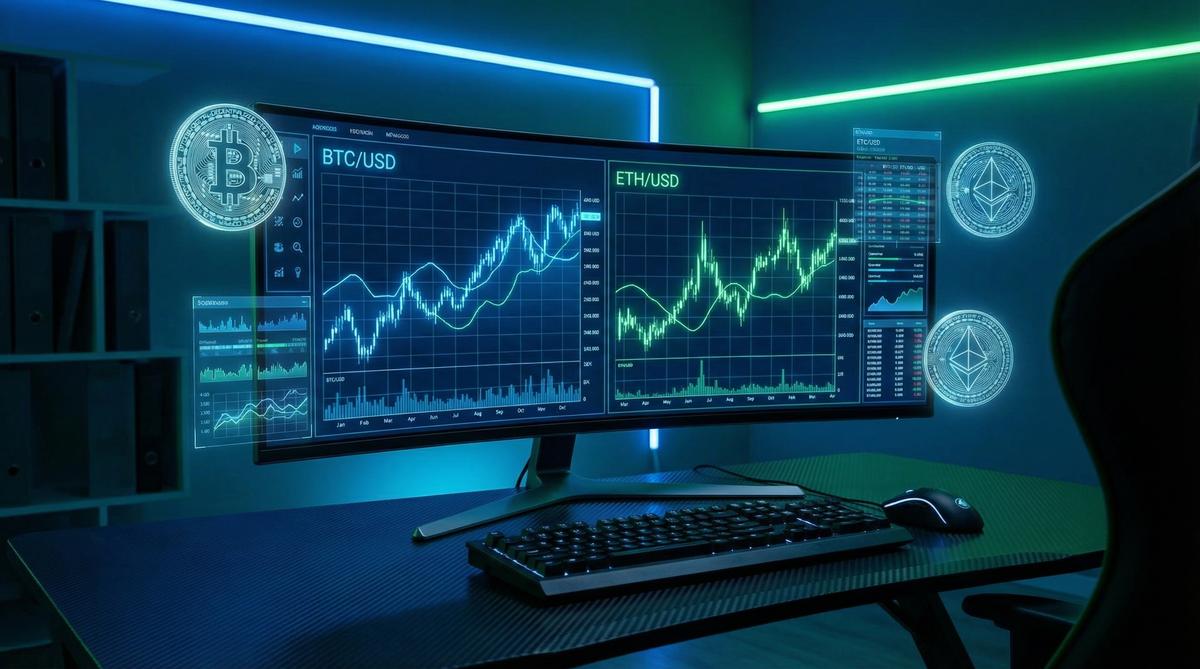
A demo account is basically a practice account provided by many crypto exchanges where you can trade cryptocurrencies using virtual money instead of real cash. So, everything looks and feels like the real trading experience—order books, live price charts, wallet interfaces—but you don’t actually risk any of your own money.
Think of it as a flight simulator for crypto trading. Pilots don’t just jump into a real plane without practice, right? The same principle applies here. Demo accounts allow beginners to get familiar with the trading environment and test strategies before going live.
Why Use a Demo Account?
- Risk-Free Practice: You can experiment with buying, selling, and trading without fear of losing money.
- Learn the Platform: Every crypto exchange has a different setup; demo accounts help you navigate the interface with confidence.
- Test Trading Strategies: Whether you’re into day trading, swing trading, or just HODLing, you can see what works and what doesn’t.
- Build Confidence: Nothing beats hands-on experience, and demo trading gives you that without the pressure.
How to Get Started with a Demo Account
Getting started is usually pretty straightforward. Here’s a step-by-step guide based on my experience with some of the best exchanges around:
1. Choose the Right Exchange
Not every crypto exchange offers demo accounts, so you’ll want to find one that does. Some popular exchanges with demo or “practice” modes include:
- Binance (via Binance Futures testnet)
- eToro
- PrimeXBT
- BitMEX (testnet)
Each platform has its quirks, so I recommend trying a couple out to see which interface you prefer.
2. Sign Up for a Demo Account
Usually, signing up for a demo account is free and quick. Sometimes you’ll need to create an actual account first and then switch to the demo mode inside the platform. For example, eToro requires registration but lets you toggle between real and demo trading right from your dashboard.
3. Explore the Tools and Interface
Take some time to get familiar with the platform’s features—charting tools, order types (like market, limit, stop-loss), and portfolio tracking. Demo accounts typically come preloaded with virtual funds, anywhere from $10,000 to $100,000 in “play money.”
4. Start Trading
Begin placing trades just like you would in a real account. Try buying a few popular coins like Bitcoin (BTC) or Ethereum (ETH), experiment with short selling if available, or set stop-loss orders to see how risk management works.
5. Analyze and Learn
After some trades, review what worked and what didn’t. Many platforms offer analytics to show your profit/loss and other stats. This feedback is gold when you’re starting out.
Key Features to Look for in a Demo Account
Not all demo accounts are created equal. Here’s what I personally look for when testing out exchanges:
| Feature | Why It Matters | Example Exchanges |
|---|---|---|
| Real-Time Market Data | Ensures your trades reflect live market conditions for realistic practice | eToro, Binance Futures testnet |
| Wide Range of Cryptos | Allows you to practice trading diverse coins and tokens | Binance, eToro |
| Access to Advanced Tools | Experience technical analysis and order types you’ll use in real trading | PrimeXBT, BitMEX testnet |
| Easy Switch Between Demo and Live | Saves time and hassle when ready to move to real funds | eToro |
| Sufficient Virtual Funds | Lets you place meaningful trades and test various strategies | Most demo accounts offer at least $10,000 |
Tips for Making the Most Out of Your Demo Trading
Using a demo account isn’t just about clicking “buy” and “sell.” To really benefit, consider these tips:
1. Treat It Like Real Money
It’s tempting to take wild risks when it’s not your own cash, but try to behave as if you’re trading real money. This mindset will cultivate better habits and discipline.
2. Keep a Trading Journal
Write down the reasoning behind each trade, the outcome, and any lessons learned. Over time, this helps you notice patterns in your trading behavior.
3. Experiment with Different Strategies
Try scalping, swing trading, or setting up stop-losses and take-profits. The demo account is your sandbox to see what fits your style.
4. Use Technical Analysis Tools
Practice interpreting charts, indicators, and patterns. Most demo accounts include these tools, so use them to sharpen your skills.
5. Switch to Live Trading When Ready
Once you feel consistent and confident in the demo, dip your toes into live trading with a small amount of real funds. Remember, real markets can be emotionally different, so start slow.
Popular Crypto Exchanges with Demo Accounts
To save you some time, here’s a quick look at a few top exchanges that offer demo or testnet trading for beginners:
- eToro: Offers a fully featured demo account with $100,000 in virtual funds. It’s beginner-friendly and lets you trade cryptos, stocks, and more on one platform. The ability to copy trade other investors is a nice touch. Check it out here.
- Binance Futures Testnet: Great if you want to practice derivatives trading on one of the world’s biggest exchanges. Requires separate registration for the testnet, but you get access to live market data and many order types. Try Binance Futures Testnet.
- PrimeXBT: Offers a demo to practice crypto margin trading with a friendly interface and various assets. Perfect if you want to test leveraged trading without real risk.
- BitMEX Testnet: For advanced traders interested in perpetual contracts and futures, BitMEX’s testnet is the way to go. The platform is more complex but demo mode helps ease the learning curve.
Affiliate CTA #1
If you’re ready to jump into demo trading, I highly recommend starting with eToro’s demo account. It’s easy to use, provides plenty of virtual funds, and covers a broad range of assets beyond just crypto. Plus, with its social trading features, you can learn from experienced traders while practicing yourself. Don’t just take my word for it—try it risk-free today!
Affiliate CTA #2
For those wanting to master futures and margin trading without risking real capital, Binance Futures Testnet offers a realistic environment with live market data and a full suite of tools. Signing up is quick, and you’ll be able to practice the same order types and strategies professional traders use. It’s a fantastic way to build confidence before going live.
Frequently Asked Questions
1. Are demo accounts on crypto exchanges really free?
Yes! Most demo accounts are completely free to use and come with virtual funds for practicing. You won’t need to deposit any real money to get started [1].
2. Can I make real profits with a demo account?
No, because demo accounts use virtual money, any profits or losses are simulated. However, the experience you gain is invaluable when you start real trading [2].
3. Do demo accounts reflect real market conditions?
Good demo accounts use live market data to ensure your trades happen at real-time prices, but some may lag slightly or lack market depth. Always check what kind of data your chosen platform offers [3].
4. Can I use margin or leverage on demo accounts?
Yes, many exchanges that offer demo accounts also allow you to practice leveraged trading, including margin, futures, and perpetual contracts, so you can learn how to manage risk safely before using real funds.
5. When should I switch from demo to live trading?
Once you consistently make profits or feel confident in your strategies on the demo account, and have a solid risk management plan, it’s a good time to start live trading with small amounts. Emotional discipline in real markets is a different ballgame, so start cautiously.
References
- Investopedia – Demo Account Definition
- Binance Futures Testnet Guide
- eToro Trading Platform Overview
“`